
Maximizing Tetra Egg Hatch Rates: Aquarium Mastery's Advanced Incubation Techniques

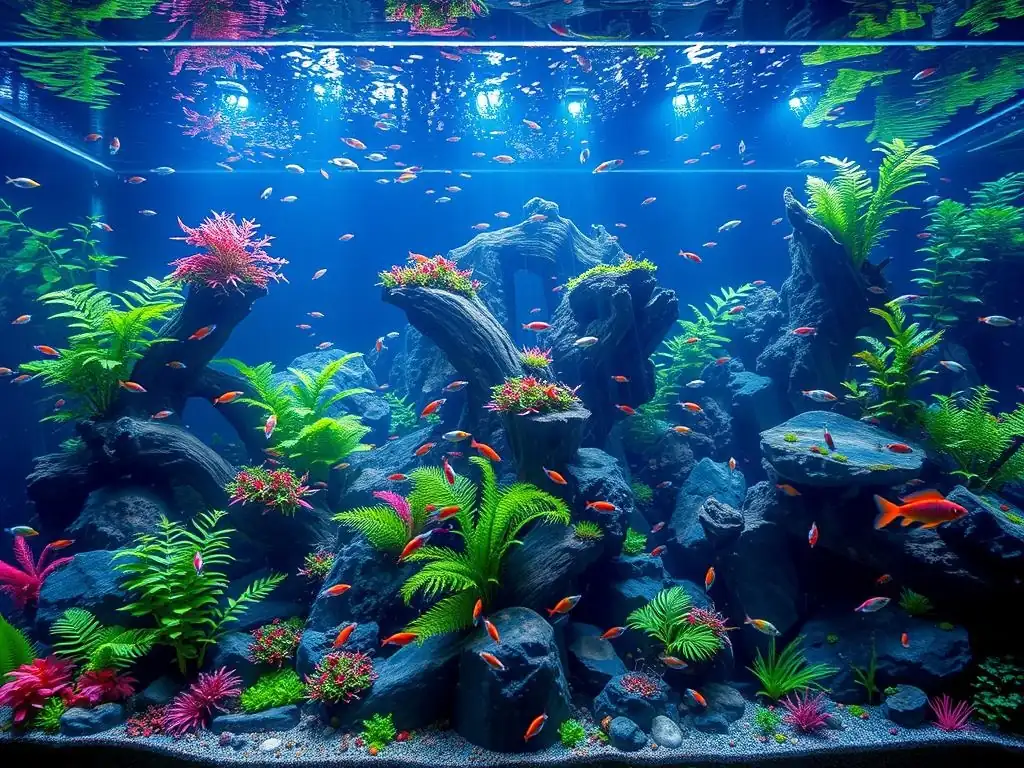
Welcome to Aquarium Mastery, your ultimate guide to thriving aquatic ecosystems!
Ever dreamt of witnessing the miracle of new life in your aquarium? Dive into our expert insights on Tetra egg incubation success and unlock the secrets to maximizing hatch rates. Prepare to be amazed as we reveal advanced techniques and proven strategies, turning you into a true master of freshwater breeding. Eager to learn how to achieve incredible results? Let's begin!
- Maximizing Cardinal Tetra Egg Hatch Rates: Aquarium Mastery's Advanced Incubation Techniques
- Introduction to Cardinal Tetra Egg Incubation for Aquarium Hobbyists
- Essential Pre-Incubation Steps for Cardinal Tetra Eggs
- Advanced Cardinal Tetra Egg Incubation Techniques: A Step-by-Step Guide
- Monitoring Cardinal Tetra Egg Development: Identifying Viable Eggs
- Post-Hatch Care: Raising Cardinal Tetra Fry to Adulthood
- Troubleshooting Common Cardinal Tetra Egg Incubation Problems
- Advanced Tips for Enhancing Cardinal Tetra Egg Incubation Success
- Conclusion: Achieving Cardinal Tetra Egg Incubation Success with Aquarium Mastery
-
Frequently Asked Questions
- How crucial is water quality for Tetra egg incubation success?
- What are the ideal temperature ranges for Tetra egg incubation to maximize hatch rates?
- Why is it important to separate Tetra eggs from the parent fish?
- What role does aeration play in improving Tetra egg incubation success?
- How long does it typically take for Tetra eggs to hatch, and what do the fry need immediately after hatching?
- Final Reflection: Nurturing New Life, Cultivating Patience
- Unlock the Secrets to Thriving Tetra Fry!
Maximizing Cardinal Tetra Egg Hatch Rates: Aquarium Mastery's Advanced Incubation Techniques
Introduction to Cardinal Tetra Egg Incubation for Aquarium Hobbyists
Understanding the Challenges of Cardinal Tetra Breeding and Egg Hatching
Cardinal Tetra breeding presents unique challenges due to their specific environmental requirements and the delicate nature of their eggs. Unlike some hardier species, Cardinal Tetra eggs are remarkably small, typically less than 1.0 mm in diameter, making them highly susceptible to fungal infections and mechanical damage. Furthermore, they are photophobic, meaning exposure to light can significantly reduce their viability, often leading to a complete failure of the hatch if not managed carefully.
In a typical community aquarium setting, natural Cardinal Tetra egg hatch rates are often negligible, frequently falling below 5%. This low success rate is primarily due to predation by adult fish (including the parents), unsuitable water parameters, and the rapid onset of fungal growth on unfertilized or damaged eggs. The precise water chemistry required for optimal fertilization and development, characterized by very soft and acidic conditions, is rarely present in a general display tank, necessitating a dedicated breeding and incubation setup.
Why Cardinal Tetra Egg Incubation Requires Advanced Techniques
Achieving high Cardinal Tetra egg incubation success rates demands a meticulous approach that goes beyond basic aquarium keeping. Advanced techniques focus on creating a sterile, precisely controlled environment that mimics the specific conditions found in their natural Amazonian habitats. This controlled environment minimizes common threats such as fungal infections, bacterial contamination, and adverse water chemistry, which are rampant in less managed setups.
By implementing specialized incubation methods, aquarists can dramatically increase the survival rate of Cardinal Tetra eggs. While natural hatch rates might be in the single digits, advanced incubation techniques, coupled with careful monitoring, can realistically achieve hatch rates of 60-80% or even higher. This significant improvement in tetra egg incubation success transforms the challenging endeavor of breeding these beautiful fish into a highly rewarding experience for dedicated hobbyists.
Essential Pre-Incubation Steps for Cardinal Tetra Eggs
Selecting Healthy Cardinal Tetra Breeding Pairs for Optimal Egg Quality
The foundation of successful Cardinal Tetra egg incubation lies in the health and conditioning of the breeding pair. Select adult Cardinal Tetras that are at least 6-12 months old, as they are typically mature enough to spawn regularly and produce viable eggs. Look for individuals exhibiting vibrant coloration, active swimming, and no signs of disease or stress, such as clamped fins, faded colors, or labored breathing. A well-conditioned female will appear plump, indicating the presence of eggs, while males will be slender but energetic.
To optimize egg quality and quantity, condition your chosen breeding pair for at least two weeks with a high-quality, varied diet. Incorporate a mix of live and frozen foods such as bloodworms, daphnia, and newly hatched brine shrimp, supplemented with premium flake or micro-pellet foods. This nutrient-rich diet provides the essential proteins and lipids necessary for robust egg development and can significantly increase the number of eggs laid, with well-conditioned females potentially laying between 150 to 250 eggs per spawn.
Preparing the Breeding Tank for Successful Cardinal Tetra Spawning
A dedicated breeding tank is crucial for successful Cardinal Tetra spawning and subsequent egg collection. A small, bare-bottom aquarium, typically 5-10 gallons (approximately 19-38 liters), is ideal, as it simplifies egg retrieval and prevents eggs from getting lost in substrate. The tank should be set up with very soft and acidic water parameters, ideally with a general hardness (GH) of 0-2 dGH, a carbonate hardness (KH) of 0-1 dKH, and a pH between 5.0-6.0. Using reverse osmosis (RO) water remineralized with specific salts designed for soft water fish is often necessary to achieve these precise conditions.
To provide a spawning substrate, incorporate fine-leaved plants like Java moss, spawning mops made from nylon yarn, or specialized spawning grass. These materials offer a safe place for the female to deposit her adhesive eggs and protect them from immediate consumption by the parents. Maintain the water temperature between 78-82°F (25.5-27.8°C), and ensure the tank is in a dimly lit area or covered to simulate the dark, shaded conditions preferred by Cardinal Tetras for spawning, which typically occurs at dawn.
Collecting Cardinal Tetra Eggs Safely to Prevent Damage
Once spawning has occurred, typically in the early morning hours, the Cardinal Tetra eggs must be collected swiftly and carefully to prevent damage and minimize exposure to light and potential fungal contamination. The eggs are incredibly delicate and can be easily crushed or ruptured, so gentle handling is paramount for successful tetra egg incubation. Spawning mops or plants should be carefully lifted from the tank, allowing excess water to drain without dislodging the eggs.
For eggs deposited directly on the tank bottom, a small, clean siphon or a turkey baster can be used to gently suction them into a separate container. It is critical to perform this collection quickly, ideally within an hour or two of spawning, as prolonged exposure to the breeding tank environment increases the risk of fungal infection and predation. Transfer the collected eggs directly into the prepared incubation tank, ensuring the water parameters in the collection container match those of the incubation tank to prevent osmotic shock.
Advanced Cardinal Tetra Egg Incubation Techniques: A Step-by-Step Guide
Setting Up the Incubation Tank: Water Parameters and Filtration
Maintaining Ideal Water Chemistry for Cardinal Tetra Egg Development
The precise water chemistry in the incubation tank is paramount for maximizing Cardinal Tetra egg incubation success. The water should be ultra-soft and highly acidic, mimicking the blackwater conditions of their native Amazonian streams. Aim for a general hardness (GH) of less than 1 dGH and a pH between 4.5-5.5. This extremely soft and acidic environment is crucial because it inhibits the growth of harmful bacteria and fungi that commonly plague delicate fish eggs, while also promoting proper embryonic development.
To achieve these parameters, it is highly recommended to use distilled or reverse osmosis (RO) water. This pure water base can then be carefully conditioned with a minimal amount of a blackwater extract or humic acid solution, which further lowers the pH and adds beneficial humic substances without significantly increasing hardness. Conductivity levels should be kept very low, ideally below 50 µS/cm, as higher mineral content can negatively impact egg viability and hatch rates.
Choosing the Right Filtration System for a Cardinal Tetra Egg Incubation Tank
The filtration system for a Cardinal Tetra egg incubation tank must be chosen with extreme care to avoid disturbing the delicate eggs while still maintaining water quality. Strong currents from power filters or hang-on-back filters can easily damage or dislodge the tiny eggs, leading to reduced tetra egg incubation success. Instead, opt for a very gentle form of aeration and minimal mechanical filtration.
A small sponge filter, operated at its lowest possible air flow, is often the preferred choice. The gentle bubbling from the air stone within the sponge filter provides sufficient oxygenation and minimal water circulation without creating strong currents. Alternatively, a simple air stone connected to an air pump with an airline restrictor can provide the necessary oxygenation. For a typical 1-2 gallon incubation container, a gentle stream of fine bubbles from a small air stone is usually sufficient, ensuring adequate oxygen saturation above 7 mg/L without risking egg damage.
Temperature Control: Achieving the Optimal Incubation Temperature for Cardinal Tetra Eggs
Maintaining a stable and optimal temperature is a critical factor for successful Cardinal Tetra egg incubation. The ideal temperature range for Cardinal Tetra egg development is between 78-82°F (25.5-27.8°C). Within this range, the embryonic development proceeds efficiently, leading to timely hatching and robust fry. A precise, submersible aquarium heater, coupled with an accurate thermometer, is essential to ensure consistent temperature control throughout the incubation period.
Temperatures outside this optimal range can severely impact hatch rates and fry health. If the temperature is too low, incubation time will be prolonged, increasing the risk of fungal infections and potentially leading to deformities. Conversely, excessively high temperatures can cause premature hatching, developmental abnormalities, or even egg mortality. At a consistent 80°F (26.7°C), Cardinal Tetra eggs typically hatch within 24-36 hours, providing a clear window for post-hatch care preparations.
Preventing Fungal Infections: Antifungal Treatments and Water Changes
Using Methylene Blue Safely
Fungal infections are one of the primary threats to Cardinal Tetra egg incubation success, as they can rapidly spread and decimate an entire batch. Methylene blue is a highly effective and widely used antifungal agent for fish eggs. Its mild antiseptic properties help prevent the growth of common water molds, such as Saprolegnia, which quickly colonize dead or unfertilized eggs and then spread to healthy ones.
When using methylene blue, a very dilute solution is sufficient. Typically, adding 1-2 drops of a 2.303% methylene blue solution per gallon (approximately 3.8 liters) of incubation water, or until the water turns a light sky-blue color, is effective. The dye should be added immediately after the eggs are transferred to the incubation tank. While safe for eggs, it's important to note that methylene blue will stain silicone and equipment; it should be removed via water changes once the fry have hatched, as prolonged exposure can be detrimental to newly hatched fry.
Implementing a Regular Water Change Schedule for Egg Incubation
Even with antifungal treatments like methylene blue, a rigorous water change schedule is vital for maintaining pristine water quality during Cardinal Tetra egg incubation. Decaying unfertilized eggs and metabolic waste products can quickly foul the water, creating an environment conducive to bacterial growth and further fungal proliferation. Small, frequent water changes help to remove these harmful substances and keep the incubation environment stable.
Perform small water changes, typically 10-20% of the incubation tank volume, daily. When conducting these changes, use water that precisely matches the temperature and parameters of the existing incubation water to avoid shocking the delicate eggs. Gently siphon water from the bottom of the tank, being careful not to disturb the eggs. This consistent maintenance significantly reduces the dissolved organic compounds by an estimated 15-20% daily, further contributing to optimal tetra egg incubation success.
Aeration and Water Circulation: Ensuring Oxygenation for Developing Embryos
Adequate oxygenation and gentle water circulation are critical factors for the healthy development of Cardinal Tetra embryos within their eggs. Cardinal Tetra eggs, like most fish eggs, require a constant supply of dissolved oxygen for metabolic processes. Stagnant water can lead to oxygen deprivation (anoxia), which will quickly result in egg mortality or deformities.
A gentle air stone placed near the eggs, set to produce a fine stream of bubbles, is usually sufficient to ensure proper oxygen saturation and provide minimal water movement. The gentle current helps to prevent debris from settling on the eggs and ensures that oxygenated water constantly bathes their surfaces. For very delicate eggs or larger batches, specialized equipment like egg tumblers (discussed later) can provide even more uniform circulation. Maintaining oxygen levels above 7 mg/L is generally recommended for optimal Cardinal Tetra egg incubation success.
Monitoring Cardinal Tetra Egg Development: Identifying Viable Eggs
Recognizing Signs of Fertilization and Early Embryonic Growth
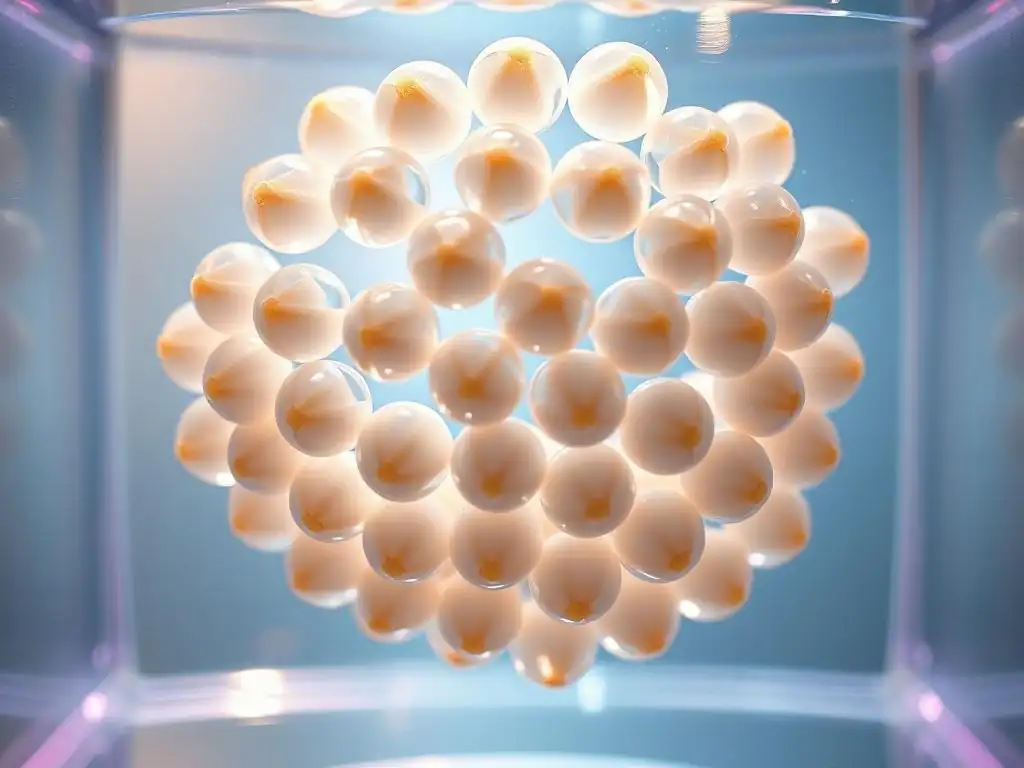
Observing the development of Cardinal Tetra eggs is a fascinating and crucial step in the incubation process. Within a few hours of spawning, fertilized eggs will appear clear and translucent, resembling tiny glass beads. Unfertilized eggs, in contrast, will quickly turn opaque white or milky within 6-12 hours, a clear sign they are not viable. As development progresses, a small, dark spot, representing the developing embryo, will become visible within the clear egg.
At an optimal incubation temperature of 80°F (26.7°C), early embryonic development is rapid. Within 18-24 hours, you may be able to discern distinct eye spots, which appear as two small black dots within the egg. Shortly after, a faint outline of the spinal cord and tail can be observed. This rapid progression from a clear sphere to a visibly developing embryo is a strong indicator of successful fertilization and healthy development, signaling high potential for tetra egg incubation success.
Identifying and Removing Unfertilized or Fungus-Infected Cardinal Tetra Eggs
Regular and meticulous inspection of the Cardinal Tetra eggs is essential for preventing widespread fungal outbreaks. Unfertilized eggs, which turn opaque white, are prime targets for fungal colonization. Once fungus takes hold, it rapidly spreads thread-like hyphae to healthy, adjacent eggs, potentially compromising the entire batch within 12-24 hours. Therefore, prompt removal of these compromised eggs is paramount.
Use a sterile pipette or a small turkey baster to gently siphon out any eggs that appear opaque, fuzzy, or show any signs of fungal growth. Perform this inspection and removal at least once daily, preferably twice, to stay ahead of any potential outbreaks. Even with antifungal treatments in place, vigilance in removing non-viable eggs significantly improves the overall tetra egg incubation success rate by eliminating the substrate for fungal proliferation.
Using a Magnifying Glass for Detailed Egg Observation
Given the minute size of Cardinal Tetra eggs, a magnifying glass is an invaluable tool for detailed observation and accurate assessment of their development. Cardinal Tetra eggs are typically only about 0.8-1.0 mm in diameter, making subtle changes in their appearance difficult to discern with the naked eye. A magnifying glass allows for a much clearer view of the embryonic growth stages, from the first appearance of the dark embryonic spot to the formation of eye spots and the developing spine.
A magnification level of 5x to 10x is ideal for this purpose, providing enough detail to distinguish between viable and non-viable eggs, and to identify the earliest signs of fungal filaments. This enhanced visibility also aids in the precise removal of compromised eggs without accidentally disturbing healthy ones. Regular, detailed observation using a magnifying glass significantly contributes to achieving higher tetra egg incubation success by enabling timely intervention.
Post-Hatch Care: Raising Cardinal Tetra Fry to Adulthood
First Foods for Cardinal Tetra Fry: Infusoria, Micro-worms, and Liquid Fry Food
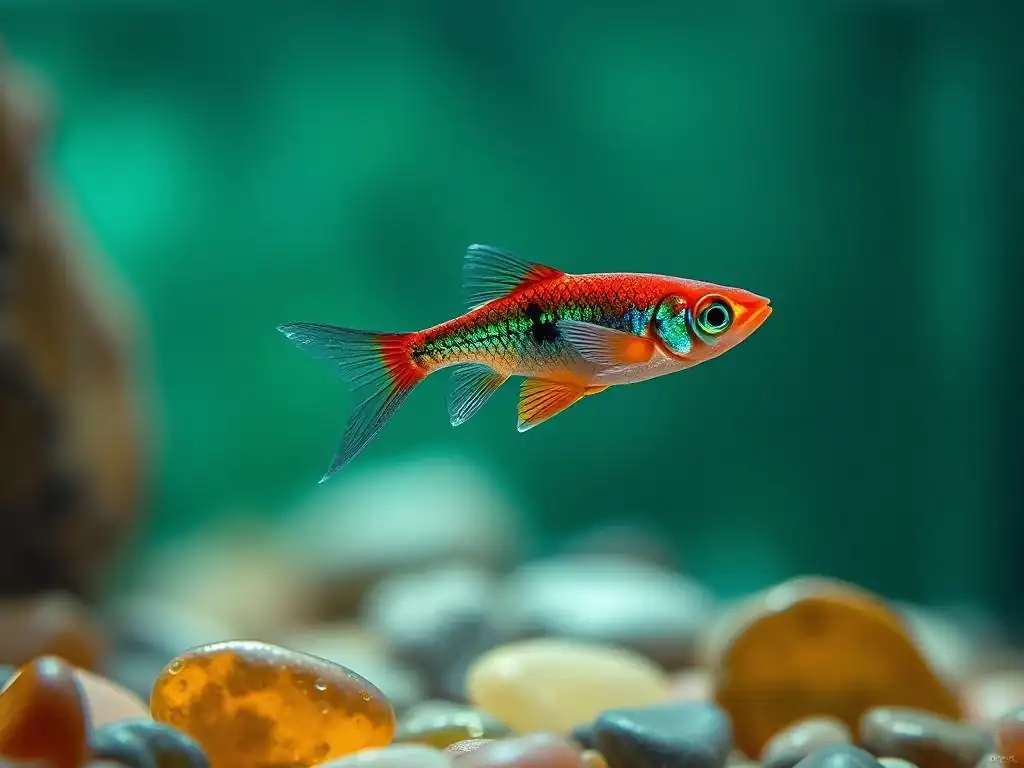
Cardinal Tetra fry are incredibly small upon hatching, typically measuring only 2-3 mm in length, and require microscopic food sources for their initial days. Their tiny mouths cannot consume anything larger than about 50 microns. Therefore, the first food offered must be exceptionally fine. Infusoria, which are microscopic protozoa, are an excellent choice and can be cultured at home. Alternatively, microworms provide a slightly larger but still appropriate food source, or specialized liquid fry foods designed for egg-laying fish can be used.
Begin feeding the fry once they become free-swimming, usually within 3-5 days post-hatch, as they will have absorbed their yolk sac by then. Feed small amounts frequently, ideally 4-6 times a day, to ensure a constant supply of food. Underfeeding is a common cause of fry loss, so it's better to slightly overfeed and then perform frequent water changes to manage water quality. Consistent feeding of these tiny organisms is crucial for the initial survival and growth of the fry.
Gradual Weaning of Cardinal Tetra Fry onto Larger Food Sources
As Cardinal Tetra fry grow, their dietary needs evolve, and they will gradually require larger food particles. After approximately 5-7 days post-hatch, when the fry have grown slightly and are more active swimmers, they can be introduced to newly hatched brine shrimp nauplii. Brine shrimp are highly nutritious and their jerky swimming motion often triggers a strong feeding response in the fry. Feed brine shrimp 2-3 times a day, continuing with infusoria or microworms in between to ensure they receive enough sustenance.
Over the next 2-3 weeks, as the fry continue to grow and reach a size of about 10-15 mm, they can be gradually weaned onto finely crushed high-quality flake foods or micro-pellets. It is important to crush these dry foods into a powder consistency initially, gradually increasing the particle size as the fry mature. This gradual transition ensures they receive adequate nutrition and adapt to a more varied diet, supporting their continued growth towards adulthood.
Maintaining Water Quality for Growing Cardinal Tetra Fry
Maintaining pristine water quality is paramount for the health and survival of growing Cardinal Tetra fry. Young fry are highly susceptible to fluctuations in water parameters and the presence of nitrogenous waste products. Ammonia and nitrite, even in low concentrations, can be lethal to developing fish. Therefore, a strict water maintenance regimen is essential, building upon the principles of excellent tetra egg incubation success.
Perform small, frequent water changes daily, typically 10-20% of the tank volume, using aged or pre-conditioned water that matches the temperature and parameters of the fry tank. A gentle sponge filter, operated at a very low flow rate, provides necessary biological filtration without creating strong currents that can stress the fry. Regular testing for ammonia, nitrite, and nitrate is advised, aiming to keep ammonia and nitrite at 0 ppm and nitrates below 10 ppm. Consistent water changes can prevent issues such as ammonia levels exceeding 0.1 ppm, which can lead to significant fry mortality.
Preventing Disease in Young Cardinal Tetra Fry
Young Cardinal Tetra fry are particularly vulnerable to diseases due to their undeveloped immune systems and small size. Preventing disease is far more effective than attempting to treat it, as many medications are too harsh for delicate fry. The cornerstone of disease prevention lies in maintaining optimal water quality, providing a nutritious diet, and avoiding overcrowding.
Ensure the fry tank is kept scrupulously clean, with uneaten food promptly removed to prevent water fouling. Overcrowding can stress fry, suppress their immune systems, and lead to rapid disease transmission, so ensure adequate space for their numbers. Quarantining any new adult fish before introducing them to the same water system, and avoiding shared equipment between fry tanks and other aquariums, further minimizes the risk of introducing pathogens. Stress from poor water quality, for instance, can reduce fry survival rates by 30-50% within their first month.
Troubleshooting Common Cardinal Tetra Egg Incubation Problems
Addressing Low Hatch Rates: Identifying Potential Causes
Experiencing low hatch rates with Cardinal Tetra eggs can be disheartening, but understanding the potential causes is the first step toward improving future tetra egg incubation success. Common reasons for poor hatch rates include unfertilized eggs, which often appear opaque white shortly after spawning; unsuitable water parameters in the incubation tank, particularly pH and hardness levels that deviate from the recommended ultra-soft and acidic conditions; and insufficient oxygenation.
Other contributing factors can be high fungal infection rates, which may indicate inadequate antifungal treatment or insufficient removal of non-viable eggs, and incorrect incubation temperatures. If hatch rates consistently fall below 40%, it is crucial to systematically re-evaluate each aspect of your setup. Check the health and conditioning of your breeding pair, re-test water parameters meticulously, ensure proper aeration, and confirm that antifungal measures are adequately applied and maintained. Slight deviations in pH or GH can significantly impact the viability of Cardinal Tetra eggs.
Dealing with Fungus Outbreaks During Incubation
Fungus outbreaks are a prevalent and serious challenge during Cardinal Tetra egg incubation, capable of wiping out an entire batch quickly. These outbreaks are often triggered by the presence of unfertilized or damaged eggs, which provide a substrate for water molds like Saprolegnia to colonize. Insufficient antifungal treatment, poor water quality, or infrequent removal of compromised eggs can exacerbate the problem.
If a fungus outbreak occurs, immediate action is necessary. First, increase the frequency and thoroughness of removing any eggs showing signs of fungal growth (fuzzy, white appearance) using a pipette. You may also temporarily increase the concentration of methylene blue or another safe antifungal agent in the incubation water, following product instructions carefully.
Concurrently, increase the frequency of small, gentle water changes to remove fungal spores and dissolved organic waste. Early detection and removal of even a few infected eggs can prevent a widespread outbreak that could compromise 80-90% of the remaining batch, thereby improving overall tetra egg incubation success.
Managing Water Quality Issues in the Incubation Tank
Water quality issues in the Cardinal Tetra incubation tank can manifest as cloudy water, an unpleasant odor, or a sudden increase in egg mortality. These problems are often caused by the accumulation of waste products from decaying unfertilized eggs, bacterial blooms, or, if premature feeding has occurred, uneaten food. Poor water quality, particularly elevated levels of ammonia or nitrites, is highly toxic to delicate fish eggs and developing embryos.
To manage water quality issues, the most immediate step is to perform a significant water change, often 50% or more, using water that precisely matches the existing parameters and temperature of the incubation tank. Simultaneously, identify and remove the source of pollution, whether it's decaying eggs or other organic matter.
Ensure that aeration is adequate and that any gentle filtration is functioning correctly. A sudden spike in nitrites to even 0.5 ppm can cause significant egg mortality, often leading to a complete loss of the batch if not corrected immediately, emphasizing the importance of proactive water management for optimal tetra egg incubation success.
Advanced Tips for Enhancing Cardinal Tetra Egg Incubation Success
Utilizing Specialized Incubation Equipment: Egg Tumblers
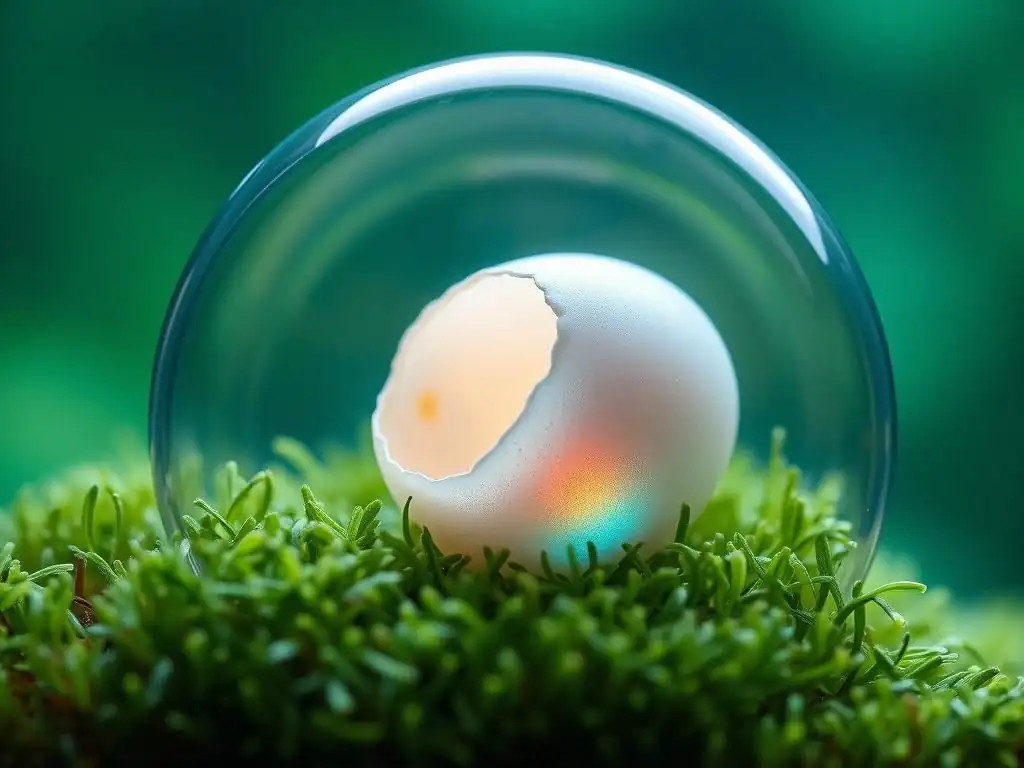
For aquarists seeking to further maximize Cardinal Tetra egg incubation success, specialized equipment such as egg tumblers can be highly beneficial. Egg tumblers are devices that provide a continuous, gentle flow of water around the eggs, mimicking the natural agitation provided by parental mouthbrooding in some species, or simply ensuring optimal oxygenation and preventing debris from settling. This constant, mild movement helps prevent fungal growth by dislodging spores and ensuring that all egg surfaces are bathed in oxygenated water.
Egg tumblers are particularly advantageous for delicate eggs like those of Cardinal Tetras, which are prone to fungal infections and sensitive to stagnant conditions. They can significantly improve hatch rates by maintaining uniform conditions and reducing the need for manual egg turning or excessive chemical treatments. Utilizing an egg tumbler can increase hatch rates by an additional 10-20% compared to static incubation methods, especially for sensitive species, contributing significantly to overall tetra egg incubation success.
Implementing a Quarantine Protocol for Newly Hatched Fry
While newly hatched Cardinal Tetra fry are typically raised in isolated incubation tanks, implementing a structured quarantine protocol for them, especially as they grow and transition to larger tanks, is a critical advanced tip for their long-term survival. This protocol minimizes the risk of disease transmission from other fish or external sources, protecting the vulnerable fry during their most fragile stages. A dedicated fry tank, used exclusively for the young fish, should be maintained with strict hygiene standards, and no shared equipment (nets, siphons) should be used between it and other aquariums.
Any new live food cultures or plant additions should also be thoroughly rinsed or quarantined before introduction to the fry tank. This meticulous approach to biosecurity ensures that the young fry are not exposed to pathogens that could decimate their numbers. A dedicated fry tank maintained with pristine conditions can lead to a 25-30% higher survival rate for young fry in their first month compared to raising them in a less controlled environment, solidifying tetra egg incubation success into robust fry development.
Optimizing Lighting Conditions for Cardinal Tetra Fry Development
Optimizing lighting conditions is an often-overlooked but crucial aspect of successful Cardinal Tetra fry development. Cardinal Tetra eggs are known to be photophobic, meaning they are sensitive to light and require dim or dark conditions for successful incubation. This sensitivity extends to newly hatched fry, who are also quite delicate and can be stressed by bright, direct illumination.
After hatching, maintaining very dim, consistent lighting for the fry tank is beneficial. This encourages them to feel secure and actively seek food, as they would in their naturally shaded habitats. Avoid sudden changes in light intensity.
For the first week post-hatch, maintaining very dim lighting, such as 5-10 lumens per gallon, can significantly reduce fry stress and improve their feeding response by up to 15%. As they grow, lighting can be gradually increased, but always keep it subdued compared to a typical display tank, ensuring a calm and conducive environment for their development and continued tetra egg incubation success.
Conclusion: Achieving Cardinal Tetra Egg Incubation Success with Aquarium Mastery
Mastering Cardinal Tetra Breeding: A Rewarding Aquarium Hobby
Mastering the intricate art of Cardinal Tetra breeding and achieving high tetra egg incubation success is one of the most rewarding endeavors in the freshwater aquarium hobby. It requires dedication, precision, and a deep understanding of their specific environmental needs, from the delicate egg stage through to the free-swimming fry. By applying advanced incubation techniques—meticulous water parameter control, rigorous fungal prevention, and optimized post-hatch care—aquarists can significantly increase their yield of these stunning fish.
The journey from tiny, almost invisible eggs to vibrant, schooling adults is a testament to an aquarist's skill and patience. Successfully breeding Cardinal Tetras not only provides immense personal satisfaction but also contributes to the sustainable hobby, reducing reliance on wild-caught specimens. It transforms a challenging biological process into a consistent, gratifying experience, showcasing the true essence of Aquarium Mastery.
Resources for Further Learning about Cardinal Tetra Care and Breeding
Aquarium Mastery is committed to providing comprehensive resources for aquarists looking to expand their knowledge and skills in Cardinal Tetra care and breeding. Our extensive library of articles covers every aspect of maintaining healthy freshwater ecosystems, from detailed species profiles and water chemistry guides to advanced breeding protocols and troubleshooting common aquarium issues.
For those eager to delve deeper into the nuances of Cardinal Tetra breeding, explore our dedicated sections on Freshwater Fish Breeding, Advanced Tetra Care, and Water Chemistry for Soft Water Species. These resources offer in-depth information, practical tips, and expert insights to further enhance your understanding and ensure continued tetra egg incubation success and the thriving health of your fish.
Frequently Asked Questions
How crucial is water quality for Tetra egg incubation success?
Water quality is absolutely critical. Maintaining pristine conditions, with stable temperature and pH, is vital for preventing fungal growth and ensuring healthy development of the eggs.
What are the ideal temperature ranges for Tetra egg incubation to maximize hatch rates?
Most Tetra species thrive when incubated at a temperature between 75-80°F (24-27°C). Consistent temperatures are key to high hatch rates and healthy fry.
Why is it important to separate Tetra eggs from the parent fish?
Adult Tetras often prey on their own eggs and fry. Separating the eggs into a dedicated incubation tank or container significantly increases the chances of successful hatching.
What role does aeration play in improving Tetra egg incubation success?
Gentle aeration is important to keep the water oxygenated and prevent stagnant conditions. A sponge filter or air stone provides adequate oxygen without creating strong currents that can damage the delicate eggs.
How long does it typically take for Tetra eggs to hatch, and what do the fry need immediately after hatching?
Tetra eggs usually hatch within 24-72 hours. After hatching, the fry require infusoria or liquid fry food as their initial food source, as they are very small and have limited swimming ability.
Final Reflection: Nurturing New Life, Cultivating Patience
The journey from tiny tetra egg to vibrant, swimming fish is a testament to the delicate balance of nature and the dedication of the aquarist. Achieving Tetra egg incubation success is more than just following a set of instructions; it's about understanding the intricate needs of these nascent lives and providing an environment where they can thrive. The techniques discussed, from water parameter management to fungal prevention, highlight the meticulous care required to maximize hatch rates and ensure the healthy development of these miniature wonders.
This pursuit of Tetra egg incubation success extends beyond the confines of the aquarium. It mirrors the broader human endeavor of nurturing potential and fostering growth, whether in our personal lives, our communities, or the world at large. The patience and attention to detail demanded by this process are valuable lessons applicable to any endeavor requiring careful cultivation. The best time to plant a tree was 20 years ago. The second best time is now.
This ancient proverb resonates deeply with the art of aquarium keeping; consistent effort and proactive care are the keys to long-term success and a thriving aquatic ecosystem.
Now, consider the lessons learned. Think about the dedication required to nurture these tiny lives and the profound satisfaction of witnessing their transformation. How can you apply this same level of care and attention to detail in other areas of your life? Embrace the patience and proactive approach that leads to Tetra egg incubation success, and you'll find that you can cultivate growth and achieve remarkable results in all your endeavors. Let the vibrant life of your aquarium inspire you to nurture potential and foster growth wherever you go.
Unlock the Secrets to Thriving Tetra Fry!
Thanks for diving into the world of tetra breeding! We hope you've gained valuable insights into optimizing your tetra egg hatch rates. Now, let's put that knowledge into action.
Here are a few things you can do right now:
- Commit to experimenting with different water parameters outlined in the article to pinpoint the ideal conditions for your specific tetra species.
- Share your hatching success stories (and challenges!) in our community forum to learn from others and contribute to the collective knowledge.
- Surprise a fellow aquarist by sharing this article and helping them unlock the joys of breeding tetras.
What specific technique from the article are you most excited to try first in your own aquarium?