
Advanced Water Aging Techniques for Sensitive Tetras with Aquarium Mastery

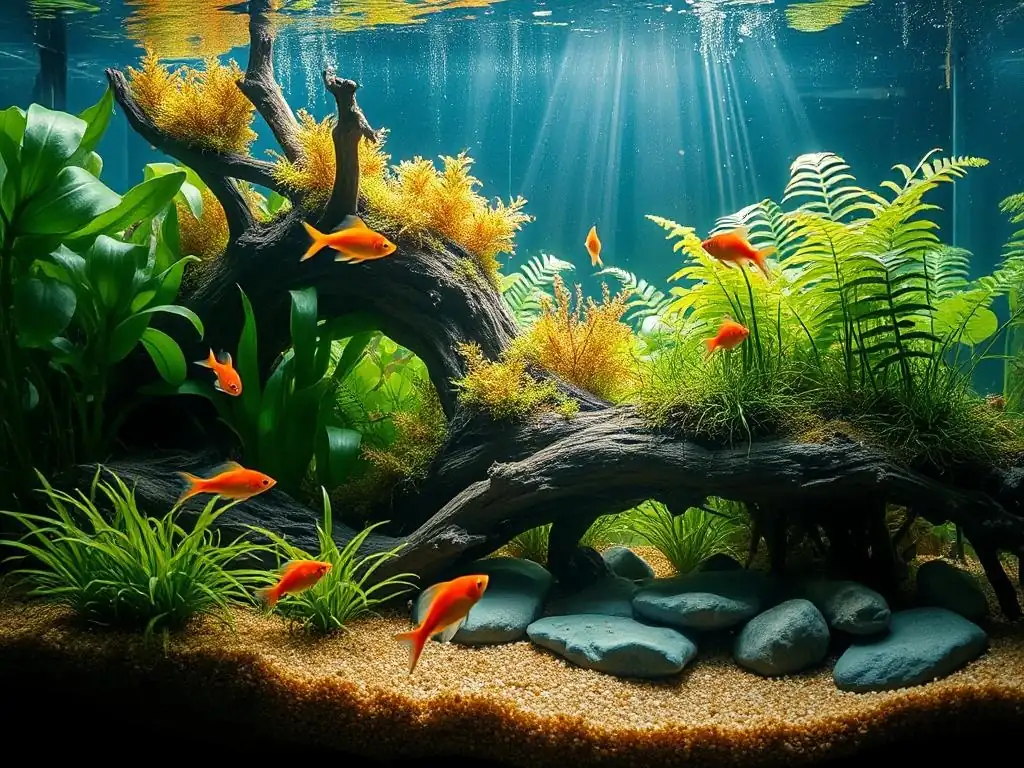
Welcome to Aquarium Mastery!
Curious about keeping those delicate tetras thriving? You've come to the right place! Dive in to learn advanced water aging techniques for sensitive tetras and unlock the secrets to a vibrant, healthy aquarium. Ready to take your tetra care to the next level? Let's get started!
- Understanding the Importance of Aged Water for Sensitive Tetras
- Water Aging: A Step-by-Step Guide for Tetra Keepers
- Advanced Water Aging Techniques for Specific Tetra Species
- Optimizing Water Chemistry Through Aging
- Troubleshooting Common Issues in Water Aging
- Integrating Aged Water into Your Tetra Aquarium Maintenance Routine
- Advanced Water Treatment Methods to Enhance Aging
- Long-Term Water Aging Strategies for Dedicated Tetra Keepers
-
Frequently Asked Questions
- How does water aging benefit water aging sensitive tetras?
- What are the key differences between aging water for freshwater vs. saltwater water aging sensitive tetras?
- How long should I age water for water aging sensitive tetras before adding it to the aquarium?
- What type of container is best for aging water for water aging sensitive tetras?
- What if I don't have time to age water properly for my water aging sensitive tetras?
- Final Reflection: Nurturing Life Through Patient Waters
- Unlock Your Tetra's Vibrant Potential Now!
Understanding the Importance of Aged Water for Sensitive Tetras
Why Water Aging Matters for Tetra Health and Well-being
Water aging is a critical practice for aquarists aiming to provide the best environment for their sensitive tetras. Fresh tap water, while seemingly clean, contains elements like chlorine, chloramine, and dissolved gasses that are highly detrimental to delicate fish. These substances can cause immediate stress, gill damage, and compromise the immune system of tetras, leading to disease and even death. By aging water, aquarists allow these harmful elements to dissipate or be neutralized, creating a more stable and biocompatible environment.
Furthermore, the natural habitats of many sensitive tetra species, such as the Amazon basin for Cardinal Tetras, are characterized by incredibly stable water parameters. Replicating this stability in an aquarium is paramount for their long-term health and vibrant coloration. Aged water helps prevent the shock associated with sudden changes in temperature, pH, and hardness that can occur when adding fresh, unconditioned tap water directly to a tank. This meticulous preparation reduces physiological stress, encourages natural behaviors like schooling, and significantly improves overall well-being.
The Impact of Fresh Tap Water on Delicate Tetra Species
The direct introduction of fresh tap water can have severe, immediate consequences for delicate tetra species. Chlorine, widely used in municipal water treatment, is a potent oxidizer that can burn fish gills and mucous membranes, leading to respiratory distress and suffocating the fish by damaging their ability to extract oxygen from water. Chloramine, a more stable compound of chlorine and ammonia, poses an even greater threat as it does not dissipate readily and releases toxic ammonia into the aquarium. For sensitive tetra species, even trace amounts can lead to irreversible organ damage.
Beyond disinfectants, fresh tap water often contains dissolved heavy metals like copper, lead, and zinc from plumbing, which are highly toxic to fish, particularly small, sensitive species. These metals can accumulate in the fish's organs, causing chronic health issues and reproductive failure. Moreover, fresh tap water can have wildly different temperatures and pH levels compared to the established aquarium water, leading to osmotic shock. This rapid change in water chemistry forces the fish's osmoregulatory system to work overtime, resulting in severe stress, lethargy, clamped fins, and a weakened immune response, making them highly susceptible to common fish diseases.
Benefits of Aged Water: Stability, Safety, and Enhanced Tetra Vitality
The process of water aging provides a multitude of benefits, ensuring the stability, safety, and enhanced vitality of sensitive tetras. One of the primary advantages is the dissipation of chlorine and other volatile gases. While chlorine can evaporate naturally over 24-48 hours, chloramine requires a quality water conditioner to be effectively neutralized, which can be added during the aging process. This ensures that when the water is introduced to the aquarium, it is free from these immediate toxins, safeguarding the delicate gills and mucous membranes of your tetras.
Moreover, aging water allows its temperature to naturally equalize with the ambient room temperature, or be precisely adjusted with a heater to match the aquarium's temperature. This eliminates temperature shock during water changes, a common stressor for sensitive tetra species. The water also has time to stabilize its pH and hardness, often allowing carbon dioxide to off-gas, which can cause a temporary pH drop in fresh tap water.
This stability minimizes osmotic stress, promoting a stronger immune system, more vibrant coloration, and encouraging natural schooling behaviors. Ultimately, the careful preparation of aged water for sensitive tetras contributes significantly to their longevity and successful breeding.
Water Aging: A Step-by-Step Guide for Tetra Keepers
Preparing Your Water Aging Container: Choosing the Right Materials
Selecting the appropriate container is the foundational step in successful water aging for sensitive tetras. The chosen vessel must be food-grade and made from non-toxic materials to prevent the leaching of harmful chemicals into the water.
Common and excellent choices include large, food-grade plastic barrels or buckets, typically ranging from 5 to 55 gallons depending on your aquarium size and water change volume. For instance, a 20-gallon long aquarium might benefit from a 5-gallon aging bucket for weekly 25% water changes, while a 100-gallon tank would necessitate a much larger 30-50 gallon barrel to prepare sufficient aged water for sensitive tetras.
Before initial use, and periodically thereafter, the container must be thoroughly cleaned using only hot water and a dedicated brush, avoiding any soap or detergents, which can leave harmful residues. Ensure the container has a secure lid to prevent airborne contaminants, dust, or accidental spills. Opaque containers are often preferred as they block light, reducing the potential for algae growth during the aging process. Labeling your aging container clearly as "Aquarium Water Only" can also prevent cross-contamination with other household chemicals.
Setting Up Your Water Aging System: Essential Equipment and Considerations
Once the container is chosen, setting up the water aging system requires a few essential pieces of equipment to optimize water quality for sensitive tetras. An air pump connected to an airstone is crucial for vigorous aeration. This constant bubbling facilitates the off-gassing of chlorine and other undesirable dissolved gases, while also maintaining high dissolved oxygen levels, which is vital for beneficial bacteria if you're using biological filtration in your aging system. For example, a standard 10-gallon air pump can adequately aerate a 5-gallon bucket, while larger air pumps are needed for bigger aging barrels.
A submersible heater is another vital component, especially if your ambient room temperature fluctuates significantly or is consistently lower than your aquarium's target temperature (e.g., 76°F or 24.5°C for many tetras). The heater should be appropriately sized for the volume of water in your aging container to ensure the water reaches and maintains the desired temperature, preventing temperature shock during water changes.
A reliable thermometer should also be used to monitor the water temperature accurately. Finally, consider the placement of your aging system; it should be in a stable environment, away from direct sunlight (to inhibit algae) and easily accessible for filling and dispensing.
The Aging Process: Time, Temperature, and Aeration for Optimal Water Quality
The aging process itself involves a precise combination of time, temperature, and aeration to achieve optimal water quality for sensitive tetras. For municipal water treated with chlorine, a minimum aging period of 24 to 48 hours with vigorous aeration is generally sufficient for the chlorine to dissipate naturally.
However, if your tap water contains chloramine, which is much more stable, a high-quality water conditioner specifically designed to neutralize chloramine and detoxify ammonia is absolutely essential, regardless of the aging duration. This conditioner should be added at the beginning of the aging process, according to the manufacturer's instructions for the volume of water being treated.
Maintaining the correct temperature is paramount; the aged water should be within 1-2 degrees Fahrenheit (0.5-1 degree Celsius) of your aquarium's temperature. For most popular sensitive tetra species like Neon or Cardinal Tetras, this typically means a target range of 72-78°F (22-26°C). Constant, robust aeration not only helps off-gas chlorine but also ensures that the water is saturated with oxygen, preventing anaerobic conditions and promoting overall water health. This comprehensive approach to water aging for sensitive tetras minimizes stress and provides a stable foundation for their well-being.
Advanced Water Aging Techniques for Specific Tetra Species
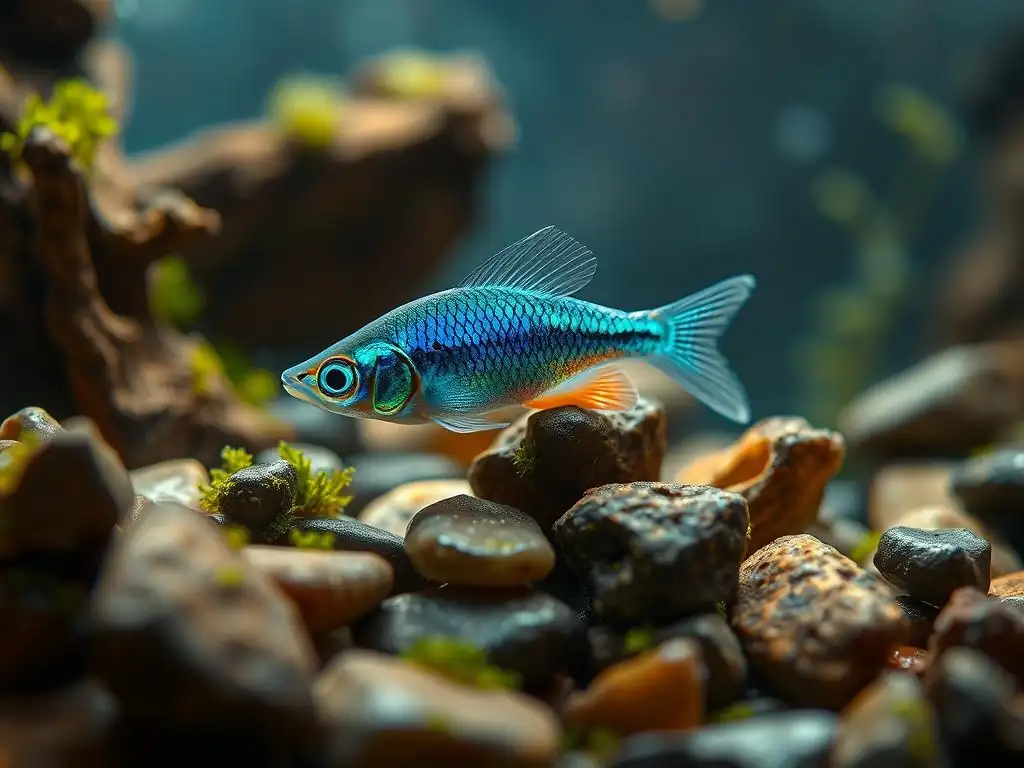
Water Aging for Cardinal Tetras: Mimicking Their Natural Habitat
Cardinal Tetras (Paracheirodon axelrodi) originate from the blackwater rivers and streams of the Orinoco and Rio Negro basins in South America, where water is exceptionally soft and acidic. To effectively age water for these sensitive tetras, the primary focus must be on replicating these specific parameters. This often involves starting with reverse osmosis (RO) or deionized (DI) water, which is essentially pure H2O, to achieve very low general hardness (GH) and carbonate hardness (KH) – ideally close to 0-1 dGH and 0-1 dKH respectively.
Once you have your pure water, a small amount of mineral re-supplementation might be necessary using specific remineralizing products designed for RO water, ensuring essential trace elements are present without increasing hardness. To achieve the desired acidic pH range of 4.5-6.5, natural methods like peat filtration or adding Indian Almond leaves to the aging container are highly effective. These methods not only lower pH but also release beneficial humic substances and tannins, which mimic their natural blackwater environment and have antiseptic properties, further benefiting the health of Cardinal Tetras.
Aging Water for Neon Tetras: Achieving Ideal Water Parameters
Neon Tetras (Paracheirodon innesi) also hail from South American blackwater and clearwater streams, sharing many sensitivities with their Cardinal cousins, though they are often slightly more tolerant of varying water conditions. When aging water for Neon Tetras, the goal is typically soft to moderately soft water (GH 1-4 dGH) with an acidic to neutral pH (5.5-7.0). Unlike Cardinals, which thrive in extremely soft conditions, Neons can adapt to slightly higher hardness, making the aging process a bit less demanding for some aquarists.
To achieve these parameters, one might blend RO/DI water with a small percentage of tap water (after proper conditioning) to reach the desired hardness, or use a remineralizer specifically formulated for soft water fish. For pH adjustment, the same techniques as for Cardinal Tetras—peat filtration or Indian Almond leaves—can be employed, but with careful monitoring to ensure the pH does not drop too low. Consistent aeration during the aging process is crucial to stabilize the water and ensure all volatile compounds are gone, providing pristine aged water for sensitive tetras and promoting their vibrant blue and red coloration.
Techniques for Aging Water for Black Skirt Tetras: Tailoring to Their Unique Needs
Black Skirt Tetras (Gymnocorymbus ternetzi) originate from the Paraná Basin in South America and are generally more adaptable than their Neon or Cardinal counterparts, tolerating a wider range of water parameters. When aging water for these sensitive tetras, the focus shifts slightly from extreme softening to ensuring absolute chemical purity and stability. Black Skirt Tetras thrive in neutral to slightly acidic water (pH 6.0-7.5) and moderately soft to moderately hard water (GH 4-8 dGH), making them more forgiving for aquarists with harder tap water.
The primary aging technique for Black Skirt Tetras involves thorough dechlorination or chloramine neutralization using a high-quality water conditioner, coupled with vigorous aeration for at least 24 hours. If your tap water is very hard or has a high pH, blending with some RO/DI water can help achieve the desired moderate parameters without going to extremes.
Consistent temperature matching with the aquarium water is still vital. The robustness of Black Skirt Tetras allows for less intensive water chemistry manipulation during aging, but the commitment to removing harmful chemicals and maintaining temperature stability remains paramount for their long-term health and active schooling behavior.
Optimizing Water Chemistry Through Aging
Controlling pH Levels During Water Aging for Tetras
Controlling pH levels during water aging is a critical step for providing the ideal environment for sensitive tetras, as many species prefer stable, slightly acidic conditions. Fresh tap water often has a higher pH due to dissolved carbon dioxide, which can off-gas during aeration, causing pH to rise slightly.
To achieve and stabilize the desired pH for tetras (e.g., 6.0-7.0), several methods can be employed. For species like Cardinal or Neon Tetras that thrive in more acidic water, adding a small amount of aquarium-safe peat moss or peat pellets to a media bag in the aging container can naturally lower pH by releasing humic and tannic acids.
Alternatively, for precise control, specific pH buffers designed for aquariums can be used. These buffers not only adjust the pH but also increase the water's buffering capacity (KH), which helps prevent drastic pH swings once the water is in the aquarium.
However, caution is advised; always add buffers gradually and test the pH frequently to avoid overshooting the target. For instance, if your tap water is pH 7.8 and your target for Neon Tetras is pH 6.5, you might use a buffering product or a blend of RO water with tap water to reach that specific parameter during the aging process, ensuring a consistent and stable pH for your sensitive tetras.
Managing Ammonia, Nitrite, and Nitrate: The Nitrogen Cycle and Aged Water
Properly aged water is inherently free of ammonia, nitrite, and nitrate, as it has not yet been subjected to the biological processes of the nitrogen cycle that occur in an established aquarium. This pristine state is a significant advantage when performing water changes for sensitive tetras. The goal of using aged water is to introduce only pure, detoxified water, thereby avoiding the addition of any nitrogenous waste compounds that could disrupt the delicate balance of the aquarium's existing biological filter.
Therefore, when preparing aged water, it is crucial to ensure that the aging container itself is meticulously clean and free of any organic matter that could decompose and produce ammonia. Unlike the aquarium, the aging container is not designed to process nitrogenous wastes. The primary focus of managing these parameters in aged water for sensitive tetras is preventative: ensuring that the water added to the tank does not contribute to the ammonia, nitrite, or nitrate load. This allows the aquarium's established nitrogen cycle to continue functioning optimally, preventing spikes in toxic compounds that could stress or harm your fish.
Using Water Conditioners and Buffers in Aged Water for Sensitive Tetras
The strategic use of water conditioners and buffers in aged water is paramount for the health of sensitive tetras. Water conditioners are indispensable for neutralizing chlorine and chloramine, which are lethal to fish. A high-quality conditioner, such as those containing sodium thiosulfate or similar compounds, should be added to the aging water at the beginning of the process. For example, products like Seachem Prime or API Stress Coat not only detoxify chlorine and chloramine but often also bind heavy metals and can temporarily detoxify ammonia and nitrite, offering an extra layer of protection for sensitive tetra species.
In addition to conditioners, buffers play a vital role in maintaining stable pH and carbonate hardness (KH). Many sensitive tetras, especially those from blackwater environments, prefer soft, acidic water with a stable pH.
If your tap water has low buffering capacity or an unsuitable pH, adding a small amount of an aquarium-safe buffer (e.g., a phosphate-based buffer for lower pH, or a bicarbonate-based buffer for higher KH) to the aged water can help achieve and maintain the desired parameters. Always follow product instructions carefully and test the aged water's pH and KH before adding it to the aquarium to ensure it matches the tank's parameters, minimizing stress for your water aging sensitive tetras.
Troubleshooting Common Issues in Water Aging
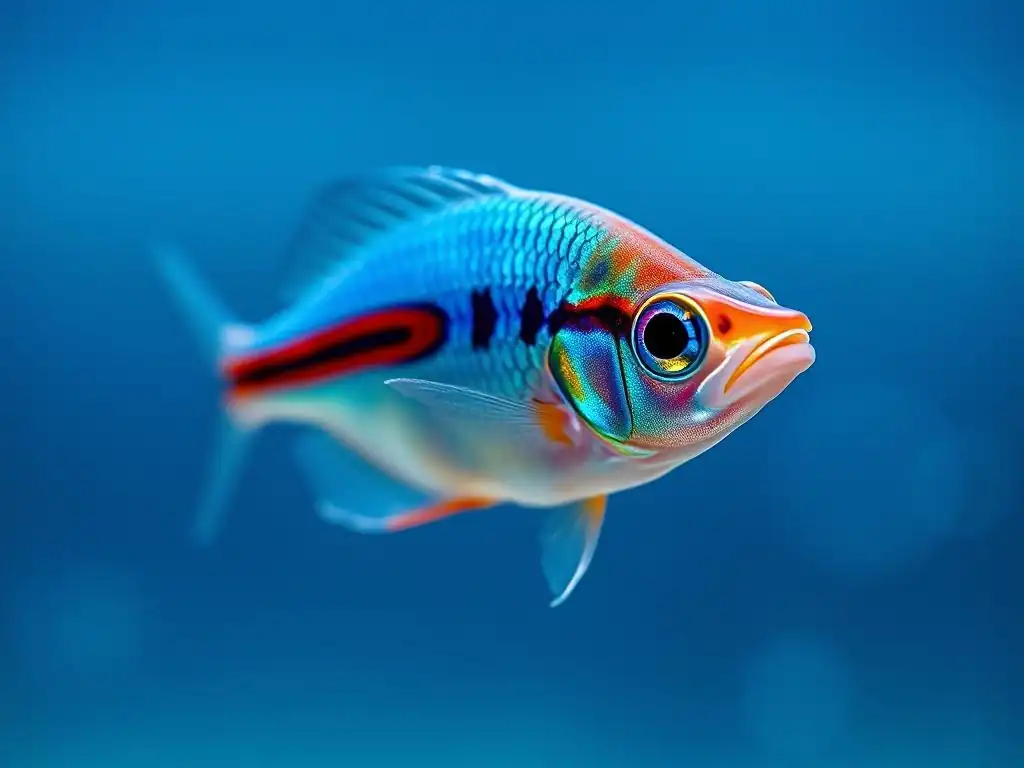
Cloudy Water: Causes and Solutions for Clear, Aged Water
Cloudy water in your aging container can be a perplexing issue, but it typically points to a few common causes and has straightforward solutions for achieving clear, aged water for sensitive tetras. One frequent culprit is a bacterial bloom, which occurs when beneficial or heterotrophic bacteria rapidly multiply due to an available food source, often from residual organic matter in a poorly cleaned container or even from the tap water itself.
Another cause can be mineral precipitation, particularly in areas with hard water, where minerals like calcium or magnesium carbonate can fall out of solution when water parameters change, especially after pH adjustments or during aeration.
To resolve and prevent cloudy water, start with meticulous cleaning of your aging container using only hot water and a dedicated brush, ensuring no soap residues. If a bacterial bloom is suspected, simply allowing more time for the aging process, combined with strong aeration, often resolves it as the bacteria consume available nutrients and then die off.
For mineral precipitation, ensure any pH adjustments are made slowly and gradually. Using a fine mechanical filter media (like filter floss) in a small powerhead within the aging container for a few hours can also physically remove fine particulates, leaving you with crystal-clear aged water for your sensitive tetras.
Algae Growth in Water Aging Containers: Prevention and Control
Algae growth in your water aging containers, while not directly harmful to the water's chemical composition for sensitive tetras, indicates suboptimal conditions and can be a nuisance. The primary cause of algae is the combination of light exposure and the presence of nutrients in the water. Even trace amounts of nitrates or phosphates from tap water, or airborne dust, can fuel algal blooms when exposed to light. Green water, brown film, or filamentous algae can all appear.
To prevent algae, the most effective strategy is to store your aging containers in a dark location, away from direct sunlight or strong artificial light. Using opaque or dark-colored containers instead of clear ones significantly reduces light penetration. Additionally, ensuring your tap water source is as clean as possible and that the container is always covered with a tight-fitting lid will prevent airborne dust and debris, which can carry nutrients, from entering.
If algae does appear, manual scrubbing of the container walls and rinsing thoroughly with hot water (no soap) before refilling is the best control method. Maintaining a clean aging system ensures consistently pristine aged water for sensitive tetras.
Maintaining Water Quality: Testing and Adjusting Parameters
Maintaining optimal water quality in your aged water for sensitive tetras requires diligent testing and precise adjustments before it ever reaches the aquarium. Relying on guesswork can lead to parameter swings that stress fish. The most critical parameters to test in your aged water are pH, general hardness (GH), and carbonate hardness (KH). A reliable liquid test kit is far more accurate than test strips for these measurements. For example, if you are targeting a pH of 6.5 for Neon Tetras, test the aged water after all conditioners and buffers have been added and the aging period is complete.
If the test results indicate deviations from your target parameters, adjustments should be made cautiously. For instance, if the pH is too high for your desired aged water for sensitive tetras, you might add a small, measured amount of an acid buffer or a bit more peat extract. If hardness is too high, a small amount of RO/DI water can be added and mixed thoroughly.
Conversely, if hardness is too low, specific mineral supplements can be used. Always re-test after making adjustments to confirm the new parameters. Keeping a log of your tap water parameters versus your aged water parameters can help refine your aging process over time, ensuring consistent, high-quality water for your sensitive tetras.
Integrating Aged Water into Your Tetra Aquarium Maintenance Routine
Water Change Schedules: Frequency and Volume with Aged Water
Integrating aged water into your regular maintenance routine for sensitive tetras is key to their long-term health and stability. For most well-established tetra aquariums, a weekly water change of 25-30% of the tank's volume is a good starting point. For instance, if you have a 20-gallon tank with sensitive tetras, you would change 5-6 gallons of water weekly. This frequency helps to dilute accumulated nitrates and replenish essential trace elements without causing significant stress to the fish, especially when using properly aged water.
For heavily stocked tanks or those with very sensitive species, a slightly higher frequency, such as two 15-20% water changes per week, might be beneficial. Conversely, very lightly stocked or heavily planted tanks might tolerate bi-weekly 25% changes. The critical advantage of using aged water for sensitive tetras is that it largely eliminates the risk of chlorine/chloramine poisoning, temperature shock, and sudden pH swings, allowing for smoother and less stressful water changes. This consistency in water parameters is crucial for maintaining the delicate balance required for these species, preventing stress-related diseases and promoting vibrant health.
Acclimation Process: Safely Introducing Tetras to Aged Water
While the primary focus of this article is preparing aged water, the "acclimation process" in this context refers to the critical step of safely introducing new tetras to an aquarium that uses aged water, or, more commonly, the process of performing a water change using aged water without shocking the existing fish. When performing a water change, the aged water should be carefully matched in temperature to the aquarium water, ideally within 1-2°F (0.5-1°C). This temperature consistency is paramount for sensitive tetras, as sudden shifts can induce severe stress and compromised immunity.
To introduce the aged water during a water change, pour it slowly and steadily into the aquarium, avoiding direct currents that might disturb the fish or substrate. Using a small pitcher or a siphon with a flow restrictor can help control the rate of addition.
For new tetras being introduced to an established tank using aged water, the drip acclimation method is highly recommended. This involves slowly dripping the aged tank water into the bag containing the new fish over an hour or more, allowing them to gradually adjust to the precise parameters of the aged water setup, minimizing osmotic shock and ensuring a smooth transition for the sensitive tetras.
Monitoring Tetra Health After Water Changes: Observing for Stress or Disease
Following any water change, especially for sensitive tetras, a diligent period of observation is crucial to ensure their continued health and well-being. Within the first few hours and throughout the subsequent 24-48 hours, closely monitor your tetras for any signs of stress or unusual behavior. Healthy tetras, post-water change with properly aged water, should exhibit normal schooling patterns, active swimming, and vibrant coloration. Their fins should be spread, and breathing should be regular and unlabored.
Conversely, signs of stress include clamped fins, rapid gill movement, darting erratically, hiding excessively, loss of color, or unusual lethargy. If any of these symptoms appear, it indicates that something in the water change process, despite using aged water for sensitive tetras, might have caused stress. Immediate action might involve re-testing the tank water and the remaining aged water for parameters like pH, temperature, and ammonia/nitrite to identify any discrepancies. Prompt identification and correction of issues are vital to prevent stress from escalating into full-blown disease, ensuring the long-term vitality of your delicate tetra species.
Advanced Water Treatment Methods to Enhance Aging
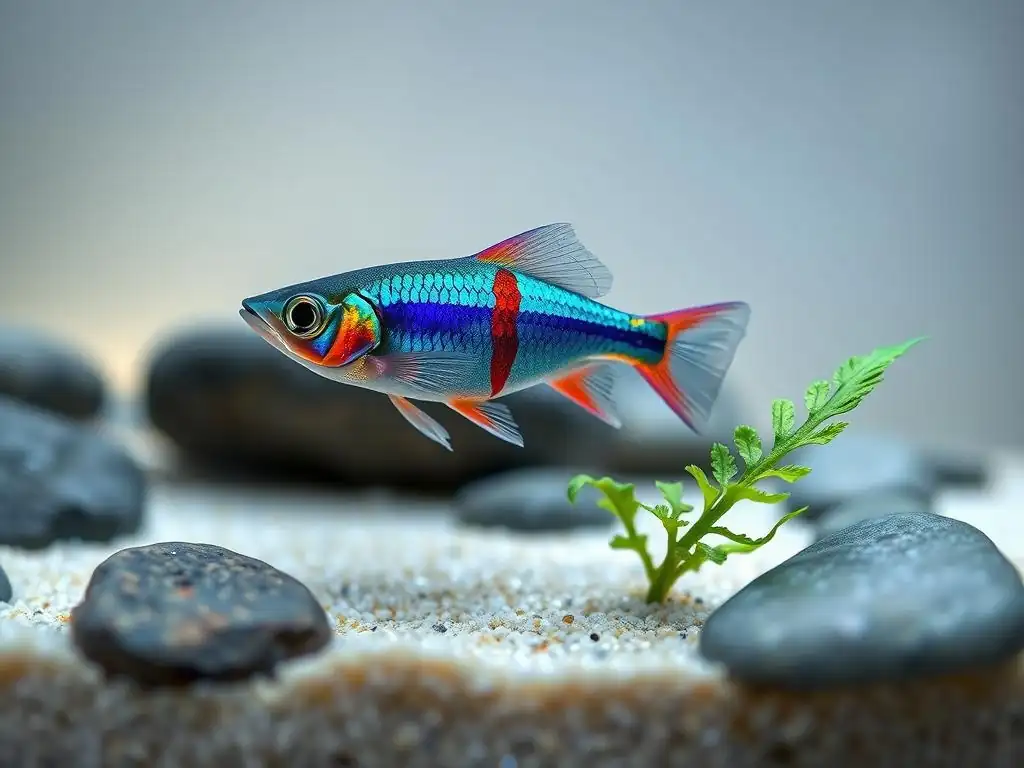
Using Peat Filtration to Acidify and Soften Aged Water
Peat filtration is an excellent advanced method for aquarists aiming to fine-tune aged water for sensitive tetras that originate from soft, acidic blackwater environments, such as Cardinal or Neon Tetras. Natural peat moss, when placed in the aging container, slowly releases humic acids, tannic acids, and other organic compounds.
These substances naturally lower the pH and reduce the general hardness (GH) and carbonate hardness (KH) of the water, mimicking the precise conditions found in their native habitats. For example, if your tap water has a pH of 7.5 and you aim for 6.0-6.5, a small amount of aquarium-grade peat can achieve this over 24-48 hours of aging.
To implement peat filtration, place a measured amount of peat pellets or loose peat moss into a fine mesh media bag and submerge it in your aging container during the entire aging process. The exact amount of peat will depend on your starting water parameters and desired outcome, so it's crucial to start with a small quantity and test the water regularly.
In addition to pH and hardness reduction, peat also imparts a natural amber tint to the water, which can enhance the coloration of blackwater tetras and provide a more natural, comforting environment, further benefiting the well-being of your water aging sensitive tetras.
Employing Activated Carbon for Removing Impurities in Aged Water
Activated carbon is a powerful adsorptive media that can be employed during the water aging process to further purify the water for sensitive tetras. Its highly porous structure allows it to effectively remove a wide range of organic impurities, including dissolved organic compounds (DOCs), foul odors, yellowing discolorations, and even some heavy metals that might be present in your tap water. While water conditioners handle chlorine and chloramine, activated carbon acts as an additional safeguard, ensuring the aged water is as pristine as possible before it enters your aquarium.
To utilize activated carbon, place it in a media bag and submerge it in your aging container from the start of the aging process. A common recommendation is to use about 1-2 tablespoons of activated carbon per 10 gallons of water being aged, though specific product instructions should be followed.
It's important to note that activated carbon has a finite lifespan; once its pores are saturated, it stops adsorbing and can even begin to leach previously adsorbed compounds back into the water. Therefore, it should be replaced every 2-4 weeks if used continuously in an aging system, or fresh carbon should be used for each batch of aged water for sensitive tetras.
Utilizing UV Sterilization for Eliminating Harmful Microorganisms in Aged Water
For the utmost purity in aged water for sensitive tetras, particularly in breeding setups or for highly susceptible species, employing UV sterilization can be a beneficial advanced treatment. A UV sterilizer works by passing water through a chamber where it is exposed to ultraviolet light. This UV-C radiation disrupts the DNA of free-floating bacteria, viruses, algae spores, and protozoa, rendering them unable to reproduce and effectively sterilizing the water. This process helps to reduce the overall pathogen load that might inadvertently be introduced during a water change.
While not typically necessary for routine water aging, a UV sterilizer can be integrated into a larger, dedicated water aging system, or used as a final polishing step before the aged water is added to the aquarium. For example, a small pump can circulate the aged water through an inline UV unit for several hours.
This method ensures that the water is not only chemically pristine but also biologically clean, minimizing the risk of introducing opportunistic pathogens to your sensitive tetras. The use of UV sterilization is a premium step in ensuring the highest quality of aged water for sensitive tetras, providing an additional layer of biosecurity for your aquatic inhabitants.
Long-Term Water Aging Strategies for Dedicated Tetra Keepers
Creating a Sustainable Water Aging System for Continuous Use
For dedicated tetra keepers with multiple tanks or large aquariums, creating a sustainable water aging system for continuous use transforms water changes from a chore into a seamless routine. This often involves setting up a larger reservoir, such as a 50-100 gallon food-grade barrel, connected to an automated fill system or a dedicated hose for easy replenishment. A robust air pump with multiple airstones ensures consistent, powerful aeration throughout the entire volume. For example, a 55-gallon system could easily provide enough aged water for a weekly 25% change on a 100-gallon tank or multiple smaller tanks.
To further automate, a float valve connected to your RO/DI unit or tap water source can automatically refill the aging barrel as water is drawn out, ensuring a constant supply. A powerful submersible pump within the barrel, connected to a long hose, makes transferring aged water to the aquarium effortless. Integrating a permanent heater and thermometer allows for continuous temperature control. This systematic approach not only saves significant time and effort but also guarantees a consistent supply of perfectly conditioned aged water for sensitive tetras, reducing the chances of skipped water changes due to lack of prepared water.
Maintaining a Consistent Water Quality Profile for Your Tetras
Maintaining a consistent water quality profile through long-term water aging strategies is paramount for the health and longevity of sensitive tetras. These fish thrive on stability, and even minor fluctuations in pH, hardness, or temperature can induce stress, weaken their immune systems, and make them susceptible to disease. The key is to establish a precise aging protocol and adhere to it rigorously, ensuring that every batch of aged water for sensitive tetras matches the previous one and, crucially, matches the target parameters of your aquarium.
This consistency is achieved by always using the same water source, the same brand and dosage of water conditioner, the same amount of any pH buffers or mineral supplements, and maintaining the same aging duration and aeration level. Regular testing of each batch of aged water—before it enters the aquarium—for pH, GH, KH, and temperature is non-negotiable.
Keeping a detailed log of these parameters over time allows you to identify any subtle shifts in your tap water or aging process, enabling proactive adjustments. This meticulous approach to preparing aged water for sensitive tetras fosters an environment of unwavering stability, leading to thriving, vibrant fish.
Adapting Water Aging Techniques to Different Tetra Species and Aquarium Setups
While the core principles of water aging remain constant, truly dedicated tetra keepers learn to adapt their techniques to the specific needs of different tetra species and unique aquarium setups. For instance, a keeper specializing in highly sensitive blackwater species like Ember Tetras (pH 5.5-6.5, GH 0-2 dGH) would heavily rely on RO/DI water, peat filtration, and precise mineral re-supplementation in their aging system. Conversely, someone keeping Congo Tetras (pH 6.0-7.5, GH 5-12 dGH), which prefer slightly harder, more neutral water, might use less RO/DI water or even just conditioned tap water with minimal adjustments.
Furthermore, the aging setup itself can be adapted. A nano tank with a few Chili Rasboras (often grouped with tetras due to similar care) might only require a small 2-gallon aging bucket, whereas a large community tank with schooling Rummy-Nose Tetras would demand a 30-gallon or larger aging barrel.
For heavily planted tanks, some aquarists might age water with a slightly higher KH to provide more buffering capacity for CO2 injection, while bare-bottom breeding tanks might require extremely soft, acidic water. This flexibility in adapting water aging sensitive tetras techniques ensures that every fish receives water perfectly tailored to its specific requirements, promoting optimal health and breeding success.
Frequently Asked Questions
How does water aging benefit water aging sensitive tetras?
Aging water allows harmful chemicals like chlorine and chloramine to dissipate, creating a safer environment. This is crucial because sensitive tetras are particularly susceptible to these toxins.
What are the key differences between aging water for freshwater vs. saltwater water aging sensitive tetras?
For freshwater, focus on chlorine removal. Saltwater aging often involves adjusting salinity and allowing the beneficial bacteria to establish before adding tetras.
How long should I age water for water aging sensitive tetras before adding it to the aquarium?
Typically, aging water for 24-48 hours is sufficient for chlorine removal. However, testing with a water quality test kit is always recommended to ensure safety.
What type of container is best for aging water for water aging sensitive tetras?
Use a food-grade plastic container or a glass container. Avoid metal containers, as they can leach harmful substances into the water affecting sensitive tetras.
What if I don't have time to age water properly for my water aging sensitive tetras?
Use a high-quality water conditioner specifically designed to neutralize chlorine and chloramine. Always follow the manufacturer's instructions carefully for proper dosage.
Final Reflection: Nurturing Life Through Patient Waters
The journey into advanced water aging techniques for sensitive tetras reveals more than just a scientific process; it underscores our responsibility as stewards of delicate ecosystems. The meticulous care and understanding required to prepare water for these creatures mirrors the broader need for mindful interaction with the natural world, a lesson that resonates profoundly in our increasingly interconnected and environmentally conscious society.
This exploration has deepened my appreciation for the subtle yet powerful influence of our actions on the lives of these miniature aquatic wonders. The patience and precision demanded by water aging serves as a metaphor for the dedication required to foster any form of life, be it in an aquarium or beyond. The best time to plant a tree was 20 years ago. The second best time is now.
This ancient proverb reminds us that even seemingly small acts of care, undertaken with foresight, can yield profound and lasting benefits.
As you consider the nuances of water aging for sensitive tetras, I invite you to reflect on the broader implications of your choices. How can you apply the principles of patience, precision, and mindful stewardship to other aspects of your life? Let the dedication you invest in creating a thriving aquatic environment inspire you to cultivate a more harmonious and sustainable relationship with the world around you, one carefully prepared drop at a time.
Unlock Your Tetra's Vibrant Potential Now!
Thank you for diving deep into the art of water aging! We hope you’ve discovered valuable insights to enhance your tetra’s well-being and unlock their full, colorful potential. Now, let's put that knowledge into action and transform your aquarium into a thriving haven.
Here’s how to take your tetra care to the next level:
- Immediately begin aging water for your next water change using the methods discussed. Remember to track the pH and temperature!
- Explore creating a miniature blackwater biotope by experimenting with natural tannins like Indian almond leaves to mimic the tetra's native environment.
- Share your newfound knowledge! Teach a friend about proper water aging and inspire them to enhance their own aquarium hobby.
What unique water aging technique are you most excited to try in your own aquarium?