
Monster Fish Alert: The Shocking Adult Size of Common Plecostomus

Welcome to Aquarium Mastery!
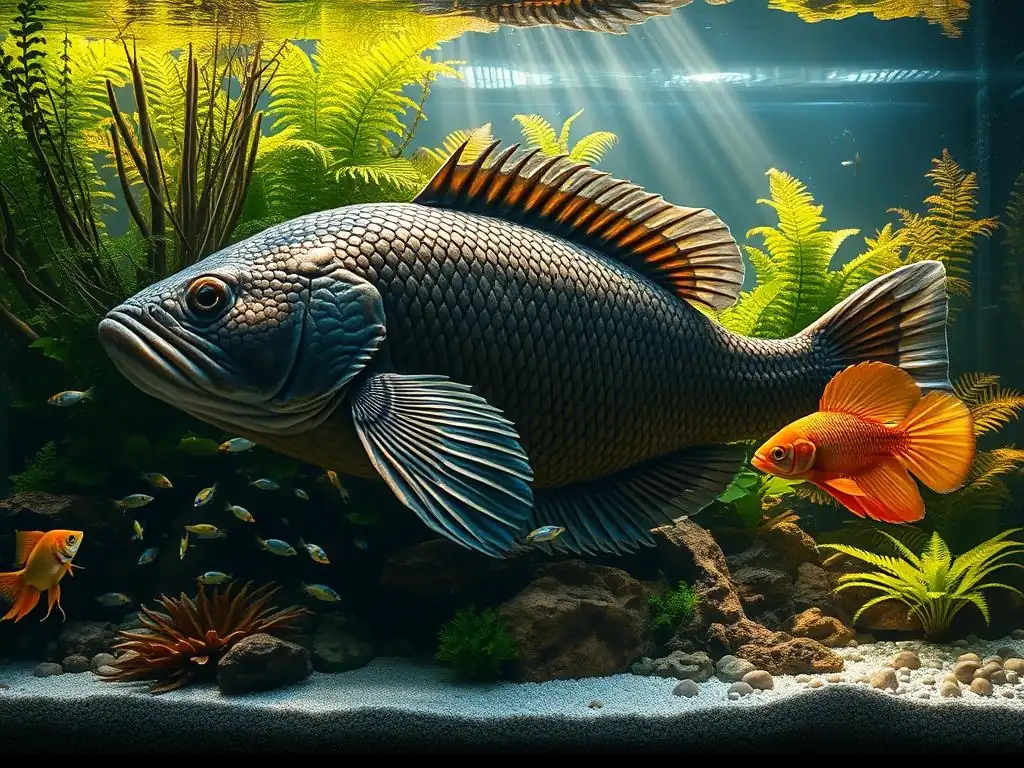
Ever wondered just how big that cute little Pleco in your tank might actually get? Dive into our in-depth Plecostomus adult size guide to uncover the surprising truth about these fascinating algae eaters. Prepare to be amazed – and maybe rethink your tank setup! Discover everything you need to know about these freshwater giants, from their care requirements to potential tank mate compatibility. Let's explore the world of Plecos together!
- Common Pleco Size: A Comprehensive Guide for Aquarium Owners
- Understanding Common Plecos: Essential Care and Growth
- Pleco Size Guide: Planning for the Future of Your Aquarium
- Common Pleco Size Chart: Growth Stages and Milestones
- Impact of Adult Size on Aquarium Ecosystem
- Managing Large Plecos: Practical Solutions and Considerations
- Beyond Common Plecos: Exploring Other Species and Their Sizes
- Pleco Care: Ensuring a Healthy Life at Every Stage
- Debunking Myths: Size and Behavior Misconceptions
- Conclusion: Responsible Pleco Keeping Through Size Awareness
-
Frequently Asked Questions
- How large can a common Plecostomus actually grow in an aquarium?
- What are the signs that my Plecostomus is outgrowing its tank?
- Does the size of the aquarium directly impact the final size of a Plecostomus?
- What type of tank setup is needed to accommodate a fully grown Plecostomus?
- What are the ethical considerations regarding keeping Plecostomus in home aquariums, given their potential size?
- Final Reflection: Understanding the Pleco's True Scale
- Unleash Your Inner Aquarist: Take the Next Giant Step!
Common Pleco Size: A Comprehensive Guide for Aquarium Owners
Understanding Common Plecos: Essential Care and Growth
Common plecos, often sold as juvenile "algae eaters," are among the most popular fish in freshwater aquariums due to their unique appearance and perceived role in tank maintenance. These armored catfish, typically belonging to the Hypostomus or Pterygoplichthys genera, originate from the rivers and floodplains of South America. Their popularity often overshadows a critical aspect of their care: their true adult size and the extensive requirements that come with it.
While many hobbyists initially acquire common plecos for their algae-eating abilities, understanding their full growth potential is paramount for responsible fish keeping. These fascinating creatures possess a remarkable capacity for growth, often reaching lengths that far exceed the capacity of most home aquariums. This guide aims to provide a comprehensive "Plecostomus adult size guide," equipping aquarists with the knowledge needed to ensure the long-term health and well-being of these magnificent fish.
Pleco Size Guide: Planning for the Future of Your Aquarium
Planning for the future of your aquarium involves more than just selecting compatible fish; it requires a deep understanding of each species' long-term needs, especially concerning their adult size. For common plecos, this foresight is not just advisable but absolutely essential. Many hobbyists are caught off guard when their small, 3-inch pleco rapidly transforms into a foot-long leviathan within a year or two.
The initial small size of common plecos can be highly deceptive, leading to impulse purchases without adequate consideration for the significant commitment they entail. A thorough "Plecostomus adult size guide" is crucial for preventing scenarios where a fish outgrows its environment, leading to compromised welfare and potential rehoming challenges. Responsible aquarists prioritize the long-term well-being of their aquatic inhabitants above immediate gratification.
Pleco Growth Potential: What to Expect
The growth potential of a common pleco is astounding, particularly when provided with optimal conditions. A juvenile pleco, typically purchased at 2-4 inches (5-10 cm), can exhibit rapid growth in its initial years. Under ideal circumstances—such as a spacious tank, a rich diet, and pristine water quality—it is not uncommon for these fish to grow at a rate of 1-2 inches (2.5-5 cm) per month during their first year. This swift development quickly transforms a small bottom-dweller into a substantial presence in the aquarium.
When mature, many species sold as common plecos, particularly those from the Pterygoplichthys genus (e.g., P. pardalis or P. multiradiatus), can reach an impressive adult size of 18-24 inches (45-60 cm) in length. There are even documented cases of individuals exceeding 2 feet (60 cm) in very large, well-maintained systems or natural habitats. This stark contrast between their juvenile and adult size highlights the critical need for hobbyists to consult a "Plecostomus adult size guide" before making a purchase.
Importance of Knowing Adult Size for Responsible Fish Keeping
Understanding the "Plecostomus adult size guide" is fundamental to responsible fish keeping, primarily because it directly impacts the welfare of the fish. Housing a large fish like an adult common pleco in an inadequately sized tank leads to severe health issues, including stunted growth, skeletal deformities, and organ damage. A cramped environment induces chronic stress, which compromises the fish's immune system, making it highly susceptible to diseases and significantly shortening its natural lifespan from a potential 10-15 years down to a mere 2-5 years.
Beyond the individual fish's health, knowing the adult size is crucial for maintaining a balanced and healthy aquarium ecosystem. A large common pleco produces a substantial bioload, meaning it generates a significant amount of waste. Failing to account for this waste output with robust filtration and frequent water changes can lead to dangerously high levels of ammonia, nitrite, and nitrate, compromising the water quality for all tank inhabitants. Responsible keeping, informed by a comprehensive "Plecostomus adult size guide," prevents these cascading issues, ensuring a thriving environment for every fish.
Common Pleco Size Chart: Growth Stages and Milestones
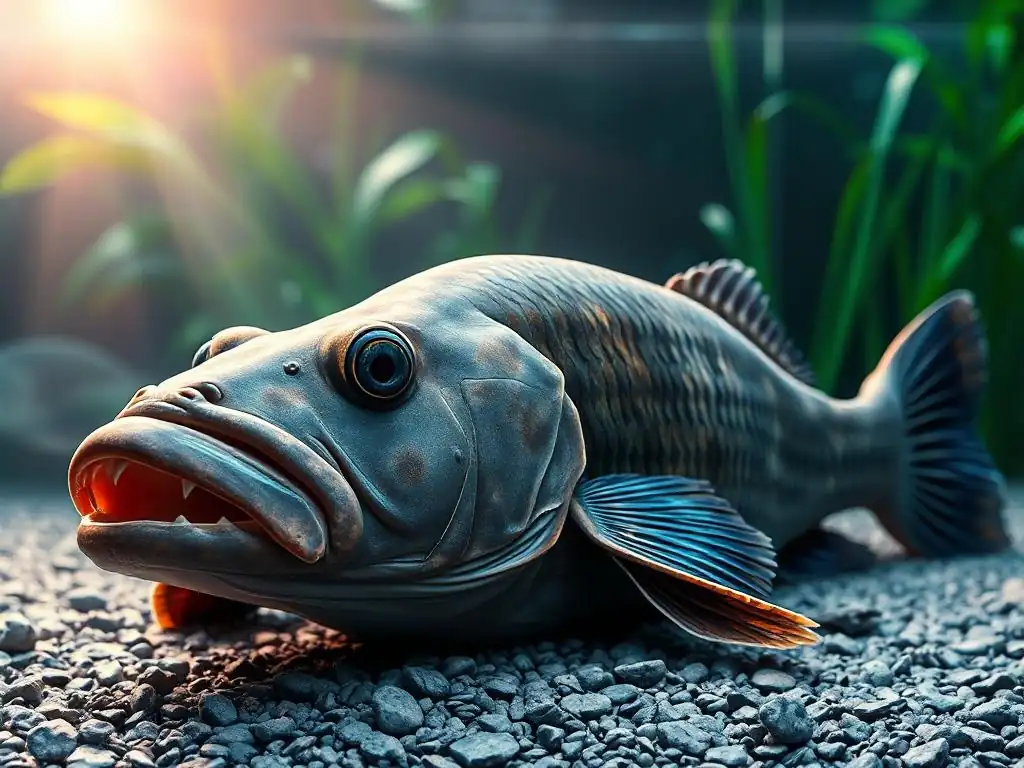
Understanding the "Plecostomus adult size guide" involves appreciating the distinct growth stages these fish undergo. From tiny juveniles to imposing adults, their size progression dictates evolving care requirements and tank considerations. Observing these milestones provides a clearer picture of their long-term needs.
Juvenile Growth: Initial Development and Care
The juvenile stage of a common pleco is characterized by rapid development and a quick increase in length. When initially purchased, these fish are typically between 2 to 4 inches (5 to 10 cm) long, appearing small and unassuming. However, given optimal conditions—which include a consistent supply of food, clean water, and ample space—they can grow at an astonishing pace. In a well-maintained juvenile setup, a common pleco can add several inches to its length within just a few months.
Within the first year of life, under ideal environmental parameters and a nutritious diet, a common pleco can easily reach a length of 8 to 10 inches (20 to 25 cm). This initial burst of growth is a clear indicator of their eventual large size and underscores the necessity of consulting a "Plecostomus adult size guide" well in advance. Hobbyists must be prepared for this rapid expansion, as a tank that seems spacious for a small pleco will quickly become cramped.
Maximum Size: Factors and Realistic Expectations
The maximum size a common pleco can attain is truly impressive, often reaching lengths that surprise unsuspecting aquarists. A healthy, well-cared-for common pleco, particularly species like Pterygoplichthys pardalis or P. multiradiatus (frequently sold as common plecos), can grow to an adult size of 18 to 24 inches (45 to 60 cm) in spacious environments such as large aquariums or outdoor ponds. There are even anecdotal reports of specimens exceeding 2 feet (60 cm) in exceptional cases, particularly in the wild.
While 24 inches is the potential maximum, it's realistic to expect that in most home aquariums, even large ones, a common pleco might reach 12 to 18 inches (30 to 45 cm) if conditions are not absolutely perfect for maximal growth. However, anything less than this range often indicates some degree of stunting due to inadequate tank size or improper care. The crucial takeaway from any "Plecostomus adult size guide" is that these fish are designed to be large, and their care must reflect this inherent characteristic.
Influencing Factors: Tank Size, Diet, and Water Quality
Several critical factors directly influence a common pleco's growth and overall health, with tank size being paramount. A larger tank provides not only ample swimming space but also a greater volume of water, which helps dilute the significant waste produced by these fish, thereby reducing stress and allowing for more natural and uninhibited growth. For instance, a pleco kept in a cramped 50-gallon tank will invariably be stunted and unhealthy compared to one thriving in a 180-gallon system, clearly illustrating the importance of the "Plecostomus adult size guide" in tank selection.
Beyond space, diet and water quality play indispensable roles. A varied and appropriate diet, rich in plant matter (like blanched zucchini, cucumber, and spirulina wafers) and occasional protein, is essential for robust development. Equally important are stable and pristine water parameters; common plecos thrive in temperatures between 74-80°F (23-27°C) and a pH range of 6.5-7.5, with ammonia and nitrite at 0 ppm and nitrates below 20 ppm. Poor nutrition or fluctuating, contaminated water quality directly impedes growth, leads to skeletal deformities, and severely compromises the fish's long-term health.
Impact of Adult Size on Aquarium Ecosystem
The substantial "Plecostomus adult size guide" implications extend far beyond just the fish itself, profoundly impacting the entire aquarium ecosystem. A large common pleco fundamentally alters the dynamics of a freshwater tank, necessitating significant adjustments in tank infrastructure, maintenance routines, and the selection of compatible tank mates. Ignoring these impacts can lead to an unstable and unhealthy environment for all inhabitants.
Tank Size: Minimum Requirements and Considerations
For a single adult common pleco, the minimum recommended tank size is often cited as 125 gallons (approximately 473 liters), with 180 gallons (approximately 681 liters) or even larger being ideal for optimal health and comfort. This significant volume is not merely for swimming space but also crucial for diluting the substantial bioload these large fish produce. A tank of this size provides adequate length, width, and depth for the pleco to turn around comfortably, forage, and establish a territory without feeling confined.
Beyond the sheer volume, the dimensions of the tank are equally important. A long and wide footprint is preferable to a tall, narrow tank, as plecos are bottom-dwellers that require ample floor space. For example, a 180-gallon tank typically measures around 72" x 24" x 24" (183 cm x 61 cm x 61 cm), offering sufficient linear movement and turning radius for a pleco that can reach 18-24 inches (45-60 cm) in length. Understanding these specific requirements is a core component of any comprehensive "Plecostomus adult size guide."
Water Quality: Waste Management and Filtration Needs
Common plecos are notorious for their significant waste production, making robust water quality management paramount. An adult pleco can generate as much waste as several medium-sized fish combined, rapidly contributing to the accumulation of nitrates, phosphates, and other organic pollutants in the aquarium water. This substantial bioload necessitates a proactive approach to filtration and maintenance to prevent water parameters from spiraling out of control.
To effectively manage the waste output of a large pleco, powerful filtration systems are essential. High-capacity canister filters, sump filters, or even multiple large hang-on-back filters with a high GPH (gallons per hour) rating are often required. Aim for a total filtration turnover rate of at least 5-10 times the tank volume per hour. Additionally, consistent and substantial water changes—typically 30-50% weekly—are critical to dilute nitrates and replenish essential minerals, ensuring the water remains pristine and healthy for the pleco and its tank mates, a key aspect highlighted in any "Plecostomus adult size guide."
Compatibility: Choosing Suitable Tank Mates
When considering tank mates for an adult common pleco, their substantial size and bottom-dwelling nature are primary considerations. While generally peaceful, a large pleco can be clumsy and may inadvertently disturb or even injure smaller, more delicate fish simply due to its bulk. They also require significant bottom space, which can lead to competition for territory with other bottom-dwelling species, particularly if the tank is not adequately sized.
Suitable tank mates for a large common pleco include robust, mid-to-upper water column dwellers that are not easily intimidated and can withstand the occasional jostle. Examples include larger cichlids like Angelfish or Severums, large schooling tetras such as Congo Tetras, or robust gouramis. Avoid keeping them with very small fish (e.g., Neon Tetras) or slow-moving, long-finned species (e.g., fancy Guppies) that could be accidentally injured or stressed by the pleco's movements. This careful selection ensures a harmonious and safe environment for all inhabitants, a vital part of responsible "Plecostomus adult size guide" application.
Managing Large Plecos: Practical Solutions and Considerations
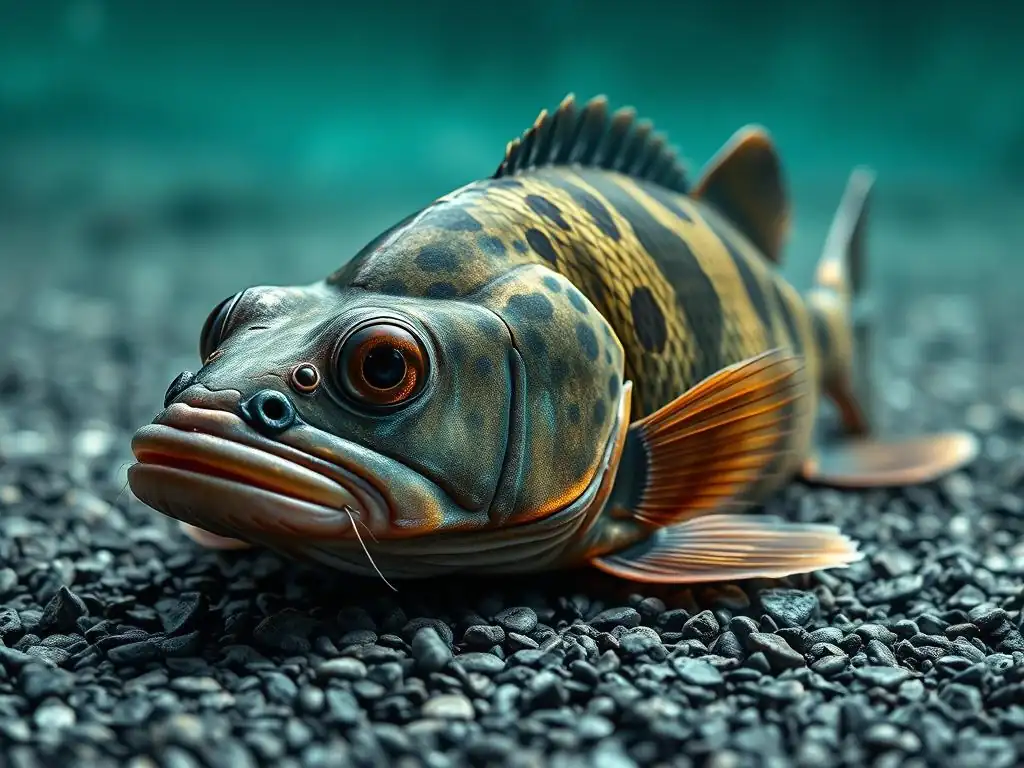
Despite the best intentions, some aquarists may find themselves with a common pleco that has outgrown its tank, underscoring the critical importance of a "Plecostomus adult size guide" from the outset. When this occurs, responsible management becomes paramount, focusing on the welfare of the fish and the prevention of ecological harm.
Rehoming: Options for Overgrown Plecos
If a common pleco outgrows its aquarium, rehoming is the most responsible and ethical option to ensure its continued well-being. Keeping a large fish in an undersized tank leads to chronic stress, stunted growth, and a significantly reduced lifespan. Options for rehoming include contacting local fish stores; some may accept donations or trade-ins, especially if they have large display tanks or ponds. Aquatic societies and online forums dedicated to fish keeping can also connect owners with private hobbyists who possess larger setups and are willing to adopt.
It is absolutely crucial to stress that releasing common plecos into local waterways or natural environments is strictly prohibited and highly detrimental. Common plecos are invasive species in many regions, such as parts of Florida and Texas, where they have established breeding populations. These non-native fish can devastate native ecosystems by competing with indigenous species for food, altering habitats through extensive burrowing, and introducing diseases. Responsible rehoming ensures the fish lives a healthy life without harming the environment, a key tenet of any "Plecostomus adult size guide."
Alternative Algae Eaters: Smaller, More Manageable Species
For aquarists with smaller tanks who desire an effective algae eater, several excellent and more appropriately sized alternatives exist, making the extensive "Plecostomus adult size guide" for common plecos unnecessary. These species provide efficient algae control without the massive adult size and bioload of a common pleco. Popular choices include Otocinclus catfish, which typically reach a maximum size of 2 inches (5 cm), making them suitable for tanks as small as 10 gallons (38 liters). Nerite snails are another fantastic option, growing to about 1 inch (2.5 cm) and excellent at cleaning glass and décor.
Another highly recommended alternative is the Siamese Algae Eater ( Crossocheilus oblongus), which grows to a manageable adult size of approximately 6 inches (15 cm). These active fish are voracious algae consumers, including undesirable black beard algae. Perhaps the most popular and suitable pleco alternative is the Bristlenose Pleco ( Ancistrus spp.), which reaches a maximum adult size of 4-6 inches (10-15 cm). Their smaller size makes them ideal for tanks 20 gallons (75 liters) and up, providing effective algae control without the space demands of a common pleco.
Preventing Overgrowth: Responsible Ownership and Planning
The most effective way to manage a large pleco is to prevent the issue of overgrowth in the first place, emphasizing the absolute necessity of consulting a "Plecostomus adult size guide" before any purchase. Responsible ownership begins with thorough research into the maximum adult size and long-term care requirements of any fish species contemplated for purchase. Understanding that a 3-inch common pleco will eventually become a 2-foot monster is the first step in making an informed decision.
Proactive tank planning is equally vital. Instead of buying a fish and then trying to fit it into an existing tank, aquarists should select a tank size that can comfortably accommodate the adult size of all intended inhabitants. If a large aquarium (125+ gallons) is not feasible, then it is imperative to choose fish species that will thrive within the available space. This proactive approach not only ensures the well-being and longevity of the fish but also prevents the ethical dilemma and logistical challenges associated with rehoming an overgrown specimen.
Beyond Common Plecos: Exploring Other Species and Their Sizes
The term "pleco" is broadly applied to hundreds of species within the Loricariidae family, encompassing an incredible diversity of sizes, colors, and behaviors. While the "Plecostomus adult size guide" for common plecos highlights their substantial growth, it's important to recognize that not all plecos grow to such immense proportions. Many other pleco species are far more suitable for typical home aquariums due to their significantly smaller adult sizes.
Comparing Pleco Sizes: A Species-Specific Guide
The vast array of pleco species offers options ranging from true dwarfs to riverine giants. For instance, the popular Clown Pleco ( Panaque maccus) typically reaches a modest adult size of 4-5 inches (10-12.5 cm), making it a great choice for tanks around 20 gallons (75 liters). The beautiful Gold Nugget Pleco ( Baryancistrus xanthellus) generally grows to 8-10 inches (20-25 cm), requiring a tank of 50 gallons (190 liters) or more. In contrast, the impressive Royal Pleco ( Panaque nigrolineatus) can grow to 16-18 inches (40-45 cm), demanding a tank of 100 gallons (378 liters) or larger.
This diverse range underscores that a "Plecostomus adult size guide" must be species-specific, as assuming all plecos are "common plecos" can lead to significant misjudgments in tank planning. Hobbyists should always identify the exact species of pleco they are interested in and research its specific adult size and care requirements. This due diligence ensures that the chosen pleco is truly compatible with the available aquarium space and resources, promoting a healthy and thriving environment.
Bristlenose Pleco: Size, Care, and Tank Requirements
Among the most popular and appropriately sized plecos for home aquariums is the Bristlenose Pleco ( Ancistrus spp.). Unlike the common pleco, Bristlenose Plecos reach a manageable adult size of 4-6 inches (10-15 cm), with males typically being slightly larger and developing more pronounced "bristles" or fleshy tentacles on their snouts. Their smaller stature makes them an ideal algae eater for tanks that cannot accommodate a common pleco, fitting comfortably into setups of 20 gallons (75 liters) or more.
Bristlenose Plecos are hardy, generally peaceful, and excellent at consuming algae. They thrive in well-oxygenated water with plenty of hiding spots and driftwood, which they rasp on for beneficial fiber. Their diet should consist of high-quality sinking algae wafers, blanched vegetables (such as zucchini, cucumber, and peas), and occasional protein supplements. Their bioload is significantly less than that of a common pleco, making water quality management much more straightforward. For a comprehensive "Plecostomus adult size guide" for smaller tanks, the Bristlenose is often the top recommendation.
Rubber Lip Pleco: Size, Care, and Tank Requirements
Another excellent alternative to the common pleco, particularly for those interested in a smaller, more specialized algae eater, is the Rubber Lip Pleco ( Chaetostoma milesi or Chaetostoma formosae). These distinctive plecos typically reach an adult size of about 5-7 inches (12-18 cm), making them suitable for tanks of 30 gallons (113 liters) or larger. They are characterized by their unique, downturned "rubber" lips, which are highly efficient at scraping diatoms and soft algae from smooth surfaces like glass and rocks.
Rubber Lip Plecos prefer cooler, highly oxygenated water with good flow, mimicking their natural fast-flowing river habitats. They are generally peaceful and can be kept in community tanks with other similarly sized, robust fish. Their diet should primarily consist of plant matter, including spirulina wafers and blanched vegetables, supplemented by biofilm and algae from the tank surfaces. While not as large as common plecos, understanding their specific needs is still important for their long-term health, as detailed in a species-specific "Plecostomus adult size guide."
Pleco Care: Ensuring a Healthy Life at Every Stage
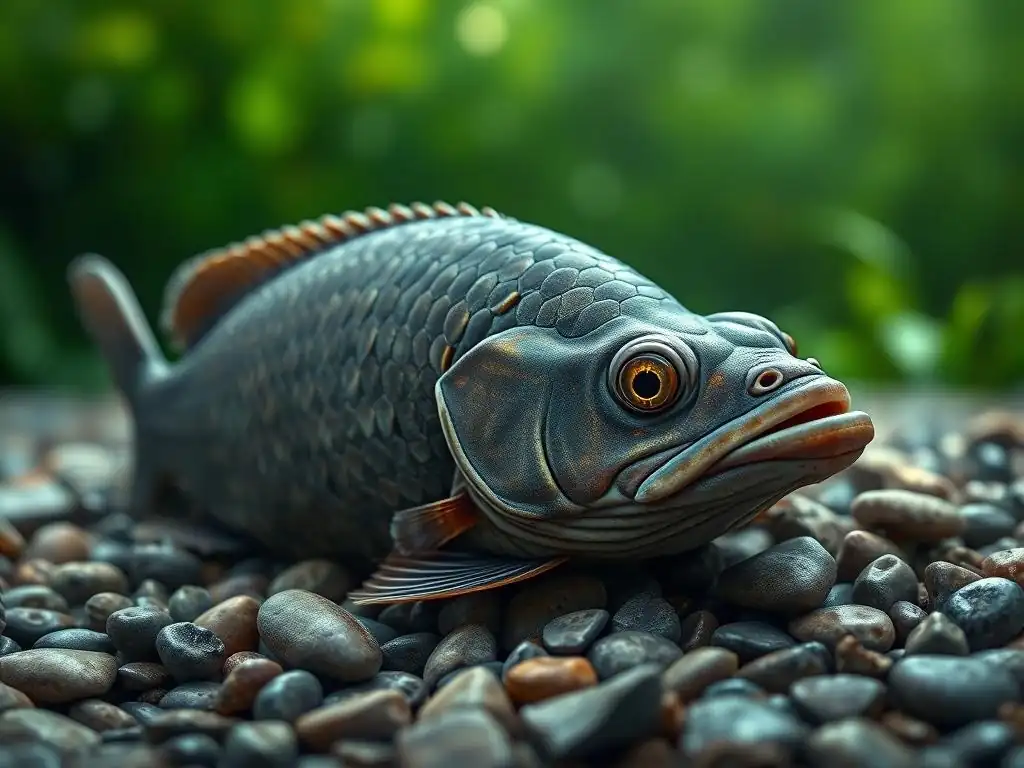
Beyond understanding the "Plecostomus adult size guide," providing comprehensive care is essential for ensuring a healthy and fulfilling life for these unique fish, regardless of their species. Proper diet, stable water parameters, and proactive health management are cornerstones of responsible pleco keeping, supporting their well-being from juvenile to adult stages.
Diet and Nutrition: Meeting Dietary Needs Throughout Life
While common plecos are often perceived solely as algae eaters, their dietary needs are more complex and varied. They are primarily herbivorous omnivores, with a strong preference for plant matter. Their diet should consist predominantly of high-quality sinking wafers formulated for bottom feeders, spirulina-rich foods, and blanched vegetables such as zucchini, cucumber, and peas. Providing driftwood in the tank is also crucial, as they rasp on it for essential dietary fiber that aids digestion.
As they grow, the sheer volume of food required by an adult common pleco increases significantly. While juveniles may benefit from a small amount of protein (e.g., bloodworms or brine shrimp) to support rapid growth, excessive protein in the diet of an adult can lead to digestive issues and other health problems. A varied and balanced diet prevents nutritional deficiencies, promotes robust growth, and enhances the pleco's natural coloration, ensuring they thrive throughout their potentially long lifespan, as detailed in any thorough "Plecostomus adult size guide."
Water Parameters: Maintaining Ideal Conditions for Health
Maintaining stable and appropriate water parameters is paramount for the health and longevity of common plecos. These fish generally prefer soft to moderately hard water with a pH range of 6.5-7.5 and temperatures between 74-80°F (23-27°C). Sudden fluctuations in pH or temperature can cause significant stress, weakening their immune system and making them susceptible to disease. Regular monitoring of these parameters with reliable test kits is essential.
Crucially, ammonia and nitrite levels must consistently remain at 0 ppm, as plecos are highly sensitive to these toxic compounds. Nitrate levels should be kept below 20 ppm through consistent and substantial water changes (e.g., 30-50% weekly or bi-weekly depending on bioload) and efficient filtration. Pristine water quality not only prevents disease but also allows the pleco to grow to its full potential as outlined in the "Plecostomus adult size guide," contributing to overall vitality and a strong immune response.
Common Health Issues: Prevention and Treatment
Many common health issues in plecos, particularly common plecos, are directly linked to inadequate tank size, poor water quality, or an improper diet. Stress, often induced by cramped conditions or fluctuating parameters, is a primary catalyst for disease. Symptoms of an unhealthy pleco can include lethargy, faded coloration, clamped fins, loss of appetite, and susceptibility to common freshwater ailments like Ich (white spot disease).
Prevention is the most effective approach to pleco health. This involves providing an adequately sized aquarium as emphasized by the "Plecostomus adult size guide," maintaining pristine water quality through robust filtration and regular water changes, and offering a varied and nutritious diet. Minimizing stress through proper tank setup and compatible tank mates also plays a crucial role. If health issues do arise, prompt diagnosis and appropriate treatment—which may involve medication for specific diseases or, more often, addressing underlying water quality problems—are vital to ensure the pleco's recovery and long-term well-being.
Debunking Myths: Size and Behavior Misconceptions
Despite the widespread availability of information, several persistent myths surrounding common plecos continue to circulate, leading to detrimental practices in fish keeping. Debunking these misconceptions is critical for promoting responsible and ethical care, especially concerning the "Plecostomus adult size guide" and their dietary needs.
Myth: Plecos Adapt to Small Tanks
One of the most pervasive and harmful myths is the belief that fish will only grow to the size of their tank, implying that a common pleco will "adapt" to a small aquarium by remaining small. This is fundamentally false and deeply detrimental to the fish's welfare. Fish do not adapt to small tanks; rather, their growth is severely stunted, leading to a host of debilitating health problems. This misconception directly contradicts the core principles of any accurate "Plecostomus adult size guide."
Stunting is not a harmless reduction in size; it is a serious condition where external growth slows or stops due to environmental constraints, while internal organs continue to grow at their natural rate. This disproportionate development leads to organ failure, spinal deformities, and a severely compromised immune system. A pleco forced into a small tank suffers from chronic stress and pain, leading to a significantly shortened and miserable life, often dying prematurely from complications related to organ damage rather than old age.
Reality: Negative Impacts of Stunted Growth
The reality of stunted growth in common plecos is a stark contrast to the benign myth of adaptation. Physically, stunted common plecos often exhibit severe deformities, including curved or malformed spines, disproportionately large heads compared to their bodies, and swim bladder issues that impair their ability to swim normally. These physical ailments cause chronic pain and prevent the fish from engaging in natural behaviors like foraging or seeking shelter effectively.
Beyond visible deformities, stunted growth leads to a drastically reduced lifespan. A common pleco that could potentially live for 10-15 years in an appropriately sized and maintained environment might only survive 2-5 years when subjected to stunting. They are more susceptible to diseases and often succumb to organ failure or stress-related illnesses. This reality underscores the ethical imperative for aquarists to adhere to the "Plecostomus adult size guide" and provide adequate space, ensuring a full and healthy life for these remarkable creatures.
Myth: Plecos Primarily Eat Algae
Another common misconception is that common plecos are primarily algae eaters and can subsist entirely on the algae present in an aquarium. Many hobbyists purchase them solely as "algae cleaners," expecting them to keep the tank spotless without additional feeding. While plecos do consume algae, relying solely on tank algae is insufficient to meet the nutritional demands of a growing or adult common pleco.
Reality: Importance of a Balanced Diet
The reality is that common plecos require a varied and balanced diet that extends far beyond just tank algae. An adult common pleco, given its substantial "Plecostomus adult size guide" and high metabolic rate, needs a significant amount of food daily. Their diet should be primarily herbivorous, consisting of high-quality sinking wafers, spirulina-based foods, and blanched vegetables such as zucchini, cucumber, and peas.
Driftwood is also a crucial component of their diet, providing essential fiber. Relying solely on tank algae will lead to severe malnutrition, stunted growth, weakened immune systems, and ultimately, a premature demise. A well-fed pleco is a healthy pleco, and a varied diet is key to their long-term well-being.
Conclusion: Responsible Pleco Keeping Through Size Awareness
The journey of keeping a common pleco, from a small, unassuming juvenile to a potentially massive adult, is a testament to nature's incredible growth potential. However, this journey demands a significant commitment from the aquarist, particularly in understanding and planning for their full "Plecostomus adult size guide" and associated care requirements. The widespread misconception about their adult size has led to countless cases of stunted, unhealthy fish living in inadequate conditions, a disservice to these magnificent creatures.
Responsible pleco keeping hinges on informed decision-making before bringing one home. This means thoroughly researching the specific species, understanding its maximum adult size (which for common plecos can be 18-24 inches or more), and ensuring you can provide a suitably large aquarium—typically 125 gallons or more—along with robust filtration and a consistent, varied diet.
Embracing the comprehensive "Plecostomus adult size guide" presented here empowers hobbyists to make ethical choices that prioritize the long-term health and well-being of their aquatic companions. By choosing appropriately sized alternatives for smaller tanks or committing to the substantial needs of a common pleco, we can ensure these fascinating fish thrive, enriching our aquariums and our lives for years to come.
Frequently Asked Questions
How large can a common Plecostomus actually grow in an aquarium?
Common Plecostomus are notorious for their impressive size. They can reach up to two feet in length in an aquarium environment, sometimes even larger depending on their living conditions. This is crucial to consider before acquiring one.
What are the signs that my Plecostomus is outgrowing its tank?
Signs include a noticeable decrease in activity, visible physical constraints, and an increase in waste production, leading to water quality issues. They may also exhibit signs of stress, such as hiding more often.
Does the size of the aquarium directly impact the final size of a Plecostomus?
Yes, while genetics play a role, the aquarium size significantly impacts growth. A smaller tank can stunt growth, potentially leading to health problems and a shorter lifespan for your Plecostomus.
What type of tank setup is needed to accommodate a fully grown Plecostomus?
A large tank, ideally 125 gallons or more, is necessary to provide ample space for swimming and grazing. It should include plenty of hiding places and sturdy decorations.
What are the ethical considerations regarding keeping Plecostomus in home aquariums, given their potential size?
Due to their size, many Plecostomus are eventually released into the wild, causing ecological damage. It's crucial to research their adult size before acquiring them and ensure you can provide a suitable environment for their entire lifespan, or explore rehoming options.
Okay, here's a final reflection designed to close your "Monster Fish Alert: The Shocking Adult Size of Common Plecostomus" article, optimized for emotional connection and reflection, while keeping the "Plecostomus adult size guide" keyword in mind:
Final Reflection: Understanding the Pleco's True Scale
The journey through the world of Pterygoplichthys pardalis, more commonly known as the Plecostomus, reveals a truth often obscured by their humble beginnings in our home aquariums. The sheer size these fish can attain is a stark reminder of the responsibility that comes with pet ownership, and a call to re-evaluate our understanding of what it truly means to provide a suitable environment for these fascinating creatures.
The impact of uninformed decisions regarding Plecostomus care resonates far beyond the confines of a single fish tank. The release of these overgrown giants into non-native ecosystems highlights the urgent need for greater awareness and responsible pet ownership. This isn't just about fish; it's about the delicate balance of our natural world. We are all connected; To despair over the fate of a fish is to despair over our own fate.
- Ted Hughes. This quote underscores the interconnectedness of our actions and their consequences on the environment.
Now, armed with this knowledge – this Plecostomus adult size guide in essence – consider your role in this narrative. Are you prepared to provide the space and resources necessary for a Plecostomus to thrive, or will you champion responsible pet ownership by educating others about the potential consequences of impulse buys? The future of these fish, and the ecosystems they impact, rests in our collective hands. Let us choose wisely, and act with compassion and foresight.
Unleash Your Inner Aquarist: Take the Next Giant Step!
Thank you for diving deep into the world of Common Plecos with us! We hope you've gained a clearer understanding of their potential size and the responsibility that comes with owning one. Now, let's put that knowledge into action.
- Commit to responsible fishkeeping: If you currently own a Common Pleco in an undersized tank, begin researching larger tank options or explore rehoming possibilities. This is the most crucial step!
- Spread the word: Share this article with fellow aquarists to raise awareness about the true size of Common Plecos and prevent future misconceptions.
- Explore alternative algae eaters: Research smaller, more manageable algae-eating fish species that are better suited for the average home aquarium.
What steps will you take this week to ensure the well-being of your aquatic friends, big or small?