
Impact of Tank Flow on Tetra Spawning Behavior: An Aquarium Mastery Study

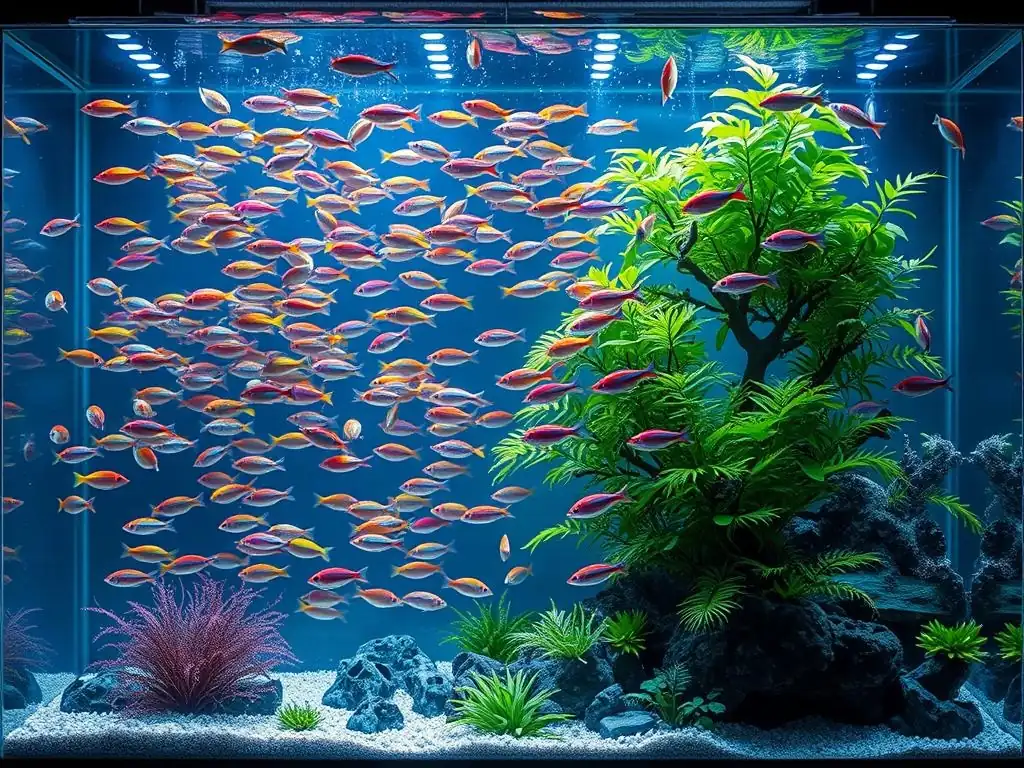
Welcome to Aquarium Mastery! Ever wondered if the secret to successful tetra spawning lies hidden within the gentle currents of your tank? Our latest study dives deep into the impact of tank flow on tetra spawning behavior, offering insights you won't find anywhere else. Discover how to optimize your aquarium's environment and unlock the secrets to breeding these captivating freshwater fish. Intrigued? Let's explore the delicate balance of tetra spawning tank flow together!
- Impact of Water Parameters on Cardinal Tetra Spawning Behavior: An Aquarium Study
- Introduction: Understanding the Link Between Cardinal Tetra Spawning and Water Parameters
- The Importance of Water Quality in Cardinal Tetra Breeding Environments
- Setting Up Your Cardinal Tetra Spawning Tank: A Parameter-Focused Approach
- Measuring and Adjusting Tank Parameters for Cardinal Tetra Spawning Success
- The Stages of Cardinal Tetra Spawning and Water Parameter Dynamics
- Common Mistakes to Avoid When Managing Tank Parameters During Cardinal Tetra Spawning
- Case Studies: Cardinal Tetra Spawning Success Stories with Controlled Parameters
- Troubleshooting Parameter-Related Spawning Issues in Cardinal Tetras
- Advanced Techniques for Optimizing Cardinal Tetra Spawning Tank Parameters
- Conclusion: Mastering Cardinal Tetra Spawning Through Parameter Management
-
Frequently Asked Questions
- How does water flow affect Tetra spawning in an aquarium?
- What is the ideal water flow rate for a Tetra spawning tank?
- What type of filter is recommended for a Tetra spawning tank to control flow?
- Can incorrect water flow cause problems during Tetra spawning?
- How can I adjust the water flow in my Tetra spawning tank if it's too strong?
- Final Reflection: Navigating the Currents of Creation
- Ignite Your Tetra Breeding Success!
Impact of Water Parameters on Cardinal Tetra Spawning Behavior: An Aquarium Study
Introduction: Understanding the Link Between Cardinal Tetra Spawning and Water Parameters
Achieving successful breeding of Cardinal Tetras (Paracheirodon axelrodi) in a home aquarium is a rewarding yet challenging endeavor that hinges significantly on precise control of water parameters. These vibrant freshwater fish, native to the blackwater rivers of South America, are notoriously sensitive to their environment, and even slight deviations from their preferred conditions can inhibit spawning. This article delves into the critical role that water quality—specifically pH, hardness, and temperature—plays in stimulating and sustaining Cardinal Tetra reproductive cycles, drawing insights from dedicated aquarists and scientific observations.
For aquarists aiming to propagate these stunning fish, understanding the intricate relationship between the aquatic environment and spawning cues is paramount. Beyond just basic survival, specific parameter ranges act as vital triggers for courtship, egg laying, and the subsequent development of fry. By meticulously replicating the natural conditions of the Amazon basin, where these tetras thrive and reproduce, enthusiasts can dramatically increase their chances of observing successful Cardinal Tetra spawning events within their own tanks. This detailed guide will explore the specific parameters required and practical methods for achieving them.
The Importance of Water Quality in Cardinal Tetra Breeding Environments
Why Mimicking Amazonian Habitats Matters for Cardinal Tetra Spawning
Cardinal Tetras originate from the slow-moving, highly acidic, and soft blackwater rivers and floodplains of the Orinoco and Rio Negro basins in South America. These unique environments are characterized by water stained dark with tannins released from decaying plant matter, which naturally lowers the pH and reduces water hardness. This specific chemical composition is not merely incidental; it is a fundamental aspect of their evolutionary adaptation and serves as a crucial environmental cue for reproduction. Without these specific conditions, Cardinal Tetras often exhibit stress, poor health, and a complete lack of spawning interest.
Replicating these conditions goes beyond just aesthetics; it’s about providing the exact chemical signals that trigger their breeding instincts. For instance, the low mineral content (softness) of the water is essential for the successful fertilization and hatching of their delicate eggs. Eggs laid in hard water often fail to develop or hatch due to osmotic pressure differences, leading to high mortality rates.
Similarly, the acidic pH helps prevent bacterial and fungal growth on the eggs, which are highly susceptible in less acidic environments. Maintaining a gentle, consistent water flow, reminiscent of their natural habitat's calm areas, also contributes to a stress-free environment conducive to spawning, ensuring eggs aren't scattered excessively and water parameters remain stable throughout the tetra spawning tank flow.
Cardinal Tetra's Specific Water Parameter Preferences
Successful Cardinal Tetra spawning typically requires very specific water parameters that closely mirror their native blackwater habitats. The ideal pH range is between 5.0 and 6.5, with some breeders reporting success even as low as 4.5. This acidic environment is critical for egg viability. Water hardness, measured as General Hardness (GH) and Carbonate Hardness (KH), needs to be extremely low. A GH of 1-4 dGH (degrees of General Hardness) and a KH of 0-1 dKH are often cited as optimal. Such low hardness levels minimize osmotic stress on the delicate eggs and allow for proper fertilization.
Temperature is another vital factor, with a preferred range for breeding being 78-82°F (25.5-27.8°C). A stable temperature within this range encourages readiness for spawning. Fluctuations can cause stress and inhibit breeding. Additionally, maintaining exceptionally low levels of nitrates, nitrites, and ammonia is paramount. Any detectable levels of these nitrogenous compounds can be detrimental, causing stress, disease, and preventing any reproductive activity. Regular testing and meticulous maintenance, including gentle water changes, are essential to keep these parameters within the narrow, preferred window for optimal tetra spawning tank flow conditions.
Setting Up Your Cardinal Tetra Spawning Tank: A Parameter-Focused Approach
Choosing the Right Tank Size for Optimal Cardinal Tetra Spawning
For successful Cardinal Tetra spawning, a dedicated breeding tank, rather than a community tank, is highly recommended. A smaller tank, typically 5 to 10 gallons (approximately 19 to 38 liters), is often preferred for breeding pairs or a small group (trio: one female, two males). The smaller volume makes it significantly easier to control and maintain the precise water parameters required for these sensitive fish. In a larger tank, achieving and sustaining the extremely soft, acidic conditions can be more challenging and expensive, requiring larger quantities of specialized water.
While larger tanks might seem to offer more space, the concentrated focus on water quality in a smaller volume allows for more precise adjustments and quicker responses to any parameter shifts. This control is crucial during the delicate spawning process. A smaller tank also simplifies the collection of eggs, which are often laid on plants or spawning mops near the bottom. Furthermore, a gentle tetra spawning tank flow is easier to achieve and maintain in a smaller setup, preventing eggs from being swept away or damaged.
Selecting Filtration Systems to Achieve Desired Water Quality
Given the need for pristine, specific water parameters, the choice of filtration system for a Cardinal Tetra spawning tank is critical. Sponge filters are widely considered the best option for breeding setups. They provide excellent biological filtration without creating strong currents that could stress the fish or scatter the delicate eggs. The gentle flow produced by an air-driven sponge filter is ideal for maintaining the subtle water movement preferred by spawning tetras.
In addition to sponge filters, some aquarists opt for small internal filters with adjustable flow rates, set to their lowest possible setting, or even no mechanical filtration at all, relying solely on frequent small water changes and a mature biological filter in a separate system if using a bare-bottom tank. Chemical filtration, such as activated carbon, should generally be avoided during spawning as it can remove beneficial tannins or other compounds that contribute to the desired water chemistry.
The primary goal is stable, clean water with minimal disturbance, ensuring the tetra spawning tank flow is calm and conducive to egg survival.
Achieving Soft, Acidic Water: Replicating Natural Conditions
Replicating the soft, acidic water of the Amazon basin is perhaps the most challenging yet crucial aspect of Cardinal Tetra breeding. The most reliable method to achieve very low hardness (GH and KH) and low pH is by using Reverse Osmosis (RO) water. RO water is essentially pure H2O, stripped of most minerals and impurities. This provides a blank slate that can then be remineralized to the exact specifications required.
To lower the pH and add beneficial tannins, various natural materials can be incorporated. Peat moss, specifically aquarium-grade peat, can be added to the filter or placed in a mesh bag within the tank. Driftwood, particularly Malaysian or Mopani wood, will also slowly release tannins, softening the water and lowering the pH over time.
Indian Almond Leaves (Catappa leaves) are another excellent choice, providing tannins, antibacterial properties, and a natural feel. It's important to introduce these elements gradually and monitor parameters closely to prevent sudden, drastic changes, as stability is key for successful tetra spawning tank flow and overall breeding success.
Measuring and Adjusting Tank Parameters for Cardinal Tetra Spawning Success
Tools for Measuring Water Hardness, pH, and Temperature
Accurate and consistent measurement of water parameters is non-negotiable for successful Cardinal Tetra spawning. High-quality liquid test kits are essential for monitoring pH, GH (General Hardness), KH (Carbonate Hardness), ammonia, nitrite, and nitrate. Strip tests can offer a quick overview but are generally less accurate for the precise measurements needed for breeding. For pH, a wide-range test kit is useful for initial checks, but a high-resolution pH test kit (e.g., one that measures in increments of 0.2 or 0.1) is vital for fine-tuning.
A reliable aquarium thermometer is also crucial for maintaining the precise temperature range of 78-82°F (25.5-27.8°C). Digital thermometers often provide more precise readings than traditional glass ones. Regular testing—daily or every other day during the breeding preparation phase—allows aquarists to track trends and make timely adjustments, ensuring the water chemistry remains within the narrow optimal window for Cardinal Tetra spawning. This meticulous monitoring helps maintain the gentle tetra spawning tank flow and stable conditions preferred by these sensitive fish.
Adjusting Water Chemistry Using Peat and Driftwood
Once you have your baseline measurements, adjusting water chemistry to meet the Cardinal Tetra's specific needs involves a delicate balance. Peat moss is an excellent natural acidifier and water softener. High-quality aquarium peat can be placed in a media bag within the filter or directly in the tank. It slowly releases humic acids and tannins, which lower pH and reduce hardness. The effect is gradual, which is beneficial as sudden pH drops can be detrimental to fish. Monitor the pH and hardness daily after adding peat to gauge its impact and adjust the quantity as needed.
Driftwood, particularly types like Mopani, Malaysian, or Manzanita, also contributes to softening the water and lowering pH by releasing tannins. Boiling new driftwood thoroughly before adding it to the tank helps release excess tannins and prevents initial cloudiness, but it will continue to leach beneficial compounds over time. Both peat and driftwood also provide natural hiding spots and a more authentic Amazonian feel, further reducing stress and encouraging natural behaviors conducive to spawning. These natural elements help create the desired gentle tetra spawning tank flow and chemical environment.
Utilizing Reverse Osmosis Water for Optimal Water Quality
For achieving the extremely soft and acidic water required for Cardinal Tetra spawning, Reverse Osmosis (RO) water is often indispensable. Tap water, even if it appears soft, rarely meets the stringent requirements of Cardinal Tetras, often containing minerals and chemicals that inhibit spawning. An RO unit filters out almost all dissolved solids, providing water with a GH and KH of virtually zero. This "pure" water then acts as a blank canvas.
To remineralize RO water to the ideal parameters, it is typically mixed with a small percentage of tap water (if the tap water is known to be clean and free of chloramines/chlorine) or specific GH/KH buffers designed for soft water fish. A common approach is to use 100% RO water and then add a very small amount of a remineralizer specifically formulated for discus or soft water fish to achieve a GH of 1-4 dGH.
This precise control over water parameters ensures the perfect environment for tetra spawning tank flow and egg viability, significantly increasing the chances of successful breeding.
The Stages of Cardinal Tetra Spawning and Water Parameter Dynamics
Courtship Behavior and Stable Water Conditions
The courtship behavior of Cardinal Tetras is subtle but distinct, and it is heavily influenced by stable and optimal water parameters. When conditions are just right—soft, acidic water (pH 5.0-6.5), warm temperatures (78-82°F), and extremely low nitrates—males will begin to display more vibrant coloration and engage in gentle chasing of females. The males will often appear slimmer and more active, while females will become noticeably plumper with eggs. This pre-spawning activity can last for several days, and any significant fluctuation in water parameters during this period can halt the process.
Maintaining consistent water parameters is paramount during courtship. Sudden drops in temperature or spikes in ammonia/nitrite will immediately stress the fish, causing them to cease courtship and potentially resorb their eggs. A gentle tetra spawning tank flow and a dimly lit environment also contribute to a sense of security, encouraging the pair to feel safe enough to begin their reproductive dance. Providing fine-leaved plants or spawning mops gives the female suitable surfaces for egg deposition, which is a key part of the courtship ritual leading to actual spawning.
Egg Deposition and the Importance of Water Quality for Egg Health
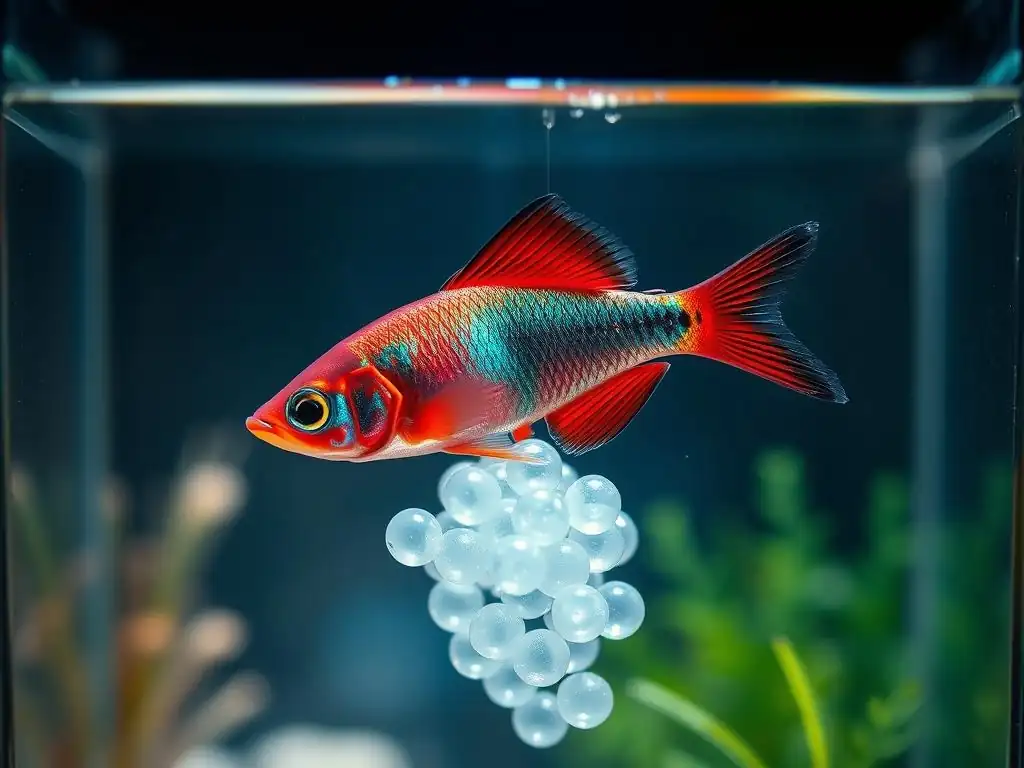
Once courtship is complete, the female Cardinal Tetra will begin to deposit her eggs, typically in the early morning hours, often at dawn. She will scatter tiny, clear, adhesive eggs on fine-leaved plants, spawning mops, or even the tank bottom if no suitable substrate is present. A single female can lay anywhere from 50 to 500 eggs, though usually fewer in a home aquarium setting. During this process, the male will follow closely, fertilizing the eggs as they are laid. The eggs are highly sensitive to light and water quality immediately after deposition.
The water parameters are critically important for the health and viability of the eggs. The extremely soft and acidic water (GH 1-4 dGH, pH 5.0-6.5) prevents the eggs from hardening prematurely or succumbing to fungal infections. Harder water or higher pH levels can cause the eggs to "lock up" and prevent the fry from developing or hatching.
Furthermore, the absence of ammonia, nitrite, and even low nitrate levels is crucial, as these compounds are toxic to developing embryos. A gentle tetra spawning tank flow is also important during this stage, ensuring eggs are not dislodged or damaged, while still providing adequate oxygenation without excessive turbulence.
Fry Development and Maintaining Ideal Parameter Conditions
After successful deposition and fertilization, Cardinal Tetra eggs typically hatch within 24 to 36 hours, depending on temperature. The newly hatched fry are tiny, almost invisible, and cling to surfaces for the first few days, absorbing their yolk sacs. They become free-swimming around 4-6 days post-hatch. This period of development, from egg to free-swimming fry, is exceptionally vulnerable, and maintaining pristine water parameters is absolutely critical for their survival.
The soft, acidic water conditions that were optimal for egg development remain essential for the fragile fry. Any sudden changes in pH, temperature, or the introduction of even minute amounts of ammonia or nitrite can be fatal. Small, frequent water changes (e.g., 10% daily) using perfectly matched RO water are often recommended to maintain water quality without shocking the delicate fry.
The tetra spawning tank flow must remain extremely gentle to avoid overwhelming the tiny fry, which are poor swimmers initially. Feeding should begin once they are free-swimming, with infusoria or specialized liquid fry food, ensuring no uneaten food contaminates the water.
Common Mistakes to Avoid When Managing Tank Parameters During Cardinal Tetra Spawning
Fluctuating Water Parameters and Stress
One of the most common and detrimental mistakes in Cardinal Tetra breeding is allowing water parameters to fluctuate significantly. Cardinal Tetras are highly sensitive to changes in pH, temperature, and hardness. Even minor, rapid shifts can cause severe stress, leading to a complete cessation of spawning activity, susceptibility to disease, or even death. For instance, a sudden 0.5 point drop or rise in pH over a few hours can be devastating, as can a temperature swing of more than a couple of degrees Fahrenheit.
To avoid this, meticulous planning and consistent monitoring are crucial. All new water added to the tank, whether for top-offs or water changes, must be precisely matched in terms of pH, temperature, and hardness to the water already in the tank. Using a dedicated water preparation container where RO water can be remineralized and heated to the exact tank conditions before use is highly recommended. Implementing a stable tetra spawning tank flow also helps distribute heat and dissolved gases evenly, preventing localized parameter variations that can stress fish.
Ammonia and Nitrite Spikes
Ammonia and nitrite are highly toxic to fish, and their presence, even in minute quantities, is a critical mistake when attempting to breed Cardinal Tetras. These compounds are particularly lethal to delicate eggs and fry. A cycling tank, or one with an insufficient biological filter, is a recipe for disaster in a breeding setup. Uneaten food and fish waste quickly convert to ammonia, which then becomes nitrite, both of which will kill eggs and fry rapidly.
To prevent ammonia and nitrite spikes, ensure the breeding tank is fully cycled and mature before introducing breeding fish. This means having a robust colony of beneficial bacteria capable of converting these toxins into less harmful nitrates. Overfeeding should be strictly avoided, especially once fry are present, as their small size means they consume very little. Regular, small water changes are also essential for diluting any accumulating toxins and maintaining pristine water quality for successful tetra spawning tank flow and fry development.
Inadequate Water Changes and Waste Buildup
While frequent water changes are essential for maintaining water quality, inadequate or improperly executed changes can be a significant mistake. Not performing enough water changes allows nitrates to accumulate and waste products to build up, leading to declining water quality that inhibits spawning and harms eggs/fry. Conversely, performing large, infrequent water changes can cause drastic parameter shifts, shocking the fish.
The key is small, frequent water changes using water that precisely matches the tank's parameters. For breeding tanks, 10-20% daily or every other day is often recommended, especially once eggs or fry are present. This dilutes waste without causing significant fluctuations. A gravel vacuum should be used gently to remove detritus from the bottom, but extreme care must be taken to avoid disturbing or sucking up eggs or fry. Maintaining a gentle tetra spawning tank flow and a clean substrate helps prevent stagnant areas where waste might accumulate, ensuring overall water health.
Case Studies: Cardinal Tetra Spawning Success Stories with Controlled Parameters
Case Study 1: Cardinal Tetra Spawning in Soft, Acidic Water
In a dedicated 10-gallon breeding tank, an aquarist successfully bred Cardinal Tetras by meticulously replicating their natural blackwater environment. The tank was filled with 100% RO water, remineralized to a GH of 2 dGH and a KH of 0 dKH using a specialized discus mineral supplement. The pH was maintained at a stable 5.5 using a small amount of aquarium-grade peat in a filter bag and Indian Almond Leaves placed directly in the tank. Temperature was kept constant at 80°F (26.7°C). A single sponge filter provided gentle aeration and biological filtration, ensuring a very light tetra spawning tank flow.
After introducing a conditioned pair, spawning occurred within 48 hours. Approximately 150 eggs were laid on a spawning mop. The extremely soft and acidic water proved crucial, as nearly 80% of the eggs hatched within 30 hours, a significantly higher rate than previous attempts in harder water. The low pH inhibited fungal growth on the eggs, and the lack of mineral hardness allowed for optimal osmotic conditions for hatching. This case highlights the critical role of ultra-soft, acidic water for high egg viability.
Case Study 2: Cardinal Tetra Spawning with Consistent Temperature
Another breeding success involved a 7-gallon tank focused on maintaining absolute temperature stability. The water parameters were set to pH 6.0, GH 3 dGH, and KH 1 dKH, primarily using a mix of RO and aged tap water, buffered with a small amount of peat. The key differentiator was the use of a high-quality, precise heater controller that kept the tank temperature at a rock-solid 81°F (27.2°C) with no fluctuations, even overnight. The tank also featured a very gentle tetra spawning tank flow from a small air stone.
The aquarist observed active courtship and spawning within three days of introducing a trio (one female, two males). Over 200 eggs were deposited across a fine-leaved plant. The consistent temperature ensured the fish were never stressed by thermal shifts, which often inhibit spawning. The eggs hatched consistently within 28 hours, and the fry developed uniformly, suggesting that the unwavering temperature provided optimal conditions for embryonic development. This case underscores that while other parameters are vital, temperature stability is equally critical for triggering and sustaining the breeding process.
Analyzing the Data: Key Parameter Ranges for Successful Spawning
Analyzing these and numerous other successful Cardinal Tetra breeding logs reveals consistent patterns for optimal water parameters. The most critical ranges are:
- pH: 5.0 - 6.5 (ideally 5.5 - 6.0). This acidic range is vital for egg health and preventing fungal/bacterial issues.
- General Hardness (GH): 1 - 4 dGH. Extremely soft water is non-negotiable for egg fertilization and hatching.
- Carbonate Hardness (KH): 0 - 1 dKH. Low KH prevents buffering, allowing pH to remain low and stable with organic acids.
- Temperature: 78 - 82°F (25.5 - 27.8°C). Consistent temperature within this range signals breeding readiness and supports fry development.
- Nitrogen Compounds: Ammonia: 0 ppm, Nitrite: 0 ppm, Nitrate: <5 ppm (ideally 0 ppm). Pristine water quality is essential for all life stages.
These precise parameters, coupled with a gentle tetra spawning tank flow and minimal disturbance, create the ideal environment for Cardinal Tetras to reproduce successfully. Deviations from these ranges significantly reduce the likelihood of spawning and fry survival.
Identifying Signs of Stress Due to Improper Water Quality
Cardinal Tetras are highly sensitive to water quality, and improper parameters quickly manifest as signs of stress, which will entirely halt any spawning attempts. Common indicators include faded coloration, clamped fins (held close to the body), rapid gill movement indicating respiratory distress, loss of appetite, and lethargy. Fish may also hide excessively, become skittish, or exhibit erratic swimming patterns. If these signs are observed, it's a clear signal that water parameters are off, and immediate testing is required.
Specific parameter issues lead to specific stress responses. High pH or hardness can cause "lock-up" in eggs and prevent spawning. Ammonia and nitrite poisoning will lead to gasping at the surface and eventual death. Rapid temperature fluctuations can induce shock. Recognizing these stress signals early allows for prompt corrective action, such as performing a small, precise water change or adjusting the heating, before the fish's health or spawning potential is irreversibly compromised. A stable, low tetra spawning tank flow also reduces environmental stress.
Addressing Algae Growth Due to Nutrient Imbalance
While not directly related to spawning parameters like pH or hardness, excessive algae growth in a breeding tank is often a symptom of nutrient imbalance, specifically high nitrates or phosphates, which can indirectly impact spawning success. High nutrient levels indicate that the biological filtration might be overwhelmed, or water changes are insufficient. Algae can also compete with beneficial bacteria for resources and make it harder to observe eggs or fry.
To address algae, first test for nitrates and phosphates. If high, increase the frequency or volume of small, precise water changes. Ensure the filter media is clean but not sterilized. Reduce light intensity or duration to 8-10 hours per day. Avoid overfeeding, as uneaten food is a primary source of nutrients for algae. While chemical algicides are available, they are generally not recommended in breeding tanks due to potential harm to sensitive fish, eggs, or beneficial bacteria. Maintaining a gentle tetra spawning tank flow also helps prevent stagnant areas where algae might thrive.
Preventing pH Crashes and Maintaining Stable Conditions
pH crashes, where the pH rapidly drops to dangerously low levels, are a serious concern in soft, acidic breeding tanks, particularly those using RO water without adequate buffering. This often occurs when KH (carbonate hardness) is too low (0 dKH) and there's an accumulation of organic acids from decaying plant matter or fish waste, overwhelming the water's buffering capacity. A sudden pH crash can be fatal to fish and eggs.
To prevent pH crashes, it's crucial to maintain a minimal but present KH level, typically 0.5-1 dKH, using a very small amount of a KH buffer (e.g., potassium bicarbonate) when remineralizing RO water. Regular small water changes also help dilute accumulating acids. Monitor KH levels consistently, as organic acids will consume it over time. Avoiding overfeeding and promptly removing any decaying plant matter or uneaten food will also reduce the organic load. A well-maintained tetra spawning tank flow and efficient biological filtration help in the breakdown of organic matter, contributing to overall pH stability.
Advanced Techniques for Optimizing Cardinal Tetra Spawning Tank Parameters
Implementing a CO2 Injection System for Plant Growth and pH Stabilization
While not always necessary for Cardinal Tetra spawning, a low-level CO2 injection system can be an advanced technique to optimize water parameters, particularly for tanks with live plants. CO2 dissolves in water to form carbonic acid, which can help lower and stabilize pH within the desired acidic range. For planted breeding tanks, CO2 promotes healthy plant growth, which in turn helps absorb nitrates and phosphates, further contributing to pristine water quality.
However, CO2 must be used with extreme caution in a Cardinal Tetra breeding tank. Overdosing CO2 can cause rapid pH drops and oxygen deprivation, both of which are highly detrimental to sensitive fish, eggs, and fry. A precise CO2 regulator, a drop checker to monitor CO2 levels, and careful monitoring of pH are essential. It's generally recommended for experienced aquarists who are comfortable with the nuances of CO2 injection. The gentle circulation created by the CO2 diffuser can also contribute to the overall tetra spawning tank flow without creating strong currents.
Using a Denitrification Filter to Reduce Nitrate Levels
For aquarists aiming for absolute zero nitrates in their Cardinal Tetra spawning tanks, a denitrification filter is an advanced option. While regular water changes are usually sufficient to keep nitrates low, a denitrification filter provides an additional layer of biological filtration that converts nitrates (NO3) into harmless nitrogen gas (N2), effectively removing them from the water column. These filters typically create anaerobic conditions where specialized bacteria thrive and perform the denitrification process.
Denitrification filters can be a slow process and require careful setup and monitoring to ensure they function correctly without producing harmful byproducts like nitrites or hydrogen sulfide. They are generally more complex than standard biological filters and are often used in highly specialized breeding setups or large-scale operations. For most home aquarists, meticulous water changes combined with a light bio-load and healthy plant growth are usually enough to maintain the ultra-low nitrate levels crucial for successful tetra spawning tank flow and breeding.
Incorporating Catappa Leaves to Enhance Water Quality
Indian Almond Leaves, or Catappa leaves, are a popular and highly effective advanced natural additive for Cardinal Tetra breeding tanks. These leaves naturally release tannins and humic acids into the water, which gently lower pH and hardness, creating the desired blackwater conditions. Beyond their chemical benefits, Catappa leaves also possess mild antibacterial and antifungal properties, which are invaluable for protecting delicate Cardinal Tetra eggs from common infections that can lead to high mortality rates.
Furthermore, the presence of Catappa leaves provides a natural aesthetic and mimics the leaf litter found in their native habitat, which can help reduce stress and encourage natural behaviors. As they decompose, they also provide a surface for infusoria to grow, which serves as an initial food source for newly hatched fry. The slow release of compounds from these leaves helps maintain stable water parameters and contributes to a gentle tetra spawning tank flow, making them an excellent choice for optimizing the breeding environment without drastic chemical interventions.
Conclusion: Mastering Cardinal Tetra Spawning Through Parameter Management
Key Takeaways for Ensuring Successful Cardinal Tetra Breeding
Successfully breeding Cardinal Tetras is a testament to an aquarist's dedication and understanding of intricate aquatic chemistry. The journey unequivocally highlights that meticulous parameter management is not merely beneficial but absolutely essential for stimulating spawning, ensuring egg viability, and supporting the fragile development of fry. The core pillars of success revolve around replicating their native blackwater conditions: maintaining a consistently soft (GH 1-4 dGH), acidic (pH 5.0-6.5), and warm (78-82°F) environment.
Beyond these specific numbers, the stability of these parameters is equally critical. Fluctuations in pH or temperature, or the presence of any ammonia or nitrite, can immediately halt breeding attempts and endanger the fish. Utilizing tools like RO water, natural acidifiers such as peat and driftwood, and precise testing kits are indispensable.
Furthermore, a gentle tetra spawning tank flow and a calm, dimly lit environment contribute significantly to the overall comfort and security required for these delicate fish to reproduce successfully. By focusing on these key takeaways, aquarists can transform the challenging endeavor of Cardinal Tetra breeding into a rewarding experience.
Future Research: Exploring the Nuances of Water Chemistry and Cardinal Tetra Reproduction
While significant progress has been made in understanding the environmental triggers for Cardinal Tetra reproduction, there remains a vast scope for future research into the nuances of water chemistry and its impact on their spawning behavior. For instance, further studies could delve into the specific roles of various humic substances and trace elements found in natural blackwater environments that might subtly influence breeding cues or fry development, beyond just pH and hardness.
Investigating the precise effects of different types of organic acids on egg membrane permeability and fry osmoregulation could yield deeper insights. Additionally, exploring the optimal tetra spawning tank flow patterns and velocities for egg adhesion and fry development in varying tank sizes could provide valuable practical guidelines for breeders. Understanding how subtle changes in light spectrum or duration interact with water parameters to influence spawning cycles also presents an intriguing avenue for advanced research, continually refining our ability to propagate these magnificent fish.
Frequently Asked Questions
How does water flow affect Tetra spawning in an aquarium?
Water flow plays a crucial role. Moderate flow can stimulate natural spawning behaviors by mimicking the streams and rivers where Tetras originate. Too little or too much flow can inhibit spawning.
What is the ideal water flow rate for a Tetra spawning tank?
The ideal flow rate is generally considered to be gentle to moderate. Aim for a turnover rate of approximately 3-5 times the tank volume per hour. This provides enough oxygenation and stimulation without overwhelming the fish.
What type of filter is recommended for a Tetra spawning tank to control flow?
Sponge filters are often recommended. They provide gentle filtration with minimal current. Avoid powerful filters that create a strong current, as this can disrupt the delicate spawning process.
Can incorrect water flow cause problems during Tetra spawning?
Yes, absolutely. Insufficient flow can lead to poor oxygenation and stagnant water, hindering spawning. Excessively strong flow can stress the fish and scatter the eggs, reducing the chances of successful hatching.
How can I adjust the water flow in my Tetra spawning tank if it's too strong?
You can use a spray bar on your filter outlet to diffuse the flow. Alternatively, place decorations or plants to break up the current. Experiment until you achieve a gentle, circulating flow.
The insights gleaned from understanding tetra spawning tank flow extend far beyond the confines of the aquarium. What began as a scientific inquiry into optimal breeding conditions reveals a profound truth about the delicate balance between environment and instinct, a truth that resonates with the broader challenges of nurturing life in any context. The meticulous control and observation required in this study mirror the care and attention needed to foster growth and creativity in all aspects of our lives.
This exploration into the nuances of aquatic ecosystems has deeply impacted my understanding of the interconnectedness of life. Observing how subtle changes in water flow can dramatically influence spawning success underscores the importance of mindful intervention and the power of creating supportive environments. The best way to find yourself is to lose yourself in the service of others.
- Mahatma Gandhi. This quote, though not directly about aquariums, perfectly encapsulates the dedication and empathy required to truly understand and support the needs of another living being, be it a tetra or a fellow human.
Now, consider the lessons learned from this study and apply them to your own life. How can you create environments, both physical and emotional, that foster growth and creativity? What subtle adjustments can you make to support the "spawning" of new ideas, relationships, or personal projects? Embrace the role of a mindful curator, carefully adjusting the "flow" of your life to nurture the potential within yourself and others.
Ignite Your Tetra Breeding Success!
Thank you for diving deep into the intricacies of tetra spawning! We hope this article has provided valuable insights into the crucial role of tank flow. Now, let's put that knowledge to work and witness the magic of tetra breeding firsthand.
Here are some actionable steps you can take:
- Fine-tune your tank's flow rate: Adjust your filter or add a small powerhead to achieve that ideal gentle current described in the article.
- Share your breeding experiences: Join our Aquarium Mastery community forum and share photos and videos of your tetra spawning setups.
- Try a surprising variable: Introduce a small, shaded cave-like structure on the opposite side of the flow, as some tetras prefer calm refuge areas.
What innovative flow setup will you design to maximize your tetra spawning potential?