
Moving Your Severum: Safe Handling, Acclimation, and Stress Reduction

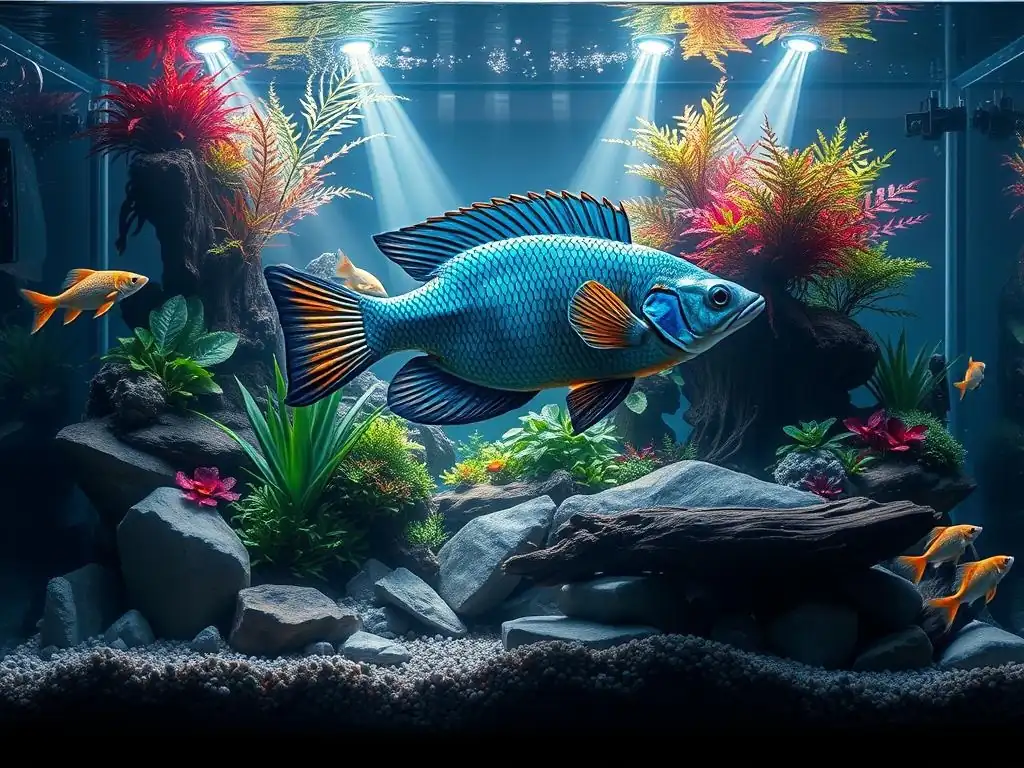
Welcome to Aquarium Mastery!
Ever wondered how to make that crucial transition effortless for your Severum? This guide dives deep into the essential steps for successful Severum tank acclimation, from safe handling techniques to minimizing stress. Get ready to unlock the secrets to a thriving aquarium and a happy, healthy Severum. Let's explore!
- Introduction: A Comprehensive Severum Tank Acclimation Guide
- Preparing for the Severum Move: Minimizing Stress
- Safe Handling of Your Severum During Transport
- Severum Tank Acclimation: A Step-by-Step Guide
- Post-Acclimation Severum Care: Monitoring and Feeding
- Addressing Common Problems After Moving a Severum
- Long-Term Severum Health: Maintaining a Stable Environment
- Conclusion: Ensuring a Smooth Transition for Your Severum
-
Frequently Asked Questions
- How long should I float the bag containing my new Severum in the aquarium before releasing it?
- What is the drip acclimation method, and why is it recommended for Severums?
- What water parameters are most critical to monitor during the acclimation process for Severums?
- How can I tell if my Severum is experiencing stress during or after the acclimation process?
- After acclimation, how long should I wait before feeding my newly introduced Severum?
- Final Reflection: Ensuring a Smooth Transition for Your Severum
- Safeguard Your Severum: Dive Deeper into Fishkeeping Mastery!
Introduction: A Comprehensive Severum Tank Acclimation Guide
Moving an aquarium inhabitant, especially a large and intelligent cichlid like the Severum, can be a highly stressful event for the fish. Their well-being during relocation depends heavily on meticulous preparation, gentle handling, and a precise acclimation process. A poorly executed move can lead to severe stress, compromised immune systems, and susceptibility to various diseases, potentially jeopardizing the fish's long-term health.
This comprehensive Severum tank acclimation guide aims to provide aquarists with the knowledge and steps necessary to ensure a smooth and safe transition for their cherished Severum. From gathering essential supplies and preparing the new environment to executing the move and providing crucial post-acclimation care, every detail is covered to minimize stress and foster a thriving new beginning for your fish.
Preparing for the Severum Move: Minimizing Stress
Essential Supplies for a Stress-Free Severum Relocation
Successful Severum relocation begins with having the right tools on hand. Key supplies include a large, soft, rubber-coated net to minimize scale damage and stress during capture, along with heavy-duty, clear plastic transport bags (at least 3-4 mil thick) that should be double-bagged for extra security. For larger Severums, which can reach 8-10 inches in length, a clean, food-grade bucket (e.g., 5-gallon capacity) with a secure lid is often preferable to bags for transport, as it provides more space and stability.
Additionally, an insulated cooler or box is vital for maintaining stable water temperatures during transit, preventing thermal shock. A battery-operated air pump with an air stone is highly recommended for trips longer than 30 minutes to ensure adequate oxygenation. Other useful items include a water conditioner (such as a stress coat product), a thermometer to monitor water temperature, and clean towels for any spills.
Preparing the Severum's New Tank: Water Parameters and Setup
The new Severum tank must be fully cycled and stable before the fish arrives. This means the nitrogen cycle (ammonia to nitrite to nitrate) should be complete, with zero ammonia, zero nitrite, and detectable nitrates. Ideal water parameters for Severums typically fall within a pH range of 6.0-7.5, a general hardness (GH) of 5-15 dGH, and a carbonate hardness (KH) of 3-8 dKH, with a consistent temperature between 74-82°F (23-28°C). It is critical to match these parameters as closely as possible to the fish's original tank to minimize osmotic shock during the Severum tank acclimation process.
Regarding setup, a single adult Severum requires a minimum tank size of 55 gallons, though 75 gallons or more is strongly recommended to accommodate their adult size and provide ample swimming space. The tank should feature appropriate filtration (e.g., a robust canister filter capable of cycling the tank volume 5-10 times per hour) and aeration. Decor should include smooth rocks, driftwood, and sturdy plants that can withstand potential uprooting by these curious cichlids, providing essential hiding spots and visual breaks.
Reducing Severum Stress During the Moving Process: Key Considerations
To significantly reduce stress, it's advisable to fast your Severum for 24-48 hours before the move. This minimizes waste production during transport, which can foul the water and lead to ammonia spikes. Dimming the lights around the Severum's original tank for several hours prior to capture can also help calm the fish and make netting less traumatic.
During the actual moving process, minimize sudden movements, loud noises, and excessive light exposure around the transport container. If possible, transport the Severum in a dark, opaque container, which can significantly reduce visual stress. Consider adding a specialized stress-reducing water conditioner (e.g., one containing aloe vera) to the transport water, as these products can help protect the fish's slime coat and reduce the physiological impact of stress.
Safe Handling of Your Severum During Transport
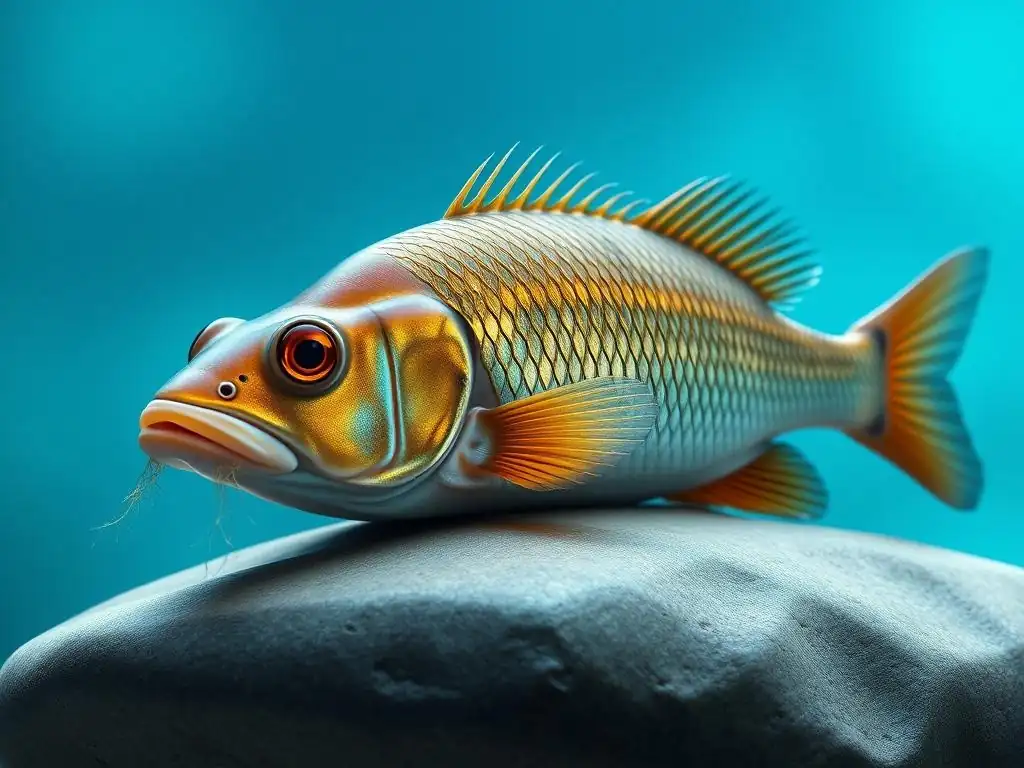
Best Practices for Catching Your Severum: Gentle Techniques
Catching a large, fast-moving fish like a Severum requires patience and a gentle approach to prevent injury and undue stress. It's often most effective to use two nets: one to gently guide the fish towards the other, larger net that will be used for scooping. Alternatively, a single, very large net can be used to corner the fish against the tank wall or a piece of decor. The goal is to scoop the fish quickly and decisively, minimizing the time it spends out of water.
Avoid chasing the Severum around the tank excessively, as this can cause extreme panic and exhaustion. If direct contact is unavoidable, ensure your hands are wet to protect the fish's delicate slime coat. Never squeeze or grab the fish tightly; instead, support its entire body in the net or a small, water-filled container. Observe the fish for signs of distress, such as rapid gill movement or thrashing, and proceed with care.
Choosing the Right Container for Severum Transport: Size and Safety
The choice of transport container is crucial for the Severum's safety and comfort. For short distances (under 30 minutes), a high-quality, double-bagged plastic fish bag, filled one-third with tank water and two-thirds with air, can suffice. However, for an adult Severum, a clean, food-grade 5-gallon bucket with a secure, air-tight lid is generally superior for journeys up to 4 hours. This provides ample space for the fish to orient itself and reduces the risk of bag punctures.
For longer trips (over 4 hours), or if multiple Severums are being moved, a larger insulated container (like a picnic cooler) with an internal bucket or strong bag is ideal. The container should be dark to reduce visual stress and large enough to allow the Severum to turn around comfortably without bending its body. Always ensure the lid is firmly secured to prevent accidental spills or the fish jumping out.
Maintaining Water Quality During Severum Transportation: Temperature and Oxygen
Maintaining stable water quality, particularly temperature and oxygen levels, is paramount during Severum transportation. Severums are highly sensitive to temperature fluctuations; even a change of a few degrees can induce shock. Aim to keep the transport water within 2-3°F (1-1.5°C) of their original tank water. An insulated cooler helps significantly in maintaining this stability, and in extreme temperatures, chemical heat packs (for cold weather, placed outside the inner container) or ice packs (for hot weather, wrapped to prevent direct contact) can be used.
Oxygen deprivation is another critical concern, especially for larger fish like Severums in confined spaces. For any journey exceeding 30-60 minutes, a battery-operated air pump with an air stone should be used to continuously aerate the transport water. Additionally, a small dose of a water conditioner that detoxifies ammonia can be added to the transport water as a precautionary measure, as fish waste can quickly degrade water quality in a sealed environment. Regularly observe the Severum for signs of distress such as gulping at the surface, which indicates low oxygen.
Severum Tank Acclimation: A Step-by-Step Guide
Step 1: Floating the Bag - Temperature Acclimation for Severums
The first critical step in any Severum tank acclimation guide is temperature equalization. Upon arrival at the new location, place the sealed transport bag or container containing your Severum directly into the new aquarium. Do not open the bag or lid yet. Allow it to float or sit in the tank for 15 to 30 minutes. This process slowly equalizes the water temperature inside the transport container with the temperature of the new tank water.
Severums, like all fish, are ectothermic, meaning their body temperature is regulated by their environment. Rapid changes in temperature can cause severe thermal shock, leading to stress, weakened immune systems, and increased susceptibility to diseases like Ich. This initial floating period is crucial for a smooth physiological transition, ensuring that the fish's internal systems can adapt gradually without undue stress.
Step 2: Gradual Water Mixing - Acclimating Severums to New Water Chemistry
After temperature acclimation, proceed to gradually mix the new tank water with the transport water. If using a bag, carefully open it and roll down the top edge to create a secure rim that allows it to float. Do not submerge the bag. Using a clean cup, begin adding approximately 1/4 to 1/2 cup of water from the new aquarium into the bag every 5 to 10 minutes. Continue this process until the volume of water in the bag has at least doubled, which typically takes 30 to 60 minutes.
This slow introduction of new water allows the Severum to gradually adjust to the new tank's specific water chemistry, including pH, hardness (GH and KH), and total dissolved solids (TDS). Sudden shifts in these parameters can cause osmotic shock, where the fish's cells rapidly gain or lose water, leading to severe physiological distress or even death. For extremely sensitive Severums or if there's a significant difference in water parameters, a drip acclimation method (using airline tubing to slowly drip tank water into the bag/bucket) over 1-2 hours is highly recommended as part of a thorough Severum tank acclimation guide.
Step 3: Releasing Your Severum into its New Home: Observation is Key
Once the gradual water mixing is complete, it's time to release your Severum into its new habitat. Gently net the Severum out of the transport bag or container, minimizing its exposure to air. Immediately place the fish into the new aquarium. It is paramount to discard the water from the transport bag; never add it to the main aquarium, as it may contain high levels of ammonia, waste, or pathogens that could contaminate the pristine new environment.
After release, it's beneficial to turn off the aquarium lights for the first few hours (or even the rest of the day) to help the Severum settle in without added visual stress. Observe your fish from a distance, allowing it to explore its new surroundings calmly. Avoid sudden movements, loud noises, or attempting to feed it immediately. This period of quiet observation is vital for assessing the fish's initial adjustment and identifying any immediate signs of distress.
Post-Acclimation Severum Care: Monitoring and Feeding
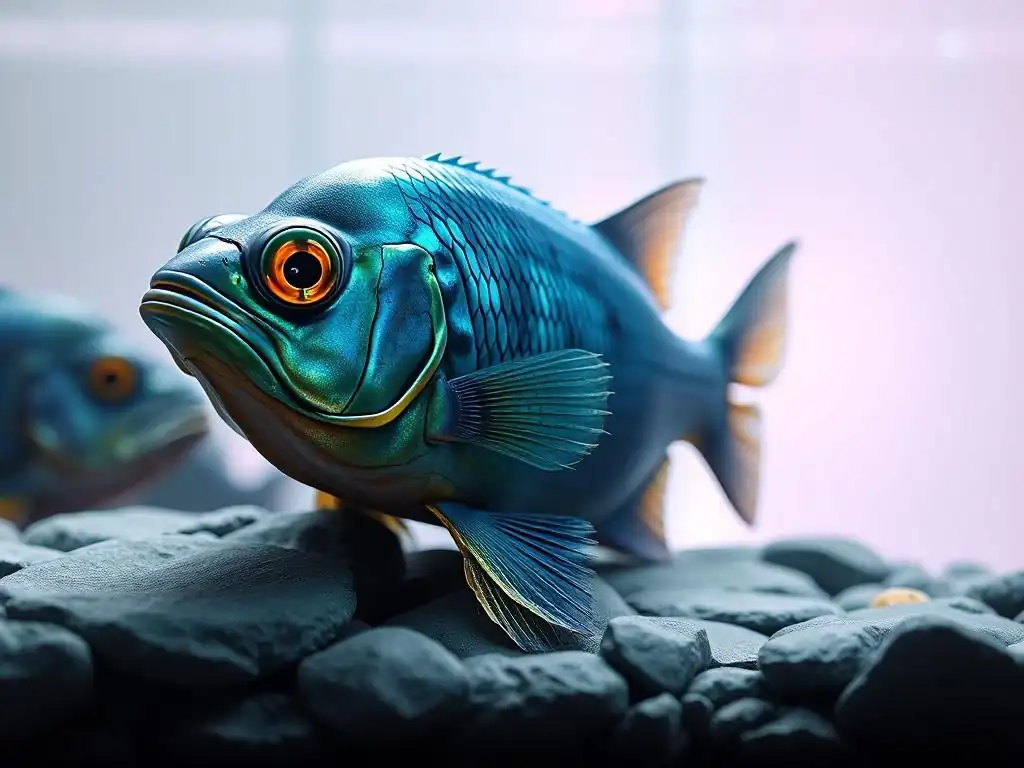
Observing Your Severum for Signs of Stress: What to Look For
After the Severum tank acclimation process, vigilant observation is crucial during the first 24-72 hours. Signs of stress in a Severum can include clamped fins (held tightly against the body), rapid gill movement (indicating labored breathing), darting or erratic swimming, or conversely, excessive hiding and lethargy. A stressed Severum may also exhibit a loss of vibrant color, appearing pale or dull.
Beyond behavioral changes, look for physical symptoms of illness that might manifest due to stress-induced immune suppression. These include white spots (Ich), frayed or ragged fins (fin rot), cloudy eyes, or unusual growths. If your Severum is typically active and curious, any significant deviation from this normal behavior should be a cause for concern and prompt further investigation of water parameters or environmental factors.
Initial Feeding Strategies After Moving: Encouraging Appetite
It is generally recommended not to feed your Severum for the first 12-24 hours after it has been introduced to its new tank. This allows the fish ample time to settle into its new environment without the added stress of digestion or the risk of uneaten food fouling the water if the fish is too stressed to eat.
When you do offer food, start with a very small amount of their regular, high-quality pellet or flake food. Observe closely to see if the Severum eats. If it does not, remove any uneaten food promptly to prevent water quality degradation. If the fish refuses food, try again after several hours or the next day. Severums are typically eager eaters, so prolonged refusal to eat (more than 2-3 days) is a strong indicator of significant stress or an underlying health issue requiring attention.
Maintaining Optimal Water Parameters: Preventing Post-Move Issues
Consistent monitoring of water parameters is paramount in the days and weeks following a Severum's relocation. Even if the tank was fully cycled before the move, the addition of a large fish like a Severum can sometimes trigger a mini-cycle due to the increased bioload. Test for ammonia, nitrite, nitrate, and pH daily for the first week, then regularly thereafter.
If ammonia or nitrite levels become detectable, or if nitrates rise rapidly, perform small, frequent water changes (e.g., 10-20% every 2-3 days) using dechlorinated water that matches the tank's temperature and pH as closely as possible. Maintaining pristine water quality is the single most important factor in helping a stressed Severum recover and thrive in its new environment, preventing common post-move health issues.
Addressing Common Problems After Moving a Severum
Treating Severum Fin Rot After Transport: Prevention and Cure
Fin rot, a common bacterial infection, often manifests as frayed, ragged, or discolored fins, sometimes with a white or reddish edge. It is frequently triggered by stress from transportation and exacerbated by poor water quality. Prevention is key: ensure pristine water conditions before and after the move, and minimize physical injury during handling.
If fin rot occurs, the primary treatment involves immediate and significant improvements in water quality. Perform daily small water changes (20-30%) and ensure robust filtration and aeration. In mild cases, this alone can be sufficient for recovery. For more severe infections, a broad-spectrum antibacterial medication (e.g., those containing furan-2 or erythromycin) may be necessary. Always follow the product's instructions carefully, and ensure medication is compatible with your tank's inhabitants and filter media.
Managing Severum Ich (White Spot Disease): Early Detection and Treatment
Ichthyophthirius multifiliis, commonly known as Ich or white spot disease, is a highly contagious parasitic infection that often appears as small, white, salt-like spots on the fish's body and fins. Stress from moving and sudden temperature fluctuations are frequent triggers for Ich outbreaks in Severums.
Early detection is crucial. Treatment typically involves a combination of methods. Slowly raise the tank temperature to 82-86°F (28-30°C) over 24 hours (ensure adequate aeration at higher temperatures). Add aquarium salt at a concentration of 1 tablespoon per 5 gallons (dissolved first in warm water). Additionally, use an Ich-specific medication, such as those containing malachite green or formalin, following the manufacturer's directions. Continue treatment for at least 7-10 days, even if symptoms disappear, to break the parasite's life cycle.
Dealing with Severum Loss of Appetite: Causes and Solutions
Loss of appetite in a Severum after relocation is a significant indicator of stress or an underlying health issue. Beyond the immediate stress of the move, common causes include poor water quality (elevated ammonia, nitrite, or nitrate), incorrect water temperature, internal parasites, or other bacterial/fungal infections.
The first step in addressing a loss of appetite is to thoroughly test all water parameters and perform a significant water change if any issues are detected. Ensure the tank temperature is within the optimal range for Severums. Offer a variety of high-quality foods, including their usual pellets, flakes, and occasional frozen treats like bloodworms or brine shrimp, to stimulate interest.
If the fish continues to refuse food for several days and other symptoms are present, consider specific treatments for internal parasites or other diseases. In some cases, adding a small amount of garlic-infused food can help stimulate their appetite.
Long-Term Severum Health: Maintaining a Stable Environment
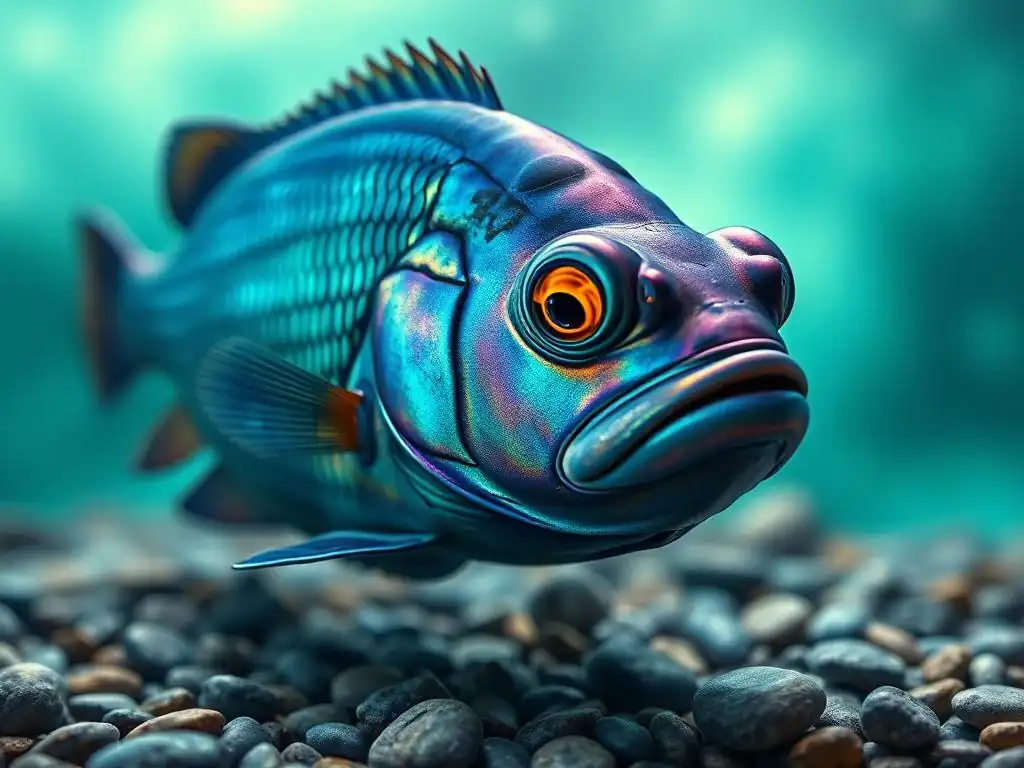
Regular Water Changes: Key to Severum Wellbeing
Regular and consistent water changes are the cornerstone of long-term Severum health. For a single adult Severum in a 75-gallon tank, a weekly water change of 25-30% is a good general guideline, though the exact frequency and volume may vary depending on the tank's bioload, filtration efficiency, and specific water parameters. These changes remove accumulated nitrates, replenish essential minerals, and maintain overall water quality.
Always use a high-quality water conditioner/dechlorinator when adding new water. It is also crucial to ensure the temperature of the new water closely matches that of the aquarium to prevent thermal shock, and that its pH is similar. Regular testing of nitrate levels, in particular, can help fine-tune your water change schedule to ensure optimal conditions for your Severum's well-being.
Choosing the Right Tank Mates for Your Severum: Compatibility and Space
Severums can be semi-aggressive, especially as they mature or during breeding, making careful tank mate selection vital. Compatible tank mates are generally other large, robust, and similarly tempered cichlids (e.g., Green Terrors, larger Geophagus species) or large, peaceful schooling fish that are too big to be considered prey (e.g., Silver Dollars, larger Giant Danios). Avoid very small, delicate, or fin-nipping species.
Adequate space is paramount for harmonious cohabitation. For a single Severum, a 75-gallon tank is recommended, but for multiple Severums or a community setup with other large fish, a tank of 125 gallons or more is often necessary. Providing plenty of hiding spots, visual barriers, and distinct territories using driftwood, rocks, and sturdy plants can help diffuse potential aggression and reduce stress among tank inhabitants.
Providing Enrichment for Your Severum: Reducing Boredom and Stress
Severums are intelligent and curious fish that benefit significantly from environmental enrichment to prevent boredom and reduce stress. This includes a varied and stimulating tank environment with diverse decor elements like large pieces of driftwood, rock caves, and robust live plants (such as Anubias or Java Fern, which can be tied to decor). They also enjoy rearranging substrate and exploring their surroundings.
Beyond physical decor, offering a varied diet that includes high-quality pellets, flakes, and a range of frozen foods (like bloodworms, brine shrimp, and mysis shrimp) provides mental stimulation. Occasionally offering blanched vegetables (e.g., peas, zucchini slices) can also add variety. Engaging with your Severum through observation and gentle interaction can further contribute to their overall health and resilience, making them more adaptable to environmental changes.
Conclusion: Ensuring a Smooth Transition for Your Severum
Frequently Asked Questions
How long should I float the bag containing my new Severum in the aquarium before releasing it?
You should float the bag for approximately 15-30 minutes to equalize the water temperature between the bag and the tank. This reduces thermal shock for your Severum.
What is the drip acclimation method, and why is it recommended for Severums?
Drip acclimation involves slowly introducing tank water into the bag containing your Severum over a period of time, typically 1-2 hours. This minimizes parameter shock by gradually adjusting the fish to the new water chemistry.
What water parameters are most critical to monitor during the acclimation process for Severums?
The most critical parameters are temperature, pH, and ammonia/nitrite/nitrate levels. Ensuring these are stable and within acceptable ranges minimizes stress and potential health issues for your Severum.
How can I tell if my Severum is experiencing stress during or after the acclimation process?
Signs of stress include rapid breathing, erratic swimming, loss of color, and hiding excessively. Monitor your Severum closely and adjust your acclimation strategy if necessary.
After acclimation, how long should I wait before feeding my newly introduced Severum?
Wait at least 24 hours before offering food. This allows the fish to settle into its new environment and reduces the risk of water quality issues from uneaten food.
Final Reflection: Ensuring a Smooth Transition for Your Severum
The journey of introducing a new Severum to its aquarium home is more than just a simple transfer; it's about ensuring its well-being and setting the stage for a thriving life. Understanding the nuances of safe handling, proper acclimation, and stress reduction is paramount to the success of any aquarist, and the principles outlined in this guide are as relevant today as they will be tomorrow, given the enduring popularity of these magnificent fish.
This process, while seemingly technical, is deeply rooted in empathy and respect for the living creatures we choose to share our homes with. The careful consideration we give to their environment reflects our own capacity for compassion and our understanding of the interconnectedness of life. The greatness of a nation and its moral progress can be judged by the way its animals are treated.
- Mahatma Gandhi. This quote, though broad, resonates deeply when considering the responsibility we undertake when caring for any animal, including our finned friends.
Now, armed with the knowledge of proper Severum tank acclimation, I encourage you to reflect on your own practices. Are you approaching the introduction of new fish with the care and attention they deserve? Let this guide serve as a reminder that even small actions, when performed with intention and empathy, can make a world of difference in the lives of the creatures under our care. Strive to create not just a tank, but a thriving ecosystem where your Severum can flourish, and in doing so, enrich your own life as well.
Safeguard Your Severum: Dive Deeper into Fishkeeping Mastery!
Thank you for taking the time to learn more about safely moving your Severum. We hope this guide has provided you with the knowledge to ensure a stress-free transition for your beloved fish. Now it's time to put that knowledge into action!
Here are some actionable steps you can take to ensure your Severum thrives:
- Prioritize Acclimation: Take the time to carefully acclimate your Severum to its new environment using the drip method. This gradual process is crucial for minimizing stress and ensuring a smooth transition.
- Explore Your Severum’s Personality: Observe your Severum closely in its new environment. Note any changes in behavior or eating habits to better understand its individual needs and preferences.
- Share Your Success Story: Help other aquarium enthusiasts by sharing your Severum moving experience in the comments section below! Your tips and insights could make a real difference.
What specific acclimation technique did you find most effective for minimizing stress during your Severum's move, and what surprising benefits did you observe?