
Neon Tetra Disease Decoded: Prevention, Symptoms, and Treatment Strategies

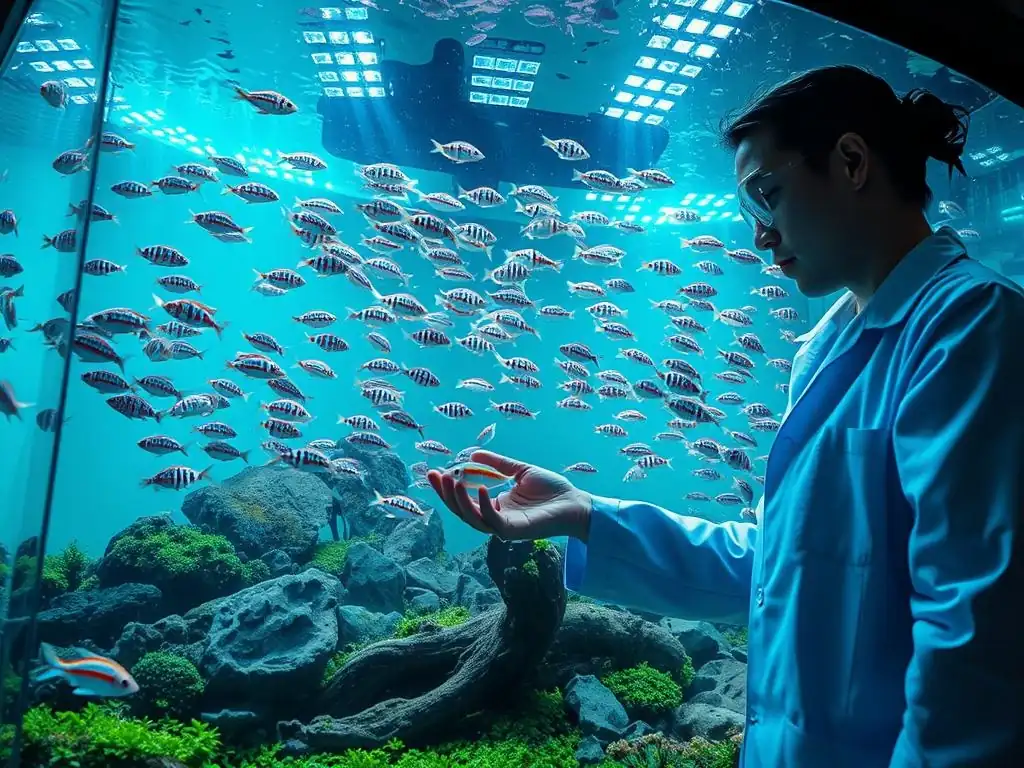
Welcome to Aquarium Mastery!
Ever wondered what those subtle changes in your neon tetras' behavior really mean? Unraveling the mystery of Neon Tetra Disease is crucial for any aquarist. Dive into our comprehensive guide, " Neon Tetra Disease Decoded: Prevention, Symptoms, and Treatment Strategies," and learn how to protect your shimmering community. Prepare to gain mastery over this common ailment and ensure a vibrant, healthy aquarium for years to come!
- Understanding Neon Tetra Disease: An Overview for Aquarium Keepers
- Identifying Neon Tetra Disease: Recognizing the Symptoms Early
- Preventing Neon Tetra Disease: Proactive Measures for a Healthy Aquarium
- Neon Tetra Disease Treatment: Addressing the Infection and Managing the Aquarium
- Managing an Outbreak: Steps to Take When Neon Tetra Disease Strikes Your Aquarium
- Long-Term Aquarium Health: Preventing Future Neon Tetra Disease Outbreaks
- Fish Health: Beyond Neon Tetra Disease - Addressing Other Potential Issues
-
Frequently Asked Questions
- What exactly is Neon Tetra Disease (NTD), and how does it affect Neon Tetras?
- What are the early warning signs of NTD that aquarists should look out for?
- Is there a guaranteed cure for Neon Tetra Disease?
- How can I prevent NTD from infecting my aquarium?
- What steps should I take if I suspect NTD in my aquarium?
- Final Reflection: A Beacon of Hope for Neon Tetras
- Transform Your Tetra Care!
Understanding Neon Tetra Disease: An Overview for Aquarium Keepers
What is Neon Tetra Disease (NTD) and How Does it Affect Your Fish?
Neon Tetra Disease, often abbreviated as NTD, is a highly contagious and typically fatal condition primarily affecting neon tetras, but also observed in other characins like cardinal tetras, glowlight tetras, and even angelfish or rasboras. It is caused by a microscopic spore-forming parasite, Pleistophora hyphessobryconis, which invades the muscle tissue of the fish. Once established, the parasite consumes the muscle from within, leading to characteristic symptoms and ultimately organ failure.
The disease progresses slowly but relentlessly, often starting subtly and becoming more pronounced over several weeks or months. The internal damage caused by the parasitic spores is extensive, leading to a significant breakdown of muscle tissue and affecting the fish's ability to swim, feed, and maintain its balance. This internal destruction makes the fish increasingly vulnerable to secondary bacterial or fungal infections, further complicating its condition and accelerating decline.
The Culprit Behind Neon Tetra Disease: Pleistophora hyphessobryconis Explained
The causative agent of Neon Tetra Disease is Pleistophora hyphessobryconis, a microsporidian parasite belonging to the phylum Microsporidia. These obligate intracellular parasites are known for their ability to form resistant spores that can survive outside a host for extended periods, making them incredibly difficult to eradicate from an aquarium environment once introduced. The spores are typically ingested by fish, often through consuming infected tissue from deceased tank mates or contaminated food.
Once ingested, the spores hatch within the fish's digestive tract, releasing infective amoeboid stages that then migrate to the muscle tissue. Here, they multiply rapidly within muscle cells, forming large cysts filled with thousands of new spores. As these cysts grow, they rupture the muscle fibers, leading to the visible symptoms of muscle decay and discoloration. This life cycle ensures a continuous spread of the parasite within an infected tank, as spores are released into the water when infected fish die or excrete them.
Why Fish are Susceptible to NTD: Predisposition and Risk Factors
Fish, particularly neon tetras, are highly susceptible to NTD due to several interconnected factors, with stress being a primary contributor. Poor water quality, fluctuating temperatures, overcrowding, and incompatible tank mates all contribute to chronic stress, which weakens a fish's immune system, making it more vulnerable to parasitic infections like Pleistophora hyphessobryconis. Additionally, the disease is notoriously prevalent in wild-caught neon tetras, suggesting that many fish may arrive at pet stores already carrying the parasite, albeit in a latent stage.
The highly contagious nature of Pleistophora hyphessobryconis also plays a significant role in susceptibility. Spores released from infected fish, whether through waste or decomposition, can easily be ingested by healthy tank mates, leading to rapid transmission within a community tank. This ease of transmission, combined with the often-stressed conditions of newly acquired fish and the typically small size of neon tetras, creates an ideal environment for NTD to take hold and spread, often resulting in devastating losses within a short period.
Identifying Neon Tetra Disease: Recognizing the Symptoms Early
Early Signs of Neon Tetra Disease: Subtle Changes in Behavior and Appearance
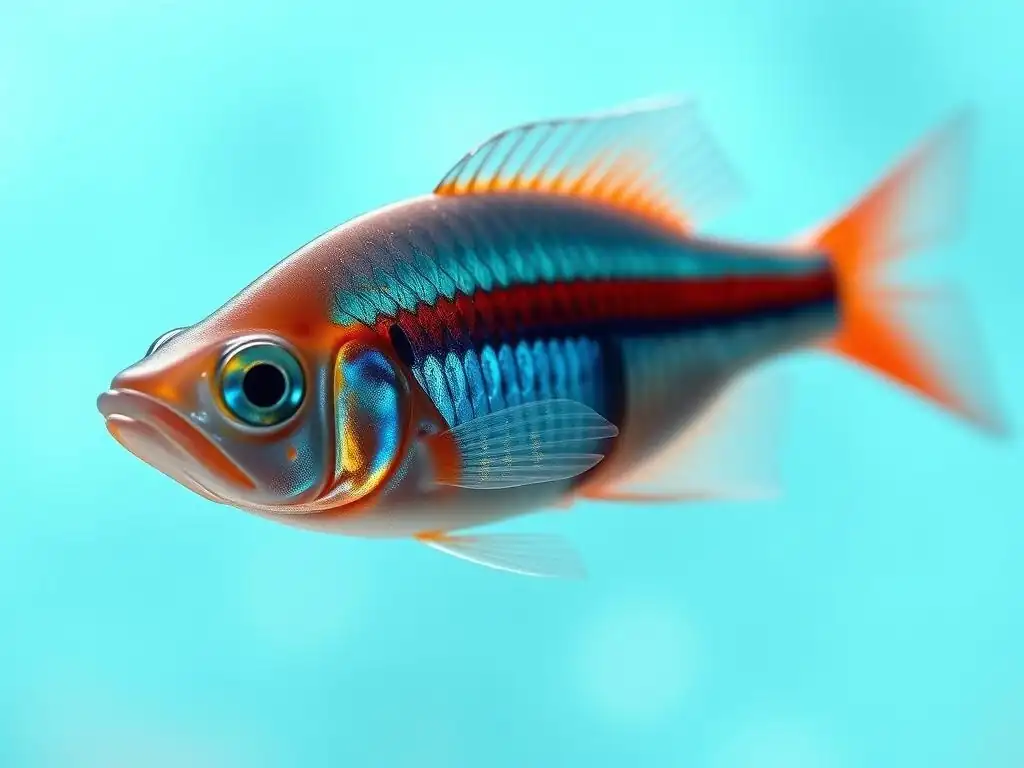
Early detection of Neon Tetra Disease is crucial, though often challenging due to the subtle nature of initial symptoms. One of the first indicators might be a slight change in the fish's swimming behavior, such as becoming less active, isolating itself from the school, or exhibiting a jerky, uncoordinated swimming motion. You might also notice a subtle dulling of their vibrant colors, particularly the characteristic iridescent stripe on neon tetras, which may appear faded or patchy compared to healthy individuals.
Additionally, early physical signs can include small, pale patches on the body, particularly along the lateral line or near the fins. These patches represent the initial muscle degradation caused by the Pleistophora parasite. While not as obvious as advanced symptoms, these subtle discolorations, combined with a noticeable loss of appetite or a general listlessness, should prompt immediate isolation and observation of the affected fish to prevent potential spread and to confirm suspicions of Neon Tetra Disease.
Advanced Symptoms of Neon Tetra Disease: Discoloration, Lesions, and Fin Rot
As Neon Tetra Disease progresses, the symptoms become far more pronounced and unmistakable. The pale patches seen in early stages will typically enlarge and deepen, often developing into distinct, depigmented lesions or white, lumpy growths as the muscle tissue continues to be destroyed by the parasite. These lesions can give the fish a "patchy" or "mottled" appearance, with the vibrant red and blue stripes of neon tetras becoming severely disrupted and faded.
In advanced stages, the fish may exhibit severe skeletal deformities, such as a curved spine, due to extensive muscle wasting. The fins may become clamped or frayed, often leading to secondary bacterial fin rot, and the fish may experience significant difficulty swimming, often struggling to maintain an upright position or sinking to the bottom of the tank. Swelling in the abdomen or eyes, though less common, can also occur. At this point, the fish's condition is severely compromised, and it will likely be unable to feed or survive much longer.
Differentiating Neon Tetra Disease from Other Common Fish Ailments
Differentiating Neon Tetra Disease from other common fish ailments is vital, as misdiagnosis can lead to ineffective Neon tetra disease treatment strategies. For instance, fungal infections often present as white, cotton-like growths, similar to some advanced NTD lesions. However, fungal growths typically appear on the outside of the fish and are often fuzzy, whereas NTD lesions are usually internal muscle decay showing through the skin, presenting as pale, opaque patches or lumps within the muscle tissue.
Another common confusion arises with Columnaris (Cotton Mouth Disease), which also causes white patches and fin erosion. However, Columnaris lesions tend to be more sharply defined, often around the mouth or fins, and progress more rapidly, sometimes with a yellowish tint. NTD, conversely, causes a more gradual muscle deterioration, typically starting as internal paleness and progressing to muscle loss and spinal deformities. Unlike Ich, which presents as distinct, salt-like white spots, NTD's white patches are diffused and integrated into the muscle tissue, making careful observation key to accurate identification and appropriate action.
Preventing Neon Tetra Disease: Proactive Measures for a Healthy Aquarium
Quarantine Procedures: Isolating New Fish to Prevent NTD Introduction
The most effective preventative measure against Neon Tetra Disease is a strict quarantine protocol for all new fish. A dedicated quarantine tank, equipped with a heater, filter, and basic decor, should be used to house new arrivals for a minimum of two to four weeks, preferably longer if possible. During this period, observe the fish daily for any signs of illness, changes in behavior, or physical abnormalities indicative of NTD or other diseases.
Maintaining optimal water parameters in the quarantine tank and providing a stress-free environment will help reveal any latent diseases that might manifest under mild stress. If any symptoms of NTD appear during quarantine, the fish should be humanely euthanized to prevent the potential spread to your main display tank. This diligent practice significantly reduces the risk of introducing Pleistophora hyphessobryconis spores into your established aquarium ecosystem, saving you from the devastating impact of a full-blown outbreak.
Maintaining Optimal Water Quality: The Key to a Disease-Resistant Tank
Optimal water quality is paramount for preventing all fish diseases, including Neon Tetra Disease, as it directly impacts the fish's immune system and overall resilience. Consistent water parameters, including stable temperature, appropriate pH (typically 6.0-7.5 for tetras), and undetectable levels of ammonia and nitrite, are crucial. High nitrate levels, though less acutely toxic, can also contribute to chronic stress and weaken fish over time, making them more susceptible to pathogens.
Regular water changes are fundamental to maintaining excellent water quality. A weekly water change of 25-30% for a moderately stocked tank, or more frequently for heavily stocked aquariums, helps dilute nitrates and replenish essential minerals. Using a reliable water test kit to monitor parameters consistently allows for prompt corrective action if issues arise, ensuring a healthy and stable environment where fish are less likely to succumb to opportunistic infections like NTD.
Avoiding Overcrowding: Reducing Stress and Disease Transmission
Overcrowding is a significant stressor for aquarium fish and dramatically increases the risk of disease outbreaks, including Neon Tetra Disease. When a tank is overstocked, competition for food, space, and suitable hiding spots intensifies, leading to chronic stress that suppresses the fish's immune response. Overcrowding also places an immense burden on the biological filtration system, leading to rapid deterioration of water quality due to increased waste production, further exacerbating stress levels.
Furthermore, in an overcrowded environment, diseases like NTD can spread much more rapidly due to the close proximity of fish. If one fish becomes infected, the chances of others ingesting parasite spores or coming into contact with contaminated water are significantly higher. Adhering to the "one inch of fish per gallon" rule (or more conservatively, one inch of adult fish per two gallons for smaller species like tetras) provides ample space, reduces aggression, and minimizes the risk of rapid disease transmission, contributing to a healthier, more resilient fish population.
Proper Nutrition and Diet: Strengthening Your Fish's Immune System
A balanced and varied diet is essential for strengthening your fish's immune system, making them more resistant to diseases such as Neon Tetra Disease. High-quality flake or pellet foods specifically formulated for tropical fish should form the basis of their diet, providing essential vitamins, minerals, and proteins. Supplementing this with live or frozen foods like brine shrimp, daphnia, bloodworms, or tubifex worms provides additional nutrients and enrichment, mimicking their natural diet and boosting their vitality.
Avoid overfeeding, as uneaten food quickly decays, leading to poor water quality and potential health issues. Instead, feed small amounts two to three times a day, only what your fish can consume within two to three minutes. A well-nourished fish has robust defenses against pathogens, is more active, and displays vibrant coloration. Conversely, a fish suffering from nutritional deficiencies is more likely to become sick and less likely to recover, even from minor ailments, let alone a severe parasitic infection like NTD.
Neon Tetra Disease Treatment: Addressing the Infection and Managing the Aquarium
Treatment Options: Understanding the Limitations for Pleistophora hyphessobryconis
It is crucial to understand that there is currently no known effective Neon tetra disease treatment or cure for Pleistophora hyphessobryconis once a fish is infected. Unlike bacterial or fungal infections that can often be treated with antibiotics or antifungal medications, microsporidian parasites like Pleistophora are notoriously difficult to target with conventional medications because they reside within the host's cells. Medications that might kill the parasite would also likely harm the fish itself, making systemic Neon tetra disease treatment impractical and often futile.
Many aquarists mistakenly attempt to treat NTD with broad-spectrum antibiotics (like Kanaplex or Furan-2) or antiparasitic medications (like Metronidazole or PraziPro), which are effective against bacterial infections or certain external parasites. However, these medications have no impact on the internal Pleistophora parasite. Administering such treatments not only wastes time and money but also prolongs the suffering of the infected fish and risks harming the beneficial bacteria in the aquarium's filter, potentially leading to further water quality issues.
Treatment Strategies: Focusing on Containment and Humane Euthanasia
Given the untreatable nature of Neon Tetra Disease, the primary "treatment strategy" shifts from curing the infected fish to containing the outbreak and preventing further spread. As soon as a fish is suspected of having NTD, it should be immediately isolated in a separate hospital tank. This prevents it from potentially releasing more spores into the main aquarium environment, which could infect healthy tank mates.
The most humane course of action for a confirmed case of NTD is euthanasia. This difficult decision prevents prolonged suffering for the infected fish and significantly reduces the risk of the parasite spreading to other inhabitants. Methods like clove oil overdose, followed by an ice bath, are generally considered humane and effective. While this is a grim reality, it is the most responsible approach to managing a Neon Tetra Disease outbreak and protecting the rest of your aquatic community.
Supportive Care: Maintaining Water Parameters and Reducing Stress
While there's no direct Neon tetra disease treatment, maintaining pristine water parameters and reducing stress in the main aquarium are critical supportive care measures. Even if a fish is isolated, ensuring the remaining fish are in the best possible environment can help bolster their immune systems and potentially reduce their susceptibility if they have been exposed to a low level of spores. Regular water changes (e.g., 25-30% weekly) and consistent monitoring of ammonia, nitrite, and nitrate levels are essential.
Providing a stable, comfortable environment—with appropriate temperature, pH, and plenty of hiding spots—minimizes stress on the uninfected population. While these measures won't cure an infected fish, they create optimal conditions for healthy fish to resist potential exposure and for the overall ecosystem to thrive. This proactive approach to water quality and stress reduction is a cornerstone of preventing future outbreaks and maintaining a robust, disease-resistant aquarium.
When to Euthanize: Making the Difficult Decision for Humane Reasons
The decision to euthanize a fish afflicted with Neon Tetra Disease is profoundly difficult but often the most compassionate choice. Euthanasia becomes necessary when symptoms are advanced, the fish is clearly suffering (e.g., struggling to swim, severe body deformities, refusing food), and there is no viable Neon tetra disease treatment. Prolonging the life of a severely infected fish only extends its suffering and increases the risk of spreading the highly contagious Pleistophora spores to other susceptible tank inhabitants.
Consider euthanasia when the fish's quality of life is severely compromised and it can no longer swim or feed normally. A common and humane method involves using clove oil, an anesthetic, to sedate the fish before it passes away peacefully. A responsible aquarist understands that sometimes the kindest act is to prevent further pain and to protect the well-being of the entire aquatic community from an incurable and highly infectious disease.
Managing an Outbreak: Steps to Take When Neon Tetra Disease Strikes Your Aquarium
Identifying Infected Fish: Immediate Isolation and Observation
When Neon Tetra Disease is suspected in your aquarium, the first and most critical step is the immediate identification and isolation of any fish showing symptoms. Observe your entire tank closely for subtle changes in behavior, faded colors, erratic swimming, or the appearance of pale patches or lesions. Any fish exhibiting these signs should be promptly netted and moved to a dedicated quarantine or hospital tank.
This immediate isolation serves a dual purpose: it prevents the potentially infected fish from further contaminating the main display tank with Pleistophora spores, and it allows for closer observation of the isolated individual without the distractions of the community tank. While in isolation, continue to monitor for worsening symptoms that would confirm NTD, and be prepared to take further action, such as humane euthanasia, if the diagnosis is clear.
Disinfecting the Aquarium: Thorough Cleaning to Eliminate Parasite Spores
After isolating or euthanizing infected fish, the main aquarium requires thorough disinfection to eliminate lingering Pleistophora spores. While complete eradication is challenging due to the parasite's hardy nature, a rigorous cleaning regimen can significantly reduce the spore load. This involves performing a large water change, ideally 50-70%, and thoroughly gravel vacuuming the substrate to remove any decaying organic matter or settled spores.
All décor, plants, and equipment (filters, heaters, tubes) should be removed and disinfected. Soaking non-porous items in a dilute bleach solution (e.g., 1 part bleach to 19 parts water) for 30 minutes, followed by thorough rinsing with dechlorinated water and air-drying, can effectively kill spores. For live plants, a dip in a mild potassium permanganate solution might be considered, but some plants may not tolerate it. Running the tank without fish for several weeks, while maintaining filtration, can also help starve out any remaining spores, as Pleistophora requires a host to reproduce.
Monitoring Remaining Fish: Vigilance for Further Signs of Infection
Even after removing visibly infected fish and cleaning the tank, continuous and vigilant monitoring of the remaining fish in the main aquarium is absolutely essential. Neon Tetra Disease can have a long incubation period, sometimes weeks or even months, meaning that fish that appear healthy initially may already be carrying the parasite. Daily observation for any subtle changes in behavior, appetite, or appearance is paramount.
Maintain optimal water quality and minimize stress to support the immune systems of the remaining fish. If any new symptoms emerge in other fish, they too must be immediately isolated and the entire process of assessment and potential euthanasia repeated. This ongoing vigilance helps to catch any further manifestations of the disease early, preventing a complete collapse of your fish population and allowing you to maintain better control over the outbreak.
Long-Term Aquarium Health: Preventing Future Neon Tetra Disease Outbreaks
Regular Water Changes and Tank Maintenance: Minimizing Disease Risks
Consistent and diligent tank maintenance, particularly regular water changes, is the cornerstone of preventing future Neon Tetra Disease outbreaks and other fish ailments. Performing weekly water changes of 25-30% helps to dilute accumulated nitrates, phosphates, and other waste products that can stress fish and compromise their immune systems. This practice also replenishes essential minerals depleted over time, contributing to overall water stability and quality.
Beyond water changes, routine gravel vacuuming is crucial to remove uneaten food, fish waste, and any potential parasite spores or bacteria that settle in the substrate. Cleaning filter media as per manufacturer instructions (using old tank water to preserve beneficial bacteria) ensures efficient biological and mechanical filtration. A clean, stable, and well-maintained environment significantly reduces the likelihood of pathogens like Pleistophora hyphessobryconis gaining a foothold and causing a widespread outbreak.
Observing Your Fish: Early Detection for Prompt Intervention
Proactive observation of your fish is a powerful tool for early detection of potential health issues, including the subtle initial signs of Neon Tetra Disease. Spend at least 5-10 minutes daily watching your fish's behavior, swimming patterns, appetite, and appearance. Look for any deviations from their normal routine, such as lethargy, hiding more than usual, refusal to eat, or changes in coloration or body shape.
Early detection allows for prompt intervention, whether it's isolating a potentially sick fish, adjusting water parameters, or seeking professional advice. Catching diseases in their nascent stages can prevent them from escalating into full-blown outbreaks that are much harder to manage. This consistent vigilance fosters a deeper connection with your aquatic pets and empowers you to maintain their optimal health.
Maintaining Stable Water Temperatures: Avoiding Temperature Fluctuations
Stable water temperature is a critical, yet often overlooked, factor in preventing fish diseases, including the stress that can predispose fish to Neon Tetra Disease. Rapid or significant fluctuations in temperature can cause immense stress to fish, weakening their immune systems and making them highly susceptible to various pathogens. Even a few degrees change over a short period can be detrimental.
Ensure your aquarium heater is properly sized for your tank volume and functioning correctly, maintaining a consistent temperature within the optimal range for your specific fish species (typically 72-78°F or 22-26°C for most tetras). Using a reliable thermometer to monitor the temperature daily and placing the tank away from direct sunlight, drafts, or heating/cooling vents will help prevent unwanted temperature swings, contributing to a more stable and disease-resistant environment for your fish.
Fish Health: Beyond Neon Tetra Disease - Addressing Other Potential Issues
Common Fish Diseases: Ich, Fin Rot, and Other Ailments
While Neon Tetra Disease poses a unique challenge due to its incurability, aquarists should also be familiar with other common fish diseases that require different Neon tetra disease treatment strategies. Ich (Ichthyophthirius multifiliis), or white spot disease, is a prevalent parasitic infection characterized by small, white, salt-like spots on the fish's body and fins. It's highly contagious but often treatable with elevated temperatures and specific medications like malachite green or formalin.
Fin Rot, often caused by bacterial infections (e.g., Aeromonas or Pseudomonas species), manifests as frayed, ragged, or disintegrating fins, sometimes with a reddish or white edge. It is frequently a secondary infection stemming from poor water quality or stress. Treatment typically involves improving water conditions and using antibacterial medications. Fungal infections appear as white, cotton-like growths and are often secondary to injuries or other illnesses, requiring antifungal treatments. Understanding these distinct conditions is crucial for accurate diagnosis and effective intervention.
Maintaining a Healthy Environment: Temperature, pH, and Water Hardness
Maintaining a healthy aquarium environment extends beyond just preventing Neon Tetra Disease; it's about providing optimal conditions for overall fish well-being. Consistent temperature, as discussed, is vital, but so are appropriate pH and water hardness (GH and KH) levels for your specific fish species. For instance, most tetras thrive in soft, acidic to neutral water (pH 6.0-7.0, GH 3-8 dGH), while African cichlids prefer harder, more alkaline water.
Regularly testing these parameters with a reliable test kit allows you to identify and correct any deviations before they stress your fish. Stable parameters prevent osmotic shock and metabolic stress, ensuring that your fish's internal systems function optimally. A healthy internal environment means a stronger immune system, making fish more resilient to a wide range of diseases and less likely to fall victim to opportunistic pathogens.
The Importance of a Balanced Ecosystem: Promoting Overall Fish Health
Ultimately, promoting overall fish health and preventing diseases like Neon Tetra Disease hinges on creating and maintaining a balanced aquarium ecosystem. This involves more than just individual parameters; it's about the synergistic relationship between biological filtration, live plants, appropriate stocking levels, and a consistent maintenance routine. A mature biological filter efficiently converts toxic ammonia and nitrite, ensuring water safety. Live plants contribute by absorbing nitrates, oxygenating the water, and providing natural hiding spots and foraging opportunities.
A balanced ecosystem minimizes stress factors, provides a stable and enriching environment, and strengthens the fish's natural defenses. It's a holistic approach where every component supports the health of the others, leading to vibrant fish that are naturally more resistant to illness. By focusing on creating a thriving, self-sustaining miniature world, aquarists can significantly reduce the incidence of disease and enjoy the beauty of their healthy aquatic inhabitants for years to come.
Frequently Asked Questions
What exactly is Neon Tetra Disease (NTD), and how does it affect Neon Tetras?
NTD is a debilitating disease primarily affecting Neon Tetras, caused by the parasite Pleistophora hyphessobryconis. It leads to muscle necrosis, causing symptoms like loss of color and difficulty swimming.
What are the early warning signs of NTD that aquarists should look out for?
Early signs include restlessness, separation from the school, and a subtle fading of the neon stripe. As the disease progresses, the back may become pale and develop white patches.
Is there a guaranteed cure for Neon Tetra Disease?
Unfortunately, there is no known cure for Neon Tetra Disease. Treatment focuses on preventing its spread by isolating infected fish and maintaining excellent water quality.
How can I prevent NTD from infecting my aquarium?
Prevention is key. Quarantine new fish before introducing them to the main tank, maintain pristine water conditions, and avoid overcrowding your aquarium.
What steps should I take if I suspect NTD in my aquarium?
Immediately isolate affected fish to prevent further spread. Consider euthanizing severely affected individuals to alleviate suffering and sanitize the tank thoroughly.
Okay, here's a final reflection designed to close your article on Neon Tetra Disease, optimized for emotional connection and a lasting impression, while keeping the keyword "Neon tetra disease treatment" in mind:
Final Reflection: A Beacon of Hope for Neon Tetras
The information presented throughout this article underscores the crucial need for proactive measures in combating Neon Tetra Disease. Understanding the intricacies of this ailment, from its symptoms to effective treatment strategies, is not merely academic; it's a lifeline for these beloved fish. The prevalence of Neon Tetra Disease in home aquariums highlights the ongoing responsibility we have as aquarists to prioritize the health and well-being of our aquatic companions.
The impact of Neon Tetra Disease extends beyond individual fish; it touches the very heart of the aquascaping community. Witnessing the decline of a vibrant school of neon tetras is a heartbreaking experience, one that underscores the fragility of life within our carefully constructed ecosystems. The greatness of a nation and its moral progress can be judged by the way its animals are treated.
- Mahatma Gandhi. This quote, while broad, resonates deeply when considering our responsibility to provide the best possible care, including effective Neon tetra disease treatment, for the creatures in our charge.
As you close this article, take a moment to reflect on the knowledge you've gained. Consider how you can implement these prevention and treatment strategies in your own aquarium, not just for the sake of your neon tetras, but for the health and vibrancy of your entire aquatic world. Let this understanding be a catalyst for responsible aquascaping, ensuring a future where these shimmering jewels of the aquarium thrive, free from the devastating effects of Neon Tetra Disease.
Transform Your Tetra Care!
Thank you for diving into the world of Neon Tetras with us! We hope this guide has given you the knowledge to keep your sparkling little fish healthy and vibrant. Now it's time to put that knowledge into action.
Here are a few steps you can take right now:
- Immediately assess your aquarium's water quality. This is the single most impactful action you can take! Regular testing is key.
- Share this article with other aquarist friends. Spreading awareness helps everyone keep healthier fish!
- Consider starting a detailed log of your aquarium's health, including water parameters, feeding schedules, and fish behavior.
What's one small change you can make today to create a healthier environment for your Neon Tetras?