
The Nitrogen Cycle in HighBioload Tanks: A Cichlid Keeper's Essential Bible

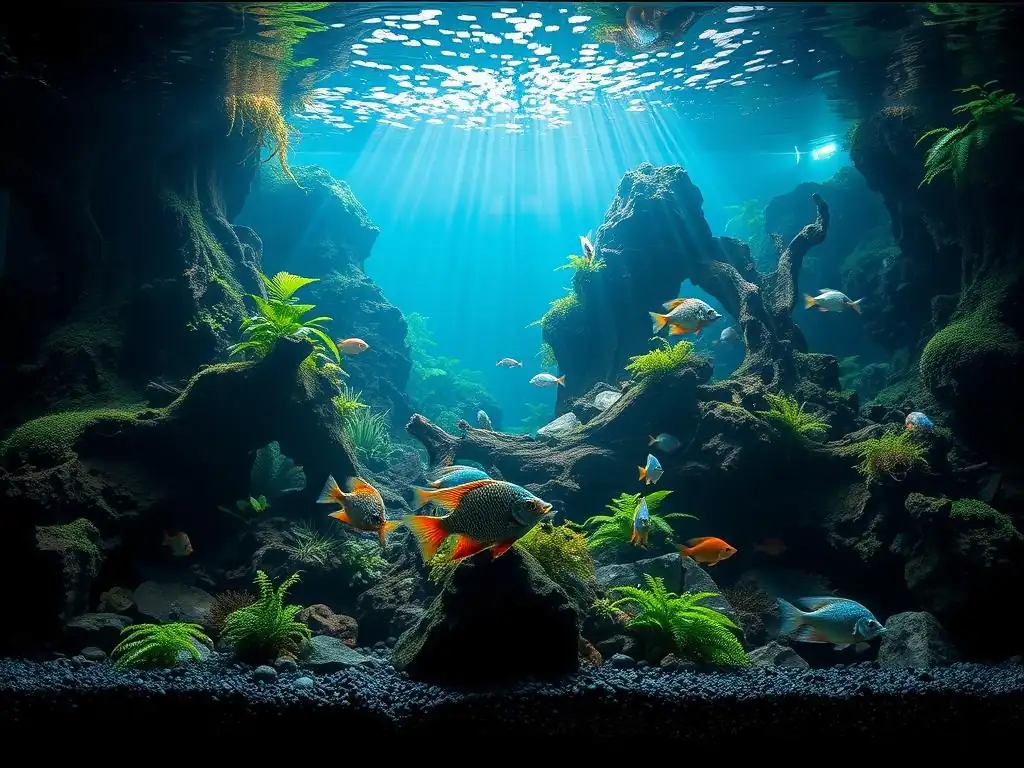
Welcome to Aquarium Mastery!
Ever wondered how to keep your cichlid tank thriving, even with a high bioload? Unraveling the mysteries of the nitrogen cycle is crucial for success, and we're here to guide you. Dive in to discover the essential principles every cichlid keeper needs to know, and unlock the secrets to a healthy and vibrant aquarium. Ready to master the art of balancing your ecosystem? Let's get started!
- The Nitrogen Cycle in High Bioload Tanks: An African Cichlid Keeper's Guide
- Understanding the Nitrogen Cycle: Crucial for High Bioload African Cichlid Tanks
- Stages of the Nitrogen Cycle in African Cichlid Aquariums
- Managing High Bioload in African Cichlid Tanks: Maintaining a Healthy Nitrogen Cycle
- Testing and Monitoring Water Parameters in High Bioload African Cichlid Tanks
- Plants and the Nitrogen Cycle in African Cichlid Tanks: A Balancing Act
- Maintaining a Stable Nitrogen Cycle: Best Practices for African Cichlid Keepers
-
Frequently Asked Questions
- What is the nitrogen cycle and why is it crucial for high bioload cichlid tanks?
- How does a high bioload, particularly from cichlids, affect the nitrogen cycle compared to other aquariums?
- What are the key steps in establishing the nitrogen cycle in a new cichlid tank?
- What are some common signs that the nitrogen cycle is not functioning correctly in a cichlid tank?
- How can I maintain a stable and healthy nitrogen cycle in a high bioload cichlid tank long-term?
- Final Reflection: Cultivating Balance in a Thriving Ecosystem
- Dive Deeper: Master Your Cichlid Tank's Ecosystem!
The Nitrogen Cycle in High Bioload Tanks: An African Cichlid Keeper's Guide
Understanding the Nitrogen Cycle: Crucial for High Bioload African Cichlid Tanks
What is the Nitrogen Cycle and Why Does it Matter for African Cichlids?
The nitrogen cycle is the cornerstone of a healthy aquatic environment, a biological process that converts toxic ammonia and nitrite into less harmful nitrates. For African cichlid keepers, understanding and maintaining a robust nitrogen cycle is not merely important, but absolutely critical.
These vibrant fish, particularly species like the large and active Peacock Cichlids (e.g., Aulonocara species) or the more aggressive Mbuna (e.g., Maylandia estherae), are known for their significant bioload, meaning they produce a considerable amount of waste relative to their size and activity level. Without a fully functional nitrogen cycle, these waste products quickly accumulate to lethal concentrations, leading to severe stress, disease, and ultimately, fish loss.
African cichlids, originating from the stable, alkaline waters of the African Rift Lakes, are highly sensitive to fluctuations in water quality. Their natural habitats boast incredibly consistent parameters, and any deviation, especially regarding nitrogenous compounds, can compromise their immune systems. A properly cycled tank ensures that the ammonia and nitrite, which are acutely toxic even at levels as low as 0.25 ppm, are rapidly converted. This continuous detoxification process is the primary defense against fish poisoning and is the fundamental requirement for thriving High bioload cichlid nitrogen management.
The Impact of High Bioload on the Nitrogen Cycle in African Cichlid Aquariums
A high bioload, inherent to many African cichlid setups, places immense stress on the aquarium's nitrogen cycle. High bioload refers to the total amount of organic waste produced by the inhabitants of the tank. African cichlids, being large, often numerous, and typically messy eaters, contribute significantly to this. For instance, a 75-gallon tank housing 15 adult Mbuna cichlids, each averaging 4-5 inches, will generate far more waste than a community tank of similar size with small tetras. This increased waste, primarily fish feces and uneaten food, translates directly to higher ammonia production.
When the ammonia production outpaces the capacity of the beneficial bacteria in the filter to convert it, the nitrogen cycle becomes overwhelmed. This can lead to dangerous spikes in ammonia and nitrite, even in established tanks. The consequences are dire: cichlids may exhibit symptoms such as clamped fins, rapid gilling, lethargy, loss of appetite, and ultimately, death. Effective High bioload cichlid nitrogen management therefore necessitates not just an understanding of the cycle, but also robust strategies to cope with the elevated waste output, ensuring that the beneficial bacterial colonies are always sufficient to process the incoming load.
Stages of the Nitrogen Cycle in African Cichlid Aquariums
Stage 1: Ammonia Production in African Cichlid Tanks
The Source of Ammonia: Fish Waste, Uneaten Food, and Decaying Organic Matter
Ammonia (NH3) is the initial and most toxic compound in the nitrogen cycle, primarily entering the aquarium water through several common sources. The most significant contributor in any African cichlid tank is fish waste, specifically feces and urine. African cichlids, particularly larger species like the Frontosa ( Cyphotilapia frontosa) or Oscar cichlids (though technically New World, they share high bioload characteristics), produce substantial amounts of waste due to their size and metabolism. This waste is rich in nitrogenous compounds that quickly break down into ammonia.
Beyond fish waste, uneaten food is another major source of ammonia. Cichlids, while enthusiastic eaters, can be messy, and any food not consumed quickly settles and decomposes. A common mistake in high bioload tanks is overfeeding, which exacerbates this problem. Furthermore, decaying organic matter such as dead fish, dying plant leaves, or even excessive detritus accumulating in the substrate will also decompose and release ammonia into the water column. Managing these sources is the first line of defense in maintaining a healthy High bioload cichlid nitrogen balance.
Stage 2: Nitrification - Converting Ammonia to Nitrite
The Role of Beneficial Bacteria: Nitrosomonas and Ammonia Oxidation
Once ammonia is present in the aquarium, the second crucial stage of the nitrogen cycle begins: its conversion into nitrite. This vital transformation is carried out by a specific group of beneficial bacteria, primarily species belonging to the genus Nitrosomonas. These bacteria colonize surfaces within the aquarium, particularly in the filter media, gravel, and decor, and thrive in oxygen-rich environments. They perform a process called ammonia oxidation, consuming ammonia as their energy source and releasing nitrite (NO2-) as a byproduct.
While nitrite is less acutely toxic than ammonia, it is still highly dangerous to fish. Nitrite interferes with the oxygen-carrying capacity of fish blood, leading to a condition known as "brown blood disease," where the blood loses its ability to bind with oxygen effectively. Therefore, even though Nitrosomonas bacteria are essential for removing ammonia, their activity alone is not sufficient to ensure a safe environment for African cichlids. A robust colony of these bacteria is fundamental for processing the significant ammonia load produced in a High bioload cichlid nitrogen system.
Stage 3: Nitrification - Converting Nitrite to Nitrate
The Role of Beneficial Bacteria: Nitrobacter and Nitrite Oxidation
Following the conversion of ammonia to nitrite, the nitrogen cycle proceeds to its third stage, where nitrite is transformed into nitrate. This final step in the nitrification process is facilitated by another distinct group of beneficial bacteria, predominantly species from the genus Nitrobacter. These bacteria also colonize the biological filter media and other submerged surfaces, continuing the detoxification chain. They consume the nitrite produced by Nitrosomonas bacteria, oxidizing it into nitrate (NO3-), which is significantly less toxic to fish.
The successful completion of this stage is paramount for maintaining a healthy African cichlid aquarium. While nitrate is far less harmful than ammonia or nitrite, it still accumulates over time and can become problematic at high concentrations (typically above 20-40 ppm for cichlids). Symptoms of chronic high nitrate exposure include stunted growth, weakened immune systems, increased susceptibility to disease, and reduced breeding success. A mature and thriving Nitrobacter colony is indispensable for ensuring the efficient processing of nitrite, thereby completing the High bioload cichlid nitrogen cycle and safeguarding the well-being of your fish.
Stage 4: Nitrate Accumulation and Removal Strategies
Nitrate (NO3-), the end product of the nitrification process, is considerably less toxic to fish than ammonia or nitrite, but it is not entirely harmless. Unlike ammonia and nitrite, which are continuously converted, nitrate accumulates in the aquarium water unless actively removed. While some nitrate is utilized by live plants as a nutrient, and a small amount can be removed through anaerobic denitrification in deep sand beds or specialized reactors, the primary method of nitrate removal in most African cichlid setups is through regular water changes.
High concentrations of nitrate, generally above 20 ppm and certainly above 40 ppm for African cichlids, can still cause chronic stress, suppress immune function, and lead to various health issues such as fin erosion or increased susceptibility to parasitic infections. Additionally, elevated nitrate levels are a major contributor to nuisance algae growth, which can quickly overrun an aquarium. Therefore, effective High bioload cichlid nitrogen management requires proactive strategies to keep nitrate levels in check, ensuring a clean and stable environment that mimics the pristine conditions of their natural Rift Lake habitats.
Managing High Bioload in African Cichlid Tanks: Maintaining a Healthy Nitrogen Cycle
The Importance of Water Changes for High Bioload African Cichlid Systems
Regular water changes are arguably the single most effective and direct method for managing the nitrogen cycle, particularly in high bioload African cichlid aquariums. While biological filtration efficiently converts ammonia and nitrite to nitrate, it does not remove nitrate from the water column. Water changes physically remove accumulated nitrates, phosphates, and other dissolved organic compounds that can build up over time. This process also replenishes essential minerals and buffering capacity, which are slowly depleted through biological processes and fish respiration, helping to maintain the stable pH and hardness that African cichlids require.
Beyond nitrate removal, water changes dilute any residual ammonia or nitrite that the biological filter might not be immediately processing, offering a safety net in demanding High bioload cichlid nitrogen environments. They also reduce the concentration of hormones and pheromones released by fish, which can sometimes contribute to aggression or inhibited growth. Consistency in water change routines is key; sporadic or insufficient changes will allow toxins to accumulate, potentially leading to chronic stress or acute health crises for your valuable African cichlids.
How Often and How Much Water Should You Change?
The frequency and volume of water changes in a high bioload African cichlid tank depend heavily on several factors: stocking density, feeding habits, filtration efficiency, and most importantly, water test results. As a general guideline for established tanks, a weekly water change of 25-50% is often recommended for African cichlid setups. For example, a 75-gallon tank housing 15-20 active Malawi cichlids would benefit significantly from a 30-gallon (40%) water change every week. This consistent removal of water ensures that nitrate levels remain below the critical threshold of 20 ppm, ideally closer to 10 ppm.
However, if your nitrate test results consistently exceed 20 ppm despite regular changes, you may need to increase the volume (e.g., to 50% weekly) or frequency (e.g., two 25% changes per week). Conversely, a lightly stocked tank with exceptionally efficient filtration might get away with slightly smaller or less frequent changes, but this is rare for typical African cichlid setups. Always use a reliable water conditioner to neutralize chlorine and chloramines in tap water, which are lethal to both fish and beneficial bacteria, safeguarding your High bioload cichlid nitrogen processing capabilities.
Choosing the Right Filtration System for High Bioload African Cichlid Aquariums
Selecting an appropriately robust filtration system is non-negotiable for a successful high bioload African cichlid aquarium. The sheer volume of waste produced by these fish demands filtration that can handle a heavy load efficiently.
While various filter types exist, canister filters and sumps are often favored for larger cichlid tanks due to their superior capacity for mechanical, biological, and chemical media. Hang-on-back (HOB) filters can also be effective for smaller setups or as supplemental filtration, but ensure they are rated for tanks significantly larger than your actual tank volume (e.g., a HOB rated for a 75-gallon tank might be barely adequate for a 55-gallon cichlid tank).
An ideal filtration system for African cichlids will incorporate all three types of filtration: mechanical, biological, and chemical. Mechanical filtration removes particulate matter, preventing it from breaking down into ammonia. Biological filtration provides the vast surface area necessary for the beneficial bacteria of the nitrogen cycle to thrive. Chemical filtration, while not directly part of the nitrogen cycle, can remove dissolved organic compounds, phosphates, and other undesirable substances, contributing to overall water clarity and health. Combining these elements ensures comprehensive water purification essential for High bioload cichlid nitrogen management.
Mechanical Filtration: Removing Solid Waste
Mechanical filtration is the first line of defense in an aquarium's filtration system, responsible for physically removing solid particulate matter from the water column. In high bioload African cichlid tanks, this is particularly crucial due to the significant amount of fish waste, uneaten food, and general detritus produced. Common mechanical filter media include filter floss, sponges, and coarse filter pads, which trap debris as water passes through them. By removing these solids before they have a chance to decompose, mechanical filtration directly reduces the amount of organic material that would otherwise break down into ammonia.
Regular cleaning or replacement of mechanical filter media is essential. If these media become clogged or saturated with waste, they can themselves become a source of ammonia as the trapped organic matter decomposes. For instance, a heavily stocked 125-gallon African cichlid tank with a large canister filter might require its mechanical sponges to be rinsed weekly or bi-weekly during water changes. Maintaining efficient mechanical filtration is a proactive step that significantly eases the burden on the biological filter, contributing to stable High bioload cichlid nitrogen processing.
Biological Filtration: Supporting Beneficial Bacteria
Biological filtration is the heart of the nitrogen cycle in any aquarium, and its capacity must be maximized for high bioload African cichlid tanks. This type of filtration provides the ideal environment for the beneficial bacteria ( Nitrosomonas and Nitrobacter) that convert toxic ammonia and nitrite into less harmful nitrate. Biological media are specifically designed to offer an immense amount of surface area for these bacteria to colonize. Materials like ceramic rings, bio-balls, porous lava rock, and specialized sintered glass media (e.g., MarinePure, Seachem Matrix) are excellent choices.
The effectiveness of biological filtration is directly proportional to the surface area available for bacterial colonization and the consistent flow of oxygenated water through it. An oversized biological filter is always recommended for African cichlids, as it provides a robust buffer against fluctuations in bioload. For example, a 90-gallon African cichlid tank might benefit from a canister filter rated for 150-200 gallons, primarily filled with biological media. This robust setup ensures that the bacterial colonies are large enough to efficiently process the high levels of nitrogenous waste, making it central to successful High bioload cichlid nitrogen management.
Chemical Filtration: Phosphate Removing Media
While not directly involved in the nitrogen cycle's primary conversions of ammonia, nitrite, and nitrate, chemical filtration plays a supportive role in maintaining overall water quality in high bioload African cichlid aquariums. The most common chemical media include activated carbon and various phosphate-removing media. Activated carbon excels at adsorbing dissolved organic compounds that cause water discoloration and odors, improving water clarity and aesthetic appeal. It also removes certain medications and other impurities. However, activated carbon has a finite lifespan and must be replaced regularly (typically monthly) as it becomes saturated.
Phosphate-removing media, such as granular ferric oxide (GFO) or aluminum-based removers, are particularly beneficial in cichlid tanks. High bioloads often lead to elevated phosphate levels from fish waste and food, which, along with nitrates, fuel nuisance algae growth. By removing phosphates, these media indirectly help control algae, which in turn can reduce the amount of decaying organic matter contributing to ammonia. While not a direct component of High bioload cichlid nitrogen processing, chemical filtration contributes to a cleaner, healthier environment where the biological filter can operate more effectively.
Optimizing Biological Filtration in African Cichlid Tanks
Maximizing Surface Area for Beneficial Bacteria Colonization
Optimizing biological filtration for high bioload African cichlid tanks centers on providing the maximum possible surface area for beneficial bacteria to colonize. These microscopic organisms thrive on surfaces where they can attach and process nitrogenous compounds. Therefore, selecting filter media specifically designed with high porosity and intricate structures is crucial. Instead of using simple plastic bio-balls, which offer limited surface area, opt for advanced media like sintered glass or ceramic materials. For example, MarinePure spheres boast an astonishing 150,000 square feet of surface area per gallon of media, far exceeding traditional options.
Incorporating an oversized filter, such as a canister filter rated for a tank twice the size of your actual aquarium, allows for a greater volume of biological media. For a 100-gallon African cichlid setup, using a filter designed for 200 gallons or more and dedicating significant portions of its media baskets to high-quality biological media will significantly enhance its processing power. Additionally, ensuring consistent, oxygen-rich water flow through these media is paramount, as the nitrifying bacteria are aerobic. Maximizing this surface area is a key strategy for robust High bioload cichlid nitrogen management.
Choosing the Right Filter Media: Lava Rock, MarinePure Spheres
When it comes to biological filter media for high bioload African cichlid tanks, the choice of material directly impacts the efficiency of the nitrogen cycle. Two excellent options, each with distinct advantages, are lava rock and specialized media like MarinePure spheres. Lava rock, a naturally porous volcanic rock, offers a surprisingly high surface area for bacterial colonization at a very economical price point. Its irregular structure creates numerous micro-crevices where beneficial bacteria can thrive, and it's readily available from landscaping suppliers (ensure it's inert and thoroughly rinsed before use in an aquarium).
For even higher performance, advanced synthetic media like MarinePure spheres or blocks, or Seachem Matrix, are highly recommended. These products are engineered with an incredibly porous, open-pore structure that provides an exponential increase in surface area compared to traditional media. For instance, a single MarinePure sphere can house as much beneficial bacteria as 1,200 square feet of smooth surface. Investing in these high-performance media, particularly in conjunction with an oversized filter, significantly boosts the capacity of your biological filter to handle the substantial High bioload cichlid nitrogen waste, ensuring pristine water quality.
Stocking Levels and Feeding Strategies for High Bioload African Cichlids
Avoiding Overstocking: Calculating Appropriate Fish Load
Avoiding overstocking is perhaps the most critical factor in preventing overwhelming the nitrogen cycle in a high bioload African cichlid tank. While the "one inch of fish per gallon" rule is a common guideline, it's largely inadequate for active, messy, and territorial fish like cichlids, especially larger species. African cichlids, particularly Mbuna, often benefit from slightly higher stocking densities to diffuse aggression, but this must be balanced with the tank's filtration capacity.
A better approach considers the adult size of the fish, their waste production, and their aggression levels. For example, a 55-gallon tank might comfortably house 10-12 adult 3-4 inch Mbuna, while a 125-gallon tank could support 20-25 adult 4-6 inch Peacock Cichlids.
It's crucial to research the adult size of your chosen species and plan your stocking accordingly. Remember that juvenile fish grow, and a tank that seems adequately stocked initially can quickly become overstocked in a few months. Overstocking directly translates to an excessive bioload, producing more ammonia than the beneficial bacteria can process, leading to chronic water quality issues. Prudent stocking is fundamental for maintaining a stable High bioload cichlid nitrogen cycle and the long-term health of your fish.
Proper Feeding Techniques: Reducing Waste Production
Proper feeding techniques are paramount for minimizing waste production and, consequently, reducing the bioload in African cichlid aquariums. Overfeeding is one of the most common mistakes made by aquarists and directly contributes to poor water quality. Any food that isn't consumed quickly will decompose, releasing ammonia and increasing the organic load on the filtration system.
A general rule of thumb is to feed your African cichlids only what they can consume entirely within 2-3 minutes, once or twice a day. For example, if you feed a pinch of flakes and some are still floating after three minutes, reduce the amount next time.
Furthermore, choose high-quality, cichlid-specific foods that are easily digestible and provide balanced nutrition. Foods designed for omnivores or herbivores (depending on your specific cichlid species) will produce less waste than generic flakes or pellets. Avoiding cheap, filler-heavy foods can significantly reduce the amount of undigested material expelled as waste. By adhering to precise feeding schedules and appropriate quantities, you can significantly reduce the amount of ammonia introduced into the tank, thereby easing the burden on your High bioload cichlid nitrogen processing system and maintaining healthier water parameters.
Testing and Monitoring Water Parameters in High Bioload African Cichlid Tanks
The Importance of Regular Water Testing
Regular water testing is the primary tool for African cichlid keepers to objectively assess the health and stability of their aquarium's nitrogen cycle. Unlike visual cues, which often only appear when water quality is critically degraded and fish are already stressed or ill, water tests provide quantifiable data on ammonia, nitrite, and nitrate levels. This allows for early detection of potential problems, enabling proactive intervention before an issue escalates into a crisis. For instance, a subtle rise in ammonia might indicate an overstressed biological filter or a decomposing organism well before fish show signs of illness.
Consistent monitoring helps establish a baseline for your tank's parameters, allowing you to quickly identify deviations that could signal a problem with your High bioload cichlid nitrogen management. It also helps in fine-tuning maintenance routines, such as determining the optimal frequency and volume of water changes. Without regular testing, even the most diligent aquarist is essentially operating blind, risking the health of their valuable African cichlids. Make water testing a non-negotiable part of your weekly or bi-weekly maintenance schedule.
Essential Water Parameters to Monitor: Ammonia, Nitrite, Nitrate, and pH
For African cichlid keepers, monitoring four key water parameters is essential for maintaining a healthy nitrogen cycle and overall tank environment: ammonia, nitrite, nitrate, and pH. Ammonia (NH3/NH4+) and nitrite (NO2-) should always be undetectable, registering 0 parts per million (ppm). Any reading above 0 ppm for either of these indicates a problem with the biological filter and poses an immediate threat to your fish. Nitrate (NO3-), the end product of the nitrogen cycle, should ideally be kept below 20 ppm, with many experienced cichlid keepers aiming for under 10 ppm for optimal health and to prevent algae issues.
pH is also crucial, as most African Rift Lake cichlids thrive in alkaline conditions, typically with a pH range of 7.8 to 8.6. While pH doesn't directly influence the nitrogen cycle's processes (though extreme pH can inhibit bacterial activity), stable pH is vital for cichlid health. Fluctuations in pH can stress fish, making them more susceptible to disease. Regularly monitoring these parameters provides a comprehensive snapshot of your High bioload cichlid nitrogen processing efficiency and overall water quality, guiding your maintenance decisions.
Using Test Kits and Interpreting Results
Accurate water testing relies on using reliable test kits and correctly interpreting their results. While test strips offer convenience, liquid reagent test kits, such as the API Freshwater Master Test Kit, are generally recommended for their superior accuracy and precision, which is critical for high bioload African cichlid tanks. These kits typically involve adding drops of reagents to water samples and comparing the resulting color to a color chart to determine the concentration of the tested parameter. Always follow the manufacturer's instructions precisely, including shaking bottles and waiting the specified reaction times.
Interpreting results is straightforward:
- Ammonia (NH3/NH4+): Always aim for 0 ppm. Any detectable level (e.g., 0.25 ppm or higher) requires immediate action, such as a large water change and investigation into the cause.
- Nitrite (NO2-): Always aim for 0 ppm. Like ammonia, any detectable level is toxic and demands prompt intervention.
- Nitrate (NO3-): Ideally below 20 ppm, preferably under 10 ppm. Readings consistently above 20 ppm suggest insufficient water changes or overstocking.
- pH: Maintain stability within the optimal range for your specific African cichlid species (e.g., 7.8-8.6 for most Rift Lake cichlids).
Regularly recording your test results in a logbook can help you identify trends and proactively manage your High bioload cichlid nitrogen system.
Troubleshooting Common Issues with the Nitrogen Cycle in African Cichlid Tanks
Ammonia Spikes: Causes and Solutions
Ammonia spikes are a serious and immediate threat to African cichlids, often occurring when the biological filter is unable to cope with the bioload. Common causes include: a newly set up tank that hasn't fully cycled ("new tank syndrome"), a filter crash due to power outage or filter cleaning without proper precautions (e.g., rinsing media in tap water), overfeeding, overstocking, or the presence of a dead fish or large amount of decaying organic matter. For example, finding a large, deceased cichlid after a few days can quickly send ammonia soaring.
Upon detecting an ammonia spike (any reading above 0 ppm), immediate action is required. Perform a large water change, typically 50% or more, to quickly dilute the toxin. If the spike is severe, a second large water change a few hours later may be necessary. Reduce or cease feeding for a few days to minimize further waste production.
Consider using an ammonia detoxifier product, which temporarily converts ammonia into a less toxic form, providing a short-term buffer until the biological filter recovers. Ensure adequate aeration, as ammonia toxicity is exacerbated by low oxygen. Addressing the underlying cause is crucial for preventing recurrence in your High bioload cichlid nitrogen system.
Nitrite Spikes: Causes and Solutions
Nitrite spikes often follow ammonia spikes, particularly in cycling tanks or when the Nitrobacter bacteria colony is insufficient to process the nitrite produced by Nitrosomonas. Common causes are similar to ammonia spikes: an immature nitrogen cycle, a disruption to the biological filter (e.g., medication use that harms beneficial bacteria, or over-cleaning of the filter), or sudden increases in bioload that overwhelm the secondary stage of nitrification. For instance, adding a large group of new cichlids to an established tank without adequate preparation can trigger a nitrite spike.
When a nitrite spike (any reading above 0 ppm) is detected, immediate action is necessary to protect your African cichlids. Perform a large water change, typically 50% or more, to dilute the nitrite. Increase aeration by adding an air stone or adjusting filter outflow to agitate the surface, as nitrite impairs oxygen uptake in fish.
Reduce or stop feeding to limit further ammonia production, which would then convert to nitrite. Adding aquarium salt (non-iodized, pure sodium chloride) at a concentration of 1-2 teaspoons per 10 gallons can help mitigate nitrite toxicity by blocking its uptake through the gills, though this should be used cautiously with plants and invertebrates. Addressing the root cause is vital for long-term stability of the High bioload cichlid nitrogen cycle.
High Nitrate Levels: Causes and Solutions
High nitrate levels (consistently above 20-40 ppm) are the most common water quality issue in established high bioload African cichlid tanks, as nitrate is the end product of the nitrogen cycle and accumulates over time. Unlike ammonia and nitrite, high nitrate doesn't usually cause immediate fish death but leads to chronic stress, suppressed immune systems, stunted growth, and increased susceptibility to disease. It also fuels nuisance algae blooms.
The primary causes are insufficient water changes, overstocking, and overfeeding. For example, a 100-gallon tank with 20 large cichlids and only a 20% bi-weekly water change is highly likely to have elevated nitrates.
The most effective solution for high nitrate levels is to increase the frequency and/or volume of water changes. Instead of a 25% weekly change, consider a 40-50% weekly change, or even two 25% changes per week. Ensure you are not overfeeding, and evaluate your stocking density to see if it's contributing to the problem.
Adding live plants can help absorb some nitrates, though their impact in a heavily stocked cichlid tank is often limited. In severe cases, specialized nitrate-removing resins can be used as a temporary measure, but they are not a substitute for regular water changes. Consistent management is key to keeping High bioload cichlid nitrogen levels in check.
Plants and the Nitrogen Cycle in African Cichlid Tanks: A Balancing Act
Can Plants Help Reduce Nitrate in High Bioload African Cichlid Aquariums?
Yes, live plants can indeed play a role in reducing nitrate levels in African cichlid aquariums, as they absorb nitrates as a primary nutrient for growth. This process helps to naturally remove some of the final byproducts of the nitrogen cycle, which is particularly beneficial in high bioload tanks where nitrates tend to accumulate rapidly. Plants like Java Fern ( Microsorum pteropus) or Anubias ( Anubias barteri) are effective at utilizing nitrates, and their presence can contribute to overall water quality. However, it's important to have realistic expectations regarding their impact in a heavily stocked cichlid tank.
While plants do consume nitrates, the sheer volume of nitrates produced by a large group of active African cichlids often far exceeds what even a densely planted tank can process. Therefore, plants should be considered a supplemental tool for High bioload cichlid nitrogen management, not a replacement for regular water changes or robust filtration. They contribute to a more balanced ecosystem and can help buffer minor nitrate fluctuations, but they won't single-handedly eliminate the need for diligent maintenance in a high bioload setup.
Choosing Cichlid-Safe Plants: Java Fern, Anubias, Vallisneria
When incorporating plants into an African cichlid tank, especially with species known for their digging or herbivorous tendencies, choosing robust and cichlid-safe varieties is crucial. Many African cichlids, particularly Mbuna, will uproot or consume softer-leaved plants. Opt for hardy, tough-leaved plants that can withstand the cichlids' activity and are less palatable. Excellent choices include:
- Java Fern (Microsorum pteropus): This classic aquarium plant is incredibly hardy and has tough, leathery leaves that cichlids generally ignore. It attaches to rocks or driftwood and does not need to be planted in the substrate, making it immune to digging.
- Anubias species (Anubias barteri, Anubias nana): Similar to Java Fern, Anubias has very thick, durable leaves and also attaches to hardscape. Its slow growth and robust nature make it an ideal choice for High bioload cichlid nitrogen environments.
- Vallisneria species (Vallisneria spiralis, Vallisneria gigantea): While some cichlids might nibble on them, Vallisneria's fast growth and grass-like appearance can make it a good option for background planting, especially if protected by rocks. Its ability to absorb nitrates is significant due to its rapid growth.
These plants not only aid in nitrate reduction but also provide visual breaks and hiding spots, which can help diffuse aggression in a cichlid community.
Protecting Plants from Cichlids: Rock Placement, Tougher Species
Even when choosing cichlid-safe plants, proactive measures are often necessary to protect them from the natural behaviors of African cichlids, such as digging, rearranging decor, or occasional nibbling. The primary strategy involves securing plants firmly to hardscape elements like rocks or driftwood, rather than planting them directly in the substrate. Use aquarium-safe super glue (cyanoacrylate gel) or fishing line to attach rhizome plants like Anubias and Java Fern. This prevents them from being uprooted by enthusiastic diggers.
For species that root in the substrate, such as Vallisneria, strategically placing heavy rocks around the plant's base can deter digging. Some aquarists even use plant pots buried in the substrate, with the plant inside and the pot rim covered by rocks. Furthermore, selecting the toughest available species and avoiding delicate or soft-leaved plants altogether is the best defense. While plants can contribute positively to High bioload cichlid nitrogen management, the priority is always the cichlids' well-being and tank stability, meaning plant selection should align with their natural behaviors.
Maintaining a Stable Nitrogen Cycle: Best Practices for African Cichlid Keepers
Establishing a New African Cichlid Tank: Cycling the Aquarium
Establishing a new African cichlid tank requires patience and a thorough understanding of the nitrogen cycle, starting with the crucial process of "cycling" the aquarium. Cycling refers to the process of building up a robust colony of beneficial bacteria in your filter and substrate, capable of processing ammonia and nitrite.
This can be done via a "fishless cycle" (adding an ammonia source without fish) or a "fish-in cycle" (adding a few hardy fish and carefully monitoring parameters), with fishless cycling being far safer for the fish. During the cycling process, ammonia and nitrite levels will spike and then gradually fall to zero as the bacterial colonies establish.
For high bioload African cichlids, a complete and stable cycle is non-negotiable before adding your full fish stock. Rushing this process can lead to severe health issues and even mass fish fatalities. It typically takes 4-8 weeks for a tank to fully cycle. Using beneficial bacteria starter products can help accelerate the process, but they do not eliminate the need for patience and consistent monitoring of ammonia, nitrite, and nitrate levels. A properly cycled tank provides the fundamental biological filtration necessary for effective High bioload cichlid nitrogen management.
Maintaining an Established African Cichlid Tank: Preventing Disruptions
Maintaining a stable nitrogen cycle in an established African cichlid tank involves consistent routine maintenance and avoiding actions that could disrupt the beneficial bacterial colonies. Regular partial water changes (as discussed previously) are paramount for removing accumulated nitrates. When cleaning filters, always rinse mechanical media (sponges, floss) in old tank water removed during a water change, never in chlorinated tap water, as chlorine will kill the beneficial bacteria residing there. Avoid replacing all filter media at once; if media needs replacement, do so in stages over several weeks to allow new media to be seeded with bacteria.
Vacuuming the substrate regularly helps remove uneaten food and fish waste before it can decompose and add to the ammonia load. For example, during a 40% weekly water change on a 100-gallon cichlid tank, a thorough substrate vacuuming is essential. Avoid drastic changes in water parameters (e.g., sudden large temperature swings or pH shifts), as these can stress fish and beneficial bacteria. By adhering to a consistent maintenance schedule and understanding how your actions impact the delicate bacterial ecosystem, you can prevent disruptions and ensure the continuous efficiency of your High bioload cichlid nitrogen processing system.
Proactive Measures for a Healthy High Bioload African Cichlid Ecosystem
Maintaining a healthy and stable High bioload cichlid nitrogen ecosystem requires a proactive and holistic approach beyond just reactive troubleshooting. The foundation is an oversized and diversified filtration system, incorporating robust mechanical, biological, and supplementary chemical media, ensuring ample surface area for beneficial bacteria. Diligent and consistent water change routines are non-negotiable, acting as the primary method for nitrate removal and mineral replenishment. Sensible stocking levels, avoiding the temptation to overcrowd, directly impacts the overall bioload and the strain on the nitrogen cycle.
Coupled with proper feeding techniques—offering high-quality foods in appropriate quantities to minimize waste—these practices significantly reduce the initial ammonia production. Regular and accurate water testing provides the necessary data to monitor the cycle's health and make informed adjustments. By integrating these best practices, African cichlid keepers can foster an environment where the nitrogen cycle operates efficiently and reliably, minimizing stress on the fish and ensuring their long-term vitality. Mastery of the nitrogen cycle is not just about reacting to problems, but actively preventing them, making it the essential bible for successful African cichlid keeping.
Frequently Asked Questions
What is the nitrogen cycle and why is it crucial for high bioload cichlid tanks?
The nitrogen cycle is a natural biological process that converts harmful ammonia into less toxic substances. In high bioload cichlid tanks, the massive waste production makes a robust nitrogen cycle absolutely essential for fish health.
How does a high bioload, particularly from cichlids, affect the nitrogen cycle compared to other aquariums?
Cichlids produce a significantly higher amount of waste, meaning a larger volume of ammonia is constantly being released. This puts a greater strain on the nitrogen cycle and requires a more efficient filtration system and careful monitoring.
What are the key steps in establishing the nitrogen cycle in a new cichlid tank?
The key steps involve introducing ammonia source to start the bacteria colonies, regularly testing water parameters to monitor progress, and gradually adding fish to avoid overwhelming the system. Patience is crucial!
What are some common signs that the nitrogen cycle is not functioning correctly in a cichlid tank?
Signs include high ammonia or nitrite levels, lethargic fish, and cloudy water. Immediate action is required, such as water changes and testing.
How can I maintain a stable and healthy nitrogen cycle in a high bioload cichlid tank long-term?
Regular water changes, proper filtration, and avoiding overfeeding are crucial. Monitoring water parameters and promptly addressing any imbalances will help maintain a stable cycle.
Final Reflection: Cultivating Balance in a Thriving Ecosystem
The intricacies of the nitrogen cycle, often unseen, are the unwavering foundation upon which the vibrant life of a high bioload cichlid tank thrives. Understanding and actively managing this cycle is not merely a technical exercise, but a commitment to the well-being of these captivating creatures and the delicate balance of their aquatic world. Neglecting this fundamental process can lead to devastating consequences, highlighting the crucial role of informed and responsible fishkeeping.
The enduring influence of the nitrogen cycle extends far beyond the confines of our aquariums. It serves as a microcosm of the larger ecological principles that govern our planet, reminding us of the interconnectedness of all living things. This understanding fosters a deeper appreciation for the delicate balance of nature and the responsibility we bear to protect it. The care of one fish is the care of the world.
- Unknown (Adapt a quote to fit the theme if you can't find a perfect one).
As you embark on, or continue, your journey as a cichlid keeper, remember that the knowledge you've gained here is more than just information; it's a powerful tool. Use it wisely, observe diligently, and adapt continuously. Let your understanding of the nitrogen cycle guide your actions, ensuring a healthy and flourishing environment for your cichlids, and in doing so, contribute to a greater appreciation for the wonders of the natural world.
Dive Deeper: Master Your Cichlid Tank's Ecosystem!
Thanks for exploring the intricacies of the nitrogen cycle in high-bioload tanks! You've gained invaluable insights into maintaining a thriving environment for your cichlids. Now, let's put that knowledge into action.
- Immediately test your tank water for ammonia, nitrite, and nitrate to establish a baseline for your aquarium's health.
- Share this guide with fellow cichlid keepers to spread the knowledge and foster a healthier aquarium community.
- Consider experimenting with different types of biological filtration media to discover what works best for your specific setup.
What's the first adjustment you plan to make to your cichlid tank's nitrogen cycle management after reading this?