
From Novice to Breeder: Mastering Angelfish & Discus Care for ShowQuality Fish

Welcome to Aquarium Mastery!
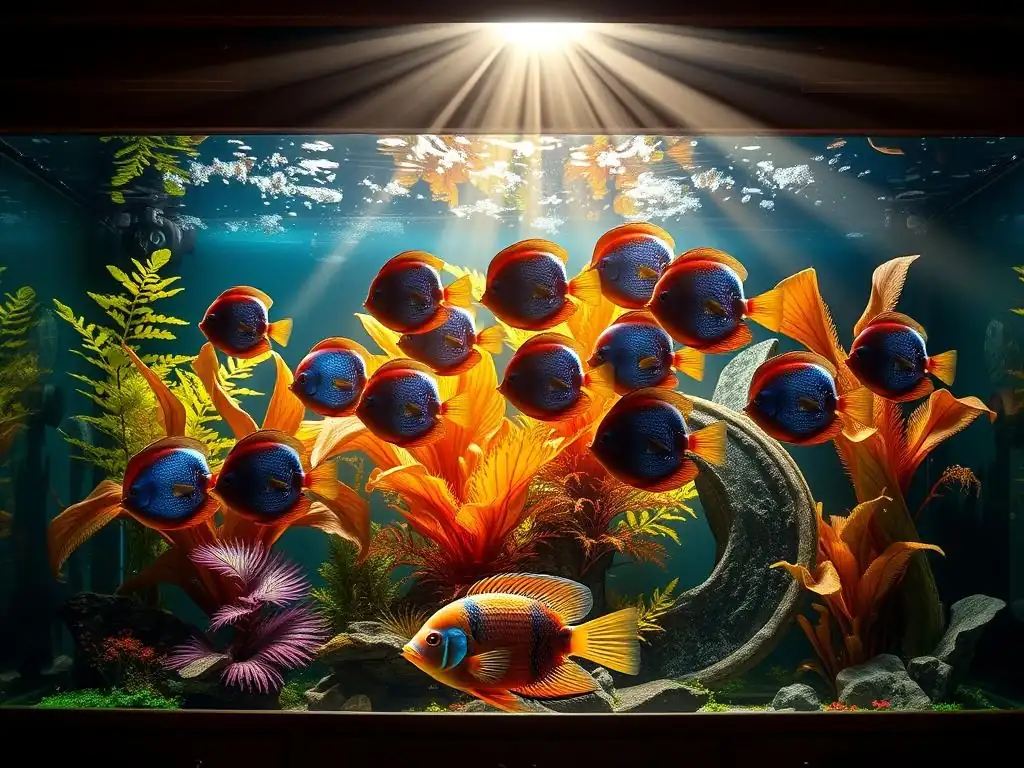
Ever dreamt of breeding show-quality Angelfish and Discus? Unlocking the secrets to their care and breeding can seem daunting, but it's incredibly rewarding. Dive into our comprehensive guide on Angelfish & Discus breeding care and discover the expert tips and tricks to transform your freshwater aquarium into a thriving paradise. Ready to take your aquarium game to the next level? Let's get started!
- Introduction to Angelfish and Discus: A Breeder's Journey
- Essential Angelfish Care for Show Potential
- Discus Care: The Key to Show-Stopping Specimens
- Angelfish Discus Breeding: A Step-by-Step Guide
- Common Angelfish and Discus Diseases and Treatments
- Enhancing Color and Form: Preparing Angelfish and Discus for Shows
- Conclusion: The Rewards of Mastering Angelfish Discus Breeding Care
-
Frequently Asked Questions
- How difficult is it to breed Angelfish and Discus compared to other aquarium fish?
- What are the key water parameters I need to maintain for successful Angelfish and Discus breeding?
- What are some common mistakes beginners make when trying to breed Angelfish and Discus?
- What type of food is best for Angelfish and Discus fry?
- How can I ensure my Angelfish and Discus develop show-quality traits?
- Final Reflection: The Art of Cultivating Aquatic Excellence
- Ignite Your Aquarium Dreams: Start Breeding Show-Quality Fish Today!
Introduction to Angelfish and Discus: A Breeder's Journey
Why Angelfish and Discus are Prized Show Fish
Angelfish (Pterophyllum scalare) and Discus (Symphysodon species) are among the most majestic and sought-after freshwater fish in the aquarium hobby. Their striking beauty, unique body shapes, and diverse, vibrant coloration make them true centerpieces in any aquarium. Angelfish, with their elegant, flowing fins and triangular bodies, come in numerous varieties such as Platinum, Marble, Koi, and Veil, each prized for specific finnage and pattern traits.
Discus, often called the "King of the Aquarium," are renowned for their disc-like bodies, intricate patterns, and intense hues, seen in strains like Pigeon Blood, Red Melon, and Snakeskin. In competitive aquascaping and fish shows, the health, form, and color vibrancy of these species are meticulously judged, underscoring the high standards required for show-quality specimens.
The journey of breeding these fish successfully to show quality represents a pinnacle of achievement in advanced aquarism. It demonstrates a deep understanding of water chemistry, nutrition, genetics, and fish behavior. Beyond the personal satisfaction, successful breeders contribute significantly to the hobby by producing robust, genetically sound lines that can command considerable value; for instance, an exceptional show-quality Discus pair might fetch prices upwards of $300-$500, while prime Angelfish can sell for $100 or more per fish. This meticulous dedication involved in achieving excellence in Angelfish discus breeding care is what truly sets apart the master aquarist.
Understanding the Challenges of Angelfish Discus Breeding
While immensely rewarding, Angelfish discus breeding presents distinct challenges that require significant commitment and knowledge. Discus are notoriously sensitive to fluctuations in water parameters and are highly susceptible to stress, demanding pristine, stable conditions. Angelfish are somewhat more forgiving but still require precise environmental controls for consistent spawning and successful fry rearing. Both species necessitate specialized diets, stable warm temperatures, and impeccable water quality management to thrive, let alone breed. The commitment extends to daily observation, rigorous maintenance routines, and a proactive approach to potential health issues, making Angelfish discus breeding care a demanding but fulfilling endeavor.
Common hurdles encountered in Angelfish discus breeding include failed spawns due to incompatible pairs or environmental stress, high fry mortality rates, susceptibility to specific diseases, and the difficulty in sexing and pairing individuals. For example, a single Discus spawn might yield 50 to 200 eggs, but without optimal conditions, only a small percentage, perhaps 10-30%, may hatch and survive to adulthood, often due to issues like water hardness affecting egg viability, fungal infections, or parental neglect.
Angelfish can lay a much larger clutch, sometimes 100 to 1000 eggs, but similar challenges in hatching and fry survival persist. Overcoming these obstacles requires patience, continuous learning, and a meticulous approach to every aspect of Angelfish discus breeding care.
Essential Angelfish Care for Show Potential
Selecting Healthy Angelfish for Breeding Stock
The foundation of successful Angelfish discus breeding care, particularly for show-quality specimens, begins with the careful selection of healthy breeding stock. When choosing Angelfish, look for individuals exhibiting vibrant, uniform coloration, clear and bright eyes, and erect, undamaged fins. They should be active, alert, and responsive, swimming gracefully without clamping their fins or showing signs of labored breathing.
Observe their appetite; healthy Angelfish are typically eager eaters. It is paramount to source fish from reputable breeders or specialized aquarium stores known for their excellent husbandry practices, as this significantly reduces the risk of introducing diseases or genetic weaknesses into your breeding program. For example, a healthy Angelfish should consistently respond to feeding cues within a few seconds, exhibiting strong swimming behavior.
Beyond general health, specific physical characteristics are crucial for show potential and successful breeding. Opt for Angelfish with symmetrical finnage, particularly a high dorsal fin and long, flowing ventral fins for varieties like Veiltails or Super Veiltails. The body shape should be full and rounded, without any visible deformities or stunted growth.
Avoid fish with faded colors, pinched bellies, or any signs of physical damage, as these traits can indicate underlying health issues or poor genetics and may be passed on to offspring. Ideally, a good breeding pair of Angelfish should be at least 6-8 months old and have reached a body length of 4-6 inches, ensuring they are mature enough for optimal breeding success and to pass on strong Angelfish discus breeding care traits.
Angelfish Tank Setup: Creating the Ideal Environment
Water Parameters for Optimal Angelfish Health & Breeding
Maintaining precise and stable water parameters is critical for Angelfish health and successful breeding. Angelfish thrive in soft to moderately hard water, with a general hardness (GH) range of 3-8 dGH (50-140 ppm) and a carbonate hardness (KH) of 1-4 dKH (18-72 ppm). The pH should be slightly acidic to neutral, ideally within the range of 6.0-7.5, with 6.5-7.0 often considered optimal for breeding.
Temperature is also vital, typically maintained between 78-82°F (25.5-27.8°C) for breeding pairs, slightly lower for general maintenance. Ammonia and nitrite levels must consistently be zero, and nitrates should be kept below 20 ppm to prevent stress and disease. Regular testing with accurate liquid test kits is absolutely essential to monitor these parameters effectively.
Deviations from these ideal parameters can have significant detrimental effects. Sudden fluctuations in pH or temperature can cause severe stress, leading to a compromised immune system, susceptibility to disease, and a reluctance to spawn. For instance, a rapid pH drop from 7.0 to 6.0 can induce severe stress responses such as clamped fins, shimmying, or complete loss of appetite.
Elevated nitrate levels, even if not immediately fatal, can stunt growth, reduce fertility, and dull coloration over time, compromising the show potential of the fish. Therefore, meticulous attention to maintaining consistent and optimal water parameters is a cornerstone of effective Angelfish discus breeding care.
Angelfish Tank Size and Aquascaping Considerations
The appropriate tank size is crucial for Angelfish to thrive and breed successfully. For a single breeding pair, a 20-gallon long or a 29-gallon tank provides sufficient space for spawning and fry rearing, offering good stability for water parameters. However, for a community setup with multiple Angelfish, a minimum of a 55-gallon tank is recommended, with larger tanks (e.g., 75-125 gallons) being preferable for groups of 6-8 adults.
Given their tall, disc-shaped bodies, vertical space is as important as horizontal swimming room. Adequate tank size helps reduce aggression, particularly when pairs are forming or actively spawning, which is vital for stress-free Angelfish discus breeding care.
Aquascaping in an Angelfish breeding tank should prioritize functionality and the needs of the fish. Smooth, vertical surfaces are essential as spawning sites; popular choices include pieces of slate (e.g., 6x10 inches), large broad-leaf plants like Amazon Swords or Anubias, or even sections of PVC pipe. Providing some hiding spots with driftwood or tall, sturdy plants helps reduce stress and aggression, particularly during the pairing process or after a spawn.
Avoid sharp or abrasive decorations that could damage their delicate fins. This thoughtful setup directly contributes to successful spawning and a healthier environment, enhancing the overall Angelfish discus breeding care strategy.
Angelfish Nutrition: Feeding for Color and Vigor
Live Food Options for Angelfish Breeding
Incorporating live foods into the diet is a highly effective strategy for conditioning Angelfish breeding pairs, promoting vigor, and enhancing coloration. Foods such as newly hatched or adult brine shrimp (Artemia), daphnia, bloodworms, and white worms are excellent choices.
These live foods stimulate the fish's natural hunting instincts and provide a rich source of essential proteins, fats, and vitamins, which are crucial for optimal egg production and the vitality of the fry. For example, feeding adult brine shrimp daily for 1-2 weeks prior to an anticipated spawn can significantly increase the number of viable eggs produced by the female, boosting the success rate of Angelfish discus breeding care.
The benefits of live foods extend beyond nutritional content; their palatability often encourages even reluctant eaters to feed, ensuring all breeding stock receives adequate nourishment. They contribute to faster growth rates and more vibrant, natural coloration, which are vital for show-quality specimens. However, it is imperative to source live foods from reliable, disease-free suppliers to avoid introducing pathogens into your breeding tanks. While beneficial, live foods should always be part of a varied diet, not the sole food source, to ensure comprehensive nutritional intake for optimal Angelfish discus breeding care.
High-Quality Commercial Angelfish Food
In addition to live foods, a balanced diet for Angelfish, especially for show potential and breeding, must include high-quality commercial foods. This typically involves a combination of flakes, pellets, and frozen foods specifically formulated for cichlids or omnivores. Look for products with a high protein content, ideally 40-50%, and fortified with essential vitamins and minerals, including color enhancers like spirulina or astaxanthin.
Reputable brands often include Hikari Cichlid Gold, Omega One Cichlid Flakes, or New Life Spectrum Thera-A. Frozen options such as bloodworms, mysis shrimp, and specialized beef heart mixes (often used for Discus but suitable for Angelfish) provide variety and concentrated nutrition.
Feeding practices are as important as the food itself. It is best to feed Angelfish small amounts multiple times a day (2-3 times for adults, more for juveniles) rather than one large meal. This approach reduces the amount of uneaten food decaying in the tank, thereby minimizing water pollution, and also aids in better digestion and nutrient absorption for the fish.
Overfeeding can quickly lead to deteriorated water quality and potential health issues like swim bladder problems or bloat. A thoughtful combination of high-quality commercial foods and occasional live/frozen treats provides a comprehensive diet, vital for show-quality Angelfish discus breeding care.
Maintaining Pristine Water Quality for Angelfish: A Must for Show Fish
Regular Water Changes and Filtration for Angelfish Tanks
Maintaining pristine water quality is non-negotiable for the health, vigor, and breeding success of Angelfish, particularly when aiming for show-quality specimens. Regular water changes are the most effective way to remove accumulated nitrates, dissolved organic compounds, and other pollutants. For general Angelfish tanks, weekly water changes of 25-30% of the tank volume are recommended. In breeding tanks or heavily stocked setups, more frequent or larger changes, such as 50% bi-weekly, might be necessary. Always use dechlorinated water that is temperature-matched to within 1-2°F (0.5-1°C) of the tank water to prevent temperature shock and stress.
A robust and well-maintained filtration system is equally crucial. A combination of mechanical (e.g., sponge filters, filter floss), biological (e.g., bio-rings, ceramic media), and chemical (e.g., activated carbon, Purigen) filtration provides comprehensive water purification. Sponge filters are particularly favored in Angelfish breeding tanks because they offer gentle water movement, excellent biological filtration, and pose no risk of sucking in delicate fry. Regularly clean or replace mechanical filter media to prevent clogging and maintain efficiency, always rinsing biological media in old tank water to preserve beneficial bacterial colonies. This diligent approach forms the bedrock of successful Angelfish discus breeding care.
Monitoring Water Parameters for Angelfish Health
Consistent monitoring of key water parameters is essential to ensure a healthy environment for Angelfish. Regularly test for ammonia, nitrite, nitrate, pH, and temperature. While weekly testing is generally sufficient for established tanks, daily testing is advisable during the cycling phase of a new tank, when introducing new fish, or whenever signs of stress or illness are observed. Keeping a detailed log of your readings over time allows you to track trends, identify potential issues before they become critical, and fine-tune your maintenance schedule.
If ammonia or nitrite are detected, it indicates a problem with the biological filter or overfeeding/overstocking, and immediate corrective action is required, usually involving large water changes (e.g., 50-75%) and identifying the root cause. High nitrate levels suggest that water changes are insufficient. Maintaining stable parameters within the optimal ranges prevents stress, boosts the fish's immune system, and significantly reduces the likelihood of disease outbreaks. This proactive and vigilant approach to water parameter monitoring is vital for the continuous success of Angelfish discus breeding care.
Discus Care: The Key to Show-Stopping Specimens
Choosing Healthy Discus for Breeding Programs
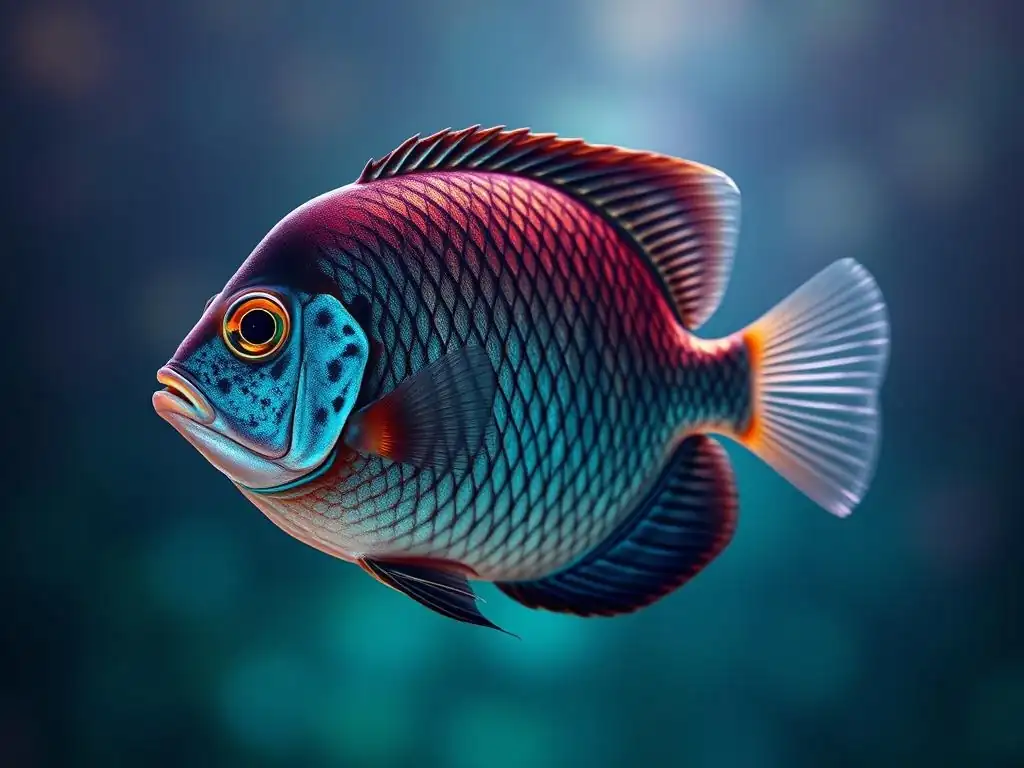
Selecting healthy Discus for a breeding program is paramount for achieving show-stopping specimens and is a cornerstone of effective Angelfish discus breeding care. Look for fish with clear, bright eyes that are proportionate to their head, a full and rounded body shape (avoiding pinched foreheads or knife-edge backs), and erect, undamaged fins. Their coloration should be uniform and vibrant, reflecting their specific strain.
Healthy Discus are typically active, curious, and responsive to their environment, especially during feeding times. Avoid any fish that appear dark, are hiding excessively, gasping at the surface, or exhibiting physical signs of illness such as white spots, frayed fins, or lesions.
Beyond general health, consider the genetic quality and lineage when selecting Discus for breeding. Source fish from reputable breeders known for their strong, healthy lines and consistent production of desired traits (e.g., specific color patterns like Pigeon Blood, Red Melon, or Snakeskin). While juveniles can grow into magnificent adults, selecting larger juveniles (3-4 inches) or young adults (5-6 inches, typically 12-18 months old) often provides a more robust starting point.
A good breeding pair will typically consist of fish that are well-formed, free of deformities, and show the potential for excellent size and color as adults. This meticulous selection process is fundamental to the long-term success of any Angelfish discus breeding care endeavor.
Discus Tank Environment: Replicating Their Natural Habitat
Maintaining Warm Water Temperatures for Discus Health
Maintaining consistently warm water temperatures is an absolute requirement for Discus health, metabolism, and breeding success. Discus originate from warm, tropical waters and thrive in temperatures typically ranging from 82-86°F (27.8-30°C). This elevated temperature is crucial for their immune system function, efficient digestion, and overall well-being. Using reliable aquarium heaters, ideally two smaller heaters for redundancy in larger tanks, is essential to ensure stable and consistent temperatures without fluctuations. Calibrating heaters with an accurate thermometer is also vital to prevent overheating or underheating.
Lower temperatures can severely compromise a Discus's immune system, making them highly susceptible to common diseases like "Discus Plague" or various internal parasites. Even minor temperature fluctuations, such as a drop of just 2-3°F, can cause significant stress, leading to lethargy, loss of appetite, and a darkened appearance. Inconsistent temperatures can also inhibit spawning behavior and lead to failed spawns. Therefore, maintaining a stable, warm environment is not merely recommended but is a non-negotiable aspect of optimal Angelfish discus breeding care, ensuring these sensitive fish thrive.
Discus Tank Size and Aquascaping for Breeding Success
Appropriate tank size is critical for Discus, whether for display or breeding. For a single breeding pair, a 40-gallon breeder tank is considered the minimum, though a 55-75 gallon tank is often preferred for greater water volume stability and ample space for fry rearing. For a group of 5-6 juvenile Discus, a 75-gallon tank is a good starting point, with an upgrade to 125 gallons or more recommended as they mature into adults. Many breeders prefer bare-bottom tanks for Discus due to the ease of cleaning and maintenance, which is vital for their demanding water quality requirements.
Aquascaping in a Discus breeding tank should be minimal and highly functional. The primary focus is on providing a suitable spawning surface, typically a specialized ceramic or plastic spawning cone (approximately 8-10 inches high) or a vertical piece of PVC pipe. These surfaces should be easily accessible for the fish and for observation by the breeder.
While driftwood can be used in display tanks, it is generally kept to a minimum in breeding setups to facilitate cleaning and prevent the release of tannins that can alter water parameters. Strong lighting is generally not necessary; moderate lighting is sufficient. This streamlined environment aids in rigorous Angelfish discus breeding care by simplifying maintenance and maximizing hygiene.
Discus Feeding Strategies: Ensuring Optimal Growth and Color
Discus Diet: A Variety of High-Quality Foods
Discus require a diverse and high-protein diet to ensure optimal growth, vibrant coloration, and robust health. Their diet should comprise a variety of high-quality Discus-specific pellets and flakes, along with a range of frozen foods. Excellent frozen options include bloodworms, mysis shrimp, and specialized beef heart mixes, which many breeders prepare themselves, often incorporating spirulina, vitamins, and other supplements.
For example, a good quality Discus pellet typically contains a crude protein content of 50-60%, essential for their rapid growth and muscle development. Some breeders also use live blackworms or white worms, but caution is advised to ensure they are pathogen-free.
The importance of a varied diet cannot be overstated. Feeding only one type of food, even a high-quality one, can lead to nutritional deficiencies over time, impacting growth, color, and overall immune function. A rotational feeding schedule, where different types of food are offered daily or every other day, ensures that Discus receive a full spectrum of necessary vitamins, minerals, and amino acids. This comprehensive nutritional approach is a fundamental aspect of successful Angelfish discus breeding care, directly influencing the quality and vitality of your show specimens.
Feeding Frequency and Amount for Discus Growth
Discus, especially juveniles, have a high metabolism and require frequent feedings to achieve optimal growth rates and maintain health. Young Discus should be fed at least 3-5 times a day, with some breeders feeding up to 6-8 times daily for very young, rapidly growing fry. Adult Discus can typically be maintained on 2-3 feedings per day. Each feeding should consist of a small amount of food that can be consumed entirely within 5-10 minutes. This prevents uneaten food from decaying in the tank, which can quickly degrade water quality and contribute to health issues.
Frequent, small feedings mimic their natural grazing behavior and support their high metabolic rate, leading to faster growth, improved body shape, and more intense coloration, all crucial for show-quality fish. Conversely, infrequent or large feedings can lead to digestive problems, lethargy, and rapid deterioration of water quality. Consistency in feeding frequency and portion control is a critical element of effective Angelfish discus breeding care, ensuring that your fish receive the continuous nourishment required for their demanding growth and health needs.
Maintaining Excellent Water Quality for Discus: A Critical Factor
Frequent Water Changes for Discus Health and Breeding
Maintaining excellent water quality for Discus is not merely important; it is perhaps the single most critical factor for their health, growth, and breeding success. Discus are extremely sensitive to dissolved organic compounds and nitrates. For Discus breeding tanks, especially when raising fry, daily water changes of 25-50% of the tank volume are common practice among dedicated breeders. For adult display tanks, 30-50% water changes 2-3 times a week are often necessary. It is crucial to use aged, dechlorinated water that is temperature-matched to within 1°F (0.5°C) of the tank water to prevent thermal shock and stress.
The rationale behind such rigorous water change schedules is simple: it rapidly dilutes pollutants, reduces stress, and prevents the buildup of harmful bacteria and parasites. This proactive approach significantly lowers the risk of disease outbreaks and promotes a robust immune system. This diligent and frequent water change regimen is a hallmark of dedicated Angelfish discus breeding care and is often the distinguishing factor between success and struggle in keeping these magnificent fish.
Effective Filtration Systems for Discus Tanks
Alongside frequent water changes, a highly effective filtration system is indispensable for Discus tanks. Robust biological filtration is paramount, as it breaks down harmful ammonia and nitrite into less toxic nitrates. Sponge filters are widely utilized in Discus breeding tanks due to their gentle flow, excellent biological filtration capabilities, and safety for delicate fry. For larger display tanks, canister filters or sumps with ample biological media (e.g., bio-rings, ceramic media) are highly effective, providing comprehensive mechanical and chemical filtration in addition to biological.
Regardless of the type, filtration systems must be regularly maintained without disrupting the beneficial bacteria colony. For instance, mechanical filter media should be rinsed or replaced frequently, but biological media should only be gently rinsed in old tank water during water changes to preserve the bacterial colonies. Neglecting filter maintenance or over-cleaning can lead to dangerous ammonia and nitrite spikes, which are highly detrimental to Discus health and can quickly derail all Angelfish discus breeding care efforts.
Angelfish Discus Breeding: A Step-by-Step Guide
Identifying Breeding Pairs: Angelfish and Discus
Identifying breeding pairs is a crucial first step in Angelfish discus breeding care. Angelfish often pair off naturally from a group of 6-8 juveniles as they mature. Observe your fish for two individuals that consistently stay together, chase away other tank mates from a specific area, and engage in "leaf cleaning" behavior, meticulously cleaning a chosen spawning surface. This bonding and territorial display are strong indicators of a forming pair. Discus pairing is similar, with a male and female bonding and defending a territory within the tank, often showing increased aggression towards other fish.
Sexing Angelfish and Discus outside of spawning can be challenging, as there are no obvious external sexual dimorphisms for most varieties. However, during the pre-spawning and spawning phases, their breeding tubes (papillae) become visible. The female's ovipositor will appear blunt and rounded (for Angelfish) or larger and more prominent (for Discus), while the male's papilla will be smaller and more pointed for both species.
For Discus, successful pairs often exhibit subtle behavioral cues like "lip locking" (a gentle mouthing of each other's lips) or a characteristic "shaking" motion as part of their courtship ritual. Observing these behaviors is key to isolating and setting up a dedicated breeding pair for optimal Angelfish discus breeding care.
Setting Up a Dedicated Breeding Tank
Breeding Tank Size and Substrate Considerations
For successful Angelfish discus breeding care, setting up a dedicated breeding tank is highly recommended. For Angelfish, a 20-gallon long or a 29-gallon tank is often sufficient for a single pair. For Discus, a 40-gallon breeder tank is considered the minimum, though a 55-gallon tank offers more stability and space for fry.
The most critical consideration for both species in a breeding tank is the absence of substrate. Bare-bottom tanks are overwhelmingly preferred by breeders for several reasons: they are significantly easier to clean, prevent the accumulation of detritus and uneaten food, and greatly reduce the risk of harboring pathogens in the substrate.
The absence of gravel or sand in a bare-bottom tank directly contributes to maintaining the pristine water quality essential for the delicate eggs and fry. Waste and uneaten food are easily siphoned off, preventing the buildup of ammonia and nitrites, which are highly toxic to developing eggs and fry. This design choice is a hallmark of professional Angelfish discus breeding care, emphasizing hygiene and ease of maintenance to maximize spawning success and fry survival rates.
Creating Spawning Surfaces for Angelfish and Discus
Providing a suitable spawning surface is a crucial element in encouraging Angelfish and Discus to lay their eggs. For Angelfish, preferred spawning sites are smooth, vertical surfaces. This can include a piece of slate (e.g., 6x10 inches), a wide-leaf aquatic plant like an Amazon Sword or Anubias barteri, or even a section of PVC pipe (e.g., 2-3 inch diameter, 12 inches long) placed vertically. Discus typically prefer a specialized ceramic or plastic spawning cone, usually around 8-10 inches high, or a vertical piece of PVC pipe.
Place the chosen spawning surface in an easily accessible, yet somewhat secluded, area of the breeding tank. The breeding pair will meticulously clean this surface for hours or even days before depositing their eggs. Providing a clear, stable, and easily cleaned surface encourages spawning and allows for effortless observation of the eggs. In cases where artificial rearing is planned, the chosen surface should also be easily removable with the eggs attached. This simple addition significantly improves the likelihood of a successful spawn, directly impacting the effectiveness of your Angelfish discus breeding care.
The Spawning Process: What to Expect
Angelfish Spawning Behavior
Once an Angelfish pair is ready to spawn, they will intensify their cleaning of the chosen spawning site, meticulously mouthing and rubbing the surface. The female will then begin to lay rows of adhesive eggs, typically in an upward motion, followed closely by the male who passes over the eggs to fertilize them. This synchronized dance can last for 1-2 hours, with the female depositing anywhere from 300 to 1000 eggs, depending on her size, age, and condition. The eggs are small, translucent, and typically adhere firmly to the surface.
After the spawning process is complete, both Angelfish parents will usually take turns guarding and fanning the eggs. This fanning action provides essential oxygen to the developing embryos and helps to prevent fungal growth by creating a gentle current around the eggs. They will also meticulously remove any unfertilized or fungused (opaque white) eggs to prevent the spread of fungus to healthy ones. Observing this dedicated parental care is one of the most rewarding aspects of Angelfish discus breeding care.
Discus Spawning Behavior
Discus spawning behavior is a fascinating ritual that reflects their intricate social structure. The paired Discus will intensively clean their chosen spawning cone or vertical surface. The female will then begin to deposit small, adhesive eggs, usually in a spiral pattern, while the male follows closely behind, fertilizing them. Discus eggs are typically smaller and generally less numerous than Angelfish eggs, with a single spawn yielding between 50 and 200 eggs. The entire spawning process can last for an hour or more, with both fish exhibiting focused and often agitated behavior.
Following the egg deposition, both Discus parents will exhibit strong parental care, diligently fanning the eggs with their pectoral fins to ensure adequate oxygenation and prevent fungal growth. They will also carefully pick off and consume any infertile or fungused eggs, preventing contamination of the healthy clutch. A unique and critical aspect of Discus parental care occurs after the fry hatch: the fry will attach themselves to the parents' slime coat for their initial nutrition. This specialized feeding behavior is a defining feature of Angelfish discus breeding care and vital for the fry's survival.
Caring for the Eggs and Fry: Ensuring Survival
Preventing Fungus on Angelfish and Discus Eggs
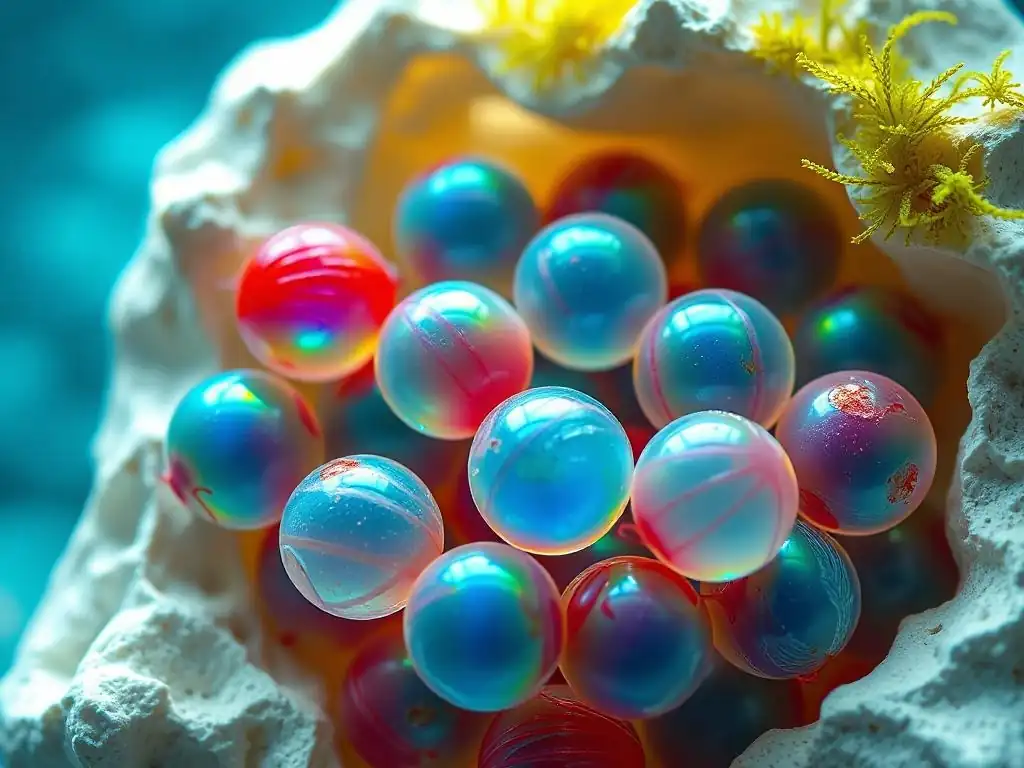
Fungal infections are a common threat to both Angelfish and Discus eggs, especially unfertilized ones, which turn opaque white. If the parents are diligently removing fungused eggs, it's often best to let them continue. However, if fungus begins to spread rapidly or parental care is lacking, intervention may be necessary.
A very small amount of methylene blue or an antifungal agent like Seachem Paraguard (e.g., 1 drop per gallon) can be added to the water in the breeding tank, or the eggs can be carefully transferred to a separate hatching tank. In a separate tank, gentle aeration from an airstone placed near the eggs is crucial for oxygenation.
Maintaining pristine water quality is paramount for preventing fungal growth. High levels of bacteria or dissolved organic waste can significantly encourage fungal outbreaks. Ensure zero ammonia and nitrite levels and very low nitrates. Regular, small water changes (e.g., 10% daily) in the breeding tank can also help reduce the microbial load around the eggs. Proactive measures against fungus are a critical component of successful Angelfish discus breeding care, directly impacting the yield of healthy fry.
Hatching Angelfish and Discus Fry
The hatching timeline for Angelfish and Discus eggs differs slightly. Angelfish eggs typically hatch within 2-3 days at a temperature of 80°F (26.7°C). Discus eggs hatch a bit faster, usually within 48-60 hours at their preferred higher temperature of 84°F (29°C). After hatching, the tiny fry are not yet free-swimming; they are often referred to as "wigglers" because they remain attached to the spawning surface, wiggling their tails as they absorb their yolk sacs. This wigglers stage typically lasts for another 3-5 days.
During the wigglers stage, continue to maintain excellent water quality and ensure gentle aeration around the spawning surface. It is crucial not to attempt to feed the fry during this period, as they are still nourished by their yolk sacs. For Discus fry, ensure the parents are present and healthy, as the fry will soon transition to feeding on the parents' slime coat. This critical early period requires meticulous observation and stable conditions to ensure a high survival rate, which is fundamental to successful Angelfish discus breeding care.
Raising Angelfish and Discus Fry: From Infusoria to Brine Shrimp
Feeding Angelfish Fry
Once Angelfish fry become free-swimming, typically around 5-7 days post-spawn, they require their first external food source. Their tiny mouths necessitate extremely small food particles. The ideal first food is newly hatched brine shrimp (Artemia nauplii) or infusoria. Newly hatched brine shrimp are highly nutritious and stimulate the fry's hunting instincts. Feed small amounts 4-6 times a day, ensuring all food is consumed within a few minutes to prevent water fouling.
As the Angelfish fry grow, usually around 2-3 weeks of age, they can gradually be transitioned to finely crushed high-quality flake food or micro pellets. By 4-6 weeks, they can handle larger crushed flakes, frozen baby brine shrimp, and even finely chopped bloodworms. Consistent, frequent feeding is vital for rapid growth and development. With proper Angelfish discus breeding care, Angelfish fry can reach the size of a dime within 4-6 weeks and continue to grow steadily.
Feeding Discus Fry
Discus fry have a unique and critical initial feeding stage. For their first 3-5 days of free-swimming, they feed exclusively on a specialized, nutrient-rich mucous secreted from the skin (slime coat) of their parents. This parental slime coat is essential for their initial development and provides vital antibodies. If parental care is insufficient or absent, the fry will often starve unless an artificial "slime coat" substitute is provided, which is extremely challenging.
After approximately 3-5 days of feeding on the parents, Discus fry can begin to be weaned onto newly hatched brine shrimp. Continue feeding newly hatched brine shrimp 5-8 times a day for several weeks, as this remains their primary and most beneficial food source during this rapid growth phase. As they grow, typically around 2-3 weeks post-free-swimming, they can be gradually transitioned to finely crushed Discus pellets, specialized beef heart mix, or frozen bloodworms. The transition from parental slime to external food is a delicate phase that requires constant attention and precise Angelfish discus breeding care.
Maintaining Water Quality for Fry Growth
Maintaining impeccable water quality is absolutely paramount for the survival and rapid growth of both Angelfish and Discus fry. Fry are extremely sensitive to ammonia, nitrite, and even low levels of nitrates and dissolved organic compounds. Daily, small water changes (e.g., 10-20% of the tank volume, or even more for Discus fry) are essential to remove waste and provide fresh, oxygenated water without shocking the delicate fry. Always use aged, temperature-matched, and dechlorinated water for these changes.
Filtration in fry tanks should be gentle yet effective. Sponge filters are ideal as they provide excellent biological filtration and do not pose a risk of sucking in tiny fry. Ensure the filter media is kept clean to prevent nitrate buildup. Consistent monitoring of water parameters—ensuring zero ammonia and nitrite, and very low nitrates (ideally below 5 ppm)—is critical. Any deviation can lead to stress, disease, and high mortality rates, directly impacting the success of your Angelfish discus breeding care efforts.
Common Angelfish and Discus Diseases and Treatments
Identifying Common Diseases in Angelfish and Discus
Recognizing Symptoms of Illness
Early recognition of illness symptoms is crucial for effective Angelfish discus breeding care and preventing widespread disease in your tanks. General signs of ill health include changes in behavior such as lethargy, hiding excessively, clamped fins, gasping at the surface, erratic swimming, or rubbing against decorations. Physical appearance changes can include faded or darkened coloration, white spots, a velvet-like dust on the skin, frayed or deteriorating fins, bloating, a sunken belly, visible lesions, or cloudy eyes.
A noticeable decrease or complete refusal to eat is also a strong indicator of a problem. For instance, a Discus that has turned dark and is hiding in a corner while refusing food is typically under severe stress or experiencing a serious illness.
More specific indicators of common diseases include tiny white dots resembling salt grains scattered across the body and fins, characteristic of Ich (Ichthyophthirius multifiliis). Fin rot presents as ragged, decaying, or discolored fins. In Discus, Hexamita (often associated with Hole-in-the-Head disease) can manifest as pitting or lesions on the head and lateral line, accompanied by white, stringy feces. Popeye (exophthalmia) is characterized by one or both eyes protruding abnormally. Recognizing these specific symptoms promptly allows for targeted treatment and improved chances of recovery, vital for comprehensive Angelfish discus breeding care.
Treating Common Angelfish Diseases
While generally robust, Angelfish can succumb to common freshwater diseases if water quality is poor or they are stressed. Ich (white spot disease) is one of the most prevalent ailments. Treatment typically involves gradually raising the tank temperature to 86°F (30°C) over 24-48 hours, combined with an Ich medication such as Seachem ParaGuard or API Super Ich Cure, following product instructions carefully.
Fin rot and other bacterial infections often result from poor water quality or injury. Treatment involves improving water quality through frequent large water changes and administering a broad-spectrum antibiotic like Furan-2 or API Melafix, which also promotes healing.
The best treatment for Angelfish diseases is always prevention through excellent husbandry practices. Maintaining pristine water quality, providing a balanced and nutritious diet, and avoiding overcrowding are fundamental. A healthy Angelfish with a strong immune system can often resist or even fight off minor infections without the need for chemical intervention. Regular observation allows for early detection, enabling prompt action that reinforces the importance of diligent Angelfish discus breeding care.
Treating Common Discus Diseases
Discus are notoriously more sensitive than Angelfish and are prone to specific illnesses, often exacerbated by stress or fluctuating water parameters. Internal parasites, such as Hexamita (which can cause Hole-in-the-Head disease and white, stringy feces) and Capillaria, are common. Hexamita can be effectively treated with Metronidazole, often administered through food (e.g., Seachem MetroPlex, API General Cure).
Bacterial infections, manifesting as darkened coloration, clamped fins, or rapid breathing, often require broad-spectrum antibiotics like Kanamycin or Erythromycin, sometimes in combination. "Discus Plague," likely a viral infection, causes darkening, excessive slime coat production, and rapid death, with supportive care and pristine water quality being the primary approach.
Treating Discus can be challenging due to their sensitivity to medications. Always use medications specifically formulated for aquarium use and strictly adhere to dosage instructions to avoid overdosing. Large, frequent water changes are often recommended during treatment to help remove toxins, reduce the pathogen load, and support the fish's recovery. Patience and careful observation are essential, as is understanding that some severe Discus illnesses may have limited treatment options. This delicate aspect of Angelfish discus breeding care requires meticulous attention and often consultation with experienced Discus keepers.
Quarantine Procedures for New and Sick Fish
Implementing strict quarantine procedures is a non-negotiable aspect of responsible Angelfish discus breeding care, preventing the introduction and spread of diseases. All new fish, regardless of their source or apparent health, should be quarantined in a separate, dedicated tank for at least 2-4 weeks. This isolation period allows any latent diseases to manifest without jeopardizing your main display or breeding tanks. A simple 10-20 gallon tank equipped with a heater, a sponge filter (easy to clean and safe), and a thermometer is sufficient for this purpose.
During the quarantine period, observe the fish closely for any signs of illness, changes in behavior, or physical abnormalities. Perform regular water changes and maintain excellent water quality, just as you would in a regular tank. Some breeders also administer a prophylactic dewormer or broad-spectrum anti-parasitic treatment during quarantine as a preventative measure.
Similarly, any fish showing signs of illness in your main tank should be immediately moved to a hospital tank (a separate tank used for treatment) to prevent disease spread and to allow for more precise medication dosage and observation. This proactive approach significantly reduces the risk of devastating outbreaks and safeguards your entire fish collection, reinforcing robust Angelfish discus breeding care.
Enhancing Color and Form: Preparing Angelfish and Discus for Shows
Selective Breeding for Desired Traits
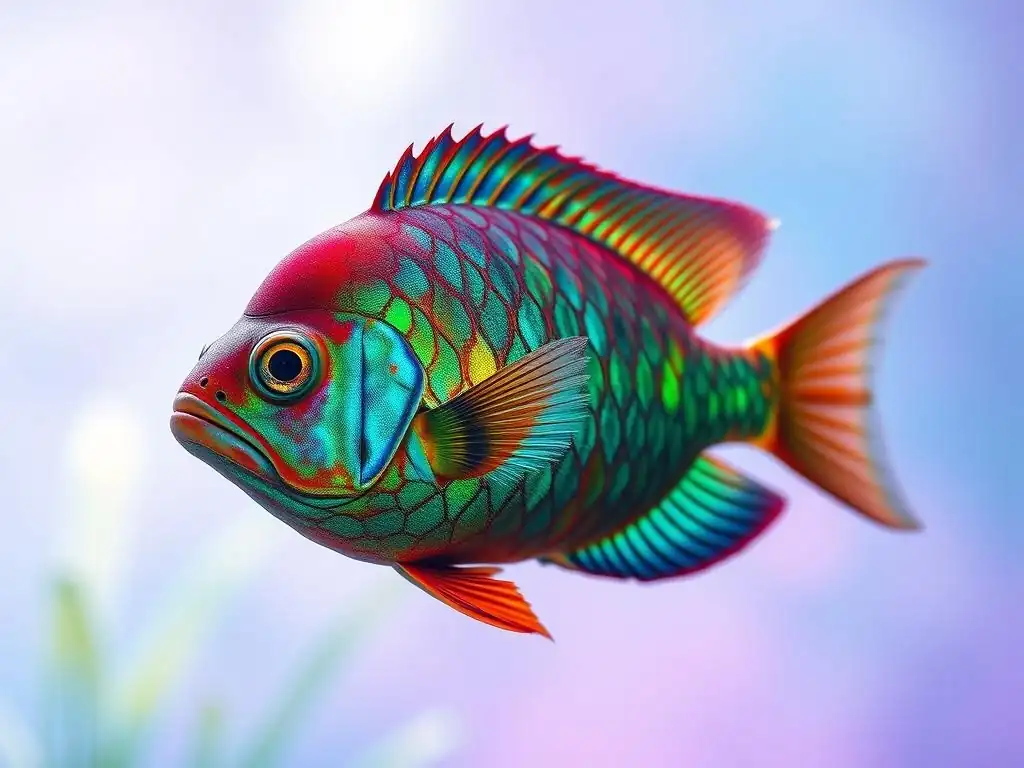
To consistently produce show-quality Angelfish and Discus, selective breeding is paramount. This involves meticulously choosing parent fish that exhibit the most desirable traits according to show standards: vibrant, intense coloration, correct and robust body shape, strong and symmetrical finnage, and overall excellent health.
For Angelfish, this might mean pairing two high-fin marbles to enhance fin length and pattern clarity, or selecting two strong Koi Angelfish to intensify their orange and black pigmentation. For Discus, it could involve pairing two high-bodied, solid-colored fish to deepen their hue and improve their characteristic disc shape, or combining two patterned strains to refine their markings.
Understanding basic genetics, such as dominant and recessive traits for specific color patterns or fin types, can significantly improve your breeding outcomes and accelerate the development of a strong show line. Keeping detailed records of each spawn, including parentage, number of fry, growth rates, and the quality of the offspring, allows you to track progress and refine your breeding pairs over generations. This long-term commitment to genetic improvement is essential for advancing Angelfish discus breeding care to a truly competitive, show-quality level.
Optimizing Diet for Color Enhancement
The diet plays a critical role in enhancing the natural coloration of Angelfish and Discus, making them truly show-worthy. Certain ingredients, particularly carotenoids like astaxanthin and spirulina, are known to intensify red, orange, and yellow pigments in fish. Therefore, it is crucial to feed high-quality commercial foods that are specifically fortified with these color-enhancing compounds. For example, many premium cichlid or Discus pellets, such as Hikari Cichlid Bio-Gold+ or certain Discus specific flakes, explicitly state their inclusion of astaxanthin to boost color.
A consistent and varied feeding regimen is key. Combine these color-enhancing commercial foods with regular offerings of live or frozen foods rich in natural pigments, such as bloodworms or mysis shrimp. Feed small amounts multiple times a day to ensure optimal nutrient absorption. Avoid overfeeding, as this can lead to digestive issues, bloating, and ultimately, a duller appearance. Proper nutrition is a fundamental aspect of achieving the vibrant, eye-catching colors demanded in fish shows, directly reflecting the quality of your Angelfish discus breeding care.
Maintaining Pristine Water for Show-Quality Fish
Maintaining absolutely pristine water quality is a non-negotiable requirement for preparing Angelfish and Discus for shows. Crystal-clear water with perfectly stable parameters is essential for fish to display their full potential in terms of color, form, and behavior. Poor water quality, even subtly compromised, leads to chronic stress, which manifests as clamped fins, faded colors, suppressed immune systems, and susceptibility to disease—all highly detrimental to a show fish's appearance. The goal is consistently zero ammonia and nitrite, and nitrates kept as low as possible, ideally below 10 ppm.
Rigorous maintenance is key. This includes frequent, substantial water changes (daily for Discus, several times a week for Angelfish), robust and well-maintained filtration systems, and consistent temperature. Regular and accurate testing of water parameters ensures that conditions remain ideal. A fish that is truly healthy, stress-free, and thriving in an optimal environment will exhibit its most vibrant colors, perfect finnage, and natural, graceful movements, showcasing the pinnacle of dedicated Angelfish discus breeding care.
Conclusion: The Rewards of Mastering Angelfish Discus Breeding Care
The Satisfaction of Breeding Show-Quality Fish
Mastering the art of Angelfish discus breeding care to produce show-quality specimens is an immensely rewarding journey. It represents a significant commitment of time, effort, and continuous learning, but the personal fulfillment derived from it is unparalleled.
Successfully breeding and raising these magnificent fish, nurturing them from tiny eggs to healthy, vibrant adults that embody perfection in form and color, is a profound testament to a breeder's patience, dedication, and deep understanding of aquatic husbandry. Witnessing the intricate spawning rituals, the diligent parental care, and the subsequent growth of robust, beautiful fry that you have personally brought into the world is a unique and deeply satisfying experience.
Beyond the personal gratification, breeders of show-quality Angelfish and Discus play a vital role in the freshwater aquarium hobby. They contribute significantly to preserving and enhancing genetic lines, developing new and desirable varieties, and providing robust, healthy fish to other hobbyists. This contribution helps elevate the standards of aquarism as a whole, fostering a community that values excellence and ethical breeding practices. The journey of mastering Angelfish discus breeding care culminates in the immense satisfaction of knowing you've created living works of art and contributed meaningfully to a beloved pastime.
Continuing Your Education in Angelfish and Discus Care
The world of aquarism, particularly the specialized field of Angelfish discus breeding care, is a dynamic and continuously evolving discipline. True mastery is a lifelong pursuit, requiring a commitment to ongoing education and adaptability. Stay updated on new techniques, scientific research, and advancements in nutrition, filtration, and disease treatment by actively engaging with the hobby. Join online forums and specialized breeder communities, attend local aquarium club meetings, and delve into specialized literature and scientific journals. Sharing your experiences and learning from the collective knowledge of other passionate aquarists is invaluable for growth.
Every tank, every breeding pair, and every spawn presents unique challenges and learning opportunities. Continuous observation, meticulous record-keeping of water parameters, feeding schedules, and breeding outcomes, and a willingness to adapt your methods based on the specific needs and responses of your fish will lead to ongoing success. The journey of mastering Angelfish discus breeding care is not about reaching a final destination, but rather a continuous process of refinement, innovation, and an ever-deepening understanding of these extraordinary aquatic creatures.
Frequently Asked Questions
How difficult is it to breed Angelfish and Discus compared to other aquarium fish?
Breeding Angelfish and Discus is considered more challenging than breeding many common aquarium fish. They require specific water parameters and a controlled environment to successfully spawn and raise fry.
What are the key water parameters I need to maintain for successful Angelfish and Discus breeding?
Maintaining stable water parameters is crucial. Key factors include soft, acidic water (pH around 6.0-6.5), high temperatures (82-86°F), and very clean water with frequent water changes.
What are some common mistakes beginners make when trying to breed Angelfish and Discus?
Common mistakes include poor water quality, incompatible pairs, and lack of proper food for fry. Understanding the specific needs of each species is essential to avoid these issues.
What type of food is best for Angelfish and Discus fry?
Newly hatched Angelfish and Discus fry require very small live food like newly hatched brine shrimp or microworms. As they grow, gradually introduce them to high-quality flake or frozen foods.
How can I ensure my Angelfish and Discus develop show-quality traits?
Genetics play a significant role, so start with high-quality breeding stock. Proper nutrition, pristine water conditions, and selective breeding are also crucial for developing vibrant colors and desirable body shapes.
Final Reflection: The Art of Cultivating Aquatic Excellence
The journey from novice to breeder, as explored in this article, isn't merely about mastering the technical aspects of Angelfish and Discus breeding care; it's about cultivating a deep understanding and respect for the delicate ecosystems we create within our aquariums. The principles discussed, from water chemistry to selective breeding, resonate far beyond the confines of a fish tank, offering valuable lessons in patience, observation, and the pursuit of excellence in any endeavor.
This dedication to detail, this commitment to nurturing life, has a profound and lasting impact. The ripple effect of responsible breeding extends beyond the hobby, influencing the health and diversity of these magnificent species. It reminds us of the power we hold to shape the future, even in the smallest of environments. In every drop of water, there is a story of life, a story of resilience, and a story of potential.
This quote encapsulates the profound responsibility and privilege that comes with breeding Angelfish and Discus.
Now, as you close this article, consider the lessons learned. How can you apply the principles of meticulous care, patient observation, and unwavering dedication to other aspects of your life? Embrace the challenge of nurturing growth, whether it's in your aquarium, your garden, or your own personal development. Let the pursuit of show-quality Angelfish and Discus inspire you to cultivate excellence in all that you do.
Ignite Your Aquarium Dreams: Start Breeding Show-Quality Fish Today!
Thank you for diving deep into the art of Angelfish and Discus care! We hope you've found inspiration and valuable insights to elevate your fishkeeping journey. Now, it's time to turn that knowledge into action.
Here are a few ways to get started:
- Commit to a Dedicated Breeding Setup: Choose your pair, prepare their breeding tank, and start your journey towards raising champion Angelfish or Discus.
- Delve deeper: Research uncommon color morphs to bring unique varieties into your aquarium.
- Share your experiences: Engage with fellow enthusiasts on the Aquarium Mastery forums. Inspire others with your success stories, and together, unlock the secrets of aquarium mastery!
What's the first step you'll take to achieve show-quality Angelfish or Discus in your aquarium?