
Optimizing Swordtail & Variatus Lifespan: A Holistic Care Approach

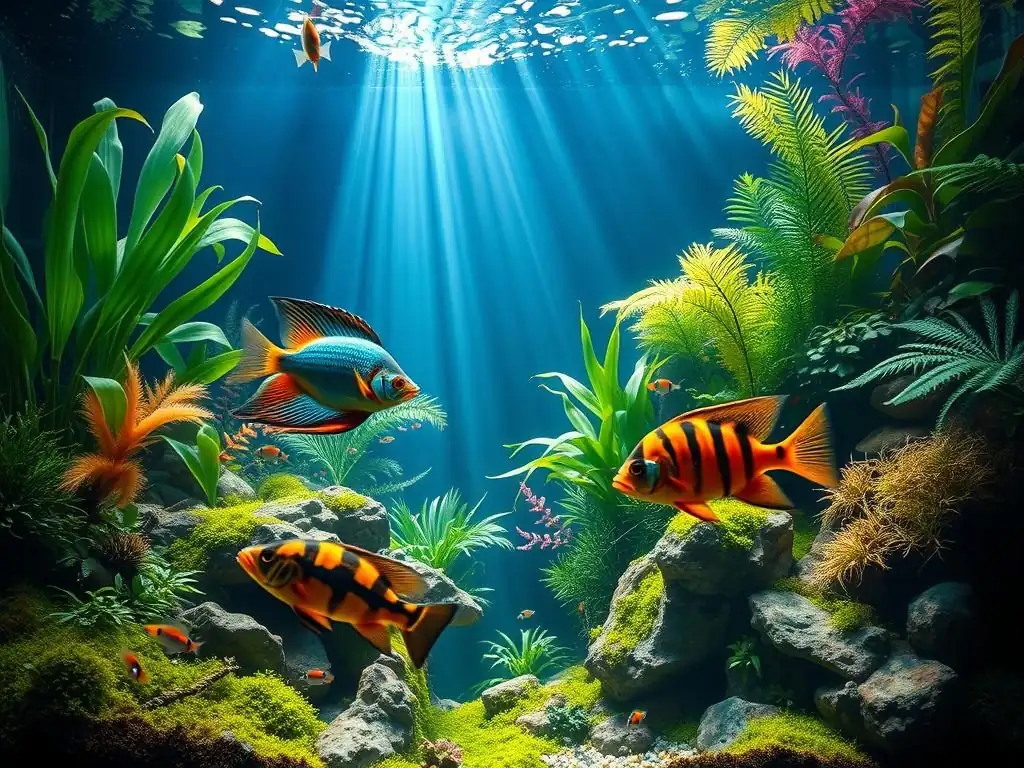
Welcome to Aquarium Mastery!
Dive into the vibrant world of aquariums and unlock the secrets to thriving aquatic ecosystems. Ever wondered how to achieve the perfect balance for your Swordtails and Variatus? Our comprehensive guide on Swordtail & Variatus care is just the beginning. Explore proven techniques and expert advice to create a flourishing environment for your finned friends. Curious to learn more? Let's embark on this aquatic journey together!
- Understanding Swordtail and Variatus Biology for Enhanced Care
- Optimizing Swordtail & Variatus Tank Setup for a Longer Life
- Diet and Nutrition: Extending Swordtail & Variatus Life Through Proper Feeding
- Maintaining Water Quality: A Critical Aspect of Swordtail & Variatus Care
- Disease Prevention and Treatment in Swordtails and Variatus
- Breeding Considerations: How Breeding Practices Impact Lifespan
- Social Dynamics and Tank Mates: Minimizing Stress for Swordtails & Variatus
- Advanced Swordtail & Variatus Care Techniques
- Troubleshooting Common Swordtail & Variatus Care Issues
- Conclusion: A Holistic Approach to Maximizing Swordtail & Variatus Lifespan
-
Frequently Asked Questions
- How do Swordtails and Variatus differ in their care requirements?
- What are the ideal water parameters for Swordtails and Variatus in an aquarium?
- What should I feed my Swordtails and Variatus to ensure optimal health and vibrant colors?
- How can I prevent common diseases in my Swordtail and Variatus aquarium?
- What are the key considerations for breeding Swordtails and Variatus successfully?
- Final Reflection: Cultivating Thriving Aquatic Lives
- Unlock a Longer, More Vibrant Life for Your Swordtails & Variatus!
Understanding Swordtail and Variatus Biology for Enhanced Care
Swordtail and Variatus Origins and Natural Habitat
Swordtails ( Xiphophorus hellerii) and Variatus ( Xiphophorus variatus) are vibrant livebearers originating from the freshwater systems of Central America, specifically Mexico, Guatemala, Belize, and Honduras. Their natural habitats typically include clear, flowing rivers, streams, and canals, often densely vegetated with submerged and emergent plants.
These environments are characterized by stable water conditions, generally moderate temperatures ranging from 22°C to 26°C (72°F to 79°F), and a slightly alkaline to neutral pH, usually between 7.0 and 8.0. The presence of abundant plant life offers both shelter from predators and a rich source of food, including algae, detritus, and small invertebrates, which are crucial for their long-term Swordtail & Variatus care.
The wild forms of both species exhibit distinct colorations, though captive breeding has led to a vast array of ornamental varieties. For instance, wild swordtails are typically olive-green with a prominent red or black lateral stripe and the male's elongated caudal fin extension, the "sword." Variatus, on the other hand, show more diverse natural patterns, often with speckled bodies and various shades of yellow, orange, and green. Understanding these natural conditions is fundamental to replicating an optimal environment in a home aquarium, thereby significantly extending their lifespan and ensuring robust Swordtail & Variatus care.
Distinguishing Swordtails from Variatus: Key Differences
While both Swordtails and Variatus belong to the Xiphophorus genus and are popular livebearers, several key differences help distinguish them. The most prominent morphological distinction lies in the male's caudal fin. Male Swordtails are famously characterized by the elongated, sword-like extension of their lower caudal fin, which can grow to be as long as their body. This "sword" is absent in Variatus males, whose caudal fins are typically rounded or spade-shaped, similar to platies or female swordtails, making this a primary identifier in Swordtail & Variatus care.
Beyond the caudal fin, there are often size and body shape differences. Swordtails, particularly males, tend to be larger and more elongated, with males reaching up to 14 cm (5.5 inches) and females around 12 cm (4.7 inches), excluding the sword. Variatus are generally smaller, with males typically growing to about 5-7 cm (2-2.7 inches) and females slightly larger.
While both species are peaceful community fish, Swordtails can exhibit more territorial behavior, especially among males, if not provided with adequate space and a proper male-to-female ratio. Recognizing these distinctions is vital for providing species-specific Swordtail & Variatus care and ensuring optimal tank dynamics.
Swordtail & Variatus Lifespan: Factors Influencing Longevity
The average lifespan of Swordtails and Variatus in a well-maintained aquarium typically ranges from 2 to 5 years, though some individuals under exceptional conditions may live slightly longer. This longevity is heavily influenced by a confluence of environmental and genetic factors, making comprehensive Swordtail & Variatus care paramount. Genetics play a role, as fish from healthy, diverse breeding lines tend to be more robust and less susceptible to inherited weaknesses. However, the most significant determinants are environmental conditions within the aquarium.
Optimal water quality stands out as the single most critical factor; consistent parameters, low nitrate levels, and the absence of ammonia and nitrite are non-negotiable. A balanced and varied diet, free from overfeeding, directly impacts their growth, immunity, and overall vitality.
Furthermore, minimizing stress through appropriate tank size, compatible tank mates, and ample hiding spots prevents chronic stress, which can suppress the immune system and dramatically shorten their lives. Disease prevention through proper quarantine procedures and swift treatment of ailments also significantly contributes to extending the lifespan of these beautiful fish, highlighting the importance of diligent Swordtail & Variatus care.
Optimizing Swordtail & Variatus Tank Setup for a Longer Life
Choosing the Right Aquarium Size for Swordtails and Variatus
Selecting an appropriately sized aquarium is a foundational element of successful Swordtail & Variatus care, directly impacting their health and longevity. For a small group of Variatus, a minimum tank size of 20 gallons (approximately 75 liters) is recommended to provide adequate swimming space and maintain stable water parameters. Swordtails, being larger and more active, require at least a 29-gallon (about 110 liters) tank for a small group (e.g., one male and three females), with larger tanks, such as 40 gallons (150 liters) or more, being ideal for community setups or larger schools.
Overcrowding is a common pitfall that severely compromises Swordtail & Variatus health. In cramped conditions, fish experience heightened stress levels, leading to weakened immune systems, increased aggression, and a higher susceptibility to diseases. Moreover, smaller tanks are more prone to rapid fluctuations in water chemistry and a quicker accumulation of harmful nitrates, demanding more frequent maintenance. Providing ample space not only allows these active fish to thrive physically but also supports their psychological well-being, reducing stress and fostering natural behaviors, which are all vital aspects of long-term Swordtail & Variatus care.
Essential Water Parameters for Swordtail & Variatus Health
Maintaining precise and stable water parameters is undeniably the cornerstone of effective Swordtail & Variatus care, directly influencing their metabolic functions, immune system, and overall health. These fish, originating from hard, alkaline waters, thrive within specific ranges that must be consistently monitored. Deviations from these optimal conditions can lead to chronic stress, susceptibility to disease, and ultimately, a reduced lifespan. Regular testing using reliable aquarium test kits for pH, hardness, temperature, ammonia, nitrite, and nitrate is indispensable to ensure the water environment remains conducive to their well-being.
The ideal water chemistry for Swordtails and Variatus includes a general hardness (GH) between 10-25 dGH (degrees of General Hardness) and carbonate hardness (KH) between 10-20 dKH (degrees of Carbonate Hardness). These parameters contribute to the water's buffering capacity, preventing drastic pH swings, which can be highly detrimental. While they are adaptable to a range, consistency is more important than hitting an exact number, as sudden changes are far more stressful than stable conditions slightly outside the "ideal" range. Diligent attention to these parameters is a hallmark of excellent Swordtail & Variatus care.
Maintaining Optimal Water Temperature for Swordtails
For optimal Swordtail & Variatus care, maintaining a stable water temperature is critical. Both Swordtails and Variatus thrive in tropical conditions, with an ideal temperature range of 22°C to 26°C (72°F to 79°F). Consistency within this range is paramount, as sudden or significant temperature fluctuations can induce severe stress, weaken their immune systems, and make them highly susceptible to common fish diseases like Ich (White Spot Disease). A reliable aquarium heater, appropriately sized for the tank volume, is essential to ensure a constant temperature.
Monitoring the temperature daily with an accurate thermometer allows aquarists to detect any heater malfunctions or environmental changes promptly. Even slight deviations, such as a drop of 2-3 degrees over a short period, can be detrimental, leading to lethargy, loss of appetite, and increased vulnerability to pathogens. Therefore, consistent temperature management is a non-negotiable aspect of providing excellent Swordtail & Variatus care and promoting their long-term health.
The Importance of pH Levels for Variatus and Swordtails
The pH level of aquarium water plays a vital role in the physiological well-being of Variatus and Swordtails, directly impacting their ability to absorb nutrients and process waste. These fish prefer slightly alkaline to neutral water, with an ideal pH range of 7.0 to 8.0. Maintaining pH within this range is crucial because extreme deviations can cause severe stress, damage to gills, and impair vital metabolic functions. For instance, a pH that is too low (acidic) can lead to acidosis, while a pH that is too high (alkaline) can make ammonia more toxic, even at low concentrations.
Regular pH testing, at least weekly, is a fundamental component of effective Swordtail & Variatus care. While minor fluctuations can occur, rapid or significant swings should be avoided at all costs, as they are far more detrimental than a stable pH slightly outside the ideal range. If adjustments are necessary, they should be made gradually over several days using appropriate buffering agents or by performing small, frequent water changes with water of the desired pH. Consistent pH stability contributes significantly to their overall vitality and resistance to disease.
Substrate and Decor Considerations for Swordtail and Variatus Welfare
The choice of substrate and decor is not merely aesthetic; it profoundly impacts the welfare and natural behavior of Swordtails and Variatus, contributing significantly to optimal Swordtail & Variatus care. A dark-colored substrate, such as fine gravel or sand, is often preferred as it helps to highlight the fish's vibrant colors and reduces light reflection, which can stress them. More importantly, it provides a suitable base for live plants, which are highly beneficial for these species.
Ample hiding spots and visual barriers created by live plants (e.g., Java Fern, Anubias, Hornwort, Water Sprite), driftwood, and smooth rocks are essential. These elements mimic their natural, heavily vegetated habitats, offering refuge for stressed or subordinate fish, especially females seeking to escape persistent male attention or during breeding. Such retreats reduce overall stress levels, minimize aggression among males, and provide a sense of security, which is critical for a healthy immune system and extended lifespan in Swordtail & Variatus care.
Diet and Nutrition: Extending Swordtail & Variatus Life Through Proper Feeding
Understanding Swordtail and Variatus Dietary Needs
Swordtails and Variatus are omnivorous fish with a diverse dietary requirement that reflects their natural feeding habits in Central American waterways. In the wild, their diet consists of a mix of plant matter, including algae and detritus, as well as small invertebrates such as insect larvae, worms, and crustaceans. This broad nutritional spectrum is crucial for their growth, coloration, reproductive health, and overall longevity, making a varied diet a cornerstone of excellent Swordtail & Variatus care.
To thrive in an aquarium environment, their diet must replicate this natural balance, providing both plant-based nutrients and sufficient protein. A diet lacking in either component can lead to nutritional deficiencies, stunted growth, dull coloration, and a weakened immune system, ultimately shortening their lifespan. Therefore, aquarists must prioritize offering a wide array of foods to meet all their nutritional needs, ensuring robust Swordtail & Variatus care.
Best Food Choices for Swordtails and Variatus: Promoting Health and Longevity
To promote the health and longevity of Swordtails and Variatus, a varied and high-quality diet is indispensable. The foundation of their diet should be a premium-quality flake or small pellet food specifically formulated for livebearers, which provides a balanced mix of protein, fats, and vitamins. However, these staple foods should be regularly supplemented with other options to ensure complete nutrition.
For their plant-matter requirements, offer spirulina flakes, blanched vegetables like zucchini, spinach, or peas. Protein sources can include live or frozen foods such as brine shrimp, bloodworms, daphnia, and mosquito larvae, which are excellent for conditioning fish for breeding and enhancing their overall vitality. A diet rich in variety not only provides essential nutrients but also stimulates their natural foraging behaviors, contributing to their mental well-being and making comprehensive Swordtail & Variatus care more effective.
Feeding Frequency and Portion Control for Optimal Swordtail & Variatus Health
Proper feeding frequency and meticulous portion control are critical aspects of Swordtail & Variatus care, directly impacting water quality and fish health. It is generally recommended to feed Swordtails and Variatus two to three times per day, offering only what they can consume completely within 2 to 3 minutes. This approach prevents overfeeding, which is a common cause of poor water quality and digestive issues in aquarium fish.
Overfeeding leads to uneaten food decaying in the tank, rapidly increasing ammonia and nitrite levels, which are highly toxic. Furthermore, it can cause digestive problems like bloat or fatty liver disease in the fish, significantly reducing their lifespan. By adhering to small, frequent feedings and closely observing their consumption, aquarists can ensure their fish receive adequate nutrition without compromising the aquatic environment, thereby optimizing Swordtail & Variatus health and longevity.
Supplementing the Diet: Vitamins and Minerals for Swordtails & Variatus
While a high-quality, varied diet forms the backbone of Swordtail & Variatus care, strategic supplementation with vitamins and minerals can further enhance their health, particularly during periods of stress, illness, or breeding. Many commercial fish foods are fortified, but the potency of some vitamins can degrade over time once the food is exposed to air and light. Therefore, occasional supplementation can bridge any nutritional gaps.
Liquid vitamin supplements, often added directly to the water or soaked into food, can provide essential vitamins like A, D3, E, and B-complex, which are crucial for immune function, bone development, and reproductive success. Minerals, particularly calcium and magnesium, are often present in sufficient quantities in hard water, but in softer water setups, a mineral supplement might be beneficial. However, caution is advised; over-supplementation can be detrimental, so always follow product instructions carefully. A thoughtful approach to supplementation contributes to robust Swordtail & Variatus care and a longer, healthier life.
Maintaining Water Quality: A Critical Aspect of Swordtail & Variatus Care
Regular Water Changes: The Foundation of a Healthy Aquarium
Regular water changes are arguably the most crucial component of maintaining pristine water quality and are the bedrock of effective Swordtail & Variatus care. Fish excrete waste, and uneaten food decays, leading to the accumulation of nitrates, phosphates, and other dissolved organic compounds that cannot be removed by filtration alone. While nitrates are less toxic than ammonia or nitrite, high levels (above 20 ppm) can still cause chronic stress, suppress the immune system, and contribute to stunted growth and reduced lifespan.
A recommended regimen for Swordtail and Variatus tanks is a 25-30% water change weekly. This routine dilutes accumulated pollutants, replenishes essential trace minerals that fish utilize, and maintains stable water parameters. When performing water changes, it is vital to use dechlorinated water that is temperature-matched to the aquarium to prevent temperature shock and chemical burns, which can severely stress the fish. Consistent adherence to this practice ensures a clean, healthy environment, directly contributing to the longevity and vitality of Swordtails and Variatus.
Effective Filtration Methods for Swordtail and Variatus Tanks
Effective filtration is a non-negotiable element of superior Swordtail & Variatus care, working in conjunction with water changes to maintain optimal water quality. A robust filtration system performs three primary functions: mechanical, biological, and chemical filtration. Mechanical filtration physically removes particulate matter like uneaten food and fish waste, preventing their decomposition and reducing the organic load. This is typically achieved with filter floss or sponges.
Biological filtration is arguably the most critical, as it hosts beneficial bacteria that convert highly toxic ammonia (from fish waste and decaying matter) into less toxic nitrite, and then into even less harmful nitrate, through the nitrogen cycle. Ceramic rings, bio-balls, or porous sponges provide ample surface area for these bacterial colonies.
Chemical filtration, often using activated carbon, removes dissolved organic compounds, odors, and discolors the water, contributing to clarity. A hang-on-back (HOB) filter or an internal power filter is usually sufficient for smaller Swordtail and Variatus tanks, while larger setups may benefit from canister filters, all contributing significantly to comprehensive Swordtail & Variatus care.
Monitoring Water Parameters: Testing for Ammonia, Nitrite, and Nitrate
Diligent monitoring of key water parameters is an indispensable practice for effective Swordtail & Variatus care, acting as an early warning system for potential problems. Ammonia (NH3/NH4+) and nitrite (NO2-) are highly toxic compounds that are products of the nitrogen cycle. Ammonia is produced from fish waste and decaying organic matter, and nitrite is an intermediate product of ammonia conversion. Both can cause severe gill damage, suffocation, and death even at low concentrations.
Aquarists should aim for 0 ppm (parts per million) for both ammonia and nitrite, which indicates a fully cycled and healthy biological filter. Nitrate (NO3-), the final product of the nitrogen cycle, is less toxic but can still be harmful at high levels. Target nitrate levels should ideally be below 20 ppm for Swordtails and Variatus.
Regular testing, ideally weekly using a reliable liquid test kit, allows for prompt intervention if levels rise, such as increased water changes or filter maintenance. Consistent monitoring prevents health issues and ensures the long-term well-being of your fish, embodying proactive Swordtail & Variatus care.
Preventing Algae Growth: Maintaining a Clean and Healthy Environment
While some minor algae growth is natural in an aquarium, excessive algae can indicate an imbalance in the tank's ecosystem and detract from effective Swordtail & Variatus care. Proliferating algae often signal an excess of nutrients (primarily nitrates and phosphates) and/or too much light. While not directly harmful to fish in small amounts, severe algae blooms can consume oxygen at night, contribute to pH swings, and obscure the tank's aesthetic, making it harder to observe fish health.
Strategies for preventing excessive algae include maintaining consistent light cycles (8-10 hours daily is usually sufficient), avoiding direct sunlight exposure, and implementing regular water changes to reduce nutrient buildup. Overfeeding, which leads to uneaten food decaying, is a significant contributor to high nutrient levels, so careful portion control is vital. Introducing live plants also helps, as they compete with algae for nutrients. Manual removal during routine maintenance, coupled with these preventative measures, ensures a clean, balanced environment conducive to the long-term health of Swordtails and Variatus.
Disease Prevention and Treatment in Swordtails and Variatus
Common Swordtail and Variatus Diseases: Identification and Prevention
Swordtails and Variatus, like all aquarium fish, are susceptible to various diseases, often when stressed or kept in suboptimal conditions. Recognizing the early signs of common ailments and understanding their prevention is a critical aspect of proactive Swordtail & Variatus care. Many diseases are opportunistic, striking when a fish's immune system is compromised due to poor water quality, improper diet, or incompatible tank mates. Therefore, maintaining a stable, clean environment and providing excellent nutrition are the first lines of defense.
Common diseases include Ich (White Spot Disease), Fin Rot, Columnaris (Cotton Mouth), and various bacterial or parasitic infections. Symptoms can range from visible spots or growths, frayed fins, discolored patches, to behavioral changes such as lethargy, flashing (rubbing against decor), clamped fins, or loss of appetite. Immediate isolation of affected fish in a quarantine or hospital tank is often recommended to prevent spread and facilitate treatment, underscoring the importance of vigilant Swordtail & Variatus care.
Recognizing Ich (White Spot Disease) in Swordtails and Variatus
Ichthyophthirius multifiliis, commonly known as Ich or White Spot Disease, is one of the most prevalent and recognizable parasitic infections in freshwater aquariums, frequently affecting Swordtails and Variatus. The hallmark symptom is the appearance of small, white, salt-like spots scattered across the fish's body, fins, and gills. Infected fish may also exhibit behavioral changes such as "flashing" (rubbing their bodies against tank decorations or substrate to relieve irritation), clamped fins, rapid breathing, and lethargy.
Ich is typically introduced by new, untreated fish or plants, and its outbreaks are often triggered by sudden temperature fluctuations, poor water quality, or stress, which weaken the fish's immune system. Prevention is key in Swordtail & Variatus care; always quarantine new fish for at least 2-4 weeks. If an outbreak occurs, treatment usually involves gradually raising the tank temperature to 28-30°C (82-86°F) to accelerate the parasite's life cycle, combined with over-the-counter Ich medications, and increased aeration.
Preventing Fin Rot in Swordtail and Variatus Fish
Fin Rot is a common bacterial infection that affects the fins of Swordtails and Variatus, often appearing as frayed, ragged, or disintegrating fins, sometimes with white or red edges. In severe cases, the infection can progress to the body, leading to secondary infections and systemic issues. This disease is rarely primary; it almost always occurs as a secondary infection when fish are stressed or injured, or when water quality is poor.
The most effective prevention strategy in Swordtail & Variatus care is maintaining consistently pristine water conditions, including regular water changes and efficient filtration, to keep nitrate levels low. Avoiding overcrowding and providing ample hiding spots also minimizes stress and aggression, which can cause fin nipping or injuries that create entry points for bacteria. A balanced diet strengthens the fish's immune system, making them more resistant. If Fin Rot does occur, improving water quality is the first step, often followed by broad-spectrum antibacterial medications in a hospital tank.
Quarantine Procedures for New Fish: Protecting Your Existing Population
Implementing a strict quarantine procedure for all new Swordtails, Variatus, or any other fish, plants, or invertebrates before introducing them to your main display tank is a critical, yet often overlooked, aspect of preventative Swordtail & Variatus care. A dedicated quarantine tank, typically a smaller, bare-bottom tank with a heater, sponge filter, and a few hiding spots, should be set up for this purpose. The quarantine period should last a minimum of 2 to 4 weeks.
During this time, new arrivals can be observed for any signs of disease, parasites, or unusual behavior without risking the health of your established fish population. It also allows the new fish to acclimate to your water parameters and recover from the stress of transportation.
Prophylactic treatments (e.g., for common parasites) can be administered in the quarantine tank if deemed necessary, preventing the introduction of pathogens that could decimate your entire community. This simple step significantly reduces the risk of outbreaks and ensures the long-term health and stability of your aquarium, making it an indispensable part of comprehensive Swordtail & Variatus care.
Effective Treatment Options for Sick Swordtails and Variatus
When Swordtails or Variatus fall ill, prompt and appropriate treatment is vital for their recovery and to prevent the spread of disease. The first step in effective Swordtail & Variatus care for sick fish is accurate diagnosis, which often requires careful observation of symptoms and knowledge of common fish ailments. Once diagnosed, the affected fish should ideally be moved to a separate hospital tank to prevent the spread of disease, allow for precise medication dosing, and avoid harming beneficial bacteria in the main tank.
Treatment options vary depending on the disease. For parasitic infections like Ich, raising the temperature and using specific anti-parasitic medications are common. Bacterial infections, such as Fin Rot or Columnaris, often respond to broad-spectrum antibiotics. Fungal infections usually require antifungal treatments. Always follow the medication's instructions precisely, including dosage and duration, and perform water changes after treatment cycles to remove residual medication. Improving water quality and reducing stress factors are always concurrent and crucial steps to support the fish's recovery, reinforcing the holistic approach to Swordtail & Variatus care.
Breeding Considerations: How Breeding Practices Impact Lifespan
Responsible Breeding Practices for Swordtails and Variatus
While Swordtails and Variatus are prolific livebearers, responsible breeding practices are essential to ensure the health and longevity of both the parent fish and their offspring, making this a specific aspect of comprehensive Swordtail & Variatus care. Overbreeding a female can significantly shorten her lifespan due to the constant physiological strain of gestation and parturition. A healthy male-to-female ratio, ideally one male to three or more females, helps distribute the male's attention and reduces stress on individual females.
Furthermore, selective breeding should aim to enhance desirable traits while avoiding the perpetuation of genetic weaknesses or deformities. Introducing new bloodlines periodically can help maintain genetic diversity and vigor within your stock, preventing issues associated with inbreeding such as reduced fertility, stunted growth, and increased susceptibility to disease. Providing a well-planted tank with ample hiding spots for pregnant females and fry also ensures a safer environment, contributing to the overall success and ethical standards of Swordtail & Variatus care.
Avoiding Overbreeding: Preserving Genetic Diversity and Health
Overbreeding, particularly of a single female or within a closed, small genetic pool, can have detrimental impacts on the health and lifespan of Swordtails and Variatus, underscoring a vital consideration in Swordtail & Variatus care. Female livebearers can become constantly pregnant if males are present, leading to exhaustion, stress, and a significantly shortened lifespan due to continuous reproductive strain. To mitigate this, ensure a proper male-to-female ratio (e.g., 1 male to 3+ females) or consider separating sexes if breeding is not the primary goal.
Moreover, continuous breeding within a limited number of individuals (inbreeding) can lead to a reduction in genetic diversity. Over time, this can result in weaker immune systems, increased susceptibility to diseases, reduced fertility, and the manifestation of genetic deformities. To preserve the long-term health and vigor of your Swordtail and Variatus population, it is advisable to periodically introduce new, healthy individuals from different sources to broaden the genetic pool. This proactive approach ensures robust health for generations, a key component of advanced Swordtail & Variatus care.
Caring for Fry: Ensuring a Healthy Start to Life
The successful rearing of Swordtail and Variatus fry is a crucial part of responsible breeding and ensures a healthy start to their lives, directly impacting the future health of your stock and overall Swordtail & Variatus care. Once born, fry are highly vulnerable to predation by adult fish, including their parents. A heavily planted tank with dense floating plants (like Hornwort or Water Sprite) provides essential hiding spots, significantly increasing their survival rate. Alternatively, a separate breeding box or a dedicated fry grow-out tank can be used.
Fry require specific care to thrive. Their diet should consist of small, nutrient-rich foods several times a day, such as crushed high-quality flake food, specialized fry food, infusoria, or newly hatched brine shrimp. Maintaining pristine water quality is even more critical for fry than for adults, as they are more sensitive to ammonia and nitrite. Small, frequent water changes (10-15% daily or every other day) are often necessary. Optimal nutrition and clean water lay the foundation for strong, healthy fish that will live longer, making proper fry care integral to comprehensive Swordtail & Variatus care.
Understanding the social behavior of Swordtails and Variatus is fundamental to minimizing stress and promoting their longevity, a key aspect of effective Swordtail & Variatus care. Both species are generally peaceful and gregarious, preferring to live in groups. However, males can exhibit territoriality and engage in fin-nipping or chasing behavior, especially if there are not enough females or sufficient space. This male-on-male aggression is often a display of dominance or competition for females.
To mitigate stress and aggression, it is crucial to maintain a proper male-to-female ratio, ideally one male for every three or more females. This dilutes the male's attention and reduces the constant harassment of any single female, preventing exhaustion and stress-related health issues. Providing ample hiding spots and line-of-sight breaks with plants and decor also allows subordinate individuals to retreat, fostering a more harmonious environment. Observing their interactions regularly helps identify and address any escalating aggression promptly, ensuring optimal Swordtail & Variatus care.
Choosing Compatible Tank Mates for Swordtails and Variatus
Selecting appropriate tank mates is a critical decision in Swordtail & Variatus care, as incompatible species can lead to chronic stress, injuries, and a shortened lifespan for your fish. Both Swordtails and Variatus are generally peaceful community fish, but their active nature and the male's "sword" can sometimes make them targets for fin-nippers or cause stress to very timid species. Ideal tank mates are similarly sized, peaceful, and prefer similar water parameters.
Excellent companions include other livebearers like platies and mollies, as well as peaceful community fish such as various tetra species (e.g., Neon Tetras, Black Skirt Tetras), Rasboras, and peaceful bottom dwellers like Corydoras catfish or Otocinclus catfish. Avoid overly aggressive or territorial fish that might harass Swordtails or Variatus. Also, steer clear of species known for fin-nipping, such as some Barb species, which could damage the male Swordtail's distinctive caudal fin. A well-chosen community ensures a harmonious environment, crucial for the long-term health of your Swordtails and Variatus.
Avoiding Overcrowding: Reducing Stress and Disease Risk
Overcrowding is one of the most detrimental conditions for Swordtails and Variatus, directly leading to increased stress, heightened disease risk, and a significantly reduced lifespan. When too many fish inhabit a limited space, several negative consequences arise that compromise effective Swordtail & Variatus care. Firstly, the bioload (amount of waste produced) rapidly overwhelms the filtration system, leading to a quick accumulation of toxic ammonia, nitrite, and high nitrates. This constant exposure to poor water quality severely compromises the fish's immune system.
Secondly, overcrowding escalates aggression and competition for resources, such as food and hiding spots. This chronic stress weakens fish, making them highly susceptible to opportunistic diseases. Furthermore, a high fish density facilitates the rapid transmission of pathogens, turning a minor infection into a widespread outbreak. Adhering to the recommended tank size guidelines (e.g., at least 29 gallons for a small group of Swordtails) and maintaining a proper fish-per-gallon ratio is paramount to prevent these issues, ensuring a healthy, low-stress environment for optimal Swordtail & Variatus care and longevity.
Advanced Swordtail & Variatus Care Techniques
Planted Tanks and Their Benefits for Swordtails and Variatus
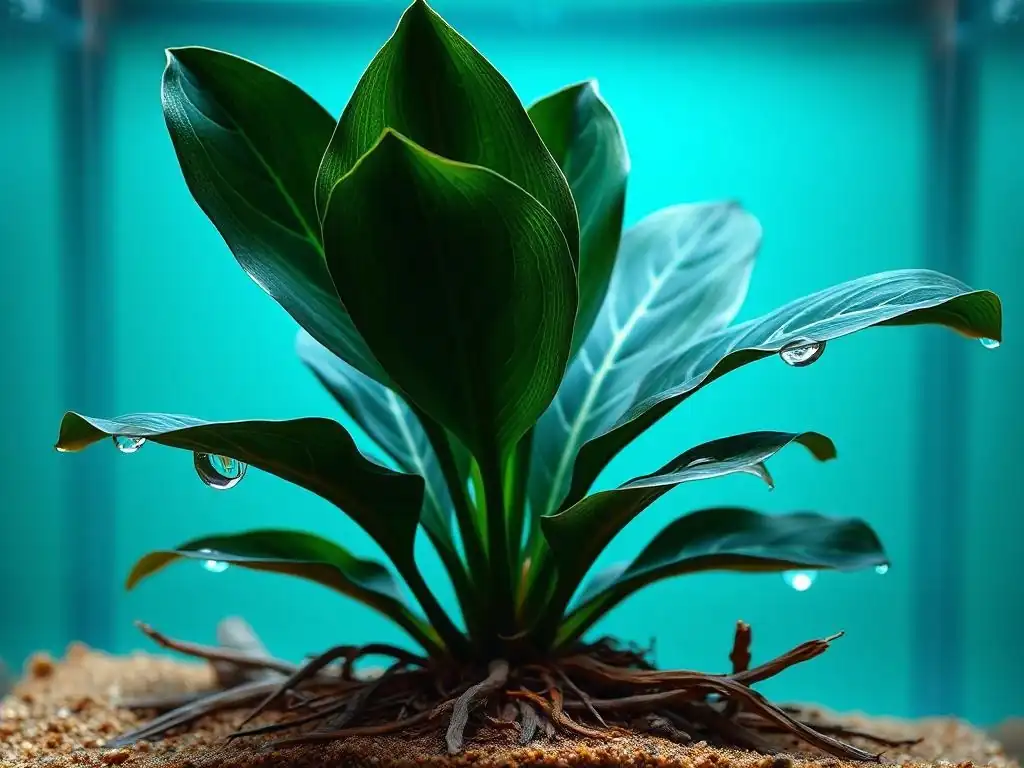
Integrating live plants into a Swordtail and Variatus aquarium offers numerous benefits that elevate standard Swordtail & Variatus care to an advanced level, significantly enhancing the fish's environment and longevity. Live plants actively absorb nitrates and other dissolved organic compounds from the water, acting as natural filters that improve overall water quality and stability. This process directly reduces the frequency of water changes needed to maintain low nitrate levels, a key factor in fish health.
Beyond water purification, plants provide essential shelter and security. Dense planting offers ample hiding spots for timid fish, pregnant females, or fry, reducing stress and aggression within the tank. The natural environment created by plants also encourages more natural behaviors, such as foraging and exploration, contributing to the fish's psychological well-being. Species like Java Fern, Anubias, Hornwort, and Water Sprite are excellent choices, being hardy and beneficial for Swordtail & Variatus care.
CO2 Injection: Is it Beneficial for Swordtail & Variatus?
CO2 injection systems are primarily used in heavily planted aquariums to boost plant growth, as carbon dioxide is a crucial nutrient for photosynthesis. While beneficial for plants, the impact of CO2 injection on Swordtails and Variatus requires careful consideration and advanced Swordtail & Variatus care. Fluctuations in CO2 levels can lead to rapid pH drops, which can be highly stressful and even fatal for fish. Swordtails and Variatus prefer stable, slightly alkaline to neutral pH levels, and sudden acidity can compromise their health.
If a CO2 system is used, it must be meticulously monitored with a drop checker or pH controller to ensure stable CO2 levels and prevent dangerous pH crashes. Overdosing CO2 can lead to fish gasping at the surface due to CO2 narcosis and oxygen deprivation. For a typical Swordtail and Variatus tank, especially one not heavily planted, CO2 injection is generally not necessary and can introduce unnecessary risks. Focus on fundamental Swordtail & Variatus care parameters before considering advanced plant husbandry techniques.
Reverse Osmosis Water: Considering RO Water for Optimal Health
Reverse Osmosis (RO) water, or RO/DI (deionized) water, is highly purified water with almost all minerals and impurities removed. While not strictly necessary for Swordtails and Variatus, considering RO water can be an advanced technique in Swordtail & Variatus care for aquarists dealing with exceptionally hard or soft tap water, or tap water containing undesirable chemicals like nitrates or phosphates. Using RO water provides a "blank slate" from which to build the ideal water parameters.
However, RO water alone is unsuitable for fish, as it lacks essential minerals. Therefore, if using RO water, it must be remineralized with products specifically designed for freshwater aquariums (e.g., RO remineralizers or a blend of RO water with dechlorinated tap water) to achieve the target general hardness (GH) and carbonate hardness (KH) for Swordtails and Variatus (GH 10-25 dGH, KH 10-20 dKH). This method offers precise control over water chemistry, allowing aquarists to consistently provide the stable and specific conditions these fish thrive in, thus optimizing Swordtail & Variatus care.
Troubleshooting Common Swordtail & Variatus Care Issues
Identifying and Addressing Stunted Growth in Swordtails and Variatus
Stunted growth in Swordtails and Variatus is a common and concerning issue that indicates a fundamental problem with their Swordtail & Variatus care. Fish that are stunted will remain significantly smaller than their typical adult size, often appearing disproportionate with large eyes relative to their body size. This condition is usually irreversible and significantly shortens their lifespan, as their internal organs continue to grow while their external body does not.
The primary causes of stunted growth include chronic exposure to poor water quality (especially high nitrates and ammonia), inadequate nutrition (lack of variety or insufficient food), and overcrowding. Consistent stress from aggressive tank mates or an unsuitable environment can also contribute. Addressing stunted growth requires a comprehensive review of all Swordtail & Variatus care practices: perform more frequent and larger water changes, ensure the tank is not overcrowded, and provide a varied, high-quality diet. While the stunted fish may not recover full size, improving conditions can prevent further decline and benefit other tank inhabitants.
Dealing with Aggression in Swordtail Tanks
Aggression, particularly among male Swordtails, is a common behavioral issue that can cause stress, injury, and even death if not addressed in Swordtail & Variatus care. Males often display territorial behavior and will chase and nip at other males, and sometimes relentlessly harass females. This aggression is typically exacerbated by insufficient tank size, an imbalanced male-to-female ratio, or a lack of hiding spots.
To mitigate aggression, ensure your tank is adequately sized (at least 29 gallons for a small group) to provide ample swimming space. Maintain a ratio of at least three females per male to dilute the male's attention and reduce stress on individual females. Incorporate dense planting, driftwood, and rockwork to create visual barriers and hiding spots, allowing bullied fish to retreat. If aggression persists despite these measures, consider removing the most aggressive male or adding more females to further balance the dynamics, ensuring the well-being of all fish in your Swordtail & Variatus care regimen.
Dropsy: Solving Dropsy in Variatus
Dropsy is not a disease itself but rather a symptom of an underlying condition, typically severe internal bacterial infection or organ failure (often kidney or liver), leading to fluid retention. In Variatus, as in other fish, the most recognizable symptom is a severely swollen body, particularly the abdomen, often accompanied by "pineconing" – where the scales protrude outwards, resembling a pinecone. Other signs may include lethargy, loss of appetite, pale gills, and clamped fins.
Unfortunately, by the time dropsy symptoms are evident, the underlying condition is often advanced and difficult to treat, making prevention through excellent Swordtail & Variatus care paramount. If a fish develops dropsy, isolate it in a hospital tank. Treatment typically involves a broad-spectrum antibiotic (administered via medicated food or water) and Epsom salts (magnesium sulfate, 1-3 teaspoons per 5 gallons) to help reduce internal fluid retention.
However, the prognosis is often poor. The best "solution" for dropsy is rigorous preventative Swordtail & Variatus care, including pristine water quality, a balanced diet, and minimal stress, to prevent the internal damage that leads to this condition.
Conclusion: A Holistic Approach to Maximizing Swordtail & Variatus Lifespan
Frequently Asked Questions
How do Swordtails and Variatus differ in their care requirements?
While both thrive in similar freshwater conditions, Variatus tend to be more tolerant of slightly cooler temperatures than Swordtails. Swordtails also require a larger tank size due to their potential adult length.
What are the ideal water parameters for Swordtails and Variatus in an aquarium?
Both species prefer a pH between 7.0 and 8.0, and a temperature between 68-82°F (20-28°C). Maintaining stable water chemistry through regular water changes is crucial.
What should I feed my Swordtails and Variatus to ensure optimal health and vibrant colors?
A varied diet is key. Offer a high-quality flake food supplemented with live or frozen foods like brine shrimp and bloodworms to provide essential nutrients.
How can I prevent common diseases in my Swordtail and Variatus aquarium?
Maintaining pristine water quality is paramount. Quarantine new fish, provide a balanced diet, and avoid overcrowding to minimize stress and disease outbreaks.
What are the key considerations for breeding Swordtails and Variatus successfully?
Provide dense vegetation for fry to hide in, as adults may predate on them. Separate the fry or provide a breeding box to increase their survival rate.
Final Reflection: Cultivating Thriving Aquatic Lives
The journey through understanding and implementing optimal Swordtail & Variatus care reveals more than just the technicalities of aquarium maintenance; it highlights our responsibility as custodians of these vibrant lives. The principles discussed, from water quality to enriched environments, are not merely suggestions, but cornerstones for ensuring the health and longevity of these captivating fish, a responsibility we must embrace with dedication.
This exploration has underscored the profound impact of informed and compassionate care on the well-being of our aquatic companions. Witnessing the flourishing of Swordtails and Variatus under attentive care is a deeply rewarding experience, a testament to the power of understanding their needs. The greatness of a nation and its moral progress can be judged by the way its animals are treated.
- Mahatma Gandhi. This quote resonates deeply, reminding us that our treatment of even the smallest creatures reflects our own humanity.
Now, armed with this knowledge, let us move forward with renewed commitment. Consider how you can further refine your approach to Swordtail & Variatus care, not just as a task, but as an act of mindful stewardship. Let's cultivate environments where these fish not only survive, but truly thrive, enriching our lives and reminding us of the beauty and interconnectedness of the natural world.
Unlock a Longer, More Vibrant Life for Your Swordtails & Variatus!
Thank you for exploring the secrets to enhancing the lifespan and vitality of your Swordtails and Variatus! Now, let's translate that knowledge into action and create an even better environment for your finned friends.
Here's how you can continue to make a difference:
- Implement a tailored feeding strategy: Analyze your current feeding habits and adjust portions to avoid overfeeding, choosing high-quality foods specifically formulated for livebearers.
- Document your aquarium's health with a weekly "Aquarium Health Check" and note down details such as the temperature, water conditions, and overall fish behavior, to track progression.
- Share your most successful swordtail or variatus care tip in the comments below!
What's one small change you can make today to significantly improve the well-being of your Swordtails and Variatus?