
Aquarium Mastery Presents: Advanced Techniques for Breeding the Glass Bloodfin Tetra

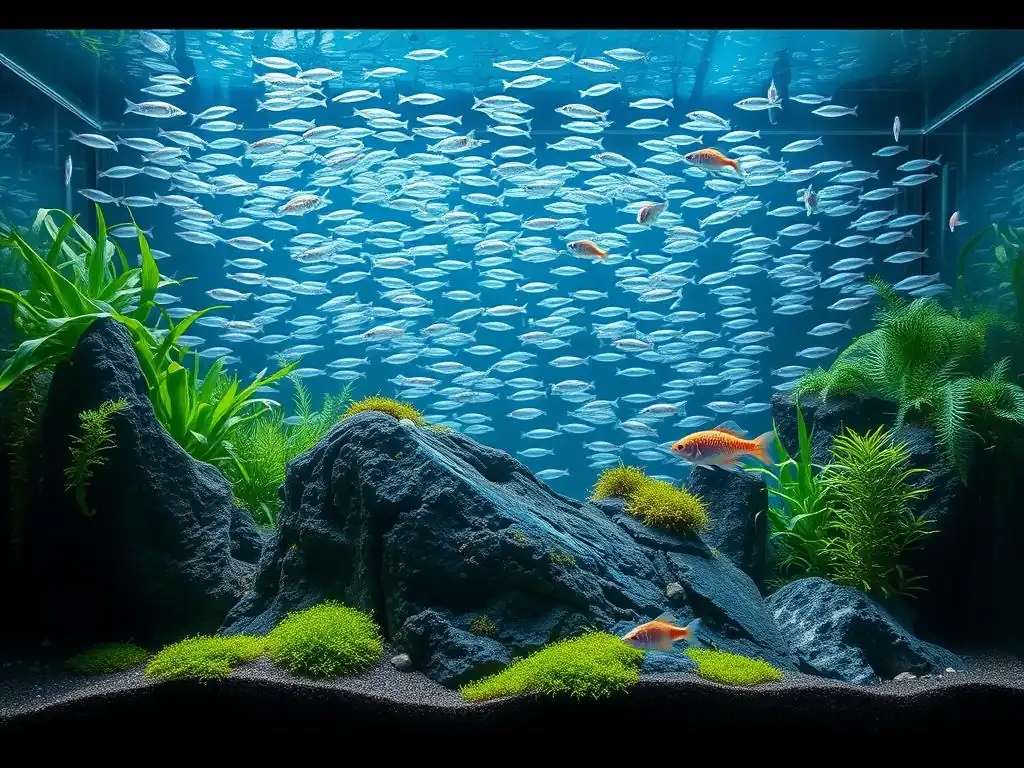
Welcome to Aquarium Mastery, where your aquatic dreams come to life!
Ever wondered about the secrets to successfully breeding those shimmering, almost translucent Glass Bloodfin Tetras? We're diving deep into the advanced techniques that will transform you from a curious observer into a confident breeder. Unlock the mysteries and prepare to witness the fascinating lifecycle of these captivating creatures! Ready to embark on this rewarding journey? Let's begin!
- Breeding Glass Bloodfin Tetras: Advanced Techniques for Success
- Understanding Glass Bloodfin Tetras for Successful Breeding
- Preparing Your Glass Bloodfin Tetras for Breeding
- The Spawning Process: A Step-by-Step Guide
- Raising Glass Bloodfin Tetra Fry: From Hatching to Juvenile
- Troubleshooting Common Breeding Challenges with Glass Bloodfin Tetras
- Advanced Tips and Tricks for Glass Bloodfin Tetra Breeding Success
- Beyond the Basics: Continuing Your Glass Bloodfin Tetra Breeding Journey
-
Frequently Asked Questions
- What are the ideal water parameters for breeding Glass Bloodfin Tetras?
- What type of breeding tank setup is recommended for Glass Bloodfin Tetras?
- What is the best diet to condition Glass Bloodfin Tetras for breeding?
- How can I identify if my Glass Bloodfin Tetras have successfully spawned?
- What is the fry care process for Glass Bloodfin Tetra fry?
- Final Reflection: The Delicate Dance of Life
- Unleash Your Breeding Potential!
Breeding Glass Bloodfin Tetras: Advanced Techniques for Success
Understanding Glass Bloodfin Tetras for Successful Breeding
Glass Bloodfin Tetra Overview: A Resilient Shoaler
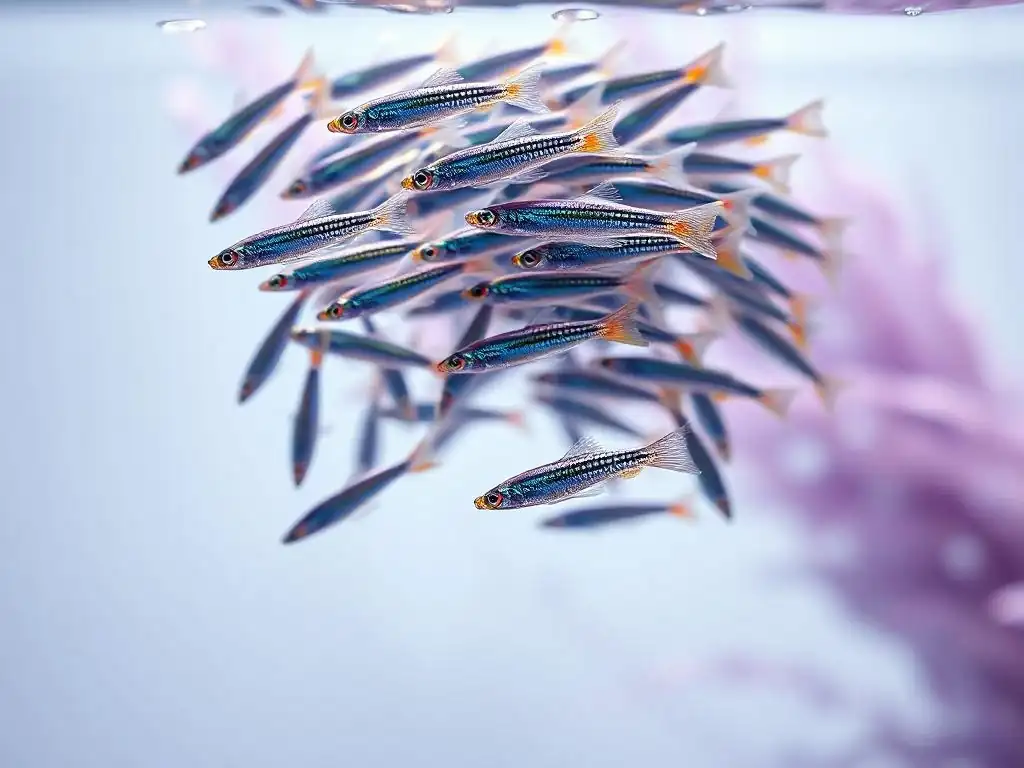
The Glass Bloodfin Tetra ( Prionobrama filigera), a captivating inhabitant of the Amazon basin in South America, is renowned for its striking translucent body and vibrant red fins, particularly noticeable on the caudal and anal fins. These small, active characins typically reach a maximum size of about 2 inches (5 cm) in a well-maintained aquarium, with a lifespan generally ranging from 3 to 5 years. As a quintessential shoaling species, they thrive in groups of six or more, exhibiting their best coloration and natural behaviors when kept in a suitably sized community.
While often overshadowed by their flashier tetra cousins, the Glass Bloodfin Tetra possesses a notable resilience, making them a fascinating subject for advanced aquarists looking to delve into Glass Bloodfin Tetra breeding. Their adaptability to a range of water conditions, though they prefer soft, acidic environments, contributes to their hardiness. Their peaceful disposition makes them excellent candidates for species-specific breeding tanks, where their reproductive cycles can be meticulously observed and managed.
Key Considerations Before Attempting Glass Bloodfin Tetra Reproduction
Embarking on the journey of Glass Bloodfin Tetra reproduction requires a blend of patience, meticulous planning, and a dedicated approach. Unlike some livebearers, these egg-laying fish demand precise environmental conditions and specialized care for their delicate fry. Key considerations include the allocation of a separate breeding tank, the ability to maintain pristine water quality with specific parameters, and the readiness to provide a consistent supply of microscopic live foods for newly hatched fry.
Successful Glass Bloodfin Tetra breeding hinges on mimicking their natural spawning triggers, which typically involve a period of conditioning followed by a shift to very soft, slightly acidic water, often accompanied by a slight increase in temperature. The time commitment for raising fry can be substantial, extending several weeks to months until they reach a size where they are robust enough to join a larger aquarium without risk. This process demands daily attention to feeding and water changes, making it a project best suited for dedicated hobbyists.
Optimal Tank Setup for Breeding Glass Bloodfin Tetras
An ideal breeding tank for Glass Bloodfin Tetras should be a separate, dedicated aquarium, typically ranging from 5 to 10 gallons (19-38 liters) in capacity. This size provides ample space for a breeding pair or a small trio (one female, two males) while allowing for easy monitoring and maintenance. The tank should ideally have a bare bottom or be equipped with a spawning mop, a layer of marbles, or a fine mesh screen to allow the adhesive eggs to fall through, protecting them from parental predation.
Water parameters in the breeding tank are crucial for stimulating spawning and ensuring egg viability. Aim for very soft water, ideally with a General Hardness (GH) between 2-5 dGH, and an acidic pH ranging from 6.0 to 6.8. The temperature should be slightly elevated, maintained consistently between 78-82°F (25.5-27.8°C). Filtration should be gentle, with a small sponge filter being the preferred choice to provide biological filtration without creating strong currents that could harm delicate eggs or fry. Dim lighting, mimicking their natural shaded habitats, is also beneficial.
Preparing Your Glass Bloodfin Tetras for Breeding
Selecting Healthy Breeding Stock: Identifying Prime Glass Bloodfin Tetras
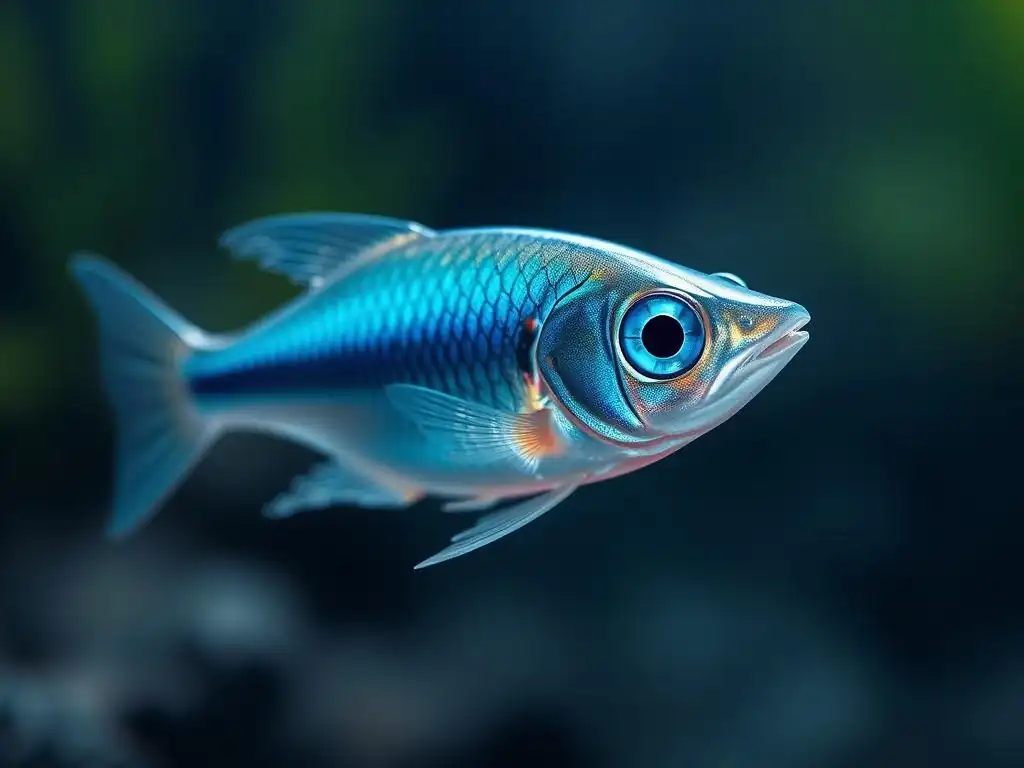
The foundation of successful Glass Bloodfin Tetra breeding lies in the selection of robust, healthy breeding stock. Look for fish that are mature, typically around 6 to 8 months of age, as they are most reproductively capable. Healthy specimens will exhibit vibrant fin coloration, a clear, translucent body, active swimming behavior, and no visible signs of disease such as clamped fins, white spots, or labored breathing. Observing their behavior in a community tank for several weeks before attempting to breed them can confirm their overall vigor.
Distinguishing between male and female Glass Bloodfin Tetras is relatively straightforward, particularly when they are conditioned for spawning. Males are generally more slender and may have slightly more elongated dorsal and anal fins. Females, conversely, will appear noticeably rounder and plumper, especially when gravid with eggs. To increase the likelihood of successful pairing and genetic diversity, it is recommended to start with a group of 6-8 healthy individuals, allowing them to naturally form pairs within a larger conditioning tank.
Conditioning Glass Bloodfin Tetras for Spawning
"Conditioning" refers to the critical process of preparing your Glass Bloodfin Tetras for reproduction by providing them with an optimal, nutrient-rich diet and stable, conducive environmental conditions. This phase, lasting typically 1 to 2 weeks, is essential for stimulating egg development in females and enhancing sperm quality in males. During conditioning, feed your prospective breeders small, frequent meals, ideally 3-4 times a day, to ensure a constant supply of high-quality nutrients without overfeeding.
The diet for conditioning Glass Bloodfin Tetras should be varied and rich in protein. Excellent choices include live foods such as newly hatched brine shrimp, Daphnia, and microworms, which are highly palatable and provide essential nutrients. Frozen alternatives like bloodworms or frozen Daphnia can also be incorporated. Supplementing with high-quality flake foods or micro-pellets specifically formulated for small omnivores ensures a balanced intake of vitamins and minerals, crucial for successful Glass Bloodfin Tetra breeding.
Dietary Needs for Breeding Glass Bloodfin Tetras
For optimal Glass Bloodfin Tetra reproduction, the diet must be meticulously planned to ensure peak physical condition and reproductive readiness. Live foods are paramount during the conditioning phase. Newly hatched brine shrimp are an excellent source of protein and essential fatty acids, stimulating the natural hunting instincts of the tetras. Microworms and Daphnia also provide valuable nutrition and are eagerly consumed, contributing significantly to egg production and sperm vitality.
While live foods are highly beneficial, a balanced diet is key. Incorporate high-quality frozen foods, such as spirulina-enriched brine shrimp or bloodworms, to provide a broader spectrum of nutrients. High-quality flake foods, particularly those with a significant protein content, can also be offered. The goal is to provide a diverse, nutrient-dense diet that boosts the fish's overall health and energy reserves, ensuring they are at their prime for the demanding process of spawning.
The Spawning Process: A Step-by-Step Guide
Setting Up the Breeding Tank for Glass Bloodfin Tetra Spawning
Once your Glass Bloodfin Tetras are conditioned, the breeding tank needs its final preparation. A 5-10 gallon (19-38 liter) aquarium with a bare bottom is ideal. To protect the delicate, adhesive eggs from being consumed by the parents, place a fine mesh screen or a layer of glass marbles on the tank bottom. Alternatively, a dense clump of fine-leaved plants like Java moss ( Taxiphyllum barbieri) or a synthetic spawning mop, anchored to the bottom, provides an excellent substrate for egg deposition.
Fill the breeding tank with aged, very soft water (GH 2-4 dGH) with an acidic pH (6.0-6.5), often achieved by using reverse osmosis (RO) water mixed with a small amount of tap water or by filtering through peat. Maintain a stable temperature between 78-82°F (25.5-27.8°C). A gentle sponge filter is crucial for biological filtration without creating disruptive currents. Keep the lighting dim; a natural ambient light cycle is sufficient, as eggs are often light-sensitive.
Introducing the Breeding Pair: Monitoring and Observation
Introduce your chosen, well-conditioned Glass Bloodfin Tetra breeding pair (or a trio of one female and two males) into the prepared spawning tank, preferably in the late evening. This allows them to acclimate to their new environment overnight without disturbance. Ensure the water parameters in the breeding tank match those of their conditioning tank to minimize stress during transfer. Maintain a quiet environment around the tank, avoiding sudden movements or bright lights.
Spawning for Glass Bloodfin Tetras typically occurs in the early morning hours, often shortly after dawn. Observe discreetly from a distance to avoid startling the fish. The presence of dense spawning material like Java moss can make observation challenging but provides essential cover and egg adhesion points. Patience is paramount during this phase, as some pairs may take a day or two to settle and begin spawning, while others may commence within hours.
Identifying Spawning Behavior in Glass Bloodfin Tetras
Recognizing the specific behaviors that precede and accompany spawning is crucial for successful Glass Bloodfin Tetra breeding. Prior to spawning, the male will typically begin to chase the female more actively, nudging her flanks and attempting to guide her towards the spawning substrate. The female, if ready, will appear noticeably fuller and rounder with eggs. Spawning itself often involves the pair quivering side-by-side or adopting a "T-shape" embrace, with the male wrapping around the female, as they release eggs and milt simultaneously over the chosen spawning mop or plant.
The eggs of Glass Bloodfin Tetras are small, clear, and slightly adhesive, typically scattered among the fine leaves of plants or falling through the substrate protection. A successful spawning event can yield a significant number of eggs, often ranging from 100 to 300, depending on the female's size and condition. The spawning process can last for several hours, with intermittent egg releases. Once the female appears visibly thin and no longer full of eggs, it indicates that spawning is complete.
Post-Spawning Care: Removing the Parents
As soon as you observe that the Glass Bloodfin Tetras have finished spawning and the female's abdomen has visibly deflated, it is imperative to promptly remove the adult fish from the breeding tank. Glass Bloodfin Tetras, like many other characins, are notorious egg-eaters and will readily consume their own progeny if given the opportunity. Their continued presence in the tank will drastically reduce the survival rate of the delicate eggs and newly hatched fry.
After removing the parents, the breeding tank should be covered or darkened to protect the light-sensitive eggs. Direct light can often lead to egg mortality and fungal growth. To further prevent fungal infections, which are a common issue with non-viable eggs, a small amount of an antifungal agent such as methylene blue can be added to the water. This preventative measure helps ensure that a higher percentage of viable eggs successfully hatch.
Raising Glass Bloodfin Tetra Fry: From Hatching to Juvenile
Hatching and Initial Care of Glass Bloodfin Tetra Fry
At optimal temperatures of 78-82°F (25.5-27.8°C), Glass Bloodfin Tetra eggs typically hatch within 24 to 36 hours after spawning. The newly hatched fry are incredibly tiny, almost transparent, and will initially remain largely immobile, often clinging to the sides of the tank, plants, or the spawning mop. During this initial phase, for approximately 2 to 3 days, the fry are sustained by their yolk sacs, which provide all the necessary nutrients.
It is crucial to maintain complete darkness or very dim lighting during this yolk sac stage, as the fry are highly light-sensitive and can be harmed by intense illumination. Once their yolk sacs are absorbed, usually around day 3 to 5 post-hatch, the Glass Bloodfin Tetra fry will become free-swimming. At this point, they will begin actively searching for food, signaling the critical transition to external feeding.
First Foods for Glass Bloodfin Tetra Fry: Infusoria and Beyond
The extremely small size of newly free-swimming Glass Bloodfin Tetra fry necessitates microscopic food sources for their initial feeding. Infusoria, which are microscopic protozoa, are the ideal first food. These can be cultured at home by placing decaying plant matter (like lettuce leaves or hay) in a jar of aquarium water for several days. Liquid fry foods, specifically designed for egg-layer fry, can also serve as a convenient supplement, though live infusoria are generally preferred for their nutritional value and natural movement that stimulates feeding.
After approximately 5 to 7 days, as the fry grow slightly, they can be transitioned to larger, live food items such as newly hatched brine shrimp nauplii or microworms. These foods provide essential protein and lipids for rapid growth. It is vital to feed the fry tiny amounts frequently, 4 to 6 times a day, to ensure a constant supply of food, as their rapid metabolism requires continuous nourishment for optimal development.
Maintaining Water Quality for Optimal Fry Growth
Maintaining impeccable water quality is arguably the most critical factor for the successful growth and survival of Glass Bloodfin Tetra fry. Due to their delicate nature and undeveloped immune systems, fry are highly susceptible to the adverse effects of pollutants. Perform small, daily water changes of 10-15% using aged, temperature-matched, and parameter-matched water. A small airline tubing can be used to gently siphon off any uneaten food or debris from the tank bottom, preventing ammonia spikes.
A gentle sponge filter should be running continuously in the fry tank to provide essential biological filtration and aeration without creating strong currents that could harm the tiny fry. Regularly monitor ammonia, nitrite, and nitrate levels using reliable test kits. Ammonia and nitrite should always be at zero parts per million (ppm), as even trace amounts can be lethal to fry. Stable water parameters, consistent temperature, and minimal fluctuations are crucial to prevent stress and promote healthy development.
Preventing Common Diseases in Glass Bloodfin Tetra Fry
Glass Bloodfin Tetra fry are particularly vulnerable to diseases due to their small size and developing immune systems. The most effective strategy for disease prevention is maintaining pristine water quality. Overfeeding is a common mistake that leads to fouled water and can quickly cause bacterial infections or fungal outbreaks. Therefore, feed small amounts frequently, and ensure any uneaten food is promptly removed.
Regular, small water changes with properly conditioned water are your primary defense against illness. Watch closely for any signs of distress or disease, such as lethargy, clamped fins, or white spots. While medications are generally not recommended for fry due to their sensitivity, early detection allows for corrective measures like increased water changes. Providing a clean, stress-free environment from hatching through the juvenile stage is the best method to ensure a high survival rate and robust Glass Bloodfin Tetra development.
Troubleshooting Common Breeding Challenges with Glass Bloodfin Tetras
Addressing Egg Fungus and Infertile Eggs
Egg fungus is a prevalent challenge in Glass Bloodfin Tetra breeding, often appearing as white, cottony growth on the eggs. This fungus spreads rapidly and can quickly devastate an entire batch of eggs. To mitigate this, a few drops of methylene blue solution can be added to the breeding tank water immediately after spawning. This dye acts as an antifungal agent. Additionally, manually removing any opaque or visibly fungused eggs using a pipette can help prevent the spread to healthy, viable eggs, though this can be a tedious process for large spawns.
Infertile eggs, which appear opaque or white from the start, are another common issue. These are typically a result of a male not properly fertilizing the eggs, or they may indicate that the parent fish were not adequately conditioned for spawning. Poor water parameters during the spawning process can also contribute to low fertility rates. If you consistently observe a high percentage of infertile eggs, re-evaluate your conditioning regimen and water quality in the breeding tank before attempting Glass Bloodfin Tetra breeding again.
Managing Aggression During Spawning
While Glass Bloodfin Tetras are generally peaceful, some males can exhibit increased aggression during the spawning process, persistently harassing the female or preventing her from releasing eggs. This can lead to stress for the female, potentially resulting in egg retention or injury. If you observe excessive chasing or nipping, consider using a slightly larger breeding tank, perhaps 10-15 gallons, to provide more space for the female to escape.
Alternatively, introducing a second female to the breeding tank can sometimes help distribute the male's attention, reducing the burden on a single female. In extreme cases, if a male is overly zealous, a breeding net or divider can be used to separate the male and female temporarily, releasing the female only when she appears ready to spawn and quickly removing the male once eggs have been laid. Close monitoring is essential to prevent any harm to the breeding pair.
Maximizing Fry Survival Rates
Maximizing the survival rates of Glass Bloodfin Tetra fry extends beyond just providing the right food and water quality. Minimizing disturbances in the fry tank is paramount; sudden movements, loud noises, or abrupt changes in lighting can cause stress and lead to mortality. Maintaining a consistent temperature within the optimal range (78-82°F / 25.5-27.8°C) is also crucial, as temperature fluctuations can severely impact delicate fry.
As the fry grow, ensuring they have adequate space and are not overcrowded becomes increasingly important. Overcrowding can lead to stunted growth, increased aggression among siblings, and a higher risk of disease due to concentrated waste. Providing additional hiding spots, such as dense clumps of fine-leaved live plants or artificial plant decorations, can offer security for weaker fry and reduce overall stress, contributing to a higher overall Glass Bloodfin Tetra fry survival rate.
Advanced Tips and Tricks for Glass Bloodfin Tetra Breeding Success
Optimizing Water Parameters for Breeding
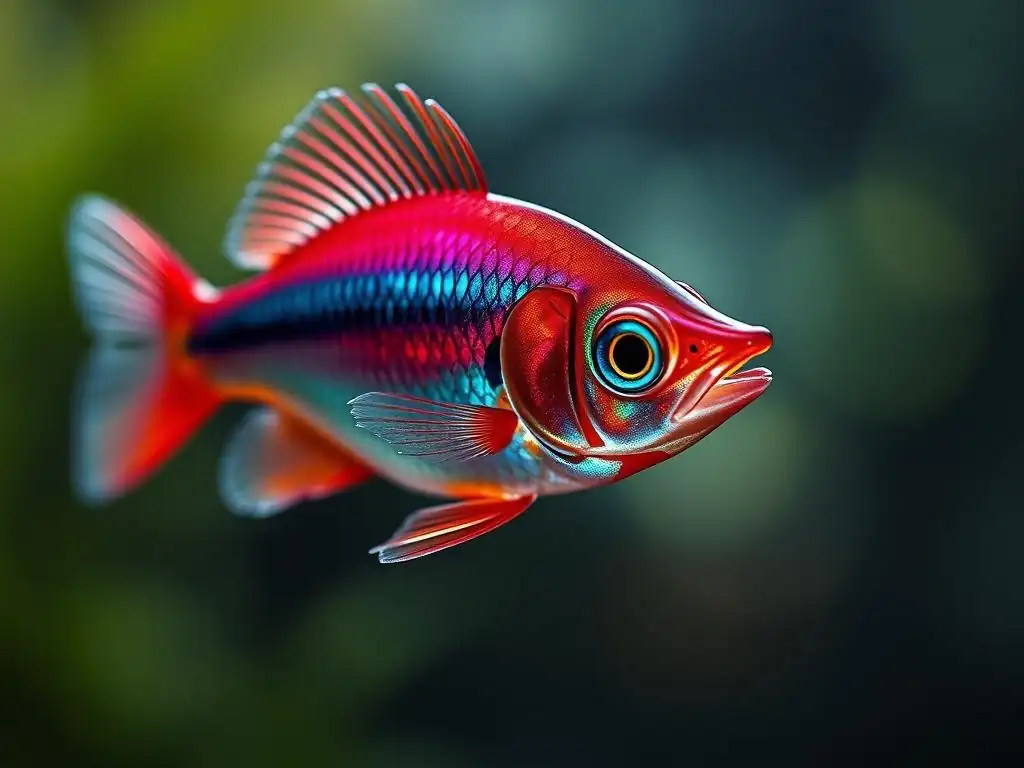
Achieving and maintaining the precise water parameters is often the most critical, yet challenging, aspect of advanced Glass Bloodfin Tetra breeding. The ideal soft (GH 2-4 dGH) and acidic (pH 6.0-6.5) water mimics their natural Amazonian habitat and serves as a strong spawning trigger. For many aquarists, this necessitates the use of reverse osmosis (RO) water, often mixed with a small amount of treated tap water (if safe) to achieve the desired mineral content. Peat filtration can also naturally lower pH and soften water, adding beneficial humic substances.
Consistency in water parameters is even more vital than hitting exact numbers. Use reliable liquid test kits to monitor pH, GH, and temperature daily in the breeding tank. Small, frequent water changes (e.g., 10% daily) with meticulously prepared, temperature-matched water are essential to prevent parameter swings. This careful control minimizes stress on the breeding pair and creates the most conducive environment for successful egg development and hatching.
Using Live Plants to Enhance Spawning
While artificial spawning mops are effective, incorporating fine-leaved live plants into the breeding tank can significantly enhance the natural spawning experience for Glass Bloodfin Tetras. Plants such as Java moss ( Taxiphyllum barbieri), Hornwort ( Ceratophyllum demersum), or various species of Cabomba provide an excellent, natural substrate for the adhesive eggs to cling to. These plants also contribute to the overall water quality by absorbing nitrates and can even serve as a natural source of infusoria for newly hatched fry.
Beyond their role as spawning sites, live plants offer crucial cover and a sense of security for both the adult breeders and the eventual fry. The presence of dense vegetation can reduce stress in the breeding pair, encouraging more natural behavior and potentially leading to more prolific spawns. Ensure any live plants introduced are thoroughly cleaned and quarantined to prevent the introduction of pests or diseases into the delicate breeding environment.
Selective Breeding for Improved Traits
For the truly dedicated aquarist, Glass Bloodfin Tetra breeding can evolve into selective breeding, a long-term endeavor aimed at enhancing desirable traits within your fish population. This involves carefully choosing individuals that exhibit superior characteristics—such as more vibrant red fin coloration, robust body conformation, increased disease resistance, or larger size—to be the parents for subsequent generations. The goal is to gradually improve the genetic line, producing stronger, more aesthetically pleasing, and healthier Glass Bloodfin Tetras.
Successful selective breeding requires meticulous record-keeping. Document the parentage of each spawn, the number of eggs laid, hatch rates, and the growth and characteristics of the offspring. Over multiple generations, this data allows you to identify which breeding pairs consistently produce the most desirable traits. This advanced technique not only contributes to the beauty and hardiness of your own fish but also helps maintain genetic diversity and quality within the captive-bred Glass Bloodfin Tetra population in the broader aquarium hobby.
Beyond the Basics: Continuing Your Glass Bloodfin Tetra Breeding Journey
Documenting Your Breeding Experiences
A comprehensive logbook is an invaluable tool for any advanced aquarist engaging in Glass Bloodfin Tetra breeding. Detailed documentation allows you to track and analyze every aspect of your breeding attempts, transforming observations into actionable data. Record precise dates of spawning, the estimated number of eggs laid, the actual hatch rates, and the growth progression of the fry. Crucially, note down all water parameters (pH, GH, temperature) before, during, and after spawning, as well as any changes in diet or tank setup.
Beyond numerical data, include qualitative observations: parent behavior during conditioning and spawning, the fry's initial feeding responses, and any challenges or successes encountered. This systematic approach enables you to identify patterns, pinpoint factors that lead to successful spawns, and troubleshoot issues more effectively in future attempts. Such detailed records are the bedrock for refining your Glass Bloodfin Tetra breeding techniques and achieving consistent success.
Once you have honed your skills and achieved consistent success with Glass Bloodfin Tetra breeding, consider sharing your valuable experiences and insights with the wider aquarium community. This can take many forms: participating in online forums dedicated to aquarium husbandry, presenting your findings at local aquarium club meetings, or even contributing articles to hobbyist publications. Your real-world data and practical advice can be incredibly beneficial to aspiring breeders and help advance the collective knowledge base of the hobby.
Furthermore, offering healthy, captive-bred Glass Bloodfin Tetras to local fish stores or fellow hobbyists is a fantastic way to contribute positively to the aquarium trade. This practice helps reduce the demand for wild-caught specimens, promoting more sustainable and ethical practices within the industry. By sharing your passion and success, you not only enrich the hobby but also ensure that the beauty and availability of Glass Bloodfin Tetras continue to thrive for future generations of aquarists.
Frequently Asked Questions
What are the ideal water parameters for breeding Glass Bloodfin Tetras?
Ideal water parameters include a slightly acidic pH (around 6.5-7.0), soft water with a low KH and GH, and a temperature of 78-82°F (25-28°C). Consistent water quality is crucial for successful spawning.
What type of breeding tank setup is recommended for Glass Bloodfin Tetras?
A dedicated breeding tank, separate from the main aquarium, is highly recommended. It should be lightly planted with fine-leaved plants or contain a spawning mop to provide egg-laying sites and protection for the eggs from the parents.
What is the best diet to condition Glass Bloodfin Tetras for breeding?
Conditioning involves feeding a high-quality diet rich in protein and live foods. Offer foods like daphnia, brine shrimp, and bloodworms several times a day to encourage spawning behavior and egg development.
How can I identify if my Glass Bloodfin Tetras have successfully spawned?
After spawning, the female will appear slimmer, and you may notice small, clear eggs scattered among the plants or in the spawning mop. Carefully remove the parents after spawning to prevent them from eating the eggs.
What is the fry care process for Glass Bloodfin Tetra fry?
Glass Bloodfin Tetra fry are very small and require infusoria or liquid fry food for the first few days. After a week, they can be fed baby brine shrimp. Maintain excellent water quality with frequent, small water changes.
Final Reflection: The Delicate Dance of Life
The intricacies of Glass Bloodfin Tetra breeding, as explored in this article, extend far beyond the confines of a glass tank. They represent a microcosm of the delicate balance and persistent effort required to nurture life in any form, a principle profoundly relevant in our increasingly complex world. Understanding and mastering these techniques allows us to not only appreciate the beauty of these translucent creatures but also to connect with the fundamental processes that sustain our planet.
This journey into the world of Glass Bloodfin Tetra breeding has underscored the importance of patience, observation, and dedication. It's a reminder that even the smallest of creatures can teach us valuable lessons about resilience and the interconnectedness of life. The best way to observe a fish is to become a fish.
- Jacques Cousteau. This quote encapsulates the spirit of understanding and empathy needed not only for successful breeding but also for navigating the complexities of our own lives and relationships.
As you close this article, consider the lessons learned about creating the right environment, providing the necessary nourishment, and fostering the conditions for growth. How can you apply these principles to nurture your own aspirations, support the growth of others, and contribute to a more thriving world? The delicate dance of life, whether in a glass tank or on a global scale, requires our constant attention, care, and commitment.
Unleash Your Breeding Potential!
Thank you for diving deep into the advanced techniques for breeding Glass Bloodfin Tetras. We hope you've discovered valuable insights to elevate your aquarium hobby. Now, it's time to put that knowledge into action and truly master the art of breeding!
Here are a few things you can do next:
- Immediately apply the learned techniques to your Glass Bloodfin Tetra breeding setup and meticulously document your progress.
- Explore the Aquarium Mastery community forum to share your experiences, ask questions, and connect with fellow breeders.
- Try experimenting with slightly varying water parameters within safe limits to see if it influences breeding success – a fascinating and rarely discussed approach!
What unexpected challenges have you faced in your Tetra breeding journey, and how did you overcome them? Share your stories below!