
Orange Laser Corydoras: Adding a Fiery Streak to Your Aquarium

Welcome to Aquarium Mastery, where your aquatic ambitions come to life!
Intrigued by adding a vibrant splash of color to your freshwater setup? Dive in and discover our comprehensive Orange Corydoras care tips. These dazzling little fish can bring a fiery streak to your aquarium, but understanding their specific needs is crucial. Keep reading to unlock the secrets to keeping your Orange Laser Corydoras thriving and happy!
- Introduction to Orange Laser Corydoras
- Orange Laser Corydoras Care: Essential Tips
- Orange Corydoras Tank Mates: Compatibility Guide
- Orange Laser Corydoras Breeding: A Comprehensive Guide
- Common Health Issues in Orange Corydoras and Their Treatment
- Identifying and Selecting Healthy Orange Laser Corydoras
- Maintaining a Thriving Orange Laser Corydoras Aquarium: Long-Term Care
- The Allure of Corydoras aeneus 'Orange': A Final Look
-
Frequently Asked Questions
- How difficult is it to care for Orange Laser Corydoras compared to other Corydoras species?
- What are the ideal water parameters for Orange Laser Corydoras?
- What type of food should I feed my Orange Laser Corydoras?
- How many Orange Laser Corydoras should I keep together?
- What tank mates are suitable for Orange Laser Corydoras?
- Final Reflection: Embracing the Vibrant Undersea
- Ignite Your Aquarium Dreams!
Introduction to Orange Laser Corydoras
Unveiling the Beauty of Corydoras aeneus 'Orange'
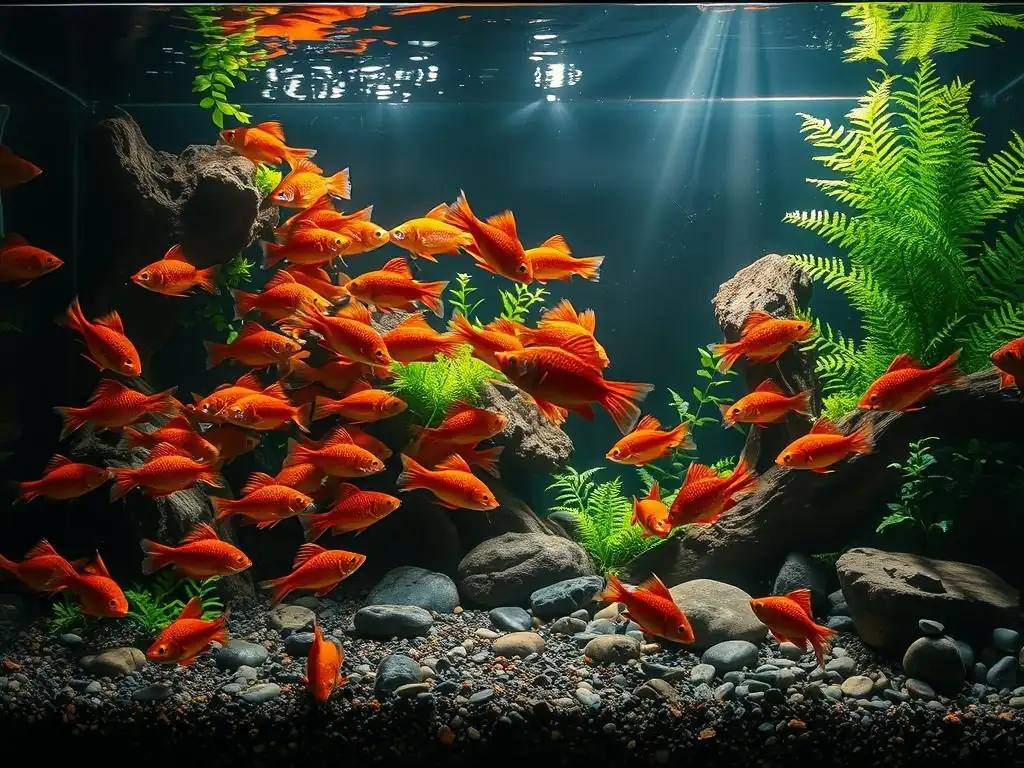
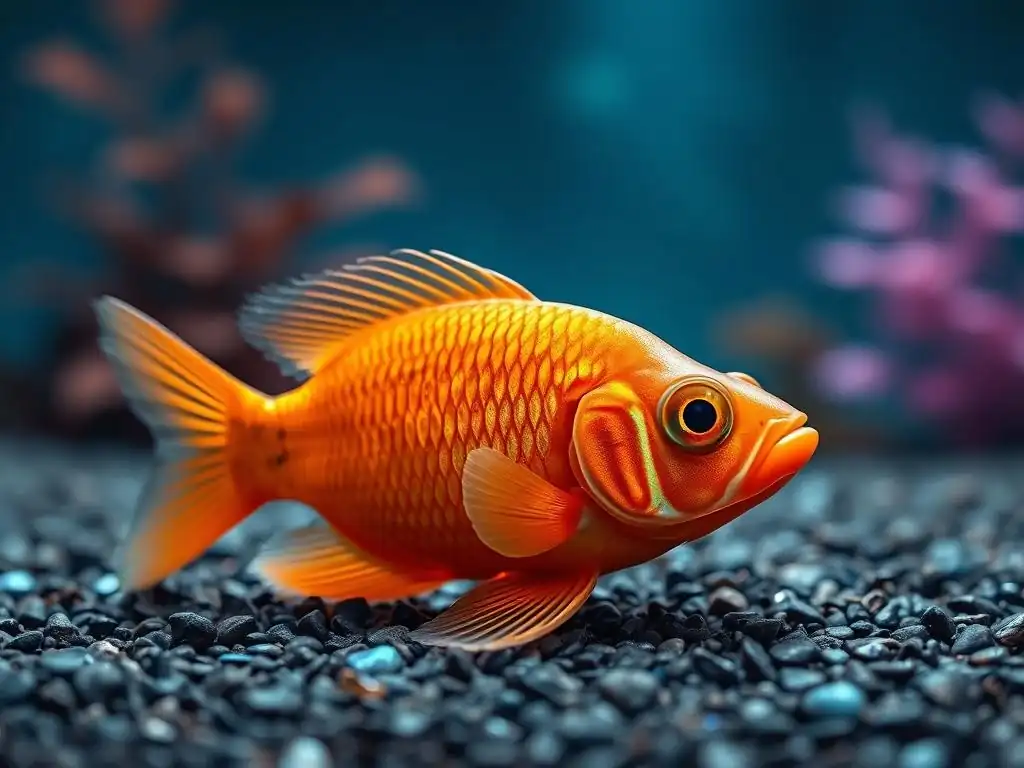
The Orange Laser Corydoras, scientifically known as Corydoras aeneus 'Orange', is a captivating freshwater fish that brings a vibrant splash of color to any aquarium. This popular variant of the Bronze Corydoras is distinguished by a brilliant, iridescent orange or gold stripe that runs horizontally along its body, often glowing under proper lighting conditions, giving it its "laser" moniker. Growing to an average adult size of 2 to 3 inches (5 to 7.5 cm), these charming catfish are known for their peaceful demeanor and active foraging behavior along the tank bottom.
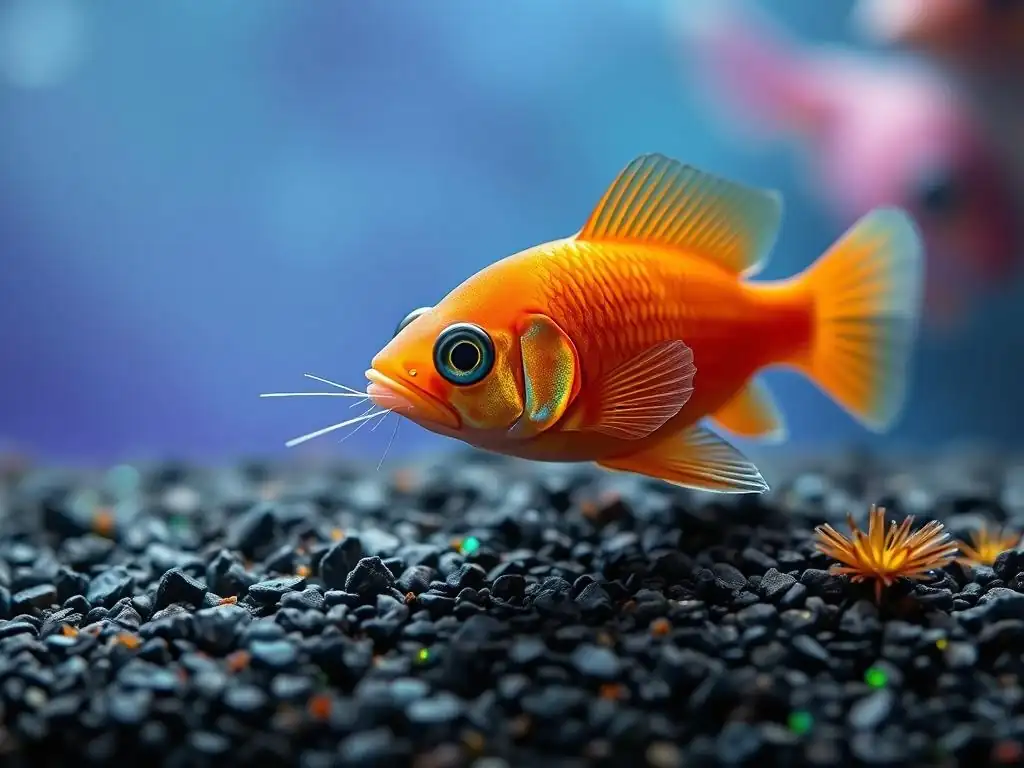
Originating from selective breeding of Corydoras aeneus, which is naturally found across South America in various river basins including the Amazon and Orinoco, the Orange Laser Corydoras retains the hardy characteristics of its wild ancestors. Their armored bodies, composed of bony plates, provide a degree of protection, while their delicate barbels are used to sift through substrate in search of food. Their schooling nature, typically preferring groups of six or more, adds a dynamic and visually appealing element to the aquascape, making them a favorite among aquarists.
Why Choose Orange Laser Corydoras for Your Freshwater Tank?
Choosing Orange Laser Corydoras for your freshwater tank offers numerous benefits, making them an excellent addition for both novice and experienced aquarists. Their striking orange coloration provides a unique aesthetic appeal, creating a focal point that contrasts beautifully with green plants and other fish colors. Beyond their beauty, their constant sifting of the substrate helps to aerate the bottom layers, preventing the buildup of anaerobic pockets and contributing to a healthier tank ecosystem.
Furthermore, these Corydoras are remarkably peaceful and compatible with a wide range of community fish, making them ideal inhabitants for a harmonious setup. They are not known to be fin-nippers or aggressive, ensuring the well-being of other tank inhabitants. Their relatively robust nature, coupled with straightforward Orange Corydoras care tips, means they are less prone to common aquarium ailments when provided with stable conditions, offering a rewarding and low-stress fish-keeping experience.
Orange Laser Corydoras Care: Essential Tips
Optimal Tank Setup for Orange Corydoras
A well-planned tank setup is paramount for the health and happiness of your Orange Laser Corydoras. These bottom-dwelling fish require an environment that mimics their natural habitat, focusing on a safe substrate for their delicate barbels and ample hiding spaces. Providing an appropriate setup minimizes stress, encourages natural behaviors like foraging and schooling, and significantly contributes to their longevity.
Proper Orange Corydoras care tips begin with the foundation of their home. A suitable setup ensures they can comfortably explore, rest, and interact within their environment. This includes careful consideration of tank dimensions, substrate type, and the strategic placement of decor to create a thriving aquatic ecosystem for these unique catfish.
Tank Size Recommendations for a School of Orange Lasers
Orange Laser Corydoras are highly social fish and thrive when kept in groups. A minimum of six individuals is recommended to promote their natural schooling behavior and reduce stress. For a group of 6-8 Orange Laser Corydoras, a 15-gallon (approximately 57 liters) aquarium is the absolute minimum size. This provides adequate space for their active foraging and swimming.
However, a 20-gallon long (approximately 75 liters) or a 30-gallon (approximately 113 liters) tank is often preferred for a larger school of 8-12 individuals, especially if kept in a community setup with other fish. Larger tanks offer more stable water parameters, greater swimming space, and allow for more intricate aquascaping, which benefits the entire aquarium ecosystem.
Substrate and Decor: Creating a Natural Habitat
The choice of substrate is critical for Orange Laser Corydoras due to their sensitive barbels, which they use to sift through the bottom for food. Fine sand is the ideal substrate, as it allows them to safely dig and forage without damaging their delicate sensory organs. If sand is not feasible, a very fine, smooth gravel with individual particles no larger than 2-3 mm can be used, though sand is always superior for their well-being.
For decor, incorporate smooth river rocks, driftwood, and live plants to provide ample hiding spots and areas for exploration. Plants like Anubias, Java Fern, Cryptocoryne, and even floating plants offer shade and security. Ensure all decor items are smooth and free of sharp edges that could injure their bodies or barbels. A well-decorated tank with plenty of cover reduces stress and encourages their natural playful behavior.
Water Parameters: Maintaining Ideal Conditions
Maintaining stable and appropriate water parameters is a cornerstone of effective Orange Corydoras care. These fish, like many other freshwater species, are sensitive to sudden fluctuations in water chemistry, which can lead to stress and susceptibility to disease. Consistent monitoring and proactive adjustments are essential for their long-term health and vitality.
Regular testing with reliable aquarium test kits is crucial to ensure that the water parameters remain within the optimal range. Understanding and addressing any deviations promptly can prevent numerous health issues, making water quality management one of the most important Orange Corydoras care tips.
Temperature and pH Levels for Orange Corydoras
Orange Laser Corydoras thrive in water temperatures ranging from 72°F to 78°F (22°C to 26°C). Maintaining a stable temperature within this range is more important than hitting an exact number, as sudden swings can cause significant stress. A reliable aquarium heater with a thermostat is essential to prevent temperature fluctuations, especially in colder environments.
Regarding pH, these Corydoras prefer slightly acidic to neutral water, with an ideal pH range of 6.0 to 7.5. While they can tolerate a slightly wider range, consistency is key. Water hardness should be soft to moderately hard, typically between 2 and 15 dGH (degrees of General Hardness). Regular monitoring of these parameters helps ensure a healthy and comfortable environment for your Orange Laser Corydoras.
Importance of Water Changes and Filtration
Regular water changes are vital for maintaining pristine water quality, which is fundamental to Orange Corydoras care. A weekly or bi-weekly water change of 25-30% of the tank volume is recommended, depending on the bioload and filtration efficiency. This practice removes accumulated nitrates, phosphates, and other dissolved organic compounds, while replenishing essential minerals. Always ensure new water is dechlorinated and temperature-matched to prevent shock.
A robust filtration system is equally important. A good filter provides mechanical filtration to remove particulate matter, chemical filtration to absorb impurities, and most importantly, biological filtration to convert harmful ammonia and nitrites into less toxic nitrates. Sponge filters are an excellent choice for Corydoras tanks as they provide gentle flow and a large surface area for beneficial bacteria, without creating strong currents that these bottom-dwellers dislike. Hang-on-back or canister filters can also be used, provided their outflow is diffused to minimize strong water movement.
Orange Corydoras Diet and Feeding
Orange Laser Corydoras are omnivorous bottom feeders, and providing a varied and balanced diet is crucial for their health, coloration, and overall vitality. Their natural foraging behavior involves sifting through the substrate, so food that sinks quickly is essential to ensure they receive adequate nutrition without competition from mid-water or surface dwellers.
Understanding what and how to feed your Orange Laser Corydoras is a key component of effective Orange Corydoras care tips. A diverse diet not only meets their nutritional needs but also stimulates their natural behaviors, contributing to a more active and engaging aquarium.
What to Feed Your Orange Laser Corydoras: A Balanced Diet
A balanced diet for Orange Laser Corydoras should primarily consist of high-quality sinking pellets or wafers specifically formulated for bottom-dwelling omnivores. These staple foods provide essential vitamins, minerals, and macronutrients. Supplement their diet 2-3 times per week with live or frozen foods such as bloodworms, brine shrimp, daphnia, or tubifex worms. These protein-rich options are excellent for conditioning and promoting vibrant colors.
Occasionally, you can offer blanched vegetables like zucchini, cucumber, or spirulina flakes to provide additional plant matter. Always ensure that the food reaches the bottom of the tank, especially if you have faster-feeding mid-water fish, to guarantee your Orange Corydoras get their share. A varied diet mimics their natural foraging habits and contributes significantly to their long-term health.
Feeding Schedule and Avoiding Overfeeding
Orange Laser Corydoras should be fed once or twice daily, in small amounts that they can consume within 5-10 minutes. It's better to underfeed slightly than to overfeed, as excess food can quickly decompose, leading to elevated ammonia and nitrite levels, which are highly toxic to fish. Overfeeding is a common mistake that can lead to poor water quality, algae blooms, and various health issues, including fatty liver disease in fish.
Observe your Corydoras during feeding time to ensure they are actively foraging and consuming the food. If you notice uneaten food lingering on the substrate after 15 minutes, reduce the quantity for the next feeding. A consistent feeding schedule, combined with appropriate portion sizes, is a vital aspect of comprehensive Orange Corydoras care tips, preventing both malnutrition and water quality degradation.
Orange Corydoras Tank Mates: Compatibility Guide
Best Tank Mates for Peaceful Coexistence
Orange Laser Corydoras are exceptionally peaceful fish, making them ideal candidates for a community aquarium. The best tank mates are other docile, non-aggressive species that prefer similar water parameters and do not occupy the same bottom-dwelling niche aggressively. Good choices include small, schooling tetras such as Neon Tetras, Cardinal Tetras, Ember Tetras, and Rummy-nose Tetras, which typically swim in the mid-to-upper levels of the tank.
Other excellent companions include various species of Rasboras (e.g., Harlequin Rasboras, Chili Rasboras), small livebearers like Guppies and Platies (ensure they are not overly active or prone to breeding rapidly), Otocinclus catfish for algae control, and peaceful dwarf gouramis. Small, non-predatory rainbowfish varieties also make suitable tank mates. The key is to select fish that are not large enough to consider the Corydoras as prey and do not exhibit aggressive or territorial behaviors.
Fish to Avoid Keeping with Orange Corydoras
When selecting tank mates for your Orange Laser Corydoras, it's crucial to avoid aggressive, large, or fin-nipping species that could stress, injure, or even prey upon these small, peaceful catfish. Large cichlids, such as Oscar fish or large African Cichlids, are generally unsuitable as they are often too aggressive and can easily consume the smaller Corydoras. Even some dwarf cichlids, like certain Apistogramma species, might become territorial during breeding.
Additionally, avoid highly active or fin-nipping fish like Tiger Barbs, which, while sometimes kept in community tanks, can harass the slower-moving Corydoras and nip at their fins. Large, predatory catfish or species that grow significantly larger than 6 inches (15 cm) should also be avoided. Fish that require vastly different water parameters (e.g., very high pH or very cold temperatures) should also not be housed with Orange Corydoras, as this can compromise the health of all inhabitants.
Orange Laser Corydoras Breeding: A Comprehensive Guide
Creating the Right Environment for Breeding
Breeding Orange Laser Corydoras can be a rewarding experience, and success often begins with creating an optimal breeding environment. A dedicated breeding tank, typically 10-20 gallons (38-75 liters), is recommended to provide a controlled space and protect the eggs and fry from being eaten by adult fish or other tank inhabitants. The tank should have a bare bottom or a very thin layer of fine sand to make egg collection easier.
For spawning surfaces, provide broad-leafed live plants like Anubias or Java Fern, or artificial spawning mops made from yarn. A gentle sponge filter is ideal for filtration as it won't harm delicate eggs or fry. Conditioning the adult fish with high-protein foods such as live or frozen bloodworms and brine shrimp for 1-2 weeks prior to attempting breeding significantly increases their readiness to spawn. Simulating a "rainy season" by performing daily, large (50% or more) cool water changes (5-10°F cooler than tank temperature) over several days often triggers spawning behavior.
Identifying Male and Female Orange Corydoras
Distinguishing between male and female Orange Laser Corydoras can be subtle but becomes more apparent as they mature, particularly when the females are gravid (carrying eggs). Females are generally larger and noticeably wider and plumper in the body, especially when viewed from above. Their underside often appears more rounded and 'pear-shaped' when full of eggs.
Males, in contrast, tend to be slimmer, more streamlined, and slightly smaller than females of the same age. While not always definitive, observing a group of mature Corydoras will often reveal these size and body shape differences, aiding in the selection of a breeding group, typically with a ratio of two males to one female.
Spawning and Raising Fry: A Step-by-Step Process
Once conditioned, Orange Laser Corydoras typically spawn in a "T-position" where the male clasps the female's barbels with his pectoral fin, and she releases eggs into a "basket" formed by her pelvic fins. These eggs are then fertilized by the male and subsequently deposited by the female onto various surfaces like tank glass, plant leaves, or spawning mops. A single female can lay anywhere from 50 to 300 adhesive eggs over several hours.
After spawning, it is crucial to remove the adult fish from the breeding tank to prevent them from consuming the eggs. The eggs usually hatch within 3-5 days at a temperature of approximately 75°F (24°C). The newly hatched fry are tiny and absorb their yolk sac for the first 2-3 days.
Once free-swimming, they can be fed infusoria, liquid fry food, or very finely crushed spirulina powder. As they grow, transition them to newly hatched brine shrimp and micro-worms. Maintaining impeccable water quality with small, daily water changes is paramount for the survival and healthy development of the delicate fry.
Common Health Issues in Orange Corydoras and Their Treatment
Recognizing Signs of Illness in Your Corydoras
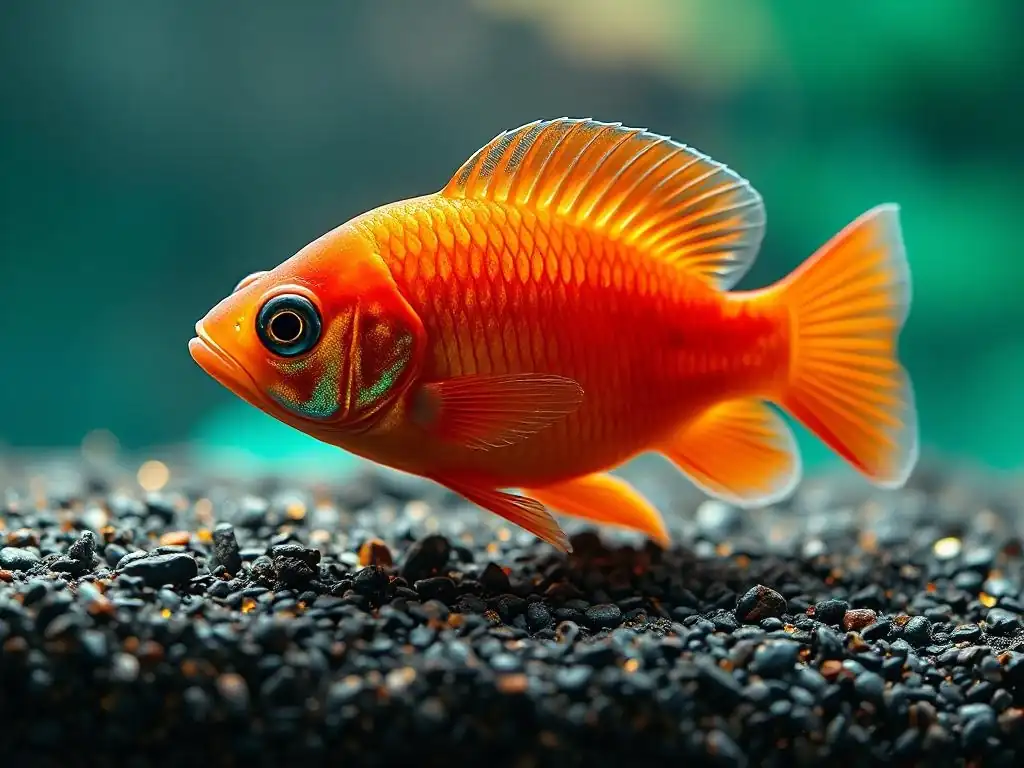
Early detection of illness is crucial for effective treatment and preventing the spread of disease in your Orange Laser Corydoras. Common signs of distress or disease include lethargy, loss of appetite, clamped fins held close to the body, rapid or labored breathing, and unusual swimming patterns such as darting, rubbing against decor, or remaining motionless for extended periods.
Physical symptoms might include discoloration, faded colors, the presence of white spots (Ich), fuzzy growths (fungus), red streaks, or ulcers on the body. Pay particular attention to their barbels; erosion or damage often indicates poor substrate conditions or a bacterial infection, requiring immediate attention as part of your Orange Corydoras care tips. Any deviation from their normal active, schooling behavior warrants close observation.
Treating Common Diseases
When treating common diseases in Orange Laser Corydoras, prompt action and accurate diagnosis are key. For Ich (Ichthyophthirius multifiliis), characterized by small white spots resembling salt grains, treatment typically involves slowly raising the water temperature to 82°F (28°C) over 24-48 hours (if tank mates can tolerate it) and using a commercial Ich medication containing malachite green or formalin. Always follow product instructions carefully.
Bacterial infections, often manifesting as fin rot, body ulcers, or cloudy eyes, are frequently caused by poor water quality. Treatment involves large water changes (50% or more) and the use of broad-spectrum antibiotics such as erythromycin or furan-2. Fungal infections, which appear as white, cotton-like growths, can often be treated with antifungal medications. Always remove activated carbon from your filter before administering any medication, as it will absorb the treatment.
Preventative Measures for a Healthy Aquarium
Prevention is always better than cure, especially when it comes to the health of your Orange Laser Corydoras. The most effective preventative measure is maintaining consistently excellent water quality through regular testing and scheduled water changes. This minimizes stress and strengthens their immune systems. Providing a balanced and varied diet also contributes significantly to their overall health.
Avoid overcrowding your aquarium, as this increases bioload and stress levels. Always quarantine new fish for at least 2-4 weeks in a separate tank before introducing them to your main display tank. This prevents the introduction of diseases. Ensure your substrate is non-abrasive to protect their delicate barbels, and provide plenty of hiding spots to reduce stress. Adhering to these preventative Orange Corydoras care tips will significantly reduce the likelihood of illness in your tank.
Identifying and Selecting Healthy Orange Laser Corydoras
What to Look For When Buying Orange Corydoras
When purchasing Orange Laser Corydoras, careful observation is essential to ensure you bring home healthy specimens. Look for fish that are actively swimming and foraging, ideally in a school, as this indicates good health and comfort. Their bodies should appear full and well-rounded, not thin or sunken. Check for vibrant coloration, consistent with the Orange Laser variety, and ensure their fins are intact, without any signs of tearing, fraying, or clamping.
Avoid fish that are lethargic, hiding excessively, or appear to have any visible signs of illness such as white spots, fuzzy growths, red streaks, or damaged barbels. Observe the entire tank environment; the water should be clear, and other fish in the same tank should also appear healthy and active. A healthy fish will have clear eyes and no visible deformities.
Choosing Reputable Breeders or Aquarium Stores
Selecting a reputable source for your Orange Laser Corydoras is as important as inspecting the fish themselves. A reputable breeder or aquarium store will maintain clean, well-kept tanks with appropriate filtration and decor. Their staff should be knowledgeable about the fish they sell, able to answer questions regarding their origin, diet, water parameters, and general Orange Corydoras care tips.
Avoid stores that have many dead or sick fish in their tanks, as this is a strong indicator of poor husbandry and potential disease outbreaks. A good store will also typically have a clear policy regarding the health of their livestock, sometimes offering a guarantee for a short period after purchase. Reading online reviews and seeking recommendations from experienced aquarists can also help identify reliable sources.
Maintaining a Thriving Orange Laser Corydoras Aquarium: Long-Term Care
Regular Maintenance Routines for a Healthy Tank
Establishing and adhering to a regular maintenance routine is paramount for the long-term health and vibrancy of your Orange Laser Corydoras aquarium. Weekly tasks should include a 25-30% water change, thoroughly gravel vacuuming the substrate (especially in areas where food might accumulate or waste settles), wiping down the inside glass to remove algae, and checking filter media for blockages.
Monthly, or as needed, rinse filter media in discarded tank water to preserve beneficial bacteria; never rinse in chlorinated tap water. Prune live plants to prevent overgrowth and ensure adequate light penetration. Consistent execution of these maintenance tasks prevents the buildup of harmful toxins, ensures stable water parameters, and promotes a clean, healthy environment for your Orange Laser Corydoras and all other tank inhabitants.
Monitoring Water Quality and Addressing Issues
Continuous monitoring of water quality is a non-negotiable aspect of long-term Orange Corydoras care. Test your aquarium water parameters (ammonia, nitrite, nitrate, pH, and temperature) weekly or bi-weekly using a reliable liquid test kit. Ammonia and nitrite levels should always be undetectable (0 ppm), as even small amounts are highly toxic to fish. Nitrate levels should be kept below 20 ppm, ideally below 10 ppm, as higher levels indicate accumulated waste and necessitate a water change.
If water parameters are consistently off, identify the root cause immediately. Common culprits include overfeeding, insufficient water changes, overcrowding, or an immature nitrogen cycle. Address issues promptly by performing larger water changes (e.g., 50% or more in emergencies, with careful temperature matching), reducing feeding, or adjusting your stocking levels. Proactive monitoring and swift corrective action are crucial for maintaining a thriving Orange Laser Corydoras aquarium.
The Allure of Corydoras aeneus 'Orange': A Final Look
Why Orange Laser Corydoras are a Popular Choice
The Orange Laser Corydoras, Corydoras aeneus 'Orange', continues to be a highly popular choice among freshwater aquarists for a multitude of compelling reasons. Their captivating, fiery orange stripe adds an unmatched visual appeal to the bottom of any aquarium, providing a dynamic contrast to green plants and other fish. Beyond their striking beauty, their peaceful temperament makes them excellent community tank inhabitants, coexisting harmoniously with a wide array of non-aggressive species.
Their active foraging behavior not only provides constant entertainment but also contributes to the cleanliness of the tank by sifting through the substrate for uneaten food particles. When provided with proper Orange Corydoras care tips, including stable water parameters, a suitable diet, and appropriate tank mates, these hardy little catfish are relatively easy to maintain and can live for several years, offering a rewarding and vibrant addition to any aquatic setup.
Frequently Asked Questions
How difficult is it to care for Orange Laser Corydoras compared to other Corydoras species?
Orange Laser Corydoras are generally considered easy to care for, similar to other Corydoras. They require a well-maintained aquarium with stable water parameters and a varied diet.
What are the ideal water parameters for Orange Laser Corydoras?
They thrive in slightly acidic to neutral water, with a pH of 6.0-7.0. The temperature should be kept between 72-78°F (22-26°C). Maintaining good water quality through regular water changes is crucial.
What type of food should I feed my Orange Laser Corydoras?
These Corydoras are omnivores and will accept a variety of foods. Offer them a diet of sinking pellets or wafers, supplemented with live or frozen foods like bloodworms and daphnia for optimal health.
How many Orange Laser Corydoras should I keep together?
Corydoras are social fish and should be kept in groups of at least six individuals. A larger group will make them feel more secure and display more natural behaviors.
What tank mates are suitable for Orange Laser Corydoras?
They are peaceful fish and do well with other peaceful community fish of similar size. Avoid aggressive or fin-nipping species. Good tank mates include small tetras, rasboras, and other non-aggressive bottom dwellers.
Final Reflection: Embracing the Vibrant Undersea
The journey of understanding and caring for Orange Laser Corydoras extends far beyond the confines of our aquariums. The commitment to responsible fishkeeping, as highlighted throughout this article, resonates deeply with the broader call for environmental stewardship and the preservation of biodiversity. By diligently following the care tips outlined, we not only ensure the well-being of these captivating creatures but also contribute to a more sustainable and ethical approach to the aquarium hobby.
The allure of the Orange Laser Corydoras, with its striking coloration and peaceful demeanor, speaks to our innate desire to connect with the beauty of the natural world. This connection, fostered through responsible aquarium keeping, can inspire a deeper appreciation for the delicate balance of aquatic ecosystems. In the end, we will conserve only what we love; we will love only what we understand; and we will understand only what we are taught.
- Baba Dioum. This quote perfectly encapsulates the importance of education and understanding in fostering a passion for conservation, starting with the small world within our tanks.
As you embark on, or continue, your journey with Orange Laser Corydoras, remember that you are not merely keeping fish; you are nurturing a small piece of the Amazonian ecosystem. Let the vibrant colors and playful antics of these Corydoras serve as a constant reminder of the beauty and fragility of our planet. Consider how you can further reduce your environmental footprint and advocate for responsible practices within the aquarium community. By embracing this responsibility, you can transform your aquarium into a powerful symbol of conservation and inspire others to do the same.
Ignite Your Aquarium Dreams!
Thank you for diving into the vibrant world of Orange Laser Corydoras with us. We hope you found inspiration and practical tips to enhance your aquarium experience. Now, let's take that passion and turn it into action!
Here are a few things you can do now:
- Embark on your own Orange Laser Corydoras adventure by researching ethical breeders and bringing these stunning fish into your aquarium.
- Share this article with fellow aquarium enthusiasts who might be captivated by these radiant Corydoras.
- Brainstorm creative aquascaping ideas to perfectly complement the fiery hues of Orange Laser Corydoras and sketch your vision!
What unique habitat features will you incorporate to showcase the stunning beauty of your Orange Laser Corydoras?