
Bronze Corydoras (C. aeneus): The Timeless Classic of the Aquarium Hobby

Welcome to Aquarium Mastery!
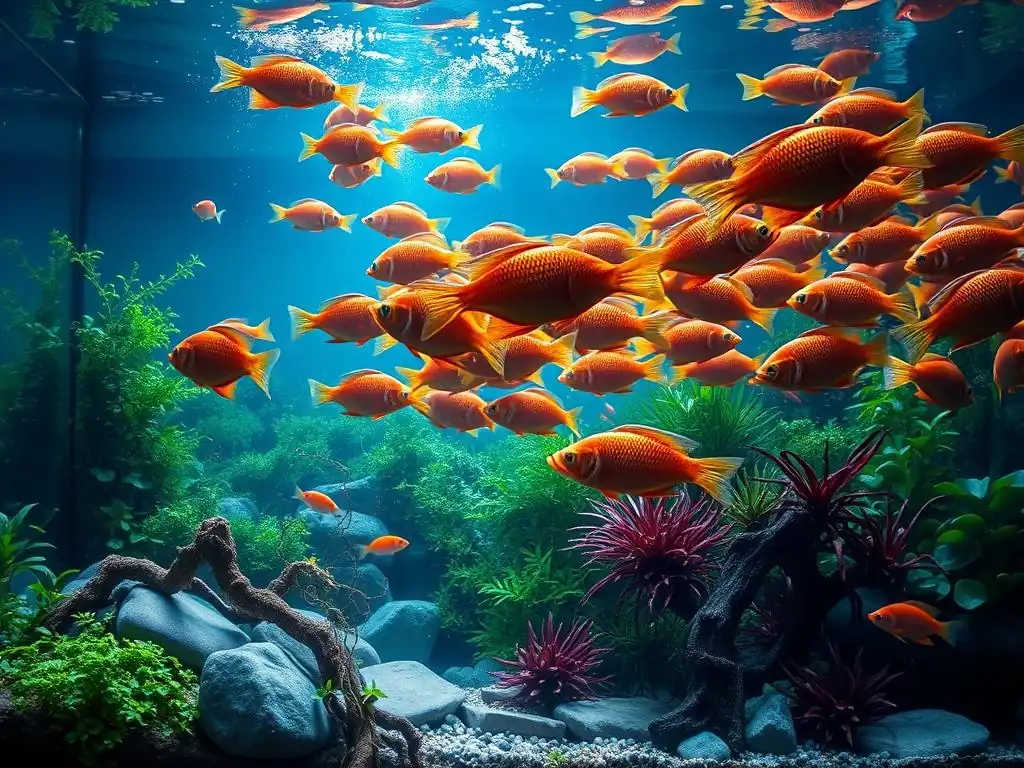
Ever wondered how to bring a touch of shimmering elegance and tireless activity to your freshwater aquarium? Dive in and discover everything you need to know in our comprehensive Bronze Corydoras care guide. Uncover the secrets to keeping these charming bottom-dwellers thriving, from ideal tank conditions to compatible tank mates. Ready to master the art of Corydoras care and unlock the full potential of these aquatic gems? Let's explore!
- Introduction to the Bronze Corydoras: A Beginner-Friendly Favorite
- Understanding Bronze Corydoras Care: Essential Guidelines
- Bronze Corydoras Diet and Feeding Habits: Ensuring Proper Nutrition
- Bronze Corydoras Appearance and Identification: Distinguishing Features
- Bronze Corydoras Behavior and Compatibility: Creating a Harmonious Community Tank
- Breeding Bronze Corydoras: A Step-by-Step Guide
- Common Health Issues in Bronze Corydoras: Prevention and Treatment
- Bronze Corydoras vs. Other Corydoras Species: A Detailed Comparison
- The Benefits of Keeping Bronze Corydoras: More Than Just a Bottom Feeder
- Purchasing Bronze Corydoras: Selecting Healthy Specimens
- Conclusion: Why the Bronze Corydoras Remains a Top Choice for Aquarists
- Frequently Asked Questions
- Final Reflection: The Enduring Appeal of Simplicity
- Dive Deeper into the Corydoras Craze!
Introduction to the Bronze Corydoras: A Beginner-Friendly Favorite
Why the Bronze Corydoras Remains a Popular Choice for Aquariums
The Bronze Corydoras, scientifically known as Corydoras aeneus, has consistently ranked among the most beloved and widely kept freshwater aquarium fish for decades. Its enduring popularity stems from a combination of factors, including its exceptional hardiness, peaceful demeanor, and active, engaging bottom-dwelling behavior. These robust little catfish are incredibly adaptable to a range of water conditions, making them an ideal choice for novice aquarists seeking a low-maintenance yet rewarding addition to their community tank.
Beyond their resilience, Bronze Corydoras are also highly valued for their role as natural tank cleaners. They diligently sift through the substrate, consuming uneaten food particles and detritus that might otherwise accumulate and degrade water quality. This natural foraging behavior not only keeps the tank floor tidy but also prevents the formation of harmful anaerobic pockets in the substrate, contributing significantly to the overall health and stability of the aquarium ecosystem.
Brief Overview of Corydoras aeneus Characteristics and Temperament
Corydoras aeneus typically exhibits an iridescent olive-green to bronze coloration, often with a metallic sheen that becomes more pronounced under specific lighting conditions. They possess distinctive barbels around their mouth, which are crucial sensory organs used for foraging in the substrate. Unlike many fish, their bodies are covered in overlapping bony plates rather than scales, providing a degree of protection. Adults usually reach a size of about 2.5 to 3 inches (6 to 7.5 cm) in length, with females generally being slightly larger and rounder than males.
In terms of temperament, Bronze Corydoras are renowned for their peaceful and social nature. They are schooling fish and thrive when kept in groups of at least six individuals, displaying more confident and natural behaviors in larger numbers. They are active during the day, constantly exploring the tank bottom, and occasionally darting to the surface for a quick gulp of atmospheric air, a natural behavior for Corydoras species. Their non-aggressive disposition makes them excellent tank mates for a wide variety of other peaceful community fish.
Understanding Bronze Corydoras Care: Essential Guidelines
Optimal Tank Setup for Bronze Corydoras: Creating a Suitable Habitat
Providing an appropriate habitat is fundamental to successful Bronze Corydoras care. For a small school of 6-8 individuals, a minimum tank size of 15-20 gallons (approximately 57-76 liters) is recommended. While they are small fish, they are active bottom dwellers and require ample floor space for foraging and schooling. Filtration should be efficient but gentle; sponge filters or hang-on-back filters with baffled outputs are excellent choices to avoid strong currents that can stress these fish.
The interior of the tank should be designed to offer both open foraging areas and plenty of hiding spots. Smooth rocks, driftwood, and live or silk plants are ideal decorations. Plants such as Anubias, Java Fern, or Cryptocoryne provide shade and cover, mimicking their natural environment. Dimmer lighting is often preferred, as overly bright conditions can make them shy. Ensuring a well-planted and decorated environment contributes significantly to their overall well-being and encourages their natural behaviors.
Ideal Water Parameters for Thriving Bronze Corydoras: Temperature, pH, and Hardness
Maintaining stable and appropriate water parameters is crucial for the long-term health of Bronze Corydoras. They thrive in tropical freshwater conditions with a temperature range of 72-79°F (22-26°C). Consistent temperature is more important than hitting an exact number, as sudden fluctuations can cause stress and weaken their immune system. The ideal pH range for Corydoras aeneus is slightly acidic to neutral, typically between 6.0 and 7.5.
Regarding water hardness, Bronze Corydoras prefer soft to medium-hard water, generally within the range of 2-15 dGH (degrees of General Hardness). While they are quite adaptable, extreme hardness or softness can be detrimental. Regular water changes are paramount for optimal Bronze Corydoras care guide adherence; a weekly 20-30% water change helps maintain low nitrate levels (ideally below 20 ppm) and replenish essential minerals, preventing the buildup of harmful toxins.
Selecting the Right Substrate for Corydoras: Protecting Their Barbels
The choice of substrate is one of the most critical aspects of setting up a tank for Bronze Corydoras due to their delicate barbels. The ideal substrate is fine, soft sand, such as play sand, pool filter sand, or specialized aquarium sand. This allows them to sift through it safely, using their barbels to search for food particles, a behavior that is natural and essential for their well-being. Sand prevents injury and allows for proper foraging, which is a key part of their diet.
Conversely, sharp or coarse gravel should be strictly avoided. While some rounded, smooth gravel might be tolerated, it carries a significant risk. Rough edges can easily damage their sensitive barbels, leading to infections, erosion (commonly known as "barbel rot"), and ultimately, difficulty in feeding. Barbel rot is a common ailment in Corydoras kept on unsuitable substrates and can be challenging to treat, underscoring the importance of selecting a fine, smooth substrate for effective Bronze Corydoras care.
The Importance of Tank Mates for Peaceful Coexistence
Bronze Corydoras are exceptionally peaceful fish, making them excellent candidates for a community aquarium. However, their timid nature means that careful consideration must be given to their tank mates. Compatible species should be equally peaceful, non-aggressive, and ideally, occupy the middle or upper levels of the water column, leaving the bottom free for the Corydoras to explore. Good choices include small to medium-sized tetras (e.g., Neon Tetras, Cardinal Tetras, Ember Tetras), Rasboras (Harlequin Rasboras, Chili Rasboras), Guppies, Mollies (non-aggressive varieties), and Otocinclus catfish.
It is imperative to avoid housing Bronze Corydoras with aggressive, fin-nipping, or predatory fish. Species like certain Cichlids (unless peaceful dwarf varieties), large Barbs (e.g., Tiger Barbs known for fin-nipping), or larger Gouramis can stress or injure them. Stressed Corydoras are more susceptible to disease and may become withdrawn. Always research potential tank mates thoroughly to ensure they are compatible with the peaceful and bottom-dwelling nature of Corydoras aeneus for a harmonious environment.
Bronze Corydoras Diet and Feeding Habits: Ensuring Proper Nutrition
What Do Bronze Corydoras Eat? A Comprehensive Diet Guide
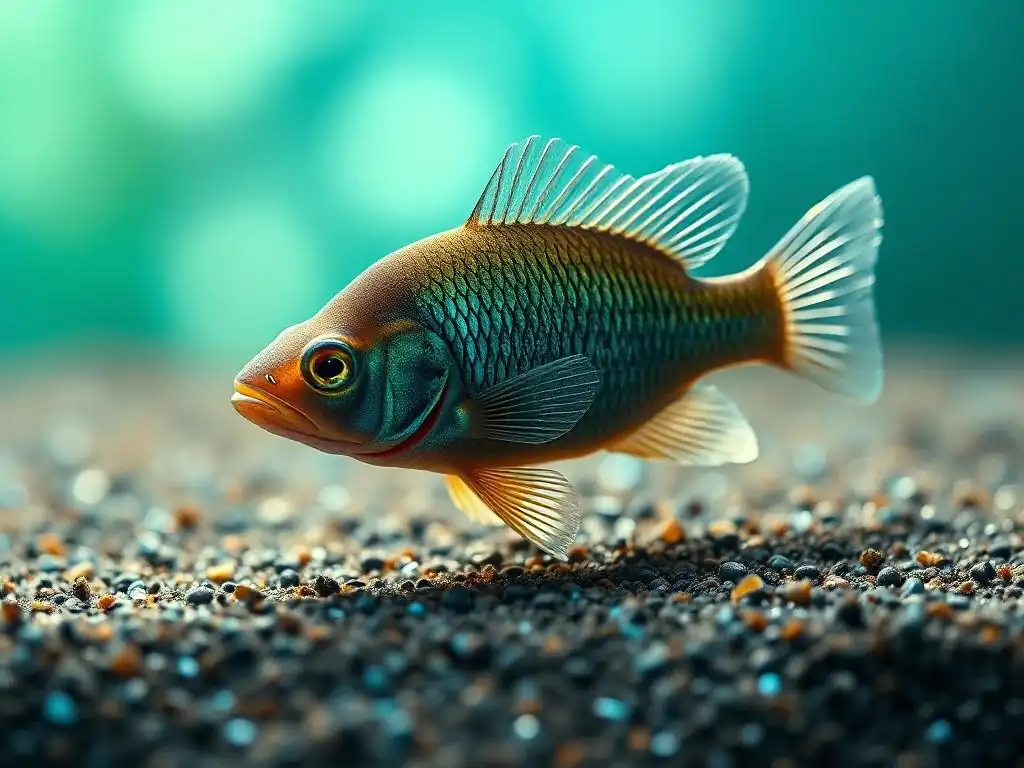
Bronze Corydoras are omnivorous bottom feeders, and a balanced diet is essential for their health and vibrant coloration. Their primary diet should consist of high-quality sinking pellets or wafers specifically formulated for bottom-dwelling fish. These foods are designed to sink quickly, ensuring they reach the substrate where Corydoras can access them before other mid-water fish consume everything. It's important to choose products that provide a good balance of protein, plant matter, and essential vitamins.
While sinking pellets form the staple, a varied diet is key to their long-term well-being. Supplement their diet with small, crushed flakes, spirulina wafers, and occasional blanched vegetables like zucchini or cucumber. Ensure that any food offered is small enough for them to easily consume. Observation is critical; if food is consistently left uneaten, it indicates overfeeding, which can quickly degrade water quality.
Recommended Feeding Schedule and Portion Sizes
For optimal Bronze Corydoras care, feeding them once or twice daily is generally sufficient. The key is to provide a portion size that they can completely consume within 2-3 minutes. Overfeeding is a common mistake in aquarium keeping and can lead to serious water quality issues, including spikes in ammonia and nitrite, which are highly toxic to fish. Since Corydoras are often competing with faster-moving fish for food, it's wise to drop food near their preferred foraging areas or after the main lights have dimmed for the evening.
When introducing food, observe how quickly it is eaten. If there's still food visible on the substrate after 5 minutes, you're likely feeding too much. Adjust the portion size accordingly. In a tank with multiple bottom-dwelling species, ensure that enough food reaches the bottom for all residents to get their share. A consistent feeding schedule also helps establish a routine for the fish and allows for easier monitoring of their appetite, which is a good indicator of their health.
Supplementing Their Diet: Live and Frozen Foods for Variety
To truly enhance the health, color, and natural behavior of your Bronze Corydoras, supplementing their staple diet with live or frozen foods is highly recommended. These provide essential proteins and fats that might be lacking in dry foods, and the act of hunting live food encourages natural foraging instincts. Excellent options include bloodworms, brine shrimp, daphnia, and tubifex worms. Frozen varieties are widely available and are a convenient, safe choice, provided they are thawed before feeding.
Offer live or frozen foods 2-3 times per week as a treat. For frozen foods, thaw a small portion in a separate container with a bit of tank water before adding it to the aquarium; never add frozen food directly, as it can cause internal issues. If using live foods, ensure they come from a reputable, disease-free source to avoid introducing pathogens into your tank. This dietary enrichment is a vital component of a comprehensive Bronze Corydoras care guide, promoting vitality and longevity.
Bronze Corydoras Appearance and Identification: Distinguishing Features
Identifying Different Color Variations of Corydoras aeneus
The standard Bronze Corydoras, Corydoras aeneus, is characterized by its iridescent olive-green to brownish body, often with a distinct metallic bronze or copper sheen, particularly along its flanks. Their bellies are typically lighter, ranging from white to a pale pinkish hue. This classic coloration is what gives them their common name. However, selective breeding in the aquarium hobby has led to several popular color variations, all of which are still Corydoras aeneus genetically.
The most widely recognized variation is the Albino Bronze Corydoras, which lacks pigment entirely, resulting in a pinkish-white body and characteristic red eyes. Other variations include the "Green Corydoras," which displays a more pronounced greenish-gold iridescence, and less common melanistic or "Black Corydoras" forms that are much darker overall. Despite these visual differences, their body shape, size, and care requirements remain identical to the standard bronze form, making Bronze Corydoras care consistent across all these variations.
Size and Lifespan of Bronze Corydoras in Captivity
Bronze Corydoras are relatively small fish, typically reaching an adult length of about 2.5 to 3 inches (approximately 6 to 7.5 centimeters). Females tend to be slightly larger and noticeably plumper, especially when gravid, compared to the leaner males. They grow at a moderate pace, usually reaching their full adult size within 6-12 months given optimal conditions and nutrition. Their compact size makes them suitable for a wide range of aquarium setups, from smaller community tanks to larger planted displays.
With proper Bronze Corydoras care, including stable water parameters, a balanced diet, suitable substrate, and peaceful tank mates, these hardy catfish can enjoy a remarkably long lifespan in captivity. It is not uncommon for Bronze Corydoras to live for 5-7 years, and in exceptionally well-maintained aquariums with pristine conditions, some individuals have been known to live for up to 10 years. This impressive longevity makes them a truly rewarding and long-term addition to any freshwater aquarium.
Comparing Bronze Corydoras to Other Corydoras Species
The genus Corydoras is vast, encompassing over 160 described species, with many more awaiting scientific classification. While Bronze Corydoras share many general characteristics with their cousins, such as their armored bodies, barbels, and bottom-dwelling habits, they stand out due to their robust nature and widespread availability. Compared to many other Corydoras species, C. aeneus is often considered one of the hardiest and most adaptable, making it an excellent baseline for understanding Corydoras care.
Many other Corydoras species, such as the Panda Corydoras ( C. panda), Peppered Corydoras ( C. paleatus), or Pygmy Corydoras ( C. pygmaeus), have unique patterns or slightly different size ranges. For instance, Pygmy Corydoras are much smaller (around 1 inch) and better suited for nano tanks, while some rarer species might have more specific temperature or pH requirements. However, the fundamental principles of Bronze Corydoras care guide – emphasizing a soft substrate, clean water, and schooling behavior – apply broadly across the genus, making the Bronze Corydoras a perfect species to begin with before exploring the wider diversity.
Bronze Corydoras Behavior and Compatibility: Creating a Harmonious Community Tank
Bronze Corydoras are highly social and gregarious fish, exhibiting strong schooling behaviors. They thrive and display their most natural and confident personalities when kept in groups. A minimum school size of at least six individuals is strongly recommended, and ideally, a group of 10 or more will allow them to feel secure and exhibit their fascinating collective behaviors. When kept in insufficient numbers, they can become stressed, shy, and withdrawn, often hiding more frequently and showing reduced activity.
Within a healthy school, you'll observe them constantly foraging together, sifting through the substrate in unison, and occasionally resting in a pile or scattered across a broad leaf. This collective behavior is not just for show; it's a fundamental part of their survival strategy in the wild, offering protection and enhancing their foraging efficiency. Providing a large enough school is a cornerstone of responsible Bronze Corydoras care, contributing significantly to their mental and physical well-being.
Compatible Tank Mates for Bronze Corydoras: Avoiding Aggressive Species
Due to their peaceful and non-aggressive nature, Bronze Corydoras are ideal inhabitants for most community aquariums. When selecting tank mates, prioritize fish that share a similar calm temperament and do not occupy the same bottom-dwelling niche, which would lead to competition for food. Excellent companions include a wide array of small to medium-sized, peaceful mid-water and top-water fish. Popular choices are various species of Tetras (e.g., Neon, Cardinal, Rummy-nose), Rasboras (e.g., Harlequin, Chili), small Danios, Guppies, Platies, and peaceful dwarf cichlids like Apistogramma (ensure research on specific species).
Conversely, it is crucial to avoid any fish known for aggression, fin-nipping, or predatory behavior. Large, boisterous, or territorial cichlids, aggressive barbs (like Tiger Barbs), and larger Gouramis can stress or injure Bronze Corydoras. Any fish large enough to potentially swallow a Corydoras should also be avoided. Ensuring compatible tank mates is a vital part of the Bronze Corydoras care guide, preventing undue stress and promoting a thriving, harmonious aquatic environment.
Observing Bronze Corydoras Behavior: Signs of Health and Stress
Regularly observing your Bronze Corydoras' behavior is key to identifying potential health issues early. Healthy Corydoras are active bottom-dwellers, constantly sifting the substrate with their barbels, foraging for food. They will often school together, moving in unison, and occasionally dart to the surface for a quick gulp of air before returning to the bottom. Their fins should be erect and undamaged, their eyes clear, and their barbels intact and free of redness or erosion.
Signs of stress or illness in Bronze Corydoras include lethargy, hiding excessively, rapid or labored breathing, clamped fins, loss of appetite, or swimming erratically. Physical symptoms might include white spots (Ich), cottony growths (fungus), frayed fins (fin rot), or red patches on the body. Barbel erosion or redness is a classic sign of poor substrate or water quality. Prompt identification of these signs allows for quicker intervention, which is essential for effective Bronze Corydoras care and improving chances of recovery.
Breeding Bronze Corydoras: A Step-by-Step Guide
Setting Up a Breeding Tank for Corydoras
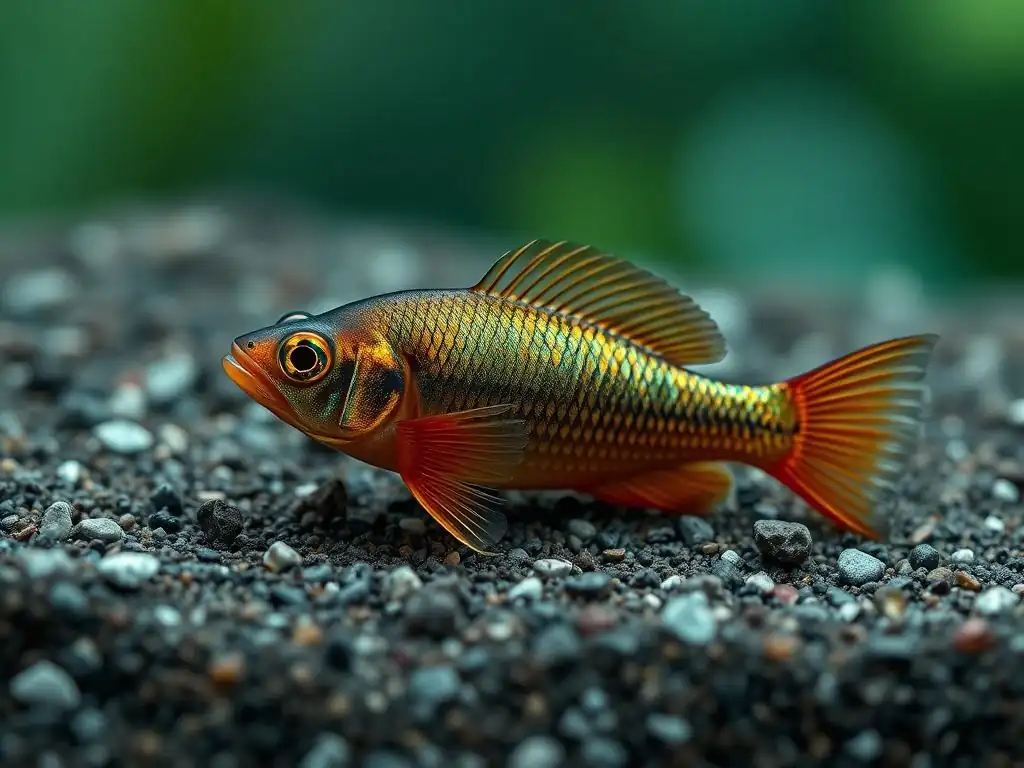
Breeding Bronze Corydoras can be a rewarding experience for dedicated aquarists, and it is best achieved in a separate breeding tank. A 5-10 gallon (approximately 19-38 liter) aquarium is usually sufficient for a small breeding group (e.g., 2 males to 1 female). The breeding tank should be equipped with a gentle sponge filter to prevent fry from being sucked in, a heater to maintain stable temperatures, and smooth surfaces for egg deposition. Ideal egg-laying sites include broad-leaf plants (like Anubias), smooth rocks, spawning mops made from yarn, or even PVC pipes.
Water parameters in the breeding tank should be slightly softer and more acidic than typical community tank conditions, often achieved by using reverse osmosis (RO) water mixed with tap water or by filtering through peat. A pH of around 6.5-7.0 and a dGH of 2-8 are generally suitable. Maintain the temperature slightly cooler than the main tank, around 70-72°F (21-22°C), as a slight temperature drop can help trigger spawning.
Triggering Spawning in Bronze Corydoras
Triggering spawning in Bronze Corydoras often involves mimicking environmental cues that signal the onset of the rainy season in their natural South American habitats. The most effective method is performing large, cool water changes. A daily or every-other-day water change of 50% or more, using water that is 5-10°F (3-6°C) cooler than the tank water, can stimulate spawning. This simulates the influx of cooler, fresh rainwater.
Prior to attempting to trigger spawning, condition the breeding group for about a week with a high-protein diet consisting of plenty of live or frozen foods such as bloodworms, brine shrimp, and daphnia. Spawning typically occurs in the morning. Males will actively chase the female, often displaying the characteristic "T-position" where the male clasps the female's barbels with his pectoral fin.
The female will then release a small number of eggs, which she carries in a pouch formed by her pelvic fins, before depositing them on a chosen surface. A single female can lay anywhere from 100 to 300 eggs per spawn.
Caring for Corydoras Eggs and Fry: Ensuring Survival
Once the Bronze Corydoras have spawned, it is crucial to remove the adult fish from the breeding tank to prevent them from consuming the eggs. The eggs, which are typically adhesive and translucent, will hatch within 3-5 days at a temperature of approximately 75°F (24°C). To prevent fungal growth on the eggs, which is a common issue, a mild methylene blue dip can be used, or a small piece of Indian almond leaf can be added to the water.
Upon hatching, the fry are tiny and will initially feed on their yolk sacs for the first 2-3 days. Once the yolk sac is absorbed, they require extremely small food sources. Infusoria is an ideal first food, followed by newly hatched brine shrimp or micro-worms for the next few weeks.
As they grow, finely crushed flake food or powdered sinking pellets can be introduced. Maintaining pristine water quality is paramount for fry survival; perform small, daily water changes (e.g., 10%) to keep nitrate levels low and prevent disease. This diligent fry care is a critical part of the comprehensive Bronze Corydoras care guide for successful breeding.
Common Health Issues in Bronze Corydoras: Prevention and Treatment
Recognizing Symptoms of Common Diseases Affecting Corydoras
Like all aquarium fish, Bronze Corydoras can be susceptible to various diseases, especially if water quality is poor or they are stressed. Recognizing symptoms early is vital for effective treatment. Common diseases include Ich (Ichthyophthirius multifiliis), characterized by small white spots resembling salt grains on the body and fins. Fin rot, a bacterial infection, presents as frayed, discolored, or disintegrating fins. Barbel erosion or "barbel rot" is a specific issue for Corydoras, often caused by rough substrate or poor water conditions, leading to redness, inflammation, and eventual loss of barbels.
Other potential issues include fungal infections, appearing as cotton-like growths on the body or fins, and internal parasites, which might manifest as emaciation despite a good appetite, or unusual stringy feces. Observing lethargy, clamped fins, labored breathing, or excessive hiding are general indicators of distress. Prompt identification of these symptoms is the first step in addressing health concerns within your Bronze Corydoras care guide.
Treating Bacterial and Fungal Infections in Bronze Corydoras
When a bacterial or fungal infection is suspected, it is often best to move the affected Bronze Corydoras to a separate hospital tank to prevent the spread of disease and to allow for more targeted treatment. Bacterial infections, such as fin rot or barbel rot, typically respond to broad-spectrum antibiotic medications available at pet stores, such as Furan-2, Maracyn, or similar products. Always follow the manufacturer's instructions for dosage and duration. Improving water quality drastically (e.g., daily 25% water changes) is also crucial, especially for barbel rot, as it often stems from poor environmental conditions.
Fungal infections, which appear as white, fuzzy patches, can be treated with antifungal medications like Maroxy or by administering daily salt baths (1 teaspoon of aquarium salt per gallon for short durations, e.g., 15-30 minutes). Ensure the salt dissolves fully before adding the fish. Some medications can be harsh on scaleless fish like Corydoras, so it's wise to start with a half dose and observe their reaction, increasing if tolerated and necessary. Always remove carbon filtration during medication.
Preventing Parasitic Infestations: Maintaining Water Quality
Prevention is undoubtedly the best approach to Bronze Corydoras care when it comes to parasitic infestations. The most effective preventative measure is a strict quarantine protocol for all new fish. Isolate new arrivals in a separate tank for 2-4 weeks, observing them for any signs of disease before introducing them to your main aquarium. This significantly reduces the risk of introducing parasites like Ich or velvet.
Maintaining consistently excellent water quality is paramount. Regular weekly water changes (20-30%) remove accumulated nitrates and other toxins, reducing stress on the fish. Avoid overfeeding, as uneaten food quickly breaks down and fouls the water. Use a gravel vacuum during water changes to thoroughly clean the substrate, removing detritus where parasites can thrive. A stable environment with appropriate water parameters and minimal stress greatly enhances the fish's natural immune response, making them far less susceptible to parasitic outbreaks.
Bronze Corydoras vs. Other Corydoras Species: A Detailed Comparison
Bronze Corydoras vs. Peppered Corydoras: Key Differences
The Bronze Corydoras ( Corydoras aeneus) and the Peppered Corydoras ( Corydoras paleatus) are two of the most popular and readily available species in the aquarium hobby, often confused due to their similar care requirements. The primary distinguishing feature lies in their coloration and patterning. The Bronze Corydoras typically exhibits a more uniform, iridescent olive-green to metallic bronze body, sometimes with a subtle darker stripe along the lateral line. Its appearance is generally more solid and reflective.
In contrast, the Peppered Corydoras is characterized by a mottled or "peppered" pattern of dark spots and blotches over a lighter, often grayish or brownish body. This distinct spotting gives it its common name. Both species reach similar adult sizes, generally between 2.5 to 3 inches (6-7.5 cm), and share the same peaceful temperament and hardiness. Their Bronze Corydoras care guide principles are virtually identical, making either an excellent choice for a community tank.
Bronze Corydoras vs. Albino Corydoras: Appearance and Care
The Albino Corydoras is not a separate species but rather a color morph of the Bronze Corydoras ( Corydoras aeneus). This means that, genetically, they are the same fish, but the albino variety lacks melanin (pigment), resulting in its distinctive appearance. Albino Corydoras have a pinkish-white body and characteristic red eyes, which are due to the blood vessels being visible through the unpigmented iris. This striking contrast makes them easily identifiable.
Because they are the same species, the Bronze Corydoras care guide applies identically to Albino Corydoras. They share the same optimal tank parameters, diet, social needs, and temperament. Their hardiness and ease of care are equivalent to their pigmented counterparts. Any differences in behavior or health are typically attributed to individual variation or environmental factors rather than their albino genetics.
Choosing the Right Corydoras Species for Your Aquarium
When selecting a Corydoras species for your aquarium, several factors should be considered, including your tank size, existing tank mates, and personal aesthetic preferences. The Bronze Corydoras ( C. aeneus) stands out as an exceptionally versatile and hardy choice, making it ideal for beginners and a reliable staple for almost any freshwater community tank of 15 gallons or more. Its adaptability to a range of water parameters and robust nature contribute to its widespread recommendation.
For those with smaller tanks (e.g., 5-10 gallons), Pygmy Corydoras ( C. pygmaeus) or Dwarf Corydoras ( C. hastatus) might be more suitable due to their diminutive size (around 1 inch). If a unique pattern is desired, species like Panda Corydoras ( C. panda) with their distinct black patches or Skunk Corydoras ( C. arcuatus) with a prominent black stripe could be considered. While the core principles of Bronze Corydoras care apply to most species, always research specific requirements for less common varieties to ensure optimal health and longevity.
The Benefits of Keeping Bronze Corydoras: More Than Just a Bottom Feeder
Bronze Corydoras as Algae Eaters and Detritus Cleaners
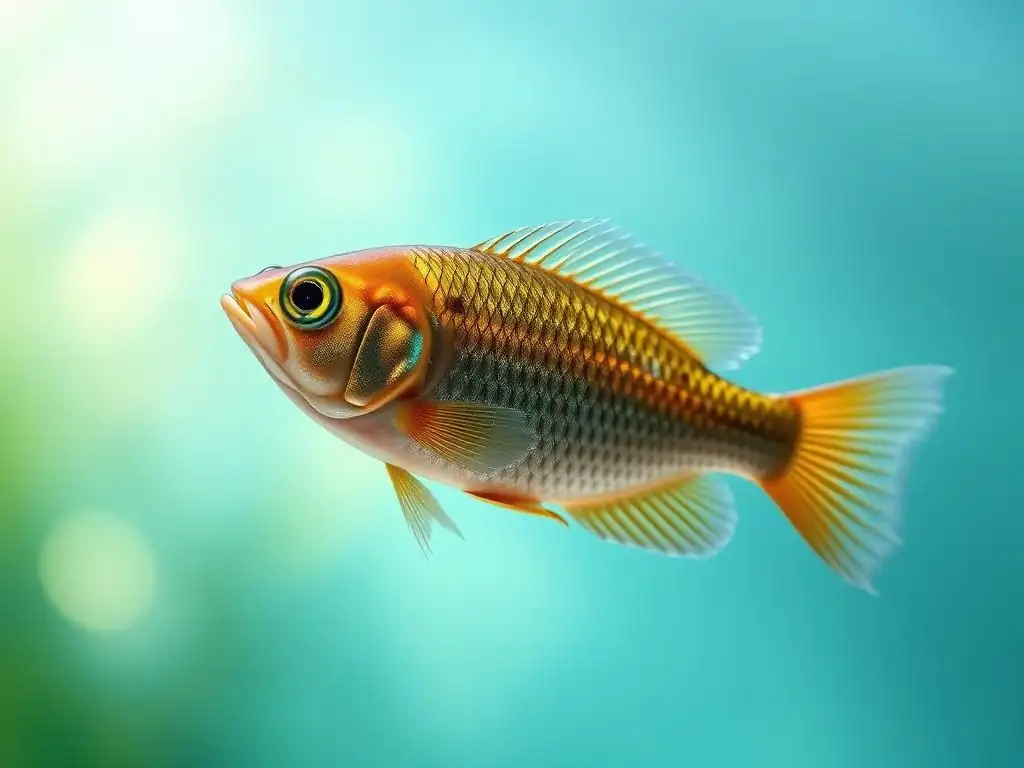
While Bronze Corydoras are not primary algae eaters in the same vein as Otocinclus catfish or Plecos, they do contribute to tank cleanliness in several important ways. They are diligent scavengers, constantly sifting through the substrate with their barbels in search of food. In doing so, they consume small amounts of algae that settle on the substrate and, more significantly, they are excellent at cleaning up uneaten food particles and organic detritus that accumulate on the tank bottom. This active foraging helps prevent the buildup of decaying matter.
It is important to clarify that they should not be relied upon as the sole solution for algae control or tank cleaning. Their role is complementary; they assist in maintaining overall tank hygiene by consuming leftover food that might otherwise decompose and foul the water. Regular water changes and proper feeding practices remain essential components of a comprehensive Bronze Corydoras care guide to prevent excessive detritus and algae growth.
The Educational Value of Observing Bronze Corydoras Behavior
Keeping Bronze Corydoras offers significant educational value for aquarists of all ages. Their active and social behavior provides a fascinating glimpse into the lives of schooling fish. Observing them forage in groups, dart to the surface for air, or even engage in breeding rituals can teach about fish biology, social structures, and adaptations to their environment. For children, they provide an engaging entry point into understanding responsible pet ownership and the basics of aquatic ecosystems.
Their reliance on specific substrate types (sand) highlights the importance of species-specific habitat requirements. Witnessing their diligent clean-up efforts can also illustrate the concept of a balanced ecosystem and the role of different organisms within it. The relative ease of Bronze Corydoras care makes them accessible for educational settings, allowing for hands-on learning about water chemistry, filtration, and fish health in a practical context.
Contributing to Aquarium Ecosystem Health with Bronze Corydoras
Bronze Corydoras are valuable contributors to the overall health and stability of an aquarium ecosystem. Their constant sifting of the substrate helps to aerate the bottom layer, preventing the formation of anaerobic pockets. These pockets can otherwise release toxic gases, such as hydrogen sulfide, which are harmful to fish and other aquatic life. By keeping the substrate stirred, Corydoras promote a healthier environment for beneficial bacteria that colonize the substrate.
Furthermore, by consuming leftover food and decaying plant matter, they reduce the organic load in the tank. This directly translates to less ammonia and nitrite production, easing the burden on the biological filter and contributing to more stable water parameters. Their role as natural "clean-up crew" members, combined with their peaceful nature, makes them an invaluable asset to any freshwater community aquarium, enhancing its ecological balance and resilience, which is a key aspect of effective Bronze Corydoras care.
Purchasing Bronze Corydoras: Selecting Healthy Specimens
Where to Buy Bronze Corydoras: Reputable Sources
When purchasing Bronze Corydoras, opting for reputable sources is crucial to ensure you acquire healthy, disease-free specimens. Local fish stores (LFS) are often a convenient option. Look for stores with clean, well-maintained tanks, active and alert fish, and knowledgeable staff who can answer your questions about Bronze Corydoras care. A good LFS will also have a quarantine process for new arrivals.
Online retailers specializing in live fish are another viable option, especially if your local selection is limited. When buying online, choose companies with strong positive reviews, clear shipping policies, and a live arrival guarantee. Avoid purchasing from sources where fish appear lethargic, diseased, or are kept in overcrowded or dirty conditions, as this significantly increases the risk of introducing pathogens into your home aquarium. Community forums and local aquarium clubs can also be excellent resources for finding reputable breeders.
Identifying Healthy Bronze Corydoras Before Purchase
Before making a purchase, take the time to carefully observe the Bronze Corydoras in the tank. Healthy specimens should be active and alert, constantly foraging on the bottom or swimming around. Look for fish with clear eyes, full and undamaged fins (not clamped, torn, or frayed), and intact barbels free of redness, erosion, or nubs. Their bodies should appear full, not emaciated or sunken, and their coloration should be vibrant and even.
Avoid any fish that are lethargic, sitting motionless for extended periods, gasping at the surface, or exhibiting unusual swimming patterns. Also, steer clear of tanks containing dead or visibly sick fish (e.g., those with white spots, fuzzy growths, or open sores), as diseases can spread rapidly within a shared water system. A healthy Bronze Corydoras should be curious and engaged with its environment, a key indicator of its overall well-being.
Acclimating New Bronze Corydoras to Your Aquarium
Proper acclimation is a critical step in introducing new Bronze Corydoras to your aquarium, minimizing stress and preventing shock from sudden changes in water parameters. The drip acclimation method is highly recommended due to their sensitivity. This involves slowly introducing your aquarium's water into the bag containing the new fish over a period of 30-60 minutes, allowing them to gradually adjust to the new temperature, pH, and hardness.
Before starting acclimation, turn off your aquarium lights to reduce stress on both the new and existing fish. Once the acclimation process is complete, gently net the new Bronze Corydoras into your tank, discarding the water from the transport bag to avoid introducing any potentially harmful substances. Avoid feeding them immediately after introduction; allow them a few hours to settle into their new environment. Observe them closely over the next few days for any signs of stress or illness, and continue to provide optimal Bronze Corydoras care.
Conclusion: Why the Bronze Corydoras Remains a Top Choice for Aquarists
The Bronze Corydoras ( Corydoras aeneus) stands as a testament to enduring popularity in the aquarium hobby, consistently proving its worth as a reliable and charming inhabitant for freshwater community tanks. Its remarkable hardiness, peaceful disposition, and active, engaging bottom-dwelling behavior make it an ideal choice for aquarists of all experience levels, from beginners embarking on their first aquarium journey to seasoned enthusiasts seeking a dependable and beneficial addition.
From their diligent role as natural detritus cleaners and their fascinating schooling antics to their relatively long lifespan of 5-7 years with proper Bronze Corydoras care, these little catfish offer far more than just aesthetic appeal. They contribute significantly to the overall health and balance of the aquarium ecosystem, helping to maintain water quality and aerate the substrate.
Their adaptability to various tank conditions, coupled with their gentle nature, ensures they integrate seamlessly into most community setups. For anyone seeking a robust, interactive, and low-maintenance fish that truly enhances the aquatic environment, the Bronze Corydoras remains an undisputed timeless classic and a top recommendation in any comprehensive Bronze Corydoras care guide.
Frequently Asked Questions
What are the ideal tank conditions for Bronze Corydoras?
Bronze Corydoras thrive in a well-established aquarium with a soft, sandy substrate. The ideal temperature ranges from 72°F to 78°F, and the pH should be between 6.0 and 7.0.
What is the best diet for Bronze Corydoras?
They are omnivores and benefit from a varied diet. Offer them sinking pellets or wafers, along with live or frozen foods like bloodworms and brine shrimp.
How many Bronze Corydoras should I keep together?
Bronze Corydoras are social creatures and should be kept in groups of at least six. This helps them feel secure and display their natural schooling behavior.
What are some common health problems that affect Bronze Corydoras?
They can be susceptible to bacterial infections and fungal diseases, often caused by poor water quality. Maintaining a clean tank and performing regular water changes is crucial for their health.
Are Bronze Corydoras compatible with other fish species?
Yes, they are generally peaceful and compatible with a wide range of community fish. Avoid keeping them with aggressive or overly boisterous tank mates that may outcompete them for food or stress them out.
Final Reflection: The Enduring Appeal of Simplicity
The journey through the world of Corydoras aeneus reveals more than just a practical care guide; it unveils the enduring power of simplicity and resilience in the aquarium hobby. These little bronze armored catfish, often overlooked in favor of more flamboyant species, represent a fundamental connection to the natural world, reminding us that beauty and fascination can be found in the most unassuming of creatures. Their continued popularity speaks volumes about their adaptability and the joy they bring to aquarists of all levels.
The humble Bronze Corydoras has not only shaped the aquascaping landscape but also profoundly influenced how we perceive the responsibility of fishkeeping. Their hardiness and peaceful nature serve as a constant reminder of the delicate balance within our aquariums and the importance of providing a stable and nurturing environment. In the end, we will conserve only what we love; we will love only what we understand; and we will understand only what we are taught.
- Baba Dioum. This quote encapsulates the essence of appreciating these creatures, urging us to learn and understand their needs to foster a deeper connection and commitment to their well-being.
As you close this care guide, consider the lessons learned from the Bronze Corydoras. Let their resilience inspire you to create thriving aquatic ecosystems, and let their peaceful nature guide you in fostering a harmonious environment within your own life. Embrace the simplicity and beauty they represent, and remember that even the smallest of creatures can teach us profound lessons about patience, responsibility, and the interconnectedness of life.
Dive Deeper into the Corydoras Craze!
Thank you for exploring the fascinating world of Bronze Corydoras with us! We hope you've gained a newfound appreciation for these charming bottom-dwellers and their role in a thriving aquarium. Now, it's time to take your passion to the next level!
Here are a few ways you can further your Corydoras journey:
- Set up a dedicated Corydoras habitat: This is the perfect opportunity to create an environment tailored to their needs, ensuring their health and happiness.
- Join our Aquarium Mastery community forums and share your experiences with Corydoras keeping.
- Surprise a friend with a gift certificate from Aquarium Mastery to help them start their own Corydoras adventure!
What unique Corydoras behavior have you observed in your aquarium, and what have you learned from it?