
Otocinclus Tank Mates: Gentle Companions for These Shy Algae Eaters

Welcome to Aquarium Mastery!
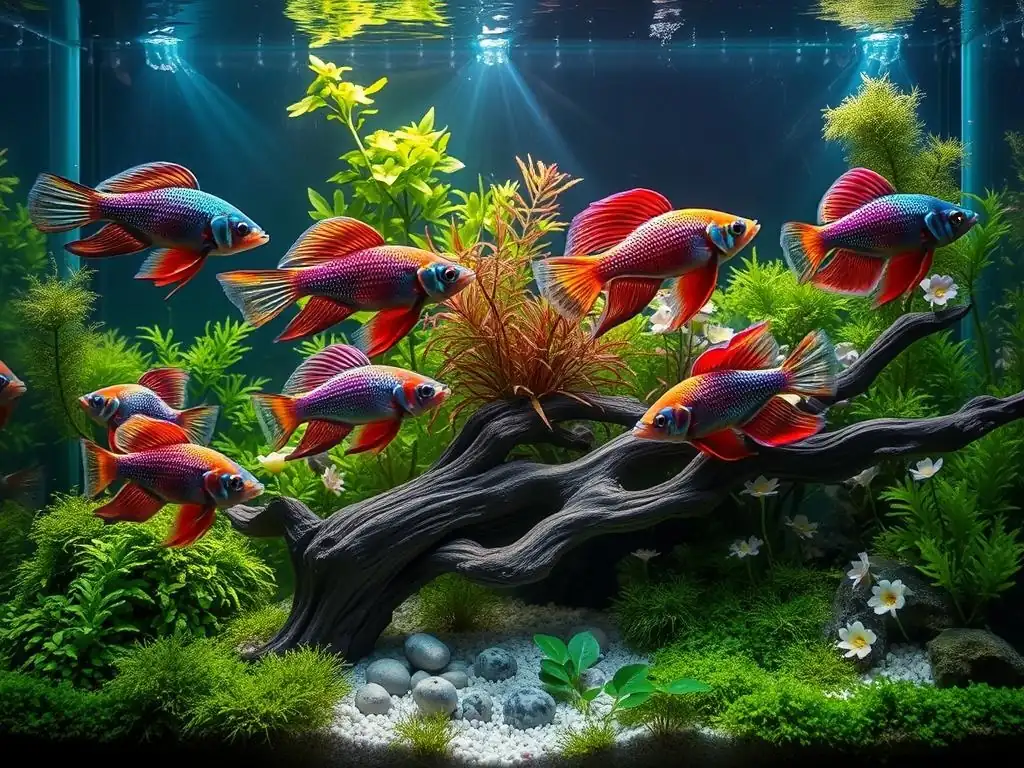
Ever wondered which tank mates are truly compatible with the shy and peaceful Otocinclus? Discover the secrets to creating a harmonious community aquarium for these algae-eating wonders. Dive in and unlock the guide to selecting the perfect Otocinclus fish compatible tank mates, ensuring a thriving and balanced ecosystem for your freshwater friends. Let's explore the best options together!
- Understanding Otocinclus Behavior and Tank Needs
- Choosing Compatible Tank Mates for Otocinclus
-
Top 10 Best Otocinclus Tank Mates
- 1. Small Tetras: Neon, Ember, and Cardinal Tetras
- 2. Rasboras: Harlequin and Chili Rasboras
- 3. Corydoras Catfish: Peaceful Bottom Dwellers
- 4. Cherry Shrimp: Algae Eaters and Colorful Additions
- 5. Nerite Snails: Another Algae Control Option
- 6. Mystery Snails: Larger Snails with Unique Personalities
- 7. Guppies: Livebearers with a Peaceful Temperament
- 8. Platies: Colorful and Easy-to-Care-For Fish
- 9. White Cloud Mountain Minnows: Coldwater Companions
- 10. Kuhli Loaches: Peaceful Bottom Dwellers (with caveats)
- Fish to Avoid as Otocinclus Tank Mates
- Setting Up a Thriving Otocinclus Community Tank
- Troubleshooting Common Otocinclus Tank Mate Issues
- Conclusion: Creating a Harmonious Aquarium with Otocinclus and Their Friends.
- Frequently Asked Questions
- Final Reflection: Cultivating Harmony in the Aquarium
- Unleash the Perfect Community: More Otos Await!
Understanding Otocinclus Behavior and Tank Needs
The Peaceful Nature of Otocinclus Catfish
Otocinclus catfish, often affectionately called "Otos," are renowned for their exceptionally peaceful and shy demeanor, making them excellent candidates for a community aquarium. These small, schooling fish typically reach an adult size of only 1.5 to 2 inches (approximately 3.8 to 5 cm), which contributes to their non-aggressive nature.
They spend most of their time diligently grazing on algae from aquarium surfaces, rarely interacting negatively with other tank inhabitants. Their timid disposition means they thrive in environments where they feel secure, often preferring to be part of a group of at least six individuals to exhibit natural schooling behaviors and reduce stress.
Due to their delicate and retiring nature, selecting appropriate Otocinclus fish compatible tank mates is paramount. They are easily intimidated by larger, boisterous, or aggressive species, which can lead to stress, reduced feeding, and ultimately, a shortened lifespan. A well-planned community tank for Otocinclus focuses on creating a calm and stable environment where these tiny algae eaters can flourish without fear of harassment or competition, highlighting the importance of gentle companions.
Ideal Otocinclus Tank Parameters: Water Quality and Temperature
Maintaining pristine and stable water conditions is critical for the health and longevity of Otocinclus catfish. They are sensitive to fluctuations in water chemistry and can be particularly vulnerable to high nitrates or sudden changes in pH. Ideal water parameters include a temperature range of 72-79°F (22-26°C), a pH between 6.0 and 7.5, and soft to moderately hard water, typically 2-15 dGH (degrees of General Hardness). Consistent weekly water changes of 20-30% are highly recommended to keep nitrate levels low and provide the oxygen-rich environment they prefer.
Beyond just the numbers, the stability of these parameters is more important than hitting exact values. Otocinclus are often wild-caught and can be delicate during acclimatization, requiring a mature tank with established biological filtration. Any Otocinclus fish compatible tank mates must also thrive within these same water parameters to ensure the well-being of the entire community, preventing stress on the Otos due to unsuitable conditions.
Tank Size Considerations for a Happy Otocinclus School
While Otocinclus are small fish, their schooling behavior and need for stable water conditions dictate a minimum tank size. For a healthy school of six to eight Otocinclus, a 10-gallon (approximately 38-liter) aquarium is generally considered the absolute minimum. However, a 20-gallon long (approximately 76-liter) tank or larger is often recommended as it provides more swimming space, greater water volume for stability, and more surface area for algae growth, which is their primary food source.
A larger tank also allows for the inclusion of a greater variety of Otocinclus fish compatible tank mates without overcrowding, which can lead to stress and aggression among inhabitants. It offers more opportunities for aquascaping with live plants and driftwood, which are essential for providing hiding spots and additional grazing surfaces for the Otos. Planning for adequate space ensures that all fish can establish their territories and move freely, contributing to a harmonious and thriving aquatic environment.
Choosing Compatible Tank Mates for Otocinclus
Key Considerations for Otocinclus Fish Compatible Tank Mates
When selecting Otocinclus fish compatible tank mates, several crucial factors must be taken into account to ensure the well-being and longevity of these delicate catfish. First and foremost is temperament: Otocinclus are incredibly peaceful and shy, so their companions must share this disposition. Aggressive, territorial, or overly boisterous fish can easily stress Otocinclus, leading to a decline in health and even death. The goal is to create a serene environment where Otos feel secure enough to graze openly.
Secondly, water parameter compatibility is essential. All tank inhabitants should thrive in similar temperature, pH, and hardness ranges to avoid stressing any species. Finally, size and feeding habits are vital considerations. Large fish, even if not explicitly aggressive, might view small Otocinclus as prey. Furthermore, tank mates should not be overly competitive for the limited algae and supplemental foods that Otocinclus rely on, ensuring these diligent cleaners receive adequate nutrition.
Avoiding Aggressive or Bullying Fish
The timid nature of Otocinclus makes them highly vulnerable to aggression or bullying from other fish. Species known for nipping fins, chasing, or establishing large territories are entirely unsuitable as Otocinclus fish compatible tank mates. Constant harassment can lead to chronic stress, which suppresses the Otocinclus' immune system, making them susceptible to diseases like ich or fungal infections. This stress also discourages them from feeding properly, further weakening them.
Examples of fish to avoid include many types of cichlids (e.g., Oscars, Jack Dempseys, even some larger dwarf cichlids if not carefully researched), larger barbs (like Tiger Barbs), and some larger gouramis. Even seemingly "peaceful" fish can become problematic if they are significantly larger and perceive the small Otocinclus as a threat or a meal. Observing the behavior of potential tank mates in a controlled environment, if possible, can provide valuable insight into their true temperament.
Preventing Competition for Food: Algae and Supplements
Otocinclus are primarily herbivorous, with their diet consisting predominantly of algae and biofilm that naturally grows on aquarium surfaces. While they are excellent at keeping glass and plant leaves clean, the amount of natural algae in a tank is often insufficient to sustain a school of Otos, especially in a clean, well-maintained aquarium. Therefore, supplemental feeding with algae wafers, spirulina tabs, and blanched vegetables like zucchini or cucumber is crucial.
When choosing Otocinclus fish compatible tank mates, it's vital to consider their feeding habits. Other prolific algae eaters, such as larger plecos or certain snails, can directly compete for the Otocinclus' primary food source. Similarly, fast-eating, opportunistic omnivores can quickly devour sinking foods before the shy Otos have a chance to feed. Ensuring adequate food for Otocinclus often requires feeding after lights out or target-feeding directly in their vicinity to minimize competition.
Top 10 Best Otocinclus Tank Mates
1. Small Tetras: Neon, Ember, and Cardinal Tetras
Why Tetras are Good Companions
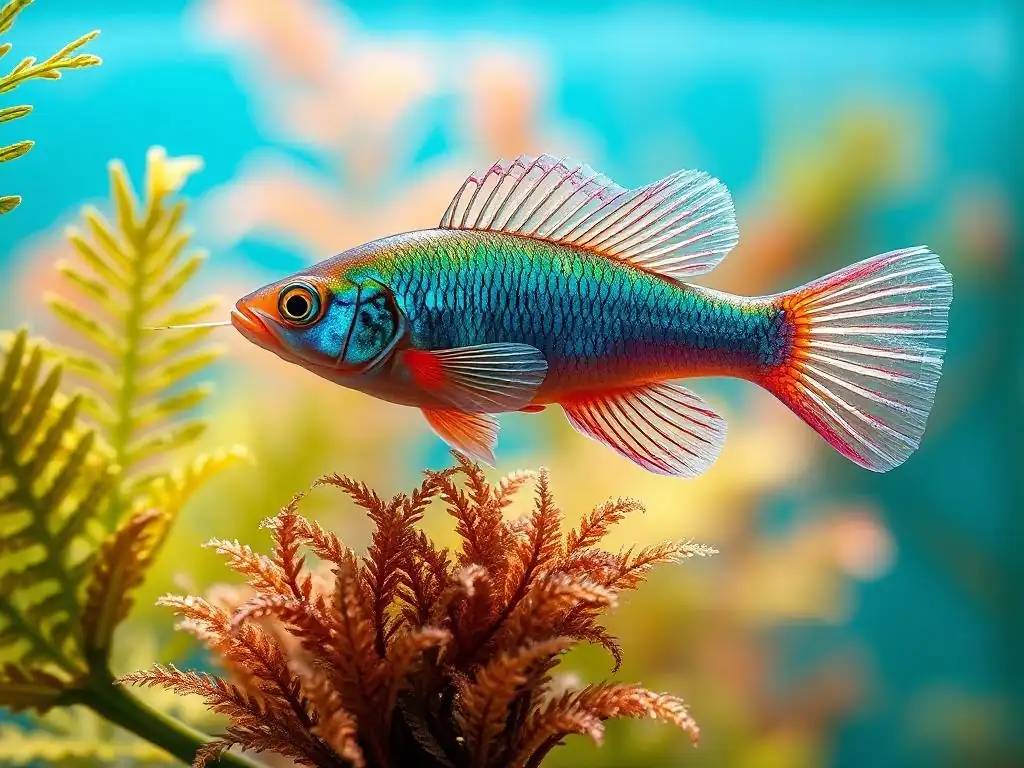
Small tetras like Neon Tetras ( Paracheirodon innesi), Ember Tetras ( Hyphessobrycon amandae), and Cardinal Tetras ( Paracheirodon axelrodi) are among the best Otocinclus fish compatible tank mates due to their peaceful nature and schooling behavior. These species typically occupy the mid-water column, leaving the bottom and surface areas clear for Otocinclus to graze without disturbance. Neon Tetras usually grow to about 1.5 inches, Ember Tetras are even smaller at under 1 inch, and Cardinal Tetras reach up to 2 inches, making them appropriately sized companions that pose no threat to the small Otos.
Their calm demeanor ensures they won't harass or stress the shy Otocinclus, allowing both species to thrive harmoniously. Furthermore, their vibrant colors add significant aesthetic appeal to the aquarium, creating a lively yet peaceful community. A school of 6-10 tetras can provide a sense of security for the Otocinclus, as the presence of other active, non-threatening fish can make the Otos feel less exposed.
Tetra Care Requirements
Small tetras are generally hardy and adaptable, making their care requirements align well with those of Otocinclus. They prefer soft to moderately hard water with a pH range of 6.0-7.5 and temperatures between 72-78°F (22-25.5°C), overlapping perfectly with Otocinclus' needs. All three species are schooling fish and should be kept in groups of at least six, preferably more, to reduce stress and encourage natural behaviors.
Their diet consists of quality flake food, micro-pellets, and occasional live or frozen foods like daphnia or brine shrimp. They are not typically competitive for bottom-dwelling foods, which is beneficial for Otocinclus. A planted aquarium with plenty of hiding spots is ideal for both tetras and Otocinclus, providing security and enhancing their natural beauty.
2. Rasboras: Harlequin and Chili Rasboras
Rasbora Benefits for an Otocinclus Tank
Harlequin Rasboras ( Trigonostigma heteromorpha) and Chili Rasboras ( Boraras brigittae) are excellent Otocinclus fish compatible tank mates, known for their peaceful temperament and striking appearance. Harlequin Rasboras grow to about 1.75 inches, while Chili Rasboras are micro-fish, reaching only about 0.75 inches, making them too small to bother Otocinclus. Both species are mid-to-upper water column dwellers, ensuring minimal overlap with the Otocinclus' preferred grazing areas on surfaces and plants.
Their calm schooling behavior contributes to a serene tank environment, which is crucial for the shy Otocinclus. The vibrant colors of Chili Rasboras, in particular, can add a stunning visual element to a planted nano or community tank without introducing any aggression. They are active swimmers, which provides dynamism to the tank, yet they are never disruptive to their bottom-dwelling companions.
Rasbora Care Guidelines
Both Harlequin and Chili Rasboras thrive in similar conditions to Otocinclus, preferring soft to moderately hard water with a pH of 6.0-7.5 and temperatures between 72-78°F (22-25.5°C). They are schooling fish and should be kept in groups of at least 8-10 individuals, especially the Chili Rasboras, to display their best colors and behaviors. A heavily planted tank with subdued lighting is ideal, mimicking their natural habitat and providing security.
Their diet is unfussy, accepting high-quality flake food, micro-pellets, and small frozen or live foods. Due to their small mouths, especially Chili Rasboras, fine-crushed flakes or specialized micro-pellets are recommended. They are not known to compete with Otocinclus for algae or sinking wafers, making them suitable tank companions that don't interfere with the Otos' feeding habits.
3. Corydoras Catfish: Peaceful Bottom Dwellers
Corydoras and Otocinclus: A Symbiotic Relationship?
Corydoras catfish, such as the popular Panda Cory ( Corydoras panda) or Bronze Cory ( Corydoras aeneus), are excellent Otocinclus fish compatible tank mates. While both are bottom-dwelling catfish, they occupy different niches. Otocinclus primarily graze on hard surfaces like glass, plant leaves, and driftwood, whereas Corydoras are scavengers that sift through the substrate for food particles. This distinct feeding behavior means they rarely compete directly for food, allowing both species to coexist peacefully.
Corydoras are highly social and peaceful fish, typically growing to 1.5 to 3 inches depending on the species, which is a non-threatening size for Otocinclus. Their active yet gentle movements along the bottom add life to the lower tank levels without disturbing the Otos. A school of Corydoras can also help keep the substrate clean by consuming leftover food, contributing to overall water quality.
Corydoras Care Essentials
Corydoras catfish require similar water parameters to Otocinclus: temperatures of 72-78°F (22-25.5°C), a pH of 6.0-7.5, and soft to moderately hard water. They are schooling fish and should be kept in groups of at least six individuals to thrive. A soft, sandy substrate is crucial for Corydoras, as their delicate barbels can be damaged by sharp gravel, potentially leading to infections.
Their diet should consist of high-quality sinking pellets or wafers, supplemented with frozen or live foods like bloodworms or brine shrimp. It's important to ensure that food reaches the bottom for the Corydoras, especially in a busy community tank. Regular tank maintenance, including substrate vacuuming, helps maintain the clean water conditions both Corydoras and Otocinclus prefer.
4. Cherry Shrimp: Algae Eaters and Colorful Additions
Cherry Shrimp and Otocinclus: A Safe Pairing?
Cherry Shrimp ( Neocaridina davidi) are one of the most compatible and beneficial Otocinclus fish compatible tank mates. These small, vibrant invertebrates are excellent algae eaters themselves, and their feeding habits complement those of Otocinclus rather than competing with them. Cherry Shrimp primarily graze on biofilm and fine algae, often reaching areas that Otocinclus might miss. They typically grow to about 1 inch (2.5 cm), making them too small to pose any threat to Otocinclus, and conversely, Otocinclus are not known to prey on adult shrimp.
The pairing is generally very safe, provided the tank is well-planted and offers ample hiding spots for the shrimp, especially their vulnerable juveniles. Cherry Shrimp add a beautiful splash of color and unique movement to the lower levels of the aquarium, enhancing the visual appeal without introducing any aggression or stress for the Otocinclus.
Cherry Shrimp Care Tips
Cherry Shrimp prefer stable water parameters similar to Otocinclus, with temperatures between 68-78°F (20-25.5°C), a pH of 6.5-8.0, and slightly harder water (3-10 dGH) to support healthy shell development. They are sensitive to copper, which is found in some fish medications, so care must be taken with treatments. A planted tank with mosses, driftwood, and rocks provides essential hiding places and grazing surfaces.
Their diet primarily consists of algae, biofilm, and detritus, but they will also readily accept specialized shrimp pellets, blanched vegetables, and small amounts of fish food. While they contribute to algae control, they do not directly compete with Otocinclus for the same larger algae patches, making them ideal partners in a clean-up crew.
5. Nerite Snails: Another Algae Control Option
Nerite Snails and Otocinclus: Complementary Cleaners
Nerite Snails ( Neritina natalensis and other species) are exceptional Otocinclus fish compatible tank mates, particularly for their unparalleled ability to consume various types of algae, including stubborn green spot algae. Unlike many other snail species, Nerite Snails will not reproduce in freshwater aquariums, meaning their population remains manageable without the risk of overrunning the tank. They typically grow to about 1 inch (2.5 cm) in diameter.
Their grazing habits are highly complementary to Otocinclus; while Otos prefer softer algae and biofilm on leaves and glass, Nerites are robust cleaners that tackle tougher algae on glass, rocks, and driftwood. They are completely peaceful and slow-moving, posing absolutely no threat or competition to Otocinclus, allowing both species to efficiently clean different surfaces of the aquarium.
Nerite Snail Care Overview
Nerite Snails thrive in temperatures between 72-78°F (22-25.5°C) and a pH of 7.0-8.0, preferring slightly harder water to ensure good shell health. They require calcium in the water for their shells, which can be supplemented if the water is too soft. While they are excellent algae eaters, if the tank is too clean, they may require supplemental feeding with algae wafers or blanched vegetables to ensure they receive adequate nutrition.
It's important to note that while they won't breed in freshwater, they may lay tiny, hard-to-remove white eggs on tank surfaces, which can be a minor aesthetic concern for some aquarists. Despite this, their efficiency as algae cleaners and their peaceful nature make them a top choice for an Otocinclus community.
6. Mystery Snails: Larger Snails with Unique Personalities
Mystery Snails and Otocinclus: A Compatible Match?
Mystery Snails ( Pomacea bridgesii), also known as Apple Snails (though distinct from the invasive species), are generally compatible and interesting Otocinclus fish compatible tank mates. These snails are larger than Nerites, often reaching 2 inches (5 cm) or more in diameter, and exhibit distinct personalities with their active movements and long antennae. They are peaceful and herbivorous, primarily consuming algae, detritus, and decaying plant matter, making them good clean-up crew members.
Mystery Snails will not bother Otocinclus, and their larger size ensures they are not at risk from the small catfish. While they also graze on algae, their diet is broader, and they won't directly compete with Otocinclus for the same specific types of film algae, especially if supplemental food is provided for both. Their unique behaviors, such as extending their siphon to breathe air, add an interesting dynamic to the tank.
Mystery Snail Care Basics
Mystery Snails prefer water temperatures between 68-82°F (20-28°C) and a pH of 7.0-8.0, with moderately hard water (6-15 dGH) to support their shell growth. Like Nerites, they require sufficient calcium in their diet and water to prevent shell erosion. They can be prolific breeders if both sexes are present, laying clutches of pink eggs above the waterline, which can be easily removed if population control is desired.
Their diet should be supplemented with algae wafers, blanched vegetables, and specialized snail foods, especially if natural algae is scarce. While they are beneficial for cleanup, their larger size means they can produce a noticeable amount of waste, requiring good filtration and regular tank maintenance to keep water quality high, which also benefits the Otocinclus.
7. Guppies: Livebearers with a Peaceful Temperament
Guppies as Otocinclus Companions
Guppies ( Poecilia reticulata) are popular, colorful livebearers that can make suitable Otocinclus fish compatible tank mates due to their generally peaceful temperament and adaptable nature. They typically occupy the mid-to-upper water column, leaving the bottom clear for Otocinclus. Guppies are relatively small, with males reaching about 1.5 inches and females up to 2.5 inches, ensuring they are not a threat to the diminutive Otos.
Their active swimming and vibrant coloration add immense life and beauty to the aquarium. Guppies are known for their hardiness and ability to adapt to a range of water conditions, which makes them a forgiving choice for beginner aquarists. They rarely show aggression towards other peaceful fish and are generally too curious and busy exploring to bother the shy Otocinclus.
Guppy Care Necessities
Guppies thrive in water temperatures between 72-82°F (22-28°C) and prefer slightly harder, alkaline water with a pH of 7.0-8.0, which is generally compatible with Otocinclus, though Otos prefer slightly softer water. The biggest consideration with Guppies is their prolific breeding. A single female can give birth to 20-50 fry every month. To avoid overpopulation, many aquarists opt for male-only tanks or maintain a ratio of at least two to three females per male to distribute male attention.
Their diet is omnivorous, readily accepting high-quality flake food, micro-pellets, and occasional live or frozen foods. They are not bottom feeders and will not compete with Otocinclus for their specific food sources, making them a good choice for ensuring the Otos get their fair share of algae wafers and vegetables.
8. Platies: Colorful and Easy-to-Care-For Fish
Platies in an Otocinclus Community Tank
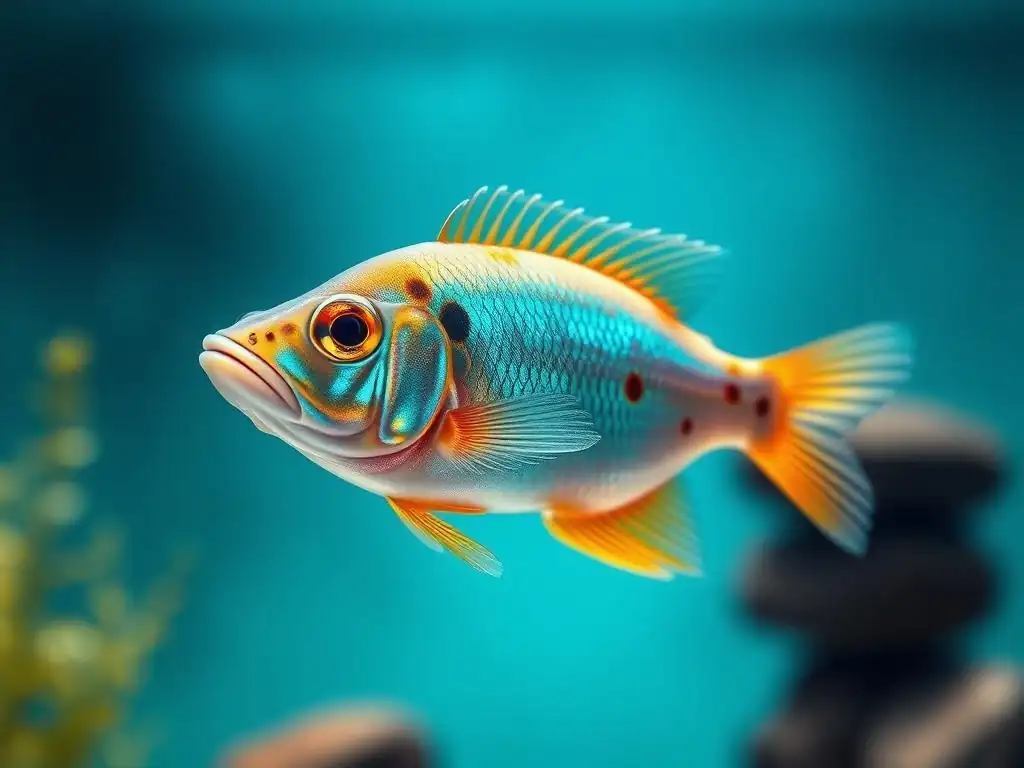
Platies ( Xiphophorus maculatus) are another excellent choice for Otocinclus fish compatible tank mates, sharing many of the positive traits of Guppies. These livebearers are known for their wide variety of vibrant colors and patterns, and their peaceful, active nature makes them a joy to watch. Platies typically grow to about 2-2.5 inches (5-6.5 cm), occupying the mid-to-upper water column, which means they won't interfere with the bottom-dwelling Otocinclus.
Their calm disposition ensures they won't harass or stress the shy Otos. Platies are quite hardy and adaptable, making them suitable for a range of tank conditions and forgiving for new aquarists. They contribute to a lively community tank without introducing any aggression, allowing the Otocinclus to graze in peace.
Platy Care Information
Platies prefer water temperatures between 72-78°F (22-25.5°C) and a pH of 7.0-8.0, with moderate to hard water (10-25 dGH). While Otocinclus can tolerate slightly softer water, this range is generally acceptable for both, provided stability. Like Guppies, Platies are livebearers and can reproduce rapidly. Maintaining a male-to-female ratio of 1:2 or 1:3 is advisable to prevent male harassment of females and manage population growth.
Their diet is omnivorous, consisting of high-quality flakes, pellets, and blanched vegetables. They will also graze on some algae, but not in a way that significantly competes with Otocinclus. Ensuring they are well-fed will keep them from bothering other tank inhabitants. A well-planted tank benefits Platies by providing hiding spots and a sense of security.
9. White Cloud Mountain Minnows: Coldwater Companions
White Cloud Mountain Minnows and Otocinclus: Consider Temperature
White Cloud Mountain Minnows ( Tanichthys albonubes) are peaceful and hardy schooling fish that can be Otocinclus fish compatible tank mates, but with a significant caveat: temperature. While Otocinclus prefer warmer tropical temperatures (72-79°F), White Clouds are considered coldwater fish, thriving in temperatures between 64-72°F (18-22°C). If the tank temperature is kept around 72°F (22°C), it can be a compromise that both species can tolerate, though it's not ideal for Otocinclus long-term.
These minnows grow to about 1.5 inches and are active, peaceful schooling fish that primarily inhabit the mid-to-upper water column. They are known for their resilience and attractive schooling behavior, adding movement and interest to the tank without bothering the bottom-dwelling Otocinclus.
White Cloud Mountain Minnow Care
White Cloud Mountain Minnows are incredibly hardy and adaptable to a wide range of water parameters, including a pH of 6.0-8.0 and soft to hard water. They are schooling fish and should be kept in groups of at least six to display their natural behaviors and reduce stress. Their diet is simple, accepting most high-quality flake foods and small frozen or live foods.
The primary challenge in pairing them with Otocinclus is bridging their temperature preferences. While Otocinclus can temporarily tolerate slightly cooler water, prolonged exposure to temperatures below their ideal range can weaken their immune system. Therefore, this pairing is best suited for aquarists who can maintain a consistent temperature at the warmer end of the White Cloud's range and the cooler end of the Otocinclus' range, or in tanks where Otocinclus are known to adapt well.
10. Kuhli Loaches: Peaceful Bottom Dwellers (with caveats)
Kuhli Loaches and Otocinclus: Considerations for Substrate and Food
Kuhli Loaches ( Pangio kuhlii) are fascinating, eel-like bottom dwellers that can be Otocinclus fish compatible tank mates, provided specific tank conditions are met. These nocturnal and shy fish grow to about 3-4 inches (7.5-10 cm) and are completely peaceful, spending much of their time burrowing in the substrate or hiding among decor. They will not bother Otocinclus, and their unique appearance adds interest to the lower tank levels.
The main considerations for this pairing revolve around substrate and food. Kuhli Loaches require a very soft, fine substrate like sand to prevent damage to their delicate bodies as they burrow. While Otocinclus prefer hard surfaces, a tank with both sand for Kuhlis and plenty of smooth rocks, driftwood, and plants for Otos can work. Also, Kuhlis are opportunistic scavengers and can outcompete Otocinclus for sinking foods if not carefully managed, as they are faster at finding food in the substrate.
Kuhli Loach Care Guidelines
Kuhli Loaches thrive in temperatures between 73-86°F (23-30°C) and a pH of 6.0-7.5, preferring soft to moderately hard water. They are schooling fish and should be kept in groups of at least six to feel secure and exhibit their natural behaviors, although they are often shy during the day. A tank with plenty of hiding spots, such as caves, driftwood, and dense plant cover, is essential for their well-being.
Their diet includes sinking pellets, bloodworms, brine shrimp, and other small frozen or live foods. Feeding them after the main lights are off can ensure they get enough food without direct competition from other fish. While they won't compete for algae on surfaces, careful observation is needed to ensure both Otos and Kuhlis receive adequate nutrition when sharing the bottom space.
Fish to Avoid as Otocinclus Tank Mates
Aggressive Fish That Will Stress Otocinclus
The delicate and shy nature of Otocinclus catfish makes them extremely vulnerable to aggressive fish. Any species known for territorial disputes, fin-nipping, or general belligerence will cause immense stress to Otocinclus, leading to a decline in health, loss of appetite, and susceptibility to disease. Constant harassment can result in Otocinclus hiding excessively, becoming pale, and eventually succumbing to stress-related illnesses.
Examples of fish to absolutely avoid as Otocinclus fish compatible tank mates include most cichlids, such as Oscars, Jack Dempseys, Convict Cichlids, and even some larger dwarf cichlids like German Blue Rams if they become overly territorial. Other aggressive species like Red Tail Sharks, Rainbow Sharks, and certain types of Barbs (e.g., Tiger Barbs), which are notorious fin-nippers, should also be avoided. The calm and peaceful environment is paramount for Otocinclus survival.
Fin-Nippers and Otocinclus: A Dangerous Combination
Fin-nipping fish pose a direct physical threat to Otocinclus. Otocinclus are slow-moving and lack the speed or defensive mechanisms to escape persistent fin-nippers. While Otocinclus don't have large, flowing fins like some other fish, repeated nips can damage their delicate fins and bodies, leading to open wounds susceptible to bacterial or fungal infections. The stress of constant attacks also severely impacts their immune system.
Common fin-nippers to avoid include Tiger Barbs, Serpae Tetras (especially in smaller schools), and some larger Gouramis that can become territorial and aggressive towards smaller, slower tank mates. Even if these fish don't directly consume Otocinclus, the continuous harassment and physical injury they inflict make them entirely unsuitable as Otocinclus fish compatible tank mates, compromising the Otos' well-being and ability to feed.
Large Fish That May Eat Otocinclus
Perhaps the most obvious category of fish to avoid are those large enough to view Otocinclus as a food source. Despite their peaceful nature, any fish with a mouth large enough to swallow a 1.5 to 2-inch Otocinclus is a significant risk. Even if a species is generally considered "peaceful," a large size difference can turn a tank mate into a predator.
Examples include larger Angelfish (especially mature ones, which can become predatory), larger Gouramis (e.g., Giant Gouramis), and some larger Tetras or Barbs that grow beyond 3-4 inches. Even if they don't actively hunt, an Otocinclus could become an accidental meal if it swims too close. Always err on the side of caution when considering size discrepancies; the safety of your Otocinclus should be the top priority when selecting Otocinclus fish compatible tank mates.
Setting Up a Thriving Otocinclus Community Tank
Providing Plenty of Hiding Places and Plants
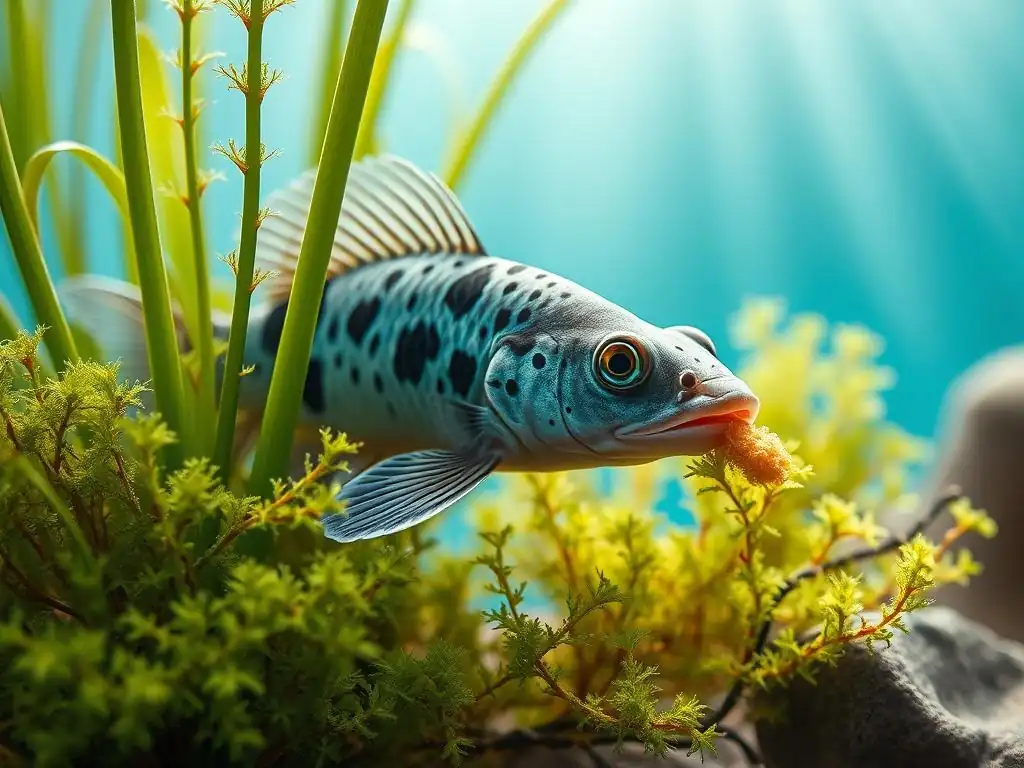
Creating a safe and enriching environment is crucial for Otocinclus, especially given their shy nature. Providing ample hiding places and dense live plants is paramount for their well-being. Otocinclus feel most secure when they have numerous spots to retreat to, whether it's a cluster of broad-leafed plants like Anubias or Java Fern, a piece of driftwood with crevices, or small rock caves. These elements not only offer physical refuge but also provide additional surface area for the growth of algae and biofilm, which are vital components of their diet.
A heavily planted tank, mimicking their natural habitat of slow-moving, vegetated waters, significantly reduces stress in Otocinclus. Plants like Amazon Swords, Cryptocorynes, and various mosses create a lush landscape where Otos can graze undisturbed and feel protected from perceived threats. This sense of security encourages them to be more active and less prone to illness, making it a cornerstone for a successful Otocinclus fish compatible tank mates community.
Maintaining Excellent Water Quality
Maintaining consistently excellent water quality is perhaps the single most important factor for the long-term health of Otocinclus and their tank mates. Otocinclus are highly sensitive to fluctuating water parameters and elevated levels of nitrates. Regular, consistent partial water changes are essential; a weekly 20-30% water change is a good starting point for most community tanks. This practice helps to dilute nitrates, replenish essential minerals, and maintain stable pH and hardness levels.
Effective filtration, including mechanical, biological, and chemical media, is also vital to remove particulate matter, convert harmful ammonia and nitrites, and absorb impurities. A mature biological filter is critical, as Otocinclus are often delicate upon introduction to new tanks. Monitoring water parameters weekly with a reliable test kit for ammonia, nitrite, and nitrate ensures that conditions remain optimal for all Otocinclus fish compatible tank mates, preventing stress and disease outbreaks.
Supplementing Otocinclus Diet: Algae Wafers and Vegetables
While Otocinclus are renowned algae eaters, relying solely on natural algae growth in the aquarium is often insufficient to meet their nutritional needs, especially in a clean, well-maintained tank. Supplementing their diet is crucial for their long-term health and vitality. High-quality spirulina-based algae wafers or sinking pellets designed for herbivorous bottom-dwellers should be offered regularly, typically 3-4 times a week. It's often beneficial to drop these wafers in the tank after the main lights have been turned off, as Otocinclus are more active at night and face less competition from other fish.
Blanched vegetables, such as zucchini, cucumber, or spinach, are also excellent dietary additions. A small slice of blanched zucchini, for instance, can be weighed down and left in the tank for several hours (removed before it fouls the water). These supplements ensure that Otocinclus receive a balanced diet, preventing starvation and nutritional deficiencies, which is particularly important when housing them with other Otocinclus fish compatible tank mates who might otherwise outcompete them for food.
Troubleshooting Common Otocinclus Tank Mate Issues
Signs of Stress in Otocinclus
Recognizing signs of stress in Otocinclus is crucial for intervening quickly and preventing further health decline. Healthy Otocinclus are typically active grazers, displaying vibrant, distinct patterns on their bodies. Signs of stress include pale or faded coloration, often appearing washed out or mottled, which indicates discomfort or illness. Clamped fins, where the fins are held close to the body rather than spread out, are another clear indicator.
Other symptoms include rapid or labored breathing, excessive hiding (more than usual shyness), lack of appetite, or general lethargy. If Otocinclus are seen darting erratically or showing signs of physical injury, it often points to aggression from Otocinclus fish compatible tank mates or severely poor water quality. Promptly addressing these signs by checking water parameters, observing tank mate interactions, and ensuring adequate food is essential for their recovery.
Dealing with Aggression in the Tank
If aggression is observed within an Otocinclus community tank, immediate action is necessary to protect the vulnerable Otocinclus. First, accurately identify the aggressor. This might involve careful observation during feeding times or when new fish are introduced. Once identified, evaluate if the aggressive fish is truly an incompatible species for Otocinclus fish compatible tank mates or if its behavior is a result of environmental factors like overcrowding or insufficient hiding spots.
If the aggressor is a known aggressive species, the best course of action is to rehome it to a more suitable tank. If it's a typically peaceful fish displaying uncharacteristic aggression, consider rearranging the tank decor to break up established territories, adding more hiding spots, or increasing the tank size if overcrowding is an issue. In some cases, increasing feeding frequency can reduce aggression driven by competition. Temporary separation of the aggressive fish in a breeder box can also provide a period of calm for the Otocinclus.
Ensuring Adequate Food for All Tank Inhabitants
One of the most common issues in a community tank with Otocinclus is ensuring these shy bottom-dwellers receive enough food, especially when housed with more assertive Otocinclus fish compatible tank mates. Otocinclus are slow eaters and can easily be outcompeted for sinking wafers or blanched vegetables by faster, more boisterous fish. Over time, this can lead to starvation, even in a seemingly well-fed tank.
To mitigate this, observe feeding habits closely. Consider feeding Otocinclus after the main tank lights have been turned off for the evening, as they become more active and confident in the dark, and other fish are less likely to compete. Target-feeding by placing algae wafers directly in areas where Otocinclus congregate can also be effective. Ensure a sufficient quantity of food is provided so that all inhabitants, including the Otocinclus, have ample opportunity to feed without stress, promoting a healthy and thriving community.
Conclusion: Creating a Harmonious Aquarium with Otocinclus and Their Friends.
Frequently Asked Questions
What are the ideal characteristics of Otocinclus fish compatible tank mates?
The ideal tank mates should be peaceful and non-aggressive. They should also share similar water parameters and not compete excessively for algae, ensuring the Otocinclus have enough to eat. Avoid large or boisterous fish.
Can I keep Otocinclus with shrimp?
Yes, Otocinclus are generally considered safe tank mates for shrimp. They are peaceful and unlikely to harass or prey on shrimp, making for a harmonious aquarium environment. Ensure sufficient algae growth for both.
Are there any fish that I should never keep with Otocinclus?
Avoid keeping Otocinclus with aggressive fish like cichlids or larger predatory species. These fish may bully, injure, or even eat the Otocinclus, causing them significant stress and potentially death.
How many Otocinclus should I keep together?
Otocinclus are social fish and should be kept in groups of at least six. This helps them feel secure and reduces stress, leading to healthier and more active fish. A larger group is generally better.
What should I do if my Otocinclus are not eating enough algae?
Supplement their diet with algae wafers or blanched vegetables like zucchini or cucumber. This ensures they receive adequate nutrition if the algae growth in the tank is insufficient. Monitor their weight regularly.
Final Reflection: Cultivating Harmony in the Aquarium
The delicate balance of an aquarium ecosystem, much like our own world, hinges on understanding and respecting the needs of its inhabitants. Choosing compatible tank mates for Otocinclus fish is not merely about aesthetics, but about fostering a thriving and stress-free environment. The well-being of these gentle algae eaters, and indeed all aquarium residents, depends on our informed decisions and commitment to responsible fishkeeping.
This exploration of Otocinclus compatibility has highlighted the importance of empathy and careful observation in our interactions with the natural world. Understanding the specific needs of these shy creatures, from water parameters to temperament, allows us to create a miniature ecosystem where they can truly flourish. The greatness of a nation and its moral progress can be judged by the way its animals are treated.
- Mahatma Gandhi. This quote, though often applied to larger animals, resonates deeply with the responsibility we bear towards even the smallest inhabitants of our aquariums.
Now, as you consider adding Otocinclus to your aquarium, or perhaps re-evaluating your current setup, I encourage you to reflect on the principles discussed here. Think beyond the immediate visual appeal and delve into the deeper needs of each species. By prioritizing compatibility and creating a harmonious environment, you're not just building an aquarium; you're cultivating a miniature world where life can thrive, and where the beauty of nature can be appreciated in its purest form.
Unleash the Perfect Community: More Otos Await!
Thank you for diving deep into the world of Otocinclus! We hope you've gained valuable insights into creating the perfect, peaceful community aquarium for these algae-eating heroes. Ready to take the next step and ensure your otos thrive?
- Expand Your Oto Family: Consider adding more Otocinclus to your tank. Remember, they're happiest in groups of six or more!
- Research less common peaceful tank mates, such as Cherry Shrimp or Pygmy Corydoras, for added visual interest.
- Share your Otocinclus tank setup ideas on aquarium forums to inspire fellow enthusiasts!
What surprising tank mate combination have you found works best with Otocinclus in your aquarium?