
Apistogramma Breeding Secrets: From Pairing to Raising Fry

Welcome to Aquarium Mastery!
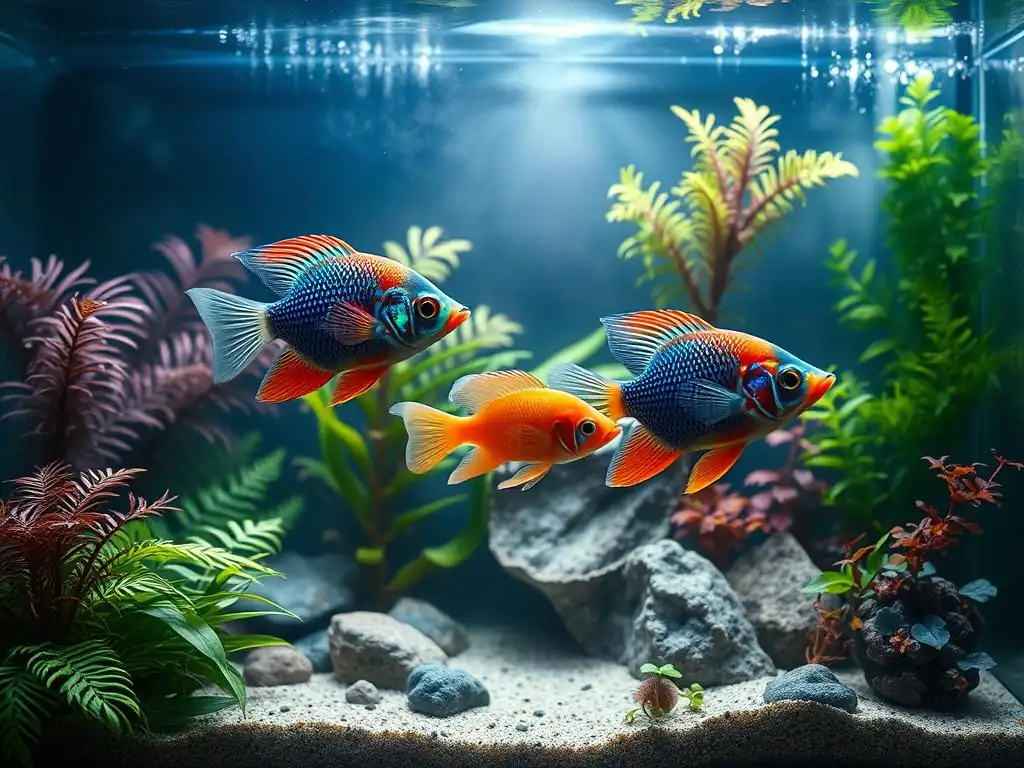
Curious about unlocking the secrets to Apistogramma breeding success? You've come to the right place! Dive in to discover proven tips and tricks for pairing, spawning, and raising healthy fry. Are you ready to transform your aquarium into a thriving Apistogramma haven? Let's explore the world of these fascinating freshwater fish!
- Apistogramma Breeding: A Comprehensive Guide
- Understanding Apistogramma Breeding
- Pairing Strategies
- Spawning and Egg Care
- Raising Apistogramma Fry
- Advanced Breeding Techniques
- Troubleshooting Breeding Problems
- Breeding Success
- Frequently Asked Questions
- Final Reflection: Nurturing the Future of Apistogrammas
- Unleash Your Apistogramma Breeding Potential!
Apistogramma Breeding: A Comprehensive Guide
Understanding Apistogramma Breeding
Popular Apistogramma Species for Breeding
Apistogramma dwarf cichlids encompass a wide array of species, each with unique characteristics and varying levels of breeding difficulty. For aquarists new to the world of Apistogramma breeding success tips, species like Apistogramma cacatuoides (Cockatoo Dwarf Cichlid) or Apistogramma agassizii are often recommended due to their relative hardiness and more straightforward breeding habits. These species tend to be more forgiving of minor water parameter fluctuations and exhibit clear sexual dimorphism, making pairing easier. Other popular choices include Apistogramma borellii and Apistogramma trifasciata, known for their vibrant coloration and engaging parental behaviors.
Beyond the beginner-friendly options, more experienced breeders often gravitate towards species such as Apistogramma macmasteri, Apistogramma panduro, or the highly sought-after Apistogramma viejita. These species might require more precise water chemistry, specific tank setups, or a more nuanced understanding of their behavioral cues to achieve consistent Apistogramma breeding success. Regardless of the chosen species, understanding their natural habitat and specific needs is a foundational step in any successful Apistogramma breeding program, ensuring optimal conditions for health and reproduction.
Recognizing Spawning Readiness
Recognizing when Apistogramma are ready to spawn is crucial for successful Apistogramma breeding. Females typically undergo a significant color transformation, often intensifying to a bright yellow or golden hue, particularly around their ventral fins and body. This color change serves as a clear signal of their readiness to breed and their desire for a spawning site. Males, conversely, will display their most vibrant colors, flaring their fins and engaging in elaborate courtship dances to attract a female, often attempting to lead her to a chosen spawning location.
Behavioral cues are equally important indicators. A female Apistogramma that is ready to spawn will often become territorial, actively defending a specific area, usually a cave or a piece of decor she intends to use as a spawning site. She may be observed meticulously cleaning the chosen surface, rubbing her body against it to prepare it for egg deposition. The male will intensify his courtship, sometimes gently nudging or "quivering" around the female, further encouraging her to enter the spawning cave. Observing these combined physical and behavioral changes provides valuable Apistogramma breeding success tips for timing the next steps.
Setting Up the Breeding Tank
A dedicated breeding tank is paramount for achieving Apistogramma breeding success. For most Apistogramma pairs, a tank size of 10 to 20 gallons (approximately 38 to 76 liters) is ideal, providing sufficient space for territory establishment without excessive water volume that could dilute fry pheromones. The tank should be meticulously clean, free of any contaminants, and cycled to ensure stable water parameters. A bare bottom or a thin layer of fine sand is often preferred to facilitate cleaning and observation of eggs and fry.
Crucial elements of the breeding setup include numerous spawning sites. These can be small terracotta pots, coconut shells, rock caves, or even PVC pipes, providing the necessary enclosed spaces where females feel secure enough to lay eggs. Indian almond leaves (catappa leaves) are highly recommended as they release tannins, slightly lowering pH and providing antibacterial properties beneficial for egg health, mimicking their natural blackwater habitats.
Filtration should be gentle, preferably an air-driven sponge filter, to prevent powerful currents that could dislodge eggs or harm delicate fry. A heater is essential to maintain a stable temperature, typically between 78-82°F (25.5-27.8°C), which is optimal for conditioning and successful Apistogramma breeding.
Pairing Strategies
Selecting a Compatible Pair
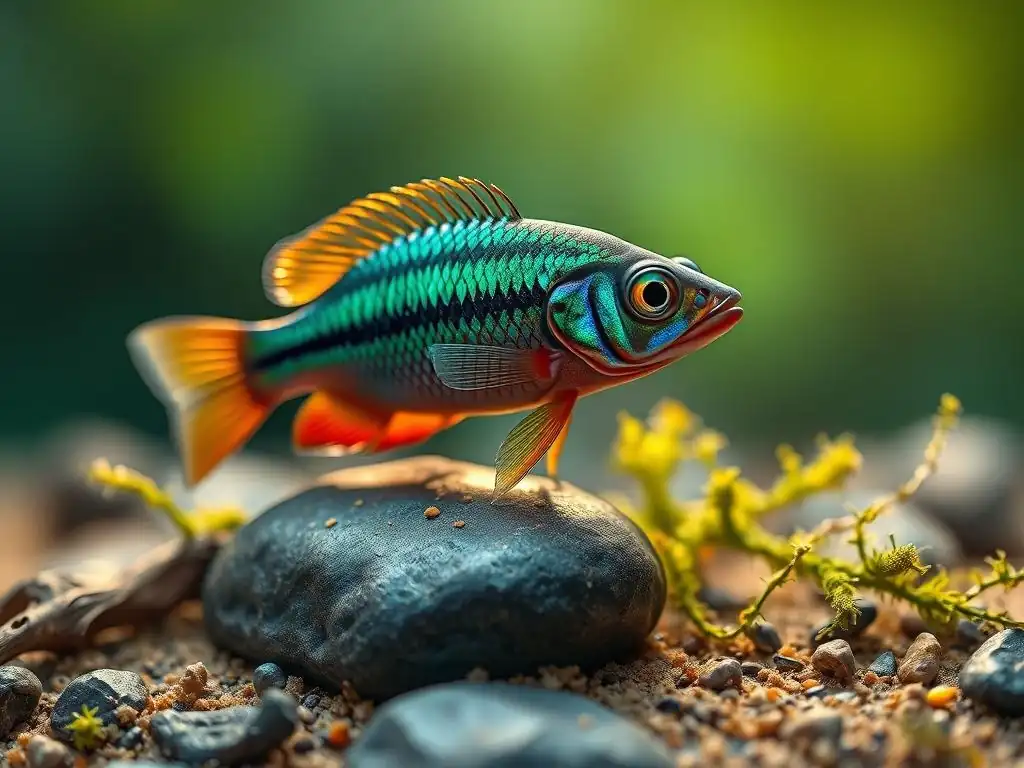
The foundation of successful Apistogramma breeding lies in selecting a compatible pair. While it's often suggested to start with a group of 4-6 young Apistogramma and allow them to pair naturally, this isn't always feasible or necessary. When selecting individual fish, look for healthy, active specimens with vibrant coloration and no signs of stress or disease. Males should display strong finnage and robust body shapes, while females should appear plump, indicating good conditioning. It's crucial to observe their interactions in the dealer's tank, if possible, to gauge their temperament and potential for pairing.
For optimal Apistogramma breeding success, choosing individuals that are roughly the same age or size can minimize aggression. While some Apistogramma species are polygamous, forming harems, many do best in a dedicated pair setup for initial breeding attempts. If purchasing a presumed pair, ensure the male and female are distinctly identifiable, as misidentification can lead to frustration. A key Apistogramma breeding success tip is to prioritize temperament; a male that is overly aggressive towards the female, or a female that is constantly hiding, will likely lead to unsuccessful breeding attempts.
Introducing the Pair
The introduction of the Apistogramma pair into the breeding tank requires careful consideration to minimize stress and aggression. If the pair has not self-selected from a larger group, it's often beneficial to introduce the female first, allowing her a day or two to establish territory and become comfortable with the new environment. Once she has settled, the male can then be introduced. This method can help reduce the male's initial dominance, as he enters an established space rather than one he immediately perceives as his own to conquer.
Another effective strategy for Apistogramma breeding success tips is to use a tank divider for the first 24-48 hours. This allows the male and female to see each other and become accustomed to each other's presence without direct physical interaction. After this initial period, the divider can be removed, allowing them to interact naturally.
Providing ample hiding spots and visual breaks within the tank is crucial, especially during the initial introduction phase, to allow the female refuge if the male becomes overly assertive. Close monitoring during the first few hours after the divider removal is essential to intervene if aggression becomes excessive and threatens the female's safety.
Monitoring Pair Bonds
Once introduced, continuous monitoring of the Apistogramma pair's interactions is vital for successful Apistogramma breeding. A healthy pair bond is characterized by mutual interest, with the male displaying courtship behaviors and the female responding positively, often by flaring back or allowing the male to approach. They may be seen swimming together, exploring potential spawning sites, and even performing synchronized movements. The female's color change to a vibrant yellow is often a clear sign that the pair is bonding and nearing spawning readiness.
Conversely, signs of an unhealthy or broken pair bond include persistent aggression from the male towards the female, with the female constantly hiding or showing signs of fin nipping or physical damage. If the female remains dull in color or actively avoids the male for extended periods, it indicates a lack of readiness or a poor match.
In such cases, it may be necessary to separate the fish, allow them to rest, and potentially reintroduce them or attempt to pair them with different partners. Consistent observation provides valuable Apistogramma breeding success tips, allowing intervention before serious harm occurs or breeding attempts are permanently derailed.
Spawning and Egg Care
Triggering Spawning
Triggering spawning in Apistogramma often involves a combination of environmental cues that mimic their natural breeding season. A key factor for Apistogramma breeding success is a gradual reduction in water hardness and pH, often achieved through reverse osmosis (RO) water mixed with tap water or the addition of tannins from Indian almond leaves. For many species, a pH around 5.5-6.5 and very soft water (GH 1-5 dGH) is ideal. A slight increase in temperature to the upper end of their preferred range, around 80-82°F (26.7-27.8°C), can also stimulate breeding activity.
Another significant trigger is consistent high-quality feeding. Conditioning the pair with a varied diet of live and frozen foods, such as bloodworms, brine shrimp, daphnia, and blackworms, provides the essential nutrients and energy needed for egg production. Frequent small water changes with aged, conditioned water can also simulate the "rainy season" effect, encouraging spawning behavior. Observing the female's vibrant yellow coloration and the pair's increased interaction around a chosen spawning site are strong indicators that these triggering methods are working, signaling imminent egg laying and a step closer to Apistogramma breeding success.
Protecting the Eggs
Once the Apistogramma female has laid her eggs, typically inside a cave or on a sheltered surface, protecting them becomes her primary instinct and a critical phase for Apistogramma breeding success. The female will diligently guard the eggs, fanning them with her fins to ensure proper oxygenation and to remove any debris or unfertilized eggs that might fungus.
She will aggressively defend the spawning site against any perceived threats, including the male or other tank inhabitants. The male's role varies by species; in some, he guards the perimeter of the territory, while in others, he may be tolerated closer to the eggs.
In a dedicated breeding tank, the primary concern for egg protection is often the male. While some males are excellent partners, others may attempt to eat the eggs, especially if they are young or inexperienced. Monitoring their interaction is vital. If the male shows signs of aggression towards the female or attempts to consume the eggs, it is often best to remove him from the breeding tank immediately. This allows the female to focus solely on her parental duties without stress, significantly increasing the chances of successful hatching and overall Apistogramma breeding success.
Maintaining Water Parameters for Eggs
Maintaining pristine and stable water parameters is paramount for the successful development and hatching of Apistogramma eggs. The specific parameters that triggered the spawning—typically soft, acidic water (pH 5.0-6.5) and a stable temperature around 80-82°F (26.7-27.8°C)—must be consistently upheld throughout the incubation period. Fluctuations in temperature or chemistry can stress the eggs, leading to fungal infections or failed development. Regular, small water changes with precisely matched water are essential to keep nitrate levels at a minimum and replenish trace elements without shocking the delicate eggs.
Water quality is particularly sensitive during this stage. The presence of ammonia or nitrite, even in small amounts, can be lethal to developing embryos. Therefore, a mature biological filter, such as a well-established sponge filter, is crucial. Additionally, ensure adequate water circulation around the eggs without creating strong currents. The female's fanning helps oxygenate the eggs, but good overall water movement prevents stagnation. These meticulous water management practices are fundamental Apistogramma breeding success tips, directly impacting hatch rates and the viability of the fry.
Raising Apistogramma Fry
The Hatching Stage
Apistogramma eggs typically hatch within 3 to 5 days, depending on the species and water temperature. The newly hatched fry are tiny, often appearing as little more than wiggling tails attached to a yolk sac. During this initial stage, they are entirely dependent on their yolk sac for nutrition and remain largely immobile, typically clustered together in the spawning cave or on a chosen surface. The female continues her diligent parental care, meticulously guarding the wrigglers and moving them to different locations within the cave if she perceives a threat or deems a spot safer.
It is crucial not to disturb the female or the fry during this delicate period. Any sudden movements or bright lights can stress the mother, potentially causing her to abandon or even consume her offspring. The yolk sac will sustain the fry for another 3 to 7 days, during which time they will gradually absorb it and develop into free-swimming fry. This transition from wrigglers to free-swimming stage is a critical milestone for Apistogramma breeding success, as it marks the point where they will begin to actively seek external food sources.
First Foods for Fry
Once Apistogramma fry become free-swimming and have fully absorbed their yolk sacs, typically around 5-10 days post-hatching, providing appropriate first foods is critical for their survival and rapid growth. Infusoria, microscopic organisms, are an excellent initial food source for the smallest fry, as they are often too tiny to consume anything larger. Infusoria can be cultured easily using banana peels or hay in a jar of tank water. As the fry grow, newly hatched brine shrimp nauplii become the staple diet. Brine shrimp are highly nutritious and their jerky swimming motion triggers the fry's feeding response.
Feeding should occur multiple times a day, often 3-5 times, in small quantities to prevent water fouling. The goal is to provide enough food for the fry to graze continuously without leaving excess to decompose. Other suitable first foods include microworms, vinegar eels, and finely crushed high-quality flake food or specialized fry powder. Success in this stage significantly contributes to overall Apistogramma breeding success tips, as proper nutrition directly impacts the fry's growth rate, health, and survival statistics.
Maintaining Water Quality for Fry
Maintaining impeccable water quality is arguably the most critical factor for raising Apistogramma fry successfully. Young fry are incredibly sensitive to even minute amounts of ammonia, nitrite, and nitrate. Daily, small water changes, typically 10-20% of the tank volume, are essential. The replacement water must be precisely matched in temperature and chemistry to the tank water to avoid shocking the delicate fry. Using an air stone to aerate the water gently and a sponge filter provides biological filtration without the risk of sucking up tiny fry.
Overfeeding is a common cause of water quality degradation, leading to high mortality rates. It's better to feed small amounts frequently than large amounts infrequently. Any uneaten food should be siphoned out promptly using a small airline tubing. Regular observation for signs of stress, such as clamped fins or erratic swimming, can indicate deteriorating water conditions. Proactive water management, including consistent testing of parameters, is a non-negotiable Apistogramma breeding success tip that directly translates into higher fry survival rates.
Preventing Fry Diseases
Preventing diseases in Apistogramma fry primarily revolves around maintaining optimal water quality and providing nutritious food, as stress and poor conditions are often precursors to illness. Given their tiny size and undeveloped immune systems, fry are highly susceptible to bacterial infections, fungal issues, and parasitic infestations. The most effective preventative measure is rigorous adherence to a strict water change schedule using aged, dechlorinated water that matches the breeding tank's parameters exactly. This minimizes the buildup of harmful nitrates and other pollutants.
Introducing new fish or plants directly into the fry tank without proper quarantine is a significant risk factor. Even live foods, if sourced from unreliable places, can introduce pathogens. Sterilizing live food cultures or sourcing them from trusted suppliers is advisable. If a disease outbreak occurs, treatment can be challenging due to the fry's sensitivity to medications. Therefore, focusing on prevention through pristine conditions, a balanced diet, and avoiding stress is the ultimate Apistogramma breeding success tip for ensuring a healthy batch of fry.
Advanced Breeding Techniques
Conditioning for Multiple Spawns
To achieve multiple spawns from an Apistogramma pair, consistent and superior conditioning is essential. After a successful spawn, the female will be depleted of energy and nutrients. Providing a rich, varied diet of high-quality live and frozen foods (such as blackworms, brine shrimp, daphnia, and mosquito larvae) is paramount to help her regain condition quickly. This robust feeding regimen should continue for both male and female, ensuring they have ample resources for the next reproductive cycle.
Regular, small, soft water changes (10-15% daily or every other day) with slightly cooler water can also stimulate recovery and preparation for the next spawn, mimicking natural environmental cues. Allowing the pair a brief period of rest (a week or two) after fry become free-swimming, especially if the male was removed, can also be beneficial. Observing the female's renewed yellow coloration and the pair's increased courtship behavior will indicate their readiness for another round of Apistogramma breeding, often occurring every 2-4 weeks under ideal conditions.
Managing Aggression
Aggression can be a significant hurdle in Apistogramma breeding, particularly from the male towards the female, or between rival males in a harem setup. In a pair breeding tank, if the male is excessively aggressive towards the female, especially after spawning, immediate intervention is necessary. This often involves removing the male to a separate tank, allowing the female to raise the fry alone and recover without stress. Providing ample hiding spots and visual barriers within the breeding tank can also help diffuse aggression by allowing the female to escape the male's view.
For polygamous species or when breeding in a larger community setting, establishing clear territories and providing multiple spawning sites can help manage aggression. Ensuring a high female-to-male ratio (e.g., 2-3 females per male) in a sufficiently large tank can spread out the male's attention, reducing harassment on any single female. Monitoring behavior closely and being prepared to separate individuals if aggression escalates beyond normal courtship or territorial defense is a crucial Apistogramma breeding success tip for maintaining a healthy breeding setup.
Selective Breeding
Selective breeding in Apistogramma focuses on enhancing desirable traits over generations, contributing to overall Apistogramma breeding success. These traits can include vibrant coloration, specific finnage patterns, disease resistance, or even increased prolificacy. This process requires careful observation and meticulous record-keeping of each spawn, noting the parents' characteristics, the number of fry, their growth rate, and their eventual appearance. Only the best specimens from each generation are chosen as future breeders, ensuring the propagation of desired genetics.
While selective breeding can lead to stunning and unique strains, it also carries responsibilities. Maintaining genetic diversity within a line is important to prevent inbreeding depression, which can lead to reduced fertility, increased susceptibility to disease, and deformities. Outcrossing with unrelated, high-quality individuals from time to time can help refresh the gene pool. This long-term commitment to thoughtful selection and responsible genetic management is an advanced Apistogramma breeding success tip that contributes to the health and beauty of future generations.
Troubleshooting Breeding Problems
Infertile Eggs
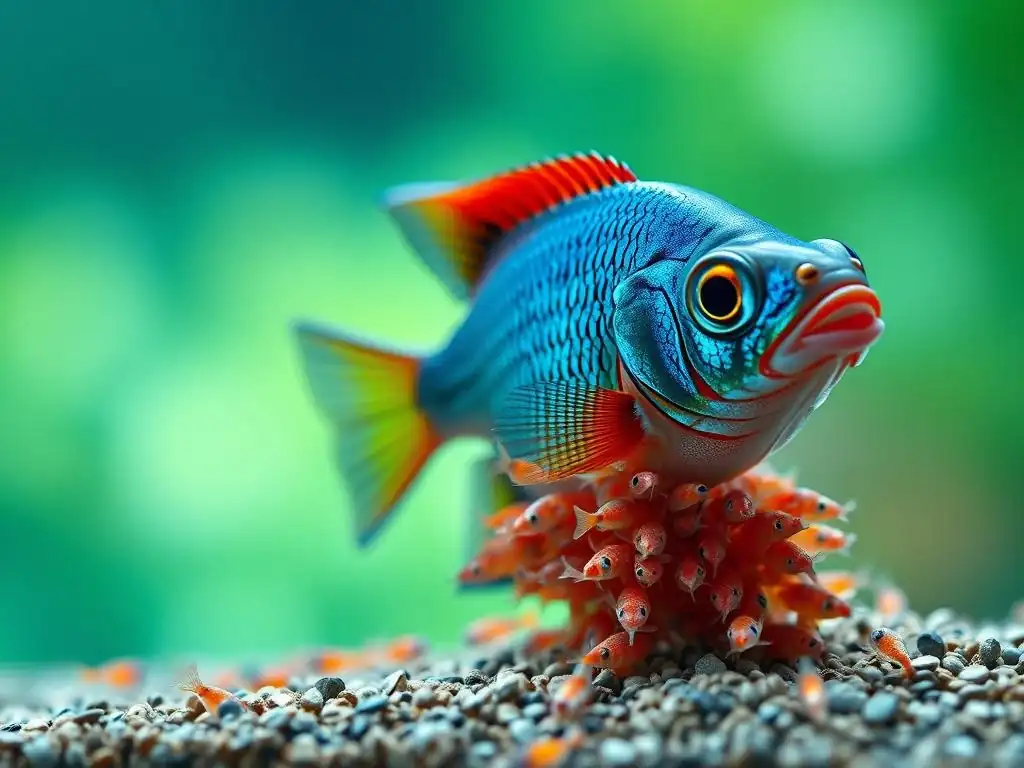
Infertile Apistogramma eggs are a common issue for breeders and can be identified by their opaque, white, or fuzzy appearance, often due to fungal growth. Healthy, fertilized eggs typically remain translucent or slightly amber. The primary cause of infertility is often a lack of successful fertilization by the male. This can stem from an incompatible pair where the male isn't interested or effective, or if the water parameters are not conducive to successful spawning and fertilization. Extreme water hardness or pH can hinder sperm viability.
To troubleshoot, first ensure that the male is mature and displaying appropriate courtship behavior. Observe if he is entering the spawning cave and attempting to fertilize the eggs as the female lays them. If not, consider conditioning him further with live foods or trying a different male. Secondly, re-evaluate water parameters. While Apistogramma can tolerate a range, very soft, acidic water (pH 5.0-6.5, GH 1-5) is often crucial for optimal fertilization. Increasing the frequency of small water changes with RO water can help achieve these precise conditions, offering valuable Apistogramma breeding success tips for improving fertility rates.
Fry Mortality
High fry mortality rates are disheartening but often indicative of underlying issues that can be resolved. The most frequent cause is poor water quality. Apistogramma fry are extremely sensitive to ammonia, nitrite, and high nitrate levels. Even slight accumulations can be lethal. Inadequate filtration, overfeeding, or insufficient water changes are common culprits. Another significant factor is improper feeding; if fry are not receiving the right size or type of food, they will starve, even if food is present.
To address fry mortality, first, rigorously check and maintain water parameters daily, performing small, precise water changes as needed. Ensure the sponge filter is clean and functioning effectively. Second, reassess the feeding regimen. Are you offering foods like infusoria or newly hatched brine shrimp frequently enough, and in quantities appropriate for the fry's size and number? Also, consider potential predators; while rare in a dedicated breeding tank, tiny snails or other invertebrates could prey on the smallest fry. Addressing these fundamental aspects provides crucial Apistogramma breeding success tips for increasing fry survival.
Parental Care Issues
Parental care issues in Apistogramma breeding can range from the female abandoning or consuming her eggs or fry to a lack of proper guarding. The most common reason for a female consuming her spawn is stress. This stress can be caused by perceived threats (e.g., other tank mates, bright lights, sudden movements), poor water quality, or an overly aggressive male. First-time mothers are also more prone to eating their eggs as they learn the ropes of parental care.
To troubleshoot, ensure the breeding tank is in a quiet location with minimal disturbances. Consider adding more cover or dimming the lights if the female seems agitated. If the male is the source of stress, remove him after spawning. For first-time parents, patience is key; they often improve with subsequent spawns. Providing a stable, secure environment and adequate nutrition reduces stress, encouraging natural parental instincts. These proactive measures are vital Apistogramma breeding success tips, fostering a secure environment for the female to raise her offspring.
Breeding Success
Key Factors for Success
Achieving consistent Apistogramma breeding success hinges on a confluence of critical factors, meticulously managed by the aquarist. Foremost is the provision of pristine and stable water parameters, precisely tailored to the specific Apistogramma species, often characterized by soft, acidic water and a consistent temperature. Fluctuations are detrimental. Secondly, superior nutrition through a varied diet of high-quality live and frozen foods is essential for conditioning the parents, ensuring optimal health and egg production.
Beyond water and food, creating an ideal breeding environment is paramount. This includes a dedicated breeding tank with ample spawning sites (caves, pots) and gentle filtration, minimizing stress and providing security for the parents and fry. Selecting a compatible, healthy pair and managing their interactions to prevent aggression is equally vital. Finally, diligent observation and prompt intervention when issues arise, whether it's adjusting water, removing an aggressive male, or fine-tuning feeding for fry, are continuous processes that define true Apistogramma breeding success.
Long-Term Breeding Health
Ensuring the long-term breeding health of your Apistogramma stock is crucial for sustainable Apistogramma breeding success. This involves more than just getting a single spawn; it's about maintaining the vitality and genetic integrity of your breeding lines over multiple generations. A key aspect is preventing inbreeding depression. While line breeding for specific traits is common, periodically introducing new, unrelated bloodlines (outcrossing) from reputable sources can help maintain genetic diversity, preventing issues like reduced fertility, deformities, and weakened immune systems that can arise from excessive inbreeding.
Furthermore, providing periodic rest periods for breeding pairs can extend their reproductive lifespan. After several successful spawns, moving the pair back to a less intensive community setting or a larger grow-out tank with less frequent water changes and a slightly reduced feeding regimen can allow them to recover their strength. This approach, combined with continuous high-quality nutrition and a stable, low-stress environment throughout their lives, contributes significantly to their overall health and ensures they remain robust breeders for many years, securing the legacy of your Apistogramma breeding efforts.
Frequently Asked Questions
Final Reflection: Nurturing the Future of Apistogrammas
The journey from carefully selecting a compatible pair to witnessing the vibrant life of Apistogramma fry is a testament to the dedication and patience of aquarists. The pursuit of Apistogramma breeding success isn't just about replicating a biological process; it's about understanding and respecting the intricate needs of these fascinating fish, a responsibility that resonates deeply within the aquarium hobby today.
My own fascination with Apistogrammas began with a single, shy male, and has blossomed into a profound appreciation for their complex behaviors and delicate beauty. The knowledge shared in this article, gleaned from both experience and research, aims to empower others to experience the unique rewards of breeding these captivating creatures. In the end, we will conserve only what we love; we will love only what we understand; and we will understand only what we are taught.
- Baba Dioum. This quote perfectly encapsulates the importance of sharing knowledge and fostering a deeper understanding of the natural world, even within the confines of our aquariums.
Now, armed with these Apistogramma breeding success tips, I encourage you to embark on your own journey. Observe, learn, and adapt. Let the challenges you face become opportunities for growth, and let the successes you achieve inspire others to appreciate the beauty and complexity of these miniature marvels. The future of Apistogrammas in the aquarium hobby, and perhaps even in the wild, depends on our collective commitment to responsible breeding and conservation.
Unleash Your Apistogramma Breeding Potential!
Thank you for diving into the world of Apistogramma breeding! We hope you’ve gained valuable insights to help you successfully raise these fascinating fish. Now, let’s put that knowledge into action!
- Start by meticulously selecting your breeding pair. Research compatible temperaments and health indicators before introducing them to their spawning tank.
- Share your Apistogramma journey! Post photos and experiences on social media using #ApistoBreeding to connect with fellow enthusiasts.
- Try a unique food for the fry: Infusoria! This microscopic food source can significantly boost their initial growth and survival.
What's one small change you'll implement in your Apistogramma breeding setup this week to create a more favorable environment?