
Parrot Variatus Platy: Unlocking the Secrets to Their Vivid Colors

Welcome to Aquarium Mastery!
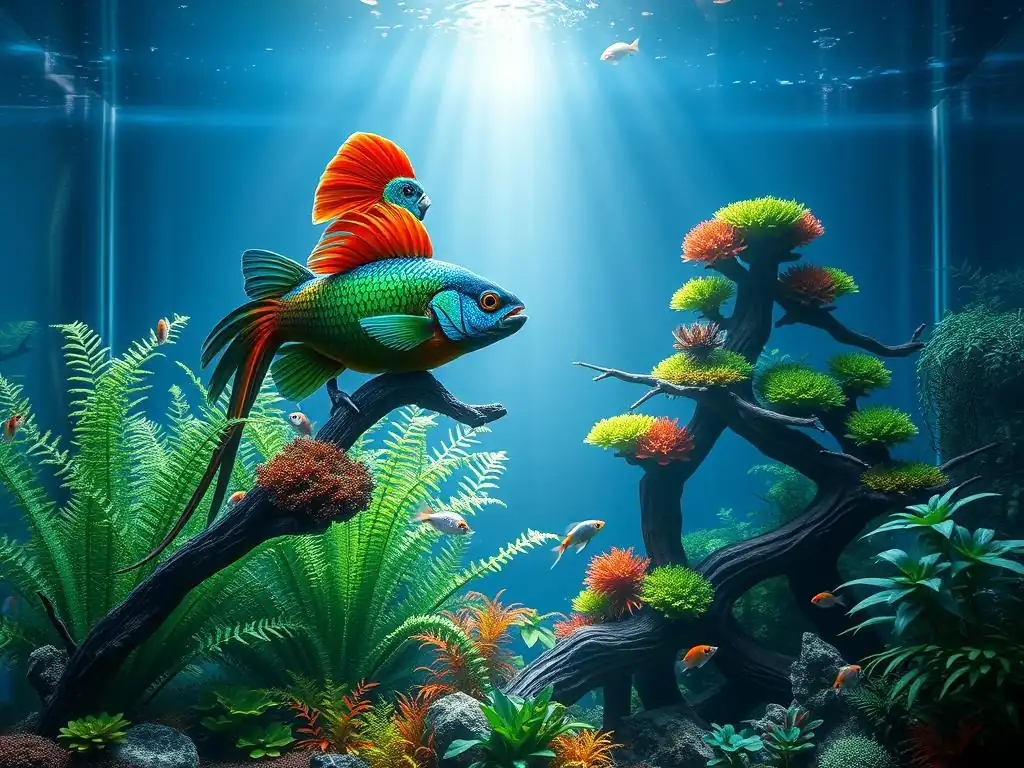
Ever wondered how to unlock the vibrant, captivating beauty of your Parrot Variatus Platy? These colorful fish are more than just a splash of life in your freshwater aquarium. Dive in and discover essential Parrot Platy care tips that will help you keep them thriving, healthy, and showing off their stunning hues. Get ready to unlock the secrets to their vivid colors and learn everything you need to know about keeping these unique fish happy and healthy!
- Introduction to the Parrot Variatus Platy
- Understanding Parrot Platy Care Requirements
- Parrot Platy Diet and Feeding Guide
- Parrot Platy Tank Mates: Creating a Peaceful Community
- Breeding Parrot Platies: A Comprehensive Guide
- Maintaining Parrot Platy Health and Preventing Diseases
- Enhancing Parrot Platy Colors: Tips and Tricks
- Troubleshooting Common Parrot Platy Problems
- Conclusion: Mastering Parrot Platy Care Tips for a Thriving Aquarium
- Frequently Asked Questions
- Final Reflection: Embracing the Spectrum of Parrot Platy Life
- Ignite Your Aquarium: Unleash the Parrot Platy's Full Potential!
Introduction to the Parrot Variatus Platy
Discovering the Beauty of the Parrot Platy
The Parrot Variatus Platy, a charming and highly sought-after freshwater fish, is a specific line-bred variation of the Xiphophorus variatus, commonly known as the Variable Platy. Unlike their wild counterparts, these platies have been selectively bred to exhibit an astonishing array of vibrant colors and distinctive patterns, making them a true centerpiece in any home aquarium. Typically reaching an adult size of 2 to 2.5 inches (approximately 5 to 6.5 cm), their compact size combined with their lively disposition contributes to their widespread appeal among aquarists of all experience levels.
Their common name, "Parrot Platy," often refers to the striking red, orange, and yellow hues that dominate their coloration, sometimes accompanied by black markings or unique fin shapes that evoke the appearance of exotic birds. These captivating color combinations, along with their active swimming behavior, ensure that they instantly draw the eye. Their robust nature and relatively straightforward Parrot Platy care tips make them an excellent choice for those looking to add a splash of dynamic color to their aquatic setup without excessive complexity.
Why the Parrot Variatus Platy Stands Out in Freshwater Aquariums
The Parrot Variatus Platy distinguishes itself in freshwater aquariums due to its exceptional hardiness and peaceful temperament, which makes it an ideal inhabitant for a wide range of community tanks. They are active swimmers, constantly exploring their environment and interacting with tank mates, adding a lively energy that can transform a static aquarium into a vibrant underwater ecosystem. Their adaptability to various water conditions, within their preferred ranges, further solidifies their status as a resilient and forgiving species.
Beyond their visual appeal and calm demeanor, Parrot Platies are known for their prolific breeding, offering hobbyists the rewarding experience of observing the entire life cycle of a fish, from tiny fry to mature adults. This ease of breeding, coupled with their relatively simple Parrot Platy care tips, makes them a fantastic choice for both novice aquarists seeking an engaging first fish and experienced enthusiasts looking to expand their breeding projects or simply enjoy a beautiful, low-maintenance species. Their consistent popularity reflects their ability to provide both aesthetic beauty and an enriching interactive experience.
Understanding Parrot Platy Care Requirements
Essential Water Parameters for Healthy Parrot Platies
Maintaining pristine and stable water quality is the cornerstone of successful Parrot Platy care, directly influencing their health, longevity, and color vibrancy. Regular testing for ammonia and nitrite, which should always register 0 parts per million (ppm), is crucial to prevent toxic buildup from fish waste and uneaten food. Nitrate levels, while less immediately toxic, should ideally be kept below 20 ppm to prevent chronic stress and disease, serving as an indicator of overall tank cleanliness and the effectiveness of filtration.
To ensure these parameters remain within acceptable limits, performing weekly water changes of 25-30% of the tank volume is highly recommended. This routine practice dilutes accumulated nitrates and replenishes essential minerals, preventing the gradual degradation of water quality that can lead to dull colors, lethargy, and increased susceptibility to common ailments. Consistent attention to these fundamental aspects of water management is among the most vital Parrot Platy care tips.
Maintaining Optimal Water Temperature for Parrot Platies
Parrot Platies thrive in a consistent water temperature range between 72-78°F (22-26°C). Maintaining stability within this range is paramount, as sudden fluctuations can induce significant stress, compromising their immune systems and making them vulnerable to common freshwater diseases such as Ich (white spot disease). A reliable aquarium heater, appropriately sized for the tank, is essential to ensure the water temperature remains constant throughout the day and night, especially in environments with varying ambient room temperatures.
Monitoring the temperature daily with an accurate thermometer is a simple yet critical step in effective Parrot Platy care. For instance, a drop of just a few degrees below their optimal range, if sustained, can slow their metabolism, reduce activity, and make them more susceptible to fungal infections or bacterial gill disease. Conversely, temperatures consistently above 80°F (27°C) can reduce dissolved oxygen levels and accelerate their metabolism, leading to a shorter lifespan.
The Importance of pH and Water Hardness for Parrot Platy
The ideal pH range for Parrot Platies is slightly alkaline to neutral, typically between 7.0 and 8.0. A stable pH is far more important than hitting a precise number within this range, as rapid shifts can be highly detrimental, causing osmotic shock and severe physiological stress. Regular pH testing, perhaps weekly or bi-weekly depending on tank stability, helps identify any creeping changes that might require intervention, such as buffering agents or specific water conditioners.
In terms of water hardness, Parrot Platies prefer moderately hard to hard water, with a general hardness (GH) ranging from 10 to 25 dGH (degrees of general hardness), which translates to approximately 180-450 ppm. This hardness provides essential minerals like calcium and magnesium, which are vital for bone development, osmoregulation, and overall metabolic function. Water that is too soft can lead to mineral deficiencies and health issues, while excessively hard water might require minor adjustments to ensure comfort. Understanding and managing these parameters are key Parrot Platy care tips for ensuring their long-term vitality.
Parrot Platy Tank Size and Setup Considerations
When establishing an aquarium for Parrot Platies, thoughtful consideration of the overall tank setup is crucial for their well-being. Beyond just size, factors like filtration, aeration, and tank cycling play significant roles. A well-cycled tank, where beneficial bacteria have established colonies to process ammonia and nitrite, is non-negotiable before introducing any fish. This biological filtration system is the backbone of healthy water parameters and reduces stress on the fish.
Efficient mechanical and biological filtration, such as a hang-on-back (HOB) filter or a sponge filter, is also vital for maintaining clear water and supporting the nitrogen cycle. Adequate aeration, often provided by the filter's outflow or an additional air stone, ensures sufficient dissolved oxygen levels, which are critical for active fish like platies. These elements, combined with regular maintenance, form the foundation of proper Parrot Platy care.
Minimum Tank Size for a Thriving Parrot Platy School
While a 10-gallon (approximately 38-liter) aquarium might be considered a bare minimum for a very small group of 3-4 Parrot Platies, a 20-gallon long (approximately 76-liter) tank is highly recommended for a thriving school. This larger footprint provides ample horizontal swimming space, which these active fish appreciate, and also allows for more stable water parameters due to the increased water volume. Overcrowding in smaller tanks can lead to stress, aggression, and rapid deterioration of water quality.
For a larger community setup, a 29-gallon (approximately 110-liter) or even a 40-gallon (approximately 150-liter) tank would be ideal, especially if you plan to keep a diverse group of fish or allow your platies to breed. The general guideline of "one inch of fish per gallon" can be a starting point, but for active species like platies, providing more space than the absolute minimum is always beneficial. Adequate space is a core component of successful Parrot Platy care, mitigating potential behavioral issues and promoting robust health.
Ideal Substrate and Decorations for Parrot Platies
For Parrot Platies, a fine gravel or sand substrate is ideal. These materials are easy to clean and do not pose a risk of injury to the fish's delicate barbels or fins. Sand, in particular, can be beneficial for certain bottom-dwelling tank mates, and both options allow for easy planting of live aquatic plants, which are highly recommended for a platy tank. Live plants like Anubias, Java Fern, Hornwort, and Water Sprite not only enhance the aesthetic appeal but also provide crucial hiding spots, especially for shy fish or vulnerable fry, and contribute to water quality by absorbing nitrates.
In addition to live plants, incorporating various decorations such as driftwood, smooth rocks, and ceramic ornaments can create an enriching environment. These structures offer visual barriers, which help reduce potential aggression among males, and provide additional cover. When selecting decorations, ensure they are aquarium-safe and do not have sharp edges that could injure the fish. A thoughtfully decorated tank with ample hiding spots contributes significantly to the overall well-being and vibrant coloration of your Parrot Platies.
Parrot Platy Diet and Feeding Guide
What to Feed Your Parrot Platies for Vibrant Colors
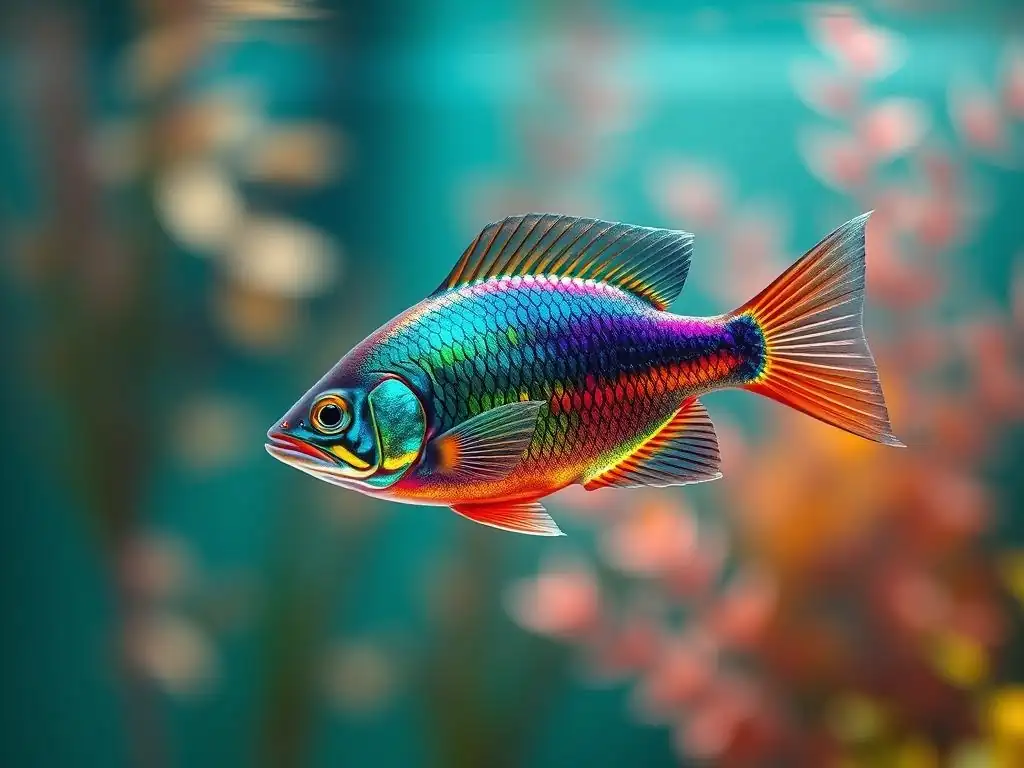
The diet of Parrot Platies plays a pivotal role not only in their general health but also in the intensity and vibrancy of their renowned coloration. A varied and nutritious diet ensures they receive all essential vitamins, minerals, and macronutrients necessary for their metabolic processes, immune function, and pigment development. Relying solely on a single type of food can lead to nutritional deficiencies over time, which may manifest as dull colors, stunted growth, or increased susceptibility to disease, underscoring a key aspect of Parrot Platy care.
To truly unlock their full color potential, the diet should be rich in specific pigments, particularly carotenoids. These naturally occurring compounds, found in many plant and animal sources, are directly responsible for the red, orange, and yellow hues that make Parrot Platies so appealing. Incorporating foods specifically formulated for color enhancement or those naturally high in these pigments is a strategic move to ensure your platies display their most brilliant spectrum of colors.
Recommended Foods for Parrot Platy: A Balanced Diet
A balanced diet for Parrot Platies should primarily consist of high-quality flake food or small pellets specifically designed for tropical community fish. Look for options that list spirulina or other algae as key ingredients, as these provide essential plant matter and natural color enhancers. For example, flakes with a high spirulina content (e.g., 20% or more) can significantly boost their green and yellow pigments.
Supplementing their staple diet with various live or frozen foods is crucial for optimal health and color. Bloodworms, brine shrimp, and daphnia are excellent sources of protein and provide a stimulating feeding experience. Additionally, offering blanched vegetables such as zucchini, cucumber slices, or spinach provides necessary fiber and vitamins. A feeding regimen that includes a mix of these options 3-4 times per week ensures comprehensive nutrition for your Parrot Platies.
Feeding Frequency and Portion Control for Parrot Platies
Parrot Platies should be fed small amounts 1-2 times daily. The key to proper feeding is portion control: only offer what they can consume completely within 2-3 minutes. Any uneaten food that settles on the substrate will quickly decompose, leading to ammonia spikes and a decline in water quality, which can stress the fish and promote algae growth. Overfeeding is one of the most common mistakes in aquarium keeping and can lead to a host of problems, including digestive issues in the fish and polluted water.
A practical approach is to start with a very small pinch of food and observe how quickly it's eaten. If it's gone in under two minutes, you can offer a tiny bit more, but always err on the side of underfeeding rather than overfeeding. For instance, a group of five adult platies might only need a few small flakes twice a day. Removing any uneaten food promptly with a net or siphon is also an important Parrot Platy care tip, helping to maintain a clean and healthy environment.
Supplementing Your Parrot Platy's Diet for Enhanced Health
Beyond the core diet, strategic supplementation can significantly enhance the health and coloration of your Parrot Platies. Liquid vitamin supplements, specifically formulated for aquarium fish, can be added to the water during water changes or soaked into their food before feeding. These supplements often contain a broad spectrum of vitamins (A, C, D, E, B-complex) that bolster the fish's immune system, improve metabolism, and aid in stress recovery, especially beneficial for fish that may have been stressed during transport or initial acclimatization.
For particularly vibrant colors, look for foods or supplements specifically high in carotenoids like astaxanthin or beta-carotene. Astaxanthin, for example, is a powerful antioxidant and a key pigment found in many crustaceans and algae, directly contributing to the rich reds and oranges seen in platies. Some commercial color-enhancing flakes or pellets incorporate these compounds to maximize pigment deposition in the fish's chromatophores, the specialized cells responsible for color. By providing these specific dietary components, you actively support the expression of their most brilliant natural hues.
Parrot Platy Tank Mates: Creating a Peaceful Community
Best Tank Mates for Parrot Platies in a Community Aquarium
Parrot Platies are renowned for their peaceful and sociable nature, making them excellent candidates for a diverse community aquarium. When selecting tank mates, prioritize other non-aggressive, similarly sized freshwater fish that share comparable water parameter requirements. Ideal companions include other livebearers such as Guppies, Mollies, and Swordtails, provided tank size is adequate to prevent overcrowding. However, be mindful of potential cross-breeding between platies and swordtails if genetic purity is a concern.
Beyond livebearers, peaceful bottom dwellers like Corydoras catfish (e.g., Panda Corys, Bronze Corys) are excellent choices, as they occupy a different water column and will not compete for space or food. Small, schooling fish like Neon Tetras, Cardinal Tetras, or Harlequin Rasboras also make good companions, adding another layer of visual interest without posing a threat. Otocinclus catfish are also beneficial algae eaters that are completely peaceful. Ensuring compatibility is a critical Parrot Platy care tip for a harmonious tank.
Fish to Avoid Keeping with Parrot Platies
While Parrot Platies are generally adaptable, certain fish species should be avoided as tank mates to prevent stress, injury, or predation. Highly aggressive or territorial fish, such as most Cichlids (e.g., African Cichlids, Jack Dempseys) or large Gouramis, are unsuitable as they can bully, nip at fins, or even consume smaller platies. Similarly, larger, predatory fish that view platies as a food source, such as Arowanas or Oscars, are definite no-gos.
Fin-nipping species, like some Barbs (e.g., Tiger Barbs, unless kept in very large schools of their own), should also be approached with caution, as they can cause stress and damage to the platies' fins, leading to secondary infections. Additionally, fish that require vastly different water parameters, such as extremely soft or acidic water (e.g., Discus or certain wild Bettas), should not be housed with Parrot Platies, as attempting to accommodate both can compromise the health of one or both species.
Ensuring Compatibility: Observing Parrot Platy Behavior
After introducing new tank mates, careful observation of your Parrot Platies' behavior is essential for ensuring long-term compatibility and a peaceful community. For the first 24-48 hours, closely monitor for any signs of aggression, excessive chasing, or stress. Stressed platies may exhibit clamped fins, rapid breathing, hiding constantly, or a loss of their vibrant coloration. Conversely, if new fish are being bullied, they may show similar signs of duress.
If aggression or undue stress is observed, prompt action is necessary. This might involve increasing the number of hiding spots in the tank, adjusting the male-to-female ratio (e.g., 1 male to 2-3 females to diffuse male attention), or, in more severe cases, separating the incompatible fish. Sometimes, simply rearranging the tank decor can disrupt established territories and alleviate tension. Regular observation is a key Parrot Platy care tip that allows you to proactively address issues and maintain a harmonious environment for all inhabitants.
Breeding Parrot Platies: A Comprehensive Guide
Setting Up a Breeding Tank for Parrot Platies
For hobbyists interested in breeding Parrot Platies, setting up a dedicated breeding tank can significantly increase the survival rate of the fry. A 5 to 10-gallon (approximately 19-38 liter) tank is typically sufficient for a small breeding group or a single gravid female. This tank should be equipped with a gentle filtration system, such as a sponge filter, which provides biological filtration without creating strong currents that could harm delicate fry.
Crucially, the breeding tank must offer an abundance of hiding spots for the newborn fry. Dense live plants like Hornwort, Guppy Grass, Java Moss, or even floating plants such as Water Lettuce or Frogbit are ideal. These plants provide immediate shelter from the adult fish, who may otherwise prey on their offspring. Slightly elevating the water temperature to around 78°F (26°C) can also encourage breeding activity and promote faster development of the embryos within the female.
Identifying Male and Female Parrot Platies for Breeding
Distinguishing between male and female Parrot Platies is relatively straightforward, a crucial step for successful breeding. Male platies are typically smaller and more slender than females. Their most definitive characteristic is the gonopodium, a modified, rod-shaped anal fin used for internal fertilization. This fin is distinctly pointed and elongated, easily differentiated from the fan-shaped anal fin of the female.
Female platies, on the other hand, are generally larger and have a more rounded body shape, especially when gravid (pregnant). Their anal fin retains its natural, triangular, fan-like appearance. A gravid female will also often develop a noticeable "gravid spot," a dark, pigmented area near her anal fin, which becomes more prominent as the fry develop inside her. Observing these distinct physical traits is a fundamental Parrot Platy care tip for breeding purposes.
Caring for Parrot Platy Fry: From Birth to Independence
Once Parrot Platy fry are born, immediate attention to their care is essential for their survival. If breeding in a community tank, ensuring dense plant cover is critical for the fry to hide from adult fish. In a dedicated breeding tank, the adults can be removed after the female gives birth to prevent predation. Fry are born relatively large and free-swimming, but they are still vulnerable.
Feeding the fry is paramount; they require frequent, small meals to support their rapid growth. Specialized fry food, finely crushed high-quality flake food, or newly hatched brine shrimp nauplii are excellent choices. Feed them 3-4 times a day, only offering what they can consume in a few minutes. Maintaining pristine water quality in the fry tank through small, frequent water changes (e.g., 10-15% every other day) is also vital, as they are highly sensitive to pollutants. With proper Parrot Platy care, fry can reach maturity in approximately 3-4 months.
Maintaining Parrot Platy Health and Preventing Diseases
Common Diseases Affecting Parrot Platies and How to Treat Them
Parrot Platies, while generally hardy, can still fall victim to common freshwater diseases, often triggered by poor water quality, stress, or the introduction of new, infected fish. Ich (Ichthyophthirius multifiliis), characterized by small white spots resembling grains of salt on the body and fins, is one of the most prevalent. Fin Rot, a bacterial infection causing frayed, discolored fins, and various fungal infections (often appearing as cotton-like growths) are also common.
Preventing these ailments through diligent Parrot Platy care tips, such as consistent water parameters and a nutritious diet, is the first line of defense. However, if an infection occurs, prompt identification and treatment are crucial. For Ich, gradually raising the water temperature to 82-84°F (28-29°C) over 24 hours, combined with aquarium salt or specific Ich medications, is often effective. Fin Rot and fungal infections typically respond well to broad-spectrum antibacterial or antifungal medications, respectively, usually administered in a separate hospital tank.
Identifying Early Signs of Illness in Parrot Platies
Early detection of illness is critical for successful treatment and preventing the spread of disease within your aquarium. Be vigilant for changes in your Parrot Platies' behavior. Lethargy, spending unusual amounts of time at the surface gasping for air, rubbing against tank decorations, or hiding excessively are all potential indicators of stress or sickness. Normal, healthy platies are active and inquisitive.
Physical signs also provide strong clues. Look for clamped fins (fins held close to the body), discolored patches on the skin, unusual growths, bloating, or any visible parasites. For instance, a Parrot Platy with Fin Rot might show reddish streaks or a cloudy appearance at the edges of its fins before they begin to fray. Any deviation from their normal vibrant coloration can also be a subtle sign of underlying health issues, emphasizing the importance of daily observation as a core Parrot Platy care tip.
Quarantine Procedures for Sick Parrot Platies
When a Parrot Platy shows signs of illness, the most effective course of action is often to immediately move the affected fish to a dedicated quarantine or hospital tank. This separate tank, typically 5-10 gallons (19-38 liters), should be basic, equipped with a heater to maintain stable temperature, an air stone for aeration, and a simple sponge filter. Avoid substrate or elaborate decorations, as these can absorb medications and make cleaning difficult.
Quarantining prevents the disease from spreading to healthy tank mates and allows for targeted treatment without risking the beneficial bacteria in your main aquarium's filter. Administer medications strictly according to package directions, and perform small, daily water changes (e.g., 10-20%) with temperature-matched, dechlorinated water to maintain water quality during treatment. Do not return the fish to the main tank until it has fully recovered and shown no symptoms for at least 7-10 days, ensuring complete eradication of the pathogen.
Promoting Optimal Health in Your Parrot Platy Tank
Promoting optimal health in your Parrot Platy tank goes beyond just treating diseases; it involves a holistic approach to their environment and well-being. Regular and consistent aquarium maintenance is paramount: this includes weekly water changes of 25-30%, routine cleaning of the substrate to remove detritus, and proper filter maintenance. A clean filter ensures efficient removal of waste and maintains beneficial bacterial colonies, which are vital for the nitrogen cycle.
Beyond physical maintenance, ensuring a balanced and varied diet, as previously discussed, provides the nutritional building blocks for a strong immune system. Avoiding overstocking your tank is also crucial, as too many fish in a limited space leads to increased waste production, elevated stress levels, and greater susceptibility to disease. Providing ample hiding spots and maintaining stable water parameters minimize stress, allowing your Parrot Platies to thrive and display their full, vibrant potential. These comprehensive Parrot Platy care tips are essential for long-term success.
Enhancing Parrot Platy Colors: Tips and Tricks
Dietary Supplements for Boosting Parrot Platy Coloration
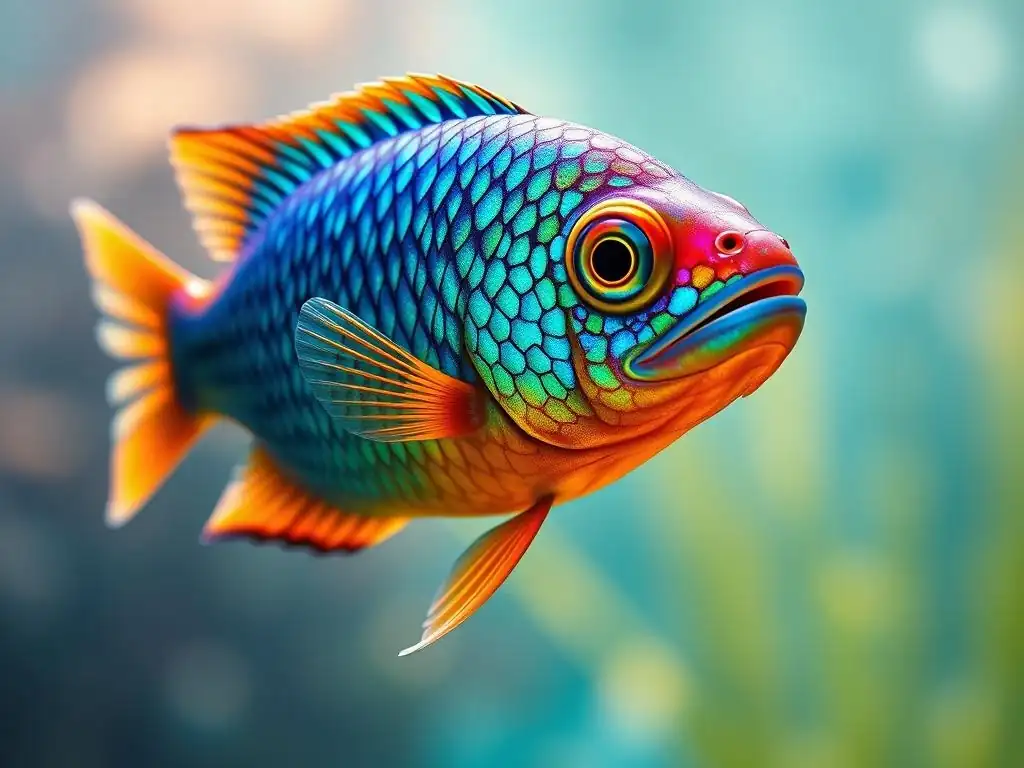
To truly unlock and intensify the stunning colors of your Parrot Platies, focusing on their diet is paramount. Beyond a balanced staple food, incorporating specific dietary supplements rich in natural pigments can make a significant difference. Foods that are high in spirulina, a blue-green algae, are excellent for enhancing green and blue tones, and often deepen the overall vibrancy of reds and oranges as well. Look for flakes or pellets with a high percentage of spirulina listed in their ingredients.
For the most striking red and orange hues, focus on supplements containing astaxanthin. This powerful carotenoid pigment, naturally found in krill, shrimp, and certain algae, is readily absorbed by fish and deposited in their skin cells (chromatophores), directly intensifying their red, orange, and yellow coloration. Many premium "color-enhancing" fish foods specifically include astaxanthin. Offering frozen or live brine shrimp, which are naturally rich in astaxanthin, a few times a week can also provide this beneficial pigment.
Lighting and its Impact on Parrot Platy Pigmentation
The type and quality of lighting in your aquarium significantly impact how the colors of your Parrot Platies are perceived and can even influence their pigmentation over time. Full-spectrum LED lighting with a color temperature around 6500K is ideal. This spectrum closely mimics natural daylight, allowing the fish's true colors to be fully visible and "pop" against the tank background. Warm white LEDs can accentuate reds and oranges, while cooler white or blue LEDs can highlight metallic sheens.
Prolonged periods of darkness or excessively dim lighting can lead to duller coloration, as the fish's pigment cells may not be fully stimulated. Conversely, providing a consistent light cycle, typically 8-10 hours per day, not only promotes healthy plant growth (if applicable) but also supports the fish's natural circadian rhythm, reducing stress and encouraging optimal color expression. A well-lit tank allows you to fully appreciate the vibrant hues achieved through diligent Parrot Platy care.
Maintaining Water Quality for Vibrant Parrot Platy Hues
While diet and lighting are crucial, the foundational element for vibrant Parrot Platy colors remains impeccable water quality. Fish that are stressed or unhealthy due to poor water conditions will often exhibit dull, faded colors, regardless of their diet or lighting. High levels of ammonia, nitrite, or nitrate put a constant strain on a fish's system, diverting energy from color production towards combating toxins.
Consistent adherence to Parrot Platy care tips regarding water quality, such as weekly 25-30% water changes, efficient filtration, and regular testing of parameters (ammonia, nitrite, nitrate, pH, GH), ensures a pristine environment. When fish are comfortable and thriving in stable, clean water, their bodies can allocate more resources to developing and maintaining their brilliant pigments. A healthy, stress-free fish is a colorful fish, making water quality the ultimate determinant of their visual splendor.
Troubleshooting Common Parrot Platy Problems
Addressing Aggression in Parrot Platies
While Parrot Platies are generally peaceful, occasional aggression can occur, particularly among males or towards tank mates. One common cause is an imbalanced male-to-female ratio; keeping too many males together in a confined space without enough females (ideally a 1:2 or 1:3 male-to-female ratio) can lead to excessive chasing and nipping among males. Overcrowding in general also contributes to heightened stress and territorial behavior.
To address aggression, first, ensure your tank is adequately sized for the number of platies and other inhabitants, ideally a 20-gallon long or larger for a small group. If the male-to-female ratio is skewed, consider adding more females. Providing ample hiding spots and visual barriers with live plants, driftwood, and decorations can also help break up lines of sight and reduce confrontations. In extreme cases, rehoming a particularly aggressive male or separating the fish may be necessary.
Dealing with Fin Rot and Other Common Ailments
Fin Rot, characterized by frayed, ragged, or disintegrating fins, is a common bacterial infection often triggered by poor water quality, stress, or physical injury. The most effective initial treatment for Fin Rot is improving water conditions through daily small water changes (e.g., 20-30%) and ensuring proper filtration. If the condition doesn't improve within a few days, or if it's severe, a broad-spectrum antibacterial medication administered in a hospital tank is recommended.
Other common ailments include Ich (white spot disease), which appears as small white spots on the body and fins, and fungal infections, which look like white, cotton-like growths. Ich can often be treated by slowly raising the tank temperature to 82-84°F (28-29°C) and adding aquarium salt, or using an Ich-specific medication. Fungal infections typically respond to antifungal medications. Always isolate sick fish in a quarantine tank to prevent the spread of disease and ensure targeted treatment, following all medication instructions carefully. Consistent Parrot Platy care tips, especially water quality, are key to prevention.
Solving Water Quality Issues Affecting Parrot Platies
Water quality issues are the root cause of many Parrot Platy health problems, ranging from faded colors to severe illness. The most common issues include elevated ammonia, nitrite, or nitrate levels, and unstable pH. If tests reveal ammonia or nitrite above 0 ppm, or nitrates above 20 ppm, immediate action is required. Perform a large water change (e.g., 50%) to dilute the toxins, and then assess the cause.
Possible solutions include reducing feeding to prevent excess waste, checking the filter for blockages or signs of inefficiency, or addressing overstocking. If the tank is newly set up and not fully cycled, a "fish-in cycle" with frequent small water changes will be necessary. For pH swings, ensure stable buffering capacity by checking water hardness and avoiding large additions of chemicals or decorations that drastically alter pH. Consistent monitoring and proactive adjustments are fundamental Parrot Platy care tips for a healthy and thriving aquarium.
Conclusion: Mastering Parrot Platy Care Tips for a Thriving Aquarium
Mastering Parrot Platy care tips is an achievable and rewarding endeavor for any aquarist, leading to a vibrant and thriving freshwater aquarium. The journey begins with a foundational understanding of their essential needs: maintaining stable and pristine water parameters, specifically within the temperature range of 72-78°F and a pH of 7.0-8.0 with moderate to hard water. Regular 25-30% weekly water changes are non-negotiable for preventing toxin buildup and ensuring a healthy environment.
Beyond water quality, providing an appropriately sized tank (20 gallons long or more for a school), a balanced and color-enhancing diet rich in carotenoids, and carefully selected peaceful tank mates are crucial. From setting up a dedicated breeding tank to identifying and treating common ailments like Fin Rot and Ich, proactive observation and swift action are key. By diligently applying these Parrot Platy care tips, aquarists can unlock the full potential of these beautiful fish, enjoying their vivid colors and lively personalities for years to come.
Frequently Asked Questions
What are the ideal water parameters for Parrot Platy?
Parrot Platies thrive in water with a pH between 6.8 and 7.8, a temperature of 72-78°F (22-26°C), and moderate hardness. Consistent water changes are crucial for their health.
What do Parrot Platies eat, and how often should I feed them?
They are omnivores and need a varied diet. Offer them high-quality flake food, supplemented with live or frozen foods like brine shrimp or daphnia. Feed them 2-3 times a day in small portions.
How can I keep my Parrot Platy's colors vibrant?
Maintaining excellent water quality, providing a balanced diet rich in nutrients, and ensuring adequate lighting all contribute to vibrant coloration.
Are Parrot Platies compatible with other fish?
Yes, they are generally peaceful and get along well with other community fish of similar size and temperament. Avoid housing them with aggressive or fin-nipping species.
What are some common health issues that affect Parrot Platies?
Common issues include ich (white spot disease), fin rot, and fungal infections. Maintaining clean water and a stress-free environment are key to prevention.
Final Reflection: Embracing the Spectrum of Parrot Platy Life
The journey into understanding the vibrant world of Parrot Variatus Platies, as explored in this article, highlights more than just aquarium keeping; it's about appreciating the delicate balance of life and the beauty found within controlled environments. The care tips we've discussed are not merely instructions, but a pathway to fostering a thriving ecosystem, mirroring the intricate relationships found in nature itself. The enduring popularity of these fish speaks volumes about our inherent desire to connect with the natural world, even within the confines of our homes.
The allure of the Parrot Platy, with its dazzling array of colors, has undeniably influenced the aquascaping landscape, inspiring hobbyists to create ever more elaborate and vibrant displays. My own fascination with these fish began with a simple observation: their resilience and adaptability. The beauty of the natural world lies in the details; it's in the vibrant colors of a tiny fish, the intricate patterns of a leaf, the delicate dance of life and death.
This quote perfectly encapsulates the profound impact these small creatures can have on our appreciation for the natural world.
As you embark on your own journey with Parrot Platies, or simply reflect on the lessons learned here, I invite you to consider the broader implications. How can we, as stewards of this planet, apply the principles of careful observation, responsible care, and a deep appreciation for beauty to all aspects of our lives? Let the vibrant colors of the Parrot Platy serve as a constant reminder to embrace the spectrum of life and to nurture the delicate ecosystems around us, both within our aquariums and beyond.
Ignite Your Aquarium: Unleash the Parrot Platy's Full Potential!
Thank you for exploring the vibrant world of Parrot Variatus Platies! We hope this article has illuminated the path to understanding and enhancing their stunning colors. Now, let’s dive into action.
- Embark on a Feeding Revolution: Introduce a daily rotation of high-quality spirulina flakes, daphnia, and finely crushed green peas to see your Parrot Platies truly shine.
- Share the spectrum: Post a picture of your most colorful Parrot Platy on social media using #AquariumMasteryColors and inspire other aquarists.
- Go beyond the gravel: Research and implement one new plant species that complements your platy's environment and enhances the tank's natural beauty.
What innovative feeding strategy will you experiment with this week to unlock even more vibrant hues in your Parrot Platies?