
The Perfect Corydoras Tank: Substrate, Decor, and Water Parameters

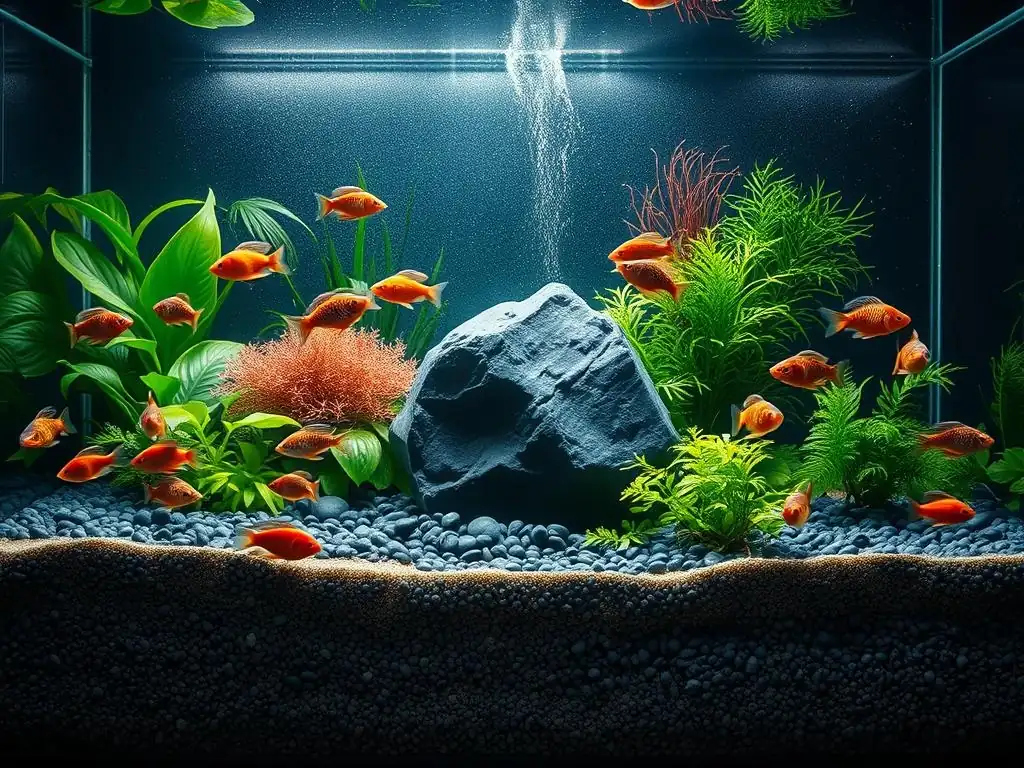
Welcome to Aquarium Mastery!
Curious about creating the perfect underwater paradise for your Corydoras? This Corydoras tank setup guide dives deep into everything you need to know, from choosing the right substrate to mastering the ideal water parameters. Prepare to unlock the secrets to a thriving Corydoras community and discover how to transform your aquarium into a haven they'll adore. Ready to get started?
- Corydoras Tank Setup Guide: Creating the Ideal Environment
- Choosing the Right Substrate for Your Corydoras Tank
- Decorating Your Corydoras Aquarium: Providing Shelter and Enrichment
- Water Parameters for Corydoras: Maintaining a Healthy Environment
- Corydoras Tank Mates: Choosing Compatible Species
- Setting Up Your Corydoras Tank: A Step-by-Step Guide
- Maintaining Your Corydoras Tank: Ensuring Long-Term Health
- Troubleshooting Common Corydoras Tank Issues
- Advanced Corydoras Keeping: Breeding and Raising Fry
- Conclusion: Mastering the Art of Corydoras Tank Keeping.
- Frequently Asked Questions
- Final Reflection: Cultivating a Thriving Corydoras World
- Unleash the Corydoras Paradise in Your Tank!
Corydoras Tank Setup Guide: Creating the Ideal Environment
Understanding Corydoras Needs for a Thriving Aquarium
Corydoras catfish are beloved freshwater aquarium inhabitants, known for their peaceful demeanor and active bottom-dwelling habits. Originating primarily from the slow-moving rivers and streams of South America, these fish thrive in environments that mimic their natural habitat.
A successful Corydoras tank setup guide must prioritize their specific needs, which include soft substrates for their delicate barbels, ample hiding spots, and stable, clean water parameters. Most Corydoras species, such as the popular Panda Cory (Corydoras panda) or Bronze Cory (Corydoras aeneus), typically grow to be about 1.5 to 3 inches (3.8 to 7.6 cm) long and can live for 3 to 5 years, with some individuals exceeding 10 years in optimal conditions.
Their natural behaviors, such as sifting through the substrate for food and schooling, are crucial considerations for any Corydoras tank setup guide. These social fish prefer to be kept in groups of at least six of their own species to feel secure and exhibit their full range of natural behaviors.
A well-designed Corydoras tank setup guide will account for their schooling instincts, ensuring adequate space for movement and interaction. Providing an environment that caters to these fundamental needs not only promotes their health and longevity but also allows aquarists to observe their fascinating antics, from their characteristic "winking" to their synchronized foraging expeditions across the tank floor.
Choosing the Right Substrate for Your Corydoras Tank
Fine Sand vs. Gravel: Which Substrate is Best for Corydoras?
When planning a Corydoras tank setup guide, the choice of substrate is paramount due to their delicate sensory barbels, which they use to sift through the substrate in search of food. Fine sand is overwhelmingly the superior choice for Corydoras species. Unlike coarser gravel, which can abrade or even damage their sensitive barbels, fine sand allows Corydoras to burrow and sift safely and naturally, mimicking their wild foraging behavior. This ability to dig around in the substrate is not merely a preference; it is essential for their well-being, preventing stress and potential infections that can arise from damaged barbels.
Using fine sand, such as play sand or specialized aquarium sand, facilitates natural feeding behaviors and contributes significantly to their overall health. When Corydoras cannot properly sift, their barbels can become inflamed or infected, leading to difficulty feeding and increased susceptibility to disease.
Many experienced aquarists who have followed a comprehensive Corydoras tank setup guide report a noticeable difference in the activity levels and apparent contentment of their fish when transitioning from gravel to sand. For instance, a 20-gallon long tank (approximately 30x12x12 inches) designed for a small group of Corydoras would typically require about 20-30 pounds of fine sand to achieve the recommended depth.
Substrate Depth: How Much Substrate Do Corydoras Need?
The ideal substrate depth for a Corydoras tank setup guide is typically between 1 to 2 inches (2.5 to 5 cm) of fine sand. This depth is sufficient to allow them to sift and dig comfortably without creating an overly deep layer that could lead to anaerobic pockets. Anaerobic pockets are areas within the substrate where oxygen is depleted, leading to the buildup of harmful gases like hydrogen sulfide, which can be toxic to fish. While Corydoras will happily dig, they do not require excessively deep substrate like some burrowing species.
Maintaining this moderate depth helps prevent the compaction of the substrate, allowing for better water circulation within the sand bed and reducing the risk of harmful gas buildup. For a standard 20-gallon long aquarium, approximately 1.5 inches of sand would translate to roughly 25 pounds of substrate. Regularly stirring the top layer of the sand, especially during water changes, can also help mitigate the formation of anaerobic zones, further ensuring a healthy environment as outlined in a robust Corydoras tank setup guide.
Substrate Preparation: Cleaning and Adding Substrate to Your Corydoras Aquarium
Proper preparation of the substrate is a critical step in any Corydoras tank setup guide to ensure a clean and safe environment for your fish. New sand, even pre-rinsed varieties, can contain fine dust and impurities that will cloud your aquarium water and potentially irritate fish gills. The process involves thoroughly rinsing the sand until the water runs clear.
This typically requires placing small batches of sand into a clean bucket and running water through it, stirring vigorously, and pouring out the cloudy water until no more dust is visible. This rinsing process might need to be repeated several times for each batch of sand.
Once thoroughly rinsed, the sand can be carefully added to the empty aquarium. It is advisable to use a clean scoop or your hands to gently spread the sand evenly across the bottom of the tank, avoiding sudden drops that could scratch the glass.
After the substrate is in place, you can begin to slowly fill the tank with water, preferably by placing a plate or plastic bag on the substrate to diffuse the water flow and prevent the sand from being disturbed and clouding the tank again. This meticulous preparation, a cornerstone of any effective Corydoras tank setup guide, ensures a clear tank from the start and reduces stress on your future inhabitants.
Decorating Your Corydoras Aquarium: Providing Shelter and Enrichment
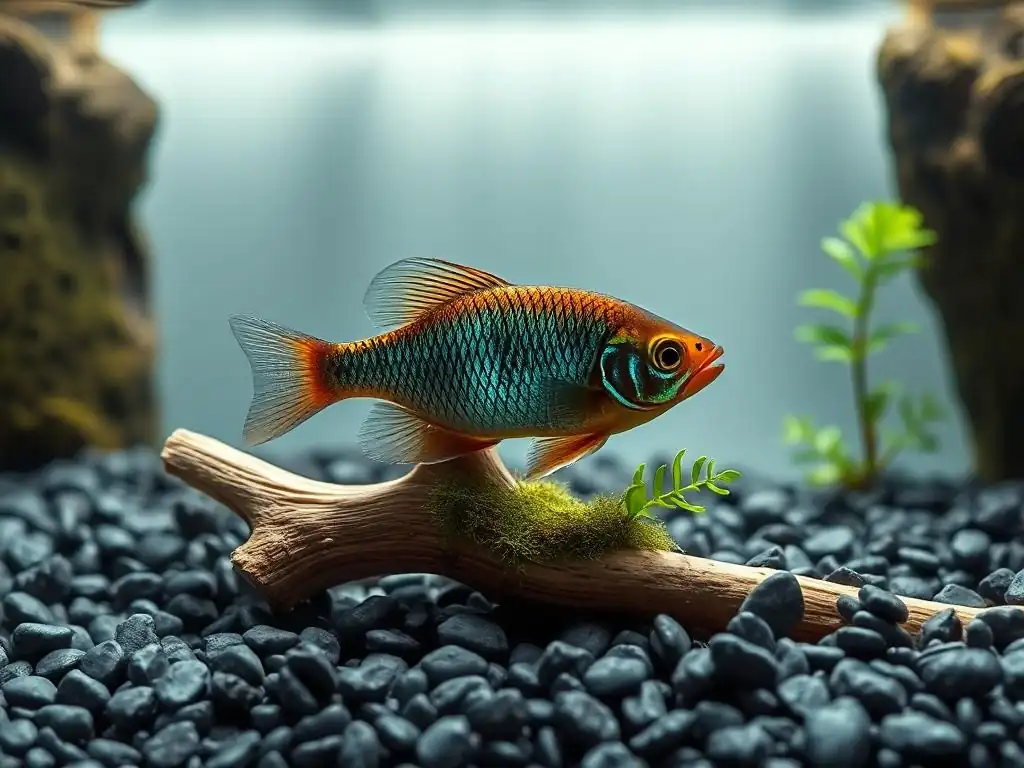
Safe and Suitable Decorations for Corydoras
Decorations play a vital role in a Corydoras tank setup guide, providing not only aesthetic appeal but also essential shelter and enrichment for these shy bottom-dwellers. When selecting decor, prioritize items with smooth surfaces and no sharp edges that could injure their delicate barbels or bodies. Natural elements like smooth river stones, rounded pebbles, and appropriately sized pieces of driftwood are excellent choices. These provide natural hiding spots and perching areas, making the fish feel more secure.
Artificial decorations, if used, should also be smooth, non-toxic, and specifically designed for aquariums. Avoid anything with rough textures, small holes where fish could get trapped, or paint that could chip off. For instance, a 20-gallon long tank could comfortably accommodate 2-3 pieces of medium-sized driftwood and a cluster of smooth river stones, creating varied landscapes for exploration and refuge. A well-decorated Corydoras tank setup guide emphasizes creating a complex environment with plenty of visual barriers and retreats, which reduces stress and encourages natural behaviors.
Plants for Corydoras Tanks: Creating a Natural Habitat
Live plants are an invaluable addition to any Corydoras tank setup guide, enhancing the natural aesthetic while providing numerous benefits for the fish. Plants offer vital cover and security, allowing Corydoras to retreat when they feel threatened, which is particularly important for their often-shy nature. Beyond providing shelter, live plants contribute to water quality by absorbing nitrates, thus helping to maintain a healthier and more stable environment. They also provide additional surfaces for beneficial bacteria to colonize, further aiding in the nitrogen cycle.
A diverse selection of plants can create a more natural and enriching habitat. For example, a 30-gallon Corydoras tank might feature a dense foreground of Monte Carlo or Dwarf Hairgrass, mid-ground plants like Anubias Nana or Java Fern attached to driftwood, and taller background plants such as Amazon Swords or Vallisneria. This layered approach provides varied hiding spots and foraging areas. A comprehensive Corydoras tank setup guide will highlight the importance of choosing plants that thrive in the tank's specific light and water conditions, ensuring both the plants and fish flourish.
Low-Light Plant Options for Corydoras Aquariums
For aquarists following a Corydoras tank setup guide who prefer lower-maintenance setups or have standard aquarium lighting, several robust low-light plant options are ideal. Plants like Java Fern ( Microsorum pteropus), Anubias species ( Anubias barteri, A. nana, A. coffeefolia), and Cryptocoryne species ( Cryptocoryne wendtii, C. undulata) are excellent choices. These plants are known for their hardiness and ability to thrive in less intense lighting conditions, typically requiring only 0.5 to 1.0 watts per gallon of fluorescent lighting or equivalent LED output.
These low-light plants are also beneficial because they do not require demanding substrate fertilization or CO2 injection, simplifying the overall maintenance of your Corydoras tank setup guide. Java Fern and Anubias are particularly suited for attachment to driftwood or rocks, keeping their rhizomes (root-like stems) above the substrate, which prevents them from rotting in the sand. Cryptocorynes, while rooting in the substrate, are generally forgiving and provide excellent ground cover for bottom-dwelling Corydoras.
Rooting Plants vs. Floating Plants for Corydoras
Integrating both rooting and floating plants can significantly enhance a Corydoras tank setup guide, offering different benefits and aesthetic qualities. Rooting plants, such as Amazon Swords ( Echinodorus amazonicus), Cryptocorynes, and various stem plants (e.g., Ludwigia, Rotala), anchor themselves in the substrate. They provide dense cover at the bottom and mid-levels of the tank, creating ideal hiding spots and foraging areas for Corydoras. These plants absorb nutrients primarily through their roots, contributing to substrate health and nutrient cycling.
Floating plants, including Frogbit ( Limnobium laevigatum), Dwarf Water Lettuce ( Pistia stratiotes), or Salvinia species, rest on the water's surface. They provide shade, which can help reduce algae growth by blocking light, and create a sense of security for the fish below. Many Corydoras species appreciate the subdued lighting created by floating plants, as it mimics their natural riverine habitats where overhead vegetation often filters sunlight. Additionally, floating plants are highly efficient at absorbing excess nitrates directly from the water column, further contributing to excellent water quality, a key element of any successful Corydoras tank setup guide.
Driftwood and Rocks: Adding Natural Elements to Your Corydoras Setup
Driftwood and rocks are indispensable natural elements for a visually appealing and functionally beneficial Corydoras tank setup guide. Driftwood, such as Malaysian, Manzanita, or Cholla wood, releases beneficial tannins into the water, which can slightly lower pH and provide natural anti-bacterial properties. More importantly, it offers numerous crevices and tunnels that serve as excellent hiding spots and exploration areas for Corydoras. The porous surface of driftwood also provides ample surface area for beneficial bacteria to colonize, contributing to a stable nitrogen cycle.
Similarly, smooth, inert rocks like river stones, basalt, or slate can be strategically placed to create caves, ledges, and visual barriers. These formations enhance the natural feel of the aquarium and provide additional refuge for the fish. It is crucial to ensure that any rocks used are free of sharp edges and are thoroughly cleaned before introduction to the tank.
For example, a 40-gallon breeder tank might incorporate a large central piece of driftwood complemented by several smooth river stones clustered at the base, offering diverse territories for a larger group of Corydoras. Always ensure these elements are stable and cannot topple over, especially if stacked, to prevent injury to your fish or damage to the tank.
Water Parameters for Corydoras: Maintaining a Healthy Environment
Ideal Water Temperature for Corydoras Species
Maintaining the ideal water temperature is crucial for the health and longevity of Corydoras, as outlined in any comprehensive Corydoras tank setup guide. Most common Corydoras species thrive in a temperature range of 72°F to 78°F (22°C to 26°C). While they can tolerate slight fluctuations, consistent temperatures within this range are vital for their metabolic processes, immune system function, and overall well-being. Temperatures significantly outside this range can lead to stress, reduced activity, and increased susceptibility to diseases.
For instance, if the water temperature consistently drops below 70°F (21°C), Corydoras may become lethargic and more prone to fungal infections. Conversely, temperatures above 80°F (27°C) can lead to oxygen depletion, increased metabolism, and a shortened lifespan. Using a reliable submersible heater with an accurate thermostat is essential for maintaining stability. Regularly checking the water temperature with a thermometer, perhaps twice daily, ensures that the heater is functioning correctly and that the tank environment remains within the optimal range for your Corydoras tank setup guide.
pH Levels for Corydoras: Achieving Optimal Water Chemistry
The pH level, a measure of water's acidity or alkalinity, is another critical water parameter for a successful Corydoras tank setup guide. Most Corydoras species prefer slightly acidic to neutral water, with an ideal pH range typically between 6.0 and 7.5. While they are generally adaptable, sudden or extreme fluctuations in pH can be highly stressful and detrimental to their health. Maintaining a stable pH within this range helps to prevent osmotic shock and supports their physiological functions.
For example, a pH of 6.5-7.0 is often considered optimal for many popular species like the Peppered Cory (Corydoras paleatus) or Sterba's Cory (Corydoras sterbai). Aquarists should test their source water pH before setting up the tank and aim to match it as closely as possible to the preferred range of their chosen Corydoras species.
If adjustments are necessary, they should be made gradually using appropriate aquarium products or natural methods like adding driftwood (which can slightly lower pH over time) to avoid shocking the fish. Regular testing, perhaps weekly, is recommended to monitor pH stability in your Corydoras tank setup guide.
Water Hardness and Corydoras: GH and KH Considerations
Water hardness, specifically General Hardness (GH) and Carbonate Hardness (KH), significantly impacts the long-term health of Corydoras and should be carefully considered in any Corydoras tank setup guide. GH measures the concentration of dissolved mineral ions, primarily calcium and magnesium, while KH measures the buffering capacity of the water, which helps stabilize pH. Most Corydoras species thrive in soft to moderately hard water, with a GH range of 2-15 dGH (degrees of General Hardness) and a KH range of 3-10 dKH (degrees of Carbonate Hardness).
Maintaining these parameters ensures that the water is not overly harsh for their delicate systems and that the pH remains stable. For instance, a GH of 5-10 dGH and a KH of 4-8 dKH would be excellent for most common Corydoras. If your source water is excessively hard, methods like diluting with reverse osmosis (RO) water or using specialized water softening pillows can be employed, though these require careful monitoring.
Conversely, if water is too soft, adding mineralizers specifically designed for aquariums can help. Regular testing of both GH and KH, at least bi-weekly, is essential to ensure these vital parameters remain within the optimal range for your Corydoras tank setup guide.
Ammonia, Nitrite, and Nitrate: Maintaining Water Quality in a Corydoras Tank
Maintaining pristine water quality, particularly managing the nitrogen cycle, is paramount in a Corydoras tank setup guide. Ammonia (NH3/NH4+) and nitrite (NO2-) are highly toxic to fish and should always be at zero parts per million (ppm) in a cycled aquarium. These compounds are produced from fish waste, uneaten food, and decaying organic matter. The beneficial bacteria in a properly cycled filter convert ammonia to nitrite, and then nitrite to less toxic nitrate (NO3-). Even low levels of ammonia or nitrite can cause severe stress, gill damage, and death in sensitive fish like Corydoras.
Nitrate, while less toxic than ammonia and nitrite, should also be kept at low levels, ideally below 20 ppm, and certainly no higher than 40 ppm. High nitrate levels can lead to chronic stress, weakened immune systems, and susceptibility to disease. Regular testing with a reliable liquid test kit for ammonia, nitrite, and nitrate is indispensable. For example, a weekly test revealing 0 ppm ammonia, 0 ppm nitrite, and 15 ppm nitrate indicates excellent water quality, reflecting successful execution of a Corydoras tank setup guide that prioritizes the nitrogen cycle.
The Importance of Regular Water Changes for Corydoras Health
Regular water changes are the single most effective method for maintaining optimal water quality and are a non-negotiable component of any Corydoras tank setup guide. They serve to remove accumulated nitrates, replenish essential minerals, and reduce the concentration of other dissolved organic pollutants that build up over time. For a typical Corydoras community tank, a weekly water change of 25% to 30% of the total tank volume is generally recommended. This consistent routine prevents nitrate levels from climbing to dangerous concentrations and keeps the water fresh and clean.
For instance, in a 20-gallon Corydoras tank, a 25% weekly water change would involve removing 5 gallons of water and replacing it with fresh, dechlorinated water of a similar temperature and pH. Neglecting water changes can lead to "old tank syndrome," where accumulated nitrates and other pollutants cause chronic stress, stunted growth, and increased vulnerability to illness in your Corydoras. Consistent water changes, as emphasized in a thorough Corydoras tank setup guide, are fundamental to long-term fish health and the overall success of the aquarium.
Corydoras Tank Mates: Choosing Compatible Species
Peaceful Tank Mates for Corydoras
Selecting appropriate tank mates is a crucial aspect of a successful Corydoras tank setup guide, as their peaceful and often shy nature makes them vulnerable to aggressive or overly boisterous fish. Ideal tank mates are generally small to medium-sized, peaceful, and preferably inhabit the mid to upper levels of the water column, avoiding direct competition for space or food at the bottom. Good choices include various species of small tetras (e.g., Neon Tetras, Cardinal Tetras, Ember Tetras), rasboras (e.g., Harlequin Rasboras, Chili Rasboras), and small, peaceful gouramis (e.g., Dwarf Gouramis, Honey Gouramis).
Other excellent companions include peaceful livebearers like Guppies or Platies, provided their breeding habits are managed. Small, docile schooling fish like White Cloud Mountain Minnows are also suitable, especially in cooler Corydoras setups. A well-planned Corydoras tank setup guide might suggest a group of 6-8 Corydoras alongside a school of 10-12 Neon Tetras in a 20-gallon long tank, ensuring ample space for both groups. Always introduce new fish slowly and observe interactions to ensure compatibility and minimize stress.
Fish to Avoid Keeping with Corydoras
Just as important as choosing suitable tank mates is knowing which fish to avoid when following a Corydoras tank setup guide. Aggressive, fin-nipping, or overly large and boisterous fish can stress Corydoras, leading to injury, illness, or even death. Species like Cichlids (e.g., African Cichlids, larger South American Cichlids), even some smaller ones like Convict Cichlids, are generally too territorial and aggressive. Barbs, such as Tiger Barbs, are notorious fin-nippers and can harass Corydoras, especially their delicate barbels.
Predatory fish that are large enough to view Corydoras as food, such as larger Oscars or Arowanas, should also be strictly avoided. Even some popular community fish, if they are overly active or competitive bottom-dwellers, might not be ideal. For example, some species of plecos can be territorial or too large for smaller Corydoras tanks, though many smaller, peaceful pleco species (e.g., Bristlenose Plecos) can coexist if space allows. A thorough Corydoras tank setup guide emphasizes avoiding any species that could pose a threat or cause undue stress to these gentle bottom-dwellers.
Setting Up Your Corydoras Tank: A Step-by-Step Guide
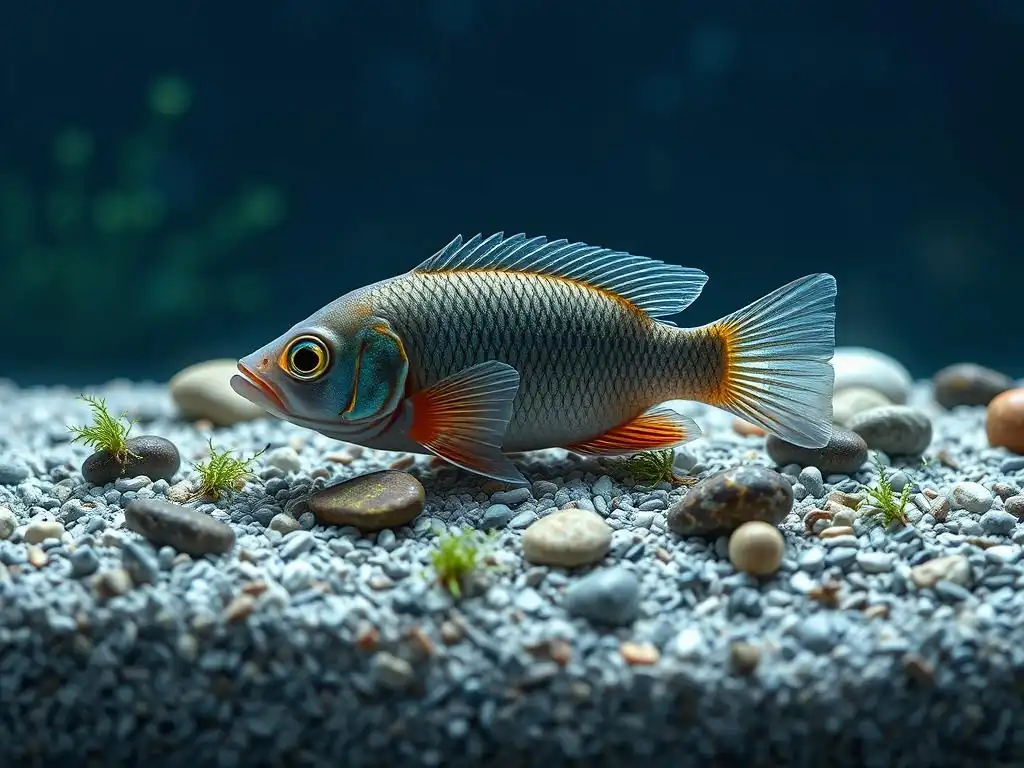
Step 1: Preparing Your Aquarium
The initial preparation of your aquarium is a foundational step in any Corydoras tank setup guide. Begin by thoroughly cleaning the empty tank. Use only plain water and a clean, dedicated aquarium sponge or cloth; avoid any soaps, detergents, or chemical cleaners, as residues can be highly toxic to fish. Rinse the tank multiple times to ensure no dust or debris remains. Position the tank on a sturdy, level surface capable of supporting its full weight when filled with water, substrate, and decor (a 20-gallon tank can weigh over 200 pounds).
Once the tank is clean and placed, install any necessary background decorations or electrical equipment such as heaters and filters. Ensure that the heater is properly secured and that the filter intake and outflow are positioned according to the manufacturer's instructions. A careful approach at this stage ensures a clean and safe foundation for your Corydoras tank setup guide, preventing issues that might arise later from overlooked details.
Step 2: Adding Substrate and Decor
With the tank prepared, the next step in your Corydoras tank setup guide involves carefully adding the substrate and decor. Begin by placing the thoroughly rinsed fine sand evenly across the bottom of the tank, aiming for a depth of 1 to 2 inches (2.5 to 5 cm). Use a clean scoop or your hands to spread it gently, trying not to scratch the glass. Once the substrate is in place, arrange your pre-cleaned driftwood, smooth rocks, and any other hardscape elements.
Position these decorations to create ample hiding spots, caves, and visual barriers, keeping in mind the Corydoras' preference for sheltered areas. Ensure that all decor is stable and cannot easily shift or fall, especially if stacking rocks. Finally, carefully plant any rooted live plants into the substrate, ensuring their roots are covered while their crowns are exposed. For epiphytic plants like Anubias or Java Fern, attach them securely to driftwood or rocks using fishing line or super glue gel. This thoughtful arrangement creates a functional and aesthetically pleasing environment, crucial for a successful Corydoras tank setup guide.
Step 3: Filling the Tank and Cycling the Water
After the substrate and decor are in place, the next critical phase of your Corydoras tank setup guide is filling the tank and initiating the nitrogen cycle. Slowly add dechlorinated water to the aquarium. Place a clean plate or plastic bag on top of the substrate to diffuse the water flow and prevent the sand from being disturbed and clouding the tank. Fill the tank to within an inch or two of the top rim. Once filled, turn on your filter and heater, setting the temperature to the desired range (72-78°F or 22-26°C).
The most crucial part of this step is cycling the aquarium. This biological process establishes beneficial bacteria colonies that convert toxic ammonia and nitrite into less harmful nitrate. There are several methods, but the "fishless cycling" method using a pure ammonia source is highly recommended as it avoids exposing fish to harmful toxins.
This process typically takes 4-6 weeks, during which you will regularly test water parameters (ammonia, nitrite, nitrate). Only when ammonia and nitrite consistently read 0 ppm, and nitrates are present, is the tank fully cycled and ready for fish, completing a vital stage of the Corydoras tank setup guide.
Step 4: Acclimating Your Corydoras to Their New Home
Once your Corydoras tank setup guide has reached the point of a fully cycled and stable aquarium, the final step is to carefully acclimate your new Corydoras. Proper acclimation minimizes stress and helps them adjust to the new water parameters, significantly reducing the risk of shock or illness. The most common and effective method is drip acclimation, particularly for sensitive species. Begin by floating the sealed bag containing the fish in your aquarium for 15-20 minutes to equalize temperature.
After temperature equalization, open the bag and secure it to the side of the tank or place it in a clean bucket. Using airline tubing and an air valve, start a slow drip of tank water into the bag/bucket. Aim for a drip rate of about 1-2 drops per second, allowing the volume of water in the bag to double over a period of 45-60 minutes.
Once the water volume has doubled, carefully net the Corydoras and transfer them to the aquarium, discarding the water from the bag. Avoid pouring the bag water directly into your tank to prevent introducing any pollutants or pathogens. This gradual acclimation process, a critical detail in any responsible Corydoras tank setup guide, ensures a smooth transition for your new fish.
Maintaining Your Corydoras Tank: Ensuring Long-Term Health
Regular Maintenance Tasks for Corydoras Aquariums
Consistent regular maintenance is the cornerstone of a healthy and thriving Corydoras aquarium, as emphasized in every comprehensive Corydoras tank setup guide. Beyond daily observations of fish behavior and water temperature, weekly tasks are paramount. These include performing a 25-30% water change to dilute nitrates and replenish minerals. During the water change, use an aquarium vacuum to gently clean the top layer of the sand substrate, removing any accumulated detritus or uneaten food without disturbing the deeper sand.
Bi-weekly or monthly tasks involve cleaning the filter media, but only rinsing it in old tank water to preserve beneficial bacteria. It is also advisable to wipe down the inside glass to remove any algae buildup. Regularly check all equipment, such as heaters and filters, for proper functioning. For example, a 30-gallon tank might require removing 7.5 gallons of water weekly and a quick substrate vacuum. Adhering to these routine maintenance tasks, as outlined in a diligent Corydoras tank setup guide, prevents water quality issues and ensures the long-term well-being of your fish.
Feeding Corydoras: A Balanced Diet for Optimal Health
Providing a balanced and appropriate diet is essential for the optimal health and vibrant coloration of Corydoras, a key aspect of any effective Corydoras tank setup guide. As bottom-dwellers, they require sinking foods that reach them directly. High-quality sinking pellets or wafers specifically formulated for catfish or bottom feeders should form the staple of their diet. These foods are designed to provide the necessary protein, vitamins, and minerals.
Supplementing their staple diet with frozen or live foods once or twice a week is highly beneficial. Excellent options include bloodworms, brine shrimp, daphnia, or tubifex worms. These provide essential proteins and fats, mimicking their natural diet and stimulating their foraging instincts. For instance, a group of six Corydoras might receive 3-4 sinking pellets daily, supplemented with a small cube of frozen bloodworms every other day. Always feed small amounts that can be consumed within a few minutes to prevent overfeeding and subsequent water quality issues, a common warning in any Corydoras tank setup guide.
Recognizing and Addressing Common Corydoras Diseases
Recognizing and promptly addressing common Corydoras diseases is vital for their well-being, a topic thoroughly covered in a comprehensive Corydoras tank setup guide. While generally hardy, Corydoras can be susceptible to certain ailments, often exacerbated by poor water quality or stress. Common issues include fin rot, characterized by frayed or deteriorating fins, usually caused by bacterial infections. Ich (Ichthyophthirius multifiliis), a common parasitic infection, appears as small white spots resembling salt grains on the fish's body and fins.
Other concerns include bacterial infections (e.g., columnaris), which can manifest as white patches or cotton-like growths, and barbel erosion, often a result of rough substrate or poor water quality. For instance, if a Corydoras develops fin rot, a 30-50% water change, followed by increasing the water temperature slightly (to 78-80°F for a few days, if compatible with tank mates) and administering a broad-spectrum antibacterial medication (following dosage instructions carefully), can often resolve the issue.
Prevention through excellent water quality, appropriate substrate, and a balanced diet, as emphasized in a robust Corydoras tank setup guide, is always the best defense against disease.
Troubleshooting Common Corydoras Tank Issues
Cloudy Water in Your Corydoras Aquarium: Causes and Solutions
Cloudy water is a common issue that can arise in any aquarium, including a Corydoras tank setup guide, and understanding its causes is key to its resolution. Bacterial blooms are a frequent culprit, appearing as a milky or hazy cloudiness. These often occur in newly set up tanks as the nitrogen cycle establishes, or in established tanks due to sudden organic overloads (e.g., overfeeding, decaying plant matter, or inadequate filtration). Another cause can be fine substrate dust if the sand was not thoroughly rinsed.
To address a bacterial bloom, ensure regular water changes (e.g., 25% daily for a few days), reduce feeding, and confirm your filter is functioning optimally. Avoid adding chemical clarifiers as they can merely clump particles, potentially stressing fish. If the cloudiness is due to unrinsed sand, patience and increased filtration, along with partial water changes, will eventually clear it.
For instance, a 20-gallon tank with persistent cloudiness might benefit from a 5-gallon water change daily for three days and a temporary reduction in food offered. Adhering to the principles of a good Corydoras tank setup guide, such as proper cycling and maintenance, greatly reduces the likelihood of cloudy water.
Algae Growth in Corydoras Tanks: Prevention and Control
Algae growth is a natural part of an aquarium ecosystem, but excessive amounts can be unsightly and indicate an imbalance, a situation often addressed in a comprehensive Corydoras tank setup guide. Common causes of excessive algae include too much light (either too intense or too long a photoperiod), excess nutrients (high nitrates or phosphates from overfeeding or infrequent water changes), and insufficient plant mass to outcompete algae for nutrients. While Corydoras do not typically eat algae, some tank mates like Otocinclus catfish or Nerite snails can help.
Prevention is the most effective control method. Limit lighting to 8-10 hours per day, perform regular 25-30% weekly water changes, and avoid overfeeding. Ensure your filter is clean and efficient. Introducing fast-growing live plants can outcompete algae for nutrients. For instance, if green spot algae appears, reducing the photoperiod to 7 hours and increasing water changes to 30% twice a week for two weeks can often bring it under control. Manually scraping algae from glass and decor is also effective. A well-balanced Corydoras tank setup guide prioritizes proactive measures to minimize algae issues.
Corydoras Behavior Problems: Identifying Causes and Solutions
Observing unusual Corydoras behavior is an important indicator of potential problems, a critical aspect of monitoring your Corydoras tank setup guide. Common issues include lethargy, hiding excessively, rapid gill movement, gasping at the surface, or clamped fins. Lethargy or hiding more than usual can signal stress, poor water quality, or illness. Rapid gill movement and gasping often indicate low oxygen levels or the presence of toxins like ammonia or nitrite. Clamped fins are a general sign of discomfort or illness.
The first step in addressing any behavioral problem is to immediately test your water parameters (ammonia, nitrite, nitrate, pH, temperature). More often than not, poor water quality is the root cause. If ammonia or nitrite are present, or nitrates are high, perform a significant water change (e.g., 50%) and continue daily smaller changes until parameters stabilize. If oxygen is low, increase surface agitation.
If a specific disease is suspected (e.g., Ich spots), begin appropriate treatment. For example, a group of Corydoras suddenly congregating at the surface might indicate low oxygen or high toxins; increasing aeration and performing a water change would be the immediate solution. A comprehensive Corydoras tank setup guide stresses vigilance and prompt action to maintain fish health.
Advanced Corydoras Keeping: Breeding and Raising Fry
Creating Breeding Conditions for Corydoras
For aquarists interested in advanced Corydoras tank setup guide practices, breeding these charming fish can be a rewarding endeavor. Creating optimal breeding conditions typically involves mimicking the environmental cues they experience in their natural habitats during the rainy season. This often includes a slight drop in water temperature (e.g., 2-4°F or 1-2°C) coupled with a large, cool water change (e.g., 50-70% with water a few degrees colder than the tank). This simulates the influx of cooler rainwater and increased water flow.
Increasing the frequency and protein content of their diet, perhaps feeding live or frozen foods like bloodworms or brine shrimp daily for a week, also helps condition the fish for spawning. Providing suitable spawning sites, such as broad-leaved plants (e.g., Anubias, Amazon Swords), smooth rocks, or even the aquarium glass itself, is crucial. For instance, many breeders will perform a 50% water change with water at 70°F (21°C) in a tank normally kept at 75°F (24°C), while simultaneously increasing feeding. This combination often triggers spawning behavior within 24-48 hours.
Raising Corydoras Fry: Feeding and Care
Successfully raising Corydoras fry is a delicate process that requires specific feeding and care, making it an advanced topic within any Corydoras tank setup guide. Once eggs are laid and fertilized, they should ideally be moved to a separate "fry tank" or breeding box to protect them from adults. The eggs typically hatch within 3-5 days, depending on temperature. Newly hatched fry are very small and initially feed on their yolk sacs for the first 2-3 days.
After their yolk sacs are absorbed, they require extremely fine, high-protein foods. Ideal first foods include infusoria, liquid fry food, or freshly hatched brine shrimp nauplii. As they grow, they can transition to finely crushed flake food, micro pellets, and eventually small sinking wafers.
Daily small water changes (e.g., 10-20%) in the fry tank are crucial to maintain pristine water quality, as fry are highly sensitive to pollutants. For example, a batch of 50 Corydoras fry would require multiple small feedings of brine shrimp nauplii throughout the day for the first few weeks, gradually transitioning to crushed flakes as they reach 0.5 inches in length. This meticulous care is essential for high fry survival rates.
Conclusion: Mastering the Art of Corydoras Tank Keeping.
Frequently Asked Questions
What type of substrate is best for a Corydoras tank?
Fine sand or smooth gravel are ideal substrates. Avoid sharp or coarse substrates that can damage their delicate barbels, which they use to forage for food.
What are the ideal water parameters for Corydoras?
Corydoras prefer slightly acidic to neutral water, with a pH between 6.0 and 7.0, and a temperature range of 72-78°F (22-26°C). Regular water changes are also crucial for maintaining good water quality.
What kind of decorations should I include in a Corydoras tank?
Provide plenty of hiding places like caves, driftwood, and dense vegetation. Open swimming space is also important for their active behavior.
How many Corydoras should I keep together?
Corydoras are social fish and should be kept in groups of at least six individuals. Larger groups are even better, as they feel more secure and display more natural behaviors.
What fish make good tank mates for Corydoras?
Peaceful community fish like tetras, rasboras, and dwarf gouramis are generally good tank mates. Avoid aggressive or overly boisterous fish that may stress the Corydoras.
Final Reflection: Cultivating a Thriving Corydoras World
The journey of creating the perfect Corydoras tank extends far beyond simply filling a glass box with water and gravel. It's about understanding the delicate balance of their natural environment and replicating it within our homes. This understanding is more crucial than ever as we strive to provide ethical and enriching lives for these fascinating creatures in our care, moving beyond mere survival to genuine well-being.
The subtle nuances of substrate, the thoughtful placement of decor, and the meticulous control of water parameters are not just technical details; they are the building blocks of a thriving ecosystem. My own experiences observing Corydoras in carefully crafted environments have shown me the profound impact these elements have on their behavior, health, and overall happiness. The greatness of a nation and its moral progress can be judged by the way its animals are treated.
- Mahatma Gandhi. This quote reminds us that our responsibility extends to the well-being of all living beings under our care, including these delightful bottom-dwellers.
Now, armed with the knowledge of a well-researched Corydoras tank setup, I encourage you to reflect on your own aquariums. Are you providing the optimal environment for your Corydoras to flourish? Consider revisiting your substrate, re-evaluating your decor, and meticulously testing your water parameters. By embracing a mindful and informed approach to Corydoras keeping, you can transform your tank into a vibrant and harmonious ecosystem, enriching the lives of these captivating fish and deepening your connection to the natural world.
Unleash the Corydoras Paradise in Your Tank!
Thanks for diving into the world of Corydoras with us! We hope you've gained some valuable insights into creating the perfect environment for these charming bottom-dwellers. Now, let's translate that knowledge into action!
Here are a few ways you can take your Corydoras care to the next level:
- Re-evaluate your current substrate: Is it truly the best option for your Corydoras' delicate barbels? Consider switching to fine sand for a happier, healthier cleanup crew.
- Explore incorporating unconventional, Corydoras-safe decorations like smooth river stones or driftwood branches to provide them with shaded resting spots.
- Share your Corydoras tank setup secrets with fellow aquarists – inspire someone else to create a thriving ecosystem!
What unique element will you add to your Corydoras tank to make it truly shine?