
Perfect Tank Mates for *Cyprichromis*: Building a Peaceful Tanganyikan Community

Welcome to Aquarium Mastery!
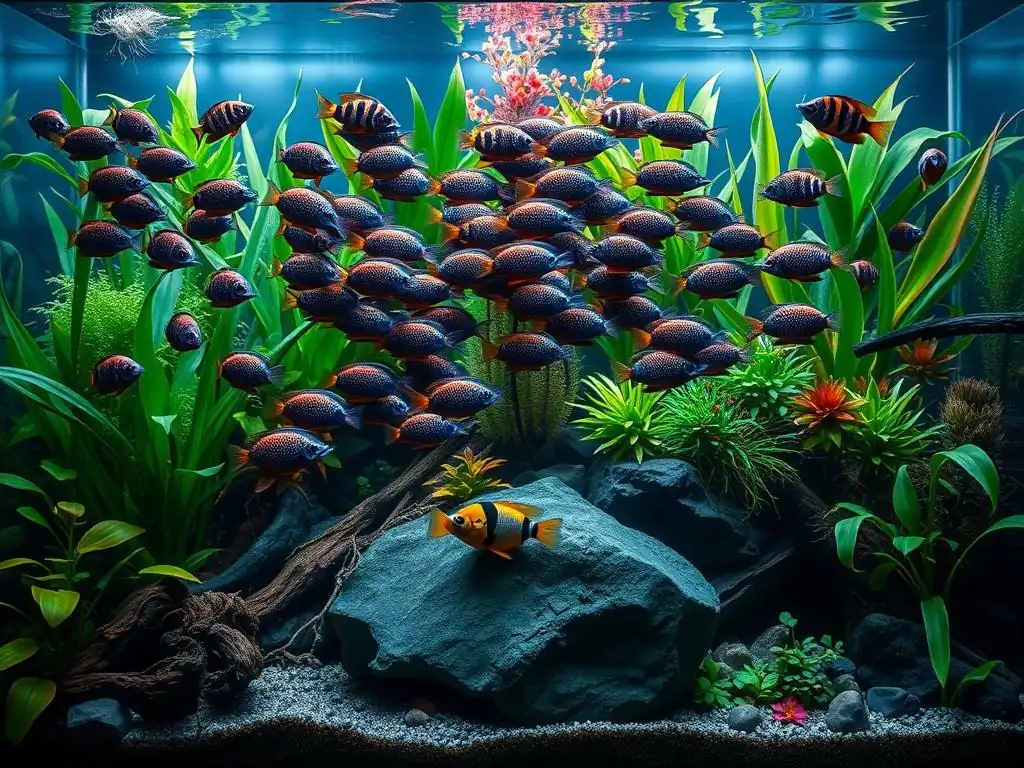
Ever wondered how to create the perfect, harmonious community for your Cyprichromis? Discover the secrets to Cyprichromis tank mate compatibility and unlock the potential for a thriving Tanganyikan aquarium. Dive in and explore which species will bring peace and vibrancy to your underwater world!
- Perfect Tank Mates for Cyprichromis leptosoma: Building a Peaceful Tanganyikan Community
- Understanding Cyprichromis leptosoma Behavior and Tank Requirements
- Top Cyprichromis leptosoma Tank Mate Options for a Harmonious Aquarium
- Fish to Avoid as Cyprichromis leptosoma Tank Mates: Minimizing Aggression
- Creating a Balanced Tanganyikan Aquarium: Tips and Considerations
- Monitoring Cyprichromis leptosoma Tank Mate Compatibility: Signs of Stress and Aggression
-
Frequently Asked Questions
- What makes Cyprichromis a good candidate for a community tank?
- What are some ideal tank mates for Cyprichromis in a Tanganyikan aquarium?
- Are there any specific types of fish that should be avoided as tank mates for Cyprichromis?
- How does tank size affect Cyprichromis tank mate compatibility?
- What are some key considerations for maintaining optimal water parameters for a Cyprichromis community tank?
- Final Reflection: Harmony in the Aquarium
- Ignite Your Tanganyikan Tank: Design a Dream Community!
Perfect Tank Mates for Cyprichromis leptosoma: Building a Peaceful Tanganyikan Community
Understanding Cyprichromis leptosoma Behavior and Tank Requirements
Cyprichromis leptosoma, often known as the Featherfin Cichlid, is a stunning and peaceful species native to the open waters of Lake Tanganyika in East Africa. These cichlids are distinct from most other cichlids due to their pelagic (open water) lifestyle, spending their time schooling in the water column rather than dwelling among rocks or shells.
Males can reach sizes of up to 5 inches (approximately 12-13 cm), displaying vibrant blues, yellows, and oranges depending on the specific collection point, while females remain slightly smaller, typically around 3.5 inches (9 cm). Their calm demeanor makes them excellent candidates for community tanks, provided their Cyprichromis tank mate compatibility is carefully considered.
In their natural habitat, Cyprichromis leptosoma live in large schools, sometimes numbering in the thousands, which helps to spread out any intra-species aggression and provides a sense of security. In the aquarium, it is crucial to replicate this by keeping them in groups of at least 8-10 individuals, ideally more, to observe their natural schooling behaviors and reduce stress.
While males will establish temporary breeding territories during spawning, they are generally non-aggressive towards other fish species, making them a cornerstone for a harmonious Tanganyikan biotope. Their unique mouthbrooding behavior, where the female holds the eggs and fry in her mouth, is also a fascinating aspect of their social structure.
Ideal Tank Conditions for Cyprichromis leptosoma: Water Parameters and Tank Size
Replicating the stable, hard, and alkaline water conditions of Lake Tanganyika is paramount for the health and longevity of Cyprichromis leptosoma. The ideal water parameters include a pH range of 8.0-9.0, a general hardness (GH) between 10-20 dGH, and a carbonate hardness (KH) of 10-18 dKH. The water temperature should be maintained consistently between 76-80°F (24-27°C). Regular monitoring with accurate test kits for ammonia, nitrite, and nitrate is essential, as these fish are sensitive to poor water quality. A robust filtration system, capable of handling significant bioload, is necessary to maintain pristine conditions.
Given their schooling nature and preference for open water, Cyprichromis leptosoma require ample swimming space. A minimum tank size of 75 gallons (approximately 280 liters) is recommended for a small school of 6-8 individuals. However, for a larger, thriving school of 10-15 fish and to ensure optimal Cyprichromis tank mate compatibility with other species, a 125-gallon (approximately 470 liters) tank or larger is highly advisable.
The tank should prioritize length over height to maximize horizontal swimming room. Aquascaping should include tall rock structures or stacks that reach near the surface, providing vertical orientation and security, while leaving the majority of the mid-to-upper water column open.
The Importance of Choosing Compatible Tank Mates for Cyprichromis leptosoma
Selecting appropriate tank mates is a critical step in establishing a successful and thriving Tanganyikan community aquarium with Cyprichromis leptosoma. Incompatible tank mates can lead to chronic stress, fin nipping, injury, and even death for these peaceful fish. Cyprichromis are relatively timid and can easily be intimidated by overly aggressive, boisterous, or predatory species, which can disrupt their natural schooling behavior and cause them to hide or become withdrawn. A lack of proper Cyprichromis tank mate compatibility can also lead to competition for food and space, negatively impacting the health and vibrant coloration of your featherfins.
The goal of choosing compatible tank mates is to create a balanced ecosystem where all inhabitants can thrive in their respective niches. This involves selecting species that share similar water parameter requirements and temperament, but ideally occupy different areas of the tank (e.g., bottom, mid, top). By carefully considering the natural behaviors and spatial needs of each species, aquarists can minimize territorial disputes and ensure a harmonious environment. A well-planned community tank not only enhances the visual appeal but also allows each species to exhibit its natural behaviors, making the aquarium a fascinating piece of living art.
Top Cyprichromis leptosoma Tank Mate Options for a Harmonious Aquarium
Shell Dweller Companions for Cyprichromis leptosoma: A Peaceful Bottom-Dwelling Option
Shell-dwelling cichlids are among the most ideal Cyprichromis tank mates because they occupy a completely different ecological niche. These small cichlids live exclusively on the substrate, utilizing empty snail shells for shelter, breeding, and territory. This distinct habitat preference means they rarely, if ever, interact with the open-water dwelling Cyprichromis leptosoma, eliminating competition for space in the water column. Their relatively small size, typically ranging from 1.5 to 3 inches (4-8 cm), and generally peaceful nature towards non-shell dwellers further enhance their compatibility.
To successfully house shell dwellers, a deep sand bed (at least 2-3 inches) and an abundance of empty snail shells (such as escargot or turbo snail shells) are essential. These provide the necessary substrate for digging and the vital homes they require. Their unique behaviors, such as digging, sifting sand, and defending their shell territories, add a fascinating dynamic to the lower levels of the aquarium, complementing the mid-water activity of Cyprichromis.
Neolamprologus multifasciatus: Adding Activity to the Lower Levels
Neolamprologus multifasciatus, affectionately known as "Multis," are perhaps the most popular and suitable shell-dwelling Cyprichromis tank mates. These diminutive cichlids, with males reaching about 2 inches (5 cm) and females slightly smaller, are renowned for their colonial behavior. They live in large groups, constantly sifting through the sand, rearranging shells, and displaying intricate social interactions within their colony.
Their continuous activity on the substrate adds a lively element to the bottom of the tank without ever encroaching on the Cyprichromis' open water space. Multis are exceptionally peaceful towards other species that do not share their shell-dwelling niche. Their ease of care and fascinating group dynamics make them an excellent choice for any Tanganyikan community tank focusing on Cyprichromis tank mate compatibility.
Lamprologus ocellatus: Considerations for Shell Dweller Tank Mates
Lamprologus ocellatus, or "Ocellatus," are another excellent shell-dwelling option, known for their distinct personalities and more robust build compared to Multis, with males growing up to 2.5 inches (6 cm). They are highly territorial over their chosen shell, often burying it partially and darting out to defend their immediate vicinity.
While L. ocellatus are peaceful towards open-water fish like Cyprichromis leptosoma, they can be more assertive with other shell dwellers if space is limited. If considering multiple shell dweller species, ensure the tank is large enough (100+ gallons) and provides ample shells and distinct territories to prevent inter-species conflict. Their vibrant colorations and bold personalities make them a captivating addition to the lower levels of a tank designed for high Cyprichromis tank mate compatibility.
Open Water Swimmers as Cyprichromis leptosoma Companions
When selecting other open-water swimmers to share the mid-to-upper water column with Cyprichromis leptosoma, the primary consideration is to choose species that are equally peaceful and do not directly compete for the exact same schooling space or diet aggressively. The goal is to enhance the natural biotope by adding diversity to the open water without introducing stress or competition. These companions should ideally be planktivores or omnivores that are not overly boisterous or territorial in the open water.
The key to successful Cyprichromis tank mate compatibility with other open-water species lies in providing sufficient space and selecting species that exhibit similar calm temperaments. Avoid faster, more dominant species that could outcompete Cyprichromis for food or cause them to become shy and withdrawn.
Paracyprichromis nigripinnis: A Natural Schooling Partner
Paracyprichromis nigripinnis, often called the Blue Neon Cichlid, is an outstanding choice for a Cyprichromis leptosoma tank mate. Closely related to Cyprichromis, they share very similar behaviors, including schooling in the open water column and a diet primarily consisting of zooplankton. Males can reach up to 5 inches (13 cm), similar in size to C. leptosoma, and possess striking iridescent blue coloration.
Their shared natural habitat and behavioral patterns make them highly compatible. Paracyprichromis nigripinnis will often school alongside Cyprichromis leptosoma or form their own peaceful, coexisting schools, enhancing the natural appearance of a Tanganyikan biotope. Their calm demeanor ensures minimal stress for the Cyprichromis, making them a top contender for excellent Cyprichromis tank mate compatibility.
Cyprichromis microlepidotus: Balancing Schooling Behavior and Color
Cyprichromis microlepidotus, sometimes referred to as the Dwarf Featherfin Cichlid, is another excellent and natural choice for coexisting with C. leptosoma. While slightly smaller, typically reaching 3-4 inches (7-10 cm), they share the same graceful, open-water schooling behavior and peaceful temperament. Their vibrant color variations, often including blues, yellows, and reds, can add significant visual diversity to the mid-water column.
When combining different Cyprichromis species, it is crucial to provide an even larger tank (125 gallons or more) to ensure ample space for multiple schools to establish themselves without undue stress or inter-species aggression, especially among males during breeding. This increased volume is vital for maintaining high Cyprichromis tank mate compatibility within a multi-species Cyprichromis setup, allowing each school to flourish.
Rock Dwelling Tank Mates for a Diverse Tanganyikan Biotope
Rock-dwelling cichlids occupy the crevices, caves, and rocky slopes of Lake Tanganyika. These species add another layer of diversity to the aquarium, providing activity in the mid-to-lower levels of the tank that complements the open-water Cyprichromis. When selecting rock dwellers, it's important to choose species known for their relatively peaceful nature or those whose territorial behaviors are directed primarily at their own kind or other rock dwellers, not towards the pelagic Cyprichromis.
Providing an abundance of stable rockwork, arranged to create numerous caves, tunnels, and visual barriers, is essential for these species. This allows them to establish clear territories and reduces potential conflicts, contributing positively to overall Cyprichromis tank mate compatibility.
Julidochromis transcriptus: Adding Visual Interest and Territory
Julidochromis transcriptus, commonly known as the Masked Julie, is a smaller, attractive rock-dwelling cichlid, typically growing to about 3-4 inches (7-10 cm). They are known for their striking black and white patterns and form monogamous pair bonds, often sharing a cave system. They primarily inhabit rocky areas, rarely venturing into the open water column.
Their preference for cave dwelling and their generally peaceful nature towards species outside their immediate territory makes them a good Cyprichromis tank mate. They add visual interest and activity to the rock structures without posing a threat to the open-water Cyprichromis leptosoma. Providing plenty of secure rock caves and crevices is key to their well-being and peaceful coexistence.
Altolamprologus calvus: Ensuring Adequate Rockwork and Hiding Places
Altolamprologus calvus, or the Calvus Cichlid, is a unique and slow-moving rock dweller, characterized by its laterally compressed body and large eyes. While they can grow larger, up to 6 inches (15 cm), they are generally peaceful towards fish too large to be considered prey. They are ambush predators, often found perched motionless among rocks, waiting for small invertebrates.
Their slow movements and preference for hiding within the intricate rockwork make them non-threatening to the fast-swimming Cyprichromis. Providing extensive vertical rock structures and deep caves where they can perch and retreat is crucial. The distinct appearance and behavior of Altolamprologus calvus add a fascinating element to a Tanganyikan biotope, and their Cyprichromis tank mate compatibility is high due to their different activity zones and non-aggressive nature towards larger fish.
Fish to Avoid as Cyprichromis leptosoma Tank Mates: Minimizing Aggression
Identifying Aggressive Fish Species Unsuitable for Cyprichromis leptosoma
While Lake Tanganyika is home to a vast array of cichlids, not all are suitable companions for the peaceful Cyprichromis leptosoma. Introducing overly aggressive, territorial, or predatory species can lead to chronic stress, physical injury, and even the untimely demise of your Cyprichromis. These unsuitable tank mates can outcompete Cyprichromis for food, harass them constantly, or directly attack them, completely undermining the peaceful community environment you aim to create.
It is crucial to research the temperament and specific needs of any potential tank mate before introduction. Signs of incompatibility often manifest as constant chasing, fin nipping, or Cyprichromis becoming withdrawn, losing coloration, or refusing to eat. Avoiding these aggressive species is paramount for ensuring long-term Cyprichromis tank mate compatibility and the well-being of your entire community.
Avoiding Overly Territorial Cichlids: Tropheus duboisi and Reasons
Tropheus duboisi, along with other Tropheus species, are beautiful and active cichlids, but they are notoriously aggressive and highly territorial, especially towards other cichlids. While they originate from Lake Tanganyika, their temperament and specific dietary needs (strict herbivores requiring a high-fiber, spirulina-based diet) make them completely incompatible with Cyprichromis leptosoma.
Tropheus are known for their intense intra-species aggression if not kept in very large groups (20+) in equally large tanks, and their aggressive nature extends to other species. They will relentlessly harass and stress out peaceful Cyprichromis, leading to severe health issues and often death. Their dietary requirements also conflict, making it difficult to feed both species appropriately without compromising the health of one or the other. Therefore, Tropheus species are a definite no-go for Cyprichromis tank mate compatibility.
Predatory Fish: Protecting Your Cyprichromis leptosoma School
Any fish species that is large enough or has a known predatory nature towards smaller fish should be strictly avoided as Cyprichromis leptosoma tank mates. While Cyprichromis are relatively fast swimmers, constant threat from a predator will cause immense stress, inhibit their natural schooling behavior, and ultimately lead to a breakdown of their immune system or direct predation.
Examples of such fish might include very large Lamprologus species not specifically mentioned as compatible, or certain large, robust cichlids that are opportunistic predators. Even though some larger Tanganyikan cichlids like Cyphotilapia frontosa can sometimes be kept with adult Cyprichromis in extremely large tanks (200+ gallons) if introduced carefully and well-fed, the risk of predation, especially on smaller or juvenile Cyprichromis, is generally too high for most setups. Prioritizing the safety of your Cyprichromis school means avoiding any potential predators.
Fin-Nipping Fish: Preventing Stress and Injury to Cyprichromis leptosoma
Fish species known for fin-nipping behavior pose a significant threat to Cyprichromis leptosoma, which possess delicate, flowing fins that are particularly vulnerable. Constant fin nipping not only causes physical injury, leaving the fish susceptible to bacterial infections and fungal diseases, but also induces severe stress. This stress can lead to faded coloration, loss of appetite, and a general decline in health and vitality.
Even seemingly docile species can sometimes exhibit fin-nipping behavior if they are overcrowded, stressed, or not provided with adequate space and appropriate tank mates. However, certain species are inherently more prone to this behavior. It is crucial to avoid any fish with a known propensity for fin nipping, as this behavior will severely compromise the well-being and long-term Cyprichromis tank mate compatibility within your aquarium. A healthy Cyprichromis should display intact, vibrant fins, and any damage is a clear sign of an underlying issue.
Creating a Balanced Tanganyikan Aquarium: Tips and Considerations
Tank Size and Aquascaping for Cyprichromis leptosoma and Tank Mates
The foundation of a successful Tanganyikan community tank, especially one featuring Cyprichromis leptosoma, is adequate tank size and thoughtful aquascaping. As previously mentioned, a minimum of 75 gallons is acceptable for a small Cyprichromis school, but a 125-gallon (470 liters) tank or larger is ideal for a diverse community, allowing plenty of room for all species to thrive without excessive territorial disputes. Larger volumes dilute aggression and provide extensive swimming space, which is critical for open-water swimmers like Cyprichromis and for establishing distinct territories for rock and shell dwellers.
Aquascaping should meticulously mimic the natural Lake Tanganyika biotope. This involves using a fine sand substrate (at least 2-3 inches deep) to accommodate shell dwellers and allow for natural digging behaviors. Extensive rockwork, constructed from inert rocks like Texas Holey Rock or lava rock, should create numerous caves, crevices, and visual barriers for rock dwellers and provide security for Cyprichromis.
Crucially, leave the majority of the upper water column open and unobstructed to allow the Cyprichromis school ample space to swim freely and exhibit their natural schooling behavior. Vertical rock structures that reach near the surface are beneficial for Cyprichromis to orient themselves and for males to establish temporary breeding territories. A well-designed aquascape significantly enhances Cyprichromis tank mate compatibility by reducing stress and providing appropriate habitats for all inhabitants.
Feeding Strategies for a Mixed Tanganyikan Community
Effective feeding strategies are essential in a mixed Tanganyikan community to ensure all species receive adequate nutrition without compromising water quality. Cyprichromis leptosoma are primarily planktivores, feeding on zooplankton in the wild. In the aquarium, their diet should consist of high-quality flake foods specifically formulated for cichlids, small sinking pellets, and a variety of frozen foods such as brine shrimp, daphnia, cyclops, and mysis shrimp. Due to their continuous grazing nature, it's best to feed small amounts two to three times a day rather than one large meal.
When combining Cyprichromis with other species, their diverse dietary needs must be considered. Most shell dwellers and rock dwellers are omnivores or carnivores, readily accepting a varied diet of quality flakes, pellets, and frozen foods. Ensure that sinking pellets or frozen foods reach the lower levels of the tank for bottom dwellers, while flakes and slow-sinking pellets are available for mid-water and open-water fish. Avoid overfeeding at all costs, as excess food can rapidly degrade water quality, leading to elevated nitrates and other issues detrimental to the health of the entire community.
Maintaining Water Quality in a Multi-Species Cyprichromis leptosoma Tank
Pristine and stable water quality is arguably the most critical factor for the long-term success of any Tanganyikan cichlid aquarium, particularly one with Cyprichromis leptosoma and their tank mates. Lake Tanganyika's waters are exceptionally clean and stable, and replicating this environment is paramount. Regular weekly water changes of 20-30% are essential to dilute nitrates, replenish vital minerals, and remove organic pollutants. Always use a high-quality water conditioner to neutralize chlorine and chloramines.
Beyond regular water changes, robust filtration is a necessity. Over-filtration, using a powerful canister filter or multiple hang-on-back filters with excellent mechanical, biological, and chemical media, is highly recommended. This ensures efficient removal of particulate matter, effective nitrification of ammonia and nitrite, and absorption of undesirable compounds. Consistent monitoring of water parameters—pH, GH, KH, ammonia, nitrite, and nitrate—using reliable liquid test kits is non-negotiable. Stable parameters, rather than fluctuating ones, are key to preventing stress and disease, thereby contributing significantly to the long-term health and peaceful coexistence of your Cyprichromis and their tank mates.
Monitoring Cyprichromis leptosoma Tank Mate Compatibility: Signs of Stress and Aggression
Recognizing Signs of Stress in Cyprichromis leptosoma: Behavior and Physical Indicators
Vigilant observation of your Cyprichromis leptosoma is crucial for early detection of stress, which can often be a direct indicator of poor Cyprichromis tank mate compatibility or unsuitable environmental conditions. Behavioral signs of stress include clamped fins (held close to the body), faded or dull coloration (especially during non-breeding periods), excessive hiding or withdrawal from the school, rapid gill movements (indicating labored breathing), erratic or jerky swimming, and a noticeable refusal to eat. A Cyprichromis that isolates itself from the group is also a strong sign of distress.
Physical indicators of stress or aggression can include fin damage (tears, nips, or fraying), scrapes or lesions on the body, or a general emaciated appearance despite regular feeding. If you observe persistent chasing, nipping, or bullying from other fish, it is a clear sign that the current Cyprichromis tank mate compatibility is compromised. Early recognition of these signs allows for prompt intervention, which can prevent serious health issues, chronic stress, or even fatalities within the aquarium.
Addressing Aggression Issues: Isolation and Re-homing Options
Upon identifying aggression within your Cyprichromis leptosoma community tank, the first step is to accurately pinpoint the aggressor and the victim. Sometimes, temporary isolation of the aggressive fish in a breeder box or a separate quarantine tank for a few days can help "reset" territorial behaviors. Rearranging the aquascape, particularly the rockwork, can also be effective in breaking established territories and allowing new ones to form, potentially diffusing tension. Adding more hiding spots or increasing the school size of the Cyprichromis (if space allows) can also help spread out aggression.
However, if aggression persists despite these measures, especially from a specific tank mate, permanent re-homing of the aggressive fish may become necessary. For instance, if a rock-dwelling cichlid is consistently bothering the Cyprichromis (an uncommon but possible scenario if space is severely restricted or personalities clash), it might need to be moved to a different setup. Prioritizing the overall well-being and peace of the entire community, particularly the sensitive Cyprichromis school, should always guide your decisions.
Long-Term Success: Maintaining a Peaceful Tanganyikan Community
Achieving long-term success with Cyprichromis tank mate compatibility and maintaining a peaceful Tanganyikan community aquarium is an ongoing process that requires continuous observation, consistent maintenance, and a willingness to adapt. The foundational elements remain paramount: regular and diligent water changes, appropriate feeding tailored to the diverse needs of all species, and the unwavering stability of water parameters. These practices are the bedrock upon which a healthy and harmonious environment is built.
Beyond routine care, regularly assessing the dynamics of your community is vital. As fish grow and mature, their behaviors might evolve, and previously compatible interactions could shift. Be prepared to make adjustments as needed, whether it involves adding more rock structures to create additional territories, increasing the school sizes of Cyprichromis to further dilute aggression, or re-evaluating the suitability of certain tank mate choices. A thriving Tanganyikan community, particularly one graced by the elegant Cyprichromis leptosoma, is a deeply rewarding endeavor that brings a captivating slice of Lake Tanganyika's unique biodiversity into your home.
Frequently Asked Questions
What makes Cyprichromis a good candidate for a community tank?
Cyprichromis are generally peaceful fish that thrive in groups, making them suitable for community tanks. Their relatively small size and non-aggressive nature allow them to coexist with other similar-sized Tanganyikan cichlids.
What are some ideal tank mates for Cyprichromis in a Tanganyikan aquarium?
Good tank mates include other peaceful Tanganyikan cichlids like Paracyprichromis, Julidochromis, or certain Altolamprologus species. Avoid aggressive or much larger fish that could intimidate or prey on the Cyprichromis.
Are there any specific types of fish that should be avoided as tank mates for Cyprichromis?
Yes, avoid aggressive cichlids such as Neolamprologus brichardi (Princess Cichlids) or larger predatory fish. These can stress or harm the Cyprichromis, disrupting the tank's peace.
How does tank size affect Cyprichromis tank mate compatibility?
Larger tanks allow for more territorial separation, reducing aggression. A larger footprint enables you to keep a wider variety of species together more successfully.
What are some key considerations for maintaining optimal water parameters for a Cyprichromis community tank?
Maintaining stable water parameters is crucial. Aim for a pH of 7.8-9.0, a temperature of 76-82°F (24-28°C), and regular water changes to minimize nitrates.
Final Reflection: Harmony in the Aquarium
The pursuit of Cyprichromis tank mate compatibility extends beyond mere aesthetics; it's about creating a thriving, balanced ecosystem within the confines of glass. Understanding the nuances of these delicate Tanganyikan cichlids and their potential companions is not just a hobbyist's concern, but a reflection of our responsibility to foster healthy and harmonious environments, even in miniature. The success of a Cyprichromis community hinges on careful planning and a deep respect for the intricate web of life within the aquarium.
The delicate dance of species within a Tanganyikan tank mirrors the complex interactions we see in the natural world. Observing these interactions firsthand offers a profound lesson in coexistence and the importance of understanding individual needs within a larger community. In the end, we will conserve only what we love; we will love only what we understand; and we will understand only what we are taught.
- Baba Dioum. This quote resonates deeply, reminding us that informed choices, driven by understanding and empathy, are crucial for the well-being of these captivating creatures.
As you contemplate the possibilities for your own Cyprichromis community, remember that each fish is an individual with unique needs and behaviors. Let this knowledge guide your decisions, ensuring that your aquarium becomes not just a display of beauty, but a testament to the power of thoughtful stewardship and the creation of a truly peaceful and thriving Tanganyikan haven.
Ignite Your Tanganyikan Tank: Design a Dream Community!
Thank you for diving into the fascinating world of Cyprichromis and their perfect companions! We hope you've discovered new possibilities for creating a vibrant and harmonious aquarium. Now, let's turn that knowledge into action!
- Start Planning Your Dream Tank: Begin by creating a detailed stocking list for your Cyprichromis, ensuring you prioritize species with similar requirements. This is the most critical action to ensure the health and happiness of your fish!
- Explore less common tank mates, such as Telmatochromis vittatus or Paracyprichromis nigripinnis, to add unique personalities and visual diversity to your setup.
- Share your vision! Post your potential tank setup in online aquarium forums and invite constructive feedback from experienced Tanganyikan cichlid keepers.
What’s the single biggest challenge you anticipate facing when creating your Cyprichromis community, and what strategies will you employ to overcome it?