
German Blue Ram: A Jewel of the Aquarium Full Care Guide

Welcome to Aquarium Mastery!
Ever been captivated by the shimmering beauty of a German Blue Ram? These vibrant fish are true jewels of the freshwater aquarium, but their care can be a bit of a puzzle. Dive in and discover everything you need to know about German Blue Ram aquarium care, from setting up the perfect environment to ensuring their long-term health and happiness. Ready to unlock the secrets to keeping these beauties thriving? Let's get started!
- Introduction to German Blue Rams: A Captivating Dwarf Cichlid
- Understanding German Blue Ram Aquarium Care: Essential Guidelines
- Setting Up Your German Blue Ram Tank: A Step-by-Step Guide
- German Blue Ram Behavior and Temperament
- German Blue Ram Breeding: A Comprehensive Guide
- German Blue Ram Diseases and Health Issues
- Troubleshooting Common German Blue Ram Problems
- Where to Buy German Blue Rams: Selecting Healthy Specimens
- Conclusion: Mastering German Blue Ram Aquarium Care
-
Frequently Asked Questions
- What are the ideal water parameters for a German Blue Ram aquarium?
- What is the best tank size for a pair of German Blue Rams?
- What types of tank mates are suitable for German Blue Rams?
- What should I feed my German Blue Rams to ensure their health and vibrant colors?
- What are some common health problems that affect German Blue Rams, and how can I prevent them?
- Final Reflection: Appreciating the Delicate Beauty of the German Blue Ram
- Unleash the Beauty: Start Your Ram Cichlid Journey Today!
Introduction to German Blue Rams: A Captivating Dwarf Cichlid
Why Choose German Blue Rams for Your Freshwater Aquarium?
German Blue Rams (Mikrogeophagus ramirezi) are highly sought-after dwarf cichlids, renowned for their breathtaking iridescent blue, gold, and red hues. Their compact size, typically reaching only 2-3 inches (5-7.5 cm) in length, makes them an ideal choice for smaller to medium-sized freshwater aquariums, particularly those focusing on a peaceful community setup.
Beyond their striking appearance, these fish exhibit fascinating behaviors, from sifting through substrate to engaging in intricate courtship displays, adding dynamic interest to any tank. Their relatively peaceful nature, when provided with proper German Blue Ram aquarium care, allows them to coexist well with many other non-aggressive species, making them a centerpiece in a well-planned aquatic environment.
Choosing German Blue Rams also offers aquarists a rewarding challenge in maintaining specific water parameters, which, once mastered, contributes significantly to the overall health and vibrancy of the fish. Their sensitivity to poor water quality means that maintaining pristine conditions is paramount, encouraging aquarists to develop excellent tank maintenance habits. Successfully keeping and even breeding German Blue Rams can be a truly fulfilling experience, showcasing the beauty and complexity of freshwater ecosystems. The effort invested in their specific German Blue Ram care requirements is generously repaid by their stunning visual appeal and engaging personalities.
German Blue Ram: Scientific Classification and Origin
The German Blue Ram, scientifically known as Mikrogeophagus ramirezi, belongs to the family Cichlidae, a diverse group of fish known for their intelligence and complex behaviors. Their genus name, Mikrogeophagus, translates to "small earth-eater," a fitting description given their propensity to sift through substrate in search of food. This species was first described by Myers and Harry in 1948 and has since become one of the most popular dwarf cichlids in the aquarium hobby.
These captivating fish originate from the warm, soft, and acidic waters of the Orinoco River basin in Venezuela and Colombia, South America. In their natural habitat, they inhabit slow-moving tributaries, floodplains, and areas with dense vegetation, often found among leaf litter and submerged roots. This natural environment dictates their specific needs in captivity, emphasizing the importance of replicating these conditions for successful German Blue Ram aquarium care. Understanding their wild origins is crucial for providing an optimal environment that promotes their health, color, and natural behaviors.
Understanding German Blue Ram Aquarium Care: Essential Guidelines
Optimal German Blue Ram Tank Size: Creating the Right Environment
For a single pair of German Blue Rams, a minimum tank size of 20 gallons (approximately 75 liters) is generally recommended. While they are small, these fish require ample space to establish territories and reduce stress, especially if breeding. The footprint of the tank is more important than its height; a longer, wider tank provides more swimming room and potential territories than a tall, narrow one. For instance, a 20-gallon long tank (30" x 12" x 12") is far more suitable than a 20-gallon high tank for a pair of these dwarf cichlids.
If you plan to keep a small group of German Blue Rams or integrate them into a community tank with other species, a larger aquarium of 30 gallons (113 liters) or more is highly advisable. This increased volume helps maintain stable water parameters, provides additional swimming space, and allows for more hiding spots and visual breaks, which are crucial for minimizing aggression and promoting overall German Blue Ram health. Adequate space is a fundamental aspect of successful German Blue Ram aquarium care, directly impacting their well-being and vibrant coloration.
Water Parameters for German Blue Rams: Temperature, pH, and Hardness
Maintaining precise and stable water parameters is paramount for the health and longevity of German Blue Rams, as they are particularly sensitive to fluctuations. The ideal temperature range for these tropical fish is quite warm, typically between 78-85°F (25.5-29.4°C). Temperatures on the higher end of this range (around 82-84°F) are often preferred, especially if breeding is desired, as it mimics their natural equatorial habitat and boosts their metabolism and immune system.
Regarding pH, German Blue Rams thrive in soft, acidic water, with an optimal range of 5.0-7.0, ideally between 5.5-6.5. A stable pH within this acidic spectrum is crucial, as sudden shifts can cause severe stress and lead to health issues. Water hardness (GH) should be kept very soft, ideally between 5-12 dGH (approximately 89-214 ppm).
Achieving these parameters often requires the use of reverse osmosis (RO) water remineralized to the target hardness, or the use of peat filtration. Consistent monitoring with reliable test kits is essential to ensure these delicate parameters are maintained for effective German Blue Ram aquarium care.
German Blue Ram Tank Mates: Choosing Compatible Species for a Peaceful Community Tank
Selecting appropriate tank mates is a critical aspect of successful German Blue Ram aquarium care, as these dwarf cichlids can be shy and are susceptible to stress from overly boisterous or aggressive fish. The goal is to choose species that share similar water parameter requirements, are peaceful in nature, and occupy different levels of the aquarium to minimize direct competition for space. Compatibility ensures a harmonious environment where your German Blue Rams can thrive and display their natural behaviors without intimidation.
Avoid housing German Blue Rams with large, aggressive, or fin-nipping fish. Species like Tiger Barbs, various Gouramis (especially larger, more territorial ones), or other larger cichlids can stress, injure, or outcompete your Rams for food. Fast-moving or very boisterous fish can also make the Rams feel insecure and cause them to hide excessively, impacting their overall German Blue Ram health. Careful selection of tank mates is a cornerstone of responsible German Blue Ram maintenance.
Ideal Tank Mates for German Blue Rams
Ideal tank mates for German Blue Rams are typically small, peaceful schooling fish that prefer similar soft, acidic water conditions. Good choices include various species of Tetras, such as Neon Tetras, Cardinal Tetras, Ember Tetras, and Rummy-Nose Tetras, which are known for their calm demeanor and often school in the mid-water column, leaving the bottom for the Rams. Small, peaceful catfish like Corydoras species (e.g., Panda Corys, Pygmy Corys) or Otocinclus catfish are also excellent additions, as they are bottom-dwellers that help with algae control and do not interfere with the Rams' territory.
Other suitable companions include smaller Rasboras (like Harlequin Rasboras or Chili Rasboras) and peaceful dwarf gouramis (e.g., Honey Gouramis), provided the tank is sufficiently large and well-planted to offer plenty of hiding spots. These species generally do not compete directly with German Blue Rams for food or space and can add to the visual diversity of the aquarium without causing stress. A well-chosen community of peaceful fish contributes significantly to the overall success of German Blue Ram aquarium care.
Fish to Avoid Housing with German Blue Rams
When planning your German Blue Ram setup, it's crucial to avoid certain types of fish that can cause stress, aggression, or even harm to your sensitive dwarf cichlids. Highly aggressive or territorial cichlids, such as Convict Cichlids, Jack Dempseys, or even larger, more boisterous Gouramis, should be strictly avoided. These fish can intimidate, harass, or outright attack German Blue Rams, leading to injuries, chronic stress, and a compromised immune system, making them susceptible to disease.
Fin-nipping species, such as some Barbs (e.g., Tiger Barbs), can also be problematic, as they may target the delicate fins of German Blue Rams, causing stress and potential secondary infections. Additionally, very large or fast-moving fish can overwhelm the Rams, making them feel insecure and causing them to hide constantly. Even seemingly harmless species that are significantly larger than the Rams can unintentionally stress them simply by their presence and activity levels. Prioritizing peaceful and appropriately sized tank mates is vital for effective German Blue Ram care.
German Blue Ram Diet and Feeding: Ensuring Proper Nutrition
Proper nutrition is a cornerstone of vibrant color, robust health, and active behavior in German Blue Rams. These omnivores require a varied diet that mimics the diverse food sources they would encounter in their natural habitat. Relying solely on one type of food can lead to nutritional deficiencies and dull coloration, underscoring the importance of a comprehensive feeding regimen as part of optimal German Blue Ram aquarium care.
A well-balanced diet not only provides essential nutrients but also strengthens their immune system, making them more resilient to diseases. Poor diet is a common cause of fading colors and lethargy in German Blue Rams, highlighting the direct link between nutrition and overall German Blue Ram health. Regular and appropriate feeding is key to unlocking their full potential in the aquarium.
What to Feed Your German Blue Ram
To ensure optimal German Blue Ram health and coloration, offer a high-quality diet consisting of various food types. A good staple should be a premium flake food or small pellet specifically formulated for omnivorous cichlids, ensuring it is rich in protein and includes color-enhancing ingredients like spirulina or astaxanthin. Brands such as Hikari Cichlid Gold or Omega One Super Color Flakes are often recommended for their quality and palatability.
Supplementing their staple diet with frozen foods is crucial for providing essential nutrients and variety. Excellent choices include frozen bloodworms, brine shrimp, daphnia, and Mysis shrimp, which can be offered 2-3 times per week. Live foods, such as newly hatched brine shrimp, grindal worms, or blackworms, are particularly beneficial, especially when conditioning for breeding, as they stimulate natural hunting behaviors and offer superior nutritional value. This diverse feeding strategy is vital for comprehensive German Blue Ram aquarium care.
Feeding Frequency and Portion Control
German Blue Rams have relatively small stomachs and a fast metabolism, making frequent, small feedings preferable to one large meal. It is recommended to feed your German Blue Rams 2-3 times per day. Each feeding should consist of a small portion that they can consume entirely within 2-3 minutes. This approach ensures that all fish get enough to eat without overfeeding, which can lead to significant water quality issues.
Overfeeding is a common mistake in aquarium keeping and can quickly degrade water quality, leading to elevated ammonia and nitrite levels, which are highly toxic to German Blue Rams. Uneaten food decomposes, contributing to harmful bacterial blooms and increasing the biological load on the filtration system. By adhering to small, frequent feedings and carefully monitoring consumption, you can prevent these issues, maintain pristine water conditions, and promote the long-term health and vitality of your German Blue Rams, a key aspect of their successful aquarium care.
Setting Up Your German Blue Ram Tank: A Step-by-Step Guide
Choosing the Right Substrate and Decorations
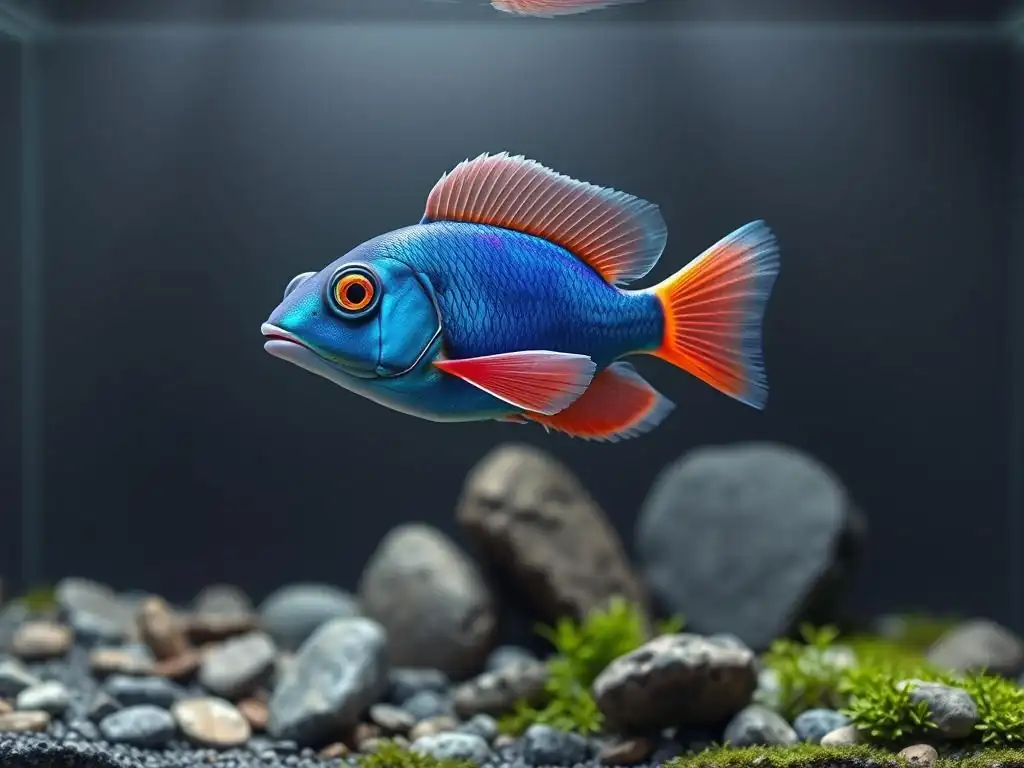
For German Blue Rams, the choice of substrate is important, as these fish are natural "earth-eaters" and enjoy sifting through the bottom for food particles. A fine sand substrate, such as silica sand or specialized aquarium sand, is highly recommended. Not only does it allow them to exhibit their natural sifting behavior without damaging their delicate gills, but it also provides a soft surface for potential spawning sites. Gravel, especially rough or sharp types, should be avoided as it can injure their mouths and gills.
Decorations play a crucial role in creating a comfortable and secure environment for German Blue Rams. Provide ample hiding spots and visual barriers using driftwood, smooth river rocks, and ceramic caves or coconut shells. Driftwood, in particular, can also help lower and buffer the pH, mimicking their natural blackwater habitats. Arrange these decorations to create distinct territories and broken lines of sight, which helps reduce aggression, especially if keeping more than one pair. These elements are vital for comprehensive German Blue Ram aquarium care, providing both security and enrichment.
German Blue Ram Aquarium Plants: Creating a Natural Habitat
Live plants are an indispensable element in a German Blue Ram aquarium, contributing significantly to their well-being and mimicking their natural environment. Plants provide essential hiding spots, which are crucial for these shy cichlids to feel secure and reduce stress, especially during breeding or when new to the tank. Dense planting, particularly in the background and along the sides, creates a sense of refuge and allows them to retreat when feeling threatened.
Beyond providing shelter, live plants contribute to superior water quality by absorbing nitrates and other waste products, helping to maintain the pristine conditions that German Blue Rams require. Suitable plant species include Anubias, Java Fern, Cryptocoryne species (like Cryptocoryne wendtii or Cryptocoryne spiralis), and Amazon Swords. These plants are relatively hardy and thrive in the warm, soft, and acidic water parameters preferred by Rams. Broad-leafed plants can also serve as potential spawning sites. Integrating a variety of live plants is a key aspect of successful German Blue Ram aquarium care.
Filtration and Water Changes: Maintaining Water Quality
Maintaining pristine water quality is arguably the most critical aspect of German Blue Ram aquarium care, as these fish are highly sensitive to pollutants. A robust yet gentle filtration system is essential. Sponge filters are an excellent choice for smaller tanks or breeding setups, providing both mechanical and biological filtration without creating strong currents that can stress the fish.
For larger community tanks, a hang-on-back (HOB) filter with adjustable flow or a canister filter equipped with a spray bar to diffuse the output can be used effectively. Ensure the filter media includes biological components to establish a healthy nitrogen cycle.
Regular and consistent water changes are equally important. A minimum of 20-30% of the tank water should be replaced weekly, using dechlorinated water that matches the tank's temperature and parameters as closely as possible. In heavily stocked tanks or those with larger bioloads, more frequent or larger water changes may be necessary. Consistent water changes remove nitrates, replenish essential minerals, and prevent the buildup of harmful toxins, directly contributing to the long-term health and vibrancy of your German Blue Rams.
Lighting Requirements for German Blue Rams
German Blue Rams generally prefer moderate lighting conditions, which mimic the subdued light of their natural habitat beneath a dense canopy of vegetation. Overly bright or intense lighting can cause stress and make them appear washed out or dull in color, as they may try to hide more frequently. A lighting system that allows for adjustable intensity or a dimmer switch is ideal, enabling you to fine-tune the light levels to their preference.
Incorporating floating plants, such as Amazon Frogbit or Dwarf Water Lettuce, can also help diffuse intense overhead lighting, creating dappled light effects that make the Rams feel more secure and display their best colors. A typical lighting schedule of 8-10 hours per day is sufficient to support both the fish and any live plants without promoting excessive algae growth. Providing appropriate lighting is a subtle yet important detail in ensuring optimal German Blue Ram aquarium care.
German Blue Ram Behavior and Temperament
German Blue Rams, while generally peaceful, exhibit interesting social dynamics, particularly when kept in pairs or small groups. They are known to form strong pair bonds, especially during breeding, and will become territorial around their chosen spawning site. When not breeding, a pair or small group (e.g., 4-6 individuals in a larger tank) can coexist, but careful observation is necessary to ensure one individual isn't being overly harassed. Males may display to each other, flaring fins and showing off their colors, but serious fighting is rare if adequate space and hiding spots are provided.
In a community tank, German Blue Rams typically keep to themselves, often exploring the lower and mid-levels of the aquarium. They are not schooling fish but may gather loosely. Their shyness means they thrive in a calm environment with peaceful tank mates. Understanding these social nuances and providing an environment that caters to their need for security and personal space is crucial for effective German Blue Ram aquarium care and observing their natural, engaging behaviors.
Recognizing Normal and Abnormal Behaviors
Observing your German Blue Rams daily is essential for recognizing their normal behaviors and promptly identifying any signs of stress or illness, which is vital for maintaining their German Blue Ram health. A healthy German Blue Ram will typically be active, curious, and display vibrant coloration. They will spend time sifting through the substrate for food, grazing on surfaces, and interacting calmly with compatible tank mates. Their fins should be erect and fully spread, and their breathing should be calm and steady.
Abnormal behaviors, on the other to hand, often signal underlying issues. These include clamped fins (held close to the body), faded or dull coloration, hiding excessively, rapid or labored breathing, darting movements, rubbing against tank decor (flashing), refusal to eat, or unusual swimming patterns. Any of these signs warrant immediate investigation into water parameters, tank mate compatibility, and potential disease. Early detection and intervention are key to successful German Blue Ram aquarium care and preventing more serious health problems.
German Blue Ram Breeding: A Comprehensive Guide
Setting Up a Breeding Tank for German Blue Rams
While German Blue Rams can sometimes breed in a well-maintained community tank, setting up a dedicated breeding tank significantly increases the chances of successful spawning and fry survival. A 10-15 gallon (38-57 liter) tank is ideal for a single breeding pair. The water parameters should be optimized for breeding: very soft water (GH 3-6 dGH), acidic pH (5.0-6.0), and a consistent temperature of 82-84°F (28-29°C). These specific conditions are paramount for egg viability and fry development.
The breeding tank should be sparsely decorated but include several potential spawning sites, such as a flat piece of slate or a smooth, broad-leafed plant like an Amazon Sword. Clay pots or coconut shells can also serve as good spawning surfaces. Filtration should be gentle to avoid disturbing the eggs or fry; a simple sponge filter is often preferred. Keeping the tank in a quiet location with minimal disturbances further encourages the pair to spawn, contributing to successful German Blue Ram breeding.
Identifying Male and Female German Blue Rams
Distinguishing between male and female German Blue Rams can be challenging, especially when they are young, but several key characteristics become more apparent as they mature and during breeding season. Male German Blue Rams are typically larger and more elongated than females. They often display more intense and vibrant coloration, particularly the blues and reds, and their dorsal fin rays (especially the second, third, and fourth rays) are usually more extended and pointed. Some males also develop a slight nuchal hump (a bump on the forehead) as they mature.
Female German Blue Rams tend to have a rounder, more compact body shape. Their coloration, while still beautiful, is often less intense than the males. The most reliable distinguishing feature for females is a distinct pink or reddish patch on their belly, which becomes more pronounced when they are gravid (carrying eggs). Their dorsal fin rays are generally shorter and more rounded compared to the males. Observing these subtle differences is crucial for selecting a compatible pair for German Blue Ram breeding.
The German Blue Ram Breeding Process: Spawning and Egg Care
Once a male and female German Blue Ram have formed a pair and the breeding tank conditions are optimal, the breeding process typically begins with an elaborate courtship ritual. The pair will engage in "dancing" behaviors, flaring fins, shimmering, and vibrating their bodies to impress each other. They will then meticulously clean a chosen spawning site, which can be a flat rock, a broad plant leaf, a clay pot, or even a section of the tank glass.
The female will then begin to lay small, adhesive eggs, usually between 100 to 300, in rows on the cleaned surface, while the male follows closely behind to fertilize them. After spawning, both parents, but particularly the male, will diligently guard and fan the eggs with their fins to ensure good water circulation and prevent fungal growth. At temperatures around 82°F (28°C), the eggs typically hatch within 2-3 days.
The newly hatched fry, known as wigglers, will remain attached to the spawning site for another 4-5 days, absorbing their yolk sacs before becoming free-swimming. This dedicated parental care is a hallmark of German Blue Ram breeding.
Raising German Blue Ram Fry: From Hatching to Independence
Once German Blue Ram fry become free-swimming, typically 5-7 days after hatching, they require immediate access to extremely small, nutritious food sources. Their tiny mouths cannot consume standard fry foods. The initial diet should consist of infusoria, a microscopic organism culture, or commercially available liquid fry food. After a few days, they can transition to newly hatched brine shrimp (Artemia nauplii), which are an excellent, highly nutritious food source that promotes rapid growth. Microworms are another suitable option for their first week of free-swimming.
Maintaining pristine water quality is absolutely critical for the survival of German Blue Ram fry. Small, daily water changes (10-20%) using aged or pre-conditioned water are often necessary to prevent the buildup of nitrates and other pollutants. The parents will continue to guard the fry for several weeks, herding them around the tank and protecting them from perceived threats. As the fry grow, they can gradually be introduced to finely crushed flake food. Providing consistent, high-quality care during this delicate stage is essential for successful German Blue Ram breeding and raising healthy offspring.
German Blue Ram Diseases and Health Issues
Common Diseases Affecting German Blue Rams
German Blue Rams are beautiful but sensitive fish, and their delicate nature makes them more susceptible to certain diseases, especially if their specific German Blue Ram aquarium care requirements are not consistently met. Ich (Ichthyophthirius multifiliis), commonly known as White Spot Disease, is one of the most prevalent parasitic infections, presenting as small white spots resembling salt grains on the body and fins. Velvet disease, caused by dinoflagellates, appears as a dusty, golden film on the fish's skin.
Bacterial infections, such as fin rot (ragged or decaying fins) and body sores, can arise from poor water quality or injuries. Internal parasites, including Hexamita (which can lead to "Hole-in-the-Head" disease, characterized by pitting around the head and lateral line) and various types of worms, are also common, often resulting in lethargy, loss of appetite, and a sunken belly. Prevention through pristine water conditions and a balanced diet is the best defense against these common German Blue Ram health issues.
Recognizing Symptoms of Illness in German Blue Rams
Early detection of illness is crucial for successful treatment and maintaining German Blue Ram health. Regularly observing your fish for changes in appearance or behavior can provide vital clues. Common symptoms of illness in German Blue Rams include a loss of vibrant coloration or a dull, faded appearance, which is often one of the first indicators of stress or disease. Clamped fins, where the fins are held close to the body rather than spread out, are another general sign of distress.
Behavioral changes like lethargy, hiding excessively, refusing to eat, or abnormal swimming patterns (e.g., darting, scratching against decor, or listlessness) are also strong indicators. Physical signs might include white spots, velvet-like dust, ragged or decaying fins, swollen body, lesions, ulcers, or a sunken belly. Rapid or labored breathing, often accompanied by spending more time at the surface, can suggest gill issues or low oxygen. Any deviation from normal behavior warrants immediate investigation into water parameters and potential treatment, emphasizing the importance of vigilant German Blue Ram aquarium care.
Treating and Preventing Diseases in German Blue Rams
Treating diseases in German Blue Rams requires careful attention to diagnosis and medication, but prevention is always the best strategy for maintaining their robust health. When an illness is identified, prompt action can significantly improve outcomes. Before administering any medication, it is crucial to confirm the diagnosis as accurately as possible, as misdiagnosis can lead to ineffective treatment or even harm. Always perform a partial water change (25-50%) before treatment to reduce stress and dilute existing toxins.
Adjusting water parameters to optimal levels (temperature, pH, hardness) and ensuring pristine water quality are fundamental steps, as stress from poor conditions often exacerbates illnesses. Removing activated carbon from the filter during medication is also necessary, as it will absorb the treatment. Following the medication's instructions precisely regarding dosage and duration is paramount. For long-term prevention, consistent water changes, a balanced diet, proper tank setup, and quarantining new fish are essential components of effective German Blue Ram aquarium care.
Medications for German Blue Rams
A variety of medications are available for common German Blue Ram ailments, but their use should be precise and targeted. For Ich, common treatments include medications containing formalin and malachite green, such as API Super Ick Cure or Seachem Paraguard. Velvet disease can be treated with copper-based medications or acriflavine. Bacterial infections like fin rot or body sores often respond to broad-spectrum antibiotics like Furan-2 or API Melafix (for mild cases).
Internal parasites, such as Hexamita, are typically treated with metronidazole, often available as a medicated food soak or a water additive. For general parasitic worms, praziquantel-based medications might be used. It is vital to research the specific medication, understand its active ingredients, and follow the manufacturer's dosage instructions meticulously. Some medications can be harsh on sensitive fish like Rams, so starting with a half-dose and observing the fish is sometimes recommended. Always prioritize water quality and stress reduction alongside any medicinal treatment for German Blue Ram health.
Maintaining Optimal Health for Your German Blue Rams
Maintaining the optimal health of your German Blue Rams is an ongoing commitment that goes beyond just treating illnesses; it's about creating an environment where they can thrive and flourish. The cornerstone of robust German Blue Ram health lies in consistent and meticulous water quality management. This includes performing regular weekly water changes of 20-30%, ensuring the water is dechlorinated and matched to the tank's temperature and parameters. Daily testing of ammonia, nitrite, and nitrate levels, at least during the initial setup and whenever issues arise, is crucial.
Beyond water quality, providing a stable environment with their preferred warm, soft, and acidic water parameters is vital. A varied and high-quality diet, including flakes, pellets, and frozen or live foods, ensures they receive all necessary nutrients for vibrant colors and a strong immune system. Minimizing stress through appropriate tank mates, ample hiding spots, and a calm aquarium environment significantly reduces their susceptibility to disease.
Quarantining new fish for 2-4 weeks before introducing them to the main tank is a non-negotiable step to prevent the introduction of pathogens. By adhering to these practices, you can enjoy healthy, long-lived German Blue Rams in your aquarium, mastering their German Blue Ram aquarium care.
Troubleshooting Common German Blue Ram Problems
Loss of Color - Causes and Solutions
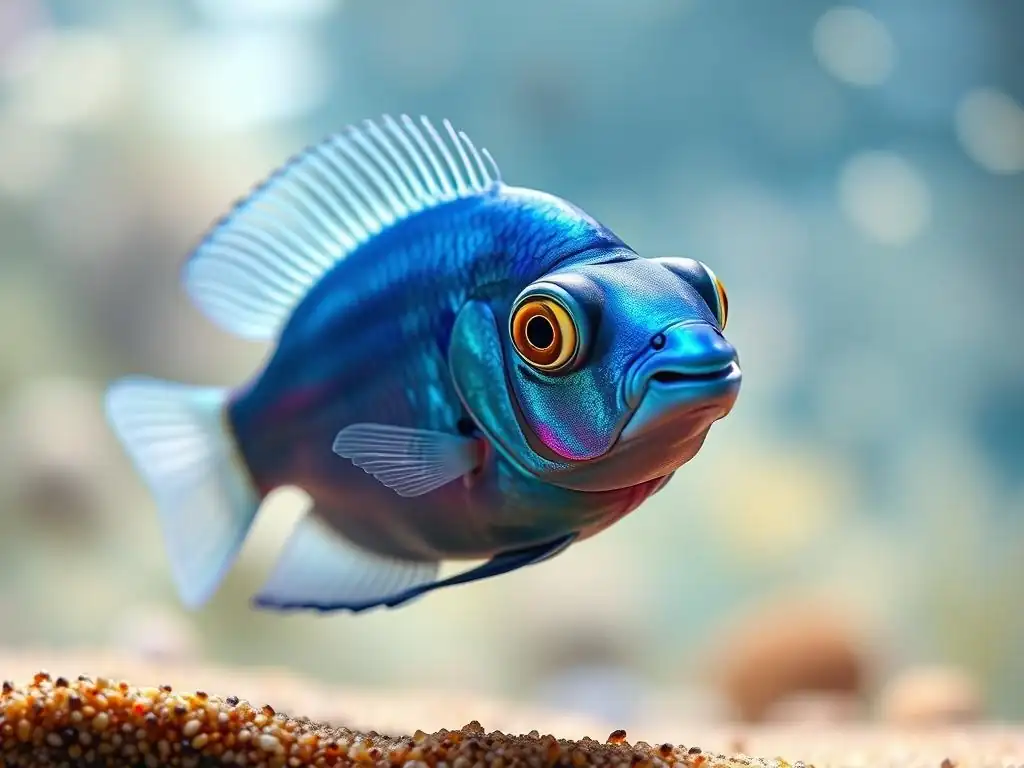
A common and concerning issue for German Blue Ram owners is the loss of their vibrant coloration, often appearing dull or washed out. This is usually a strong indicator of stress or an underlying health problem. Primary causes include poor water quality (high nitrates, ammonia, or nitrite), unsuitable water parameters (incorrect temperature, pH, or hardness), stress from aggressive tank mates, inadequate diet, or the onset of illness. A new environment can also temporarily cause color loss as the fish adjusts.
To address color loss, first, perform a comprehensive water test to ensure all parameters are within the optimal range for German Blue Rams. If any are off, perform immediate water changes to rectify them. Next, evaluate tank mates; remove any aggressive or overly boisterous species. Ensure their diet is varied and includes color-enhancing foods. If water parameters and tank mates are fine, observe for other signs of illness and consider a mild, broad-spectrum treatment if symptoms persist. Providing proper German Blue Ram aquarium care, including a stable, low-stress environment, is key to restoring their brilliant hues.
Aggression Towards Tank Mates - Causes and Solutions
While generally peaceful, German Blue Rams can exhibit aggression, particularly towards each other or certain tank mates, especially during breeding periods or if conditions are not ideal. Common causes include overcrowding, insufficient hiding spots or territories, an imbalanced male-to-female ratio (e.g., too many males in a small space), or keeping them with fish that are too similar in shape or color, which they might perceive as rivals. If a pair is breeding, they will become fiercely territorial around their eggs or fry.
To mitigate aggression, ensure your tank is adequately sized for the number of Rams and other inhabitants; a minimum of 20 gallons for a pair and larger for groups is recommended. Provide ample hiding spots and visual breaks using driftwood, rocks, and dense planting to allow weaker or submissive fish to retreat. If a pair is breeding, consider moving them to a dedicated breeding tank to prevent stress on other community members. Re-evaluating tank mates for compatibility is also crucial. Addressing these environmental factors is essential for maintaining a peaceful community and successful German Blue Ram aquarium care.
Refusal to Eat - Causes and Solutions
When German Blue Rams refuse to eat, it is a significant warning sign that something is amiss with their health or environment. This behavior is often a primary symptom of stress, poor water quality, or illness. A new environment can also cause temporary appetite loss as the fish adjust to their surroundings. Unsuitable food types or a lack of variety in their diet might also lead to disinterest in food.
To troubleshoot, first, test your water parameters (ammonia, nitrite, nitrate, pH, temperature, hardness) immediately. Perform a partial water change if any levels are off. Check the water temperature; if it's too low, it can slow their metabolism and appetite. Offer a variety of high-quality foods, including their favorites like frozen bloodworms or live brine shrimp, to entice them. Observe for any other signs of illness, such as clamped fins, faded color, or unusual swimming, and be prepared to treat for specific diseases if symptoms develop. Consistent and proactive German Blue Ram aquarium care helps prevent appetite loss.
Where to Buy German Blue Rams: Selecting Healthy Specimens
Choosing a Reputable Source for German Blue Rams
Selecting a reputable source for your German Blue Rams is a crucial step in ensuring you acquire healthy, robust specimens that will thrive in your aquarium. Avoid impulse purchases from stores where the fish tanks appear dirty, overcrowded, or contain visibly sick fish. A reputable local fish store (LFS) will maintain clean tanks, have knowledgeable staff who can answer your questions about German Blue Ram aquarium care, and be able to provide information on the fish's origin. They should also have a clear quarantine protocol for new arrivals.
Online breeders or specialized online retailers can also be excellent sources, often offering a wider selection, including specific color variants like Electric Blue Rams or Gold Rams. When buying online, look for vendors with positive reviews, clear health guarantees, and transparent shipping practices. A good online source will prioritize the fish's welfare during transit and provide detailed information on their breeding conditions. Choosing a well-regarded supplier significantly reduces the risk of introducing diseases into your home aquarium.
What to Look for When Buying German Blue Rams
When you are ready to purchase German Blue Rams, take the time to carefully observe the fish before making your selection. A healthy German Blue Ram will display vibrant, intense coloration for its specific variant, with clear, bright eyes. Their fins should be fully extended and free of nips, tears, or white spots (Ich). Avoid fish with clamped fins, which is a common sign of stress or illness.
Observe their behavior: healthy Rams should be active, curious, and swimming naturally, not listlessly hovering at the bottom or gasping at the surface. Their bodies should appear full, not sunken or emaciated, and free of any visible lesions, sores, or fungal growths. Ensure their breathing is calm and regular. If possible, observe them eating; a healthy appetite is a strong indicator of well-being. By taking these precautions, you increase your chances of bringing home healthy German Blue Rams that will be a joy to care for and contribute to the beauty of your aquarium.
Conclusion: Mastering German Blue Ram Aquarium Care
Enjoying the Beauty and Personality of Your German Blue Rams
Mastering German Blue Ram aquarium care is a rewarding journey that culminates in the enjoyment of one of the freshwater hobby's most beautiful and charismatic dwarf cichlids. While they demand precise water parameters and consistent maintenance, the effort invested is generously repaid by their stunning iridescent colors, engaging behaviors, and unique personalities. Successfully keeping these sensitive fish not only showcases your dedication as an aquarist but also provides a vibrant, living centerpiece for your home.
By diligently adhering to the guidelines outlined in this comprehensive guide—from providing optimal tank size and pristine water quality to offering a varied diet and selecting compatible tank mates—you create an environment where your German Blue Rams can thrive. Observing their natural behaviors, from sifting substrate to intricate courtship rituals, offers endless fascination. With patience, attention to detail, and a commitment to their specific needs, you can truly unlock the full potential of these aquatic jewels, making your German Blue Ram aquarium a testament to successful freshwater fish keeping.
Frequently Asked Questions
What are the ideal water parameters for a German Blue Ram aquarium?
German Blue Rams require pristine water conditions. Aim for a temperature of 78-85°F, a pH of 6.0-7.5, and very low levels of nitrates and nitrites. Regular water changes are essential.
What is the best tank size for a pair of German Blue Rams?
A minimum of a 20-gallon tank is recommended for a pair. They need enough space to establish a territory and feel secure. Larger tanks are always better, providing more stable water conditions.
What types of tank mates are suitable for German Blue Rams?
Peaceful and non-aggressive fish are best. Avoid fin-nippers or boisterous species that may stress the Rams. Consider small tetras, rasboras, or peaceful bottom-dwellers like Corydoras catfish.
What should I feed my German Blue Rams to ensure their health and vibrant colors?
A varied diet is crucial. Offer high-quality flake food, small live or frozen foods like bloodworms and brine shrimp, and even some vegetable matter. This promotes optimal health and coloration.
What are some common health problems that affect German Blue Rams, and how can I prevent them?
German Blue Rams are susceptible to diseases like Ich and bacterial infections due to poor water quality. Maintaining pristine water conditions and providing a stress-free environment are crucial for prevention. Quarantine new fish before introducing them to the main tank.
Final Reflection: Appreciating the Delicate Beauty of the German Blue Ram
The journey of understanding and caring for the German Blue Ram, as we've explored, is more than just mastering aquarium parameters; it's about fostering an environment where delicate beauty can truly thrive. This is particularly relevant today, as the increasing popularity of aquascaping and home aquariums underscores our desire to connect with nature, even within the confines of our homes. The German Blue Ram, with its vibrant colors and captivating personality, offers a unique opportunity to cultivate this connection.
The allure of the German Blue Ram extends beyond its aesthetic appeal; it represents a commitment to responsible pet ownership and an appreciation for the intricacies of aquatic ecosystems. My own experience observing these fish has instilled a profound respect for the delicate balance required to maintain their well-being. The beauty of the natural world lies in the details, and the German Blue Ram exemplifies this perfectly, reminding us of the responsibility we have to protect and cherish these wonders.
This sentiment resonates deeply, urging us to consider the broader implications of our choices and the impact we have on the environment, even within the microcosm of our aquariums.
As you embark on, or continue, your journey with the German Blue Ram, I invite you to reflect on the lessons learned here. Consider how you can further refine your aquarium care practices, not just to ensure the survival of these magnificent creatures, but to help them flourish. Let the vibrant colors and graceful movements of the German Blue Ram inspire you to cultivate a deeper appreciation for the natural world and to act as a steward of its delicate beauty, both within your aquarium and beyond.
Unleash the Beauty: Start Your Ram Cichlid Journey Today!
Thank you for exploring the captivating world of German Blue Rams with us. We hope this guide has inspired you to appreciate these stunning fish and understand their unique needs. Now, let's turn that knowledge into action!
Here are a few things you can do to continue your journey with German Blue Rams:
- Plan Your Dream Ram Tank: Before purchasing, map out your ideal aquarium setup, focusing on soft substrate, ample hiding places, and stable water parameters to mimic their natural habitat.
- Share the beauty! Share this guide with a fellow aquarium enthusiast to help them discover the joys (and challenges!) of keeping German Blue Rams.
- Try something unexpected: Research biotope aquariums that specifically replicate the South American environment where Rams originate. This could involve unique substrate combinations, leaf litter, and specific wood types.
What are the first steps you'll take to prepare your aquarium for these vibrant aquatic gems?