
Perfecting Rearing a Single Tetra Fry to Adulthood: An Aquarium Mastery Challenge

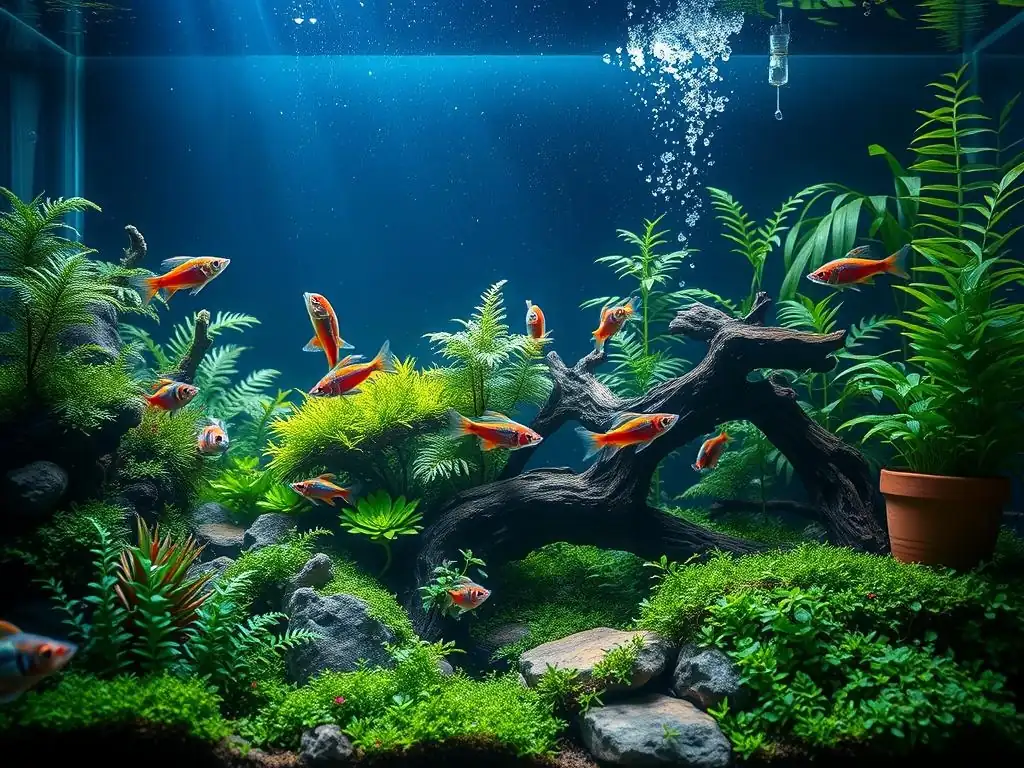
Welcome to Aquarium Mastery!
Ever wondered if you could successfully raise a single tiny tetra fry into a vibrant adult? It's a challenge, no doubt, but with the right approach, it's absolutely achievable! Dive in to discover the secrets of single tetra fry rearing and unlock the satisfaction of nurturing life from the very beginning. Ready to accept the Aquarium Mastery challenge? Let's get started!
- Perfecting Rearing a Neon Tetra Fry to Adulthood: An Aquarium Mastery Challenge
- Introduction: The Unique Challenge of Raising a Lone Neon Tetra Fry
- I. Understanding Neon Tetra Fry Development and Needs
- II. Setting Up the Ideal Nursery Tank for a Single Neon Tetra Fry
- III. Feeding Strategies for a Single Neon Tetra Fry
- IV. Monitoring and Maintaining a Healthy Environment
- V. Transitioning the Neon Tetra Fry to a Larger Tank
- VI. Troubleshooting Common Problems in Single Neon Tetra Fry Rearing
- VII. Advanced Techniques for Optimizing Neon Tetra Fry Growth
- VIII. Conclusion: Celebrating Your Success in Raising a Single Neon Tetra Fry
- Frequently Asked Questions
- Final Reflection: The Tiny Spark of Potential
- Nurture Your Tetra Dream: Watch It Thrive!
Perfecting Rearing a Neon Tetra Fry to Adulthood: An Aquarium Mastery Challenge
Introduction: The Unique Challenge of Raising a Lone Neon Tetra Fry
Rearing a single neon tetra fry to adulthood represents one of the most intricate and rewarding challenges an aquarist can undertake. Unlike the relative simplicity of raising a batch of more robust fry, focusing on a lone neon tetra demands unparalleled precision and dedication. Their minute size, delicate physiology, and specific environmental requirements make them incredibly vulnerable, often leading to high mortality rates in less than ideal conditions. This endeavor goes beyond basic fishkeeping, pushing the boundaries of advanced aquarium husbandry and offering a profound understanding of these popular freshwater fish.
The goal of perfecting single tetra fry rearing is not merely to ensure survival, but to foster optimal growth, vibrant coloration, and robust health in an individual specimen. This requires meticulous attention to water parameters, specialized feeding regimens, and a keen eye for the subtle signs of stress or illness. Successfully navigating this "Aquarium Mastery Challenge" transforms theoretical knowledge into practical expertise, culminating in the satisfaction of witnessing a fragile, translucent speck mature into a beautiful, thriving adult neon tetra.
I. Understanding Neon Tetra Fry Development and Needs
The Initial Stages of Neon Tetra Fry Growth: A Critical Period
The journey of a neon tetra fry begins shortly after hatching, typically within 24 to 36 hours post-egg fertilization. Initially, they are almost translucent and possess a visible yolk sac, which serves as their primary food source for the first 24 to 48 hours. During this period, the fry are largely immobile, often clinging to surfaces or floating passively.
The transition from yolk sac absorption to free-swimming is a critical milestone, usually occurring around 3 to 5 days post-hatch, when they become actively searching for external food sources. At this stage, a newly free-swimming neon tetra fry is incredibly tiny, often measuring less than 2 millimeters in length, making them barely visible to the naked eye and extremely susceptible to adverse conditions.
This initial phase, spanning the first two to three weeks of life, dictates the fry's chances of survival. Their minuscule size means they have virtually no energy reserves, making consistent access to appropriate food and pristine water quality paramount. Any fluctuation in temperature, a slight ammonia spike, or an absence of suitable micro-foods can lead to rapid decline and death. The development of their internal organs, fin structure, and sensory systems is rapid during this time, demanding an environment that supports their delicate and fast-paced growth without any stress factors.
Nutritional Requirements for Healthy Neon Tetra Fry Development
The dietary needs of neon tetra fry evolve rapidly as they grow. For the first few days after becoming free-swimming, their mouths are so small that they can only consume microscopic organisms. Infusoria, such as Paramecium, are essential first foods due to their size (typically 50-300 micrometers) and high nutritional value. Without a consistent supply of these minute organisms, fry will starve, even if other foods are present. As they grow, typically after 7 to 10 days, their mouths become large enough to accept slightly larger live foods.
The introduction of newly hatched brine shrimp nauplii (approximately 400-500 micrometers) is crucial around this time. Brine shrimp are packed with protein (over 50% dry weight) and essential fatty acids, which are vital for rapid growth and development. A varied diet is key; supplementing with microworms or vinegar eels can provide additional nutrients.
For optimal development and vibrant coloration, a consistent supply of high-quality, live foods is often recommended over prepared fry foods, as live options offer superior digestibility and nutrient profiles. Neglecting these precise nutritional stages can lead to stunted growth, weakened immune systems, and a failure to thrive in single tetra fry rearing.
Importance of Water Parameters for Neon Tetra Fry Survival
Maintaining impeccable and stable water parameters is the single most critical factor for the survival and healthy development of neon tetra fry. Neon tetras originate from soft, acidic blackwater environments in the Amazon basin, and their fry are even more sensitive to deviations. The ideal temperature range for fry development is consistently between 24-27°C (75-81°F); even a 1-2°C fluctuation can cause significant stress.
The pH should be maintained between 5.5 and 6.5, with very soft water parameters, typically a General Hardness (GH) of 1-5 dGH and a Carbonate Hardness (KH) of 0-2 dKH. These low mineral levels mimic their natural breeding grounds and are crucial for proper osmotic regulation.
Crucially, ammonia and nitrite levels must be zero at all times. Neon tetra fry have underdeveloped organs and are extremely vulnerable to these nitrogenous compounds. Even trace amounts, as low as 0.25 ppm, can be lethal or cause irreversible damage. Nitrate levels should also be kept below 5-10 ppm through frequent, small water changes. The consistency of these parameters is just as important as their absolute values; sudden shifts in temperature, pH, or hardness can induce osmotic shock, leading to rapid death. Meticulous daily testing and precise water adjustments are non-negotiable for successful single tetra fry rearing.
II. Setting Up the Ideal Nursery Tank for a Single Neon Tetra Fry
Tank Size and Configuration for a Lone Fry
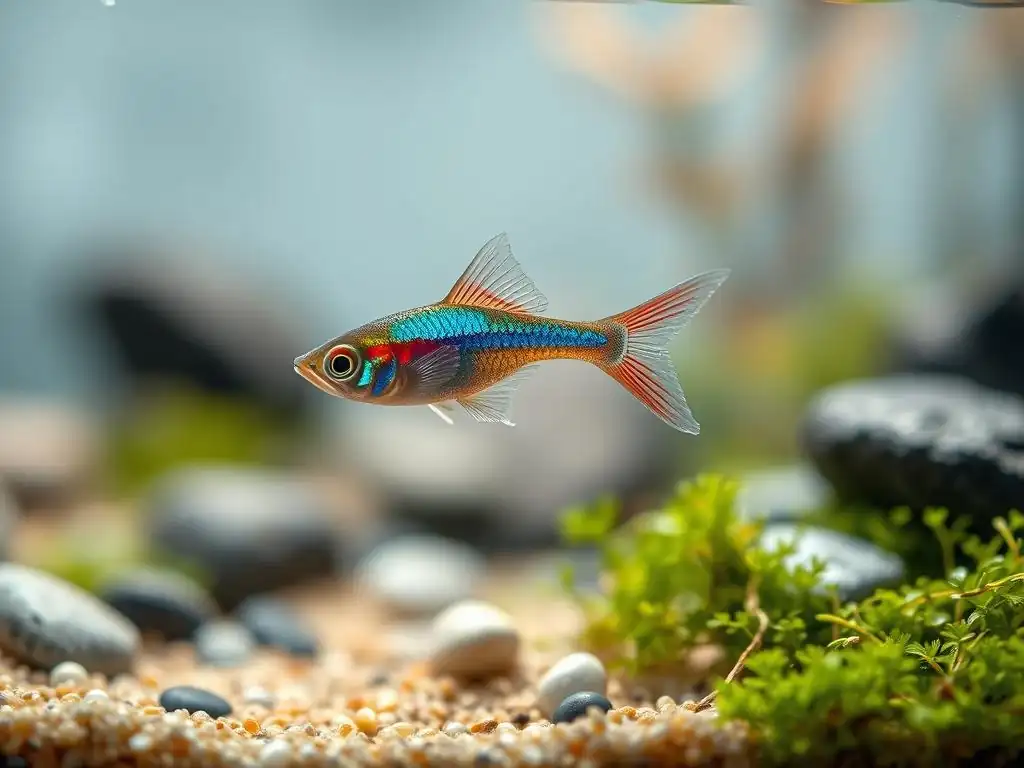
When considering single tetra fry rearing, the nursery tank size is a critical factor, and counter-intuitively, smaller is often better. A tank ranging from 1 to 2 gallons (approximately 4 to 8 liters) is ideal for a lone neon tetra fry. This compact volume ensures that food, particularly microscopic live foods, remains concentrated within the fry's immediate vicinity, making it easier for the tiny fish to find and consume nourishment.
In larger tanks, food particles disperse too widely, leading to starvation, even if ample food is introduced. The small size also simplifies daily water changes and allows for precise control over water parameters.
The configuration of the nursery tank should be minimalistic. A bare-bottom tank is highly recommended. This allows for easy visual inspection of the fry, simplifies the siphoning of uneaten food and waste, and prevents detritus from accumulating in a substrate, which can quickly degrade water quality.
Any decor should be sparse and easy to clean. A small, broad-leafed plant like Anubias nana or a piece of Java moss can provide a sense of security and a surface for microorganisms to graze on, but ensure it doesn't create dead spots where food can settle unnoticed. The overall design should prioritize hygiene, food accessibility, and ease of maintenance for the delicate single neon tetra fry.
Filtration and Water Circulation: Balancing Cleanliness and Flow
For a single neon tetra fry, selecting the appropriate filtration system is paramount to maintaining pristine water quality without causing undue stress. An air-driven sponge filter is the gold standard for fry tanks. Its primary advantages are gentle water circulation and effective biological filtration. The slow, bubbling action of an air stone within the sponge creates minimal current, preventing the tiny fry from being swept around or exhausted by strong flow, which can be fatal. The sponge itself provides a large surface area for beneficial bacteria to colonize, converting harmful ammonia and nitrite into less toxic nitrates.
It is crucial to avoid powerful hang-on-back (HOB) filters or internal power filters, as their strong suction and output flow can easily injure or kill the minute fry. Even with a sponge filter, ensure the airflow is set to a very low level, creating just enough circulation to oxygenate the water and draw waste into the sponge without creating turbulence. Regular squeezing of the sponge filter in discarded tank water (not tap water, which contains chlorine) is necessary to clean it and maintain its efficiency, ensuring optimal conditions for single tetra fry rearing.
Substrate and Decorations: Creating a Safe and Stimulating Environment
In the context of rearing a single neon tetra fry, the choice of substrate and decorations greatly impacts hygiene and fry well-being. As previously mentioned, a bare-bottom tank is generally preferred for a fry setup. This eliminates the risk of food particles and waste accumulating within a substrate layer, which can rapidly decompose and foul the water, leading to ammonia spikes that are lethal to delicate fry. The absence of substrate also allows for effortless siphoning of uneaten food and detritus, ensuring the highest possible water quality.
If any decorations are desired to provide a sense of security or a surface for beneficial biofilm, they should be minimal, smooth, and easy to clean. A small, clean piece of PVC pipe, a few smooth pebbles, or a clump of Java moss or Anubias nana can be used. These elements offer hiding spots or resting places without trapping food or making cleaning difficult.
Floating plants like Salvinia or Water Lettuce can provide diffused lighting and a sense of overhead cover, which can reduce stress for the fry, but ensure they don't completely block light or hinder access to the surface for feeding. The key is to create a safe and low-stress environment that supports the single neon tetra fry's development without compromising water quality.
Maintaining Optimal Water Quality for Neon Tetra Fry Growth
Maintaining optimal water quality is the cornerstone of successful single tetra fry rearing. Given the fry's extreme sensitivity to pollutants, daily small water changes are absolutely essential. A regimen of 10-20% daily water changes is recommended to dilute nitrates and other dissolved organic compounds, and to replenish essential trace elements. The replacement water must be precisely matched in temperature, pH, and hardness to the water in the nursery tank to prevent osmotic shock. Using aged, dechlorinated, or reverse osmosis (RO) water remineralized to the appropriate parameters is critical.
Beyond daily water changes, constant vigilance over water parameters is required. Liquid test kits for ammonia, nitrite, and pH should be used daily, especially during the first few weeks. Even a slight increase in ammonia (e.g., 0.25 ppm) can be fatal to neon tetra fry.
A small, reliable heater should maintain a stable temperature within the optimal range of 24-27°C (75-81°F), as temperature fluctuations cause immense stress. Regular siphoning of the tank bottom to remove any uneaten food or waste immediately after feeding sessions is also vital. This proactive approach to water quality management minimizes stress and provides the stable, pristine environment necessary for the delicate neon tetra fry to thrive.
III. Feeding Strategies for a Single Neon Tetra Fry
Selecting the Right First Foods for Tiny Neon Tetra Fry
The initial days of feeding a single neon tetra fry are the most challenging due to their incredibly small mouthparts and immediate need for sustenance once the yolk sac is absorbed. The absolute first food must be microscopic. Infusoria, a collective term for various protozoa and microscopic organisms, are the perfect choice. They are typically 50-300 micrometers in size, making them digestible for a newly free-swimming fry that is often less than 2 millimeters long. Infusoria can be cultured easily at home using decaying organic matter, such as dried banana peels or lettuce leaves in aged tank water.
Another excellent initial food source is Paramecium, a type of ciliate protozoan, which is slightly larger than some infusoria but still small enough for the fry. Some specialized liquid fry foods are commercially available, but they often offer less nutritional value and can quickly foul the water if overfed. The key is to provide a continuous, dense supply of these microscopic organisms for the first 3-7 days, ensuring the fry can constantly graze. Without these initial, appropriately sized food sources, the single neon tetra fry will quickly starve, regardless of how healthy the water parameters are.
Live Food Cultures: Culturing Infusoria and Micro Worms
Culturing live foods is indispensable for successful single tetra fry rearing, providing a consistent and highly nutritious diet. For the first week, infusoria cultures are vital. A simple method involves placing a few dried banana leaves or a small piece of boiled lettuce in a jar of aged tank water and allowing it to sit for several days in a well-lit area. The resulting cloudy water will be teeming with infusoria, which can then be pipetted directly into the fry tank. This ensures a continuous supply of the minute organisms essential for newly free-swimming fry.
As the neon tetra fry grows, typically around 7-10 days, they can begin to consume slightly larger live foods like microworms or vinegar eels. Microworms are nematodes (around 50-100 micrometers wide and 1-3 mm long) that are easy to culture on a substrate of oatmeal. They are highly nutritious, providing essential proteins and fats for rapid growth.
Vinegar eels (around 1 mm long) are another excellent option, cultured in apple cider vinegar. These cultures are self-sustaining with minimal effort and offer a superior alternative to dried foods, promoting faster growth and better health in the developing single neon tetra fry.
Prepared Fry Foods: Choosing High-Quality Options
While live foods are highly recommended for optimal development, high-quality prepared fry foods can serve as a supplemental or emergency option in single tetra fry rearing. When selecting prepared foods, particle size is the most critical factor; it must be small enough for the fry's mouth. Look for "First Bites" or "Micron" designations, indicating extremely fine powders designed for egg-laying fish fry. Brands like Hikari First Bites or Sera Micron are popular choices known for their fine consistency and balanced nutritional profiles.
These foods are typically rich in protein (often above 50%) and fortified with vitamins and minerals crucial for growth. However, they can quickly foul the water if overfed, as they are not living organisms that remain viable in the water. It's essential to feed incredibly tiny amounts multiple times a day and immediately siphon out any uneaten particles.
Some aquarists also use decapsulated brine shrimp eggs, which can be soaked and fed directly without hatching, providing a high-protein option for slightly larger fry. While convenient, prepared foods generally do not stimulate the same level of growth and vitality as a varied live food diet.
Feeding Frequency and Amounts: Preventing Overfeeding and Waste Buildup
The feeding regimen for a single neon tetra fry is characterized by high frequency and minute quantities to ensure continuous nourishment without compromising water quality. Fry have incredibly fast metabolisms and small stomachs, requiring constant access to food. Therefore, feeding 5-8 times a day is often necessary, sometimes even more frequently for the first week. For infusoria cultures, a continuous drip system can be employed to provide a steady supply. For other foods, tiny pinches or drops should be offered, ensuring the food is consumed within 15-30 minutes.
Overfeeding is one of the most common pitfalls in single tetra fry rearing and a leading cause of mortality. Excess food quickly decomposes, leading to dangerous spikes in ammonia and nitrite, and promoting bacterial blooms that can suffocate the fry. After each feeding, it is imperative to use a pipette or a small airline tubing to carefully siphon out any uneaten food and detritus from the tank bottom. This meticulous cleaning, combined with frequent small water changes, is crucial to prevent waste buildup and maintain the pristine water conditions vital for the delicate neon tetra fry's survival and growth.
IV. Monitoring and Maintaining a Healthy Environment
Regular Water Changes: Minimizing Ammonia and Nitrite Levels
Consistent and meticulously executed water changes are the cornerstone of maintaining a healthy environment for a single neon tetra fry. Given their extreme sensitivity to nitrogenous wastes, daily water changes are not merely recommended but absolutely critical. A routine of changing 10-20% of the tank volume every 24 hours is essential to dilute accumulating nitrates and prevent even trace amounts of ammonia and nitrite from building up. These compounds are highly toxic to fry, and even levels undetectable to the human eye can cause stress or death.
When performing water changes, extreme care must be taken to match the temperature, pH, and hardness of the replacement water precisely to that of the tank water. A slow drip method using airline tubing is ideal to introduce new water, minimizing any sudden shifts that could shock the delicate fry. Always use dechlorinated and aged water, or remineralized RO water, to avoid introducing harmful chemicals. A dedicated siphon for the fry tank helps prevent cross-contamination from other aquarium systems. This rigorous approach to water management is paramount for successful single tetra fry rearing, ensuring a pristine and stable environment.
Observing Fry Behavior: Detecting Early Signs of Illness or Stress
Vigilant observation of the single neon tetra fry's behavior is crucial for detecting early signs of illness or stress, allowing for timely intervention. A healthy fry will be active, constantly foraging for food, and exhibit typical, coordinated swimming patterns. Its fins should be spread, and its body should appear full but not bloated. Any deviation from this normal behavior warrants immediate investigation.
Signs of stress or illness in a neon tetra fry include:
- Lethargy or inactivity: Hiding constantly, resting on the bottom for prolonged periods, or listless swimming.
- Clamped fins: Fins held tightly against the body, indicating discomfort.
- Erratic or uncoordinated swimming: Spiraling, darting uncontrollably, or difficulty maintaining buoyancy (swim bladder issues).
- Gasping at the surface: A sign of low oxygen or severe water quality issues.
- Loss of appetite: Refusing to eat even preferred foods.
- Physical changes: White spots (Ich), fungal growths, frayed fins, or a noticeable change in body shape or coloration.
Early detection is key, as fry can succumb to illness rapidly. If any of these signs are observed, immediately check water parameters, perform a small water change, and assess feeding practices.
Preventing Diseases and Parasites in the Nursery Tank
Preventing diseases and parasites in a single neon tetra fry nursery tank is far more effective than attempting to treat them, as fry are extremely fragile and sensitive to most medications. The primary line of defense is maintaining impeccable water quality and a stable environment. Poor water conditions are the leading cause of stress and weakened immune systems, making fry susceptible to pathogens. Therefore, consistent daily water changes, prompt removal of uneaten food, and rigorous adherence to optimal parameters are non-negotiable.
Secondly, strict quarantine protocols for any items introduced into the nursery tank are vital. Even if it's just a single fry, any new plants, decor, or even tools (like nets or pipettes) that have been used in other tanks can introduce harmful bacteria, fungi, or parasites. It is advisable to use dedicated equipment solely for the fry tank and to sterilize new items before use.
Avoiding overfeeding also prevents bacterial blooms and reduces the organic load that can foster pathogen growth. By minimizing stressors and preventing the introduction of contaminants, the risk of disease in single tetra fry rearing can be significantly reduced, giving the delicate fish the best chance at survival.
V. Transitioning the Neon Tetra Fry to a Larger Tank
Gradual Acclimation to New Water Parameters
The transition from a small nursery tank to a larger, potentially community, aquarium is a critical phase for a growing neon tetra fry. This step should only be attempted when the fry has reached a size of approximately 1.5-2 cm (0.6-0.8 inches), typically after 4-6 weeks of dedicated single tetra fry rearing. The most crucial aspect of this transition is gradual acclimation to the new tank's water parameters. Abrupt changes in temperature, pH, or hardness can cause severe osmotic shock, which is often fatal.
The drip acclimation method is highly recommended. Place the fry in a small container with its current nursery water. Then, slowly drip water from the target larger tank into the container using airline tubing and a control valve, at a rate of about 1-2 drips per second. Continue this process until the volume of water in the container has doubled or tripled over 1-2 hours.
This slow introduction allows the fry's delicate system to gradually adjust to the new water chemistry. Monitor the temperature difference between the two tanks; it should be no more than 1-2°C. Once acclimated, gently net the fry and release it into the new tank, discarding the acclimation water.
Introducing the Growing Neon Tetra to a Community Tank
Once the neon tetra fry has been successfully acclimated, its introduction to a larger community tank requires careful consideration to ensure its safety and well-being. Select a community tank that is well-established, stable, and houses only peaceful, appropriately sized tank mates. Avoid any fish that are known to be aggressive, fin-nippers, or large enough to perceive the growing tetra as food. Ideal tank mates might include other small, peaceful tetras, rasboras, or small catfish like Otocinclus.
Introduce the neon tetra into the community tank when the main tank lights are off or dimmed. This reduces stress and allows the fry to explore its new surroundings without immediate attention from other inhabitants. Ensure the new tank offers plenty of hiding spots, such as dense live plants, driftwood, or rock formations, where the tetra can retreat if it feels threatened.
Even though it's a single fish, providing cover is vital for its initial sense of security. Observe the tank closely for the first few hours and days to ensure the new addition is not being harassed and is actively seeking food.
After the successful introduction of the growing neon tetra to a larger tank, continuous monitoring of its social interactions is paramount for its long-term health and integration. Neon tetras are schooling fish by nature, and while the challenge was to raise a single fry, its eventual well-being in a community setting often benefits from the presence of its own kind. Observe the newly introduced tetra for signs of stress, such as clamped fins, hiding excessively, or erratic swimming, which might indicate bullying from existing tank mates.
Conversely, also watch for any signs of aggression from the neon tetra itself, though this is rare. Ensure it is actively participating in feeding times and not being outcompeted for food. If the tetra appears stressed or isolated, despite peaceful tank mates, consider adding a small school (e.g., 5-6) of adult neon tetras to the tank.
This can significantly reduce stress by allowing the individual to join a shoal, which provides security and promotes more natural behavior. Continued vigilance over the first few weeks is crucial to confirm full compatibility and ensure the successful culmination of your single tetra fry rearing efforts.
VI. Troubleshooting Common Problems in Single Neon Tetra Fry Rearing
Addressing Stunted Growth in Neon Tetra Fry
Stunted growth in neon tetra fry is a common and disheartening problem in single tetra fry rearing, often indicative of underlying environmental or nutritional deficiencies. The primary culprits are typically poor water quality, insufficient feeding, or an inadequate diet. If your neon tetra fry is not growing as expected (a healthy fry should show noticeable growth daily, reaching ~1 cm within 3 weeks), immediately assess your water parameters.
Check for any detectable levels of ammonia or nitrite, and ensure nitrates are below 5 ppm. Even slight, chronic exposure to these toxins can severely inhibit growth. Increase the frequency and volume of water changes (e.g., 30% daily) if parameters are off.
Next, evaluate your feeding regimen. Are you feeding enough times a day (5-8 times is ideal)? Is the food nutritious enough and the correct size for the fry's mouth? Stunting often occurs if the fry is consistently underfed or if its diet lacks essential proteins and fats.
If relying on prepared foods, consider switching to or supplementing with live foods like newly hatched brine shrimp, microworms, or even infusoria if the fry is still very small. Also, ensure the temperature is stable within the optimal range of 24-27°C (75-81°F), as lower temperatures slow metabolism and growth. Addressing these factors promptly can often reverse stunting and promote healthy development.
Dealing with Swim Bladder Issues in Young Tetra
Swim bladder issues in young neon tetra fry can manifest as difficulty maintaining buoyancy, swimming upside down, on its side, or struggling to move away from the surface or bottom. These problems are often caused by poor water quality, overfeeding, or bacterial infections. Given the fragility of fry, treatment is extremely challenging and often unsuccessful, but immediate action can sometimes help. First, perform a significant water change (e.g., 50%) using precisely matched, pristine water to rule out water quality as the primary cause.
Next, cease feeding for 12-24 hours to allow the fry's digestive system to clear. If the issue persists, and you are feeding prepared foods, switch to easily digestible live foods like newly hatched brine shrimp or microworms in very small quantities.
For bacterial infections, which are harder to diagnose and treat in fry, some aquarists might consider very dilute doses of broad-spectrum antibiotics, but this should be approached with extreme caution, as medications can be highly toxic to fry. Maintaining impeccable water quality and avoiding overfeeding are the best preventative measures for swim bladder issues in single tetra fry rearing.
Managing Algae Blooms in the Nursery Tank
Algae blooms in a single tetra fry nursery tank, while not directly harmful, indicate an imbalance in the environment and can quickly consume oxygen at night, posing a risk to the delicate fry. They are typically caused by an excess of light and nutrients (primarily nitrates and phosphates) in the water. The first step in managing an algae bloom is to reduce the light duration. Neon tetra fry do not require intense or prolonged lighting; 8-10 hours a day is sufficient. Consider dimming the light intensity if possible or moving the tank away from direct sunlight.
Secondly, and most importantly, address the nutrient source. Algae thrive on nitrates and phosphates, which primarily accumulate from uneaten food and fish waste. Increase the frequency and thoroughness of your daily water changes (e.g., 20-30% daily) and ensure all uneaten food is siphoned out promptly after each feeding.
If you are culturing green water for supplemental feeding, ensure you are not overdoing it, as this can contribute to algae in the tank. Introducing a small amount of fast-growing floating plants like duckweed or Salvinia can help compete with the algae for nutrients, but be careful not to overcrowd the surface and block light or access for the fry. Consistent maintenance is key to preventing and controlling algae in single tetra fry rearing.
VII. Advanced Techniques for Optimizing Neon Tetra Fry Growth
Utilizing Blackwater Extracts to Enhance Fry Coloration and Health
Employing blackwater extracts is an advanced technique that can significantly enhance the health, vitality, and eventual coloration of your single neon tetra fry. Neon tetras originate from the blackwater rivers of the Amazon, characterized by soft, acidic water stained by tannins and humic substances. These extracts, derived from peat or specialized products, mimic this natural environment by lowering pH, softening water, and releasing beneficial humic and fulvic acids. These acids have mild antiseptic properties, which can reduce stress, inhibit the growth of harmful bacteria and fungi, and strengthen the fry's immune system.
When used correctly, blackwater extracts can lead to more robust growth and more vibrant, natural coloration as the fry matures. They also provide a sense of security for the fry, making them less prone to shyness. Dosage should follow product instructions, typically aiming for a light tea color in the water. For instance, a common starting point might be 1-2 ml per 10 liters (2.6 gallons) of water during daily water changes. This specialized approach in single tetra fry rearing not only optimizes the environment but also taps into the genetic predispositions of these beautiful fish.
Employing Natural Foods to Stimulate Growth and Immunity
Beyond the standard fare of infusoria and newly hatched brine shrimp, incorporating a wider variety of natural, live foods can significantly stimulate growth and bolster the immune system of a single neon tetra fry. As the fry grows, consider culturing and introducing other micro-crustaceans like copepods or even small species of Daphnia (e.g., Moina). These organisms offer a diverse nutritional profile, including different amino acid and fatty acid compositions, which are crucial for comprehensive development.
For slightly larger fry, small live grindal worms can be introduced. The act of hunting and consuming live prey also provides natural stimulation, promoting stronger swimming abilities and more natural foraging behaviors.
Studies on various fish species have shown that a varied live food diet can lead to faster growth rates, sometimes exceeding 20% compared to fry fed solely on prepared foods. The presence of live enzymes and beneficial bacteria within these natural foods further aids digestion and strengthens the gut microbiome, contributing to a more resilient and healthy neon tetra as a result of dedicated single tetra fry rearing.
Culturing Green Water Algae for Supplemental Feeding
Culturing green water algae, specifically microalgae like Chlorella or Scenedesmus, is an advanced technique that can serve as an excellent supplemental food source for very young neon tetra fry and as a primary food for infusoria. Green water is essentially water teeming with microscopic algae. It can be easily cultured by exposing a container of nutrient-rich water (e.g., aged tank water with a pinch of fish food) to strong light for several days. The resulting green liquid is packed with photosynthetic organisms.
A small amount of clean green water can be added to the fry tank daily, particularly during the first few days when the fry are at their smallest. The fry can directly graze on these tiny algae particles, providing a continuous, low-stress food source. More importantly, green water acts as a perfect food source for infusoria, ensuring your infusoria cultures are robust and constantly producing food for the fry. This creates a natural food chain within your single tetra fry rearing system, mimicking elements of their natural environment and ensuring a consistent supply of nourishment.
Implementing a Gradual Dimming Light Cycle to Mimic Natural Conditions
While often overlooked, the lighting cycle in a nursery tank plays a subtle yet important role in the overall health and stress levels of a single neon tetra fry. Instead of an abrupt on/off light schedule, implementing a gradual dimming and brightening cycle can mimic natural dawn and dusk conditions, significantly reducing stress and promoting more natural behavior. This can be achieved with a specialized aquarium light timer that offers dimming functions, or manually by gradually increasing/decreasing the light intensity over 30-60 minutes at the beginning and end of the day.
A consistent light cycle, typically 10-12 hours of light followed by 12-14 hours of darkness, is crucial for regulating the fry's circadian rhythm, metabolism, and overall well-being. Abrupt changes in light can startle and stress delicate fry, potentially impacting their feeding and activity levels. By providing a more natural transition between light and dark, you create a more stable and less anxiety-inducing environment for your growing neon tetra, optimizing its development throughout the single tetra fry rearing process.
VIII. Conclusion: Celebrating Your Success in Raising a Single Neon Tetra Fry
The Rewards of Mastering the Art of Single Fry Rearing
The journey of perfecting rearing a single neon tetra fry to adulthood is an undertaking that demands immense patience, meticulous attention to detail, and a deep understanding of aquatic biology. It is a true test of an aquarist's skill, far exceeding the challenges of maintaining a mature community tank. Every aspect, from water chemistry and microscopic feeding to subtle behavioral observation, requires precision and dedication. Successfully navigating this intricate process is not just about keeping a fish alive; it's about fostering optimal growth, ensuring vibrant coloration, and nurturing a healthy, robust individual from the most delicate of beginnings.
The rewards of mastering single tetra fry rearing are profound. Witnessing a translucent speck, barely visible to the naked eye, transform into a beautiful, shimmering adult neon tetra is an unparalleled satisfaction. This achievement signifies a deep mastery of advanced aquarium husbandry techniques and provides invaluable experience that can be applied to other delicate species. It demonstrates a commitment to the well-being of a single life and offers a unique perspective on the fragility and resilience of aquatic life, solidifying one's status as a truly accomplished aquarist.
Frequently Asked Questions
What are the primary challenges in rearing a single tetra fry?
The main challenges involve ensuring consistent access to food specifically sized for a tiny fry and preventing predation or competition from other tank inhabitants. Maintaining pristine water conditions is also crucial.
What type of food is best for a single tetra fry?
Initially, infusoria or commercially available liquid fry food is ideal. As it grows, gradually transition to baby brine shrimp and then finely crushed flake food. Consistent feeding is paramount.
How often should I feed a single tetra fry?
Tetra fry require frequent feedings, typically 3-4 times a day. Provide small portions that they can consume within a few minutes to avoid water quality issues.
What size tank is appropriate for rearing a single tetra fry?
A small, dedicated rearing tank (1-2 gallons) is sufficient initially. This helps ensure the fry can easily find food and avoids the stresses of a large environment. Eventually, transferring to a larger tank is necessary as it grows.
What are some essential water parameters for successful tetra fry rearing?
Maintain stable water parameters, including a temperature of 78-82°F, pH of 6.5-7.5, and ammonia/nitrite levels at zero. Regular water changes are vital for removing waste and maintaining water quality.
Final Reflection: The Tiny Spark of Potential
The journey of nurturing a single tetra fry to adulthood, as we've explored, is more than just an aquarium challenge; it's a microcosm of life itself. The dedication and meticulous care required mirror the attention needed to cultivate any seed of potential, whether in our personal lives, our communities, or even within ourselves. The lessons learned in maintaining pristine water parameters, providing optimal nutrition, and observing subtle behavioral changes resonate far beyond the confines of a fish tank.
This seemingly niche pursuit of single tetra fry rearing highlights a profound truth: that even the smallest, most vulnerable beginnings deserve our utmost respect and commitment. The creation of something new is not accomplished by the intellect but by the play instinct arising from inner necessity. The creative mind plays with the objects it loves.
- Carl Jung. This quote speaks to the passion and dedication required, not just for this specific task, but for any endeavor that requires nurturing and patience. The success achieved in raising a single fry becomes a testament to the power of focused intention and unwavering dedication, a skill applicable to countless aspects of life.
Now, consider the implications of this journey for your own life. What seemingly insignificant seed of potential are you neglecting? What small act of dedication could blossom into something extraordinary? Take the lessons learned from the delicate art of single tetra fry rearing and apply them to nurturing your own dreams, fostering your relationships, and cultivating a more fulfilling existence. Embrace the challenge, observe with intention, and watch as the tiny spark of potential ignites into a vibrant and thriving reality.
Nurture Your Tetra Dream: Watch It Thrive!
Thank you for delving into the art of raising a single tetra fry. Now that you're equipped with the knowledge, it's time to put your skills to the test and witness the rewarding journey of nurturing life. Let's transform that tiny fry into a vibrant, thriving adult!
- Embrace the Challenge: Dedicate a small, meticulously maintained tank specifically for your single tetra fry. This focused attention will significantly increase its chances of survival and healthy development.
- Delve Deeper: Explore the fascinating world of live foods. Cultivating your own microworms or baby brine shrimp could be a game-changer in your tetra fry's growth and vitality.
- Share Your Journey: Inspired to share your progress? Document your efforts, and let us know your experiences or ask questions.
What's the first unique thing you'll do to ensure your single tetra fry not only survives but thrives in your care?