
Advanced Methods for Sexing Difficult Tetra Species with Aquarium Mastery


Welcome to Aquarium Mastery, fellow aquarist!
Ever stared intently at your tetras, wondering male or female? You're not alone! Many species can be incredibly tricky to sex. Dive in as we unravel the mysteries of Sexing Difficult Tetra Species. Prepare to unlock advanced techniques and finally solve this common aquarium enigma! Ready to become a tetra-sexing master? Let's get started!
- Introduction to Sexing Tetras: Why It's Challenging and Important
- Visual Cues for Identifying Male and Female Tetras: Beyond the Basics
- Advanced Techniques for Tetra Sexing: A Detailed Guide
-
Species-Specific Sexing Challenges and Solutions
- Sexing Neon Tetras ( Paracheirodon innesi): Overcoming the "Plumpness Myth"
- Sexing Cardinal Tetras ( Paracheirodon axelrodi): Coloration and Fin Shape Nuances
- Sexing Emperor Tetras ( Nematobrycon palmeri): Eye Color and Fin Extensions
- Sexing Congo Tetras ( Phenacogrammus interruptus): The Key to Fin Development
- Environmental Factors Influencing Tetra Sex Determination and Expression
- Avoiding Common Mistakes When Sexing Tetras
- Conclusion: Mastering Tetra Sexing for Successful Aquarium Breeding
-
Frequently Asked Questions
- How does Aquarium Mastery help with sexing difficult tetra species?
- What are some common challenges in sexing tetra species?
- What specific indicators does Aquarium Mastery suggest looking for when sexing tetras?
- Does Aquarium Mastery offer guidance on sexing specific tetra species, or is it a general guide?
- What should I do if I'm still unsure about the sex of my tetras after consulting Aquarium Mastery?
- Final Reflection: Unveiling the Secrets of Tetra Life
- Unveil the Secrets: Become a Tetra Sexing Pro!
Introduction to Sexing Tetras: Why It's Challenging and Important
The Importance of Accurate Sexing in Tetra Breeding
Accurate sex determination is paramount for aquarists aiming to successfully breed tetra species. Without correctly identifying males and females, breeding attempts often lead to frustration and wasted effort. For instance, attempting to breed a pair of Neon Tetras ( Paracheirodon innesi) without confirmed sexes can result in less than a 5% success rate, as fish may not be sexually mature, ready to spawn, or even of opposite sexes. Precise sexing allows for the selection of prime breeding pairs, optimizing genetic diversity and ensuring a higher yield of healthy fry.
Beyond reproduction, precise sexing contributes to the overall health and harmony of the aquarium environment. An imbalanced male-to-female ratio, especially in species prone to male aggression or intense courtship, can lead to undue stress on females. For many schooling tetras, a recommended ratio of two to three females per male helps disperse male attention and reduces stress, promoting a more natural and thriving social structure within the tank.
Understanding Tetra Sexual Dimorphism: A General Overview
Sexual dimorphism refers to the distinct differences in appearance between male and female individuals of the same species. In tetras, these differences can manifest in various ways, including size, body shape, fin morphology, and coloration. Generally, male tetras are often more vibrant in color, possess more elongated or ornate fins, and may be slightly smaller or more streamlined than their female counterparts.
Conversely, female tetras typically exhibit a rounder, fuller body shape, particularly when gravid (carrying eggs), and their coloration may be more subdued. However, the degree of sexual dimorphism varies significantly across the vast array of tetra species. While some, like the Congo Tetra ( Phenacogrammus interruptus), display obvious differences, others, such as the Neon Tetra, present only subtle distinctions, making sexing difficult tetra species a true art.
Why Some Tetra Species Present Unique Sexing Difficulties
The challenge of sexing difficult tetra species stems from several factors. Many popular aquarium tetras, particularly those from the Paracheirodon and Hyphessobrycon genera, exhibit minimal visual differences between sexes, especially when young or not in breeding condition. Their small size further complicates visual inspection, requiring keen observation and often specialized techniques.
Environmental factors can also mask sexual characteristics. Suboptimal water parameters, inadequate nutrition, or chronic stress can cause fish to lose their vibrant colors, stunt fin development, and suppress natural behaviors that might otherwise indicate sex. For example, a male tetra kept in poor water quality may fail to develop the characteristic fin extensions or intense coloration that would typically distinguish him from a female.
Visual Cues for Identifying Male and Female Tetras: Beyond the Basics
Examining Body Shape and Fin Morphology for Tetra Sex Determination
Subtle Differences in Body Shape: Dorsal and Ventral Profiles
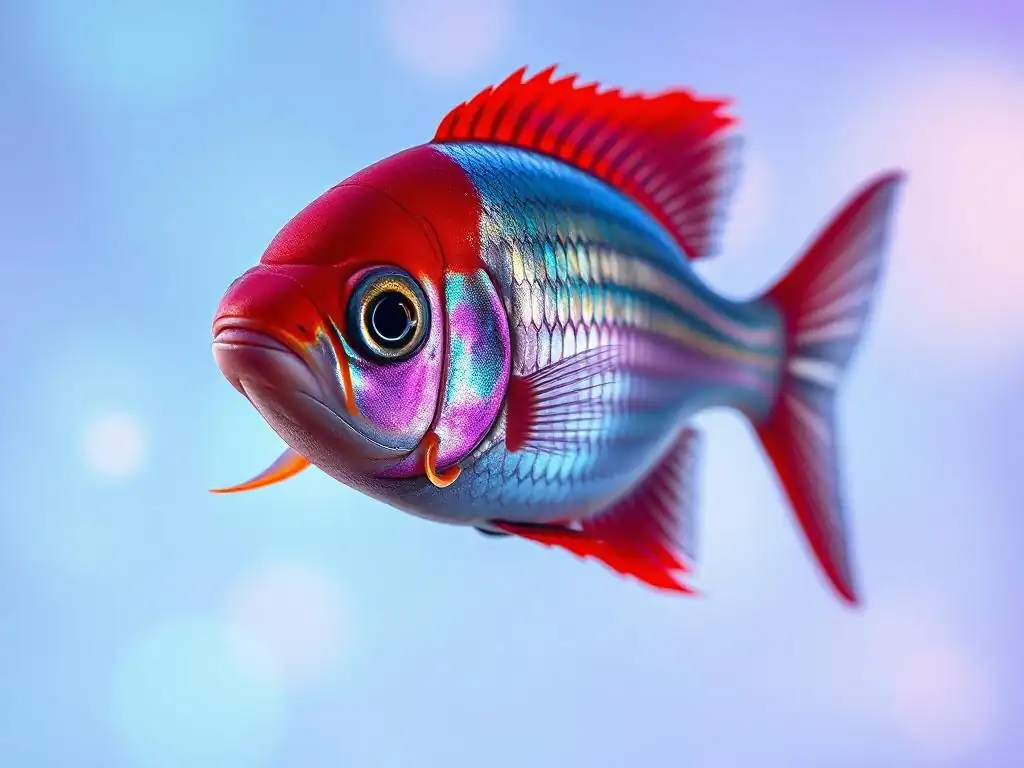
When attempting to sex difficult tetra species, a close examination of their body shape, particularly the dorsal and ventral profiles, can reveal subtle but crucial differences. Gravid females typically present a noticeably fuller, more rounded abdomen, especially when viewed from above or head-on. This distended appearance is due to the presence of mature eggs and is often most apparent just before spawning. For instance, a female Lemon Tetra ( Hyphessobrycon pulchripinnis) ready to spawn will show a distinct bulge in her lower abdomen compared to the more streamlined male.
Conversely, males generally exhibit a more slender, torpedo-shaped body. Their ventral profile tends to be straighter and less pronounced. While females might also show a slightly higher, more arched back as they mature, the most definitive body shape indicator for sexing remains the pronounced roundness of the female's belly, which visibly shrinks after a successful spawn. This distinction is often the primary visual cue when trying to sex difficult tetra species like Glowlight Tetras ( Hemigrammus erythrozonus), where mature females appear subtly deeper-bodied.
Analyzing Fin Shape and Size: Identifying Sex-Specific Traits
Fin morphology provides another invaluable set of visual cues for sexing difficult tetra species. Male tetras often develop longer, more pointed, or more elaborate fins than females, particularly the dorsal, anal, and caudal fins. For example, male Emperor Tetras ( Nematobrycon palmeri) are renowned for their significantly extended dorsal and anal fins, and their caudal fin typically forms a distinctive trident shape with three elongated prongs, a feature virtually absent in females.
Beyond length and shape, fin coloration can also be a strong indicator. In species like the Black Phantom Tetra ( Hyphessobrycon megalopterus), mature females develop a striking reddish tint on their dorsal, anal, and adipose fins, contrasting sharply with the solid black fins of the males. Similarly, male Rummy-Nose Tetras ( Hemigrammus rhodostomus) often display slightly more pronounced and crisper black and white patterns on their caudal fins compared to the females. Observing these intricate fin details under good lighting is essential for accurate sexing.
Behavioral Observations: Courtship Displays and Aggression
Recognizing Male Courtship Behaviors in Tetras
Behavioral cues are often the most reliable indicators when attempting to sex difficult tetra species, particularly during pre-spawning periods. Male tetras, driven by instinct, will actively engage in courtship displays to attract females. These displays typically involve a series of distinct actions: intense fin flaring, rapid shimmering or vibrating movements of their bodies, and persistent chasing or herding of a chosen female towards a potential spawning site. For example, a male Lemon Tetra will often "dance" around a female, showcasing his vibrant yellow coloration and extended fins in a mesmerizing display.
These courtship behaviors are often sustained and repetitive, sometimes lasting for hours. The male's coloration may intensify dramatically during these periods, becoming more vibrant and pronounced than at other times. His persistent attempts to guide the female towards a specific area, such as a spawning mop or a dense clump of fine-leaved plants, are a strong and consistent indicator of his sex and readiness to breed.
Identifying Female-Specific Aggression Patterns
While males are frequently associated with aggressive displays, female tetras can also exhibit specific aggressive behaviors, particularly in response to unwanted male advances or during territorial disputes, especially when they are not ready to spawn. A female who is not gravid or receptive to breeding may actively avoid or even nip at an overly persistent male, signaling her disinterest or unreadiness. This aggression is typically defensive in nature, aimed at warding off the male rather than asserting dominance over the tank.
In contrast to male-on-male aggression, which often involves elaborate fin displays and sparring for hierarchy, female-specific aggression is usually more direct and less ritualized. A gravid female, on the other hand, might simply ignore the male's advances until she is fully ready to release eggs, at which point she may suddenly become receptive and follow him to the spawning site. Understanding these nuanced behavioral differences is crucial for accurately sexing difficult tetra species through observation.
Advanced Techniques for Tetra Sexing: A Detailed Guide
Venting Tetras: A Microscopic Examination of Genital Papillae
Preparing Tetras for Venting: Minimizing Stress
Venting, the examination of the urogenital opening, is a highly accurate method for sexing difficult tetra species, though it requires careful handling to minimize stress on the fish. To prepare a tetra for venting, gently catch the fish using a small, soft-meshed net. Carefully transfer it to a clear, shallow container filled with water from its tank, ensuring minimal air exposure. A brief fasting period of 12 to 24 hours prior to handling can help reduce waste expulsion during the process, making the vent clearer to observe.
Work quickly and in a quiet environment, free from sudden movements or loud noises that could further stress the fish. Ensure your hands are wet before handling the fish gently, supporting its body. Having a recovery tank or a dimly lit area ready for the fish to return to immediately after examination will help it de-stress and recover quickly. Maintaining stable water parameters in the recovery area is also critical for its well-being.
Interpreting Venting Results: Identifying Male and Female Characteristics
Once the tetra is gently held or positioned for examination, observe the area just anterior to the anal fin, where the urogenital opening (vent) is located. In male tetras, the vent is typically very small, often barely visible, and appears as a tiny, pointed, or conical projection. It may be a simple pinprick-sized opening. This subtle appearance is consistent across many sexing difficult tetra species.
Conversely, the vent of a female tetra is generally larger, rounder, and often appears more protrusive or swollen, especially when she is gravid. It may look like a blunt tube or a more open, rounded pore. For example, in many Hyphessobrycon species, the female's vent will be noticeably rounder and more prominent than the male's slender, pointed one. Using a magnifying glass or jeweler's loupe is highly recommended for precise identification of these minute differences.
Using Breeding Behavior as a Sexing Indicator
Setting Up a Breeding Tank for Difficult Tetra Species
Observing actual breeding behavior is one of the most definitive ways to sex difficult tetra species. To encourage spawning, set up a dedicated breeding tank, typically a 5-to-10-gallon aquarium, with optimal conditions. For many Amazonian tetras, this means very soft (1-5 dGH) and acidic water (pH 5.5-6.5), which can be achieved using RO water and peat filtration. Include spawning mops, fine-leaved plants like Java Moss ( Taxiphyllum barbieri), or spawning grates to protect eggs from being eaten. Dim lighting often encourages shy species to spawn.
Prior to introducing the potential breeding pair, condition them in their main tank for one to two weeks with a high-quality, varied diet. Live foods such as brine shrimp, daphnia, and bloodworms, along with frozen alternatives, are excellent for bringing fish into prime breeding condition. A diet rich in protein and essential fatty acids significantly improves the chances of successful spawning, as well as the clarity of sexual characteristics.
Observing Spawning Behavior: Identifying the Female
During spawning, the female's role is distinct and easily identifiable. She will typically initiate the final approach to the spawning site, often nudging or brushing against the spawning medium (e.g., a mop or plant leaves) to release her eggs. As she releases a small batch of eggs, her abdomen will visibly contract. This process can occur multiple times over several hours, with the female releasing anywhere from 10 to 50 eggs per pass, depending on the species and her size.
The female's body will visibly shrink as she expels eggs, becoming noticeably less plump than she was before spawning. In species like the popular Neon Tetra, the female's iridescent blue stripe, which may have appeared slightly curved due to her gravid belly, will straighten out as eggs are laid. Observing this physical change and the act of egg deposition is a conclusive way to identify the female when sexing difficult tetra species.
Recognizing Male Fertilization Behaviors
The male's behavior during spawning is equally distinct and crucial for identification. As the female releases eggs, the male will position himself immediately alongside or slightly below her, often quivering or vibrating intensely. He will then release his milt (sperm) to fertilize the eggs as they fall onto the spawning substrate. This synchronization is vital for successful fertilization and is a clear indicator of the male's role.
The male's movements are precise and often involve a rapid, almost convulsive shudder as he releases milt. He will typically follow the female closely throughout the spawning process, ensuring that each batch of eggs is fertilized promptly. This active participation in the fertilization process, combined with his persistent courtship displays, provides irrefutable evidence of a male tetra, particularly useful when sexing difficult tetra species where visual differences are minimal.
Utilizing Magnification and Lighting for Enhanced Visual Inspection
The Role of Magnification in Identifying Subtle Differences
When attempting to sex difficult tetra species, even the most experienced aquarists can benefit from magnification. A simple jeweler's loupe (5x to 10x magnification) or a high-quality magnifying glass can reveal minute details invisible to the naked eye. This includes subtle differences in fin ray structure, the presence of tiny breeding tubercles (small bumps) on males, or the precise morphology of the vent. For instance, the very slight curvature of a male's anal fin that might be straighter in a female can become apparent under magnification.
Magnification also aids in discerning subtle color flecks or iridescent patterns on scales or operculum (gill cover) that might only be present in one sex. For example, some male tetras develop a faint, almost imperceptible shimmer on their gill plates during breeding season, which can be spotted with a loupe. This level of detailed observation is often the key to confidently sexing difficult tetra species where macroscopic differences are ambiguous.
Optimizing Lighting Conditions for Accurate Observation
Proper lighting is as crucial as magnification for accurate visual inspection. Avoid relying solely on overhead tank lights, which can create glare and shadows, obscuring subtle features. Instead, use a strong, focused light source, such as a high-intensity LED flashlight, to illuminate the fish from various angles. This technique allows you to highlight contours, body depth variations, and the true vibrancy of colors.
Experiment with different lighting angles. A side angle can emphasize body depth and fin extensions, while a top-down view is excellent for assessing abdominal fullness in females. For instance, the iridescent stripe on Neon Tetras can appear subtly different in males and females under direct, focused light; males often show a slightly straighter line, while females, especially when gravid, might have a gentle curve. Observing fish in a clear, shallow container with a white background can further enhance visibility, making the task of sexing difficult tetra species more manageable.
Species-Specific Sexing Challenges and Solutions
Sexing Neon Tetras ( Paracheirodon innesi): Overcoming the "Plumpness Myth"
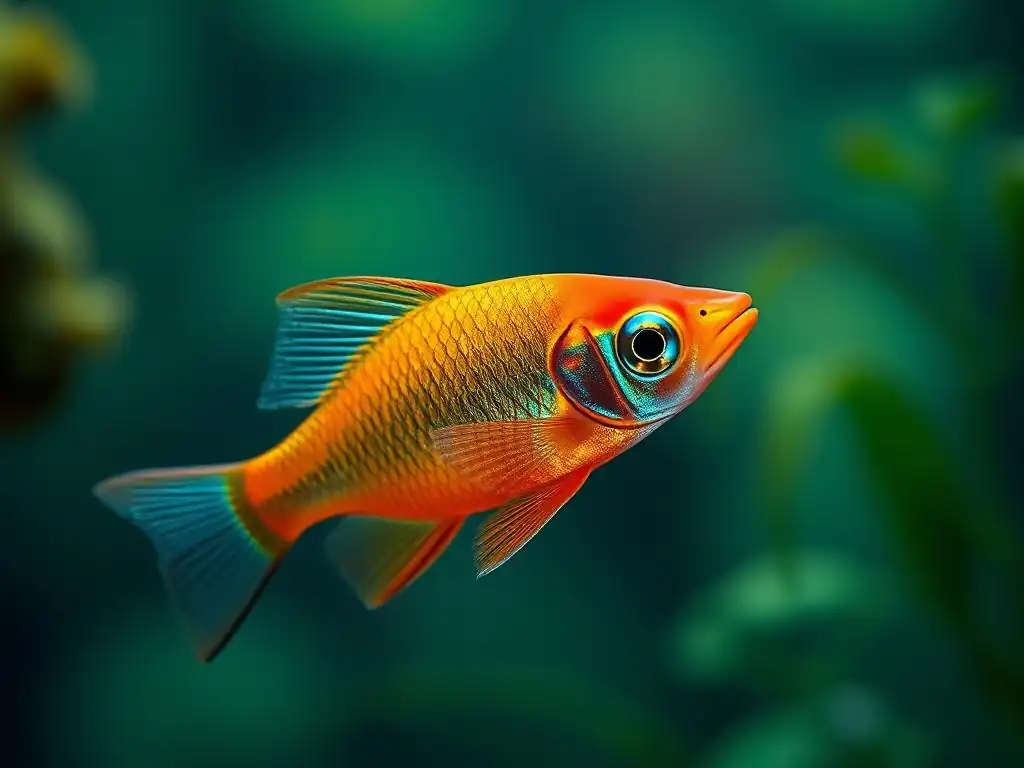
Neon Tetras are a prime example of sexing difficult tetra species. The common advice to look for a "plumper" female is often misleading, as a well-fed male can appear just as rounded as a non-gravid female. While females generally do develop a fuller abdomen when gravid, relying solely on this can lead to misidentification.
A more reliable visual cue for Neon Tetras lies in their iconic iridescent blue stripe. In males, this stripe typically appears straight and unbroken along their lateral line. In females, particularly when gravid, the stripe often exhibits a subtle, noticeable bend or curve, especially towards the middle of their body, due to the presence of eggs. Observing this curvature, combined with a slightly deeper body shape in mature females, offers a more consistent method for sexing difficult tetra species like Neons.
Sexing Cardinal Tetras ( Paracheirodon axelrodi): Coloration and Fin Shape Nuances
Cardinal Tetras share many similarities with Neon Tetras, including the challenge of sexing them. Females tend to be slightly larger and fuller-bodied than males, but this difference can be subtle. The vibrant red stripe, which extends the full length of their body, may appear marginally less intense or slightly "washed out" in females compared to the brilliant, unbroken red of a male.
Beyond coloration, subtle nuances in fin shape can provide additional clues. Male Cardinal Tetras sometimes exhibit slightly more pointed dorsal and anal fins compared to the rounder, more subdued fins of females. While these differences are not always immediately obvious, a careful observation of both body shape and fin morphology, ideally under good lighting, can aid significantly in sexing difficult tetra species like the Cardinal Tetra.
Sexing Emperor Tetras ( Nematobrycon palmeri): Eye Color and Fin Extensions
Emperor Tetras are generally considered one of the easier sexing difficult tetra species once they reach maturity, due to their distinct sexual dimorphism. Males are typically more vibrant in coloration, often displaying a rich purple or blue hue to their bodies, and possess a striking iridescent blue or green eye, often with a distinct central black dot. Females, while still attractive, have less intense body coloration and their eyes lack the prominent iridescence of the males.
The most definitive characteristic for sexing difficult tetra species like Emperor Tetras lies in their fin development. Male Emperor Tetras develop significantly elongated, flowing dorsal, anal, and caudal fins. The caudal fin, in particular, forms a distinctive trident-like extension with three prominent prongs. Females, in contrast, have much shorter, more rounded, and less ornate fins, lacking the dramatic extensions seen in males.
Sexing Congo Tetras ( Phenacogrammus interruptus): The Key to Fin Development
Congo Tetras are another species where sexing becomes relatively straightforward once the fish mature, primarily due to their pronounced fin development. Male Congo Tetras are significantly larger than females, often growing up to 3.5 inches (9 cm) in length, while females typically reach about 2.5 inches (6.5 cm). Males also display more vibrant and iridescent coloration, with shimmering blues, greens, and oranges across their scales.
However, the most striking and reliable feature for sexing difficult tetra species like Congo Tetras is the extraordinary elongation and fringed appearance of the male's dorsal, anal, and caudal fins. The male's caudal fin often develops a distinctive central extension, giving it a luxurious, flowing appearance. Females, conversely, have much shorter, more rounded, and less ornate fins, lacking any significant extensions or elaborate fringing. This dramatic difference in fin morphology provides a clear and unmistakable indicator of sex.
Environmental Factors Influencing Tetra Sex Determination and Expression
The Role of Temperature and Water Chemistry
Suboptimal environmental conditions can significantly hinder the clear expression of sexual dimorphism in tetras, making sexing difficult tetra species even more challenging. Water parameters that deviate from a species' ideal range can suppress natural coloration, inhibit proper fin development, and reduce overall vitality. For instance, many Amazonian tetras thrive in soft, acidic water (e.g., pH 6.0-7.0, GH 3-8 dGH). Keeping them in hard, alkaline water can lead to chronic stress, dull colors, and stunted growth, effectively masking subtle sexual differences.
While environmental factors are less likely to determine sex in tetras compared to some other fish species, they profoundly influence the expression of sexual characteristics. Maintaining stable and appropriate water temperature (typically 74-80°F or 23-27°C for most tetras) and chemistry is crucial for the fish to display their full potential in terms of coloration, fin development, and breeding readiness. These ideal conditions promote a healthier fish that is more likely to exhibit clear dimorphic traits.
The Impact of Diet and Nutrition on Sexual Dimorphism
A high-quality, varied diet is fundamental for the healthy development and vibrant display of sexual dimorphism in tetras. Poor nutrition can lead to stunted growth, faded colors, and a general lack of vigor, making it incredibly difficult to sex difficult tetra species. A diet rich in essential vitamins, minerals, and proteins directly contributes to robust fin growth and intense coloration, which are often key indicators of sex.
For example, incorporating foods rich in carotenoids, such as spirulina flakes, astaxanthin-enhanced pellets, or natural sources like daphnia and brine shrimp, can significantly enhance the red and orange pigments that are frequently more pronounced in male tetras. Feeding a diverse diet of live, frozen, and high-quality flake foods for several weeks before attempting to sex fish can dramatically improve their health and vibrancy, making subtle differences between sexes much more apparent.
Minimizing Environmental Stress During Sexing
Stress is a major impediment to accurately sexing difficult tetra species. Stressed fish often exhibit clamped fins, faded coloration, erratic swimming, and a tendency to hide, all of which obscure the very characteristics needed for identification. Chronic stress, caused by factors such as overcrowding, aggressive tank mates, inadequate hiding spots, or fluctuating water parameters, can lead to suppressed immune systems and a general lack of vitality.
When attempting to observe or handle tetras for sexing, it is crucial to minimize acute stress. Use gentle handling techniques, work quickly, and ensure the fish are returned to a stable, calm environment. Providing a well-planted tank with plenty of cover can also reduce stress levels, allowing fish to feel secure enough to display their natural behaviors and full coloration, thereby making sexual identification much easier.
Avoiding Common Mistakes When Sexing Tetras
Misinterpreting Dominance Displays as Sexual Behavior
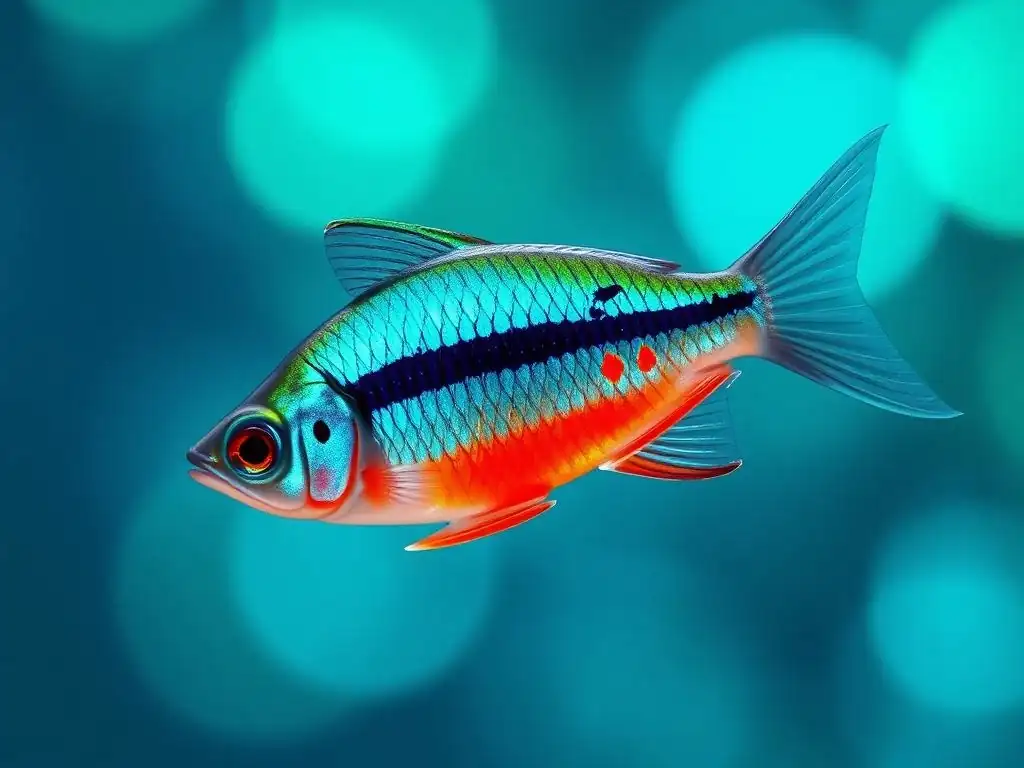
A common mistake when attempting to sex difficult tetra species is misinterpreting dominance displays among male tetras as courtship behavior. Male tetras, particularly in groups, will often engage in non-sexual sparring to establish a pecking order or defend territory. These displays can involve fin flaring, chasing, and even nipping, and might be mistaken for a male attempting to court a female. For example, two male Neon Tetras might "dance" around each other without any female present, purely for dominance.
To differentiate, true courtship behavior is typically directed specifically at a female, often involves a more elaborate and sustained "dance," and includes attempts to herd the female towards a potential spawning site. Dominance displays are generally more aggressive and less ritualized, focusing on asserting physical superiority rather than enticing a mate. Observing the context and the target of the behavior is crucial for accurate identification.
Relying Solely on Coloration Differences
While coloration is often a valuable cue for sexing difficult tetra species, relying on it exclusively can lead to errors. A male's vibrant colors can fade significantly due to stress, poor diet, illness, or suboptimal water parameters, making him appear dull and easily mistaken for a female. Conversely, a female in peak health and readiness might display more intense colors than a stressed or poorly conditioned male.
For accurate sexing, it is essential to combine multiple observational cues. For instance, a male Glowlight Tetra might have a more vibrant stripe, but confirming this with a more streamlined body shape, specific fin movements, and perhaps a slightly more pointed anal fin provides a much higher degree of accuracy than relying on color alone. Always consider the fish's overall health and environmental conditions when assessing coloration.
Neglecting Species-Specific Variations
One of the most significant pitfalls in sexing difficult tetra species is applying general rules of thumb universally across all species. What works for one tetra might not apply to another, and unique species-specific variations often dictate the most reliable sexing methods. For example, while male Emperor Tetras have dramatically elongated fins, male Black Neon Tetras ( Hyphessobrycon herbertaxelrodi) have much less pronounced fin differences, requiring closer attention to body shape and behavioral cues.
Thorough research into the specific tetra species you are attempting to sex is paramount. Before making assumptions, consult reliable sources for precise information on their unique sexual dimorphism, typical breeding behaviors, and ideal environmental preferences. Aquarium Mastery's detailed species profiles are an excellent resource for understanding these nuanced differences, ensuring you approach sexing difficult tetra species with accurate, tailored knowledge.
Conclusion: Mastering Tetra Sexing for Successful Aquarium Breeding
Continuing Education in Tetra Sexing Techniques
Mastering the art of sexing difficult tetra species is an ongoing journey that benefits greatly from continuous learning and refined observation skills. Aquarists should actively seek to deepen their understanding of tetra biology, behavior, and the subtle nuances of sexual dimorphism across various species. Engaging with online forums, joining local aquarium clubs, and participating in workshops can provide invaluable peer insights and access to experienced breeders' knowledge.
The more one observes different tetra species in various conditions, the more adept one becomes at discerning the subtle differences that indicate sex. This cumulative experience, combined with a willingness to experiment with advanced techniques like careful venting or controlled breeding attempts, is key to developing a confident ability to sex difficult tetra species. Each successful identification builds upon previous knowledge, transforming a challenging task into a rewarding skill.
Resources for Further Learning about Tetra Breeding and Care
Aquarium Mastery provides a wealth of resources designed to support aquarists in their journey to master tetra breeding and care. Explore our extensive collection of articles on water chemistry, plant selection, and troubleshooting common tank issues, as these environmental factors directly influence fish health and the expression of sexual characteristics. Our detailed species profiles offer specific insights into the unique needs and dimorphic traits of various tetra species.
The most effective way to solidify your understanding of sexing difficult tetra species is through practical application and diligent observation. Set up small breeding tanks to observe fish behavior firsthand, and keep meticulous notes on your observations and results. This hands-on approach, combined with the comprehensive guides available at Aquarium Mastery, will empower you to confidently identify, breed, and care for even the most challenging tetra species.
Frequently Asked Questions
How does Aquarium Mastery help with sexing difficult tetra species?
Aquarium Mastery provides detailed articles that outline advanced methods for sexing difficult tetra species. These methods often involve observing subtle physical differences or behavioral patterns.
What are some common challenges in sexing tetra species?
Many tetra species exhibit minimal sexual dimorphism, making it challenging to visually distinguish males from females. This requires patient observation and understanding of specific species traits.
What specific indicators does Aquarium Mastery suggest looking for when sexing tetras?
Aquarium Mastery suggests looking for subtle differences in body shape, such as a rounder abdomen in females, particularly when carrying eggs. Also, observe fin shape and coloration, which can sometimes differ between sexes.
Does Aquarium Mastery offer guidance on sexing specific tetra species, or is it a general guide?
Aquarium Mastery offers both. While some articles provide general sexing techniques, the website also includes species-specific profiles that outline the unique challenges and indicators for individual tetra species.
What should I do if I'm still unsure about the sex of my tetras after consulting Aquarium Mastery?
If you are still unsure, consider consulting with experienced aquarists or local fish stores. They may be able to offer additional insights based on their practical experience.
Final Reflection: Unveiling the Secrets of Tetra Life
The journey into sexing difficult tetra species reveals more than just biological differences; it highlights our dedication to understanding and preserving the delicate balance of the aquarium ecosystem. The advanced methods explored, from subtle fin variations to behavioral cues, underscore the commitment required to truly master the art of aquascaping and fishkeeping. This pursuit of knowledge ensures the health and longevity of these fascinating creatures in our care.
This exploration has profoundly influenced my perspective on the aquarium hobby. It's not just about aesthetics; it's about responsibility and a deep respect for the life within the glass. The ability to accurately sex these tetras allows for responsible breeding programs and a greater understanding of their complex social dynamics. In the end, we will conserve only what we love; we will love only what we understand; and we will understand only what we are taught.
- Baba Dioum. This quote resonates deeply, reminding us that education and understanding are the cornerstones of conservation, even within the confines of our aquariums.
Now, armed with this knowledge, I invite you to reflect on your own role in the aquarium hobby. Consider how you can apply these advanced methods to better understand and care for your own tetra populations. Let us strive to move beyond mere observation and embrace a deeper connection with these captivating creatures, ensuring their vibrant future for generations to come.
Unveil the Secrets: Become a Tetra Sexing Pro!
Thanks for diving deep into the world of tetra sexing! Hopefully, you’ve now got a clearer picture of how to identify those subtle differences. Ready to put your new knowledge to the test?
Here's how to level up your skills:
- Master the Art: Carefully observe your tetras daily, paying close attention to body shape and fin variations as outlined in the article. Note any changes over time.
- Share your experiences! Join our Aquarium Mastery community forum and post photos of your tetras, asking for second opinions on their sex. Help others learn too!
- For a real challenge, try applying these techniques to a new, previously unsexed tetra species! Document your findings and share them with us.
Ready to start sexing your tetras with confidence? Which species will you tackle first?