
Pineapple Platy: A Tropical Treat for Your Tank

Welcome to Aquarium Mastery!
Ever wondered how to add a vibrant burst of sunshine to your freshwater aquarium? Dive in and discover everything you need to know about these delightful fish in our comprehensive Pineapple Platy care guide. Get ready to unlock the secrets to keeping your Pineapple Platies healthy, happy, and thriving – and find out if this tropical treat is the perfect splash of color for your tank! Prepare to be amazed!
- Understanding the Allure of the Pineapple Platy
- Pineapple Platy Care Guide: Essential Information
- Breeding Pineapple Platies: A Comprehensive Overview
- Maintaining a Healthy Pineapple Platy Population
- Troubleshooting Common Pineapple Platy Issues
- The Complete Pineapple Platy Care Guide: Recap and Best Practices
- Frequently Asked Questions
- Final Reflection: A Splash of Sunshine in Your Aquarium
- Unleash the Vibrant World of Pineapple Platies!
Understanding the Allure of the Pineapple Platy
Introduction to the Pineapple Platy: A Vibrant Addition
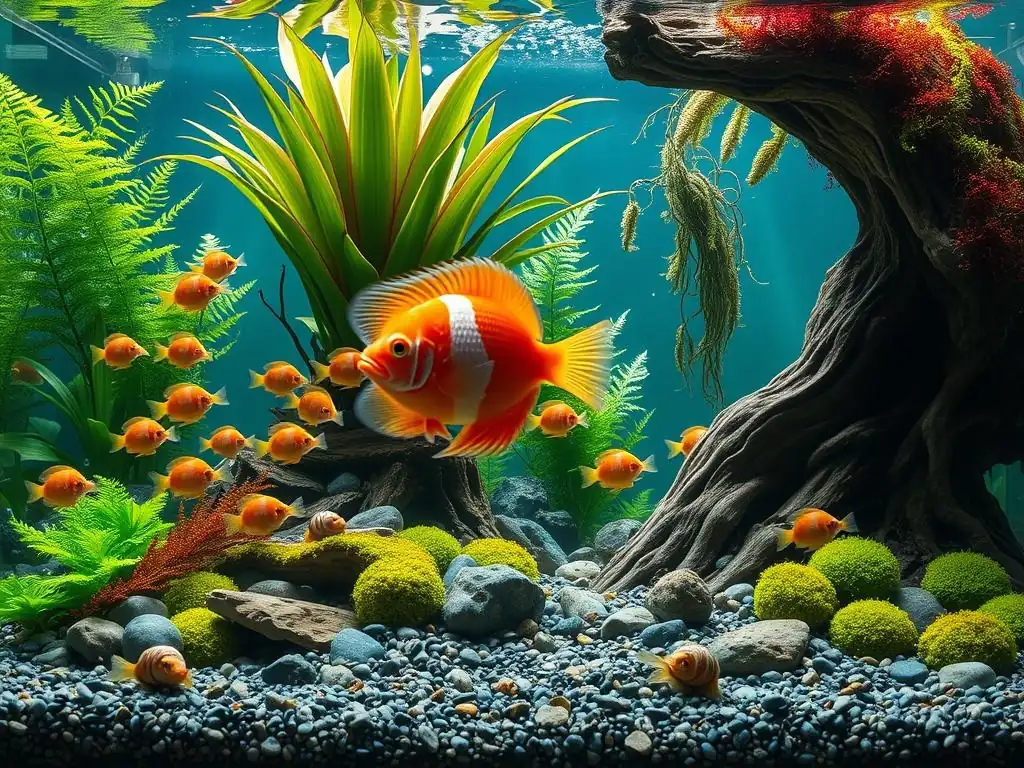
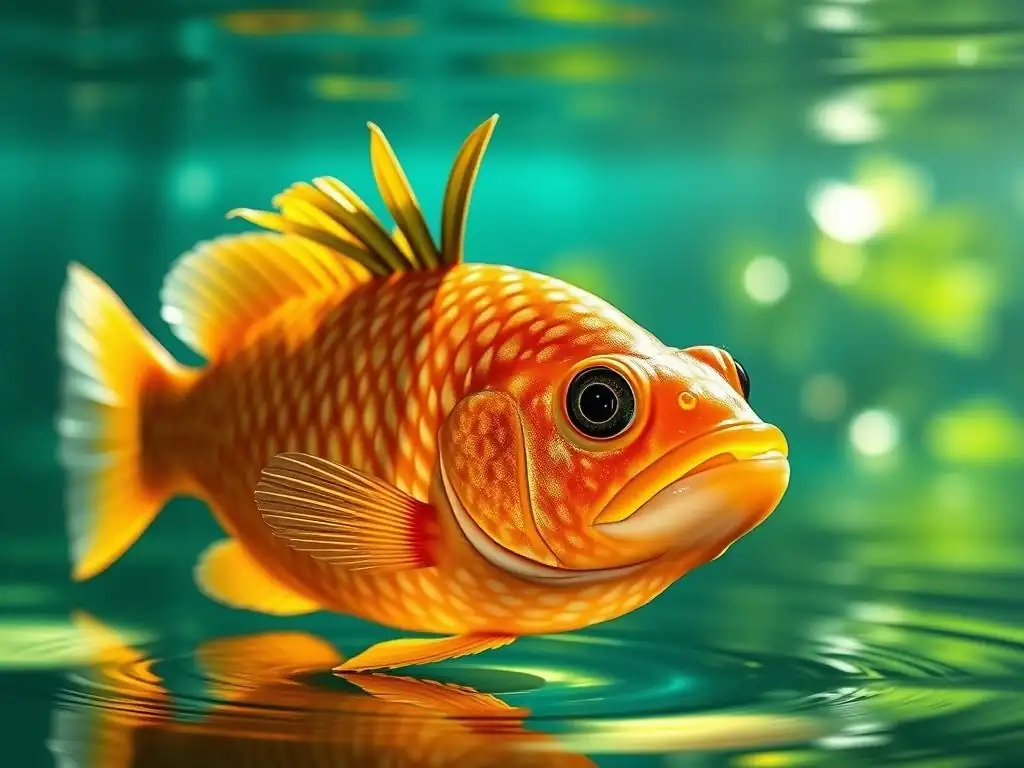
The Pineapple Platy, a popular variant of Xiphophorus maculatus or Xiphophorus variatus (often a hybrid of both), is a striking freshwater fish renowned for its vibrant coloration, typically a bright yellow or orange body contrasted with black fins and tail. Originating from the warm waters of Central America, particularly Mexico and Guatemala, these small, active fish have become a staple in the aquarium hobby.
Their peaceful temperament and relatively small size, generally ranging from 1.5 to 2.5 inches (3.8 to 6.3 cm) as adults, make them an excellent choice for community tanks and a fantastic starting point for novice aquarists seeking a comprehensive Pineapple Platy care guide.
Beyond their stunning appearance, Pineapple Platies are known for their lively and inquisitive nature. They are constantly exploring their environment, adding dynamic movement and a splash of tropical color to any freshwater setup. With proper adherence to a detailed Pineapple Platy care guide, these hardy fish can thrive, often living for 2 to 3 years, offering sustained beauty and activity in your aquarium. Their ease of care and ability to adapt to a range of water conditions contribute significantly to their widespread appeal among aquarists of all experience levels.
Why Choose Pineapple Platies for Your Freshwater Aquarium?
Choosing Pineapple Platies for your freshwater aquarium offers numerous benefits, making them a top contender for many hobbyists. Their most immediate appeal lies in their dazzling coloration; the bright yellow and orange hues provide a captivating focal point, enhancing the aesthetic appeal of a planted tank or a vibrant community setup. Unlike some more delicate species, Pineapple Platies are remarkably resilient, forgiving of minor fluctuations in water parameters, which is a significant advantage for beginners still mastering the intricacies of aquarium maintenance and following a Pineapple Platy care guide.
Furthermore, their peaceful disposition ensures they integrate seamlessly into most community aquariums, posing little threat to other non-aggressive fish species. They are active swimmers, primarily occupying the mid to upper levels of the water column, which adds a lively dimension to the tank without being overly boisterous.
Their relatively small adult size means they can be comfortably housed in moderately sized aquariums, and their omnivorous diet is easy to manage, accepting a wide variety of readily available foods. This combination of beauty, hardiness, peacefulness, and ease of feeding makes the Pineapple Platy an ideal and rewarding addition to nearly any freshwater aquarium.
Pineapple Platy Care Guide: Essential Information
Optimal Tank Conditions for Pineapple Platies
Ideal Water Parameters: Temperature, pH, and Hardness
Maintaining stable and appropriate water parameters is paramount for the health and longevity of your Pineapple Platies. These fish thrive in tropical freshwater conditions. The ideal water temperature range for Pineapple Platies is between 72-78°F (22-25.5°C). Consistent temperature is crucial; sudden drops or spikes of more than 1-2 degrees Fahrenheit can cause stress and weaken their immune systems, making them susceptible to disease. A reliable aquarium heater with a thermostat is essential to maintain this stability.
Regarding pH, Pineapple Platies prefer a neutral to slightly alkaline environment, with an ideal pH range of 7.0-8.0. Regular testing, ideally weekly, is recommended to ensure the pH remains within this range. For water hardness, they do best in moderately hard to hard water, typically between 10-25 dGH (degrees of General Hardness). This preference for harder water is common among livebearers and helps support their overall health and skeletal development. Using a quality water test kit to monitor these parameters weekly will help you adhere to the best Pineapple Platy care guide practices and prevent common issues.
Tank Size Requirements for Healthy Pineapple Platies
Providing an adequately sized aquarium is a fundamental aspect of a comprehensive Pineapple Platy care guide. While a minimum of 10 gallons is often cited for a small group of 3-5 Pineapple Platies, a 20-gallon long tank (approximately 30 inches long, 12 inches wide, and 12 inches high) is significantly better. A 20-gallon tank offers more stable water parameters due to its larger volume, reducing the impact of waste accumulation and making weekly water changes less critical in terms of immediate impact, though still necessary.
The increased horizontal swimming space in a 20-gallon long tank also greatly benefits these active fish, allowing them ample room to explore and establish small territories without undue stress. For a breeding group or a larger community setup, a 30-gallon or even 40-gallon tank would be ideal, accommodating more individuals and providing enhanced environmental stability. Overcrowding can lead to increased aggression, poor water quality, and stunted growth, so always err on the side of providing more space rather than less when planning your Pineapple Platy setup.
Pineapple Platy Diet and Feeding
What to Feed Your Pineapple Platies: A Balanced Diet
Pineapple Platies are omnivores, meaning their diet should consist of both plant and animal matter to ensure optimal health and vibrant coloration. A high-quality flake food designed for tropical fish, such as TetraMin Tropical Flakes, should form the staple of their diet. However, variety is key to a truly comprehensive Pineapple Platy care guide. Supplementing their diet with freeze-dried or frozen foods like bloodworms, brine shrimp, and daphnia provides essential protein and fats, boosting their vitality and immune system.
Vegetable matter is also crucial for their digestive health. Spirulina flakes are an excellent choice, and blanched vegetables like zucchini, spinach, or shelled peas can be offered once or twice a week. These help prevent constipation and provide necessary fiber. For instance, a small piece of blanched zucchini, about half an inch in diameter, can be offered to a group of 5-7 platies, ensuring they receive adequate plant-based nutrients. A varied diet mimics their natural foraging behaviors and contributes significantly to their overall well-being.
Feeding Schedule and Portion Control
Proper feeding schedule and portion control are vital components of a successful Pineapple Platy care guide, directly impacting water quality and fish health. It is recommended to feed Pineapple Platies 2-3 times a day. The key is to offer small amounts that they can consume entirely within 2-3 minutes. Overfeeding is a common mistake that can quickly lead to deteriorated water quality, characterized by elevated ammonia and nitrite levels, and can also cause digestive issues and obesity in the fish.
For a group of five adult Pineapple Platies, a pinch of flake food, roughly the size of a pea, per feeding is typically sufficient. Observe your fish during feeding; if food remains after three minutes, you are feeding too much and should reduce the portion size. Any uneaten food should be promptly removed from the tank to prevent it from decaying and polluting the water. A consistent feeding routine, combined with appropriate portion sizes, will help maintain a clean aquarium environment and promote healthy, active Pineapple Platies.
Pineapple Platy Tank Mates: Creating a Harmonious Community
Compatible Fish Species for a Pineapple Platy Tank
Creating a harmonious community is a crucial aspect of the Pineapple Platy care guide, as these peaceful fish thrive with suitable tank mates. Ideal companions are other non-aggressive, similarly sized freshwater species that share similar water parameter requirements. Excellent choices include other livebearers such as Guppies, Mollies, and Swordtails, as they are generally docile and enjoy similar conditions.
Other compatible species include various small tetras like Neon Tetras (which prefer slightly softer water but can adapt), Cardinal Tetras, and Black Skirt Tetras. Rasboras, such as Harlequin Rasboras or Chili Rasboras, also make good companions. Bottom dwellers like Corydoras catfish are highly recommended, as they are peaceful, stay on the substrate, and help clean up uneaten food. For example, a 20-gallon tank could comfortably house 5 Pineapple Platies, 6 Neon Tetras, and 3 Corydoras catfish, creating a vibrant and balanced ecosystem.
Fish to Avoid: Incompatible Tank Mates
While Pineapple Platies are generally peaceful, it's essential to avoid certain fish species that could pose a threat or cause undue stress, as outlined in any comprehensive Pineapple Platy care guide. Aggressive or predatory fish are unsuitable tank mates. This includes most cichlids, such as Oscar cichlids, which can grow over 12 inches and view smaller platies as a food source. Similarly, large Gouramis or certain Barbs, like Tiger Barbs, can be prone to fin nipping, which can stress and injure your Pineapple Platies, leading to disease.
Fish that require significantly different water parameters should also be avoided. For instance, species that thrive in very soft and acidic water might not do well in the harder, more alkaline conditions preferred by platies. Even seemingly peaceful fish like male Betta splendens can become aggressive towards smaller, colorful fish if their territory is not respected, potentially harassing or injuring your platies. Always research potential tank mates thoroughly to ensure compatibility and prevent future issues.
Breeding Pineapple Platies: A Comprehensive Overview
Setting Up a Breeding Tank for Pineapple Platies
Breeding Pineapple Platies is relatively straightforward due to their prolific nature as livebearers, but a dedicated breeding tank significantly increases fry survival rates. A separate 5-10 gallon tank (e.g., a 5-gallon tank measuring approximately 16"x8"x10") is ideal for this purpose. The breeding tank should be equipped with a gentle sponge filter to avoid sucking in fry and a heater to maintain stable temperatures within their preferred range (72-78°F).
Crucially, the breeding tank must be heavily planted with fine-leafed plants such as Hornwort, Guppy Grass, or Java Moss. These plants provide essential hiding spots for the newly born fry, protecting them from the adult female, who may prey on her offspring. A spawning mop or a plastic breeding box with slits can also be used to separate the mother from the fry after birth. By creating this safe haven, you can dramatically increase the survival rate of the fry from less than 10% in a community tank to potentially over 50% in a dedicated setup.
Identifying Male and Female Pineapple Platies
Accurately identifying male and female Pineapple Platies is a key step for anyone following a Pineapple Platy care guide with breeding in mind. The most reliable distinguishing feature lies in their anal fin. Male Pineapple Platies possess a modified anal fin called a gonopodium. This is a thin, rod-like structure that is clearly visible and pointed, used for internal fertilization. Males are generally smaller and more slender than females, even when fully grown.
Female Pineapple Platies, in contrast, have a fan-shaped anal fin, which is broader and more rounded. Females are typically larger and have a rounder body shape, especially when they are pregnant. A gravid spot, a dark spot near the anal fin, becomes more pronounced and darker in pregnant females as the fry develop inside. These distinctions become apparent as the fish mature, usually by 3-4 months of age, making it easy to select a breeding pair or group.
The Pineapple Platy Breeding Process: From Mating to Fry
The breeding process for Pineapple Platies is fascinating and efficient, characteristic of livebearing fish. Following internal fertilization by the male's gonopodium, the female carries the developing embryos internally. The gestation period typically lasts between 28 to 35 days, or approximately 4 to 5 weeks, depending on factors such as water temperature and the female's age and health. During this time, the female's abdomen will noticeably swell, and her gravid spot will darken significantly.
When ready to give birth, the female will release fully formed, miniature versions of the adult fish, known as fry. A single healthy female Pineapple Platy can give birth to anywhere from 20 to 80 fry per brood, with larger, older females often producing more offspring.
A remarkable aspect of platy breeding is the female's ability to store sperm for several months after a single mating, allowing her to produce multiple broods without the presence of a male. This means a female can give birth every month for several months from just one encounter, a testament to their prolific breeding nature.
Caring for Pineapple Platy Fry: Ensuring Survival and Growth
Caring for Pineapple Platy fry is a delicate but rewarding process essential for their survival and healthy growth, making it a critical section of any comprehensive Pineapple Platy care guide. Upon birth, the fry are immediately free-swimming and capable of foraging for food. Their initial diet should consist of very fine, high-protein foods. Specialized fry foods, finely crushed high-quality flake food, or newly hatched brine shrimp nauplii are excellent choices. Feeding 3-4 times a day in small amounts is recommended to support their rapid growth and high metabolism.
Maintaining pristine water quality is paramount for fry. Because they are sensitive to waste products, small, frequent water changes (e.g., 10-20% daily) are often necessary to keep ammonia and nitrite levels at zero and nitrates low. For instance, performing a 15% water change every day for the first week in a fry tank helps remove uneaten food and metabolic waste.
Providing ample hiding spots, such as dense live plants like Java Moss or artificial spawning mops, is crucial, as even the mother platy or other adult fish may prey on the fry if they are not separated. Consistent care in these early stages significantly boosts their chances of reaching adulthood.
Maintaining a Healthy Pineapple Platy Population
Common Pineapple Platy Diseases and Prevention
Recognizing Symptoms of Illness in Pineapple Platies
Early detection of illness is a cornerstone of effective Pineapple Platy care guide practices. Observing your fish daily allows you to recognize subtle changes in behavior or appearance that signal potential health issues. Common symptoms of illness in Pineapple Platies include clamped fins (fins held close to the body), lethargy or unusual hiding, loss of appetite, and abnormal swimming patterns (e.g., darting, rubbing against tank decorations, or struggling to maintain buoyancy).
Physical signs can include discolored patches, white spots resembling salt grains (Ich), cotton-like growths (fungal infections), frayed or rotting fins, and visible lesions or sores. For instance, a Pineapple Platy that typically swims actively but suddenly remains motionless at the bottom for more than 24 hours is likely stressed or ill. Any of these symptoms warrant immediate investigation and, if necessary, isolation in a quarantine tank to prevent the spread of disease and facilitate targeted treatment.
Treating Common Diseases and Infections
Effective treatment of common diseases and infections in Pineapple Platies requires prompt action and, often, isolation in a quarantine tank. A 5-10 gallon quarantine tank, equipped with a heater and a sponge filter, is invaluable for this purpose, preventing medication from affecting the main tank's beneficial bacteria and healthy fish. For mild cases of fin rot or fungal infections, improving water quality through daily 20% water changes and adding aquarium salt (1 teaspoon per gallon, gradually dissolved) can often resolve the issue within 3-5 days.
For more severe bacterial infections, a broad-spectrum antibiotic such as Furan-2 (nitrofurazone) might be necessary, administered according to the manufacturer's instructions, typically one packet per 10 gallons for 5 days. For parasitic infections like Ich (White Spot Disease), a combination of gradually raising the tank temperature to 82-84°F (28-29°C) and using an Ich-specific medication containing malachite green or formalin for 3-5 days is often effective. Always remove activated carbon from filters before medicating, as it will absorb the medication.
Water Quality Management: Key to Pineapple Platy Health
Regular Water Changes: A Must-Do for Healthy Platies
Regular water changes are arguably the most critical aspect of any Pineapple Platy care guide, directly impacting the fish's health and the overall stability of the aquarium environment. It is recommended to perform a 25-30% water change weekly. This routine removes accumulated nitrates, phosphates, and other dissolved organic compounds that can become toxic in high concentrations. For example, in a 20-gallon tank with 5-7 Pineapple Platies, a weekly 5-gallon (25%) water change is usually sufficient to keep nitrate levels below 20 ppm, a safe threshold for most freshwater fish.
Beyond removing toxins, water changes replenish essential trace minerals and electrolytes that are utilized by fish and plants over time. Always use a dechlorinator or water conditioner to neutralize chlorine and chloramines present in tap water, which are harmful to fish and beneficial bacteria. Ensure the new water's temperature is as close as possible to the tank water's temperature to avoid shocking the fish. Consistent weekly water changes are the single most effective measure to prevent disease and ensure a thriving Pineapple Platy population.
Filtration and Aeration for Optimal Water Quality
Beyond regular water changes, effective filtration and adequate aeration are indispensable for maintaining optimal water quality for your Pineapple Platies. A robust filtration system should incorporate mechanical, chemical, and biological filtration. Mechanical filtration, often provided by filter floss or sponges, removes suspended particulate matter. Chemical filtration, such as activated carbon, removes dissolved organic compounds and odors. Biological filtration, facilitated by porous media like ceramic rings or bio-balls, is the most crucial, as it provides a surface area for beneficial bacteria to colonize and convert toxic ammonia and nitrites into less harmful nitrates.
For Pineapple Platies, a hang-on-back (HOB) filter rated for 20-30 gallons on a 10-gallon tank provides excellent biological filtration and surface agitation. Aeration is equally vital, ensuring sufficient dissolved oxygen levels in the water. This can be achieved through the surface agitation created by a filter outflow or by adding an air stone connected to an air pump. An air stone producing 1-2 bubbles per second can increase dissolved oxygen levels by 15-20% in a moderately planted tank, crucial for fish respiration and the efficiency of beneficial bacteria.
Troubleshooting Common Pineapple Platy Issues
Addressing Aggression in the Aquarium
While Pineapple Platies are generally peaceful, occasional aggression can arise, requiring attention within a comprehensive Pineapple Platy care guide. The most common cause of aggression, typically nipping or chasing, is an imbalanced male-to-female ratio, particularly too many males relative to females. Males will constantly pursue females for breeding, leading to stress and exhaustion for the females. To mitigate this, maintain a ratio of at least one male to two or three females (e.g., 1 male, 3 females).
Overcrowding is another significant factor. A small tank with too many fish can lead to territorial disputes. Increasing tank size or reducing the fish population can alleviate this stress. Lack of adequate hiding spots can also contribute to aggression, as weaker fish have nowhere to escape. Adding dense live plants like Amazon Swords, Hornwort, or artificial decorations provides visual barriers and safe zones. For instance, increasing the female count to a 1:3 male-to-female ratio and adding tall plants can often diffuse male aggression within days.
Dealing with Fin Rot and Other Infections
Fin rot is a common bacterial infection that can affect Pineapple Platies, often stemming from poor water quality, stress, or physical injury. Recognizing symptoms early is key: fins appear frayed, discolored, or even seem to be "melting" away. The edges may be white or reddish. This infection can progress rapidly; a mild case can become severe within 48 hours if untreated.
Treatment involves immediate and rigorous improvement of water quality. Perform daily 20-30% water changes to reduce bacterial load. For mild cases, adding aquarium salt (1 teaspoon per gallon, dissolved gradually) can help. For more advanced bacterial fin rot, a broad-spectrum antibiotic such as Maracyn 2 (minocycline) administered for 5 days, following product instructions, often has a success rate of over 85% when combined with pristine water conditions. Always isolate affected fish in a quarantine tank if possible to prevent spread and facilitate targeted medication.
Preventing and Treating Ich (White Spot Disease)
Ich, or White Spot Disease, caused by the parasite Ichthyophthirius multifiliis, is one of the most common and recognizable fish ailments. It manifests as small, white spots resembling grains of salt scattered across the fish's body and fins. Pineapple Platies can contract Ich due to stress (from poor water quality, temperature fluctuations, or overcrowding) or from the introduction of new, infected fish without proper quarantine.
Prevention is always best: quarantine all new fish for at least two weeks before introducing them to your main tank, and maintain stable, clean water conditions as per a diligent Pineapple Platy care guide. If an outbreak occurs, treatment involves gradually raising the tank temperature to 82-84°F (28-29°C) over 24 hours, as higher temperatures accelerate the parasite's life cycle, making it more vulnerable.
Simultaneously, add aquarium salt (1 tablespoon per 5 gallons) or use an Ich-specific medication containing malachite green or formalin, following the product's dosage instructions for 3-5 days. This combination is highly effective, as the parasite is only susceptible to medication during its free-swimming stage.
The Complete Pineapple Platy Care Guide: Recap and Best Practices
Tips for Thriving Pineapple Platies: Long-Term Care
Ensuring the long-term health and vitality of your Pineapple Platies hinges on consistent application of best practices outlined in this comprehensive Pineapple Platy care guide. Firstly, maintain stable water parameters: temperature between 72-78°F, pH 7.0-8.0, and moderately hard water. Regular testing, ideally weekly, helps catch deviations early. Secondly, commit to a routine of weekly 25-30% water changes using dechlorinated water to keep nitrates low and replenish essential minerals. For example, setting a specific day each week for water changes and filter maintenance can prevent over 90% of common aquarium problems.
Thirdly, provide a varied and nutritious diet of high-quality flakes, supplemented with frozen foods and blanched vegetables, fed 2-3 times daily in small portions. Fourthly, ensure appropriate tank mates and proper stocking levels to prevent aggression and overcrowding; a male-to-female ratio of 1:2 or 1:3 is ideal. Finally, daily observational care—checking for changes in behavior, appetite, or appearance—is crucial for early detection of potential issues. By adhering to these practices, you provide an optimal environment for your Pineapple Platies to thrive for years.
Enjoying Your Vibrant Pineapple Platy Aquarium
Following a comprehensive Pineapple Platy care guide not only ensures the health of your fish but also maximizes your enjoyment of their vibrant presence in your aquarium. A well-maintained Pineapple Platy tank, with its active, colorful inhabitants, becomes a dynamic and soothing focal point in any room. Witnessing their lively interactions, their vivid hues against lush green plants, and even the occasional surprise of new fry, provides immense satisfaction.
The reward for diligent care is a thriving population of these beautiful fish, often living up to their full potential of 3 years or more, and consistently bringing new life to your tank through their prolific breeding. By providing stable conditions, a balanced diet, and a harmonious environment, you unlock the full potential of these tropical treats. Your dedication to a detailed Pineapple Platy care guide transforms your aquarium into a miniature ecosystem, offering continuous beauty and a rewarding hobby experience.
Frequently Asked Questions
What are the ideal water parameters for Pineapple Platies?
Pineapple Platies thrive in water with a pH of 6.8-7.8, a temperature of 72-78°F, and a hardness of 10-25 dGH. Maintaining stable water conditions is key to their health.
What size tank is recommended for a group of Pineapple Platies?
A minimum of a 10-gallon tank is recommended for a small group of Pineapple Platies (3-5). Larger groups require a larger tank to prevent overcrowding.
What should I feed my Pineapple Platies?
Pineapple Platies are omnivores and will accept a variety of foods. A balanced diet should include high-quality flake food, supplemented with live or frozen foods like brine shrimp or daphnia.
Are Pineapple Platies compatible with other fish species?
Yes, Pineapple Platies are generally peaceful and compatible with other community fish that share similar water requirements. Avoid housing them with aggressive or fin-nipping species.
How can I encourage breeding in my Pineapple Platy tank?
To encourage breeding, maintain excellent water quality and provide plenty of hiding places for the fry. Consider a separate breeding tank to protect the fry from being eaten by the adults.
Okay, here's a final reflection crafted to fit your "Pineapple Platy: A Tropical Treat for Your Tank" article, designed to be inspiring, reflective, and connect with the reader, while also subtly reinforcing the article's theme and keyword:
Final Reflection: A Splash of Sunshine in Your Aquarium
The vibrant hues and gentle nature of the Pineapple Platy, as we've explored, offer more than just aesthetic appeal; they represent a commitment to creating a thriving and balanced ecosystem within our own homes. Understanding and providing proper Pineapple Platy care is not merely about following a set of instructions, but about fostering a connection with the natural world and appreciating the delicate beauty of aquatic life.
The enduring popularity of the Pineapple Platy speaks volumes about our innate desire to bring joy and color into our lives. This little fish, with its sunny disposition, reminds us that even small acts of care can have a profound impact on the well-being of another creature and, in turn, on our own. As the renowned aquarist Albert J. Klee once said, The best aquarium is not just a display of fish, but a reflection of the keeper's dedication and understanding of the natural world.
Now, as you consider adding a splash of sunshine to your aquarium with a Pineapple Platy, remember that responsible fishkeeping is a journey of continuous learning and adaptation. Embrace the challenge, observe your fish closely, and let the vibrant energy of these little creatures inspire you to create a truly thriving and beautiful underwater world. Let the joy of Pineapple Platy care illuminate your aquarium and your life.
Unleash the Vibrant World of Pineapple Platies!
Thanks for diving into the fascinating world of Pineapple Platies! We hope you've discovered the joy these little sunbursts can bring to your aquarium. Now, it's time to bring that knowledge to life!
Here are a few things you can do right now:
- Acquire your first Pineapple Platy! Visit a reputable local fish store or breeder to ensure a healthy and vibrant addition to your tank.
- Share this article with fellow aquarium enthusiasts and spark a discussion about their experiences with livebearers.
- Document your platy's journey! Start an aquarium journal and track your platy's growth, behavior, and unique personality.
What fascinating detail about your own Pineapple Platies are you most excited to observe firsthand?