
Platy Varieties Galore: From Mickey Mouse to Sunset & Beyond

Welcome to Aquarium Mastery!
Ever wondered how to keep your Mickey Mouse Platy thriving and happy? Dive into our guide and unlock the secrets to successful Platy care! We'll explore everything from tank setup to identifying common health issues, leaving you ready to create the perfect aquatic paradise for your finned friends. Ready to become a Platy pro? Let's get started!
- Platy Varieties: Exploring the World of Livebearing Wonders
- Understanding Platy Fish: An Introduction to Popular Aquarium Livebearers
-
Mickey Mouse Platy: A Detailed Look at This Iconic Variety
- Identifying the Mickey Mouse Platy: The Distinctive Tail Marking
- Optimal Conditions for Mickey Mouse Platies: Water Temperature and pH
- Feeding Your Mickey Mouse Platy: Diet and Nutritional Needs
- Mickey Mouse Platy Breeding: Tips for Successful Reproduction
- Common Mickey Mouse Platy Health Issues and Prevention
-
Exploring Diverse Platy Color Morphs and Patterns
- Sunset Platy: Capturing the Beauty of a Fiery Sky in Your Tank
- Red Platy: A Vibrant Addition to Any Community Aquarium
- Blue Platy: Understanding the Genetics Behind This Rare Color
- Wagtail Platy: The Elegant Black-Tipped Fins
- Calico Platy: A Patchwork of Colors and Patterns
- Tuxedo Platy: The Sophisticated Black and White Combination
- Coral Platy: A Bright and Cheerful Addition
- Platy Tank Mates: Creating a Thriving Community Aquarium
- Platy Breeding Guide: Ensuring Healthy Fry
- Maintaining a Healthy Platy Aquarium: Water Quality and Tank Maintenance
- Troubleshooting Common Platy Problems: A Quick Guide
- Conclusion: Enjoying the Beauty and Diversity of Platy Fish
-
Frequently Asked Questions
- What are the key considerations for Mickey Mouse Platy care, and why is it important?
- What is the ideal tank size for keeping Mickey Mouse Platies, especially when considering their social nature?
- How do I ensure proper water chemistry for my Mickey Mouse Platy aquarium to prevent common issues?
- What are some suitable tank mates for Mickey Mouse Platies in a community aquarium setting?
- What are some common health problems that Mickey Mouse Platies are susceptible to, and how can I prevent them?
- Final Reflection: Appreciating the Aquatic Kaleidoscope
- Dive Deeper: Uncover the Secrets of Platy Paradise!
Platy Varieties: Exploring the World of Livebearing Wonders
Understanding Platy Fish: An Introduction to Popular Aquarium Livebearers
The Allure of Platies: Why They're Beloved by Aquarists
Platy fish, scientifically known as Xiphophorus maculatus, are among the most popular choices for both novice and experienced aquarists due to their vibrant colors, peaceful temperament, and relatively easy care requirements. Their small size, typically reaching an adult length of 1.5 to 2.5 inches (3.8 to 6.3 cm), makes them ideal inhabitants for community aquariums, bringing a lively splash of color and activity. Their hardiness and adaptability to a range of water conditions also contribute significantly to their widespread appeal.
Beyond their aesthetic charm, platies are also renowned for their prolific breeding habits, being livebearers that give birth to fully formed, free-swimming fry. This fascinating aspect of their biology offers an engaging experience for hobbyists interested in observing the life cycle of their fish, providing a continuous source of new fish for the tank or for sharing with other enthusiasts. A well-maintained platy can enjoy a lifespan of 2 to 3 years, offering sustained enjoyment and a dynamic addition to any freshwater setup.
Xiphophorus maculatus: The Scientific Name and Origins of Platies
The scientific name Xiphophorus maculatus specifically refers to the Southern Platyfish, one of the foundational species from which most aquarium platies are derived through selective breeding. These captivating fish originate from the warm, freshwater rivers and streams of Central America, primarily found in regions spanning from southern Mexico through Guatemala and Belize. Their natural habitats often feature slow-moving waters with abundant vegetation, which provides both shelter and a rich source of food.
Over decades, dedicated breeders have meticulously cultivated Xiphophorus maculatus to enhance and stabilize a myriad of color patterns and fin shapes not typically seen in their wild counterparts. This extensive selective breeding has resulted in the incredible diversity of platy varieties available in the aquarium trade today, each boasting unique visual characteristics while largely retaining the robust nature of their ancestors. Understanding their origins helps in replicating suitable conditions within an aquarium environment for their optimal health and longevity.
Quick Platy Care Overview: Tank Size, Water Parameters, and Diet
Effective platy care begins with providing an appropriately sized aquarium; a minimum of a 10-gallon (approximately 38-liter) tank is recommended for a small group of 3-5 platies to ensure adequate swimming space and stable water conditions. These active fish thrive in well-filtered environments with gentle water flow. Maintaining stable water parameters is crucial: platies prefer temperatures between 72-78°F (22-26°C), a pH range of 6.8-8.0, and a general hardness (GH) of 10-25 dGH. Regular water testing and consistent partial water changes are paramount to prevent the buildup of harmful nitrates and maintain overall water quality.
When it comes to diet, platies are omnivores, readily accepting a varied menu that supports their vibrant colors and active lifestyle. A high-quality flake food formulated for tropical fish should serve as the staple of their diet, supplemented with a variety of live or frozen foods such as brine shrimp, bloodworms, and daphnia to provide essential protein and nutrients. Incorporating spirulina flakes or blanched vegetables like zucchini or peas a few times a week can also contribute to their digestive health and overall well-being, completing a comprehensive platy care regimen.
Mickey Mouse Platy: A Detailed Look at This Iconic Variety
Identifying the Mickey Mouse Platy: The Distinctive Tail Marking
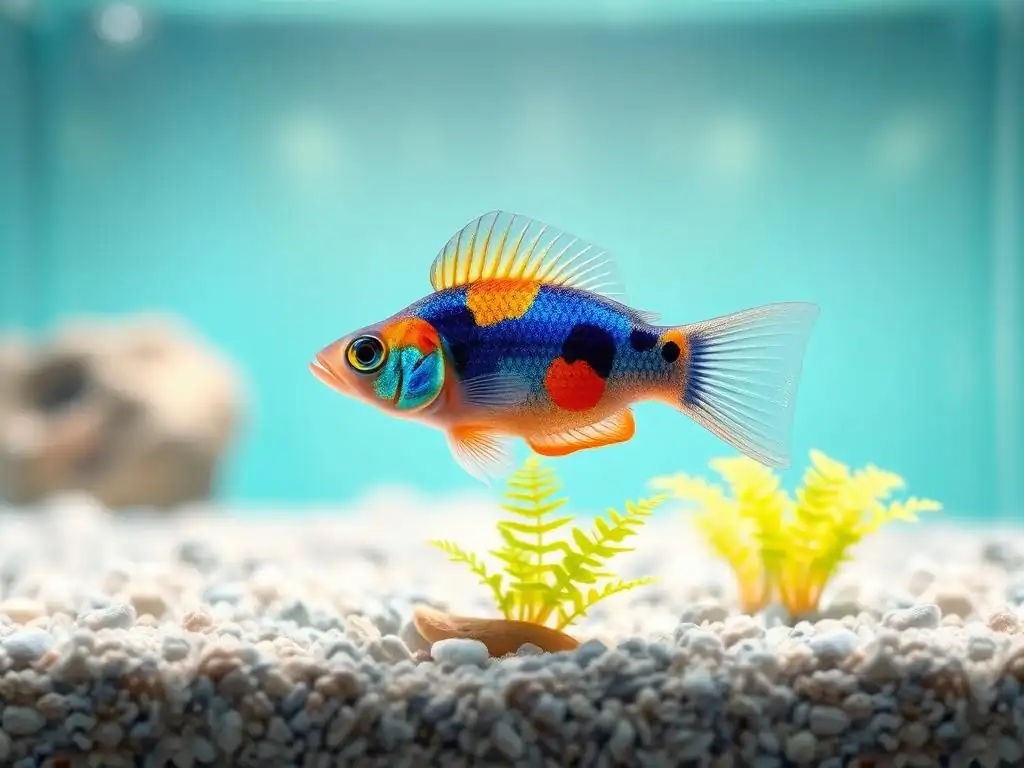
The Mickey Mouse Platy is one of the most recognizable and beloved varieties of Xiphophorus maculatus, distinguished by a unique black marking on its caudal peduncle (the base of the tail) that strikingly resembles the silhouette of Mickey Mouse's head. This distinctive pattern typically consists of a larger central black spot with two smaller black spots above it, creating the iconic ear shape.
While the tail marking is their most defining feature, Mickey Mouse Platies come in a delightful array of base colors, including vibrant reds, sunny yellows, and cheerful oranges, often with varying degrees of black pigment on their fins.
This specific marking is a genetic trait that has been selectively bred and stabilized, making it a reliable identifier for this particular platy morph. The clarity and prominence of the "Mickey Mouse" pattern can vary slightly between individual fish, but the overall shape remains consistent. Their engaging personalities and eye-catching appearance make them a focal point in any community aquarium, underscoring why understanding optimal Mickey Mouse Platy care is essential for enthusiasts.
Optimal Conditions for Mickey Mouse Platies: Water Temperature and pH
Ensuring optimal water conditions is fundamental to successful Mickey Mouse Platy care, directly impacting their health, coloration, and longevity. Like other platy varieties, Mickey Mouse Platies thrive in stable temperatures ranging from 72-78°F (22-26°C). Fluctuations outside this range can cause stress, making them more susceptible to disease. A reliable aquarium heater with a thermostat is essential to maintain this consistent temperature, especially in environments with varying ambient room temperatures.
Regarding pH, Mickey Mouse Platies prefer slightly alkaline water, with an ideal pH range of 7.0-8.0. While they are relatively adaptable, sudden or significant shifts in pH can be detrimental. It is crucial to test your tap water to understand its baseline parameters and use appropriate water conditioners to neutralize chlorine and chloramines. Regular weekly water changes of 25-30% are vital not only to remove accumulated nitrates but also to help stabilize pH and replenish essential minerals, which are key components of effective Mickey Mouse Platy care.
Feeding Your Mickey Mouse Platy: Diet and Nutritional Needs
Proper nutrition is a cornerstone of robust Mickey Mouse Platy care, directly influencing their energy levels, immune system, and the vibrancy of their colors. As omnivores, these fish require a diverse diet consisting of both plant and animal matter. A high-quality flake food specifically designed for tropical fish should form the basis of their daily meals, providing essential vitamins and minerals. It is recommended to feed small amounts two to three times a day, only what they can consume within two to three minutes, to prevent overfeeding and maintain water quality.
To ensure a balanced diet, supplement their flakes with a variety of live or frozen foods such as brine shrimp, daphnia, and bloodworms a few times a week. These protein-rich options are excellent for promoting healthy growth and enhancing their natural coloration. Additionally, incorporating spirulina flakes or blanched vegetables like zucchini, cucumber, or shelled peas can provide necessary fiber and plant-based nutrients, contributing to their digestive health. A consistent and varied feeding regimen is paramount for comprehensive Mickey Mouse Platy care.
Mickey Mouse Platy Breeding: Tips for Successful Reproduction
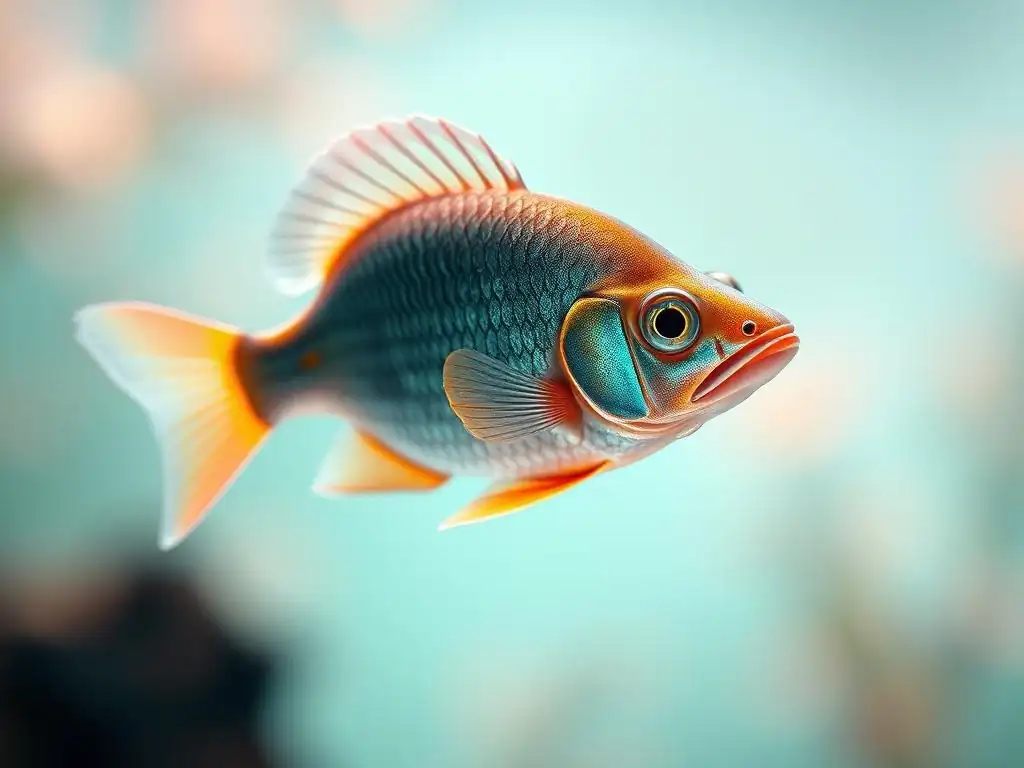
Mickey Mouse Platies are prolific livebearers, meaning they give birth to fully formed, free-swimming fry, making their reproduction relatively straightforward for aquarists. A single female can produce between 20 to 80 fry approximately every 28-30 days, depending on her age, size, and nutritional status. Signs of a pregnant female include a noticeably swollen abdomen, often becoming "squared off" in shape, and a dark gravid spot near the anal fin that becomes more pronounced as the birth approaches.
For successful Mickey Mouse Platy breeding and fry survival, providing dense floating plants like Java Moss or Hornwort in the main tank offers natural hiding spots for the newborn fry from adult fish, including their parents, who may prey on them. Alternatively, a separate breeding box or a dedicated "fry grow-out" tank with a sponge filter can be used to isolate the pregnant female until she gives birth, after which she should be returned to the main tank.
This dedicated approach significantly improves fry survival rates and is a crucial aspect of comprehensive Mickey Mouse Platy care when breeding is desired.
Common Mickey Mouse Platy Health Issues and Prevention
Like all aquarium fish, Mickey Mouse Platies can be susceptible to various health issues if their environment is not properly maintained or if they are stressed. Common ailments include Ich ( Ichthyophthirius multifiliis), a parasitic infection causing white spots on the body and fins; Fin Rot, a bacterial infection leading to frayed or decaying fins; and various fungal infections, often appearing as cotton-like growths. These issues are frequently triggered by poor water quality, sudden temperature fluctuations, or stress from overcrowding or aggressive tank mates.
Preventive measures are the most effective strategy in Mickey Mouse Platy care to avoid these health problems. This includes maintaining pristine water conditions through regular 25-30% weekly water changes, ensuring stable temperatures and appropriate pH levels, and providing a balanced, nutritious diet. A crucial preventative step is quarantining any new fish for 2-4 weeks in a separate tank before introducing them to the main aquarium, which helps prevent the introduction of diseases. Observing your fish daily for any changes in behavior or appearance allows for early detection and treatment, significantly improving the chances of recovery.
Exploring Diverse Platy Color Morphs and Patterns
Sunset Platy: Capturing the Beauty of a Fiery Sky in Your Tank
The Sunset Platy is a stunning variety that truly lives up to its name, showcasing a mesmerizing gradient of colors reminiscent of a vibrant sunset. These platies typically feature a bright, fiery orange or red color that gradually transitions into a sunny yellow towards the front of their body or on their fins. This striking two-tone coloration creates a dynamic and warm visual effect within the aquarium, making them a popular choice for aquarists looking to add a splash of intense color.
The exact distribution and intensity of the red, orange, and yellow hues can vary between individual fish, but the overall effect is consistently breathtaking. Sometimes, Sunset Platies may also exhibit black pigmentation on their fins, further enhancing the contrast and depth of their appearance. Their energetic swimming and peaceful disposition make them excellent candidates for community tanks, where their "fiery sky" colors can truly stand out against green plants and other fish.
Red Platy: A Vibrant Addition to Any Community Aquarium
The Red Platy is a classic and highly sought-after variety, celebrated for its intense, uniform red coloration that covers most of its body. This vibrant hue can range from a deep, rich crimson to a bright, almost neon red, making them an unmistakable and eye-catching presence in any freshwater setup. Their solid color provides a strong visual anchor in a planted tank, contrasting beautifully with green foliage and lighter-colored substrates.
Variations of the Red Platy exist, such as the Red Wag Platy, which combines the brilliant red body with distinctive black fins and tail, adding another layer of visual interest. Their consistent color makes them a popular choice for aquarists aiming for a specific color scheme or simply wanting to add a bold statement to their community. Like all platies, their peaceful nature ensures they integrate well with other non-aggressive species, contributing to a harmonious aquarium environment.
Blue Platy: Understanding the Genetics Behind This Rare Color
The Blue Platy stands out as a more unique and somewhat rarer color morph compared to its red and orange counterparts, captivating aquarists with its subtle yet striking iridescent blue or silvery-blue hues. Achieving a true, deep blue in platies is genetically complex, often resulting from specific pigment combinations that reflect light in a way that produces a blue appearance rather than a direct blue pigment. This can lead to variations in the intensity and shade of blue observed.
Unlike the bold reds or oranges, the blue coloration in platies tends to be more understated, often appearing as a metallic sheen or a muted, steely blue, sometimes with hints of green or silver depending on the lighting and angle. Due to the genetic intricacies involved in their development, Blue Platies may not always be as widely available as other common varieties. Nevertheless, their distinct and elegant coloration makes them a prized addition for collectors and those seeking a less conventional palette in their aquarium.
Wagtail Platy: The Elegant Black-Tipped Fins
The Wagtail Platy is a distinctive and elegant variety characterized by its striking black fins and tail, which contrast beautifully with its body color. This "wagtail" trait, a genetic mutation, means that regardless of the platy's primary body color—be it red, gold, sunset, or even a mixed pattern—its dorsal, caudal, and often pectoral and anal fins will be solid black. This creates a sophisticated and defined outline for the fish, enhancing its silhouette as it swims.
The most common Wagtail varieties include the Red Wag Platy and the Gold Wag Platy, both showcasing the dramatic contrast between their vibrant bodies and deep black fins. This specific fin coloration adds a touch of refinement and visual interest, making them particularly appealing to aquarists who appreciate clean lines and bold contrasts in their tank inhabitants. The Wagtail characteristic is a stable trait, ensuring that offspring will also display these elegant black-tipped fins.
Calico Platy: A Patchwork of Colors and Patterns
The Calico Platy is a visually complex and highly attractive variety, celebrated for its unique and irregular patchwork of colors and patterns across its body. Unlike solid-colored platies, the Calico displays an unpredictable mosaic of distinct spots, blotches, and streaks in various hues, typically including black, red, orange, and yellow, set against a lighter, often pearly or white background. This variegated appearance ensures that no two Calico Platies are exactly alike, making each fish a unique piece of living art.
The intricate combination of colors gives the Calico Platy a dynamic and ever-changing appearance as it moves through the water, with light catching different pigments. This "patchwork" effect is a result of specific genetic expressions that cause uneven pigment distribution. Their vibrant and diverse patterns make them an excellent choice for community tanks, where they can add an element of surprise and individuality, contributing to a visually rich and engaging aquatic display.
Tuxedo Platy: The Sophisticated Black and White Combination
The Tuxedo Platy is a sophisticated and highly recognizable variety, named for its distinctive coloration that resembles formal wear. This platy typically features a striking contrast between a lighter, often yellow, orange, or even white front half of its body, and a solid black rear half, including the tail and often the posterior fins. This clear demarcation creates a sharp, elegant line across the fish's midsection, giving it a refined and polished appearance.
The "tuxedo" pattern is a stable genetic trait that provides a classic and timeless look. While the front half can vary in color, the deep black of the rear half remains consistent, offering a bold visual statement. Tuxedo Platies are excellent choices for aquarists who appreciate clean, contrasting patterns and a touch of understated elegance in their community aquarium. Their peaceful demeanor ensures they integrate seamlessly with other non-aggressive species, further enhancing the tank's aesthetic appeal.
Coral Platy: A Bright and Cheerful Addition
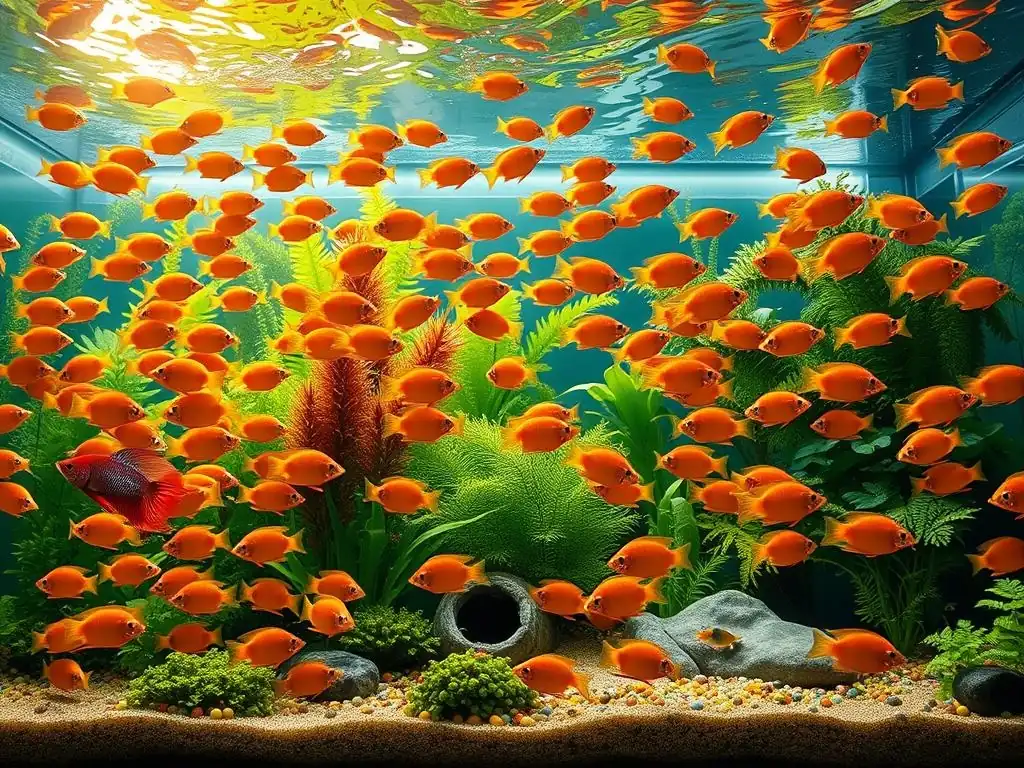
The Coral Platy is a dazzling and highly popular variety, renowned for its incredibly intense and uniform orange-red coloration that often borders on neon. This vibrant hue covers the entirety of its body, creating a striking and cheerful presence in any aquarium. The color is so vivid that it truly stands out, making the Coral Platy an instant focal point and a significant contributor to the overall brightness of a tank.
The depth and saturation of the coral color can be quite profound, making them appear almost luminous under proper lighting. This solid, bright coloration is a result of dedicated selective breeding to enhance and stabilize the red and orange pigments. Coral Platies are perfect for aquarists looking to inject a burst of warmth and vivacity into their community aquarium, and their active, peaceful nature ensures they are a delightful addition to any suitable freshwater setup.
Platy Tank Mates: Creating a Thriving Community Aquarium
Compatible Fish Species for Platies: Peaceful Tank Companions
Platies are known for their exceptionally peaceful and community-oriented temperament, making them ideal inhabitants for a wide range of freshwater aquariums. When selecting tank mates, prioritize other non-aggressive, similarly sized fish that thrive in comparable water parameters. Excellent companions include other livebearers such as Guppies, Mollies, and Swordtails, as they share similar care requirements and social behaviors. The diverse colors of these species can create a truly vibrant and dynamic display.
Beyond livebearers, many schooling fish also make great companions. Peaceful tetras, such as Neon Tetras, Cardinal Tetras, and Ember Tetras, add another layer of activity and color without posing a threat. Rasboras, like Harlequin Rasboras, and various species of Corydoras catfish are also excellent choices, as they occupy different levels of the water column and are known for their docile nature. Bristlenose Plecos can be introduced to help with algae control, provided the tank is large enough for their adult size, further enhancing the balance of the community.
Invertebrates That Thrive with Platies: Snails and Shrimp
Adding invertebrates to a platy community tank can introduce fascinating behaviors and provide functional benefits, such as algae control and substrate aeration. Peaceful snails are generally excellent tank mates for platies. Species like Nerite Snails and Mystery Snails are highly compatible, as they are non-aggressive, do not bother fish, and are efficient algae eaters, helping to maintain a cleaner tank. They also add a unique aesthetic appeal with their varied shell patterns and colors.
Certain types of freshwater shrimp can also thrive alongside platies, provided they are not too small to be mistaken for food, especially by larger adult platies or their fry. Amano Shrimp are a fantastic choice due to their larger size (up to 2 inches) and their voracious appetite for algae, making them very effective tank cleaners. Cherry Shrimp (Red Cherry Shrimp) can also be kept, though some very small fry might occasionally be consumed. Providing ample hiding spots, such as dense live plants or moss, can significantly improve the survival rate of smaller shrimp species.
Avoiding Aggressive Tank Mates: Protecting Your Platies
While platies are robust and adaptable, their peaceful nature means they can easily become stressed or injured if housed with aggressive or overly boisterous tank mates. It is crucial to avoid species known for fin-nipping, territorial aggression, or predatory behavior. Large cichlids, with the exception of some smaller, more peaceful dwarf species in very spacious tanks, are generally unsuitable due to their territorial instincts and potential to harass or prey upon smaller fish.
Similarly, certain types of barbs, such as Tiger Barbs, are notorious fin-nippers and can cause significant stress and injury to platies, leading to disease. Larger, predatory fish that could view platies as a food source, such as many types of Gouramis (particularly larger species like Giant Gouramis) or Rainbow Sharks (which can be territorial), should also be avoided. Always research the temperament and adult size of any potential tank mate thoroughly before introducing them to your platy aquarium to ensure a harmonious and stress-free environment for all inhabitants.
Platy Breeding Guide: Ensuring Healthy Fry
Setting Up a Breeding Tank for Platies
For aquarists specifically aiming to maximize the survival rate of platy fry, setting up a dedicated breeding tank is highly recommended. A small, separate aquarium, typically 5-10 gallons (19-38 liters), is sufficient for this purpose. This tank should be equipped with a reliable heater to maintain a stable temperature of 75-78°F (24-26°C) and a gentle filter, such as a sponge filter, which provides excellent biological filtration without posing a risk of sucking in delicate fry.
Crucially, the breeding tank should contain ample hiding spots for the newborn fry. Dense live plants like Java Moss, Hornwort, or floating plants such as Water Sprite or Frogbit, provide ideal refuges where the fry can escape from potential predation by the adult female after birth. Alternatively, a breeding box or net can be used within the main tank to isolate the pregnant female, allowing the fry to drop into a separate compartment away from other fish. Once the female has given birth, she should be promptly returned to the main aquarium to prevent her from consuming her offspring.
Identifying Pregnant Platies: Signs to Watch For
Identifying a pregnant platy is relatively straightforward, as these livebearers display several clear signs indicating they are carrying developing fry. The most noticeable indicator is a significant swelling of the abdomen, which will become visibly larger and rounder over a period of weeks. As the female approaches birth, her belly may also take on a more "squared-off" or boxy appearance, particularly when viewed from above or directly from the front.
Another key sign is the development or darkening of the "gravid spot." This is a dark, often black or brownish, triangular-shaped spot located on the underside of the female's body, just above the anal fin. In lighter-colored platies, the gravid spot may appear more translucent, allowing you to sometimes see the tiny eyes of the developing fry within her. Additionally, a pregnant platy may exhibit changes in behavior, such as becoming more reclusive or seeking out hiding spots in the days leading up to birth.
Caring for Platy Fry: Food, Water Quality, and Protection
Proper care for platy fry is essential for their healthy development and survival. Immediately after birth, the fry are tiny but fully formed and free-swimming. They require specialized food due to their small size. Finely crushed high-quality flake food for tropical fish is a good starting point, but supplementing with specialized fry food, newly hatched baby brine shrimp, or microworms will provide optimal nutrition for rapid growth. Feed very small amounts multiple times a day (3-5 times) to ensure they always have access to food.
Maintaining pristine water quality is paramount for fry, as they are highly sensitive to ammonia and nitrite. Perform small, frequent water changes, typically 10-20% every other day or every few days, using dechlorinated water that matches the temperature and parameters of the fry tank. Protection from adult fish is also critical; if not in a separate breeding tank, ensure there are abundant live plants or a breeding net for the fry to hide in. A sponge filter is highly recommended as it won't suck in the delicate fry, ensuring a safe and clean environment for their growth.
Preventing Overpopulation: Controlling Platy Breeding
While the prolific breeding of platies can be exciting for new aquarists, it can quickly lead to overpopulation in a community tank if not managed. An overcrowded tank can lead to poor water quality, increased stress, stunted growth, and heightened aggression among fish, ultimately impacting the health of your entire aquatic ecosystem. Therefore, having a plan for managing platy reproduction is an important aspect of responsible aquarium keeping.
One natural method to control population is to allow nature to take its course in a community tank with compatible, non-aggressive fish; some fry will inevitably be consumed by adult fish, including the parents, providing a natural form of population control. For those who wish to prevent breeding entirely, separating sexes is an option, though distinguishing males from females in young platies can be challenging (males have a gonopodium, a modified anal fin).
Alternatively, you can regularly donate or sell excess fry to local fish stores, school programs, or other hobbyists, ensuring they find good homes and preventing your tank from becoming overstocked.
Maintaining a Healthy Platy Aquarium: Water Quality and Tank Maintenance
Regular Water Changes: The Key to Platy Health
Regular water changes are arguably the single most critical aspect of maintaining a healthy platy aquarium and ensuring the long-term well-being of your fish. Over time, fish waste, uneaten food, and decaying plant matter break down, leading to the accumulation of nitrates, which, while less toxic than ammonia or nitrite, can still cause stress and health issues in high concentrations. A consistent schedule of weekly 25-30% water changes is highly recommended for platy tanks.
Performing these partial water changes removes accumulated nitrates, replenishes essential minerals that fish and plants utilize, and helps to maintain stable water parameters such as pH and general hardness. Always use a reliable water conditioner to neutralize chlorine and chloramines present in tap water, as these chemicals are highly toxic to fish. Siphoning debris from the substrate during water changes also helps to remove organic waste before it can contribute to water quality issues, directly impacting the vitality and longevity of your platies.
Filtration and Aeration: Essential for a Thriving Platy Tank
Effective filtration and adequate aeration are non-negotiable components for a thriving platy aquarium, working in tandem to create a stable and oxygen-rich environment. A quality aquarium filter is crucial for processing fish waste and maintaining water clarity. Filters provide mechanical filtration (removing particulate matter), chemical filtration (removing dissolved impurities and odors), and most importantly, biological filtration, where beneficial bacteria convert toxic ammonia and nitrite into less harmful nitrate. For platies, a hang-on-back (HOB) filter or a sponge filter (especially for breeding tanks with fry) is generally suitable, provided it's appropriately sized for the tank volume.
Aeration, typically achieved through the surface agitation created by the filter outflow or by an air stone connected to an air pump, ensures sufficient oxygen exchange at the water's surface. Platies, being active fish, require well-oxygenated water for optimal respiration and metabolism. Good aeration also helps to dissipate carbon dioxide and prevent the buildup of surface film. A properly functioning filter and sufficient aeration are fundamental pillars of good platy care, preventing stress and supporting a robust immune system for your fish.
Preventing Common Platy Diseases: Ich, Fin Rot, and More
Preventing diseases in platies is far more effective than treating them, and it largely revolves around maintaining a pristine, stable environment and minimizing stress. Common platy ailments such as Ich (white spot disease), Fin Rot, and various fungal infections are often opportunistic, taking hold when a fish's immune system is weakened. Ich, characterized by small white spots resembling salt grains on the fish's body and fins, is typically a result of sudden temperature drops or poor water quality. Fin Rot, causing frayed or decaying fins, is usually a bacterial infection stemming from high organic waste or bullying.
To proactively prevent these issues, adhere strictly to regular water changes (25-30% weekly), ensure consistent water temperature and parameters, and provide a balanced and nutritious diet. Overcrowding should be avoided, as it leads to increased stress and waste. A critical preventative measure is to quarantine all new fish for at least 2-4 weeks in a separate tank before introducing them to your main platy aquarium. This allows you to observe them for any signs of illness and treat them if necessary, preventing the introduction of pathogens to your established community.
Columnaris: Recognizing and Treating This Bacterial Infection
Columnaris, also known as Cottonmouth Disease or Saddleback Disease, is a highly contagious and often rapidly fatal bacterial infection caused by Flavobacterium columnare. Unlike fungal infections, Columnaris is bacterial and can quickly spread throughout an aquarium, making early recognition and aggressive treatment vital for platy survival. Symptoms often begin with white or grayish patches that resemble cotton or fungus, typically appearing around the mouth, on the fins, or on the body. These patches can progress to open sores, tissue erosion, and a "saddle" lesion across the back.
Affected platies may also show clamped fins, rapid breathing, lethargy, and a loss of appetite. The infection thrives in warm, dirty water and can be triggered by stress, poor water quality, or injury. Treatment typically involves the use of broad-spectrum antibiotics, such as Furan-2, Kanaplex, or Maracyn, often combined with a reduction in water temperature (if safe for the fish) to slow bacterial growth, and increased aeration.
Immediate isolation of affected fish and a large water change in the main tank are crucial steps. While challenging to treat, prompt action and adherence to medication instructions can sometimes save infected platies.
Troubleshooting Common Platy Problems: A Quick Guide
Sudden Platy Deaths: Investigating the Causes
Sudden platy deaths can be distressing for any aquarist, and pinpointing the cause requires a systematic investigation of the aquarium environment. The first and most critical step is to test your water parameters immediately: check for elevated levels of ammonia, nitrite, and nitrate, as well as significant fluctuations in pH or temperature. Ammonia and nitrite are highly toxic even in small amounts, often indicating an uncycled tank, overfeeding, or insufficient filtration. High nitrates can also cause chronic stress and weaken fish over time.
Beyond water quality, consider other factors. Was any new fish introduced recently without quarantine, potentially bringing disease? Are there signs of aggression from tank mates, leading to stress or injury? Have any cleaning products or aerosols been used near the tank that could have introduced toxins? Sometimes, sudden deaths can be due to old age or pre-existing conditions from the fish store. Thoroughly observing the remaining fish for any unusual behavior or physical symptoms can provide clues to the underlying problem, enabling you to take corrective action.
Loss of Color in Platies: Identifying Potential Issues
A loss of vibrant color in platies, where their typically bright hues appear faded or dull, is a common indicator that something is amiss in their environment or health. One of the most frequent causes is stress, which can stem from a variety of factors. Poor water quality, including high nitrates or inconsistent parameters, can significantly contribute to stress and dull coloration. Ensure your water parameters are stable and within the ideal range for platies (72-78°F, pH 6.8-8.0) through regular water changes and testing.
An inadequate or unvaried diet can also lead to faded colors, as platies require specific nutrients and pigments to maintain their vibrancy. Ensure they are receiving a high-quality, varied diet including flake food, live/frozen supplements, and spirulina. Bullying from aggressive tank mates or an overcrowded tank can also cause chronic stress and color loss; observe tank dynamics and adjust stocking if necessary. Finally, a loss of color can be an early symptom of an underlying disease, so closely monitor your fish for any other signs of illness if their color remains muted.
Shimmying Behavior: Potential Causes and Solutions
Shimmying, a behavior where a platy appears to be shaking or swaying from side to side without actually moving forward, is a clear sign of stress or discomfort and requires immediate attention. This behavior indicates that the fish is struggling to maintain its equilibrium, often due to an adverse environmental condition or an internal issue. The most common cause of shimmying is poor water quality, particularly rapid fluctuations in temperature or pH, or exposure to ammonia or nitrite. Platies are sensitive to unstable conditions, and a sudden change can overwhelm their system.
To address shimmying, first perform a comprehensive water test to identify any spikes in ammonia or nitrite, or significant deviations in pH. A partial water change (25-30%) with temperature-matched, dechlorinated water is often the first step to alleviate immediate stress. Ensure your heater is functioning correctly to maintain a stable temperature. Other potential causes include internal parasites, which can affect a fish's buoyancy and overall health, or severe nutritional deficiencies. If water parameters are optimal, consider treating for internal parasites or enriching their diet, but always prioritize correcting environmental issues first.
Conclusion: Enjoying the Beauty and Diversity of Platy Fish
The Enduring Appeal of Platies in the Aquarium Hobby
Platy fish, with their dazzling array of colors, patterns, and peaceful disposition, continue to hold a cherished place in the hearts of aquarists worldwide. From the iconic Mickey Mouse Platy to the fiery Sunset and elegant Wagtail varieties, their diversity offers endless possibilities for creating visually stunning and active community aquariums. Their relatively easy care requirements, combined with their hardy nature and fascinating livebearing reproductive cycle, make them an excellent choice for beginners eager to experience the joys of fishkeeping, while also providing continuous fascination for seasoned hobbyists.
The ability of platies to thrive in well-maintained community tanks, coexisting peacefully with a wide range of other non-aggressive species, further solidifies their status as a staple in the freshwater hobby. Their active swimming and curious personalities bring life and movement to any setup, making the aquarium a dynamic focal point. By understanding and providing for their specific needs, from consistent water quality to a varied diet, aquarists can ensure their platies remain vibrant, healthy, and a constant source of enjoyment for years to come.
Further Resources for Platy Care and Information
To ensure the continued health and vibrancy of your platy fish, ongoing education and research are highly encouraged. While this article provides a comprehensive overview of platy varieties and essential care, the world of aquarium keeping is vast and constantly evolving. Delving deeper into topics such as advanced water chemistry, specific plant care that benefits livebearers, or more detailed breeding strategies can further enhance your success and enjoyment in the hobby.
Many reputable aquarium forums, online communities, and specialized hobbyist websites offer a wealth of knowledge and opportunities to connect with experienced aquarists. These resources can provide specific insights into troubleshooting rare issues, discovering new varieties, and refining your general fishkeeping practices. Continuous learning is key to mastering the art of aquarism and providing the best possible environment for your beloved platy fish.
Frequently Asked Questions
What are the key considerations for Mickey Mouse Platy care, and why is it important?
Mickey Mouse Platies, like other Platy varieties, thrive in well-maintained freshwater aquariums. Key considerations include water parameters, tank size, and compatible tank mates to ensure their health and longevity.
A minimum of 10 gallons is recommended for a small group of Mickey Mouse Platies. These fish are social and prefer to be kept in groups, so a larger tank is beneficial to accommodate their needs and prevent overcrowding.
How do I ensure proper water chemistry for my Mickey Mouse Platy aquarium to prevent common issues?
Maintaining stable water parameters is crucial. Regularly test and maintain a pH between 6.8 and 7.8, ammonia and nitrite levels at 0 ppm, and nitrate levels below 20 ppm through regular water changes to avoid stress and disease.
What are some suitable tank mates for Mickey Mouse Platies in a community aquarium setting?
Mickey Mouse Platies are peaceful and get along well with other non-aggressive community fish of similar size. Good tank mates include tetras, guppies, and corydoras catfish, ensuring a harmonious environment.
What are some common health problems that Mickey Mouse Platies are susceptible to, and how can I prevent them?
Common issues include ich, fin rot, and dropsy. Prevention involves maintaining excellent water quality, providing a balanced diet, and quarantining new fish before introducing them to the main tank to avoid introducing pathogens.
Okay, here's a final reflection designed to close your article "Platy Varieties Galore: From Mickey Mouse to Sunset & Beyond," optimized for the keyword "Mickey Mouse Platy Care" and following the structure you outlined:
Final Reflection: Appreciating the Aquatic Kaleidoscope
The journey through the vibrant world of platy varieties, especially the beloved Mickey Mouse Platy, underscores a crucial aspect of responsible fishkeeping: understanding and appreciating the diversity within our aquariums. From the intricacies of Mickey Mouse Platy care to the dazzling hues of the Sunset Platy, each fish represents a unique life deserving of our attention and dedication.
The enduring popularity of the Mickey Mouse Platy, and the growing interest in other varieties, highlights our innate connection to nature and the joy we find in creating miniature ecosystems within our homes. In every walk with nature, one receives far more than he seeks.
- John Muir. This quote resonates deeply when we consider the simple pleasure of observing these tiny, colorful creatures thrive under our care, reminding us of the beauty and complexity that exists even in the smallest of spaces.
As you embark on, or continue, your journey with platies, remember that responsible care extends beyond just providing food and water. It's about creating an environment where these fish can flourish, showcasing their natural behaviors and vibrant colors. Let the knowledge gained from exploring the "Platy Varieties Galore" inspire you to deepen your understanding of aquatic life and cultivate a truly thriving aquarium, one Mickey Mouse Platy, Sunset Platy, or other variety, at a time.
Dive Deeper: Uncover the Secrets of Platy Paradise!
Thanks for exploring the vibrant world of platy varieties with us! We hope you've discovered some new favorites and gained a deeper appreciation for these colorful little fish. Now, let's turn that knowledge into action!
- Set up a dedicated 'Platy Paradise' tank! Consider the specific needs of the varieties you choose, ensuring a happy and thriving environment for your finned friends.
- Share your newfound platy passion! Post pictures of your favorite platy varieties on social media using #AquariumMasteryPlaties. Let's celebrate the diversity of these amazing fish.
- Surprise! Did you know you can try to create your own new Platy variety? Start by learning about platy genetics.
What unique platy variety are you most inspired to bring into your aquarium, and why?