
Barbs and Planted Tanks: Tips to Prevent Your Fish from Eating Your Greens

Welcome to Aquarium Mastery!
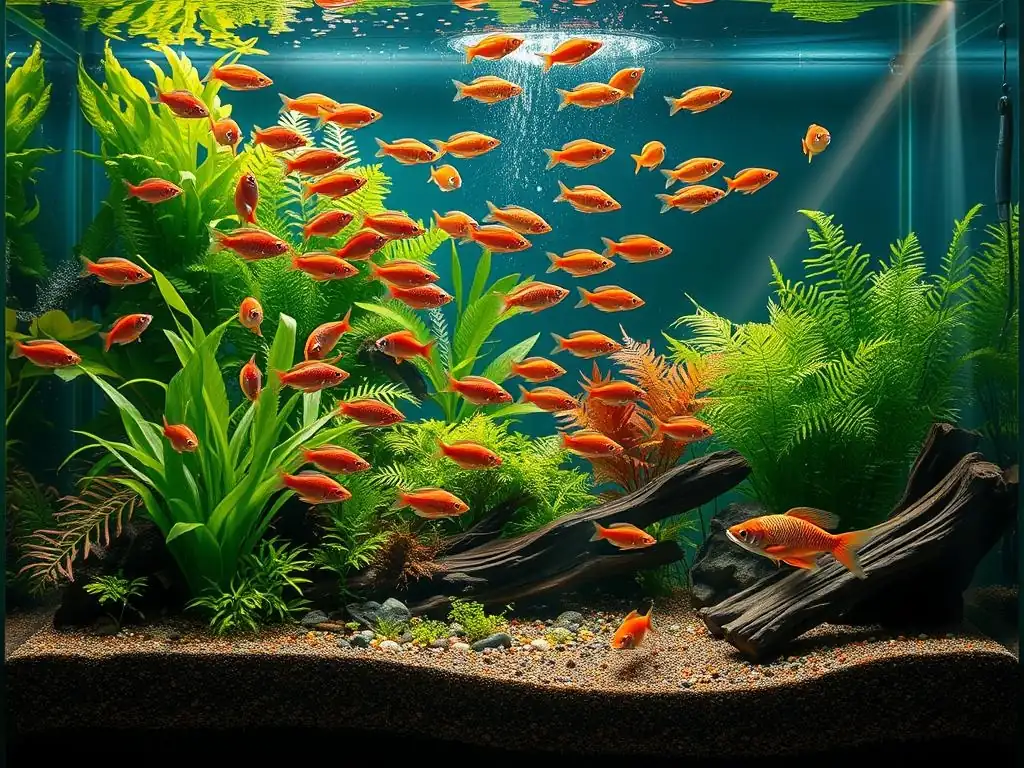
Ever dreamt of a lush, vibrant planted aquarium teeming with life, only to find your barbs are turning your aquatic paradise into a salad bar? You're not alone! Dive into our guide on Barbs and Planted Tanks and discover the secrets to creating a harmonious ecosystem where your fish and plants can thrive. Curious how to keep those playful barbs from devouring your prized greenery? Let's explore!
- Understanding Why Barbs Eat Aquarium Plants
- Selecting Barb-Safe Aquarium Plants
- Strategies to Protect Your Planted Aquarium from Barbs
- Using Plant Protection Methods in Barb Tanks
- Choosing Compatible Barb Species for Planted Aquariums
- Troubleshooting Plant Damage in Barb Planted Tanks
- Maintaining a Healthy Planted Tank with Barbs
- Frequently Asked Questions
- Final Reflection: Harmony in the Aquatic Ecosystem
- Transform Your Tank: Cultivate Harmony with Barbs!
Understanding Why Barbs Eat Aquarium Plants
Natural Barb Diet and Plant Consumption
Barbs, belonging to the Cyprinidae family, are largely omnivorous in their natural habitats, consuming a varied diet that includes insects, small crustaceans, algae, and some plant matter. This opportunistic feeding behavior is a key factor in why barbs eating planted aquarium plants can become a common issue for aquarists. While some species, like the Rosy Barb (Pethia conchonius), are known to graze more heavily on vegetation, most barbs will sample plant material if other food sources are scarce or if they are simply curious.
In the wild, the plant matter consumed by barbs is often detritus or softer aquatic vegetation that is readily available. In a closed aquarium environment, however, the lush, tender leaves of ornamental plants can become an appealing target, especially if their dietary needs for fiber and specific nutrients are not being adequately met. This natural inclination to forage, combined with the artificial constraints of a tank, often leads to the undesirable behavior of barbs nibbling on or even consuming aquarium plants.
Identifying Plant-Eating Barb Species: A Closer Look
While many barb species are generally considered safe for planted tanks, some are more notorious for causing damage. Rosy Barbs (Pethia conchonius) are frequently cited as the primary culprits when it comes to barbs eating planted aquarium plants, often stripping leaves down to the stem. Gold Barbs (Puntius semifasciolatus) can also exhibit this behavior, particularly when not adequately fed or if they lack sufficient environmental enrichment.
Conversely, species like the Cherry Barb (Puntius titteya) and the Denison Barb (Sahyadria denisonii) are generally much safer for planted aquariums, rarely showing interest in live plants. Even the popular Tiger Barb (Puntigrus tetrazona), while known for its boisterous nature and occasional fin-nipping, is less prone to actively consuming plants if kept well-fed and in appropriate group sizes of at least six individuals. Observing your specific barb species' behavior is crucial; even typically "safe" barbs might occasionally nibble out of boredom or curiosity.
Stress and Dietary Deficiencies Contributing to Plant Grazing
Stress is a significant factor that can lead to abnormal behaviors in aquarium fish, including barbs eating planted aquarium plants. Poor water quality, such as elevated ammonia or nitrite levels, or inconsistent temperatures (e.g., fluctuating outside their ideal range of 23-27°C or 73-81°F), can cause barbs to become stressed and resort to foraging on plants. Overcrowding, insufficient hiding places, or aggressive tank mates can also contribute to a stressful environment, prompting barbs to exhibit destructive behaviors as a coping mechanism.
Beyond environmental stress, dietary deficiencies play a critical role. If barbs are not receiving a balanced diet rich in both protein and essential plant-based nutrients, they may turn to live plants to supplement their intake. For instance, a diet lacking in sufficient fiber can compel them to seek out plant material. Ensuring your barbs receive a varied diet, including high-quality flakes, frozen foods like bloodworms or brine shrimp, and occasional blanched vegetables, is paramount to preventing them from viewing your carefully cultivated plants as their next meal.
Selecting Barb-Safe Aquarium Plants
Hardy Plant Species Barbs Tend to Avoid
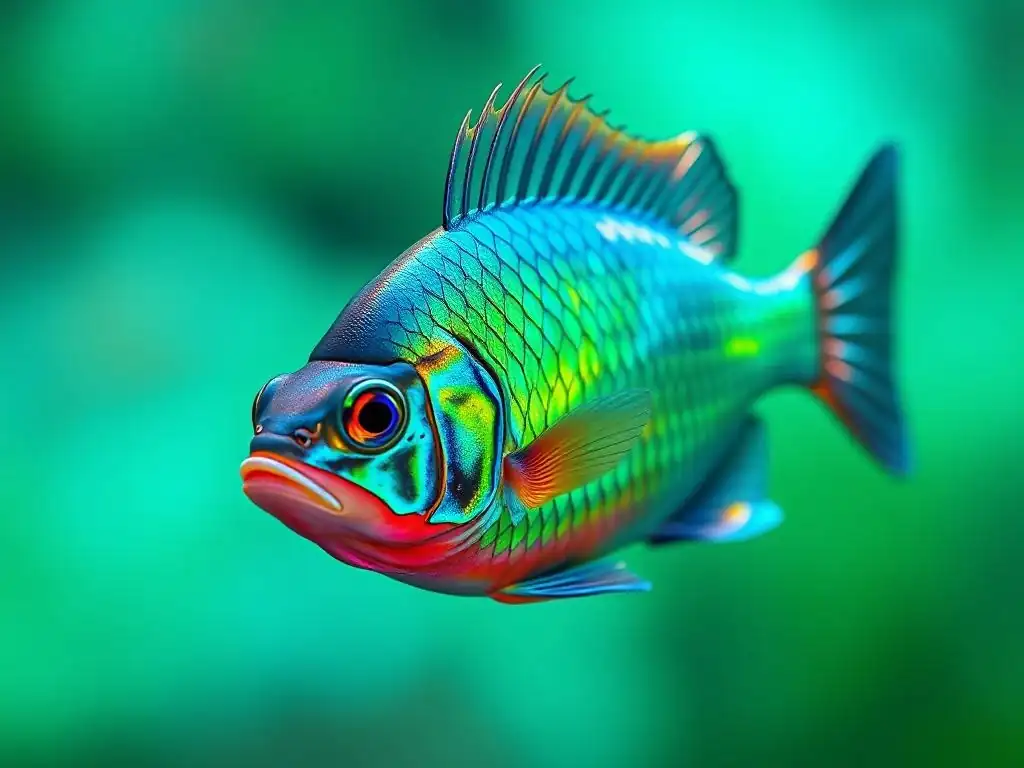
When designing a planted tank for barbs, selecting species that are less palatable or more robust is a key strategy to prevent damage. Barbs generally prefer softer, more tender leaves, so opting for plants with tougher, thicker, or even slightly bitter foliage can significantly reduce grazing. Focus on plants that can withstand some nibbling without being completely destroyed, or those that simply don't appeal to the barbs' taste buds.
Plants with a fibrous texture or those containing compounds that are less appealing to fish are excellent choices. Furthermore, fast-growing plants can sometimes outpace minor grazing, making them more resilient in a barb setup. This selective approach ensures that your aquarium remains aesthetically pleasing while coexisting peacefully with your active barb community.
Java Fern: A Barb-Resistant Option
Java Fern (Microsorum pteropus) is consistently recommended for tanks housing plant-eating fish due to its tough, leathery leaves and somewhat bitter taste. Barbs typically find Java Fern unappetizing, making it an excellent choice for a barb-friendly planted aquarium. This plant does not require substrate planting; instead, it thrives when attached to driftwood or rocks, allowing its rhizome to remain exposed.
Its robust nature means it can withstand occasional curious nips without sustaining significant damage. Java Fern is also relatively slow-growing, reaching full maturity over several months, and requires minimal light, making it a low-maintenance and highly durable option for aquarists dealing with barbs eating planted aquarium plants.
Anubias: Durable and Unappetizing to Barbs
Anubias species, such as Anubias barteri and Anubias nana, are another staple for barb-friendly tanks. Their thick, leathery leaves are incredibly durable and are generally ignored by most fish, including plant-grazing barbs. Like Java Fern, Anubias should be attached to hardscape rather than buried in the substrate, as burying its rhizome can lead to rot.
Anubias grows slowly, typically producing one new leaf every few weeks, and can tolerate a wide range of lighting conditions from low to moderate. Its unpalatability and sturdy structure make it an ideal choice for creating foreground or midground interest without worrying about it becoming a barb snack.
Vallisneria: Fast-Growing and Less Likely to Be Eaten
Vallisneria, including varieties like Jungle Val and Corkscrew Val, offers a different approach to barb-proofing your plants. While not as tough as Anubias or Java Fern, Vallisneria is a very fast-growing plant that propagates readily through runners. Even if barbs nibble on its long, ribbon-like leaves, the plant's rapid growth rate often allows it to recover quickly and outpace the damage.
These plants provide excellent vertical interest and ample hiding spots for fish, contributing to a more secure environment which can, in turn, reduce stress-related grazing. With proper lighting and nutrient availability, Vallisneria can form dense stands, making it a resilient and visually appealing option for a barb-populated planted tank.
Plants to Avoid in a Barb Planted Tank
To minimize frustration and plant loss, it's equally important to know which plant species are highly susceptible to being eaten by barbs. Avoiding these delicate varieties from the outset can save considerable time and money. These plants often have soft, tender leaves that are highly palatable and easily consumed by opportunistic grazers like certain barb species.
Delicate Plants Vulnerable to Barb Consumption
Many popular and beautiful aquarium plants are simply too delicate to coexist with plant-eating barbs. Examples include stem plants like Cabomba (Cabomba caroliniana), Rotala (Rotala rotundifolia), and Ludwigia (Ludwigia repens), which have soft, easily digestible leaves. Water Sprite (Ceratopteris thalictroides) and Dwarf Hairgrass (Eleocharis parvula) are also frequently targeted due to their fine, tender structures.
These plants can be stripped clean or uprooted within a short period if barbs are hungry or bored. For instance, a school of Rosy Barbs can decimate a stand of Cabomba in a matter of days. Therefore, it is best to avoid these highly vulnerable species if you are concerned about barbs eating planted aquarium plants, unless you plan to implement stringent protection methods.
Strategies to Protect Your Planted Aquarium from Barbs
Providing a Balanced Diet to Minimize Plant Consumption
The most effective way to prevent barbs from eating your aquarium plants is to ensure they are consistently well-fed with a diverse and nutritious diet. A satiated fish is far less likely to forage on plants out of hunger or boredom. This approach addresses the root cause of the behavior, promoting healthier fish and a thriving planted tank.
High-Quality Flake Food and Supplementation for Barbs
A cornerstone of a barb's diet should be a high-quality flake or pellet food, specifically formulated for omnivorous fish, containing a protein content of around 35-45%. Supplement this daily with frozen or live foods such as bloodworms, brine shrimp, or daphnia, which provide essential proteins and fats. Feeding barbs small amounts two to three times a day, rather than one large meal, helps maintain their satiety levels throughout the day and reduces the likelihood of them seeking alternative food sources like your plants.
For example, a typical feeding schedule might involve a small pinch of flake food in the morning, followed by a portion of frozen bloodworms in the afternoon. This consistent and varied feeding regimen significantly reduces the impulse for barbs eating planted aquarium plants out of hunger.
Offering Blanched Vegetables as an Alternative Food Source
To satisfy any natural inclination for plant matter and provide essential fiber, offer blanched vegetables as a regular part of their diet. Options include blanched zucchini slices, cucumber, spinach, or spirulina flakes. These vegetables are excellent sources of dietary fiber and can be offered 2-3 times per week.
Simply blanch a small slice of zucchini or a spinach leaf in boiling water for about 30 seconds to soften it, then let it cool before adding it to the tank. This provides a readily available and appealing plant-based food source that can distract barbs from your ornamental plants. Many aquarists report a significant decrease in plant damage when blanched vegetables are regularly offered, as it fulfills the barbs' grazing instincts harmlessly.
Creating a Barb-Friendly Environment
A comfortable and stimulating environment can greatly reduce stress-induced behaviors like plant grazing. When barbs feel secure and have sufficient space and enrichment, they are less likely to act destructively out of boredom or anxiety.
Ample Hiding Places and Dense Planting for Plant Protection
Paradoxically, providing ample dense planting can actually help protect your plants. Barbs, especially active species like Tiger Barbs, thrive in environments with plenty of cover. Dense thickets of plants, along with driftwood and rock formations, offer them places to hide, explore, and establish territories, which reduces stress and aggression within the school. This sense of security can lead to less erratic behavior, including a reduced tendency for barbs eating planted aquarium plants.
Furthermore, a heavily planted tank naturally provides more surface area for the growth of beneficial microorganisms and algae, which can serve as supplementary food sources for barbs, further diverting their attention from the primary ornamental plants. Aim for at least 50% of the tank floor to be covered by plants to create a truly barb-friendly habitat.
Maintaining Optimal Water Parameters for Barb Health
Consistent and optimal water parameters are crucial for the overall health and well-being of barbs, directly impacting their behavior. Stress caused by poor water conditions can lead to a variety of issues, including increased aggression or plant grazing. For most common barb species, maintaining a stable temperature between 23-27°C (73-81°F), a pH level between 6.0-7.5, and a general hardness (GH) of 5-12 dGH is ideal.
Regular water changes, typically 25-30% weekly, are essential to keep nitrate levels below 20 ppm and prevent the buildup of harmful toxins. A well-filtered tank with good water flow also contributes to a healthy environment. When barbs are healthy and stress-free, they are significantly less likely to engage in destructive behaviors like nibbling on your aquatic plants.
Distracting Barbs from Plants: Alternative Food Sources
Sometimes, direct intervention with alternative food sources can effectively divert barbs from your prized plants. These methods provide readily available and appealing options that satisfy their foraging instincts.
Algae Wafers and Sinking Pellets as Plant Distractions
Algae wafers and sinking pellets are excellent tools for distracting barbs from your plants. While primarily designed for bottom-feeders, many barb species will readily pick at these. By dropping a few algae wafers or sinking pellets into the tank, particularly near areas where barbs tend to graze on plants, you provide them with an easy and continuous food source.
These can be left in the tank for longer periods than flake food, offering a sustained grazing opportunity. For example, placing one or two algae wafers in a 55-gallon tank daily can significantly reduce the incidence of barbs eating planted aquarium plants, as they will gravitate towards the more accessible and concentrated food source.
Regular Feeding Schedules to Reduce Grazing Behavior
Consistency in feeding times is paramount. Establishing a predictable feeding schedule helps barbs anticipate when food will be provided, reducing their need to constantly search for sustenance by grazing on plants. For instance, feeding your barbs at 8 AM and 6 PM daily can condition them to expect food at these specific times.
This predictability minimizes hunger-driven foraging throughout the day. When barbs know they will be fed regularly, their instinct to continuously search for food, which often leads to plant damage, is significantly diminished. A disciplined feeding routine is a simple yet highly effective strategy to protect your planted aquarium.
Using Plant Protection Methods in Barb Tanks
Physical Barriers to Shield Plants from Barbs
For particularly vulnerable or prized plants, physical barriers can offer direct protection against barbs. While not always aesthetically ideal, these methods are highly effective.
Plant Cages and Mesh Dividers for Vulnerable Species
For very delicate or expensive plants that you absolutely want to protect, consider using physical barriers. Small plant cages, often made from plastic mesh or craft netting, can be placed around individual plants or small groupings. These cages allow light and water flow but physically prevent barbs from reaching the plant leaves.
Alternatively, fine mesh dividers can be used to temporarily section off areas of the tank containing new or particularly vulnerable plants, allowing them to establish roots and grow without being disturbed. While this might slightly disrupt the natural look of the tank, it offers a foolproof method to prevent barbs from eating planted aquarium plants that are highly susceptible to damage.
Introducing "Sacrificial Plants" for Barb Grazing
A pragmatic approach to managing plant-eating barbs is to offer them plants specifically intended for consumption. This strategy diverts their attention from your desired ornamental plants by providing a more appealing and readily available alternative.
Affordable, Fast-Growing Plants to Divert Barb Attention
"Sacrificial plants" are typically inexpensive, fast-growing species that barbs enjoy eating. Good candidates include Hornwort (Ceratophyllum demersum), Guppy Grass (Najas guadalupensis), or even bundles of Anacharis (Egeria densa). These plants grow quickly, are easy to replace, and provide an excellent source of dietary fiber for your barbs.
By introducing a floating clump of Hornwort, for example, you give the barbs a constant source of vegetation to graze on, often satisfying their urge to nibble and leaving your more permanent, rooted plants untouched. You may need to replace these sacrificial plants weekly or bi-weekly, depending on the number and appetite of your barbs, making them a cost-effective diversion strategy for barbs eating planted aquarium plants.
Choosing Compatible Barb Species for Planted Aquariums
Barb Species Less Prone to Eating Plants
When setting up a new tank or adding to an existing one, careful selection of barb species can significantly reduce plant damage. While proper diet and environment are crucial for all barbs, some species inherently have less interest in consuming live plants.
Cherry Barbs (Puntius titteya) are widely regarded as one of the safest barb species for planted tanks. They are generally peaceful, stay relatively small (around 2 inches), and rarely show any interest in nibbling on leaves. Denison Barbs (Sahyadria denisonii), while active and requiring larger tanks, are also excellent choices as they are primarily insectivores and typically ignore plants.
Black Ruby Barbs (Pethia nigrofasciata) are another good option, known for their vibrant colors and generally plant-friendly demeanor. Even Tiger Barbs (Puntigrus tetrazona), if kept in large schools (8+ individuals) and well-fed, are less likely to actively consume plants, though they might occasionally nip out of curiosity or boredom rather than hunger.
Tank Mates that Help Control Algae Growth and Reduce Plant Grazing
Introducing specific tank mates can indirectly help protect your plants by managing algae, which can sometimes be an alternative food source for barbs. By reducing the overall availability of algae, barbs may be less inclined to graze on plant surfaces.
Excellent choices for algae control include Otocinclus catfish, which are small, peaceful, and highly effective at consuming various types of algae without harming plants. Amano Shrimp (Caridina multidentata) are another superb option, known for their voracious appetite for hair algae and biofilm. These shrimp are generally tolerated by most barb species, especially if the barbs are well-fed.
Nerite Snails (Neritina natalensis) are also highly recommended for their efficiency in cleaning algae from glass and plant leaves, and their hard shells make them unappealing to most fish. By keeping algae in check, these tank mates contribute to a cleaner tank and potentially reduce opportunistic grazing by barbs eating planted aquarium plants.
Troubleshooting Plant Damage in Barb Planted Tanks
Identifying the Cause of Plant Damage: Barb Behavior vs. Other Issues
When you notice damage to your aquarium plants, it's crucial to correctly identify the culprit before implementing solutions. While barbs eating planted aquarium plants is a common concern, other factors can cause similar damage. Barb-induced damage often appears as ragged edges, holes in leaves, or entire sections missing, particularly from softer plants. Uprooted plants can also be a sign, especially if barbs are actively digging or foraging.
However, consider other possibilities: nutrient deficiencies (e.g., yellowing leaves from iron deficiency, translucent leaves from potassium deficiency) cause distinct symptoms. Algae growth on leaves might be confused with damage. Pest snails can also chew holes. Other fish species, particularly larger omnivores or herbivores, might also be responsible. Observe your barbs directly during feeding times or throughout the day; if you see them actively nipping or tearing at leaves, then your barbs are indeed the problem.
Adjusting Diet and Environment to Correct Plant Grazing Problems
Once you've confirmed that barbs are responsible for your plant damage, a multi-pronged approach focusing on diet and environment is essential. First, reassess your feeding regimen. Increase the frequency of feeding to two or three small meals a day, ensuring varied foods like high-quality flakes, frozen foods, and blanched vegetables. For example, if you're currently feeding once daily, switch to twice daily, offering blanched zucchini every other day for a week to see if grazing subsides.
Next, review your tank environment. Are water parameters stable and within optimal ranges (e.g., nitrates below 20 ppm)? Is there enough hiding space and visual breaks for the barbs to feel secure? Consider adding more driftwood, rocks, or even some "sacrificial" fast-growing plants like Hornwort. If overcrowding is an issue, reducing the barb population or upgrading to a larger tank might be necessary. A 55-gallon tank might comfortably house a school of 10 Tiger Barbs, but 15 might lead to increased stress and plant nipping. Addressing these factors comprehensively will help curb barbs eating planted aquarium plants.
Maintaining a Healthy Planted Tank with Barbs
Regular Monitoring of Plant Health and Barb Behavior
Consistent observation is the bedrock of a thriving planted tank with barbs. Daily visual checks should be performed to look for any new plant damage, signs of stress or illness in your barbs, and overall water clarity. Pay close attention to plant leaves for holes, ragged edges, or any unusual discoloration. Note if certain barb individuals or the entire school are frequently seen nipping at plants.
On a weekly basis, conduct more thorough inspections. Check for new plant growth, potential algae buildup on leaves, and the general activity levels of your barbs. Keeping a simple log of plant health changes, feeding amounts, and any observed barb behaviors can help you identify patterns and proactively address issues before they escalate. This proactive monitoring is key to preventing widespread damage from barbs eating planted aquarium plants.
Consistent Tank Maintenance Practices for a Thriving Ecosystem
Beyond daily observation, adhering to a strict and consistent tank maintenance schedule is vital for the long-term health of both your barbs and your plants. Weekly water changes of 25-30% are crucial to keep water parameters stable and dilute nitrates, which can stress fish and inhibit plant growth. During water changes, use a gravel vacuum to remove detritus from the substrate, which can harbor uneaten food and waste that might tempt barbs to dig.
Regular filter maintenance, including rinsing filter media in old tank water and replacing chemical media like carbon as needed, ensures efficient waste removal. Pruning your plants regularly not only maintains their shape and encourages new growth but also removes any damaged leaves that might attract further grazing. Monthly water parameter tests (ammonia, nitrite, nitrate, pH, GH, KH) provide essential data to fine-tune your care routine. A well-maintained and stable environment is the best defense against barbs eating planted aquarium plants, fostering a balanced and aesthetically pleasing aquatic ecosystem.
Frequently Asked Questions
Will all Barbs eat my aquarium plants?
No, not all Barbs are plant eaters. Some Barb species are more prone to nibbling on plants than others. It's crucial to research the specific species of Barb you plan to keep.
Which Barb species are least likely to eat my plants?
Smaller Barb species, like the Cherry Barb, are generally considered less likely to cause significant damage to your plants. However, providing them with adequate vegetable matter in their diet is still important.
How can I distract Barbs from eating my aquarium plants?
Offering a varied diet rich in vegetables can help satiate their hunger and reduce their desire to eat plants. Supplement their diet with blanched vegetables like zucchini or spinach, and algae wafers.
Are certain aquarium plants more resistant to Barb nibbling?
Yes, some plants are tougher and less palatable to Barbs. Consider plants with thick leaves like Anubias or Java Fern as they are less likely to be eaten.
What if my Barbs are still eating my plants despite my efforts?
You may need to consider separating the Barbs and plants. Another option is to heavily plant the tank, giving the Barbs enough plant matter to eat without destroying the whole scape.
Final Reflection: Harmony in the Aquatic Ecosystem
The delicate balance between vibrant plant life and the natural grazing instincts of fish, particularly the challenge of keeping barbs from decimating a planted aquarium, remains a crucial consideration for aquarists today. Understanding and implementing strategies to foster this harmony is not merely about aesthetics; it's about creating a thriving, sustainable ecosystem within the glass walls of our tanks.
This journey into the world of planted aquariums and the dietary preferences of barbs has underscored the importance of mindful planning and observation. Cultivating a successful planted tank with barbs is a testament to our ability to understand and respect the needs of different species, finding solutions that benefit all inhabitants. The best aquarium is not just a collection of fish and plants, but a miniature ecosystem where each element contributes to the overall health and beauty.
This quote perfectly encapsulates the essence of what we strive for: a balanced and flourishing aquatic world.
Now, as you gaze upon your own aquarium, consider the lessons learned. Reflect on the potential for creating a space where both barbs and plants can thrive. Embrace the challenge, experiment with different techniques, and remember that patience and observation are your greatest allies. Let the knowledge you've gained inspire you to cultivate not just a beautiful tank, but a testament to the power of understanding and respecting the delicate balance of nature.
Transform Your Tank: Cultivate Harmony with Barbs!
Thank you for exploring the fascinating world of barbs and planted tanks! We hope you've gained valuable insights on creating a thriving underwater ecosystem. Now, let's put that knowledge into action.
Here are a few ways to ensure a balanced and beautiful aquarium:
- Carefully select plant species. Prioritize hardy plants with tougher leaves, such as Java fern or Anubias, to resist those nibbling barbs. This is your primary action!
- Introduce distraction snacks. Supplement the barbs' diet with blanched vegetables like zucchini or spinach to keep them satisfied and less interested in your plants.
- Share your success (or struggles!)! What plant varieties have you found successful in barb-filled aquariums?
Ready to share your planted tank tips in the comments?