
Pleco Poop: Managing Waste from Your Large AlgaeEating Catfish

Welcome to Aquarium Mastery!
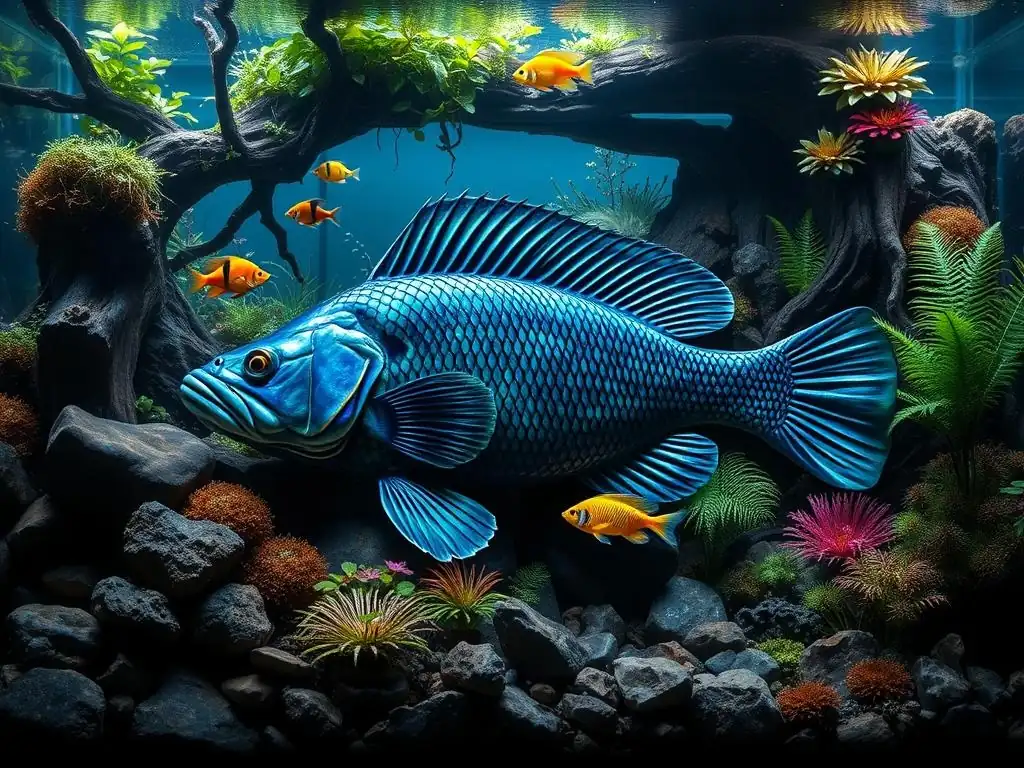
Ever wondered how to handle the, shall we say, substantial output of your beloved Pleco? These algae-eating powerhouses are fantastic additions to any freshwater aquarium, but their waste can be a real challenge. Dive into our comprehensive guide, " Pleco Poop: Managing Waste from Your Large Algae-Eating Catfish," where we'll unravel the secrets to effective Pleco waste management tips and help you keep your tank sparkling clean. Ready to conquer the poop? Let's get started!
- Understanding Pleco Waste Production: A Guide for Aquarium Keepers
-
Effective Pleco Waste Management Tips for a Healthy Aquarium
- 1. Choosing the Right Size Aquarium for Your Pleco: Minimizing Waste Issues
- 2. Optimizing Filtration to Handle Pleco Waste: A Comprehensive Approach
- 3. Implementing a Consistent Water Change Schedule: Diluting Pleco Waste
- 4. Gravel Vacuuming: Removing Solid Pleco Waste from the Substrate
- 5. Strategic Feeding Practices: Reducing Waste at the Source
- 6. Introducing Waste-Eating Tank Mates: A Natural Waste Management Solution
- 7. Planted Aquariums: Utilizing Plants for Nutrient Uptake and Waste Reduction
- Advanced Pleco Waste Management Techniques
- Troubleshooting Common Pleco Waste Problems
- Conclusion: Maintaining a Clean and Healthy Aquarium with Plecos.
-
Frequently Asked Questions
- What makes Pleco waste management so important?
- How often should I perform water changes to manage Pleco waste?
- What type of filtration system is best for a Pleco tank?
- Can I use live plants to help with Pleco waste management?
- Are there any specific substrate types that are better for managing Pleco waste?
- Final Reflection: Navigating the Murky Waters of Pleco Waste
- Dive Deeper: Transform Your Tank from Mess to Magnificent!
Understanding Pleco Waste Production: A Guide for Aquarium Keepers
Why Do Plecos Produce So Much Waste? The Biology Behind Pleco Digestion
Plecos, or armored catfish, are renowned for their voracious appetites, primarily consuming algae, biofilm, and even driftwood. Their digestive systems are uniquely adapted for continuous grazing, processing large volumes of plant matter that is often high in fiber. Unlike many fish that consume protein-rich diets resulting in more concentrated waste, Plecos ingest significant amounts of indigestible cellulose and lignin, which passes through their system largely unchanged, contributing to the substantial volume of "Pleco poop" observed in aquariums.
This constant ingestion and relatively inefficient digestion of plant fibers mean that a Pleco is almost perpetually producing waste. Their specialized mouthparts are designed for scraping, allowing them to constantly graze on surfaces, ensuring a continuous intake of food. This continuous intake, combined with the high fiber content of their diet, necessitates a digestive process that moves large quantities of material, resulting in the characteristic long, stringy waste products that are a hallmark of Pleco keeping.
Pleco Size and Waste Output: The Impact of Lignin Consumption
The sheer volume of waste produced by a Pleco is directly proportional to its size and species. A small Bristlenose Pleco, typically reaching 4-6 inches, will produce a manageable amount of waste. However, a common Pleco ( Hypostomus plecostomus) that can grow up to 18-24 inches in a suitable environment will produce an astonishing amount of "Pleco poop," often equivalent to the waste output of several dozen smaller fish. This exponential increase in bioload with size makes effective Pleco waste management tips critical for larger specimens.
A significant contributing factor to the high waste volume, particularly in species like Panaque or Cochliodon that actively consume wood, is lignin. Lignin is a complex polymer found in wood that is extremely difficult for most organisms to digest. While driftwood is essential for the health and digestion of many Pleco species, providing necessary roughage and potentially aiding in nutrient absorption, a large portion of the ingested wood passes through undigested. This undigested lignin significantly adds to the bulk and stringy nature of Pleco waste, placing a heavy burden on the aquarium's filtration system.
The Impact of Pleco Waste on Aquarium Water Quality
The constant production of "Pleco poop" has a direct and significant impact on aquarium water quality. Solid waste, whether uneaten food or fecal matter, begins to decompose almost immediately. This decomposition process releases ammonia, a highly toxic compound, into the water. Beneficial bacteria in the biological filter then convert ammonia into nitrites, which are also toxic, and finally into nitrates, which are less harmful but still accumulate to dangerous levels if not managed.
If not properly controlled, the high bioload from Pleco waste can lead to a cascade of problems. Elevated nitrate levels, often exceeding 40-80 ppm in unmanaged tanks, are a primary cause of persistent algae blooms, clouding the water and indicating an imbalance in the system. More critically, if the biological filter is overwhelmed by the sheer volume of "Pleco poop," ammonia and nitrite levels can spike, leading to fish stress, disease, and ultimately, fatalities. Implementing robust Pleco waste management tips is therefore not just about aesthetics but is paramount for the health and longevity of all aquarium inhabitants.
Effective Pleco Waste Management Tips for a Healthy Aquarium
1. Choosing the Right Size Aquarium for Your Pleco: Minimizing Waste Issues
Calculating Tank Size Based on Pleco Species and Growth Potential
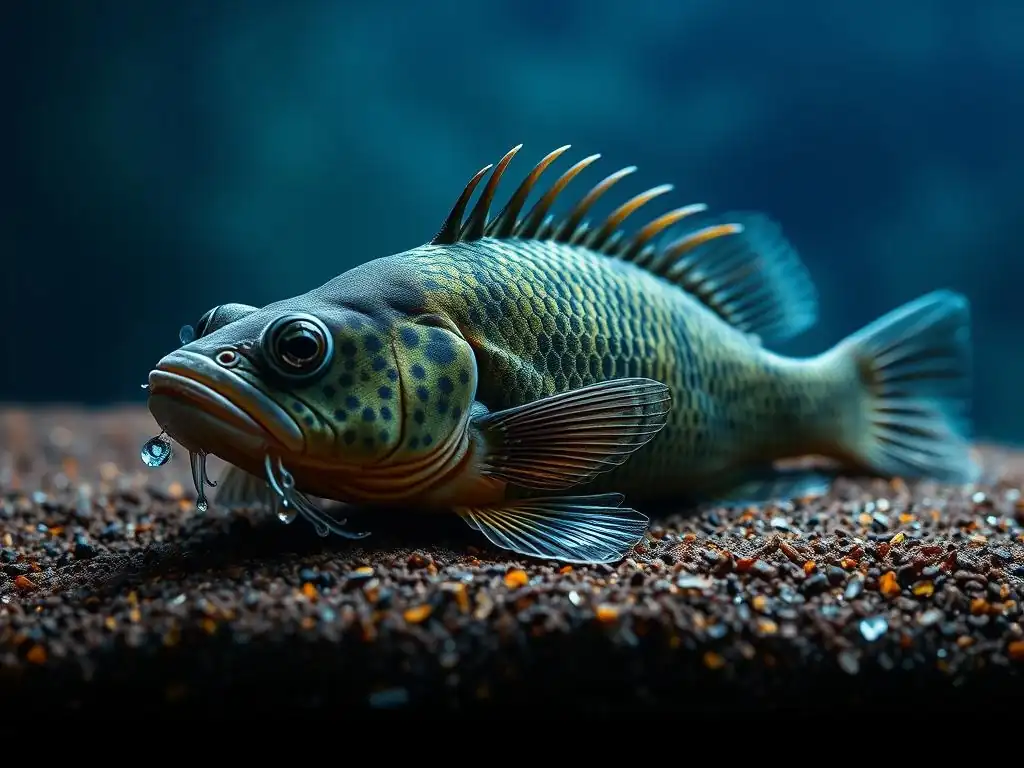
The foundation of effective Pleco waste management tips begins with selecting an appropriately sized aquarium. While a juvenile Pleco might seem small, it's crucial to research its adult size. For instance, a Bristlenose Pleco (adult size 4-6 inches) typically requires a minimum of a 20-30 gallon tank, whereas a common Pleco ( Hypostomus plecostomus) that can reach up to 24 inches will eventually need a tank of 100 gallons or more, with 150-200 gallons being ideal for adult specimens to thrive and for their waste to be adequately diluted.
A larger tank volume provides a greater buffer against rapid water quality degradation caused by "Pleco poop." More water means that waste products like ammonia, nitrites, and nitrates are diluted over a larger volume, slowing their concentration and giving the filtration system more time to process them. This proactive approach to tank sizing significantly reduces the burden on filtration and maintenance efforts, making it easier to maintain stable and healthy water parameters for your large algae-eating catfish.
Overcrowding and Increased Waste: Avoiding Common Mistakes
Overcrowding is one of the most common pitfalls in aquarium keeping and directly exacerbates "Pleco poop" management challenges. Placing a Pleco, especially a fast-growing species, into a tank that is too small or housing too many fish in a single system will inevitably lead to an overwhelming bioload. The collective waste production from an overcrowded tank rapidly depletes oxygen, stresses fish, and quickly elevates toxic compounds, making it nearly impossible for the filtration system to keep up.
A single large Pleco can produce a bioload equivalent to that of several dozen small community fish. Therefore, understanding the adult size and waste output of your specific Pleco species is paramount when planning tank mates and overall stocking density. Adhering to the "inch per gallon" rule (or more accurately, considering the bioload per gallon) and avoiding overstocking is a fundamental Pleco waste management tip that prevents a multitude of water quality problems before they even begin.
2. Optimizing Filtration to Handle Pleco Waste: A Comprehensive Approach
Selecting the Best Filter Type for a Pleco-Heavy Tank: Canister vs. Sump
For tanks housing Plecos, especially larger specimens, robust filtration is non-negotiable for effective Pleco waste management tips. Canister filters are excellent choices for medium to large tanks (50-150 gallons). They offer high flow rates, large media capacities for both mechanical and biological filtration, and are sealed units, reducing evaporation. For example, a high-capacity canister filter rated for 150-200 gallons, even on a 100-gallon tank, provides superior waste processing.
For very large aquariums (150+ gallons) or those with multiple large Plecos, a sump system often proves to be the most effective. Sumps provide significantly more volume for filter media, allowing for extensive mechanical, biological, and even chemical filtration. Their large size means they can handle immense amounts of "Pleco poop" and other detritus, providing unparalleled water quality management and flexibility for advanced filtration techniques.
Filter Media Selection: Mechanical and Biological Filtration
Effective Pleco waste management relies heavily on a balanced approach to filter media. Mechanical filtration, typically consisting of sponges, filter floss, or filter socks, is the first line of defense. These media physically trap large particles of "Pleco poop," uneaten food, and other detritus, preventing them from breaking down and adding to the dissolved organic load. Coarse sponges should be used first, followed by finer media to ensure water clarity and prevent clogging of subsequent stages.
Biological filtration is arguably the most critical component. Media such as ceramic rings, bio-balls, sintered glass, or specialized biomedia provide vast surface areas for beneficial bacteria to colonize. These bacteria are responsible for the nitrogen cycle, converting highly toxic ammonia (from decomposing "Pleco poop") into nitrites, and then into less harmful nitrates. A robust biological filter is essential to prevent deadly ammonia and nitrite spikes, especially in tanks with high bioloads from large Plecos.
Regular Filter Maintenance: Preventing Waste Buildup in Filters
Even the best filtration system will fail without consistent maintenance. For mechanical filter media, such as sponges and filter floss, rinsing them weekly or bi-weekly in old aquarium water (never tap water, as chlorine kills beneficial bacteria) is crucial. This removes trapped "Pleco poop" and detritus, preventing it from decomposing within the filter and re-releasing pollutants into the water column. Neglecting this step can turn your filter into a nitrate factory.
Biological filter media, conversely, should be disturbed as little as possible to preserve the bacterial colonies. Only rinse them gently in old tank water if flow is significantly impeded. Over-cleaning or replacing biological media too frequently can crash your nitrogen cycle, leading to dangerous ammonia and nitrite spikes. Regular maintenance of mechanical media, however, is a fundamental Pleco waste management tip that ensures your filter operates at peak efficiency.
3. Implementing a Consistent Water Change Schedule: Diluting Pleco Waste
Determining the Optimal Water Change Frequency and Volume
Consistent water changes are perhaps the most direct and effective Pleco waste management tip. For tanks with large Plecos, a weekly water change of 25-30% is often necessary to keep nitrates in check and dilute other dissolved organic compounds that filtration alone cannot remove. In heavily stocked tanks or those with exceptionally large Plecos, even 50% bi-weekly or 15-20% twice a week might be required to maintain optimal water quality and keep nitrate levels below the recommended 20 ppm.
Water changes literally remove pollutants from the system, providing a fresh start for your aquarium. This practice directly addresses the accumulation of nitrates, which are the end product of the nitrogen cycle and the primary cause of long-term water quality degradation and algae issues in tanks with high bioloads from "Pleco poop." Regular, appropriately sized water changes are far more effective than infrequent, large ones in maintaining stable parameters.
The Importance of Dechlorination During Water Changes
While regular water changes are vital for managing "Pleco poop," the process itself must be handled carefully. Tap water typically contains chlorine or chloramines, disinfectants that are highly toxic to fish and, critically, to the beneficial bacteria in your biological filter. Adding untreated tap water directly to an aquarium can kill these essential bacteria, leading to a filter crash and dangerous ammonia and nitrite spikes.
Therefore, using a high-quality water conditioner that neutralizes chlorine and chloramines is an absolute necessity with every water change. Some conditioners also detoxify ammonia and nitrite, providing an added layer of safety. Ensuring your water is properly dechlorinated protects your fish and, equally important, safeguards the biological filtration system that is tirelessly working to process the constant output of "Pleco poop."
4. Gravel Vacuuming: Removing Solid Pleco Waste from the Substrate
Effective Gravel Vacuuming Techniques: Minimizing Substrate Disturbance
Gravel vacuuming is a crucial physical Pleco waste management tip for removing solid detritus directly from the aquarium substrate. When performing a water change, gently insert the wide end of the gravel vacuum into the substrate, allowing the suction to lift the gravel slightly. This action pulls "Pleco poop," uneaten food, and other decaying organic matter up into the vacuum tube while allowing the heavier gravel to fall back down. Focus on areas where waste tends to accumulate, such as under decorations or in low-flow zones.
It's important to avoid disturbing the entire substrate bed at once, as this can release a large amount of trapped detritus and potentially toxic gases, clouding the water and stressing fish. Instead, vacuum a portion of the substrate thoroughly each week, rotating areas over a few weeks. Regular vacuuming prevents the decomposition of solid waste into dissolved pollutants, significantly reducing the bioload on your filtration system and improving overall water quality.
Choosing the Right Gravel Vacuum for Your Tank Size
Selecting the appropriate gravel vacuum is key to efficient solid waste removal. For smaller tanks (under 30 gallons), a compact, narrow-tube vacuum is suitable for precise cleaning. For medium to large tanks (30-100 gallons), a wider-diameter vacuum tube (e.g., 2-3 inches) will cover more area efficiently and provide stronger suction for removing larger pieces of "Pleco poop."
For very large aquariums (100+ gallons), consider gravel vacuums with larger tubes or even battery-operated or self-priming models that simplify the process. The goal is to find a vacuum that allows you to effectively remove solid waste without siphoning too much water too quickly. A well-matched gravel vacuum makes the task of removing accumulated "Pleco poop" much less daunting and more effective.
5. Strategic Feeding Practices: Reducing Waste at the Source
Avoiding Overfeeding: Preventing Excess Waste Production
One of the simplest yet most impactful Pleco waste management tips is preventing overfeeding. Any food that is not consumed by your Pleco will eventually decompose, adding to the organic load in the tank. This decaying food contributes directly to ammonia and nitrite spikes, fuels algae growth, and simply adds to the volume of waste that your filtration system must handle, effectively increasing the "Pleco poop" problem by adding another source of decomposition.
Plecos, while being voracious eaters, should only be fed what they can consume within a reasonable timeframe. For algae wafers or pellets, this might mean feeding just before lights out and removing any uneaten portions after an hour or two. For blanched vegetables like zucchini or cucumber, leave them in for no more than 24 hours before removal. Observing your Pleco's eating habits will help you gauge the right amount, minimizing uneaten food and thus reducing overall waste.
Selecting High-Quality Pleco Food: Vegetable Matter and Protein Balance
The quality and type of food you offer your Pleco directly influence the amount and nature of the waste they produce. A Pleco's diet should be primarily vegetable-based, consisting of high-quality algae wafers, spirulina pellets, and blanched fresh vegetables (e.g., zucchini, cucumber, shelled peas). These foods are formulated to be highly digestible for Plecos, meaning more nutrients are absorbed and less undigested material is expelled as "Pleco poop."
While some Pleco species (e.g., certain Hypancistrus species) are more carnivorous and benefit from occasional protein sources like bloodworms or sinking carnivore pellets, the bulk of the diet for most common Plecos should be plant-based. Feeding a balanced, high-quality diet that matches your specific Pleco species' dietary needs not only promotes their health but also significantly reduces the volume of indigestible waste, making overall Pleco waste management more efficient.
6. Introducing Waste-Eating Tank Mates: A Natural Waste Management Solution
Suitable Scavenger Fish for a Pleco Tank: Corydoras and Otocinclus
While no fish truly "eats poop," certain scavenger fish can be valuable allies in managing the byproducts of "Pleco poop" by consuming uneaten food and detritus before it breaks down. Corydoras catfish are excellent bottom-dwellers that constantly sift through the substrate, picking up stray food particles that your Pleco might miss. Their small size and peaceful nature make them suitable companions for many Pleco tanks, assuming adequate space.
Similarly, Otocinclus catfish are small, peaceful algae eaters that can help keep tank surfaces clean of soft algae and biofilm, which might otherwise contribute to the organic load. They are particularly effective on plant leaves and glass. While these fish contribute to the overall bioload, their role in consuming uneaten food and algae indirectly reduces the amount of decaying organic matter that would otherwise add to the "Pleco poop" problem.
Invertebrates for Waste Removal: Snails and Shrimp Considerations
Invertebrates can also play a beneficial role in the ecosystem of a Pleco tank, aiding in overall Pleco waste management. Snails, particularly Nerite snails and Malaysian Trumpet Snails (MTS), are excellent detritivores and algae eaters. Nerite snails are voracious algae consumers, keeping glass and decorations clean, while MTS burrow into the substrate, aerating it and consuming decaying organic matter that might otherwise accumulate in the gravel, preventing the buildup of "Pleco poop" byproducts.
Amano shrimp are another highly effective invertebrate option. They are superb algae eaters and diligent scavengers, constantly sifting through the substrate and decor for biofilm, detritus, and uneaten food. While snails and shrimp do produce their own waste, their primary contribution is to consume decaying organic matter and algae that would otherwise break down into dissolved pollutants, thus complementing other Pleco waste management tips by keeping the tank cleaner overall.
7. Planted Aquariums: Utilizing Plants for Nutrient Uptake and Waste Reduction
Selecting Plants That Thrive in Pleco Tanks and Absorb Nitrates
Live aquarium plants are powerful natural filters and an excellent component of a comprehensive Pleco waste management strategy. They directly absorb nitrates, phosphates, and other dissolved organic compounds from the water, effectively competing with algae for these nutrients. Hardy, fast-growing plants like Anubias, Java Fern, Vallisneria, Cryptocoryne, and Amazon Swords are excellent choices for Pleco tanks, as they can withstand some grazing and thrive in various conditions.
It's important to choose plants that are robust enough to handle the potential for Pleco activity; some larger Plecos might uproot or graze on softer-leaved plants. However, the benefits of plants in absorbing the end products of "Pleco poop" decomposition (nitrates) are undeniable. A heavily planted tank can significantly reduce the rate at which nitrates accumulate, potentially allowing for slightly less frequent or smaller water changes.
Planting Strategies for Optimal Nutrient Absorption
To maximize the nitrate-absorbing capabilities of live plants, consider dense planting, especially with fast-growing stem plants like Water Wisteria or Rotala species. These plants grow quickly and efficiently draw nutrients from the water column. Floating plants such as Water Hyacinth, Duckweed, or Frogbit are also incredibly effective at nutrient absorption due to their direct access to atmospheric carbon dioxide and rapid growth rates, making them powerhouses for Pleco waste management.
Strategic planting involves placing plants where they can best access nutrients and light. A heavily planted substrate, particularly with root-feeding plants, will utilize nutrients from the substrate, while water column feeders will directly absorb dissolved nitrates from the water. Combining different plant types creates a diverse ecosystem that efficiently processes the byproducts of "Pleco poop," contributing significantly to a stable and healthy aquarium environment.
Advanced Pleco Waste Management Techniques
Using Denitrators for Nitrate Reduction
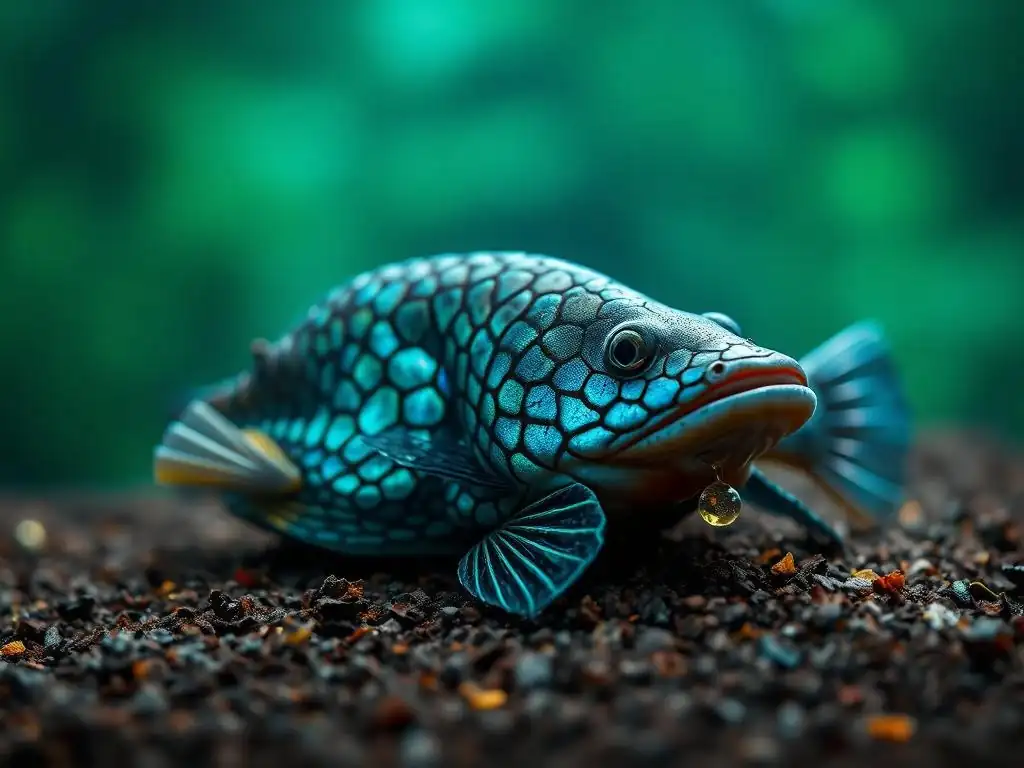
For aquariums with very high bioloads, such as those housing multiple large Plecos, or systems where nitrates consistently remain elevated despite rigorous conventional Pleco waste management tips (water changes, robust filtration), a denitrator can be an advanced solution. Denitrators are specialized filters designed to create an anaerobic (oxygen-free) environment where specific bacteria can convert nitrates into harmless nitrogen gas, which then off-gasses from the water.
These systems typically involve a slow flow rate through a chamber packed with a carbon source or specialized media, fostering the growth of anaerobic denitrifying bacteria. While effective, denitrators require careful monitoring and maintenance to ensure they function correctly and do not produce harmful byproducts like hydrogen sulfide. They are generally considered an advanced tool for experienced aquarists looking to achieve ultra-low nitrate levels in challenging setups.
Monitoring Water Parameters: Ensuring Effective Waste Control
Consistent and accurate monitoring of water parameters is the cornerstone of effective Pleco waste management tips. Regular testing for ammonia, nitrite, and nitrate levels is critical. Ammonia and nitrite should always be at 0 parts per million (ppm). Nitrate levels should ideally be kept below 20 ppm, and certainly below 40 ppm, as higher concentrations indicate an accumulation of pollutants from "Pleco poop" and other decaying organic matter.
Regular testing allows aquarists to detect problems early, before they escalate. For example, a sudden rise in nitrates might indicate that water changes are insufficient, or that filter maintenance is overdue. Similarly, any detectable ammonia or nitrite signals an immediate crisis in the biological filter. pH and temperature should also be monitored for stability, as fluctuations can stress fish and impact the efficiency of biological filtration. Investing in reliable test kits and using them weekly provides invaluable insight into the health of your Pleco's environment.
Troubleshooting Common Pleco Waste Problems
Cloudy Water: Identifying the Cause and Implementing Solutions
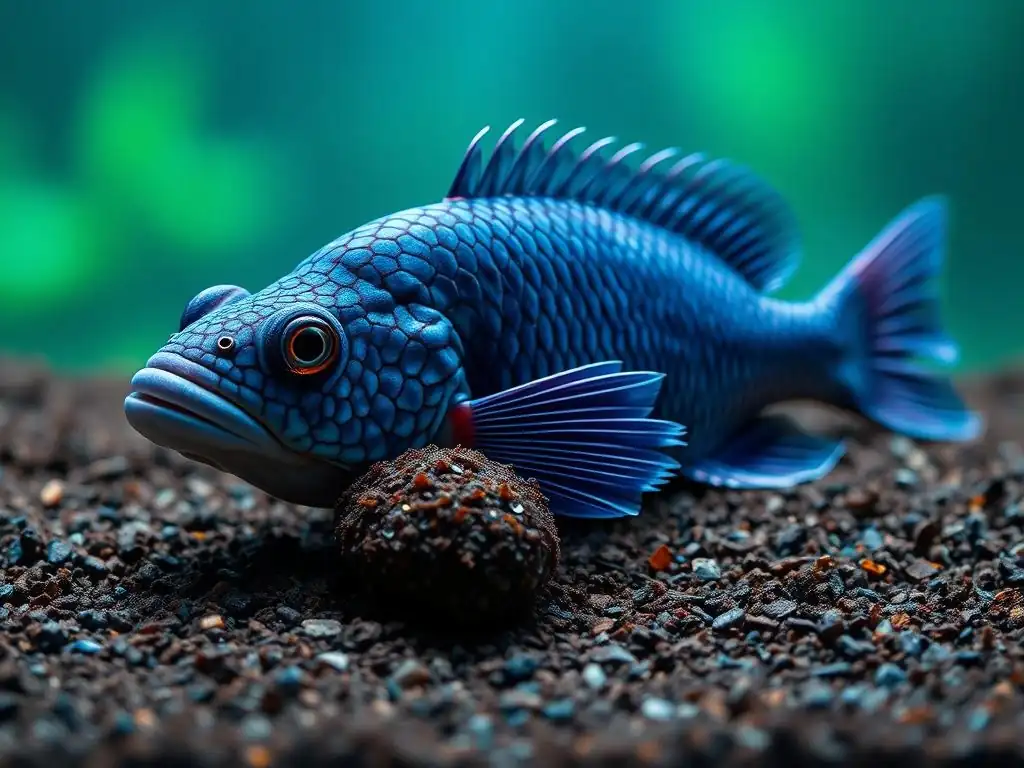
Cloudy water is a common issue in aquariums with high bioloads, often exacerbated by "Pleco poop." The cloudiness can stem from several sources: a bacterial bloom (often appearing white or grey, common in new tanks or after a filter crash), fine particulate matter suspended in the water, or an algae bloom (appearing green). Understanding the cause is the first step in effective Pleco waste management tips for clarity.
For bacterial blooms, frequent small water changes (25% daily for a few days), ensuring proper filter maintenance, and reducing feeding are key. For particulate matter, enhancing mechanical filtration (e.g., adding fine filter floss) and increasing the frequency of gravel vacuuming to remove more solid "Pleco poop" will help. Green cloudy water indicates an algae bloom, which requires addressing excess nutrients (nitrates/phosphates) through increased water changes, reduced feeding, and optimized lighting.
Algae Blooms: Addressing Nutrient Imbalances Caused by Waste
Algae blooms are a pervasive problem directly linked to excess nutrients in the water, primarily nitrates and phosphates, which are direct byproducts of decomposing "Pleco poop" and uneaten food. When these nutrients accumulate, and combined with adequate light, algae can rapidly proliferate, turning water green or coating surfaces with unsightly growth.
Addressing algae blooms requires a multi-pronged approach to Pleco waste management. First, increase the frequency and volume of water changes to dilute existing nitrates (aim for below 20 ppm). Second, ensure your mechanical filtration is effectively removing particulate waste before it decomposes. Third, reduce feeding to prevent excess nutrients from entering the system. Fourth, optimize lighting by reducing duration (8-10 hours maximum) and intensity. Finally, consider adding fast-growing live plants to outcompete algae for available nutrients, providing a natural solution.
Elevated Ammonia and Nitrite Levels: Diagnosing and Correcting the Problem
Elevated ammonia and nitrite levels are critical emergencies in any aquarium, as these compounds are highly toxic to fish and can quickly lead to illness and death. In tanks with Plecos, high bioloads make them particularly susceptible if the biological filter is compromised. Common causes include new tank syndrome (insufficient beneficial bacteria), a filter crash (e.g., from power outages, over-cleaning with tap water, or strong medications), or severe overstocking/overfeeding overwhelming the filter.
Immediate action is required for effective Pleco waste management tips in this scenario. Perform a large water change (50% or more) immediately. Add a beneficial bacteria supplement to help re-establish the biological filter. Cease feeding or feed very sparingly until levels return to zero. Ensure adequate aeration, as oxygen is vital for beneficial bacteria. Continuously monitor ammonia and nitrite levels daily, performing additional water changes as needed, until they consistently read 0 ppm, indicating the biological filter has recovered.
Conclusion: Maintaining a Clean and Healthy Aquarium with Plecos.
Frequently Asked Questions
What makes Pleco waste management so important?
Plecos are voracious eaters and, consequently, produce a lot of waste. This increased bioload can quickly degrade water quality if not properly managed, leading to unhealthy conditions for your fish.
How often should I perform water changes to manage Pleco waste?
Regular water changes are crucial. Aim for weekly water changes of 25-50%, depending on the size of your Pleco and the overall bioload of your aquarium. This helps remove accumulated nitrates and other pollutants.
What type of filtration system is best for a Pleco tank?
A robust filtration system is essential. Consider using a combination of mechanical, chemical, and biological filtration. Canister filters or sumps are often preferred for larger tanks housing Plecos.
Can I use live plants to help with Pleco waste management?
Yes, live plants can contribute to waste management by absorbing nitrates produced by the biological filter. Choose plants that are Pleco-resistant, as some species may nibble on them.
Are there any specific substrate types that are better for managing Pleco waste?
Bare-bottom tanks are sometimes used to facilitate easier cleaning. However, if you prefer substrate, opt for smooth gravel or sand. This makes it easier to siphon out detritus and uneaten food during water changes, preventing buildup of harmful waste.
The challenges of maintaining a healthy aquarium environment, as highlighted throughout this article, are undeniably relevant today, especially as the popularity of keeping Plecos as algae eaters continues to grow exponentially. The sheer volume of waste produced by these fascinating creatures necessitates a proactive and informed approach to aquarium management, moving beyond simple aesthetics to prioritize the well-being of the entire aquatic ecosystem.
The impact of responsible Pleco ownership extends far beyond the confines of our glass tanks. Understanding and implementing effective waste management techniques is not just about keeping our aquariums clean; it's about contributing to a more sustainable and ethical approach to fishkeeping. As Jacques Cousteau wisely stated, The sea, once it casts its spell, holds one in its net of wonder forever.
This wonder demands our respect and responsible stewardship, beginning with the smallest ecosystems we create in our homes.
Now, as you consider the information presented, I urge you to reflect on your own practices. Are you truly equipped to handle the bioload of your Pleco? Are you actively implementing the waste management tips discussed? Let this article serve as a catalyst for positive change, inspiring you to become a more conscientious and informed aquarist, ensuring a thriving and healthy environment for your Pleco and all its tankmates.
Dive Deeper: Transform Your Tank from Mess to Magnificent!
Thanks for exploring the world of pleco poop management with us! We hope you've gained valuable insights into keeping your aquarium clean and your pleco healthy. Ready to take action?
Here are a few things you can do right now:
- Prioritize consistent gravel vacuuming to remove accumulated waste and maintain optimal water quality. This is the single most effective step you can take!
- Explore alternative feeding strategies; try blanched vegetables or algae wafers, while closely monitoring your pleco's consumption to minimize excess waste.
- Share your own pleco poop management tips and experiences in the comments below – what innovative techniques have you discovered?
What specific challenges are you facing with pleco waste management in your aquarium, and what steps will you implement first?