
PlecoProofing Your Planted Aquarium: Tips to Protect Your Greens

Welcome to Aquarium Mastery!
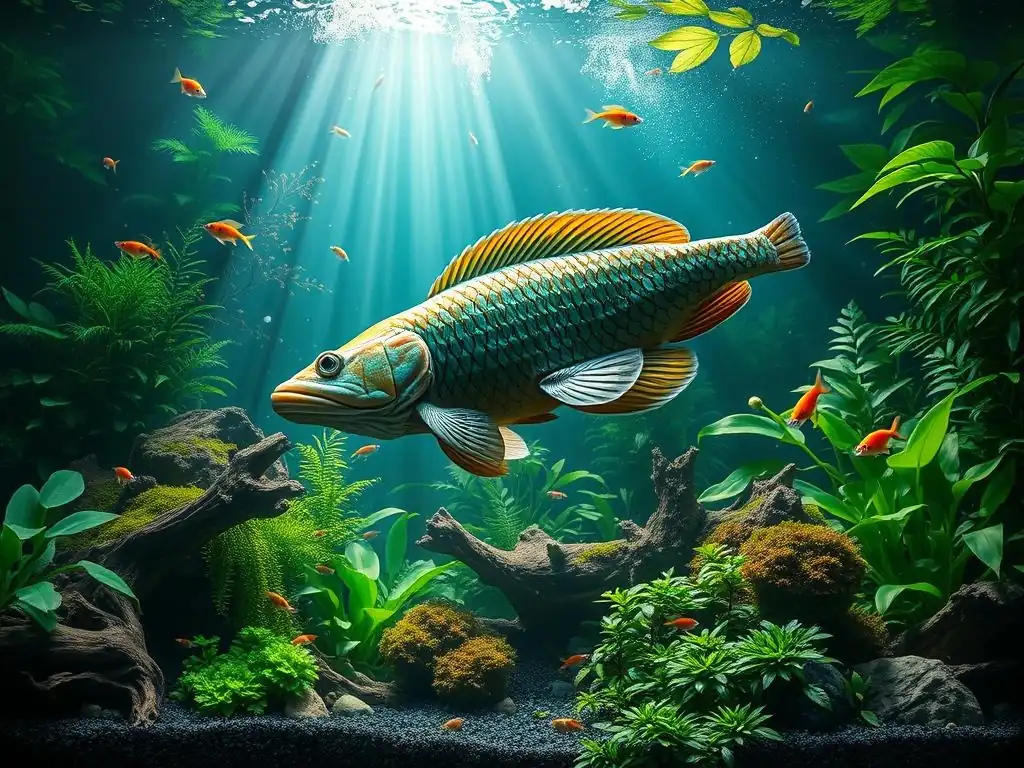
Are you dreaming of a lush, vibrant planted aquarium, but worried about your pleco turning it into a salad bar? You're not alone! This guide dives deep into Plecosafe planted aquarium tips, offering practical solutions to protect your precious greens and keep your pleco happy and healthy. Intrigued? Let's get started and create the perfect, balanced underwater paradise!
- Understanding Pleco Behavior in Planted Aquariums
- Creating a Pleco-Resistant Planted Aquarium: Essential Strategies
- Tank Design for Peaceful Coexistence: Plants and Plecos
- Advanced Pleco-Proofing Techniques
- Troubleshooting Plant Damage in Pleco Tanks
- Maintaining a Beautiful and Balanced Pleco-Resistant Planted Aquarium
-
Frequently Asked Questions
- What is a Pleco and why are they a threat to planted aquariums?
- What types of plants are more likely to be eaten by Plecos?
- How can I physically protect my plants from Plecos in my aquarium?
- Are there certain types of plants that Plecos are less likely to eat?
- What can I feed my Pleco to reduce their interest in my aquarium plants?
- Final Reflection: Cultivating Harmony in the Aquatic Ecosystem
- Transform Your Tank: Become a Pleco-Proofing Pro!
Understanding Pleco Behavior in Planted Aquariums
Why Plecos Graze on Plants: Nutritional Needs and Biofilm
Plecos, or plecostomus catfish, are primarily known as algae eaters, but their natural diet in the wild is far more diverse, encompassing biofilm, detritus, and decaying wood. In an aquarium setting, if their primary food sources like algae and biofilm are insufficient, or if their supplemental diet is lacking, they may resort to grazing on live plants out of hunger or curiosity. This behavior is often a sign that their specific nutritional needs are not being fully met within the tank environment.
The rasping action of a pleco's suckermouth, while highly efficient for scraping algae and biofilm from hard surfaces, can inadvertently damage or consume softer plant leaves. Even if a pleco isn't intentionally eating a plant for nutrition, its sheer size and constant movement can lead to uprooting or breaking delicate stems. Understanding this underlying motivation is the first step in implementing effective plecosafe planted aquarium tips.
Pleco Species and Plant Consumption: A Species-Specific Guide
Plant consumption varies significantly among the hundreds of pleco species available in the hobby. For instance, the common pleco ( Hypostomus plecostomus) is notorious for causing extensive plant damage, especially as it grows to its adult size of 18-24 inches. Their large size, strong rasping ability, and broad dietary needs often lead them to consume or uproot a wide variety of plants.
In contrast, smaller, more specialized pleco species exhibit much less destructive behavior towards aquatic plants. Many Hypancistrus species, such as the Zebra Pleco ( Hypancistrus zebra), are primarily carnivorous or omnivorous, preferring protein-rich foods and rarely touching live plants. Other species like the Bristlenose Pleco ( Ancistrus spp.) are generally considered safer for planted tanks, though they might occasionally nibble on very soft or decaying leaves if other food sources are scarce.
Identifying Plant-Safe Plecos: A Guide for Aquarists
For aquarists seeking a pleco-safe planted aquarium, selecting the right species is paramount. Bristlenose plecos ( Ancistrus sp.) are consistently recommended due to their smaller adult size, typically 3 to 5 inches, and their primary preference for algae and biofilm over healthy plant matter. While they are efficient algae eaters, their mouth structure is less damaging to robust plant leaves compared to larger pleco varieties.
Another excellent choice for a planted tank is the Otocinclus catfish ( Otocinclus affinis and related species). These tiny (1-2 inches) algae eaters are completely plant-safe and are highly effective at cleaning diatoms and green spot algae from leaves without causing any damage. Other relatively plant-friendly options include Rubber Lip Plecos ( Chaetostoma milesi), which primarily graze on algae and generally ignore healthy plants, and various Loricaria species (Whiptail Catfish), which are more specialized feeders and pose little threat to your green aquascape.
Creating a Pleco-Resistant Planted Aquarium: Essential Strategies
Choosing the Right Plants: Pleco-Resistant Options
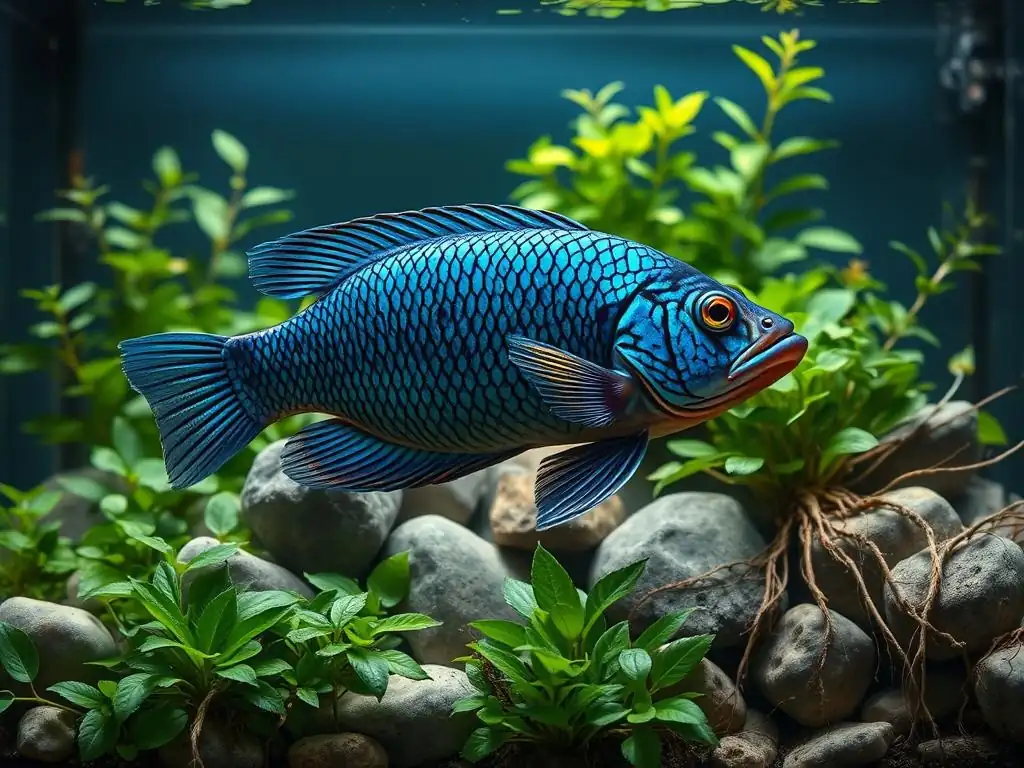
Plant selection is a cornerstone of any plecosafe planted aquarium strategy. Plecos tend to prefer softer, broad-leafed plants, making these varieties particularly vulnerable to grazing and uprooting. By strategically choosing plants with tougher leaves, robust root structures, or those that attach firmly to decor, you can significantly reduce the likelihood of damage and create a more resilient aquascape.
The key is to opt for plants that are either unpalatable due to their texture or too firmly rooted to be easily dislodged. Plants with thick, leathery leaves are generally less appealing to plecos, and species that are slow-growing but extremely hardy often fare better. This proactive approach to plant selection is one of the most effective plecosafe planted aquarium tips.
Selecting Anubias, Java Fern, and Vallisneria for a Pleco Tank
Anubias species, such as Anubias barteri and Anubias nana, are prime examples of pleco-resistant plants. Their thick, leathery leaves are unappealing to most plecos, and their ability to attach to driftwood or rocks means they are not easily uprooted or damaged by foraging activity. Although slow-growing, their hardiness makes them an excellent long-term addition to any pleco-inclusive planted tank.
Java Fern ( Microsorum pteropus) and Vallisneria species ( Vallisneria spiralis, Vallisneria gigantea) are also highly recommended. Java Fern, like Anubias, boasts tough leaves and can be securely attached to hardscape, preventing it from being dislodged. Vallisneria species, with their long, ribbon-like leaves, are less prone to rasping damage, establish strong root systems quickly, and reproduce rapidly, making them resilient to minor disturbances.
Plants to Avoid: Cabomba, Rotala, and Ludwigia
Conversely, certain plants are highly susceptible to damage from plecos and should generally be avoided in a pleco-safe planted aquarium. Cabomba caroliniana, with its delicate, feathery leaves, is an easy target for rasping and consumption, often being quickly decimated. Similarly, most Rotala species ( Rotala rotundifolia, Rotala indica) and Ludwigia species ( Ludwigia repens, Ludwigia palustris) possess softer stems and leaves that are readily grazed upon, leading to rapid deterioration.
The fragility of these plants makes them problematic even if the pleco isn't actively trying to eat them. Their soft tissue means they can be easily uprooted or broken by a pleco's movements as it forages for algae or explores the tank. Even accidental contact can cause significant harm, making their inclusion risky for a harmonious pleco-planted setup.
Fortifying Your Plants: Physical Barriers and Protection
While choosing the right plants is crucial, sometimes you may wish to incorporate more delicate species or provide extra protection for new growth. Physical barriers can be an effective way to shield vulnerable plants from pleco activity. This strategy aims to create a buffer zone, making it difficult for the pleco to directly access the plant's leaves or roots.
The objective is not to completely cage off plants, but rather to strategically place elements that deter direct contact. This proactive approach can significantly enhance the success of your plecosafe planted aquarium, especially during the crucial initial establishment phase of plants.
Using Rocks and Wood to Shield Delicate Plants
Strategically placed rocks, such as Seiryu Stone or Dragon Stone, and pieces of driftwood can act as natural shields for delicate plants. Position these hardscape elements in front of or around smaller, more vulnerable plants, creating a physical barrier that the pleco must navigate around. This also provides additional surface area for biofilm and algae growth, potentially diverting the pleco's attention away from your prized plants.
Beyond protection, this method enhances the overall aquascape, providing visual interest and valuable hiding spots for the pleco itself. Ensure that any rocks or wood are stable and securely placed to prevent them from shifting, which could accidentally crush plants or trap fish.
Plant Guards and Mesh Solutions: Protecting New Growth
For newly planted, particularly delicate species, or valuable specimens, specialized plant guards or DIY mesh solutions can offer crucial protection. Small plastic mesh cylinders, often available from aquarium stores, or even sections cut from plastic bottles can be placed around the base of the plant to deter digging and initial grazing. These act as a temporary, physical deterrent.
These solutions are typically used short-term, until the plant establishes a strong root system and grows large enough to be less vulnerable to casual damage. While they may not be aesthetically ideal for long-term display, they provide vital protection during the critical establishment phase, proving to be a practical plecosafe planted aquarium tip for sensitive flora.
Optimizing Pleco Nutrition: Minimizing Plant Grazing
A fundamental principle for a pleco-safe planted aquarium is ensuring your pleco is well-fed. Plant damage often stems from insufficient or inappropriate feeding, leading the pleco to seek alternative food sources. Providing a consistent, varied, and species-appropriate diet is paramount to minimizing plant grazing and maintaining a healthy aquatic environment.
A pleco's diet should ideally mimic its natural foraging behavior and nutritional requirements. This means not solely relying on the algae naturally present in the tank, which may be insufficient, but actively supplementing their diet with foods that satisfy their specific dietary needs. This is arguably one of the most impactful plecosafe planted aquarium tips you can implement.
Providing a Balanced Diet: Algae Wafers and Blanched Vegetables
High-quality algae wafers or sinking pellets should form the staple of a pleco's diet. Look for wafers with a high percentage of spirulina, kelp, or other plant-based ingredients; some premium brands contain 30-40% algae content. These should be supplemented with fresh, blanched vegetables like zucchini, cucumber, or romaine lettuce, which provide essential roughage and vitamins.
To prepare vegetables, blanch them for 30-60 seconds to soften them, then allow them to cool completely before sinking them in the tank using a veggie clip or a fork. Offer these vegetables 2-3 times a week, ensuring any uneaten portions are removed after 12-24 hours to prevent water fouling and maintain water quality.
Supplemental Feeding Strategies: Zucchini and Repashy Soilent Green
Zucchini is a particularly popular and effective supplemental food for plecos due to its firm texture and nutritional value. It can be offered in slices and provides excellent roughage for digestion. Other suitable blanched vegetables include shelled peas, spinach leaves, or green beans, all of which offer varied nutrients.
For a comprehensive and highly palatable diet, consider using Repashy Soilent Green or similar gel foods. These products are nutrient-dense and can be molded into various shapes, providing a complete diet that ensures your pleco receives all necessary vitamins and minerals. This reduces their inclination to forage on live plants out of nutritional deficiency, making it an excellent plecosafe planted aquarium tip.
Tank Design for Peaceful Coexistence: Plants and Plecos
Creating a Diverse Habitat: Hiding Spots, Driftwood, and Rock Caves
A thoughtfully designed tank offers more than just aesthetics; it provides essential enrichment and reduces stress for plecos, potentially diverting their attention from live plants. Plecos are often nocturnal and appreciate secure, dark places to retreat during daylight hours. Providing ample hiding spots caters to their natural instincts and promotes overall well-being.
Driftwood and rock caves serve multiple purposes in a pleco-friendly aquascape. Driftwood, such as Malaysian or Manzanita wood, provides crucial cellulose for the digestion of many pleco species and offers abundant surface area for the growth of biofilm and algae, which are primary food sources. Rock caves (e.g., slate caves, ceramic pleco caves) offer secure, dark retreats where plecos can feel safe, rest, and even breed, contributing significantly to their contentment and reducing unwanted interactions with plants.
Substrate Considerations: Promoting Root Growth with Planted Tank Substrates
The choice of substrate is vital for both plant health and minimizing pleco-related plant damage. A nutrient-rich substrate is essential for strong plant root development, enabling them to anchor firmly and recover quickly from any minor disturbances caused by bottom-dwelling plecos. A robust root system is a plant's best defense against being uprooted.
Substrates like Fluval Stratum, ADA Aquasoil, or even a base layer of nutrient-rich soil capped with inert gravel are excellent choices. These specialized substrates provide the necessary nutrients for vigorous plant growth, which is key to their resilience. While plecos may sift through the substrate, a well-established root system in a good substrate will significantly minimize uprooting incidents.
Water Parameters: Maintaining Stable Conditions for Plants and Plecos
Maintaining stable and appropriate water parameters is paramount for the health and vitality of both your aquatic plants and your plecos. Stressed plants are more vulnerable to disease, melting, and damage, while stressed plecos might exhibit unusual behaviors, including increased plant grazing due to discomfort or lack of suitable conditions.
For most common plecos and a wide range of aquatic plants, ideal parameters generally include a pH between 6.5 and 7.5, soft to medium hard water (3-10 dGH), and a consistent temperature range of 72-80°F (22-27°C). Regular water testing (weekly or bi-weekly) for ammonia, nitrite, nitrate, and pH is crucial to ensure a healthy, stable, and plecosafe planted aquarium environment, promoting the well-being of all inhabitants.
Advanced Pleco-Proofing Techniques
Introducing Plecos Gradually: Acclimation and Observation
The introduction of any new fish, especially a pleco into a planted tank, should be a slow and careful process. Drip acclimation for at least 30-60 minutes is highly recommended to minimize stress on the pleco as it adjusts to the new water parameters. After introducing the pleco, observe its behavior closely for the first few days and weeks.
This initial observation period is critical for a plecosafe planted aquarium. Look for any signs of plant damage, such as distinct rasp marks on leaves, holes, or uprooted stems. Early detection allows for prompt adjustments to feeding routines, tank layout, or even the addition of distraction elements, preventing extensive and irreversible damage to your aquascape.
Distraction Techniques: Offering Slate and Terracotta Pots
Plecos naturally love to rasp on hard surfaces to consume biofilm and algae. Providing alternative, non-plant surfaces can be an effective distraction technique, diverting their attention away from your live plants. This method leverages their natural foraging behavior by offering more appealing targets.
Consider placing smooth slate pieces, river stones, or small, unglazed terracotta pots in the tank. These surfaces will quickly develop a layer of biofilm and algae, offering an attractive and safe alternative for the pleco's grazing activities. This simple addition can significantly reduce the pressure on your live plants, promoting a more harmonious pleco-safe planted aquarium.
Algae Eating Tank Mates: Introducing Nerite Snails and Otocinclus Catfish
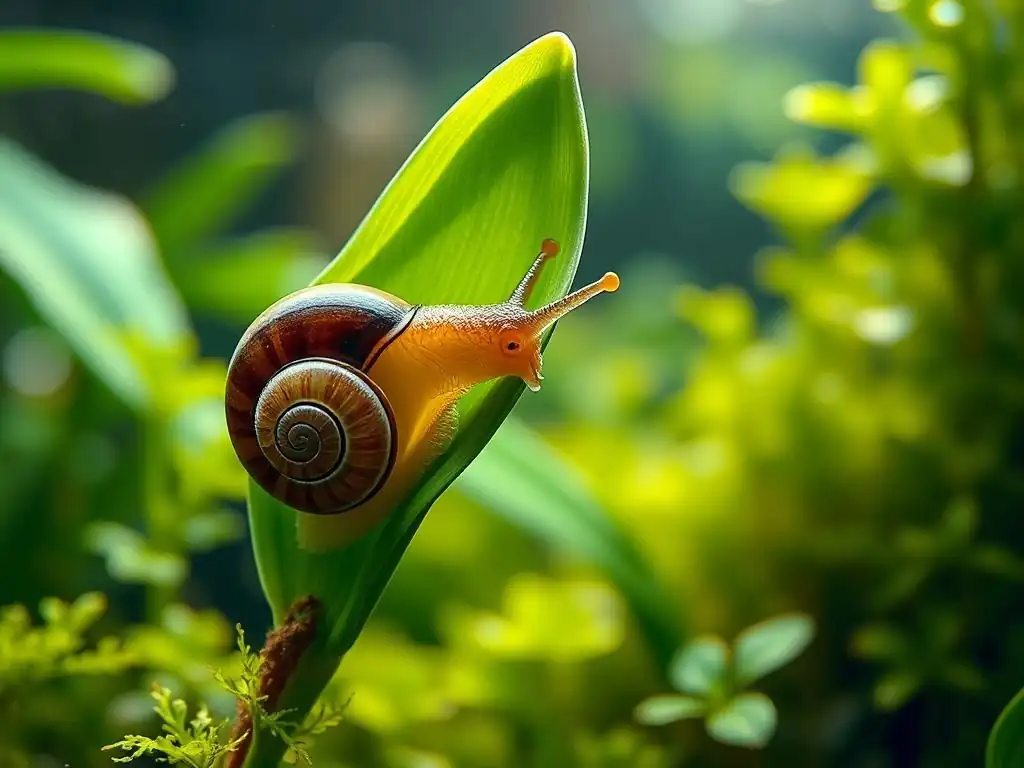
Sharing the algae-eating duties within the tank can further reduce the burden on your pleco and, consequently, on your plants. Nerite snails ( Neritina natalensis, Vittina coromandeliana) are excellent algae eaters that do not consume live plants. They are highly effective at cleaning glass, decor, and plant leaves, and come in various attractive shell patterns.
Another fantastic and completely plant-safe algae eater is the Otocinclus catfish ( Otocinclus vittatus, Otocinclus macrospilus). These small, schooling fish are very efficient at cleaning diatoms and soft green algae. By introducing a group of 5-6 Otocinclus, you can help keep overall algae levels lower, which in turn reduces the need for the pleco to intensively seek out other food sources, including your precious live plants.
Troubleshooting Plant Damage in Pleco Tanks
Identifying the Cause of Plant Damage: Is it Really the Pleco or Nutrient Deficiency?
When plant damage appears in a pleco tank, it's crucial not to immediately attribute it solely to the pleco. Many common plant issues, such as yellowing, melting, holes, or stunted growth, can be symptoms of nutrient deficiencies (e.g., lack of iron, potassium, or nitrogen) or improper lighting. Misdiagnosing the problem can lead to ineffective solutions.
To accurately identify the cause, observe the specific patterns of damage. Pleco damage typically manifests as distinct rasp marks, irregular holes, or uprooted plants, often concentrated on softer or broader leaves. Nutrient deficiencies, conversely, usually present as widespread discoloration, translucent leaves, or stunted growth that follows specific patterns depending on the deficient nutrient. Careful observation is key to applying effective plecosafe planted aquarium tips.
Addressing Nutrient Deficiencies: Dosing Fertilizers and Monitoring Water Parameters
If nutrient deficiency is suspected as the cause of plant damage, the appropriate action involves a targeted approach to fertilization. This means regular dosing of a comprehensive liquid fertilizer, which might be an all-in-one solution or specific supplements for macro and micronutrients, tailored to the plant load and overall biomass in your tank.
Regular water testing is paramount to confirm and address deficiencies. Test for nitrates, phosphates, and potassium to identify potential limiting factors for plant growth. Additionally, adjusting light intensity and duration, ensuring adequate CO2 levels (if using CO2 injection), and performing consistent water changes can help balance the tank's nutrient profile, leading to healthier plants that are less susceptible to damage.
Dealing with Algae Blooms: Balancing Light, Nutrients, and CO2
Algae blooms are often a symptom of an imbalance within the aquarium ecosystem and can indirectly lead to plecos focusing more intensely on grazing your plants. Common causes of algae proliferation include excessive light intensity or duration, high levels of nitrates and phosphates, or insufficient CO2 for robust plant growth.
To mitigate algae blooms, implement strategies such as reducing the light duration (e.g., to 6-8 hours daily) or decreasing its intensity. Perform larger, more frequent water changes to reduce excess nutrients in the water column. If you are using CO2 injection, ensure that levels are stable and adequate for your plant mass, as healthy, fast-growing plants will outcompete algae for nutrients. A balanced environment with minimal algae will lessen the pleco's motivation to intensely graze, thereby protecting your plants.
Maintaining a Beautiful and Balanced Pleco-Resistant Planted Aquarium
Regular Monitoring and Maintenance: Key to Long-Term Success
Achieving a successful pleco-safe planted aquarium is not a one-time setup but an ongoing process that requires consistent attention. This includes daily observation of your fish and plants for any signs of stress, disease, or damage. Early detection allows for timely intervention, preventing minor issues from escalating into significant problems.
Routine maintenance is equally crucial. This involves performing weekly water changes (typically 25-30% of the tank volume), regular gravel vacuuming (especially around feeding spots to remove detritus), periodic filter cleaning, and checking all equipment for proper function. Consistent maintenance ensures stable water parameters and a clean environment, fostering optimal health for both your plants and your plecos.
Pruning and Propagation: Keeping Plants Healthy and Vibrant
Regular pruning is an essential practice for maintaining the health, shape, and density of your aquatic plants, particularly in a tank with active bottom dwellers like plecos. Promptly remove any decaying or damaged leaves, as these are often the first targets for plecos seeking softer organic matter. Pruning also encourages bushier growth and prevents plants from shading out others.
Propagation benefits both the plants and your aquascape. Trimming and replanting the tops of stem plants helps to create a denser, more lush appearance. For rhizome plants like Anubias and Java Fern, dividing and reattaching portions helps to fill out the aquascape and ensures healthy, active growth. Healthy, actively growing plants are more resilient and less appealing as a primary food source for plecos.
Enjoying a Thriving Ecosystem: The Rewards of Pleco-Resistant Aquascaping
By diligently implementing these plecosafe planted aquarium tips, you can achieve a truly harmonious and thriving ecosystem. A well-executed strategy results in an environment where your pleco can exhibit its natural behaviors, efficiently consuming algae and biofilm, while your aquatic plants grow lush and vibrant, creating a stunning visual display. This balance is a testament to thoughtful aquarium husbandry.
The reward for your efforts is the satisfaction of maintaining a beautiful, self-sustaining environment where both fascinating plecos and lush aquatic plants can coexist peacefully. This intricate balance not only provides an aesthetically pleasing view but also offers a dynamic and engaging piece of nature within your home, showcasing the potential for a truly pleco-friendly planted aquarium.
Frequently Asked Questions
What is a Pleco and why are they a threat to planted aquariums?
Plecos, or Plecostomus, are a type of algae-eating catfish that can become quite large. They can damage planted aquariums by uprooting plants and consuming them in search of algae or other food sources.
What types of plants are more likely to be eaten by Plecos?
Plecos tend to prefer softer-leaved plants like Anacharis or Amazon Swords. They may also target plants with algae growth on their leaves, regardless of the plant species.
How can I physically protect my plants from Plecos in my aquarium?
You can use plant weights or rocks to anchor plants securely. Consider using plant protectors like plastic mesh or individual cages around vulnerable species.
Are there certain types of plants that Plecos are less likely to eat?
Yes, tougher-leaved plants such as Anubias and Java Fern are often less appealing to Plecos. These plants can also be attached to driftwood or rocks, making them harder to uproot.
What can I feed my Pleco to reduce their interest in my aquarium plants?
Ensure your Pleco receives a varied diet of algae wafers, vegetables (like zucchini), and sinking pellets. This will reduce their need to seek out plant matter for sustenance.
Final Reflection: Cultivating Harmony in the Aquatic Ecosystem
The journey of creating a Plecosafe planted aquarium is more than just arranging flora and fauna; it's about understanding the delicate balance within a closed ecosystem and proactively mitigating potential disruptions. Today, as aquascaping gains popularity, the need for responsible practices, particularly when introducing potentially disruptive species like plecos, is paramount. Ignoring this balance can lead to the very destruction of the beauty we seek to create.
This delicate balance has profoundly influenced my own approach to aquariums, highlighting the importance of thoughtful planning and preventative measures. Witnessing the resilience of a well-protected planted tank, thriving despite the presence of plecos, is a testament to the power of informed aquascaping. The best time to plant a tree was 20 years ago. The second best time is now.
This ancient proverb, often attributed to Chinese wisdom, resonates deeply with the concept of pleco-proofing; proactive measures taken early can save countless hours of frustration and ensure the longevity of your aquatic masterpiece.
As you contemplate your own planted aquarium, remember that creating a Plecosafe planted aquarium is not merely a task, but an ongoing commitment to nurturing a thriving ecosystem. Embrace the knowledge shared, adapt the techniques to your unique setup, and observe the wonders of a balanced environment. Let the lessons learned here inspire you to cultivate not only beautiful aquascapes, but also a deeper understanding and respect for the intricate web of life within your glass-encased world.
Transform Your Tank: Become a Pleco-Proofing Pro!
Thank you for diving into the world of planted aquariums and pleco coexistence. We hope you’ve discovered some valuable strategies to safeguard your aquatic plants! Now, it's time to put that knowledge into action and create a thriving, harmonious environment for all your finned friends.
Here are a few next steps you can take:
- Immediately assess your current plant selection and identify any particularly vulnerable species that might need extra protection.
- Share your experiences! Engage with fellow aquarists on forums or social media to exchange tips and tricks for pleco-proofing.
- Experiment with different food sources for your pleco. Offer a variety of veggies and algae wafers to see if a change in diet reduces their interest in your plants.
What's the first pleco-proofing strategy you'll implement in your aquarium, and what plant are you hoping to save?