
The Aquarium Mastery Quarantine Protocol for New Tiger, Cherry, and Denison Barbs

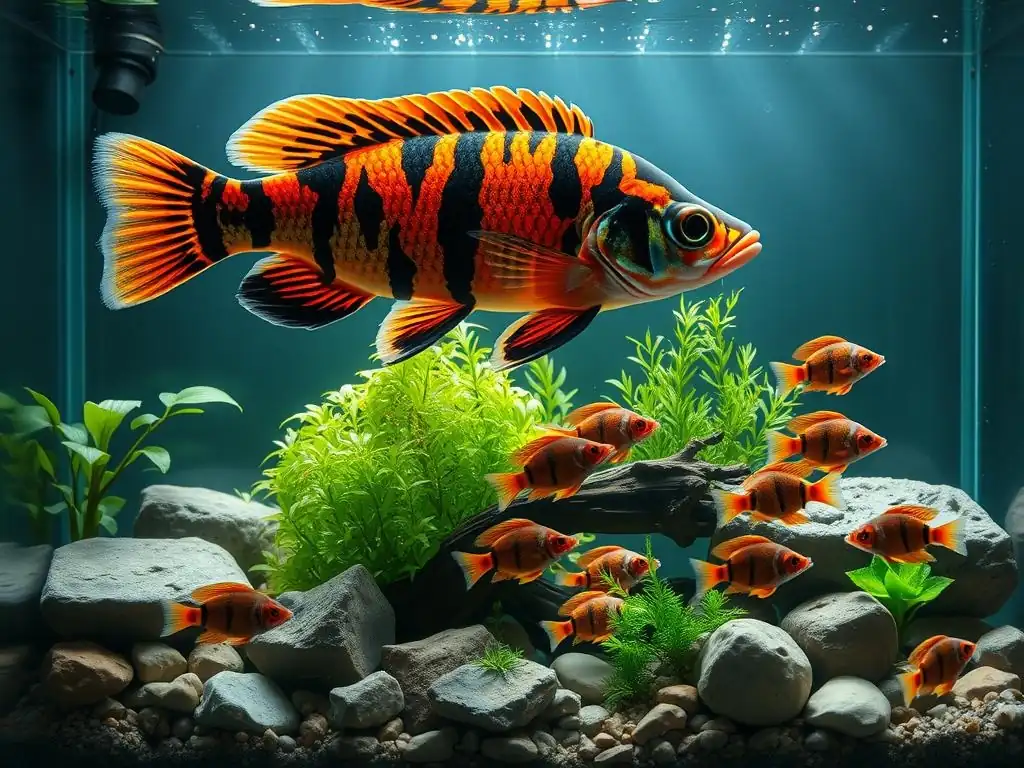
Welcome to Aquarium Mastery, your ultimate resource for a thriving underwater world!
Ever wondered if there's a better, more effective way to ensure your new barbs – those vibrant Tiger, Cherry, or Denison beauties – are truly healthy before introducing them to your established aquarium? Get ready to unlock the secrets to a stress-free introduction with our detailed guide on the New Barb Quarantine Protocol. Dive in to discover our recommended quarantine procedures and protect your existing aquatic ecosystem.
- Introduction to the New Barb Quarantine Protocol: Ensuring a Healthy Aquarium
- Step-by-Step Quarantine Process for New Barbs
- Specific Considerations for Different Barb Species
- Maintaining a Healthy Quarantine Tank for New Barbs
- Troubleshooting Common Quarantine Issues
- Conclusion: The Importance of Quarantine for Successful Barb Keeping
-
Frequently Asked Questions
- What is the primary goal of the Aquarium Mastery quarantine protocol for new barbs?
- How long should I quarantine new tiger, cherry, or Denison barbs according to this protocol?
- What key water parameters should I monitor closely during the quarantine period?
- What are some common signs of illness to watch out for in quarantined barbs?
- Does the Aquarium Mastery protocol recommend any specific medications for preventative treatment during quarantine?
- Final Reflection: Safeguarding Aquatic Life Through Diligence
- Unleash the Vibrant Colors of a Thriving Barb Community!
Introduction to the New Barb Quarantine Protocol: Ensuring a Healthy Aquarium
Why Quarantine New Barbs? Protecting Your Existing Fish Population
Implementing a new barb quarantine protocol is the single most critical step an aquarist can take to safeguard the health of their established aquarium. New fish, even those appearing perfectly healthy, can harbor a variety of pathogens, parasites, or bacterial infections that may not be immediately visible. Introducing these seemingly healthy newcomers directly into your main display tank poses an immense risk, potentially leading to a widespread outbreak that can decimate your entire existing fish population, resulting in significant financial loss and emotional distress.
Beyond preventing the introduction of diseases, quarantine allows new barbs to recover from the inherent stress of transportation and adapting to a new environment. Fish undergo considerable stress during capture, packaging, and transit from the supplier to your home. This stress weakens their immune systems, making them highly susceptible to illnesses they might otherwise resist. A dedicated quarantine period provides a calm, controlled environment where they can recuperate and regain their strength before facing the social dynamics and potential stressors of a community tank.
Understanding the Risks: Diseases Commonly Affecting Tiger, Cherry, and Denison Barbs
One of the most prevalent threats introduced with new fish is Ichthyophthirius multifiliis, commonly known as Ich or White Spot Disease. This highly contagious protozoan parasite manifests as small, white, salt-like spots on the fish's body and fins. Ich can spread rapidly through an entire community tank, affecting every fish within days if not contained. While barbs are generally hardy, they are not immune, and an Ich outbreak can be devastating, requiring extensive treatment of the entire display tank.
Bacterial infections like Fin Rot and Columnaris (often mistaken for a fungal infection due to its cotton-like appearance) are also common risks. These can emerge quickly in stressed fish and spread through the water column. Fin Rot causes the fins to fray and dissolve, while Columnaris can affect the mouth, gills, or body, leading to tissue necrosis.
Less commonly, internal parasites can be introduced, which are harder to diagnose but can lead to emaciation and organ damage. A strict new barb quarantine protocol allows for early detection and targeted treatment of these issues before they can compromise your entire aquatic ecosystem.
Step-by-Step Quarantine Process for New Barbs
Step 1: Setting Up the Quarantine Tank for Barbs
Quarantine Tank Size and Equipment Considerations for Barbs
The size of your quarantine tank will depend on the number and species of barbs you plan to introduce. For a small group of Cherry Barbs or Tiger Barbs, a 10-gallon (approximately 38-liter) aquarium is often sufficient. However, for larger or more active species like Denison Barbs, or for a larger group of any barb species, a 20-gallon (approximately 75-liter) or even larger tank is highly recommended to minimize stress and allow adequate swimming space during the new barb quarantine protocol. The tank should ideally be bare-bottom, as this makes cleaning easier and prevents medication absorption into the substrate.
Essential equipment for a barb quarantine tank includes a reliable submersible heater to maintain stable temperatures, and a mature sponge filter or a small hang-on-back filter with established biological media (borrowed from your main tank's filter) to provide essential biological filtration. An air stone connected to an air pump is crucial for oxygenation, especially if medications are used, which can deplete oxygen. A tight-fitting lid is also necessary to prevent jumpers and reduce evaporation. Avoid elaborate decorations; a simple PVC pipe or a plastic plant can offer a minimal hiding spot if needed.
Essential Water Parameters for Barb Quarantine Tanks
Maintaining pristine and stable water parameters is paramount in a new barb quarantine protocol. For most common barb species, a temperature range of 74-78°F (23-26°C) is ideal. The pH should be consistent, typically between 6.5 and 7.5, mirroring your main tank's parameters as closely as possible to minimize shock during transfer. Most critically, ammonia and nitrite levels must be kept at 0 ppm, and nitrates should be maintained below 20 ppm through diligent water changes.
To achieve these parameters, ensure your quarantine tank's filter is properly cycled or seeded with beneficial bacteria. Use a high-quality liquid test kit to monitor ammonia, nitrite, and nitrate levels daily, especially during the first two weeks of the quarantine period. Any detectable levels of ammonia or nitrite indicate an issue with the biological filtration or overfeeding and must be addressed immediately with a partial water change. Consistent monitoring is a cornerstone of a successful new barb quarantine protocol.
Step 2: Acclimating New Barbs to the Quarantine Tank
Gradual Acclimation Techniques for Sensitive Barb Species
Gradual acclimation is crucial for all new fish, especially for sensitive barb species, to minimize stress and prevent osmotic shock. The drip acclimation method is highly recommended over floating the bag. To perform drip acclimation, place the new barbs, still in their transport water, into a clean bucket or container. Using airline tubing and a control valve, slowly drip water from your quarantine tank into the container, aiming for a drip rate of about 1-2 drops per second.
Continue this process until the volume of water in the container has at least doubled, which typically takes 30-60 minutes. This slow introduction of quarantine tank water allows the barbs to gradually adjust to the new pH, temperature, and hardness levels. Once acclimation is complete, carefully net the barbs from the container and gently release them into the quarantine tank, discarding all the original transport water. This prevents introducing any potential pathogens or undesirable chemicals from the fish store's water into your dedicated new barb quarantine protocol setup.
Monitoring Barb Behavior During Acclimation
Immediately after introducing new barbs to the quarantine tank, observe their behavior closely. It's normal for them to be a bit shy, hide, or appear somewhat subdued for the first few hours as they adjust to their new surroundings. However, be vigilant for signs of severe stress, such as clamped fins, rapid or labored breathing (gasping at the surface or rapid gill movements), erratic swimming patterns, or prolonged hiding.
Minimize disturbances during this initial period. Keep the room quiet and avoid sudden movements around the tank. After a few hours, you can offer a very small amount of high-quality food. Don't be concerned if they don't eat immediately; appetite often returns once they feel more secure. Consistent, calm observation is a vital component of the new barb quarantine protocol, providing early insights into their health and comfort levels.
Step 3: Observing New Barbs for Signs of Disease
Common Barb Diseases and Their Symptoms: Ich, Fin Rot, and More
Daily, meticulous observation is the cornerstone of the new barb quarantine protocol. Watch for Ich, which presents as tiny, white, salt-like spots scattered across the body and fins, often accompanied by the fish rubbing itself against objects. Fin Rot is characterized by frayed, ragged, or disintegrating fins, sometimes with a white or reddish edge. Columnaris, a bacterial infection, appears as fuzzy white patches, often resembling cotton, around the mouth, gills, or on the body.
Beyond these common external issues, be aware of other potential ailments. Dropsy causes a severely bloated body with scales protruding like a pinecone. Internal parasites can lead to emaciation despite a good appetite, often with stringy, white feces. Any unusual lumps, lesions, or discolorations warrant immediate attention. Early identification of these symptoms within the new barb quarantine protocol significantly increases the chances of successful treatment and prevents disease spread.
How to Identify Early Warning Signs of Illness in New Barbs
To identify early warning signs, conduct a thorough visual inspection of each barb at least once a day, preferably during feeding time. Look for subtle changes in swimming patterns; a fish that is listless, struggling to swim, or constantly hiding could be ill. Observe their coloration; dulling or loss of vibrancy often indicates stress or disease. Pay close attention to their fins, ensuring they are held open and intact, not clamped against the body.
Changes in appetite are another key indicator. A healthy barb should be eager to eat. Refusal to eat or spitting out food can signal internal issues. Similarly, observe their breathing: rapid gill movements or gasping at the surface suggests respiratory distress. Keep a small logbook or notes detailing observations, dates, and any specific symptoms. This diligent record-keeping is invaluable for tracking the progression of any illness and informing treatment decisions during the new barb quarantine protocol.
Step 4: Treating Sick Barbs in Quarantine
Quarantine Treatment Options for Common Barb Ailments
Should signs of disease appear during the new barb quarantine protocol, prompt treatment is essential. For Ich, effective treatments often involve raising the temperature slightly (to 82°F/28°C, if the fish species can tolerate it) combined with an Ich-specific medication containing malachite green or formalin. For bacterial infections like Fin Rot or Columnaris, broad-spectrum antibacterial medications (e.g., those containing nitrofurazone or erythromycin) are typically recommended.
For suspected internal parasites, medicated foods containing active ingredients like metronidazole or praziquantel are often the most effective, as they directly deliver the medication to the digestive tract. Always ensure any carbon filtration is removed from the quarantine tank before administering medications, as carbon will absorb the active ingredients and render the treatment ineffective. Tailoring the treatment to the specific ailment is crucial for a successful new barb quarantine protocol.
Medication Dosage and Administration Guidelines for Barbs
Accurate medication dosage is paramount; overdosing can be fatal, while underdosing may be ineffective and contribute to antibiotic resistance. Always calculate the dosage based on the actual water volume of your quarantine tank, not its advertised size, as displacement from equipment can reduce the effective volume. Use a measuring syringe for liquid medications to ensure precision.
Follow the manufacturer's instructions for the specific medication precisely, including the duration of treatment and any recommended water changes between doses. Many treatments require a partial water change before re-dosing to maintain therapeutic concentrations and remove accumulated waste. Never mix different medications unless explicitly stated as safe by the manufacturer. Observe your barbs closely for any adverse reactions during treatment and be prepared to perform an emergency water change if necessary within the new barb quarantine protocol.
Step 5: Determining When Barbs are Safe to Introduce to the Main Tank
Quarantine Period Length Recommendations for Different Barb Species
A minimum quarantine period of 4 weeks (28 days) is generally recommended for all new barbs, even if no disease is observed. This duration allows sufficient time for latent diseases to manifest and for the life cycle of common parasites like Ich to complete, ensuring that any hidden infections become apparent. For instance, the Ich life cycle can range from approximately 3 days at 80°F (27°C) to several weeks at cooler temperatures, making a 4-week period a safe minimum to ensure all stages are past.
If any disease was diagnosed and treated during the quarantine period, the isolation should be extended. Continue the quarantine for at least 1 to 2 weeks after the last dose of medication and the complete disappearance of all symptoms. This extended observation period ensures the fish are fully recovered and that there is no relapse or lingering infection. This patient approach is a critical component of a robust new barb quarantine protocol.
Final Health Check Before Introducing Barbs to the Main Aquarium
Before making the final transfer, conduct a meticulous health check of every barb in the quarantine tank. All fish should appear vibrant, active, and be eating readily. Their fins should be fully extended and free of any tears, rot, or nips. Check for clear eyes, unblemished skin, and no signs of bloating or unusual lesions. Their breathing should be calm and regular, not labored or rapid.
Perform a significant water change (50-75%) on the quarantine tank just before the transfer to minimize the amount of quarantine water introduced into your main display. If the water parameters (temperature, pH) of your main tank differ significantly from the quarantine tank, acclimate the barbs once more using the drip method to ease their transition. This final, thorough inspection and careful transfer complete the comprehensive new barb quarantine protocol, ensuring the successful and safe introduction of your new aquatic residents.
Specific Considerations for Different Barb Species
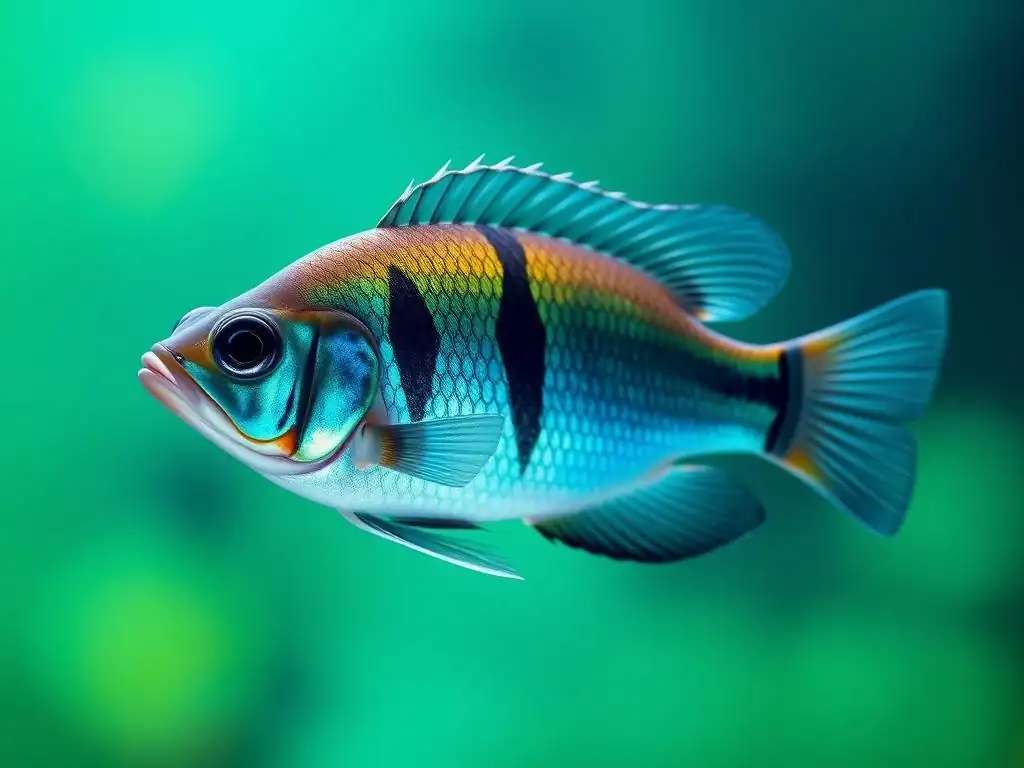
Tiger Barb Quarantine: Addressing Aggression and Fin-Nipping
Tiger Barbs ( Puntigrus tetrazona) are well-known for their semi-aggressive, nippy behavior, especially towards slower, long-finned tank mates. During their new barb quarantine protocol, it's crucial to observe their interactions within their own group. If you're quarantining a small number (e.g., 1-3), aggression can be magnified due to limited space, potentially leading to stress and injury among themselves. Keeping them in a group of at least 6-8 individuals, even in quarantine, helps to "school out" aggression.
Ensure the quarantine tank, while bare-bottom, provides enough length for them to swim freely and establish a pecking order without constant conflict. For a group of 8 Tiger Barbs, a 20-gallon long (approx. 75-liter) tank is often more suitable than a standard 10-gallon. If aggression becomes excessive, adding a simple, clean PVC pipe or a plastic plant can offer a temporary visual break or hiding spot for bullied individuals, though observation remains paramount.
Cherry Barb Quarantine: Maintaining Optimal Water Quality for Sensitive Fish
Cherry Barbs ( Puntius titteya) are generally peaceful and beautiful fish, but they are notably more sensitive to fluctuations in water quality than their Tiger Barb cousins. During their new barb quarantine protocol, strict adherence to pristine water parameters is absolutely critical. Even minor ammonia or nitrite spikes can quickly lead to stress, disease, and potentially fatalities in this species.
Daily testing of ammonia, nitrite, and nitrate levels is highly recommended, especially in the initial weeks. If your biological filter is still maturing in the quarantine tank, consider performing smaller, more frequent water changes (e.g., 20% every 2-3 days) rather than larger, less frequent ones. This approach helps maintain consistent water chemistry and minimizes the stress associated with significant environmental shifts, ensuring a smoother new barb quarantine protocol for these delicate fish.
Denison Barb Quarantine: Providing Adequate Space and Flow
Denison Barbs ( Sahyadria denisonii), also known as Roseline Sharks, are strikingly beautiful, active, and can grow quite large, typically reaching up to 6 inches (15 cm) in length. Due to their size and energetic nature, they require substantially more space even during quarantine than smaller barb species. A 20-gallon long (approx. 75-liter) tank is the minimum recommended size for a small group (3-5 individuals), with larger tanks being preferable.
These barbs are accustomed to strong water flow in their natural habitats. While a powerful filter might be impractical in a bare-bottom quarantine tank, ensuring adequate oxygenation and some water movement through a strong air stone can benefit them. Denison Barbs are also notorious jumpers, particularly when stressed or startled. Therefore, a secure, tight-fitting lid on the quarantine tank is non-negotiable to prevent escapes, a vital consideration in their new barb quarantine protocol.
Maintaining a Healthy Quarantine Tank for New Barbs
Regular Water Changes and Monitoring Water Parameters
Regular partial water changes are the single most effective method for maintaining a healthy and stable environment in your quarantine tank. For a typical 10-gallon (38-liter) quarantine tank housing a small group of barbs, a 25-30% water change every 2-3 days is a good starting point. This frequency helps to dilute nitrates, remove accumulated organic waste, and replenish essential minerals, especially important given the often higher stocking density in quarantine relative to volume.
Beyond water changes, consistent monitoring of water parameters is crucial. Test for ammonia, nitrite, and nitrate daily for the first two weeks, and then every other day for the remainder of the new barb quarantine protocol. Record your readings; this data provides a clear picture of your tank's health and helps you identify trends or potential issues before they become critical. Proactive water management prevents stress and strengthens the barbs' immune systems, allowing them to focus on recovery.
Preventing Cross-Contamination Between Quarantine and Main Tanks
Preventing cross-contamination is paramount to the success of any new barb quarantine protocol. Designate a completely separate set of equipment for your quarantine tank, including a dedicated net, siphon, bucket, and even a separate test kit. Under no circumstances should equipment used in the quarantine tank be used in your main display tank without thorough disinfection.
For disinfection, a solution of 1 part bleach to 9 parts water can be used for non-porous items like nets and siphons. After soaking for 10-15 minutes, rinse thoroughly with fresh water and allow to air dry completely to ensure all bleach residue has dissipated. Always wash your hands thoroughly with soap and water after handling fish or water from the quarantine tank and before touching anything related to your main aquarium. This strict hygiene protocol is a non-negotiable step in safeguarding your entire aquatic investment.
Troubleshooting Common Quarantine Issues
Dealing with Stressed or Anxious Barbs in Quarantine
If your new barbs appear stressed or anxious in the quarantine tank despite good water parameters, there are several steps you can take. Signs of stress include constant hiding, clamped fins, rapid breathing, or unusual darting movements. Consider adding a simple, non-porous hiding spot, such as a clean PVC elbow or a dedicated plastic plant, to provide a sense of security. Dimming the room lights or partially covering the tank with a towel can also reduce visual stimuli and help them feel more secure.
Ensure the quarantine tank is located in a quiet area of your home, away from high foot traffic, loud noises, or sudden movements. Consistent, calm interaction during feeding times can also help them adjust. For some barb species, a very small amount of non-iodized aquarium salt (e.g., 1 teaspoon per 5 gallons, approximately 1 gram per liter) can act as a mild stress reducer and help with slime coat production, but always research species compatibility before adding salt as part of your new barb quarantine protocol.
Addressing Water Quality Problems in the Quarantine Tank
Water quality issues, particularly spikes in ammonia or nitrite, are common challenges in new quarantine setups, especially if the biological filter is not fully established. If you detect any ammonia or nitrite, perform an immediate 50% water change. Ensure you are not overfeeding, as uneaten food quickly decays and contributes to water pollution.
To boost biological filtration, you can add a reputable bacterial supplement designed for instant cycle support. If issues persist, double-check your source water for contaminants like chloramines, which require specific water conditioners to neutralize. A well-maintained sponge filter, regular water changes, and careful feeding are the best defenses against water quality problems. Diligent monitoring and prompt action are key to overcoming these hurdles during the new barb quarantine protocol.
Conclusion: The Importance of Quarantine for Successful Barb Keeping
Protecting Your Aquarium Investment with a Solid Quarantine Plan
Implementing a thorough new barb quarantine protocol is not merely a suggestion; it is a fundamental and indispensable practice for any responsible aquarist. This proactive measure serves as the ultimate safeguard for your existing aquatic inhabitants, creating a critical buffer zone that prevents the devastating introduction and spread of diseases, parasites, and bacterial infections. By isolating new barbs, you mitigate the risk of widespread outbreaks that can lead to significant financial losses, the heartbreaking loss of beloved fish, and the immense effort required to treat an entire compromised aquarium.
The seemingly small effort of setting up and diligently maintaining a separate quarantine tank for a few weeks pales in comparison to the long-term benefits it provides. A robust new barb quarantine protocol is your best insurance policy, ensuring that every new addition is healthy, strong, and acclimated before joining your main display. This commitment to preventative care fosters a vibrant, thriving, and resilient aquatic ecosystem, allowing you to enjoy the beauty and activity of your barbs for years to come.
Frequently Asked Questions
What is the primary goal of the Aquarium Mastery quarantine protocol for new barbs?
The primary goal is to prevent the introduction of diseases and parasites into your established aquarium. This helps to ensure the health and safety of your existing fish population.
How long should I quarantine new tiger, cherry, or Denison barbs according to this protocol?
The recommended quarantine period is typically 4-6 weeks. This allows sufficient time to observe for any signs of illness and administer treatment if necessary.
What key water parameters should I monitor closely during the quarantine period?
You should closely monitor ammonia, nitrite, and nitrate levels in the quarantine tank. Maintaining optimal water quality is crucial for the fish's health during this stressful period.
What are some common signs of illness to watch out for in quarantined barbs?
Look for signs such as lethargy, clamped fins, erratic swimming, or any visible skin lesions or parasites. Early detection is key to successful treatment.
Does the Aquarium Mastery protocol recommend any specific medications for preventative treatment during quarantine?
While not always necessary, the protocol might suggest a prophylactic treatment with a broad-spectrum antiparasitic medication. This is only if the fish are showing signs of illness. Always follow the medication's instructions carefully.
Final Reflection: Safeguarding Aquatic Life Through Diligence
The meticulous quarantine protocols detailed throughout this article, while seemingly intricate, are undeniably crucial in today's aquarium hobby. The increasing interconnectedness of the global fish trade means that disease transmission is an ever-present threat, capable of decimating entire collections if left unchecked. Implementing a robust quarantine process, especially for sensitive species like Tiger, Cherry, and Denison Barbs, is not merely a suggestion, but a responsible act of stewardship towards the delicate ecosystems we recreate within our tanks.
This journey into quarantine best practices has profoundly shaped my understanding of responsible fishkeeping. It's underscored the importance of patience and observation, transforming what was once a routine task into a mindful practice. The health and well-being of these vibrant creatures depend on our commitment to preventative measures. The best cure is prevention,
a sentiment that resonates deeply when considering the potential devastation of a preventable disease outbreak in a closed aquatic environment.
Now, I invite you to reflect on your own approach to introducing new fish. Consider the potential risks you might be unknowingly taking, and embrace the principles outlined in this article. Let's collectively elevate the standards of our hobby, ensuring a healthier and more sustainable future for the captivating world of aquarium keeping.
Unleash the Vibrant Colors of a Thriving Barb Community!
Thank you for diving into the quarantine protocols for your new barbs! We hope this guide has equipped you with the knowledge to protect your existing aquarium ecosystem. Now it’s time to take action and ensure your barbs thrive!
- Prioritize your Barbs' Health: Strictly adhere to the outlined quarantine process for at least 30 days to safeguard against potential diseases.
- Explore Advanced Care: Delve deeper into enrichment techniques specific to barbs, such as creating varied feeding schedules and introducing natural elements to their habitat.
- Share Your Success: Document your quarantine journey and post photos and videos of your healthy, thriving barbs on your favorite aquascaping forum with the hashtag #AquariumMasteryBarb!
What unique enrichment technique will you introduce to your barbs' quarantine tank to make them feel truly at home?