
Preparing Your Angelfish for a Fish Show: Grooming & Conditioning Tips

Welcome to Aquarium Mastery!
Ever wondered how to make your angelfish truly shine at a fish show? Uncover the secrets to preparing your prized angelfish with our expert grooming and conditioning tips. From fin perfection to vibrant colors, we'll guide you through the essential steps to give your angelfish the winning edge. Ready to learn more and impress the judges? Let's dive in!
- Introduction: Show-Ready Angelfish – Grooming for Success
- Understanding Angelfish Show Standards & Judging Criteria
- The Angelfish Grooming Process: A Step-by-Step Guide
-
Angelfish Conditioning: Diet and Water Quality are Key
- The Importance of a High-Quality Diet for Angelfish Show Appearance
- Formulating a Balanced Angelfish Show Diet: Beefheart, Bloodworms, High-Quality Flake Food
- Maintaining Pristine Water Quality for Optimal Angelfish Health and Appearance
- Regular Water Changes and Filtration Strategies for Show Angelfish
- Enhancing Angelfish Coloration: Techniques and Considerations
- Fin Grooming and Maintenance for Show Angelfish
- Minimizing Stress During Show Preparation
- Presenting Your Angelfish at the Show: Final Touches
- Common Mistakes to Avoid When Preparing Angelfish for Shows
- Post-Show Care and Recovery for Your Angelfish
- Conclusion: Achieving Angelfish Show Excellence Through Dedicated Care
-
Frequently Asked Questions
- How often should I groom my Angelfish before a show?
- What are the key aspects of conditioning Angelfish for a show?
- What specific foods enhance Angelfish coloration for shows?
- How do I properly trim the fins of my Angelfish without causing harm?
- What water parameters are crucial for Angelfish show preparation?
- Final Reflection: The Art of Angelfish Excellence
- Elevate Your Angelfish: Transform Hobby to Showcase!
Introduction: Show-Ready Angelfish – Grooming for Success
Preparing Angelfish for a competitive fish show is an endeavor that demands meticulous attention to detail, profound understanding of the species, and unwavering dedication. It goes far beyond simply having a beautiful fish; it involves a comprehensive regimen of Angelfish show grooming tips, precise environmental conditioning, and strategic presentation to highlight their finest attributes. The goal is to present a specimen that not only meets but ideally exceeds the stringent judging criteria, showcasing vibrant health, flawless finnage, and striking coloration.
This article provides a thorough guide for aspiring and experienced aquarists looking to elevate their Angelfish to show-winning caliber. We will delve into every critical aspect, from selecting the ideal candidate and optimizing its living conditions to implementing specialized feeding protocols and mastering the art of presentation. By following these Angelfish show grooming tips, you can significantly enhance your fish's chances of impressing the judges and achieving recognition in the competitive world of aquatic exhibitions.
Understanding Angelfish Show Standards & Judging Criteria
Key Characteristics Judges Look For in Angelfish
Judges at Angelfish shows evaluate specimens based on a comprehensive set of criteria designed to identify the healthiest, most aesthetically pleasing, and genetically superior fish. Primary considerations include overall health and vigor, which is evident in active swimming, clear eyes, and an intact slime coat. Finnage is critically assessed for perfection: fins should be long, flowing, symmetrical, and free from nips, tears, or signs of fin rot. For instance, the dorsal and anal fins should ideally extend gracefully, often forming a continuous, elegant curve with the body.
Coloration is another paramount factor, judged on its intensity, uniformity, and adherence to the specific variety's standard. A silver Angelfish, for example, should exhibit a bright, unblemished silver sheen, while a marble Angelfish is judged on the distinctness and balance of its black and white patterning. Body conformation, including size relative to age and the characteristic triangular shape, is also crucial, ensuring the fish aligns with the ideal Angelfish silhouette.
Angelfish Conformation: Body Shape, Finnage, and Color Assessment
Angelfish conformation is meticulously scrutinized, with judges often looking for a body that is as tall as it is long, or slightly taller, creating that iconic disc-like or triangular profile. The height-to-length ratio, excluding fins, is a key metric, with an ideal often cited as 1:1 or up to 1.2:1 for some long-finned varieties. The dorsal and anal fins should be broad, tall, and free of any kinks or deformities, extending well past the caudal peduncle. The caudal fin (tail) should be full, fan-like, and symmetrical, while the pectoral fins should be clear and constantly in motion, indicating vitality.
Color assessment goes beyond mere brightness; it evaluates the depth, richness, and consistency of the hue across the fish's body and fins. For striped varieties like the Zebra Angelfish, the stripes should be well-defined, dark, and evenly spaced. In marbled or spotted types, the patterns should be distinct and balanced, without muddiness or faded areas. Any signs of stress-induced dullness, faded patches, or unnatural discoloration can significantly detract from a fish's score, emphasizing the importance of excellent Angelfish show grooming tips related to diet and water quality.
The Angelfish Grooming Process: A Step-by-Step Guide
Selecting the Right Angelfish Specimen for Showing
The foundation of success in any Angelfish show lies in selecting a genetically superior specimen with inherent potential. Begin by observing juvenile Angelfish from reputable breeders, looking for early indicators of excellent conformation, robust health, and a promising color trajectory.
Ideal candidates will exhibit straight, full fins without any deformities, a well-proportioned body that begins to show the classic Angelfish triangle, and an active, alert demeanor. It's often beneficial to choose fish that are around 3-6 months old, as this allows sufficient time for conditioning before they reach their prime showing age, typically between 6-18 months, depending on growth rate.
Avoid any fish displaying signs of stress, disease, or genetic defects such as bent fins, stunted growth, or atypical body shapes, regardless of how striking their initial coloration might seem. A fish with strong genetics and a healthy start provides the best canvas for the intensive Angelfish show grooming tips and conditioning that will follow. Remember, even the most diligent care cannot fully compensate for poor genetic predispositions.
Quarantine and Initial Assessment of Show Angelfish
Once a potential show Angelfish has been acquired, a strict quarantine period is absolutely non-negotiable. This process, typically lasting a minimum of 4 to 6 weeks, is crucial for preventing the introduction of pathogens into your main display or conditioning tanks and for closely observing the fish's baseline health. During quarantine, the fish should be housed in a separate, bare-bottom tank, allowing for easy cleaning and observation of waste and any signs of illness. Maintain stable water parameters consistent with Angelfish preferences: a temperature of 78-80°F (25.5-26.7°C), a pH between 6.5 and 7.5, and low hardness (3-8 dGH).
Use this period to conduct a thorough initial assessment. Observe the fish for any clamped fins, rapid breathing, unusual spots, or behavioral anomalies. Administer a broad-spectrum prophylactic treatment if deemed necessary, such as a mild salt bath (1 teaspoon per 5 gallons) or a medicated food regimen, but only if there are clear signs of issues. Document the fish's initial size, fin length, and coloration, establishing a benchmark against which future progress will be measured through diligent Angelfish show grooming tips.
Optimizing Angelfish Tank Conditions for Show Preparation
Optimizing the tank environment is paramount for Angelfish show grooming tips, as it directly impacts the fish's health, finnage, and coloration. For individual conditioning, a dedicated 20- to 30-gallon tank per Angelfish is recommended to minimize stress from conspecifics and allow ample swimming space for fin development. The water temperature should be maintained consistently between 78-82°F (25.5-27.8°C), promoting healthy metabolism and growth. pH levels should be stable, ideally within the 6.5-7.5 range, and water hardness should be soft to moderately hard (3-8 dGH).
Filtration must be robust, often utilizing a combination of biological and mechanical filters to ensure crystal-clear water and efficient removal of waste. Sponge filters, canister filters, or hang-on-back filters with adequate media are excellent choices. Regular monitoring of water parameters—ammonia, nitrite, and nitrate—is essential. Ammonia and nitrite levels must remain at 0 ppm, while nitrates should be kept below 20 ppm through frequent water changes. Providing a calm, dimly lit environment with minimal distractions helps reduce stress, allowing the Angelfish to channel its energy into growth and color development rather than defensive behaviors.
Angelfish Conditioning: Diet and Water Quality are Key
The Importance of a High-Quality Diet for Angelfish Show Appearance
A high-quality, balanced diet is arguably the most critical component of Angelfish show grooming tips, directly influencing a fish's vibrant coloration, robust finnage, and overall vitality. Just as with human athletes, optimal nutrition fuels peak performance and aesthetic appeal.
A diet rich in proteins, essential fatty acids, and vitamins ensures strong muscle development, promotes the growth of long, flowing fins, and enhances the fish's natural pigments, leading to more intense and uniform colors. Conversely, a poor diet can result in stunted growth, faded colors, fragile fins, and a weakened immune system, making the fish susceptible to disease and unlikely to impress judges.
Beyond basic sustenance, specific dietary components can target desired show traits. For instance, foods rich in astaxanthin and other carotenoids are known to intensify red, orange, and yellow hues, while high-protein content supports fin regrowth and overall body mass. Consistency in feeding, both in terms of quality and quantity, is key to maintaining stable growth and health throughout the conditioning period.
Formulating a Balanced Angelfish Show Diet: Beefheart, Bloodworms, High-Quality Flake Food
To achieve a show-ready Angelfish, a diverse and nutrient-dense diet is essential. A popular and highly effective staple for conditioning is a homemade beefheart mix, which is exceptionally rich in protein and easily digestible. This can be supplemented with high-quality frozen foods such as bloodworms, brine shrimp, and Mysis shrimp, all providing vital proteins, fats, and micronutrients. For example, bloodworms are particularly beneficial for their iron content, which aids in red blood cell production and overall vigor.
Alongside these protein-packed options, incorporate premium flake or pellet foods that are specifically formulated for Angelfish or cichlids, ensuring they contain spirulina or other natural color enhancers. Spirulina, an algae, is a potent source of carotenoids that naturally boost coloration. Feeding should occur 2-3 times daily in small amounts that the fish can consume within 2-3 minutes, preventing overfeeding and subsequent water quality degradation. Varying the diet prevents nutritional deficiencies and keeps the Angelfish engaged and eager to feed, contributing significantly to successful Angelfish show grooming tips.
Maintaining Pristine Water Quality for Optimal Angelfish Health and Appearance
Pristine water quality is non-negotiable for Angelfish show grooming tips, as it directly impacts fin health, slime coat integrity, and overall vitality. Angelfish are highly sensitive to poor water conditions, which can quickly lead to stress, disease, and deterioration of their show-quality attributes.
Ammonia and nitrite must always be at undetectable levels (0 ppm), as even trace amounts can burn fins, damage gills, and stress the fish, leading to clamped fins and dull coloration. Nitrate levels should be kept consistently below 20 ppm, ideally closer to 5-10 ppm, as high nitrates can still contribute to chronic stress and susceptibility to illness.
Maintaining stable pH (6.5-7.5) and temperature (78-82°F) is equally important, as fluctuations can induce stress. A stable environment allows the Angelfish to allocate its energy towards growth and maintaining its stunning appearance rather than fighting off environmental stressors. Regular testing with reliable kits (liquid test kits are generally more accurate than strips) provides crucial data for informed adjustments to the maintenance routine.
Regular Water Changes and Filtration Strategies for Show Angelfish
Frequent and substantial water changes are the cornerstone of maintaining pristine water quality for show Angelfish. For intensive conditioning, many seasoned aquarists perform daily small water changes (10-20% of tank volume) or bi-weekly larger changes (25-50%). This consistent replenishment of fresh, dechlorinated water dilutes nitrates, replaces essential minerals, and removes organic pollutants that can accumulate and degrade water quality over time. Always ensure the new water matches the tank's temperature and pH as closely as possible to prevent thermal or osmotic shock.
Beyond water changes, robust filtration is essential. A high-quality biological filter, such as a well-cycled sponge filter or a canister filter packed with biological media, is crucial for converting harmful ammonia and nitrite. Mechanical filtration, often provided by filter floss or sponges within a hang-on-back or canister filter, removes particulate matter, keeping the water crystal clear—a must for show presentation. Additionally, consider incorporating chemical filtration like activated carbon or Purigen to remove dissolved organic compounds and maintain water clarity and purity, further enhancing your Angelfish show grooming tips regimen.
Enhancing Angelfish Coloration: Techniques and Considerations
Natural Methods to Boost Angelfish Color Intensity
Enhancing the natural color intensity of Angelfish for a show is a key aspect of Angelfish show grooming tips and relies primarily on a combination of optimal diet, pristine water quality, and a stress-free environment. Incorporating foods rich in natural carotenoids is paramount.
For instance, spirulina-based flakes or pellets, krill, and certain types of frozen foods like Mysis shrimp are packed with pigments like astaxanthin and beta-carotene, which the fish metabolizes and deposits into its skin and fins. Consistent feeding of these color-enhancing foods over several weeks or months can significantly deepen reds, oranges, and yellows, and even improve the vibrancy of blacks and silvers by promoting overall health.
Beyond diet, maintaining exceptionally clean water with stable parameters minimizes stress, allowing the fish's natural colors to fully express themselves. Stress can cause Angelfish to dull their colors as a defense mechanism. A calm environment with minimal aggressive tank mates or sudden disturbances also contributes to a more vibrant and confident display of color.
The Role of Lighting in Angelfish Color Enhancement
Lighting plays a crucial, though often underestimated, role in how Angelfish coloration is perceived and, to some extent, developed. While diet provides the raw pigments, the spectrum and intensity of light can influence how these colors are displayed. Full-spectrum lighting, which mimics natural sunlight, allows for the truest and most vibrant representation of a fish's colors. Lights with a higher Kelvin rating (e.g., 6500K to 8000K) often bring out blues and greens, while those with a slightly lower Kelvin rating or specific red/blue diodes can enhance red and orange hues.
Moreover, consistent photoperiods, typically 10-12 hours of light per day, contribute to a stable environment and healthy circadian rhythm for the fish, reducing stress and supporting overall well-being. Avoiding overly bright or inconsistent lighting can prevent stress-induced color fading. The right lighting not only makes your Angelfish look its best but also supports healthy plant growth if present, contributing to a balanced ecosystem.
Full Spectrum LED Lighting Recommendations for Show Angelfish
For show Angelfish, investing in high-quality full-spectrum LED lighting is highly recommended. LEDs offer superior control over spectrum and intensity compared to traditional fluorescent bulbs, while consuming less energy and having a longer lifespan. Look for LED fixtures that provide a color temperature between 6500K and 8000K, as this range closely mimics natural daylight and allows for accurate color rendition of your fish. Brands like Fluval Plant 3.0, Chihiros A-series, or Kessil A80 Tuna Sun are often praised for their ability to bring out vibrant colors in freshwater fish.
Many advanced LED systems also offer programmable features, allowing you to customize the light spectrum to specifically enhance certain colors (e.g., boosting red and blue channels for deeper reds and purples) or to simulate dawn-to-dusk cycles, further reducing stress. Positioning the light directly above the tank, typically 6-12 inches above the water surface, ensures even illumination. Proper lighting is a key component of Angelfish show grooming tips, ensuring your fish truly pops under the judges' scrutiny.
Fin Grooming and Maintenance for Show Angelfish
Preventing Fin Rot and Other Common Angelfish Fin Issues
Flawless finnage is a hallmark of a show-winning Angelfish, making prevention of fin rot and other fin issues a top priority in Angelfish show grooming tips. The primary cause of fin rot is poor water quality, specifically elevated levels of ammonia, nitrite, or nitrate, which stress the fish and allow opportunistic bacteria to proliferate. Therefore, maintaining pristine water through regular, substantial water changes and robust filtration is the most effective preventative measure. Ensure the tank is adequately sized to prevent overcrowding, which can also contribute to poor water quality and aggression.
Beyond water quality, minimize physical damage to fins by removing any sharp decorations or rough substrate. Avoid keeping Angelfish with fin-nipping tank mates, such as Tiger Barbs or certain Tetras, during the conditioning period. Regularly inspect your Angelfish for any signs of fin damage, such as frayed edges, discoloration, or white spots, allowing for immediate intervention before the issue escalates.
Addressing Minor Fin Damage: Methylene Blue Treatment
Even with the most diligent care, minor fin nips or tears can occasionally occur. Prompt action is crucial to prevent these minor injuries from escalating into full-blown fin rot or secondary bacterial infections. For small, superficial damage, isolating the affected Angelfish in a clean quarantine tank is the first step.
A mild Methylene Blue bath is an effective antiseptic treatment that can aid in healing and prevent infection. Typically, a dosage of 1 drop of 2.303% Methylene Blue solution per gallon of water is used for a 30-minute to one-hour dip, or a prolonged bath at a lighter concentration (e.g., 1 teaspoon per 10 gallons) for up to 5-7 days, with daily water changes and re-dosing.
Ensure the quarantine tank has excellent aeration, as Methylene Blue can reduce oxygen levels. Continue to monitor the fish closely, and maintain impeccable water quality in the quarantine tank. If the damage is more extensive or signs of bacterial infection persist, a broad-spectrum antibiotic specifically for fin rot, such as Furan-2 or Kanaplex, might be necessary, but these should be used with caution and well in advance of a show.
Techniques for Encouraging Fin Growth and Development
Encouraging robust fin growth and development is a continuous process that begins early in an Angelfish's life and is central to Angelfish show grooming tips. A high-protein diet is fundamental, providing the necessary building blocks for tissue repair and growth. Foods like beefheart, frozen bloodworms, and high-quality protein-rich pellets or flakes should be staples in their diet. These foods supply amino acids crucial for fin regeneration and overall health.
Beyond diet, a stress-free environment promotes healthy growth. This includes stable water parameters, a lack of aggressive tank mates, and ample swimming space.
Some aquarists also employ very mild salt baths (e.g., 1 teaspoon of aquarium salt per 5 gallons) for short periods (15-30 minutes, daily for a few days) in a separate quarantine tank, as salt can help reduce stress and aid in minor healing, though this should be done with extreme caution and monitoring. Consistent, pristine water quality and optimal nutrition are the most reliable methods for ensuring your Angelfish develops and maintains the long, flowing fins desired by show judges.
Minimizing Stress During Show Preparation
Gentle Handling Techniques for Angelfish
Minimizing stress is paramount in Angelfish show grooming tips, as stressed fish will exhibit dull colors, clamped fins, and erratic behavior, all detrimental to show performance. When handling Angelfish, extreme gentleness is required. Always use a soft, fine-mesh net to catch them, ensuring it's large enough to accommodate their tall bodies and long fins without bending or snagging them.
Avoid lifting the fish out of the water unnecessarily, as exposure to air can damage their delicate gills and slime coat. If a transfer between tanks is required, consider using a clear plastic container or bag to scoop the fish while keeping it submerged, then gently pour it into the new environment.
Minimize the number of times you handle the fish during the conditioning period. Every interaction, even gentle ones, can cause a degree of stress. Plan your tank maintenance and observation routines to be efficient, reducing the duration of any potential disturbance. A calm, quiet approach to the tank will also help keep your Angelfish at ease.
Acclimation to Show Tanks: A Gradual Approach
Acclimation to new environments, particularly the smaller, bare show tanks, must be a gradual and careful process to prevent shock and stress. When transferring your Angelfish to a show tank or a temporary holding tank before the event, the drip acclimation method is highly recommended. This involves slowly dripping water from the new tank into the fish's transport bag or container over a period of 1-2 hours, allowing for a gentle equalization of temperature, pH, and other water parameters. This minimizes osmotic shock, which can be particularly detrimental to sensitive Angelfish.
During acclimation, keep the lighting subdued to further reduce stress. Once the fish is introduced to the show tank, give it ample time to settle and explore its new surroundings before any judging or further disturbance. A calm Angelfish will display its best colors and conformation, a direct result of careful Angelfish show grooming tips related to stress management.
Reducing Stress During Transportation to the Fish Show
Transportation to a fish show is inherently stressful for Angelfish, but careful planning can significantly mitigate the negative impacts. Use sturdy, insulated containers for transport bags to maintain a stable temperature, ideally within 2-3 degrees Fahrenheit of their home tank.
Double-bag the fish in thick, clean plastic bags, ensuring there's ample air space at the top (approximately one-third water, two-thirds air) or pure oxygen if available. Some aquarists add a few drops of a stress-reducing product, such as a high-quality stress coat or a mild dose of aquarium salt (1 teaspoon per 10 gallons), to the transport water to help protect the slime coat and reduce osmotic shock.
Avoid feeding the Angelfish for 24-48 hours before transport to minimize waste production in the bag. Drive smoothly, avoiding sudden stops or turns, and keep the environment quiet. Upon arrival, prioritize setting up the show tank and beginning the acclimation process promptly. The less time the Angelfish spends in the transport bag, the better for its overall well-being and show performance, making this a vital part of Angelfish show grooming tips.
Presenting Your Angelfish at the Show: Final Touches
Choosing the Right Show Tank for Your Angelfish
The choice of show tank is a critical final touch in Angelfish show grooming tips, directly influencing how your Angelfish is perceived by judges. Standard show tanks are typically bare-bottom glass tanks, often 5 to 10 gallons in size, providing a clean, unobstructed view of the fish. The glass must be impeccably clean, both inside and out, free from water spots, algae, or fingerprints. A well-scrubbed tank ensures that the judges' focus remains entirely on the Angelfish itself, without any visual distractions.
Ensure the tank is appropriately sized for your Angelfish; it should be large enough to allow the fish to turn comfortably and display its full finnage without feeling cramped, but not so large that the fish appears lost within it. For example, a mature Angelfish with long fins might require a 10-gallon tall tank to showcase its height and fin length effectively. Prepare the tank well in advance, ensuring it's leak-free and sparkling clean.
Optimizing Tank Setup for Presentation: Dark Substrate, Minimal Decorations
Optimizing the show tank setup is crucial for making your Angelfish stand out. The most effective strategy is to use a dark background and a bare bottom, or a very thin layer of dark, fine sand. A dark substrate and background help to contrast with the Angelfish's colors, making them appear more vibrant and intense. For instance, a black background will make silver, white, and even black Angelfish pop, accentuating their form and finnage. Avoid light-colored substrates, which can wash out colors and cause the fish to appear paler.
Decorations should be minimal to non-existent. The goal is to provide no hiding spots and no distractions from the fish itself. A small, simple piece of driftwood or a single, non-obstructive plant might be used in some show categories, but generally, a bare tank is preferred. Ensure the water is crystal clear, achieved through rigorous filtration and water changes leading up to the show. The clarity allows judges an unimpeded view of every detail, from fin rays to scale integrity, making this a vital component of Angelfish show grooming tips.
Ensuring Your Angelfish Stands Out to the Judges
To ensure your Angelfish truly stands out, focus on its behavior and overall presentation in the show tank. A confident, active Angelfish that swims gracefully and displays its full finnage will always impress more than a shy or stressed one. Before judging, allow your Angelfish ample time to settle into its show tank, ideally for several hours, to overcome any transport stress. Avoid tapping on the glass or making sudden movements that could startle the fish.
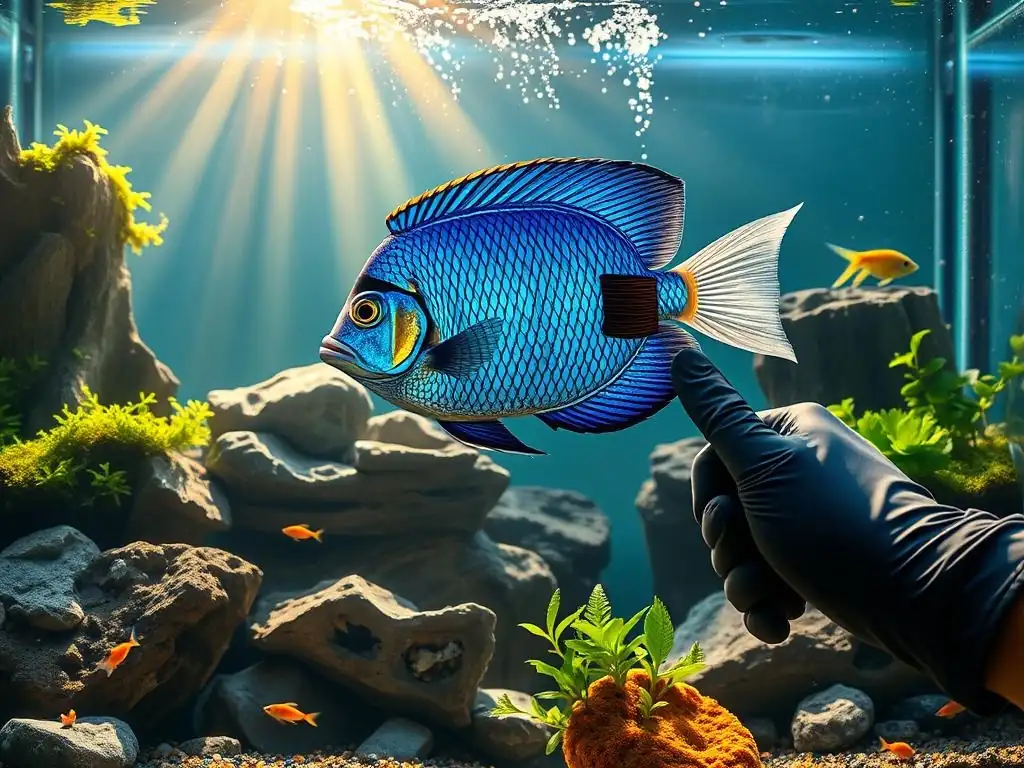
Position the tank in a well-lit area, if possible, to maximize the visual impact of its colors and form. Some exhibitors gently use a pointer or a small, non-threatening object to encourage the fish to swim to the front of the tank and flare its fins briefly, showcasing its full potential.
However, this should be done very sparingly and only if the fish responds positively, as excessive prodding can cause stress. The culmination of all your Angelfish show grooming tips should be a fish that looks healthy, vibrant, and at ease in its temporary home, ready to captivate the judges.
Common Mistakes to Avoid When Preparing Angelfish for Shows
Overfeeding and Its Negative Impact on Angelfish Appearance
One of the most common and detrimental mistakes in Angelfish show grooming tips is overfeeding. While it might seem logical to feed heavily to promote growth and vigor, excessive feeding can have severe negative consequences on an Angelfish's show appearance and health. Overfeeding leads to bloating, which distorts the fish's ideal body conformation, making it appear sluggish and less streamlined. More critically, uneaten food decomposes rapidly, leading to a drastic decline in water quality, with spikes in ammonia and nitrite.
Poor water quality, in turn, stresses the fish, dulls its colors, causes fin rot, and can lead to a fatty liver disease, impacting its long-term health and vitality. Instead of overfeeding, focus on feeding small, frequent meals of high-quality, nutrient-dense foods that are fully consumed within 2-3 minutes. This approach ensures optimal nutrition without compromising water quality or body shape.
Using Harsh Chemicals or Medications Before the Show
A significant pitfall to avoid is the use of harsh chemicals or medications too close to the show date. While medications are essential for treating genuine illnesses, many can have temporary side effects that negatively impact a fish's appearance. For instance, some medications can damage the delicate slime coat, leading to a dull or stressed appearance. Others might temporarily alter water parameters, stressing the fish, or even stain tank silicone, which is unacceptable in a show tank.
If an Angelfish requires treatment for an illness, it should ideally be completed several weeks, even months, before the show date to allow for full recovery and for the fish to regain its peak condition. Always prioritize preventative care through excellent Angelfish show grooming tips and pristine water quality. If a fish falls ill close to the show, it is often better to withdraw it from competition than to risk its health or present a less-than-perfect specimen.
Neglecting Quarantine Procedures and Introducing Disease
Neglecting strict quarantine procedures is a critical mistake that can jeopardize not only your show Angelfish but also your entire collection. Introducing a new fish, even one from a reputable source, directly into your conditioning or main tanks without a proper quarantine period (minimum 4-6 weeks) risks introducing pathogens like ich, velvet, bacterial infections, or internal parasites. These diseases can rapidly spread, devastating your entire collection and certainly disqualifying any fish from show participation.
During quarantine, closely observe the fish for any signs of illness, administer prophylactic treatments if necessary, and ensure it is eating well and behaving normally. This controlled environment allows you to address any health issues before they can spread. A robust quarantine protocol is an indispensable part of Angelfish show grooming tips, safeguarding your investment in time and effort and ensuring the long-term health of your prized fish.
Post-Show Care and Recovery for Your Angelfish
Reacclimating Your Angelfish to Its Home Tank
After the excitement and stress of a fish show, the post-show care and reacclimation of your Angelfish are just as crucial as the preparation. Upon returning home, do not simply dump your fish back into its main tank. The show environment, transportation, and potential exposure to different water parameters and pathogens can be highly stressful. It is highly recommended to place your Angelfish back into a clean, cycled quarantine tank first, ideally for 1-2 weeks. This allows for a controlled reacclimation process.
Use the drip acclimation method to slowly introduce your home tank water to the fish's transport bag or container, typically over an hour or two, to gradually equalize temperature and water chemistry. Once in the quarantine tank, continue to monitor parameters closely. This temporary isolation period also allows you to observe for any signs of stress or illness contracted at the show before reintroducing the fish to its permanent home, protecting your entire collection and maintaining the benefits of your Angelfish show grooming tips.
Monitoring for Stress and Illness After the Show
The period immediately following a fish show is when your Angelfish is most vulnerable to stress-related illnesses. The change in environment, handling, and close proximity to other fish can significantly weaken its immune system. During the post-show quarantine period, diligently monitor your Angelfish for any signs of stress or illness. Look for clamped fins, erratic swimming, labored breathing, loss of appetite, dull coloration, or the appearance of spots or lesions on its body or fins.
Maintain pristine water quality in the quarantine tank, perform small daily water changes, and offer a high-quality, easily digestible diet. Early detection and intervention are key. If any symptoms appear, research appropriate treatments promptly. Providing a calm, dimly lit environment will also aid in recovery, allowing the Angelfish to de-stress and regain its full vitality before returning to its main display tank.
Continuing a Healthy Routine for Long-Term Well-being
Winning or losing at a fish show, the ultimate goal is the long-term health and well-being of your Angelfish. The rigorous conditioning and Angelfish show grooming tips implemented for the competition should not be abandoned post-show. Continue to provide a high-quality, balanced diet rich in proteins and color enhancers, ensuring your fish remains vibrant and robust. Maintain impeccable water quality in its permanent home tank through regular water changes and efficient filtration, keeping ammonia and nitrite at zero and nitrates low.
Regular observation of your Angelfish's behavior, appetite, and physical appearance should become a standard part of your routine. A healthy Angelfish is an active, alert, and beautifully colored fish. By maintaining these high standards of care, you ensure your Angelfish enjoys a long, healthy life, whether it continues to grace show tanks or simply provides aesthetic pleasure in your home aquarium.
Conclusion: Achieving Angelfish Show Excellence Through Dedicated Care
Achieving excellence in Angelfish shows is a testament to an aquarist's dedication and mastery of their craft. It's a journey that combines careful specimen selection, meticulous Angelfish show grooming tips, precise environmental conditioning, and a profound understanding of the species' needs. From the initial quarantine and the formulation of a nutrient-rich diet to the fine-tuning of water parameters and the art of presentation, every step plays a crucial role in shaping a show-winning fish.
The reward extends beyond ribbons and recognition; it lies in the satisfaction of nurturing a magnificent Angelfish to its peak potential, showcasing its inherent beauty and vitality. By embracing these comprehensive strategies and committing to consistent, high-standard care, you can elevate your Angelfish to show excellence, contributing to the appreciation and advancement of this captivating species within the aquatic hobby.
Frequently Asked Questions
How often should I groom my Angelfish before a show?
Grooming should begin several weeks before the show. Aim for gentle cleaning and fin trimming once a week, avoiding stress on the fish.
What are the key aspects of conditioning Angelfish for a show?
Conditioning primarily involves providing a nutrient-rich diet and maintaining pristine water quality. This promotes vibrant colors and overall health.
What specific foods enhance Angelfish coloration for shows?
Foods rich in carotenoids, such as spirulina and color-enhancing flakes, can significantly improve the vibrancy of your Angelfish's colors.
How do I properly trim the fins of my Angelfish without causing harm?
Use sharp, sanitized scissors and trim only the damaged or uneven portions of the fins. Avoid cutting into the healthy fin tissue.
What water parameters are crucial for Angelfish show preparation?
Maintaining a stable pH, low nitrate levels, and a consistent temperature are essential for the overall well-being and appearance of your Angelfish.
Final Reflection: The Art of Angelfish Excellence
The journey of preparing an angelfish for a show is more than just cleaning a tank; it's about cultivating a living work of art. The dedication required, from meticulous feeding to precise water parameters, reveals a profound respect for these majestic creatures and a commitment to showcasing their inherent beauty to the world. This pursuit of perfection, while focused on angelfish, mirrors a broader human desire to nurture and elevate the beauty that surrounds us.
The impact of showcasing well-groomed angelfish extends beyond the aquarium. It fosters appreciation for biodiversity and encourages responsible fishkeeping practices. Seeing these fish at their absolute best inspires others to learn more about their care and conservation. The beauty of the natural world lies in the details, and it is through careful observation and dedication that we can truly appreciate its wonders.
This sentiment perfectly encapsulates the spirit of angelfish show preparation – a testament to the power of attentive care and the pursuit of excellence.
Now, consider the lessons learned in this journey. The patience, attention to detail, and unwavering commitment required to groom an angelfish for a show are qualities that can enrich every aspect of your life. Embrace the dedication you've witnessed, the precision you've learned, and the passion you've discovered. Let the pursuit of angelfish excellence inspire you to cultivate beauty and strive for perfection in all your endeavors, recognizing that true beauty lies not just in the final product, but in the dedication and care invested along the way.
Elevate Your Angelfish: Transform Hobby to Showcase!
Thank you for exploring the art of angelfish preparation! Now that you're equipped with expert grooming and conditioning tips, it's time to put your knowledge into action and truly elevate your fishkeeping journey.
- Boldly commit to entering your prized angelfish in an upcoming fish show – a thrilling way to showcase your dedication and expertise.
- Delve deeper:Research local aquarium clubs or online forums to connect with fellow angelfish enthusiasts and share your experiences.
- Unexpected twist: Document your angelfish’s transformation with before-and-after photos and create a captivating time-lapse video to inspire others!
Ready to start prepping your angelfish for its moment in the spotlight?