
Red Spot Severum (Heros efasciatus): Care Guide for this Dazzling Variant

Welcome to Aquarium Mastery!
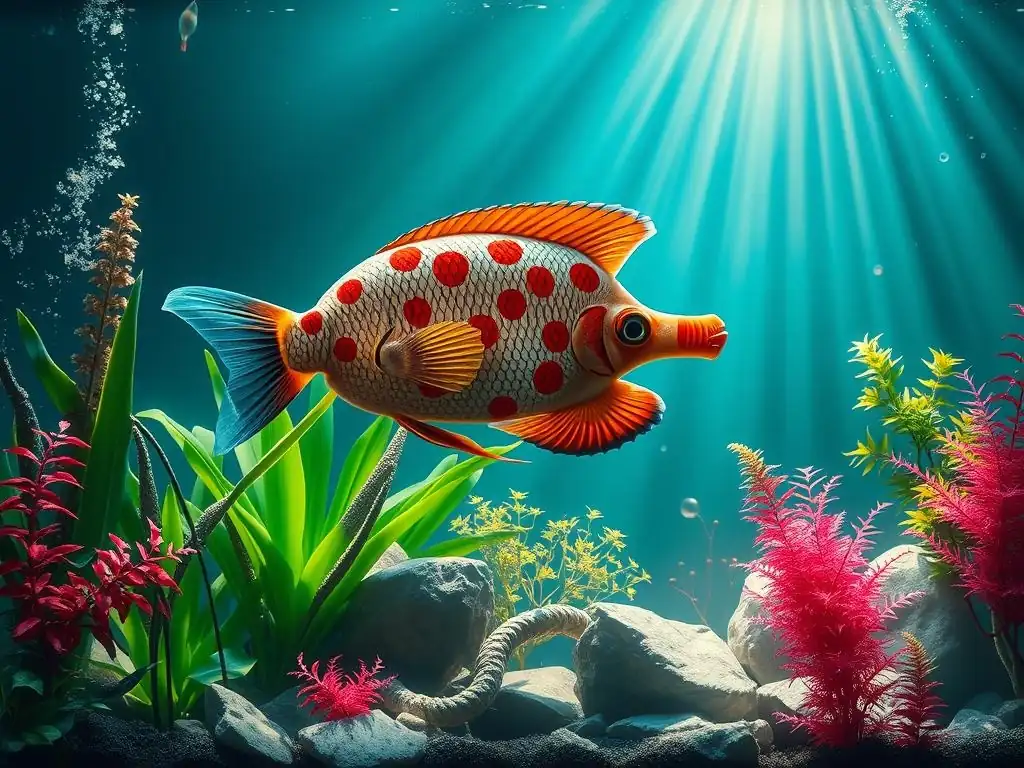
Ever been captivated by the vibrant beauty of the Red Spot Severum? These dazzling fish can truly transform a freshwater aquarium. But beneath their striking appearance lies specific care requirements that are crucial for their health and well-being. Dive into our comprehensive Red Spot Severum Care Guide to unlock the secrets to successfully keeping these fascinating creatures. Ready to learn more and ensure your Severum thrives? Let's get started!
- Introduction to the Red Spot Severum: A Comprehensive Care Guide
- Red Spot Severum Care: Essential Guidelines
- Red Spot Severum Diet and Feeding
- Red Spot Severum Tank Mates: Compatibility and Considerations
- Red Spot Severum Breeding: Encouraging Reproduction
- Common Health Issues in Red Spot Severums
- Maintaining a Healthy and Vibrant Red Spot Severum
- Where to Buy Red Spot Severums
- Conclusion: Enjoying the Beauty of Your Red Spot Severum
- Frequently Asked Questions
- Final Reflection: Appreciating the Aquatic Jewel
- Ignite Your Aquarium: Embrace the Red Spot Severum!
Introduction to the Red Spot Severum: A Comprehensive Care Guide
What is a Red Spot Severum? Understanding This Beautiful Cichlid
The Red Spot Severum, scientifically known as Heros efasciatus, is a captivating freshwater cichlid originating from the Amazon River basin in South America. These fish are renowned for their striking appearance, characterized by a generally greenish-brown to yellowish body adorned with distinctive red or orange spots and markings, particularly prominent on the operculum and flanks as they mature.
While often confused with other Heros species or color morphs, the true Red Spot Severum possesses a unique charm and is a staple in the New World cichlid hobby. Reaching an average size of 8 to 12 inches (20-30 cm) in a well-maintained home aquarium, they are a significant presence, often living for 10 to 15 years, making them a long-term commitment for dedicated aquarists.
Their common name, "Severum," is derived from the Latin word "severus," meaning severe or strict, possibly referring to their somewhat robust and imposing body shape. However, despite their size, Red Spot Severums are generally considered one of the more peaceful large cichlids, making them an excellent choice for a carefully selected community tank.
Understanding the specific needs of this Heros efasciatus variant is crucial for providing a thriving environment, ensuring their vibrant coloration and peaceful temperament are fully expressed. This red spot severum care guide will cover all essential aspects of their husbandry, from tank setup to diet and compatibility.
Why Choose a Red Spot Severum for Your Aquarium?
Choosing a Red Spot Severum for your freshwater aquarium offers numerous rewards, primarily due to their captivating aesthetics and relatively docile nature compared to many other large cichlids. Their unique red spotting pattern, which intensifies with age and good health, provides a dynamic visual appeal that can become the focal point of a large display tank.
Unlike some of their more aggressive cichlid cousins like Oscars or Flowerhorns, Red Spot Severums exhibit a more placid demeanor, allowing for a wider range of compatible tank mates, provided sufficient space is available. This makes them an ideal choice for aquarists looking to house impressive, large fish without the constant territorial disputes often associated with other cichlid species.
Furthermore, their intelligence and curious nature make them engaging inhabitants. Many aquarists report that Red Spot Severums can recognize their owners and even exhibit begging behaviors during feeding times, adding a personal dimension to the fish-keeping experience. With a lifespan extending over a decade, investing in a Red Spot Severum means enjoying their beauty and personality for many years. This comprehensive red spot severum care guide is designed to equip enthusiasts with the knowledge needed to unlock the full potential of these magnificent fish, ensuring they thrive and display their dazzling colors in your aquatic masterpiece.
Red Spot Severum Care: Essential Guidelines
Optimal Tank Size for Red Spot Severums
Providing an adequately sized aquarium is paramount for the health and well-being of Red Spot Severums. Given their potential to grow up to 12 inches (30 cm) in length and their active swimming habits, a single adult Red Spot Severum requires a minimum tank size of 55 gallons (approximately 208 liters). This volume allows for sufficient swimming space and helps dilute waste products, contributing to stable water quality. However, for optimal growth and comfort, especially as the fish matures, a 75-gallon (284-liter) or larger tank is highly recommended.
When considering housing a pair or a small group of Red Spot Severums, the tank size requirements increase significantly. A pair would ideally need a tank of 90 to 125 gallons (340-473 liters), while a group of three or more would necessitate a tank of 150 gallons (568 liters) or more.
Overcrowding can lead to stunted growth, increased aggression, and a rapid deterioration of water quality, which are common issues addressed in any thorough red spot severum care guide. Remember that the length and width of the tank are often more important than its height, as these fish prefer horizontal swimming space.
Water Parameters: Maintaining Ideal Conditions for Red Spot Severums
Maintaining stable and appropriate water parameters is the cornerstone of successful Red Spot Severum care, directly influencing their health, coloration, and longevity. These fish originate from soft, acidic waters of the Amazon basin, and replicating these conditions closely in the aquarium is vital. Regular testing with reliable kits is essential to monitor these parameters consistently.
Temperature, pH, and Water Hardness for Red Spot Severums
For Red Spot Severums, the ideal water temperature range is between 75°F and 82°F (24°C to 28°C). Consistent temperature within this range prevents stress and supports their metabolic functions. Fluctuations outside this range can weaken their immune system, making them susceptible to diseases.
The preferred pH level for Heros efasciatus is slightly acidic to neutral, specifically between 6.0 and 7.0. While they can tolerate a pH up to 7.5, maintaining it within the lower end of this spectrum is beneficial for their long-term health and vibrant coloration. Water hardness, measured as dGH (degrees of General Hardness), should ideally be soft to moderately hard, ranging from 5 to 15 dGH.
Extremely hard water can cause osmotic stress and may lead to health complications over time. Utilizing driftwood, peat, or reverse osmosis (RO) water can help achieve and maintain these preferred soft, acidic conditions, a crucial aspect of providing comprehensive red spot severum care.
The Importance of Regular Water Changes
Regular water changes are perhaps the most critical aspect of maintaining pristine water quality for Red Spot Severums. While robust filtration systems remove solid waste, they do not eliminate nitrates, which accumulate over time and can become toxic. A routine of performing 25% to 30% water changes weekly is generally recommended for an established Red Spot Severum tank. For heavily stocked tanks or those with larger fish, increasing the frequency or volume of water changes to 40-50% bi-weekly might be necessary.
These consistent water changes dilute accumulated nitrates, replenish essential minerals, and help stabilize pH levels. Always use a reliable water conditioner to neutralize chlorine and chloramines from tap water before adding it to the aquarium. It's also vital to match the temperature of the new water as closely as possible to the tank water to prevent temperature shock, which can severely stress the fish. Neglecting regular water changes is a common cause of health issues in cichlids, underscoring their importance in any effective red spot severum care guide.
Filtration and Aeration for a Healthy Red Spot Severum Tank
Effective filtration and adequate aeration are non-negotiable components of a successful Red Spot Severum aquarium. These large cichlids produce a significant bioload, necessitating robust systems to maintain water clarity and purity. A well-designed filtration setup addresses mechanical, chemical, and biological filtration needs, while proper aeration ensures sufficient dissolved oxygen for the fish.
Choosing the Right Filter for Your Red Spot Severum
For a Red Spot Severum tank, canister filters are often the preferred choice due to their superior capacity for mechanical, chemical, and biological media, as well as their high flow rates. For a 75-gallon tank housing a single adult, a canister filter rated for 100-150 gallons is a good starting point, providing a turnover rate of at least 8-10 times the tank volume per hour. For instance, an Eheim Classic 600 (2217) or a Fluval FX4 are excellent options for larger setups.
Sponge filters can be used as supplementary biological filtration, particularly beneficial in breeding tanks or during tank cycling. Regular maintenance of filter media, including rinsing sponges and replacing chemical media like activated carbon every 3-4 weeks, is crucial to prevent nitrate buildup and maintain filter efficiency, a key element in comprehensive red spot severum care.
Ensuring Proper Oxygen Levels
Adequate dissolved oxygen is vital for the metabolic processes of Red Spot Severums. While a powerful filter often provides some surface agitation, additional aeration is frequently beneficial, especially in larger tanks or those with higher temperatures (as warmer water holds less oxygen). Air stones connected to an air pump are simple and effective ways to increase surface agitation and oxygen exchange. The gentle bubbling not only adds oxygen but also helps circulate water throughout the tank, preventing stagnant areas.
Another method is to ensure that the filter outflow creates sufficient surface ripple. Positioning the filter output just below or at the water surface can create a good amount of agitation. Monitoring fish behavior is a good indicator of oxygen levels; if Red Spot Severums are frequently gasping at the surface, it's a clear sign of insufficient oxygen and an immediate need for increased aeration. Prioritizing proper oxygenation is an often-overlooked but critical aspect of effective red spot severum care.
Substrate and Decor: Creating a Natural Habitat
Replicating the natural habitat of Red Spot Severums through appropriate substrate and decor not only enhances the aesthetic appeal of the aquarium but also significantly contributes to the fish's well-being and reduces stress. These elements provide security, enrichment, and visual barriers, all of which are important for a cichlid known for its generally peaceful, yet occasionally territorial, nature.
Recommended Substrates for Red Spot Severum Aquariums
For Red Spot Severum aquariums, a fine to medium-grain sand or small, smooth gravel is highly recommended. These fish are known to sift through substrate and may even dig to create spawning pits, especially during breeding. Therefore, a substrate that is too coarse or sharp can injure their delicate mouths and gills. A depth of at least 2-3 inches (5-7.5 cm) allows for natural digging behaviors and provides ample surface area for beneficial bacteria to colonize.
- Fine Sand: Offers the most natural feel and allows for easy sifting without injury. Examples include CaribSea Super Naturals or Estes Marine Sand.
- Small, Smooth Gravel: If gravel is preferred, ensure the individual grains are no larger than 2-3 mm and have rounded edges. Avoid sharp, angular gravels.
Using a darker substrate can also help bring out the vibrant colors of the Red Spot Severums, making their red spots even more dazzling. Regular vacuuming of the substrate during water changes is essential to remove trapped detritus and prevent the buildup of harmful compounds, a practical tip for any red spot severum care guide.
Decorating Your Tank: Plants, Rocks, and Driftwood
Decorations play a crucial role in providing hiding spots, establishing territories, and enhancing the natural feel of a Red Spot Severum tank. A well-decorated tank contributes to the fish's sense of security and can mitigate potential aggression, particularly in a community setting.
- Driftwood: Large pieces of Malaysian or Mopani driftwood are excellent choices. They release tannins that slightly lower pH and soften water, mimicking the Blackwater environments of the Amazon. Their irregular shapes provide complex structures for exploration and hiding. Aim for at least one large piece that extends vertically or horizontally across a significant portion of the tank.
- Rocks: Smooth, non-porous rocks like river rocks or slate can be used to create caves and crevices. Ensure they are stable and cannot topple over, especially with digging cichlids. Arranging rocks to form distinct territories can be beneficial for multiple Red Spot Severums or in a mixed cichlid tank. Use aquarium-safe silicone to secure larger rock structures if necessary.
- Plants: While Red Spot Severums are known to nibble on softer plants, hardy species can thrive. Anubias barteri, Java Fern ( Microsorum pteropus), and various species of Vallisneria or Cryptocoryne are good choices. Attach Anubias and Java Fern to driftwood or rocks. Floating plants like Amazon Frogbit ( Limnobium laevigatum) can provide dappled light and additional cover, contributing to a more natural and less stressful environment for the fish. For a robust red spot severum care guide, remember that live plants also aid in nutrient absorption, further improving water quality.
Red Spot Severum Diet and Feeding
What Do Red Spot Severums Eat? A Balanced Diet
Red Spot Severums are omnivorous, with a significant inclination towards herbivorous foods in their natural diet. In the wild, their diet consists primarily of plant matter, small invertebrates, insects, and detritus. To ensure optimal health, vibrant coloration, and proper growth in an aquarium setting, it is crucial to provide a varied and balanced diet that reflects these natural feeding habits. A diet rich in vegetable matter is key to preventing digestive issues and promoting overall well-being.
Feeding a consistent diet that is too high in protein can lead to issues like "Hole-in-the-Head" disease, a common ailment among cichlids. Therefore, the best red spot severum care guide emphasizes a staple food that is primarily vegetable-based, supplemented with high-quality protein sources. This balance helps maintain a robust immune system and supports their active lifestyle.
Recommended Foods for Red Spot Severums
A diverse range of foods is essential to meet the nutritional requirements of Red Spot Severums, incorporating a mix of prepared, live, and frozen options. This variety not only ensures complete nutrition but also keeps the fish engaged during feeding times.
Live, Frozen, and Pellet Food Options
- High-Quality Pellets/Flakes: A staple diet should consist of a high-quality, spirulina-rich cichlid pellet or flake food. Look for brands specifically formulated for herbivorous or omnivorous cichlids, with ingredients like spirulina, kelp, and vegetable proteins listed prominently. Examples include Hikari Cichlid Excel or Omega One Veggie Pellets. Feed these once or twice daily.
- Frozen Foods: Supplementing with frozen foods 2-3 times per week provides essential nutrients and variety.
- Brine Shrimp: A good source of protein and roughage, particularly for younger fish.
- Bloodworms: High in protein; feed sparingly as a treat due to their rich content.
- Mysis Shrimp: Another excellent protein source, often more nutritious than brine shrimp.
- Daphnia: Good for digestion and a natural laxative.
- Chopped Krill/Prawns: For larger adults, providing larger, meaty options.
- Live Foods (Caution Recommended): While live foods can stimulate natural hunting behaviors, they carry a risk of introducing parasites or diseases. If used, source from reputable suppliers.
- Earthworms: Cut into manageable pieces for larger adults.
- Blackworms: A good option for smaller severums.
- Vegetable Matter: Crucial for their diet, offering essential fiber and vitamins.
- Blanched Vegetables: Offer blanched peas (shelled), spinach, zucchini, or cucumber slices a few times a week. Clip them to the tank side or weigh them down.
- Algae Wafers: Specially formulated vegetable wafers can be a good supplement.
Feeding Schedule and Portion Control
Establishing a consistent feeding schedule and practicing proper portion control are vital for preventing overfeeding, which can lead to poor water quality and health issues like bloat. For adult Red Spot Severums, feeding 1-2 times per day is generally sufficient. Younger, growing fish may benefit from 2-3 smaller feedings daily.
The key rule for portion control is to feed only what your Red Spot Severums can consume within 2-3 minutes. Any uneaten food should be promptly removed from the tank to prevent it from decaying and fouling the water. Overfeeding not only pollutes the tank but can also lead to obesity in fish, shortening their lifespan. Observe your fish during feeding; if they appear sluggish or have distended bellies, reduce the amount of food. A consistent feeding routine helps maintain their digestive health and overall vitality, a critical component of a responsible red spot severum care guide.
Red Spot Severum Tank Mates: Compatibility and Considerations
Choosing appropriate tank mates for Red Spot Severums is crucial for a harmonious community aquarium. While generally peaceful for a large cichlid, they can exhibit territorial behavior, especially as they mature or during breeding. Compatibility hinges on factors like size, temperament, and specific water parameter requirements.
Best Tank Mates for Red Spot Severums
The ideal tank mates for Red Spot Severums are fish of similar size and temperament that can hold their own without being overly aggressive. Fish that occupy different levels of the water column can also help reduce competition.
- Other Large, Peaceful Cichlids:
- Geophagus species (Earth Eaters): Many Geophagus species, like Geophagus altifrons or Geophagus surinamensis, are excellent choices. They are peaceful, bottom-dwelling cichlids that don't compete for the same swimming space as Severums. They also thrive in similar water parameters.
- Uaru Cichlids (Uaru amphiacanthoides): Known as "poor man's discus," Uaru are large, peaceful, and primarily herbivorous cichlids that share similar dietary and environmental needs.
- Keyhole Cichlids (Cleithracara maronii): While smaller, Keyholes are exceptionally peaceful and can coexist well in a large tank, especially with younger Severums.
- Large Tetras:
- Congo Tetras (Phenacogrammus interruptus): These vibrant, schooling fish add movement and color to the upper and middle water columns and are too large to be considered prey.
- Silver Dollars (Metynnis argenteus): Another schooling fish that is peaceful and large enough to not be intimidated by Severums. They are also herbivorous, sharing dietary preferences.
- Larger Catfish and Loaches:
- Plecos (e.g., Bristlenose, Common, Royal): Many species of Plecostomus or Pterygoplichthys are suitable bottom dwellers, provided they are not overly aggressive or prone to sucking on the Severum's slime coat. Ensure they are well-fed with vegetable matter.
- Synodontis Catfish: Various species of Synodontis (e.g., Featherfin, Upside-down Catfish) are active, hardy, and peaceful enough for a Severum tank.
- Banded Loaches (Botia lohachata): While some loaches can be nippy, larger species like Clown Loaches or Banded Loaches can work in very large tanks, offering unique behaviors.
When introducing tank mates, always do so carefully, ensuring the Red Spot Severums are well-established and that new additions are roughly the same size or larger to minimize aggression. A comprehensive red spot severum care guide always emphasizes careful observation during the initial introduction period.
Fish to Avoid Housing with Red Spot Severums
While Red Spot Severums are relatively peaceful, certain fish species are definitely unsuitable as tank mates, either due to aggression, predatory behavior, or vastly different environmental needs.
- Small, Fin-Nippy Fish:
- Neon Tetras, Guppies, Endlers: Any very small fish will be seen as food, especially as the Severums grow.
- Tiger Barbs, Serpae Tetras: These fish are notorious fin nippers and can stress or injure a Severum, especially during resting periods or if the Severum is not feeling well.
- Highly Aggressive or Predatory Cichlids:
- Oscars (Astronotus ocellatus): While sometimes attempted, Oscars are far more aggressive and territorial than Severums and will likely bully or even kill them, especially in insufficient tank sizes.
- Flowerhorns, Midas Cichlids, Red Devils: These cichlids are known for extreme aggression and should never be housed with the generally more placid Red Spot Severum.
- African Cichlids (e.g., Mbuna): African cichlids typically require very different water parameters (hard, alkaline water) and have significantly different temperaments, making them incompatible.
- Fish with Vastly Different Water Parameter Needs:
- Discus (Symphysodon spp.): While peaceful and requiring similar soft, acidic water, Discus are extremely sensitive to water quality fluctuations and require much higher temperatures (82-86°F or 28-30°C) than Severums prefer, making them a poor match.
Avoiding these fish ensures a peaceful and stress-free environment for your Red Spot Severum, which is a core tenet of effective red spot severum care.
Managing Aggression in a Community Tank
Even with careful selection, aggression can sometimes arise in a Red Spot Severum community tank, especially during breeding periods or if territories are not clearly defined. Proactive measures and swift intervention are key to maintaining harmony.
- Provide Ample Space and Hiding Spots: A larger tank size is the first line of defense against aggression. Ensure there are plenty of caves, driftwood, and tall plants to break up lines of sight and provide escape routes or secure territories. Aim for one hiding spot per fish, plus a few extras.
- Rearrange Decor: If aggression suddenly flares up, temporarily removing and then rearranging the tank decor can disrupt established territories and force fish to re-evaluate their dominance hierarchy, often leading to a reduction in aggression.
- Introduce All Fish Simultaneously (or Smaller First): If possible, introduce all desired tank mates at the same time to avoid established fish bullying new additions. If not, introduce smaller, more docile fish first, allowing them to establish themselves before adding the larger Severums.
- Monitor Feeding: Ensure all fish are getting enough food. Food scarcity can quickly lead to increased aggression. Distribute food widely to prevent a single dominant fish from hoarding it.
- Consider a Breeding Pair: If aggression is primarily between a male and female Severum, they may be attempting to breed. Providing a designated breeding area or a larger tank may alleviate the tension.
- Remove Aggressors: As a last resort, if one Red Spot Severum or tank mate consistently bullies others, it may be necessary to remove the aggressive individual to a separate tank to ensure the well-being of the rest of the community. Consistent monitoring is a vital part of any responsible red spot severum care guide.
Red Spot Severum Breeding: Encouraging Reproduction
Breeding Red Spot Severums in a home aquarium can be a rewarding experience, as they are relatively easy to spawn compared to some other cichlids and exhibit excellent parental care. Understanding their breeding behaviors and providing the right conditions are key to success.
Setting Up a Breeding Tank for Red Spot Severums
While Red Spot Severums can sometimes breed in a large community tank, a dedicated breeding tank significantly increases the chances of success and survival of the fry. A separate breeding tank allows for precise control over water parameters and protects the eggs and fry from potential predation by other tank inhabitants or even the parents themselves if stressed.
- Tank Size: A 50 to 75-gallon (189-284 liter) tank is suitable for a breeding pair. This provides enough space for spawning and for the parents to tend to their brood without feeling overly confined.
- Water Parameters: Maintain the water parameters at the higher end of their preferred temperature range, around 80-82°F (27-28°C), and slightly acidic pH of 6.0-6.5, with soft water (5-10 dGH). These conditions often act as a trigger for spawning.
- Filtration: Use a mature sponge filter or a gentle hang-on-back filter to provide adequate filtration without creating strong currents that could disturb eggs or fry.
- Spawning Sites: Provide flat, smooth surfaces for egg deposition. Large, flat rocks, slate, terracotta pots (on their side), or even large pieces of driftwood with flat areas are ideal. Clean, smooth surfaces encourage the pair to choose a site.
- Substrate: A thin layer of fine sand or no substrate at all makes cleaning easier and reduces the risk of detritus accumulating around the fry.
- Lighting: Dim, subdued lighting can encourage spawning.
Once the breeding tank is set up, introduce a conditioned pair of Red Spot Severums. Consistency in water changes and diet will help prepare them for spawning, a critical step in this red spot severum care guide section.
Identifying Male and Female Red Spot Severums
Distinguishing between male and female Red Spot Severums can be challenging, especially when they are young, as sexual dimorphism is not always pronounced. However, as they mature, certain characteristics become more apparent.
- Size: Males are generally larger and more robust than females of the same age. An adult male might reach 10-12 inches, while a female might be closer to 8-10 inches.
- Nuchal Hump: Mature males often develop a more prominent nuchal hump (a fatty lump on the forehead) during breeding condition, although this can vary between individuals.
- Fin Shape: The dorsal and anal fins of males tend to be longer and more pointed, sometimes extending past the caudal fin. Females usually have shorter, rounder fins.
- Coloration: While both sexes are vibrant, males may exhibit more intense coloration and more distinct red spots, especially when in breeding dress.
- Genital Papilla: The most reliable way to sex adult Severums, particularly when they are ready to spawn, is by examining their genital papilla (a small tube that protrudes from the vent).
- Male: The male's papilla is typically smaller, thinner, and more pointed.
- Female: The female's papilla is larger, broader, and blunter, designed for egg laying. This difference is most noticeable just before spawning.
Observing a group of juvenile Red Spot Severums as they grow is often the best way to naturally form a pair, as they will typically pair off on their own when mature.
The Breeding Process and Fry Care
Once a Red Spot Severum pair has bonded and is conditioned, the breeding process can begin. They are substrate spawners, meaning they lay their eggs on a flat surface.
- Spawning Behavior: The pair will meticulously clean a chosen spawning site. The female will then lay rows of adhesive eggs (typically 300-1000 eggs, depending on her size and age), and the male will follow, fertilizing them. This process can take several hours.
- Parental Care: Both parents will diligently guard the eggs, fanning them with their fins to ensure oxygenation and removing any unfertilized or fungused eggs. The eggs typically hatch within 3-5 days at 80°F (27°C).
- Fry Care: After hatching, the tiny, translucent fry (wigglers) are typically moved by the parents to pre-dug pits in the substrate or another secure location. They will consume their yolk sacs for the first 3-5 days. Once they become free-swimming (usually around 7-10 days post-hatching), they are ready for their first food.
- First Food: Infusoria, liquid fry food, or newly hatched brine shrimp nauplii are ideal first foods. Feed small amounts multiple times a day (4-6 times).
- Growth: As the fry grow, transition them to finely crushed flake food, micro pellets, and eventually larger brine shrimp or bloodworms.
- Water Changes: Daily small water changes (10-20%) are crucial for fry tanks to maintain pristine water quality, as they are highly sensitive to pollutants.
The parents will continue to protect and herd the fry for several weeks, often up to a month or more, before their parental instincts wane. At this point, it may be necessary to separate the fry to prevent the parents from becoming aggressive or viewing them as food. This detailed understanding of the breeding cycle is a key part of any advanced red spot severum care guide.
Common Health Issues in Red Spot Severums
Like all fish, Red Spot Severums are susceptible to various health issues, often stemming from poor water quality, inadequate diet, or stress. Early detection and prompt treatment are crucial for recovery.
Recognizing Signs of Illness
Vigilant observation of your Red Spot Severums is the best defense against disease. Any deviation from their normal behavior or appearance should raise a red flag.
- Behavioral Changes:
- Lethargy/Inactivity: Hiding excessively, spending unusual amounts of time at the bottom or surface, or general lack of movement.
- Loss of Appetite: Refusing food or spitting it out.
- Gasping at Surface: Indicative of low oxygen levels or gill issues.
- Clamped Fins: Fins held close to the body, a general sign of discomfort or stress.
- Rubbing/Flashing: Rubbing against tank decor or substrate, indicating external irritants or parasites.
- Erratic Swimming: Disorientation, swimming in circles, or difficulty maintaining balance.
- Physical Changes:
- Discoloration: Fading colors, darkening patches, or unusual red spots.
- White Spots (Ich): Small, salt-grain-like white spots on the body and fins.
- Fungal Growths: Cotton-like growths on the body or fins.
- Fin Rot: Frayed, ragged, or disintegrating fins, often with red edges.
- Bloating/Swelling: Distended abdomen, often with scales protruding (pineconing), indicative of dropsy.
- Sores/Lesions: Open wounds, red patches, or ulcers on the body.
- Cloudy Eyes: Eyes appearing milky or opaque.
- White/Stringy Feces: Can indicate internal parasites or digestive issues.
Any of these signs warrant immediate investigation and potential intervention to maintain the health of your Red Spot Severums, a core focus of any comprehensive red spot severum care guide.
Treating Common Diseases in Red Spot Severums
Prompt and accurate treatment is essential for the recovery of sick Red Spot Severums. Always diagnose as accurately as possible before administering medication, as incorrect treatments can do more harm than good. Isolating sick fish in a quarantine tank is highly recommended to prevent disease spread and facilitate treatment.
Hole-in-the-Head Disease, Ich (White Spot Disease), and Fin Rot
- Hole-in-the-Head Disease (HITH):
- Cause: Often linked to poor water quality (high nitrates), nutritional deficiencies (especially lack of vitamins/minerals, or too much protein), and the presence of the parasite Hexamita.
- Symptoms: Pitting or erosion on the head and lateral line, sometimes appearing as small, white lesions that enlarge into open sores.
- Treatment:
- Improve Water Quality: Perform large (50-75%) water changes immediately and maintain pristine conditions with regular weekly changes.
- Dietary Correction: Ensure a balanced diet rich in spirulina and vitamins. Supplement with high-quality cichlid pellets and blanched vegetables.
- Medication: Metronidazole is the primary medication for Hexamita. It can be dosed directly into the water or, more effectively, mixed into food. Follow dosage instructions carefully. Treatment may take 7-10 days.
- Ich (White Spot Disease):
- Cause: Caused by the highly contagious parasite Ichthyophthirius multifiliis. Often triggered by sudden temperature fluctuations or stress.
- Symptoms: Small, white, salt-grain-like spots covering the body and fins, clamped fins, rapid breathing, rubbing against decor.
- Treatment:
- Increase Temperature: Gradually raise the tank temperature to 82-86°F (28-30°C) over 24 hours. This speeds up the parasite's life cycle, making it more vulnerable to medication.
- Medication: Use an Ich medication containing malachite green or formalin (e.g., Kordon Rid-Ich Plus, API Super Ick Cure). Follow product instructions for dosage and duration.
- Salt Treatment (Optional): For mild cases or as a supplement, aquarium salt (non-iodized) can be added at a concentration of 1-3 teaspoons per gallon, dissolved first.
- Duration: Continue treatment for at least 7-10 days, even if spots disappear, to ensure all stages of the parasite are eradicated.
- Fin Rot:
- Cause: Bacterial infection, often secondary to poor water quality, fin nipping, or physical injury.
- Symptoms: Fins appear ragged, frayed, or torn, with a milky or reddish edge. In severe cases, fins may completely disintegrate.
- Treatment:
- Improve Water Quality: Perform immediate large water changes and maintain excellent water conditions. This is often enough for mild cases.
- Medication: For more advanced cases, use an antibiotic medication effective against gram-negative bacteria (e.g., API Furan-2, Maracyn 2, Seachem Kanaplex). Follow dosage instructions.
- Salt Treatment: Aquarium salt at 1 teaspoon per 5 gallons can aid healing and reduce stress.
Always remove activated carbon from the filter before medicating, as it will absorb the medication. After treatment, perform a large water change and replace the activated carbon to remove residual medication, a critical step in any detailed red spot severum care guide.
Preventing Health Problems in Your Aquarium
Prevention is always better than cure when it comes to fish health. A proactive approach significantly reduces the likelihood of disease outbreaks in your Red Spot Severum tank.
- Maintain Excellent Water Quality: This is the single most important preventative measure.
- Perform regular 25-30% weekly water changes.
- Use a reliable water conditioner.
- Test water parameters (ammonia, nitrite, nitrate, pH, temperature) regularly.
- Ensure robust filtration appropriate for the tank size and bioload.
- Provide a Balanced and Varied Diet:
- Feed high-quality, spirulina-rich pellets or flakes as a staple.
- Supplement with frozen foods and blanched vegetables several times a week.
- Avoid overfeeding, which leads to poor water quality and digestive issues.
- Avoid Overstocking: An overcrowded tank leads to increased stress, aggression, and rapid deterioration of water quality, making fish more susceptible to disease. Adhere to the recommended tank sizes for Red Spot Severums.
- Quarantine New Fish: Always quarantine new fish for at least 2-4 weeks in a separate tank before introducing them to your main display tank. This prevents the introduction of diseases, parasites, or even aggression from new tank mates.
- Minimize Stress:
- Maintain stable water parameters. Avoid sudden fluctuations in temperature or pH.
- Provide ample hiding spots and visual barriers in the tank.
- Choose compatible tank mates.
- Handle fish gently and only when necessary.
- Regular Tank Maintenance:
- Routinely clean filter media.
- Vacuum the substrate to remove uneaten food and detritus.
- Scrub algae off tank walls.
By consistently adhering to these preventative measures, you create a stable, healthy environment that allows your Red Spot Severums to thrive and display their full potential, embodying the best practices of a comprehensive red spot severum care guide.
Maintaining a Healthy and Vibrant Red Spot Severum
Ensuring the long-term health and vibrant coloration of your Red Spot Severum goes beyond basic care; it involves consistent attention to detail and a proactive approach to their well-being. These magnificent cichlids can live for over a decade with proper care, making them a truly rewarding addition to any dedicated aquarist's collection.
Long-Term Care Tips for Red Spot Severums
Sustaining a thriving environment for your Red Spot Severum requires diligence and an understanding of their evolving needs as they mature.
- Consistent Water Quality Management: While routine weekly water changes are crucial, periodically test your tap water for parameters like pH and hardness, as these can sometimes fluctuate seasonally. Consider using a remineralizer if you use RO water to ensure essential minerals are present. Monitor nitrate levels closely, as chronic high nitrates can lead to health issues over time. If nitrates consistently rise above 20 ppm between changes, consider increasing the volume or frequency of water changes.
- Dietary Adjustments for Age: As Red Spot Severums mature, their dietary needs may shift slightly. While still primarily omnivorous with a herbivorous leaning, larger adults may benefit from slightly larger food items. Continue to offer a diverse diet, ensuring a good balance of plant matter, high-quality pellets, and occasional protein-rich frozen foods like krill or mysis shrimp. Avoid overfeeding, which becomes even more critical for older, less active fish to prevent obesity and digestive problems.
- Tank Environment Evolution: Over the years, the tank's decor might need minor adjustments. For instance, if a pair begins breeding consistently, you might need to add or adjust spawning surfaces. As plants grow, they might need pruning or rearrangement to maintain clear swimming paths and adequate hiding spots. Regularly inspect driftwood and rocks for signs of deterioration or sharp edges that could develop over time.
- Behavioral Monitoring: Pay close attention to subtle changes in your Red Spot Severum's behavior. A slight lethargy, reduced interaction, or changes in swimming patterns can be early indicators of stress or illness. Their vibrant red spots and overall coloration are also excellent indicators of health; dulling colors can signify stress or poor conditions. Keep a log of water parameters and fish behavior for easier troubleshooting.
Ensuring a Long and Happy Life for Your Red Spot Severum
A long and happy life for your Red Spot Severum is a direct reflection of the care they receive. Beyond the specifics, it comes down to creating a stable, enriching, and safe environment.
- Stress Reduction: Stress is a major contributing factor to disease. Ensure the tank is appropriately sized, not overcrowded, and provides ample hiding spots and visual barriers. Keep a consistent day-night cycle for lighting. Avoid sudden loud noises or vibrations near the tank. If you have children or pets, educate them on not tapping on the glass.
- Regular Health Checks: Beyond daily observation, make it a habit to perform a more thorough "health check" once a week. Look for any subtle changes in fins, scales, eyes, or gills. Observe their breathing rate. Early detection of issues significantly increases the chances of successful treatment.
- Preventative Measures: Stick to your quarantine protocol for all new fish, plants, and even decorations. Use separate equipment for your quarantine tank. Avoid introducing wild-caught items without proper sterilization. Consider having a basic fish first-aid kit on hand, including aquarium salt, a broad-spectrum antibiotic, and an Ich treatment. This proactive approach is a hallmark of comprehensive red spot severum care.
- Enrichment: While not as complex as some mammals, fish do benefit from environmental enrichment. Rotate decor occasionally, offer varied foods, and ensure there's enough space for exploration. A healthy, happy Red Spot Severum will be active, curious, and display its dazzling coloration to its fullest potential.
Where to Buy Red Spot Severums
Acquiring a healthy Red Spot Severum specimen is the first crucial step in ensuring its long-term well-being in your aquarium. Knowing where to look and what to look for can make a significant difference.
Local Fish Stores and Online Retailers
Both local fish stores (LFS) and online retailers offer avenues for purchasing Red Spot Severums, each with its own advantages and considerations.
- Local Fish Stores (LFS):
- Pros: Allows for direct visual inspection of the fish before purchase. You can observe their behavior, activity levels, and physical condition. You can also inquire about the store's husbandry practices and see the conditions of their display tanks. Staff can offer personalized advice.
- Cons: Selection might be limited, and prices can sometimes be higher than online. The quality of care varies significantly between stores; some may have excellent practices, while others might have overcrowded or poorly maintained tanks.
- Tips: Visit the store multiple times before buying. Observe the health of all fish in the tank, not just the Severums. Look for clear water, active fish, and no obvious signs of disease in any of the tanks.
- Online Retailers:
- Pros: Offers a much wider selection of sizes and sometimes specific genetic strains of Red Spot Severums. Prices can be competitive. Fish are often shipped directly from breeders or large wholesalers, potentially reducing stress from multiple transfers.
- Cons: You cannot physically inspect the fish before purchase. Shipping can be stressful for fish and carries a risk of delays or damage. Requires careful research into the retailer's reputation for healthy livestock and reliable shipping.
- Tips: Read reviews from other hobbyists. Check their DOA (Dead On Arrival) policy and guarantee. Ensure they use appropriate shipping methods (e.g., insulated boxes, heat/cold packs depending on weather). Factor in shipping costs when comparing prices.
Regardless of the source, always plan to quarantine any new Red Spot Severum for at least 2-4 weeks before introducing it to your main display tank. This is a non-negotiable aspect of responsible red spot severum care.
Selecting a Healthy Red Spot Severum Specimen
Choosing a healthy Red Spot Severum is paramount to its successful integration into your aquarium and its long-term vitality. A careful visual inspection is essential.
- Active and Alert: The fish should be actively swimming and exploring its environment. Avoid fish that are listless, sitting at the bottom, or hiding excessively (unless they are newly introduced and still adjusting).
- Clear Eyes: Eyes should be bright, clear, and free of cloudiness or haziness.
- Intact Fins: Fins should be fully extended, not clamped against the body, frayed, torn, or showing signs of fin rot. The dorsal and anal fins should be erect and not drooping.
- Clean Skin and Scales: The body should be free of any visible spots (white spots from Ich), cottony growths (fungus), open sores, red patches, or excessive slime coat. Scales should be smooth and lie flat against the body, with no signs of "pineconing" (scales sticking out).
- Good Body Condition: The fish should have a full, rounded belly, but not be bloated or distended. Avoid thin or emaciated specimens.
- Normal Breathing: Gills should be moving rhythmically and not excessively rapidly. Gills should be free of any swelling or discoloration.
- Strong Coloration: While stress can temporarily dull colors, a healthy Red Spot Severum should exhibit vibrant, clear coloration appropriate for its variant, with distinct red spots.
Do not be afraid to ask the store staff to feed the fish; observing their feeding response can provide insight into their health and appetite. If you notice any of these red flags, it's best to pass on that particular fish and look elsewhere. Investing time in selecting a healthy specimen will save you potential heartache and costly treatments down the line, an important piece of advice in any comprehensive red spot severum care guide.
Conclusion: Enjoying the Beauty of Your Red Spot Severum
The Red Spot Severum ( Heros efasciatus) is undeniably one of the most captivating and rewarding cichlids an aquarist can keep. Their striking red markings, intelligent personalities, and relatively peaceful demeanor make them a truly dazzling centerpiece for any large freshwater aquarium. By adhering to the guidelines outlined in this red spot severum care guide, you are not just maintaining a fish; you are cultivating a thriving aquatic environment that allows these magnificent creatures to flourish and display their full potential.
From providing an appropriately sized tank and maintaining pristine water parameters to offering a balanced diet and selecting compatible tank mates, every aspect of their care contributes to their overall health and happiness. The commitment to consistent water quality, diligent observation for signs of illness, and a proactive approach to prevention will ensure your Red Spot Severum enjoys a long, vibrant, and active life.
Witnessing their curious interactions, subtle color changes, and perhaps even their dedicated parental care during breeding makes the effort truly worthwhile. With proper dedication, your Red Spot Severum will undoubtedly become a cherished and long-standing inhabitant of your aquatic world, bringing years of enjoyment and a touch of Amazonian splendor to your home.
Frequently Asked Questions
What are the ideal water parameters for a Red Spot Severum aquarium?
Red Spot Severums thrive in water temperatures between 75-84°F (24-29°C), with a pH of 6.0-7.5. Maintaining stable water parameters is crucial for their health and coloration, with regular water changes being essential.
What size tank is recommended for a Red Spot Severum?
A minimum of 55 gallons is recommended for a single Red Spot Severum. Larger tanks, such as 75 gallons or more, are preferable if you plan to keep multiple Severums or other tank mates.
What should I feed my Red Spot Severum?
Red Spot Severums are omnivores and enjoy a varied diet. Offer them a combination of high-quality flake or pellet food, along with frozen or live foods like bloodworms, brine shrimp, and vegetable matter such as spinach or peas.
Are Red Spot Severums aggressive towards other fish?
Red Spot Severums are generally peaceful, but can become territorial, especially during breeding. Avoid keeping them with very small or overly aggressive fish. Careful consideration should be given to choosing appropriate tank mates.
How often should I perform water changes in my Red Spot Severum aquarium?
Performing weekly water changes of 25-30% is recommended to maintain optimal water quality. This helps remove nitrates and other waste products, contributing to the overall health and well-being of your Red Spot Severum.
Final Reflection: Appreciating the Aquatic Jewel
The journey into understanding the Red Spot Severum, as we've explored in this comprehensive care guide, transcends mere fishkeeping. It highlights the responsibility we undertake when bringing such a vibrant piece of nature into our homes, demanding a commitment to replicating their natural environment and understanding their unique needs. This commitment, in turn, enriches our lives with the beauty and tranquility these dazzling fish offer.
This journey has not only provided practical advice but has also underscored the profound connection we can forge with the natural world through responsible aquascaping. The Red Spot Severum, with its captivating colors and intriguing behaviors, serves as a constant reminder of the delicate balance within aquatic ecosystems. In every walk with nature, one receives far more than he seeks.
- John Muir. This quote resonates deeply, reminding us that the rewards of responsible fishkeeping extend far beyond the aesthetic, fostering a deeper appreciation for biodiversity and conservation.
As you embark on, or continue, your journey with the Red Spot Severum, remember that your dedication to their well-being not only ensures their health and happiness but also contributes to a greater understanding and respect for the aquatic world. Let the vibrant colors and graceful movements of these fish inspire you to create a thriving ecosystem within your aquarium and, more importantly, to champion the cause of responsible fishkeeping and environmental stewardship in your own life.
Ignite Your Aquarium: Embrace the Red Spot Severum!
Thanks for diving into the world of Red Spot Severums! We hope this guide has equipped you with the knowledge to successfully care for these stunning fish. Now, let’s put that knowledge into action.
- Start Planning! Identify the perfect spot for a larger tank if needed. Red Spot Severums thrive in spacious environments.
- Research tankmates. Learn about fish species that would harmoniously coexist with your new severum. Don't be afraid to consider some unusual options like larger peaceful plecos.
- Share your insights! Spread the word and help other aquarium enthusiasts discover the beauty of Red Spot Severums by sharing this guide with a friend.
What unique aquarium feature are you most excited to incorporate when setting up your Red Spot Severum's new home?