
Selective Angelfish Breeding: Developing Desired Traits & Colors

Welcome to Aquarium Mastery, your ultimate guide to the captivating world of aquariums!
Ever wondered how to coax out the most vibrant colors and desirable traits in your angelfish? Dive into our latest article on Selective Angelfish Breeding Techniques and unlock the secrets to cultivating your perfect aquatic masterpiece. Intrigued? Let's explore the art and science behind creating stunning, one-of-a-kind angelfish!
- Understanding Selective Breeding for Angelfish
-
Frequently Asked Questions
- What is selective angelfish breeding and why is it important?
- What are some key traits I should consider when selectively breeding angelfish?
- What are the basic steps involved in selective angelfish breeding techniques?
- How do I manage water parameters to optimize angelfish breeding success?
- What are some common challenges faced during selective angelfish breeding and how can I overcome them?
- Final Reflection: The Art of Aquatic Creation
- Unleash Your Inner Angelfish Alchemist!
Understanding Selective Breeding for Angelfish
What is Selective Breeding in Angelfish?
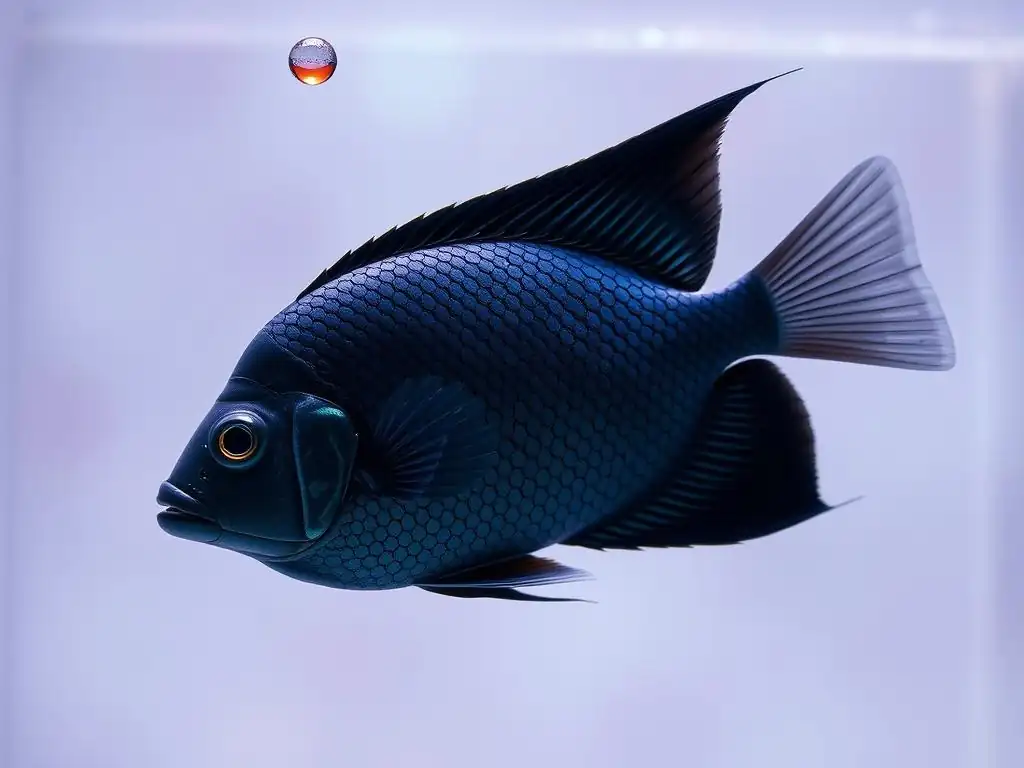
Selective breeding in angelfish is a deliberate process where aquarists choose specific individuals with desired traits—such as vibrant colors, unique fin shapes, or robust health—to reproduce. The goal is to propagate these desirable characteristics into future generations, gradually enhancing the overall quality and aesthetic appeal of a particular angelfish line. This practice is distinct from random breeding, as it involves careful observation, record-keeping, and a clear vision for the traits one wishes to develop. Over many generations, this meticulous approach can lead to stable lines exhibiting highly sought-after phenotypes.
This systematic approach, often referred to as selective angelfish breeding techniques, is not merely about pairing a male and female; it involves understanding the genetic potential of the parent fish and predicting the likely outcomes in their offspring. For instance, a breeder might choose two high-quality Platinum Angelfish parents to ensure their offspring also express the striking metallic white coloration, or pair a Super Veiltail with another long-finned specimen to intensify finnage. The success of these techniques hinges on consistent application and a deep understanding of angelfish genetics.
The Goals of Selective Angelfish Breeding: Enhanced Colors and Traits
The primary objective behind applying selective angelfish breeding techniques is to improve and stabilize specific traits within a population. This often translates into developing more vivid or novel color patterns, such as the deep blacks of Black Lace Angelfish, the iridescent blues of Blue Marble, or the striking red shoulders of Philippine Blue varieties. Beyond color, breeders also aim to refine physical characteristics like finnage, striving for longer, more flowing fins in Veiltail or Super Veiltail strains, or improving the overall body conformation to achieve the classic triangular angelfish silhouette.
Another crucial goal is to enhance the overall hardiness and vitality of angelfish lines. While aesthetic appeal is a major driver, selective breeding can also focus on improving disease resistance, promoting faster growth rates, or ensuring better fertility and parental care instincts. For example, some dedicated breeders might selectively pair fish that demonstrate exceptional resilience to common aquarium ailments, aiming to produce offspring that are less susceptible to stress or illness. These diverse objectives make selective breeding a multifaceted endeavor, blending art with scientific principles.
Angelfish Genetics 101: A Breeder's Primer
Understanding basic genetics is fundamental to successful selective angelfish breeding techniques. Angelfish traits, like color and fin shape, are determined by genes, which come in pairs (alleles) and are inherited from both parents. Some genes are dominant, meaning only one copy is needed for the trait to be expressed, while others are recessive, requiring two copies for expression. For instance, the gene for the "Marble" pattern is dominant, so a single copy from one parent can result in marbled offspring, whereas the "Zebra" striping gene often behaves as a recessive modifier.
Breeders often use Punnett squares to predict the probability of offspring inheriting specific traits. For example, if two angelfish carrying the recessive "gold" gene (even if they don't appear gold themselves, being carriers) are bred, there's a theoretical 25% chance of their offspring being "gold." Furthermore, angelfish exhibit complex polygenic traits, where multiple genes contribute to a single characteristic, such as overall body size or the intensity of a specific color. This complexity necessitates careful observation of multiple generations and precise record-keeping to track the inheritance patterns and refine selective angelfish breeding techniques for desired outcomes.
Frequently Asked Questions
What is selective angelfish breeding and why is it important?
Selective breeding is the process of choosing specific angelfish pairs to breed based on desired traits like color, fin shape, or size. It's important because it allows aquarists to develop and refine those traits in future generations, leading to more visually appealing and unique angelfish.
What are some key traits I should consider when selectively breeding angelfish?
Key traits include color patterns (e.g., marbling, striping), fin shape and length, and body size and shape. Also, consider disease resistance and temperament.
What are the basic steps involved in selective angelfish breeding techniques?
The basic steps involve identifying angelfish with desired traits, separating and conditioning them for breeding, monitoring their spawning behavior, and raising the fry while carefully tracking the development of their traits.
How do I manage water parameters to optimize angelfish breeding success?
Maintaining stable and optimal water parameters is crucial. This includes water temperature, pH levels, ammonia, nitrite, and nitrate levels. Regular water changes are also very important.
What are some common challenges faced during selective angelfish breeding and how can I overcome them?
Common challenges include difficulty in pairing angelfish, low fry survival rates, and undesirable traits appearing in offspring. Overcoming these requires careful observation, proper water conditions, and culling of undesirable fry.
Final Reflection: The Art of Aquatic Creation
The journey into selective angelfish breeding reveals more than just techniques; it unveils a profound understanding of genetics, patience, and the delicate balance of nature. The principles discussed, from meticulous record-keeping to understanding Mendelian inheritance, are not merely academic exercises but practical tools that empower aquarists to sculpt living art, pushing the boundaries of color and form within the aquatic realm.
This pursuit, however, is not without its ethical considerations. The responsibility to ensure the health and well-being of these creatures rests squarely on the shoulders of the breeder. We must remember that aesthetics should never supersede the fundamental needs of the fish. As the renowned marine biologist Jacques Cousteau wisely stated: The sea, once it casts its spell, holds one in its net of wonder forever.
This "net of wonder" should inspire respect and responsible stewardship, guiding our breeding practices towards enhancing, not diminishing, the vitality of these magnificent creatures.
Now, consider your own role in this ongoing narrative. Whether you're a seasoned breeder or a curious observer, the principles of selective breeding offer a powerful lens through which to appreciate the interconnectedness of life and the potential for human intervention to shape its course. Embrace the knowledge you've gained, apply it with wisdom and compassion, and contribute to a future where the beauty and diversity of angelfish continue to thrive, enriching our aquariums and inspiring awe for generations to come.
Unleash Your Inner Angelfish Alchemist!
Thanks for diving deep into the art of selective angelfish breeding! We hope you've discovered the secrets to unlocking stunning colors and traits within your angelfish lines. Now, it's time to put that knowledge into action!
Here are a few steps to take your angelfish breeding journey to the next level:
- Start meticulously documenting your angelfish crosses. Keep detailed records of parentage, offspring traits, and environmental conditions. This will be invaluable for future breeding decisions!
- Explore unconventional breeding techniques, such as cross-breeding with closely related species (where ethical and legal), to introduce novel traits. Be prepared for unexpected results!
- Share your breeding experiences and photos with the Aquarium Mastery community! We're eager to learn from your successes (and challenges! ).
What's the most surprising trait you hope to unlock in your angelfish breeding program, and what steps will you take to achieve it?