
Serpae Tetra Secrets: Fiery Colors and Feisty Personalities – Full Care Guide

Welcome to Aquarium Mastery!
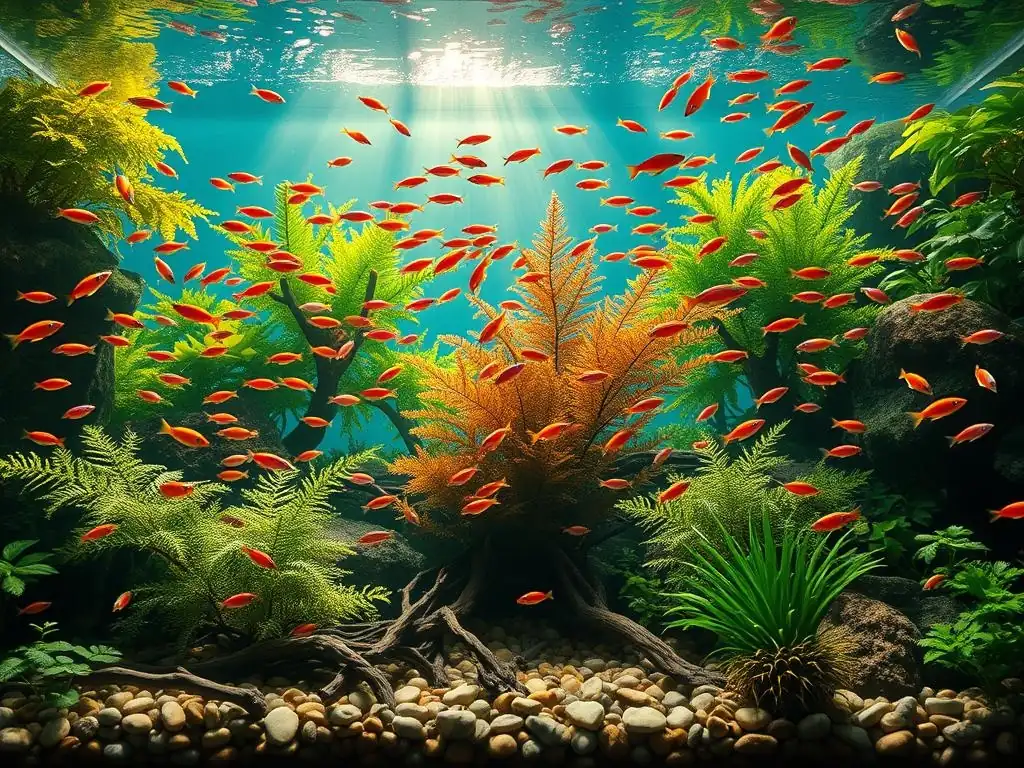
Ever been captivated by the shimmering, fiery red of a Serpae Tetra? Their vibrant color and playful antics make them a popular choice, but unlocking their full potential requires understanding their unique needs. Dive into our complete Serpae Tetra Care Guide to discover the secrets to keeping these beauties happy, healthy, and thriving in your freshwater aquarium. Prepare to be amazed by what you'll learn!
- Understanding the Allure of Serpae Tetras: An Introduction
- Essential Serpae Tetra Care: Creating the Ideal Habitat
- Serpae Tetra Tank Mates: Choosing Compatible Companions
- Serpae Tetra Diet and Feeding: Ensuring Optimal Health
- Serpae Tetra Health and Disease: Prevention and Treatment
- Serpae Tetra Breeding: A Comprehensive Guide
- Serpae Tetra Behavior: Understanding Their Feisty Personalities
- Troubleshooting Common Serpae Tetra Problems
- Serpae Tetra: A Summary of Key Care Requirements
-
Frequently Asked Questions
- What are the ideal water parameters for Serpae Tetras?
- What is the best diet for Serpae Tetras to maintain their vibrant colors?
- Are Serpae Tetras compatible with all other fish species in a community tank?
- What are some common diseases that Serpae Tetras are susceptible to?
- How much space do Serpae Tetras need in an aquarium?
- Final Reflection: Embracing the Vibrant Serpae Spirit
- Ignite Your Aquarium: Unleash the Serpae Tetra's Vibrant Potential!
Understanding the Allure of Serpae Tetras: An Introduction
Why Choose Serpae Tetras for Your Freshwater Aquarium?
Serpae Tetras ( Hyphessobrycon eques) are a captivating choice for freshwater aquariums due to their striking appearance and lively nature. Their vibrant, fiery red-orange coloration, often accented by a distinctive black comma-shaped spot behind the gill plate, makes them an immediate focal point in any planted tank. Beyond their aesthetic appeal, these fish are relatively hardy, making them suitable for intermediate aquarists seeking an active and engaging species.
Their energetic swimming patterns and constant activity add a dynamic element to the aquatic environment. A well-maintained school of Serpae Tetras can be observed darting through plants and interacting within their group, providing endless entertainment. Their compact size, typically reaching an adult length of 1.5 to 2 inches (3.8-5 cm), also allows them to be comfortably housed in medium-sized community aquariums, such as a 20-gallon tank or larger, which is a crucial consideration in any Serpae tetra care guide.
Serpae Tetra Appearance: Identifying Features and Color Variations
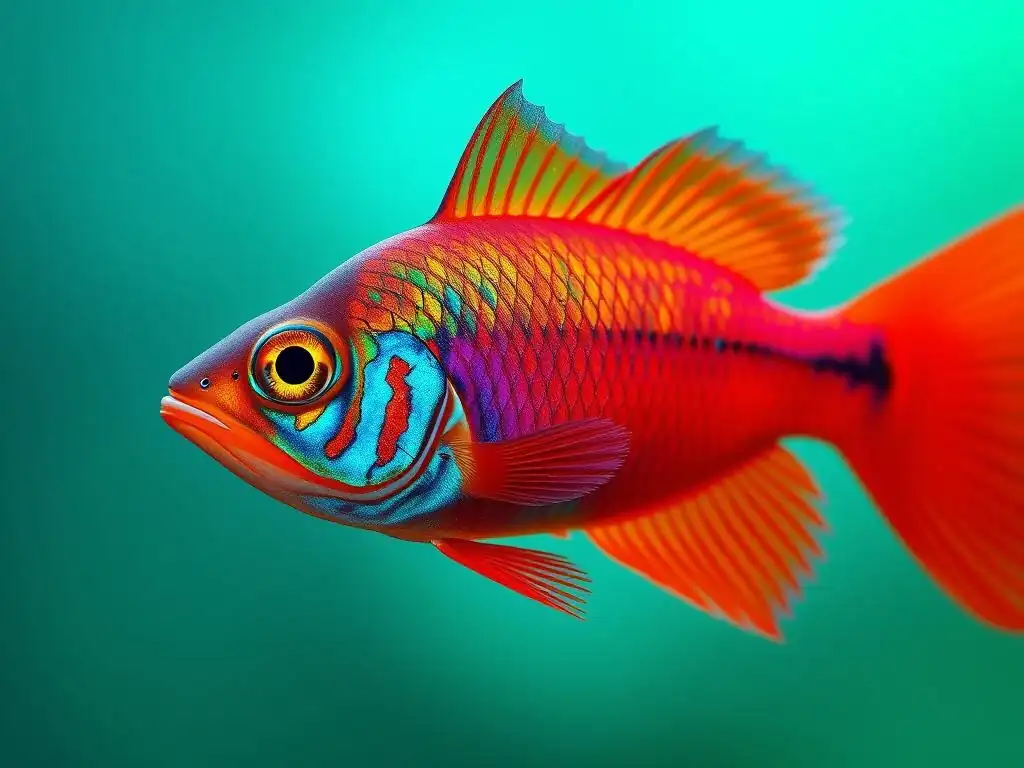
The classic Serpae Tetra exhibits a compressed, deep body with a high dorsal fin, giving it a somewhat triangular profile. The most defining feature is undoubtedly its intense red-orange body, which can range from a deep scarlet to a brighter, almost neon hue depending on diet, water quality, and genetics. A prominent black, comma-shaped spot is typically located just behind the operculum (gill cover), often followed by a faint, vertical black bar.
While the primary species Hyphessobrycon eques maintains this consistent coloration, there are some variations seen in the hobby. The Long-Fin Serpae Tetra, for instance, possesses elongated, flowing fins but retains the characteristic body shape and fiery red color. The intensity of their coloration is a strong indicator of their health and well-being, often deepening with a high-quality diet and optimal water parameters, underscoring the importance of proper Serpae tetra care. With good care, they can live for 5-7 years, sometimes even longer.
Essential Serpae Tetra Care: Creating the Ideal Habitat
Serpae Tetra Tank Size: How Much Space Do They Need?
Serpae Tetras are active, schooling fish that require ample swimming space to thrive and exhibit their natural behaviors. A minimum tank size of 20 gallons (approximately 75 liters) is recommended for a small school of 6-8 individuals. This allows enough room for them to form a cohesive school and helps to dilute any potential aggression by providing sufficient territory for each fish. Housing them in smaller tanks can lead to increased stress and heightened aggressive tendencies, particularly fin-nipping.
For larger schools of 10 or more Serpae Tetras, or if planning to include other active community fish, a 30-gallon (approximately 113 liters) aquarium or larger is highly advisable. More space provides better water stability, reduces territorial disputes, and allows for a more impressive display of their schooling dynamics. Providing adequate space is a cornerstone of effective Serpae tetra care, ensuring their long-term health and minimizing behavioral issues.
Water Parameters for Serpae Tetras: Temperature, pH, and Hardness
Maintaining stable and appropriate water parameters is critical for the health and vibrancy of Serpae Tetras. The ideal temperature range for these tropical fish is between 72-79°F (22-26°C). Consistent temperature is more important than the exact value within this range, as sudden fluctuations can cause significant stress. For pH, Serpae Tetras prefer slightly acidic to neutral water, with a range of 6.0-7.5 being optimal. Values outside this range can lead to physiological stress and increased susceptibility to disease.
Regarding water hardness, Serpae Tetras thrive in soft to medium-hard water, typically between 5-15 dGH (degrees of General Hardness). While they can tolerate a slightly wider range, maintaining consistency is key. Regular testing of ammonia, nitrite, nitrate, pH, and temperature using a reliable aquarium test kit is essential. Weekly water parameter checks are a crucial part of a robust Serpae tetra care routine, allowing for prompt adjustments to maintain a healthy environment.
Substrate and Decorations: Replicating Their Natural Environment
To make Serpae Tetras feel secure and to enhance their vibrant coloration, replicating elements of their natural Amazonian habitat is beneficial. A dark-colored substrate, such as fine gravel or sand, is highly recommended. This not only contrasts beautifully with their fiery red bodies, making their colors pop, but also helps to reduce light reflection from the bottom, which can be stressful for fish that naturally inhabit darker, tannin-stained waters.
Incorporating plenty of live plants is paramount for Serpae Tetras. Dense planting, particularly around the edges and back of the tank, provides crucial hiding spots and visual barriers that help break up lines of sight, thereby mitigating aggression within the school and towards other tank mates. Species like Java Fern, Anubias, Amazon Sword, and various stem plants are excellent choices. Additionally, driftwood and smooth rocks can be used to create a naturalistic aquascape, offering further shelter and enrichment, which are vital components of comprehensive Serpae tetra care.
Filtration and Water Changes: Maintaining Pristine Water Quality
Pristine water quality is non-negotiable for the health of Serpae Tetras, as they are sensitive to accumulating toxins. An efficient filtration system is essential, ideally a hang-on-back (HOB) filter or a canister filter, depending on tank size. These filters provide mechanical filtration to remove particulate matter, chemical filtration (e.g., activated carbon) to absorb impurities, and most importantly, biological filtration to convert harmful ammonia and nitrites into less toxic nitrates. Strong biological filtration is the backbone of Serpae tetra care.
Regular partial water changes are equally important for managing nitrate levels and replenishing essential minerals. A weekly water change of 25-30% of the tank volume is generally recommended. Always ensure that the new water is dechlorinated and temperature-matched to the aquarium water to prevent shock. For instance, in a 20-gallon tank, this means changing 5-6 gallons of water weekly. Consistent water changes prevent the buildup of pollutants that can lead to stress and disease, making them a fundamental aspect of effective Serpae tetra care.
Serpae Tetra Tank Mates: Choosing Compatible Companions
Best Tank Mates for Serpae Tetras: Peaceful Community Fish
When selecting tank mates for Serpae Tetras, it's crucial to choose species that are robust enough to handle their occasional feistiness but are not slow-moving or possess long, flowing fins. Good companions include other active, peaceful schooling fish of similar size and temperament. Examples include other fast-swimming tetras like Black Skirt Tetras, Congo Tetras, or Lemon Tetras, which can hold their own and often school together. Rasboras, such as Harlequin Rasboras or Lambchop Rasboras, also make excellent choices due to their similar environmental needs and active schooling nature.
Bottom-dwelling fish that occupy a different water column are often ideal. Corydoras catfish (e.g., Panda Corys, Bronze Corys) and Otocinclus catfish are excellent, peaceful additions that will not be bothered by Serpae Tetras and help keep the substrate clean. Larger, peaceful snails (e.g., Nerite Snails) can also coexist harmoniously. The key is to select fish with similar water parameter requirements and a generally calm disposition, ensuring a balanced and stress-free environment, which is a critical part of a successful Serpae tetra care plan.
Fish to Avoid: Aggressive or Fin-Nipping Species
Due to their propensity for fin-nipping, certain fish species should be strictly avoided as tank mates for Serpae Tetras. Any fish with long, delicate fins is a prime target for their nipping behavior, which can lead to stress, injury, and secondary infections. This list includes popular aquarium inhabitants such as Angelfish, Guppies, Bettas (Siamese Fighting Fish), and many species of Gouramis. These fish are slow-moving and their flowing fins are irresistible to a bored or aggressive Serpae Tetra.
Furthermore, avoid housing Serpae Tetras with overly aggressive or much larger predatory fish that could bully or prey on them. While some large, peaceful cichlids might coexist in very spacious tanks, it's generally best to avoid most cichlid species. Similarly, highly territorial or aggressive species like some Barbs (e.g., Tiger Barbs, unless very large schools in a species-specific tank) can create a constantly stressful environment. Responsible Serpae tetra care includes careful consideration of tank mate compatibility to prevent harm and maintain harmony.
Schooling Behavior: How Many Serpae Tetras Should You Keep Together?
Serpae Tetras are obligate schooling fish, meaning they absolutely need to be kept in groups to thrive and display their natural behaviors. A minimum school size of 6-8 individuals is essential to dilute their aggression and distribute any nipping tendencies within the group itself rather than towards other tank mates. In smaller groups (e.g., 3-4 fish), Serpae Tetras become significantly more stressed, prone to hiding, and much more likely to harass other fish in the aquarium.
Ideally, a school of 10 or more Serpae Tetras in a spacious tank (30 gallons or larger) is recommended. A larger school not only enhances their stunning visual display as they move in unison but also further minimizes external aggression. When kept in appropriate numbers, their feisty energy is directed internally within the school, leading to a more peaceful community aquarium. This proper schooling dynamic is a cornerstone of effective Serpae tetra care and overall tank harmony.
Serpae Tetra Diet and Feeding: Ensuring Optimal Health
What Do Serpae Tetras Eat? A Balanced Diet
Serpae Tetras are omnivores, meaning their natural diet in the wild consists of a variety of foods, including small insects, crustaceans, and some plant matter. To ensure optimal health, vibrant coloration, and a strong immune system in the aquarium, it is crucial to provide them with a varied and balanced diet that mimics this diversity. A diet rich in both protein and some vegetable matter is paramount for their well-being.
Ignoring dietary diversity can lead to dull coloration, stunted growth, and increased susceptibility to diseases. For instance, a diet solely based on generic flake food might provide basic nutrition but lacks the specific components that enhance their brilliant red hues and bolster their natural defenses. Therefore, a comprehensive Serpae tetra care guide always emphasizes a varied nutritional intake.
Feeding Frequency and Portion Sizes: Preventing Overfeeding
To maintain excellent water quality and prevent health issues, Serpae Tetras should be fed 1-2 times per day. The most important rule is to offer small portions that can be consumed entirely within 2-3 minutes. This ensures that all food is eaten and does not sink to the bottom to decompose. Overfeeding is a common mistake that can have severe consequences for an aquarium.
Uneaten food rapidly breaks down, leading to elevated levels of ammonia and nitrites, which are highly toxic to fish. It also contributes to increased nitrate levels and can fuel unsightly algae blooms. Furthermore, overfeeding can cause health problems for the fish themselves, such as swim bladder issues or fatty liver disease. A disciplined feeding schedule and controlled portion sizes are critical components of responsible Serpae tetra care.
Recommended Foods: Flakes, Pellets, and Live/Frozen Options
The staple diet for Serpae Tetras should consist of high-quality flake food or small, sinking pellets specifically formulated for tropical omnivores. Look for products that list fish meal, spirulina, and various vitamins as primary ingredients, ensuring a protein content of at least 40-50%. These provide the foundational nutrients necessary for daily health.
To supplement their diet and promote optimal color and vigor, incorporate live or frozen foods 2-3 times per week. Excellent options include bloodworms, brine shrimp, daphnia, and mosquito larvae. These protein-rich foods not only offer superior nutrition but also stimulate their natural hunting instincts, providing valuable mental enrichment. For example, a weekly serving of frozen bloodworms can visibly enhance their red pigmentation within a few weeks, making them a key part of advanced Serpae tetra care.
Serpae Tetra Health and Disease: Prevention and Treatment
Common Serpae Tetra Diseases: Identifying Symptoms and Causes
Serpae Tetras are generally hardy, but like all aquarium fish, they can be susceptible to common freshwater diseases, especially if water quality is poor or they are stressed. Ich (Ichthyophthirius multifiliis), also known as white spot disease, is one of the most prevalent, presenting as small, white, salt-like spots on the body and fins.
Fin Rot, a bacterial infection, causes fins to appear ragged, frayed, or to disintegrate, often due to poor water conditions or injury. Dropsy, characterized by a swollen body and scales protruding like a pinecone, is usually a symptom of a severe internal bacterial infection or organ failure.
Other issues might include fungal infections, appearing as cotton-like growths, or parasitic infestations leading to flashing (rubbing against decor), clamped fins, or lethargy. The primary cause for most of these ailments is often environmental stress stemming from unstable water parameters (e.g., ammonia spikes, high nitrates), improper diet, or incompatible tank mates. Early detection of symptoms and prompt action are crucial for successful treatment and are integral to any Serpae tetra care guide.
Quarantine Procedures: Preventing Disease Outbreaks
Implementing a strict quarantine procedure for all new fish before introducing them to the main aquarium is perhaps the single most effective way to prevent disease outbreaks. A separate quarantine tank, ideally 10-20 gallons (38-75 liters), should be set up with a heater, sponge filter, and aeration, but minimal substrate or decorations to simplify observation and treatment. New Serpae Tetras, or any new fish, should be housed here for a minimum of 2-4 weeks.
During the quarantine period, closely observe the fish for any signs of illness, such as unusual spots, clamped fins, lethargy, loss of appetite, or abnormal swimming patterns. This allows time for any latent diseases to manifest and be treated in isolation, preventing the spread of pathogens to your established community. For instance, if Ich appears on a new Serpae Tetra in quarantine, it can be treated there without risking your entire display tank. This proactive measure is a non-negotiable aspect of responsible Serpae tetra care.
Treating Sick Serpae Tetras: Medications and Natural Remedies
Once a disease is identified, prompt and appropriate treatment is essential. For Ich, a common and highly contagious parasite, gradually raising the water temperature to the upper end of their preferred range (e.g., 78-80°F or 25.5-26.5°C) can help accelerate the parasite's life cycle, making it more susceptible to medication. Combine this with an Ich medication containing malachite green or formalin, following dosage instructions precisely. For bacterial infections like Fin Rot, broad-spectrum antibacterial medications designed for aquarium use are often necessary.
In some cases, natural remedies can support recovery or alleviate stress. Adding non-iodized aquarium salt (e.g., 1 tablespoon per 5 gallons for short-term baths, or 1 teaspoon per 5 gallons for general tonic) can help reduce osmotic stress and inhibit some external parasites, but always research its compatibility with plants and invertebrates. Performing increased water changes (e.g., 50% daily) can also significantly improve water quality, which often aids recovery. Always remove activated carbon from the filter during medication to ensure the treatment is effective. Proper Serpae tetra care includes understanding when and how to intervene medically.
Serpae Tetra Breeding: A Comprehensive Guide
Setting Up a Breeding Tank for Serpae Tetras
To successfully breed Serpae Tetras, a dedicated breeding tank is highly recommended to protect the eggs and fry from being eaten by the parents or other tank inhabitants. A small 5-10 gallon (19-38 liter) aquarium is sufficient. The water parameters in the breeding tank should be soft and acidic, mimicking their natural spawning grounds. Aim for a pH of 6.0-6.5 and a very low general hardness (GH) of 2-4 dGH, often achieved by mixing reverse osmosis (RO) water with a small amount of tap water or using peat filtration.
The tank should be dimly lit, as Serpae Tetra eggs are light-sensitive. Provide spawning material such as fine-leaved plants (e.g., Java Moss, Hornwort) or artificial spawning mops, which the female will use to scatter her adhesive eggs. A bare bottom or a spawning grid can be used to prevent parents from eating eggs that fall. A gentle sponge filter is ideal for filtration, providing biological support without creating strong currents that could harm eggs or fry. This specialized setup is a crucial part of Serpae tetra care for breeding.
Conditioning Serpae Tetras for Breeding
Conditioning the prospective breeding pair is a vital step to encourage spawning and ensure the production of healthy eggs and sperm. For 1-2 weeks prior to attempting breeding, feed the selected male and female a high-protein, varied diet. Live foods are particularly effective for this purpose, as they mimic natural prey and provide an abundance of essential nutrients. Excellent conditioning foods include live or frozen bloodworms, brine shrimp, daphnia, and micro-worms.
Select a plump, gravid female (her belly will appear noticeably rounder) and a vibrant, active male. Males often display more intense coloration and may have a slightly more pointed dorsal fin compared to females. Consistent feeding with nutrient-rich foods will signal to the fish that conditions are optimal for reproduction, stimulating egg development in the female and increasing the male's vigor. This careful preparation is a key aspect of successful Serpae tetra care in a breeding context.
Spawning and Egg Care: Maximizing Hatch Rates
Once the breeding tank is set up and the pair is conditioned, introduce them into the breeding tank, typically in the evening. Spawning usually occurs the following morning, often at dawn, stimulated by the rising light. The male will chase the female, and as they embrace, she will scatter 100-200 small, adhesive eggs among the spawning material. The male will then immediately follow to fertilize them.
As soon as spawning is complete (which may take several hours), carefully remove the parent fish from the breeding tank. Serpae Tetras are notorious egg eaters, and leaving them in the tank will result in most, if not all, eggs being consumed. The eggs are light-sensitive, so keep the tank dimly lit or even covered. At a temperature of 78-80°F (25.5-26.5°C), the eggs will typically hatch within 24-36 hours. Careful Serpae tetra care during this delicate phase significantly maximizes hatch rates.
Raising Serpae Tetra Fry: Feeding and Water Quality
Newly hatched Serpae Tetra fry are incredibly tiny and almost transparent. For the first 2-3 days post-hatch, they will absorb nutrients from their yolk sacs and remain mostly motionless. Once the yolk sac is absorbed and they become free-swimming, they require extremely fine food. Infusoria (microscopic organisms) or specialized liquid fry food are ideal for their initial feeding.
After about a week, once the fry have grown slightly, they can be transitioned to newly hatched brine shrimp or micro-worms, which are highly nutritious and appropriately sized. Maintaining pristine water quality is paramount for fry survival; perform small, frequent water changes (10-15% daily or every other day) using temperature-matched, dechlorinated water. Avoid strong filtration that could suck up the fragile fry. Consistent feeding of appropriate foods and meticulous water quality management are the backbone of Serpae tetra care for the delicate fry stage.
Serpae Tetra Behavior: Understanding Their Feisty Personalities
Observing Serpae Tetra Behavior: Schooling Dynamics and Interactions
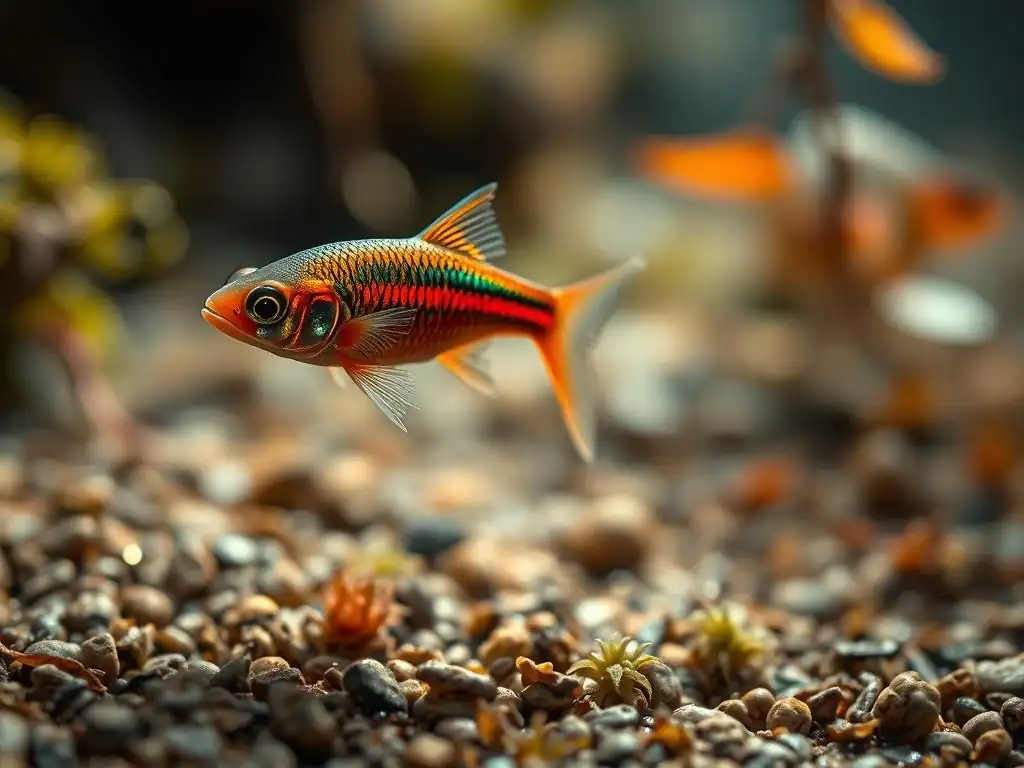
Serpae Tetras are renowned for their active and somewhat boisterous schooling behavior. In a well-established school of 6-8 or more individuals, they typically move together in a cohesive unit, especially when exploring or feeling threatened. Within the school, a natural pecking order often develops, characterized by occasional harmless chasing, fin-flaring, and minor nips among themselves. This internal aggression is normal and helps establish dominance without usually causing harm.
Observing their schooling dynamics provides valuable insight into their well-being. A healthy school will exhibit active swimming, vibrant colors, and relatively harmonious interactions. Conversely, if individual fish are constantly hiding, showing extreme aggression towards each other, or if their schooling behavior is erratic, it may indicate underlying issues such as an insufficient school size, cramped tank conditions, or incompatible tank mates. Adjusting their Serpae tetra care to address these issues is crucial for their long-term health.
Addressing Aggression: Minimizing Fin-Nipping Issues
While Serpae Tetras are known for their "feisty" personalities, excessive aggression, particularly fin-nipping directed at other species, is often a sign of stress or improper tank conditions. The most common cause is keeping too small a school (fewer than 6-8 individuals), which concentrates their aggressive tendencies onto a few individuals or other tank inhabitants rather than dispersing it within a larger group. Another significant factor is an undersized tank, which leads to overcrowding and increased territorial disputes.
To minimize fin-nipping, ensure your Serpae Tetra school consists of at least 8-10 individuals, ideally more, in a tank of 30 gallons or larger. Providing plenty of hiding spots and visual barriers with dense live plants, driftwood, and rocks can also help. This allows submissive fish to retreat and break lines of sight, reducing opportunities for conflict. For instance, creating distinct territories with tall plants can significantly reduce stress. These proactive measures are fundamental to effective Serpae tetra care and maintaining a peaceful community tank.
Enrichment Activities: Keeping Serpae Tetras Stimulated
While Serpae Tetras are active schooling fish, providing environmental enrichment can significantly enhance their well-being and natural behaviors. A well-scaped aquarium with varied textures, heights, and open swimming areas encourages exploration and provides mental stimulation. Live plants, in particular, offer more than just hiding spots; they provide surfaces for foraging for micro-organisms and create a more dynamic environment.
Varying their diet with live or frozen foods (e.g., bloodworms, brine shrimp) not only provides superior nutrition but also taps into their natural hunting instincts, offering a form of behavioral enrichment. Introducing a new piece of driftwood or rearranging some decor can also provide novel stimuli for them to explore. Even subtle changes in water flow or lighting can offer different experiences. Integrating these enrichment activities into your routine contributes to comprehensive Serpae tetra care, ensuring they remain active, vibrant, and engaged.
Troubleshooting Common Serpae Tetra Problems
Serpae Tetra Fin-Nipping: Causes and Solutions
Fin-nipping is one of the most frequently reported issues with Serpae Tetras and typically stems from a few key factors. The primary cause is an insufficient school size; when kept in groups smaller than 6-8, their inherent feistiness is directed outwards towards tank mates rather than being diluted within their own school. Secondly, an undersized or sparsely decorated tank can lead to heightened stress and territorial aggression, as fish feel cramped and lack adequate hiding spots or visual barriers.
To resolve fin-nipping, increase the school size to at least 8-10 Serpae Tetras, ideally more, in a tank of 30 gallons or larger. This allows their aggressive tendencies to be dispersed internally. Ensure the tank is heavily planted with dense vegetation and features plenty of driftwood or rock formations to create ample hiding spots and break up lines of sight. Re-evaluate tank mates; remove any slow-moving fish with long, flowing fins (e.g., Angelfish, Bettas). Proper Serpae tetra care dictates proactive prevention of these common issues.
Loss of Color: Identifying Potential Issues
A noticeable dulling or fading of the Serpae Tetra's vibrant red-orange coloration is a clear indicator that something is amiss in their environment or health. The most common culprits are stress, poor water quality, inadequate diet, or the onset of illness. Fish living in high nitrate environments, fluctuating temperatures, or experiencing constant harassment from incompatible tank mates will often lose their intensity as a sign of chronic stress.
To address color loss, immediately perform a comprehensive water test to check for elevated ammonia, nitrite, or nitrate levels. Correct any imbalances with partial water changes and ensure your filtration is adequate. Review their diet to ensure it's high-quality, varied, and includes color-enhancing foods rich in astaxanthin (e.g., spirulina, bloodworms). Observe for other signs of illness, such as clamped fins or lethargy, and address them promptly. A consistent Serpae tetra care routine focused on stable water parameters and a rich diet is key to maintaining their brilliant hues.
Lethargic Behavior: Recognizing Signs of Illness
Healthy Serpae Tetras are active, constantly swimming, and engaging with their school and environment. If your Serpae Tetras exhibit lethargic behavior, such as spending excessive time hiding, hovering listlessly near the surface or bottom, or showing a lack of interest in food, it is a serious sign that they are unwell or severely stressed. This behavior often precedes more visible symptoms of disease or indicates critical water quality issues.
Upon observing lethargy, immediately check all water parameters (ammonia, nitrite, nitrate, pH, temperature) as sudden spikes or prolonged poor water quality are frequent causes. Perform a significant partial water change (e.g., 50%) using temperature-matched, dechlorinated water to dilute any potential toxins. Observe the fish closely for any other symptoms like white spots, clamped fins, bloating, or labored breathing. If water parameters are fine, consider the possibility of internal parasites or bacterial infections and be prepared to treat accordingly. Prompt action is crucial in Serpae tetra care when lethargy is observed.
Serpae Tetra: A Summary of Key Care Requirements
Quick Reference Guide: Serpae Tetra Care Checklist
For quick reference, here are the essential Serpae tetra care requirements:
- Minimum Tank Size: 20 gallons (approx. 75 liters) for a school of 6-8 individuals; 30+ gallons for 10+ individuals.
- Temperature: 72-79°F (22-26°C).
- pH: 6.0-7.5.
- Hardness (GH): 5-15 dGH (soft to medium-hard).
- School Size: Minimum 6-8 individuals, ideally 10 or more.
- Diet: Omnivore; high-quality flakes/small pellets as staple, supplemented 2-3 times weekly with live/frozen foods (bloodworms, brine shrimp).
- Water Changes: 25-30% of tank volume weekly.
- Filtration: Efficient mechanical, chemical, and biological filtration.
- Decor: Dense live plants, driftwood, and dark substrate to provide cover and break lines of sight.
Adhering to these parameters and providing a stimulating environment will ensure your Serpae Tetras thrive, displaying their vibrant colors and engaging personalities. This checklist serves as a practical Serpae tetra care guide for quick consultation.
Resources for Further Learning about Serpae Tetras
For those seeking to deepen their understanding of Serpae Tetras and advanced aquarium husbandry, a wealth of resources is available. Delving into scientific journals and ichthyology databases can provide detailed information on their natural habitat, specific behaviors, and physiological needs of Hyphessobrycon eques. Online forums and communities dedicated to freshwater aquariums, such as those on AquariumMastery.com, offer invaluable insights from experienced aquarists, allowing for direct interaction and problem-solving.
Furthermore, consulting local fish stores with knowledgeable staff can provide personalized advice tailored to your specific setup and conditions. Many reputable stores employ aquarists who can offer guidance on everything from water chemistry nuances to specific disease treatments. Books and comprehensive online encyclopedias on tropical fish care are also excellent long-term references. Continuously learning and applying new knowledge is a hallmark of dedicated Serpae tetra care, ensuring the best possible environment for your aquatic companions.
Frequently Asked Questions
What are the ideal water parameters for Serpae Tetras?
Serpae Tetras thrive in slightly acidic to neutral water. The ideal parameters are a pH of 6.0-7.0 and a temperature of 72-78°F (22-26°C). Regular water changes are crucial for maintaining these stable conditions.
What is the best diet for Serpae Tetras to maintain their vibrant colors?
A varied diet is key. Offer them high-quality flake food as a staple, supplemented with live or frozen foods like bloodworms and daphnia to enhance their color.
Are Serpae Tetras compatible with all other fish species in a community tank?
Serpae Tetras can be nippy, especially in smaller groups. Avoid keeping them with long-finned or slow-moving fish. Larger groups of Serpae Tetras (6 or more) tend to be less aggressive toward tank mates.
What are some common diseases that Serpae Tetras are susceptible to?
Serpae Tetras are susceptible to common freshwater diseases like Ich (white spot disease) and fin rot. Maintaining excellent water quality and quarantine new arrivals can help prevent these issues.
How much space do Serpae Tetras need in an aquarium?
A group of Serpae Tetras requires a minimum tank size of 20 gallons (75 liters). Providing adequate space reduces stress and helps to minimize their nippy behavior.
Final Reflection: Embracing the Vibrant Serpae Spirit
The journey through understanding the Serpae Tetra, from its fiery hues to its surprisingly bold personality, underscores a broader truth: even the smallest creatures can possess a captivating depth. This exploration of Serpae Tetra care is not just about keeping fish alive; it's about appreciating the intricate beauty and delicate balance within a miniature ecosystem. It reminds us that responsible stewardship, even in the confines of an aquarium, reflects a larger commitment to the natural world.
The Serpae Tetra, with its vibrant colors and active nature, serves as a constant reminder of the joy and responsibility that comes with caring for another living being. Their presence in our homes can be a source of tranquility and fascination, a window into a world often overlooked. In every walk with nature, one receives far more than he seeks.
- John Muir. This quote perfectly encapsulates the unexpected rewards of observing and nurturing these little fish, fostering a deeper connection to the natural world.
Now, consider the lessons learned from understanding the Serpae Tetra. Reflect on the patience, observation, and dedication required to provide them with a thriving environment. How can you apply these same principles to other aspects of your life, fostering growth and well-being in your own personal ecosystem? Let the vibrant spirit of the Serpae Tetra inspire you to cultivate a more mindful and compassionate approach to all living things, both big and small.
Ignite Your Aquarium: Unleash the Serpae Tetra's Vibrant Potential!
Thank you for exploring the captivating world of Serpae Tetras! We hope you've gained valuable insights into caring for these fiery beauties and appreciating their unique personalities. Now, let's transform that knowledge into action and create a thriving environment for your Serpae Tetras.
Here's how you can take the next steps:
- Prioritize optimal water parameters: Re-evaluate your current water testing routine and consider investing in a higher-quality test kit to ensure your Serpae Tetras are swimming in pristine conditions.
- Share the Serpae love: Spread the word about these fascinating fish by sharing this guide with fellow aquarium enthusiasts on your favorite social media platforms.
- Contribute your experience: Leave a comment below detailing your personal experiences with Serpae Tetras – what unique behaviors have you observed, and what challenges have you overcome in their care?
What specific tank setup changes will you implement this week to better suit your Serpae Tetras' needs and enhance their vibrant colors?