
Setting Up a Platy Breeding Haven: Simple Steps for Success

Welcome to Aquarium Mastery!
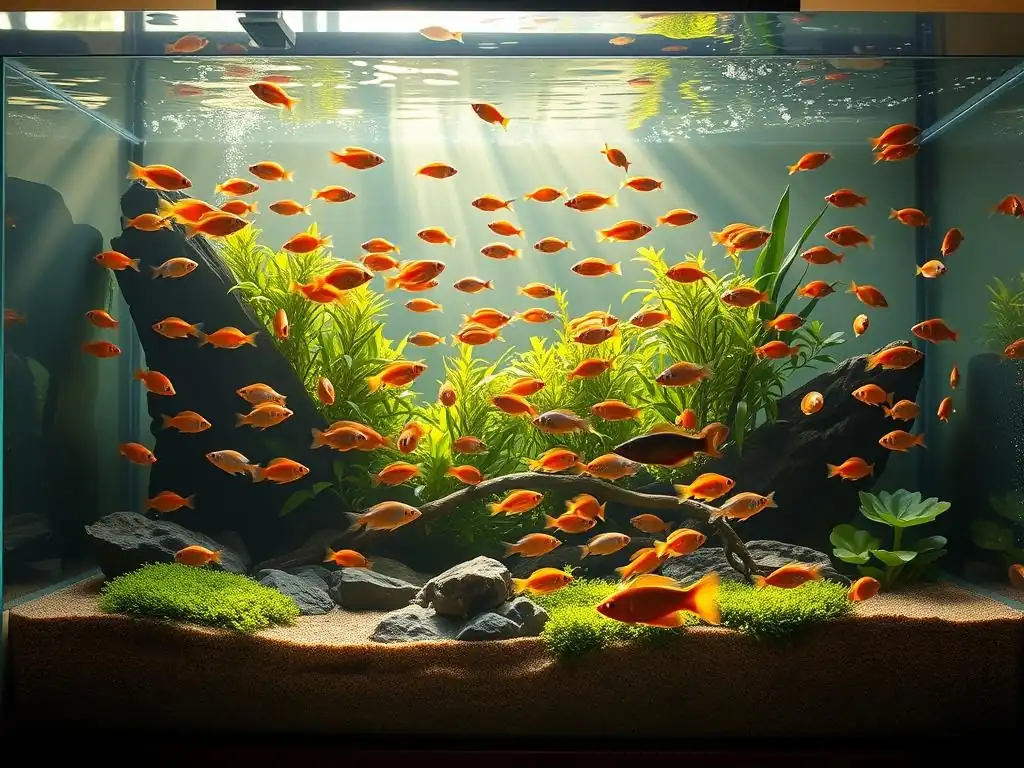
Ready to witness the miracle of life in your aquarium? Dive into our Platy breeding aquarium setup guide and unlock the secrets to successfully raising these vibrant fish. Ever wondered how to create the perfect environment for your Platies to thrive and multiply? Let's explore the simple steps that transform your aquarium into a Platy breeding haven, ensuring healthy and happy fry. Curious to know more?
- Understanding Platy Breeding Basics for a Successful Aquarium
- Choosing the Right Aquarium for Platy Breeding
- Setting Up Your Platy Breeding Aquarium: A Step-by-Step Guide
- Maintaining a Healthy Platy Breeding Aquarium
- Protecting Platy Fry: Preventing Predation and Ensuring Survival
- Troubleshooting Common Platy Breeding Issues
- Advanced Platy Breeding Techniques for Aquarium Hobbyists
- Conclusion: Enjoying the Rewards of Platy Breeding
- Frequently Asked Questions
- Final Reflection: Cultivating Life and Connection
- Cultivate Your Own Platy Paradise!
Understanding Platy Breeding Basics for a Successful Aquarium
Why Breed Platies? Benefits and Considerations
Breeding Platies, vibrant and hardy livebearers, offers a deeply rewarding experience for aquarists of all levels. Beyond the sheer joy of observing new life emerge and grow within your Platy breeding aquarium setup guide, it provides an excellent educational opportunity to understand fish reproduction cycles, genetics, and the intricate balance of a thriving aquatic ecosystem. Many hobbyists find immense satisfaction in contributing to the hobby by producing healthy, robust fry, or even developing unique color strains through selective breeding.
Furthermore, breeding Platies can serve practical purposes. It allows aquarists to maintain a sustainable population for their own tanks, share fish with local fish clubs or friends, or even generate a small income if selling to local fish stores. Considering their prolific nature—a female Platy can give birth every 28-30 days—a successful Platy breeding operation requires careful planning for the eventual rehoming or accommodation of numerous fry. An average brood can range from 20 to 50 fry, though larger, mature females might produce upwards of 80, necessitating adequate space and resources.
Key Factors Influencing Platy Reproduction
Several critical factors significantly influence the success and frequency of Platy reproduction within an aquarium environment. Water quality stands paramount; stable parameters, including a consistent temperature between 72-78°F (22-26°C), a pH of 7.0-8.0, and moderately hard water (10-25 dGH), are essential for healthy breeding adults and viable fry. Fluctuations in these parameters can cause stress, leading to reduced fertility or even aborted pregnancies.
Diet plays another crucial role. A varied and high-quality diet for breeding adults, rich in protein, will enhance their health and reproductive capacity. Live foods like brine shrimp or daphnia, alongside high-quality flake or pellet food, provide the necessary nutrients for egg development and sperm production. Additionally, the presence of both male and female Platies in an appropriate ratio (typically 1 male to 2-3 females to reduce male harassment) ensures successful fertilization. Adequate space and plenty of hiding spots within the Platy tank also minimize stress, encouraging natural breeding behaviors.
Choosing the Right Aquarium for Platy Breeding
Optimal Tank Size for a Platy Breeding Setup
Selecting the appropriate tank size is a foundational step for a successful Platy breeding aquarium setup guide. For a small group of 3-5 Platies (1 male to 2-4 females), a 10-gallon (approximately 38-liter) aquarium can serve as a suitable dedicated breeding tank. This size allows for sufficient swimming space for the adults while also providing enough volume to maintain stable water parameters, which is crucial for the health of both parents and developing fry.
However, if the goal is to raise a larger number of fry to maturity or to house multiple breeding groups, a 20-gallon (approximately 76-liter) or even a 29-gallon (approximately 110-liter) tank would be more advantageous. Larger tanks offer increased stability in water chemistry, dilute waste products more effectively, and provide more space for fry to grow without overcrowding, which can stunt growth and increase susceptibility to disease. Overcrowding is a common pitfall in Platy breeding, leading to stress and reduced survival rates for fry.
Bare-Bottom vs. Substrate: Which is Best for Platy Fry?
When setting up a Platy breeding tank, the choice between a bare-bottom tank and one with substrate significantly impacts fry survival and tank maintenance. A bare-bottom tank, devoid of gravel or sand, offers distinct advantages for fry. It makes cleaning exceptionally easy, allowing for quick removal of uneaten food and waste, which helps maintain pristine water quality – a critical factor for delicate fry. Additionally, there are no crevices for fry to get trapped in or for uneaten food to accumulate, reducing anaerobic spots and potential ammonia spikes.
Conversely, a tank with a substrate, such as fine gravel or sand, can provide a more natural aesthetic and support beneficial bacteria that colonize the surface, contributing to the nitrogen cycle. However, substrate can also trap uneaten food and waste, making cleaning more challenging and potentially leading to higher nitrate levels if not diligently maintained.
For Platy fry, a bare-bottom tank or one with a very thin layer of fine sand (which is easier to siphon clean) often proves more practical, especially if the primary goal is maximizing fry survival and ease of maintenance. The decision often comes down to balancing aesthetic preference with practical breeding considerations.
Essential Equipment for a Platy Breeding Tank
Equipping your Platy breeding aquarium setup guide with the right tools is paramount for success. A reliable heater is crucial to maintain a consistent water temperature between 72-78°F (22-26°C), which is ideal for Platy health and breeding. A thermometer should always be used to monitor this temperature accurately. Filtration is another key component; a gentle filter, such as a sponge filter, is highly recommended. Sponge filters provide excellent biological filtration without creating strong currents that can stress adult Platies or suck in delicate Platy fry.
Beyond heating and filtration, adequate lighting is necessary, typically 8-10 hours a day, to support any live plants introduced and to establish a natural day-night cycle for the fish. A reliable air pump connected to the sponge filter ensures proper oxygenation. Lastly, a comprehensive water testing kit (for ammonia, nitrite, nitrate, pH, and hardness) is indispensable for monitoring water parameters and making necessary adjustments to ensure the optimal environment for successful Platy breeding.
Setting Up Your Platy Breeding Aquarium: A Step-by-Step Guide
Step 1: Preparing the Breeding Tank – Cleaning and Cycling
The first and most critical step in establishing a Platy breeding aquarium setup guide is thorough preparation and cycling of the tank. Begin by meticulously cleaning the aquarium and all equipment using only hot water and a clean, dedicated sponge or cloth. Avoid any soaps or detergents, as residues can be highly toxic to fish. Once clean, place the tank in its final desired location, ensuring it's on a sturdy, level surface capable of supporting its full weight.
Next, initiate the nitrogen cycle, which is fundamental for converting toxic fish waste into less harmful compounds. This process, known as "cycling," typically takes 4-6 weeks. During this period, beneficial bacteria will colonize the filter media and surfaces, establishing a stable biological filter.
You can cycle the tank using a fishless method (e.g., adding a pure ammonia source) or by using a few hardy "starter" fish if absolutely necessary (though fishless cycling is preferred for the well-being of the fish). Regular testing of ammonia, nitrite, and nitrate levels is essential to track the cycle's progress until ammonia and nitrite consistently read zero, indicating a fully cycled and safe environment for your breeding Platies.
Step 2: Water Parameters – Achieving Ideal Conditions for Platy Breeding
Achieving and maintaining precise water parameters is fundamental for successful Platy breeding and the health of both parents and fry. Platies thrive in slightly alkaline to neutral water with a pH range of 7.0 to 8.0. Consistent temperature is equally vital; aim for 72-78°F (22-26°C), as stable warmth encourages breeding and healthy fry development. Fluctuations can stress the fish and reduce breeding success.
Water hardness, expressed as general hardness (GH) or carbonate hardness (KH), is also important. Platies prefer moderately hard water, typically between 10-25 dGH. This provides essential minerals for their well-being. Regular testing with a reliable liquid test kit is non-negotiable to monitor pH, temperature, GH, and especially the nitrogen cycle parameters (ammonia, nitrite, nitrate). Any deviations should be corrected promptly through small, targeted water changes or the use of appropriate water conditioners to ensure the optimal environment for your Platy breeding aquarium setup guide.
Step 3: Introducing Plants and Decorations – Creating a Safe Haven for Fry
Introducing live plants and appropriate decorations is a crucial step in creating a thriving Platy breeding tank, particularly for the survival of the delicate fry. Densely planted areas, especially with fine-leaved or bushy plants like Java Moss ( Taxiphyllum barbieri ), Anacharis ( Egeria densa ), Hornwort ( Ceratophyllum demersum ), or Water Wisteria ( Hygrophila difformis ), provide essential hiding spots for newborn Platy fry. These plants offer refuge from adult Platies, who, despite their generally peaceful nature, may predate on their own offspring.
Beyond live plants, other decorations such as small caves, driftwood, or artificial plant bunches can also serve as effective hiding places. The key is to create a complex environment where fry can easily escape and feel secure. This not only increases their survival rate but also reduces stress for the breeding females, as they have safe zones to retreat to after giving birth. Ensuring a rich, multi-layered habitat is a cornerstone of a successful Platy breeding aquarium setup guide.
Step 4: Selecting Your Breeding Platies – Healthy Stock for Best Results
The success of your Platy breeding aquarium setup guide heavily relies on the quality and health of your breeding stock. When selecting Platies, prioritize vibrant, active fish with clear eyes and fins, and no signs of disease such as clamped fins, white spots (Ich), or fungal growths. Healthy fish are more likely to breed successfully and produce robust, disease-resistant fry. Aim for a ratio of one male to two or three females to prevent the male from over-harassing any single female, which can lead to stress and reduced fertility.
Observe the fish at the pet store or from your existing collection for a few days to ensure they are eating well and exhibiting normal behavior. For females, look for a noticeable gravid spot (a dark spot near the anal fin) as a sign of maturity and potential pregnancy. Males are typically smaller and possess a modified anal fin called a gonopodium. Introducing healthy, well-conditioned Platy fish into your prepared breeding tank sets the stage for optimal reproductive success and the propagation of strong genetic lines.
Maintaining a Healthy Platy Breeding Aquarium
Feeding Your Breeding Platies and Fry for Optimal Growth
Proper nutrition is paramount for both breeding adult Platies and their rapidly growing fry in a Platy breeding aquarium setup guide. Adult Platies should receive a varied diet consisting of high-quality flake or pellet food supplemented with live or frozen foods such as brine shrimp, bloodworms, or daphnia. Feeding small amounts multiple times a day (2-3 times) is preferable to one large meal, as it aids digestion and reduces waste accumulation. A protein-rich diet enhances their reproductive health and energy levels for breeding.
For Platy fry, specialized feeding is crucial for rapid growth and survival. Initially, they are tiny and require microscopic foods. Newly hatched brine shrimp are an excellent first food, providing high protein and essential nutrients. Other suitable options include finely crushed high-quality flake food, infusoria, or commercial liquid fry foods. Feed fry 3-5 times a day in very small quantities to ensure constant access to food without polluting the water. Consistent, nutrient-dense feeding directly impacts the fry's growth rate, color development, and overall health, making it a cornerstone of successful Platy breeding.
Regular Water Changes and Tank Maintenance for Platy Health
Regular water changes and diligent tank maintenance are non-negotiable for the health and productivity of your Platy breeding aquarium setup guide. Platies, especially fry, are sensitive to declining water quality caused by accumulating nitrates and other waste products. Performing weekly water changes of 25-30% of the tank's volume is generally recommended. Always use a dechlorinator to treat tap water, as chlorine and chloramines are highly toxic to fish. Ensure the new water's temperature closely matches the tank water to prevent temperature shock.
Beyond water changes, routine cleaning is vital. Siphon the substrate (or vacuum the bare bottom) to remove uneaten food and detritus, which contribute to ammonia and nitrite spikes. Clean filter media periodically by rinsing it in old tank water to preserve beneficial bacteria. Avoid overfeeding, as excess food quickly fouls the water. Consistent maintenance minimizes stress on breeding adults, prevents disease outbreaks, and significantly increases the survival rate of delicate Platy fry, directly contributing to the success of your Platy breeding efforts.
Monitoring Water Quality: Ammonia, Nitrite, and Nitrate Levels in the Platy Tank
Diligent monitoring of water quality parameters, specifically ammonia, nitrite, and nitrate levels, is absolutely critical for a healthy and productive Platy breeding aquarium setup guide. Ammonia and nitrite are highly toxic byproducts of fish waste and decaying organic matter. Even small concentrations can cause severe stress, gill damage, and death, especially in sensitive Platy fry. A fully cycled tank should consistently show 0 ppm for both ammonia and nitrite. If these levels are detectable, it indicates a problem with the biological filter or overstocking, requiring immediate action like partial water changes.
Nitrates, the end product of the nitrogen cycle, are less toxic than ammonia and nitrite but can still accumulate to harmful levels. High nitrate levels (above 20 ppm, ideally below 10 ppm for breeding tanks) can stunt growth, suppress the immune system, and reduce breeding success. Regular testing with a reliable liquid test kit is essential. If nitrates are consistently high, increase the frequency or volume of water changes. Consistent monitoring and proactive management of these parameters ensure a stable and safe environment, directly impacting the vitality of your Platy breeding stock and the survival of their offspring.
Protecting Platy Fry: Preventing Predation and Ensuring Survival
Breeding Box or Separate Fry Tank: Which Method is Better?
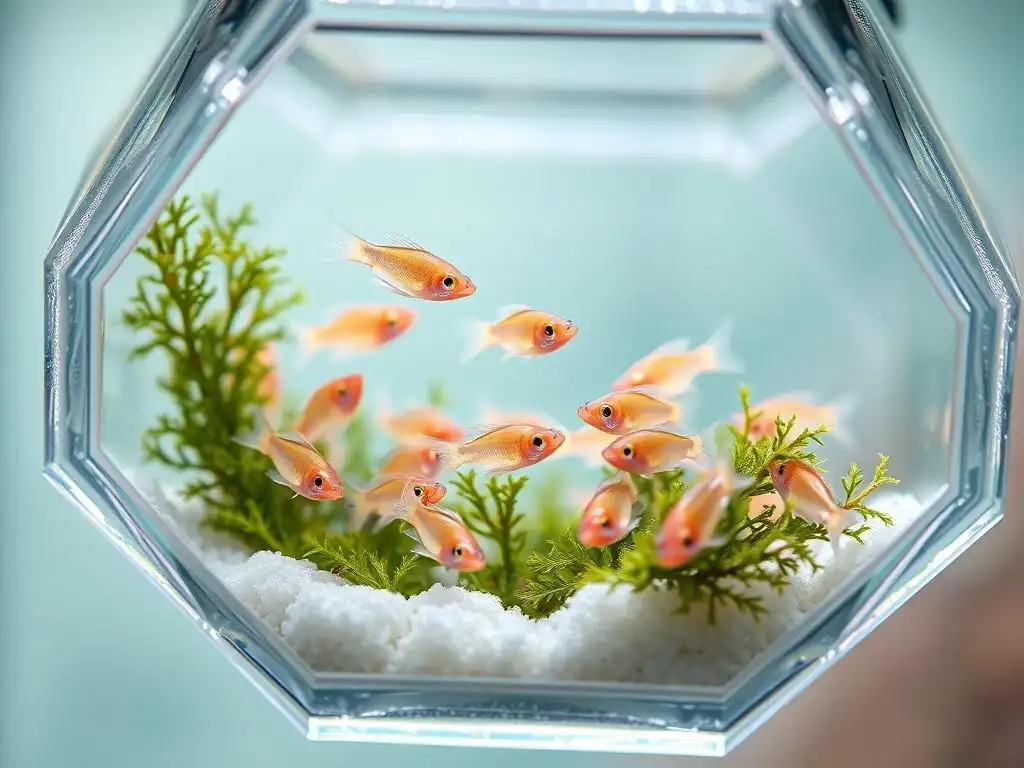
When it comes to protecting vulnerable Platy fry from predation by adult fish, aquarists typically choose between using a breeding box or setting up a separate fry tank. A breeding box, often a small, perforated plastic container suspended inside the main tank, is a convenient option.
It allows the pregnant female to give birth in isolation, with the fry dropping through slits into a lower compartment, safe from the mother. While easy to set up and requiring no additional heating or filtration, breeding boxes can be stressful for the female due to confined space and may lead to aborted births or premature labor if used for extended periods.
A separate fry tank, typically a 5-10 gallon (19-38 liter) aquarium, is generally considered the superior method for maximizing fry survival and health. This dedicated Platy breeding aquarium setup guide allows for optimal water quality specific to fry needs, provides ample space for growth, and eliminates stress on the mother. It requires its own gentle filtration (like a sponge filter) and heater. While it demands more initial investment and maintenance, a separate fry tank offers a much healthier environment, leading to higher survival rates and stronger, faster-growing Platy fish fry.
Providing Hiding Places for Platy Fry: Plants, Caves, and Decor
Even within a dedicated fry tank, or especially if fry are left in a community Platy tank, providing abundant hiding places is crucial for their survival and well-being. Newborn Platy fry are tiny and instinctively seek cover to escape potential predators, including their own parents. Densely planted areas are the most effective solution. Fine-leaved plants such as Java Moss ( Taxiphyllum barbieri), Guppy Grass ( Najas guadalupensis), Anacharis ( Egeria densa), and Hornwort ( Ceratophyllum demersum) create intricate networks of branches where fry can easily conceal themselves.
Beyond live plants, other decor items can also offer refuge. Small, smooth pebbles piled to form crevices, miniature ceramic caves, or even bundles of artificial plant leaves can provide essential cover. The goal is to create a complex, multi-layered environment that mimics natural habitats, allowing the fry to feel secure and reducing their stress levels. A well-furnished Platy breeding aquarium setup guide with ample hiding spots significantly boosts the survival rate of the delicate Platy fry.
Identifying and Addressing Common Platy Fry Problems
Despite best efforts, Platy fry can encounter several common problems in a Platy breeding aquarium setup guide that require prompt identification and intervention. The most frequent issue is starvation, often due to insufficient feeding frequency or inappropriate food size. Fry need constant access to tiny, nutrient-dense foods like newly hatched brine shrimp or finely powdered flakes, fed 3-5 times daily. If fry appear thin or inactive, increase feeding.
Another common problem is poor water quality, leading to stunted growth, disease, or death. High ammonia, nitrite, or nitrate levels, or significant temperature fluctuations, are detrimental. Regular small water changes (10-20% daily or every other day for fry tanks) and diligent monitoring with a test kit are essential. Additionally, fungal infections or bacterial diseases can affect fry, often appearing as white fuzz or lesions. These usually indicate poor water conditions or stress. Immediate isolation and mild medication, coupled with improved water quality, are necessary. Early detection and proactive measures are key to maximizing Platy fry survival rates.
Troubleshooting Common Platy Breeding Issues
Why Aren't My Platies Breeding? Identifying Potential Problems
If your Platies are not breeding despite being mature and housed together, several factors in your Platy breeding aquarium setup guide could be at play. The most common reason is inadequate water parameters. Platies require stable conditions: a temperature between 72-78°F (22-26°C), a pH of 7.0-8.0, and moderately hard water. Significant fluctuations or parameters outside this range can inhibit breeding. Test your water regularly and make adjustments as needed.
Another potential issue is diet. A diet lacking in protein or variety can reduce fertility. Ensure you are feeding high-quality flakes, pellets, and supplementing with live or frozen foods like brine shrimp. Stress, caused by overcrowding, aggressive tank mates, or insufficient hiding spots, can also prevent breeding. Check your male-to-female ratio (aim for 1 male to 2-3 females) and ensure the tank isn't overstocked. Finally, sometimes fish just need time to acclimate or are simply not ready, especially if they are very young. Patience and consistent optimal conditions are often the best remedies for a stalled Platy breeding program.
Dealing with Aggression in the Platy Breeding Tank
Aggression, though less common than in some other species, can occasionally arise in a Platy breeding aquarium setup guide, primarily from males towards females or between males. Male Platies, driven by their instinct to breed, can relentlessly pursue females, leading to stress, fin nipping, and even injury. This often occurs if there are too few females per male. The ideal ratio of one male to two or three females helps disperse the male's attention, reducing harassment on any single female.
If aggression persists, particularly among males, it might indicate overcrowding or insufficient space. A larger tank provides more territory and allows weaker individuals to retreat. Densely planted areas and numerous decorations offer crucial hiding spots for harassed fish. In severe cases, separating the most aggressive individuals or adding more females may be necessary to restore peace and prevent harm within your Platy breeding tank. Monitoring behavior closely is key to addressing aggression promptly and maintaining a harmonious environment for successful Platy breeding.
Preventing and Treating Diseases in Your Platy Breeding Aquarium
Preventing diseases in your Platy breeding aquarium setup guide is far more effective than treating them, as sick fish are unlikely to breed successfully, and medications can be harsh on delicate Platy fry. The cornerstone of disease prevention is maintaining pristine water quality. Regular partial water changes (25-30% weekly) and consistent monitoring of ammonia, nitrite, and nitrate levels are crucial. Overfeeding and overcrowding are major contributors to poor water quality and stress, which weaken fish immune systems.
When introducing new fish, always quarantine them in a separate tank for 2-4 weeks. This prevents the introduction of pathogens into your established breeding tank. Provide a high-quality, varied diet to keep your Platies robust and resilient. If disease does occur, prompt identification and treatment are essential. Common Platy ailments include Ich (white spots), fin rot, and fungal infections, often treatable with appropriate aquarium medications. Always remove carbon from your filter before medicating, and follow dosage instructions carefully. Maintaining optimal conditions and vigilance are the best defenses for a healthy Platy breeding colony.
Advanced Platy Breeding Techniques for Aquarium Hobbyists
Selective Breeding for Specific Platy Colors and Traits
For the dedicated hobbyist, Platy breeding extends beyond simply producing fry; it encompasses the fascinating world of selective breeding. This advanced technique involves intentionally choosing parent Platies with desired traits, such as specific vibrant colors (e.g., Blood Red, Sunset, Tuxedo), fin shapes (e.g., high-fin), or body patterns, and breeding them together to enhance or isolate those characteristics in subsequent generations. This requires meticulous record-keeping of parentage and offspring traits over several generations to track inheritance patterns.
The process involves isolating specific pairs or trios that exhibit the desired traits most strongly in a dedicated Platy breeding aquarium setup guide. As fry mature, only those displaying the desired characteristics are kept for the next breeding cycle, while others are culled or rehomed. This long-term commitment allows hobbyists to develop unique strains of Platies not commonly found in local fish stores, contributing to the diversity and beauty of the hobby. It's a testament to the power of controlled genetics in the aquatic world.
Line Breeding: Refining Desired Traits
Line breeding is a more focused form of selective breeding, often employed by advanced hobbyists to intensely refine and stabilize specific desirable traits within a Platy breeding population. This technique involves breeding closely related individuals, such as father to daughter, mother to son, or sibling to sibling, over multiple generations. The goal is to concentrate the genes responsible for a particular trait, leading to offspring that consistently express that trait with high fidelity. For example, a hobbyist might line breed for an exceptionally intense red coloration or a very pronounced high-fin dorsal fin.
While highly effective for fixing traits, line breeding also carries the risk of increased homozygosity, which can inadvertently lead to the expression of undesirable recessive genes, resulting in reduced vigor, smaller size, or susceptibility to disease. Therefore, careful observation and occasional outcrossing (introducing unrelated bloodlines) are often necessary to maintain genetic diversity and overall health within the line. This method demands a sophisticated understanding of genetics and a well-managed Platy breeding aquarium setup guide.
Maintaining Genetic Diversity Through Outcrossing
While line breeding is crucial for refining specific traits in a Platy breeding program, maintaining genetic diversity through outcrossing is equally important for the long-term health and vigor of your fish. Outcrossing involves introducing new, unrelated bloodlines into your breeding stock. This practice broadens the gene pool, mitigating the risks associated with inbreeding, such as reduced fertility, compromised immune systems, physical deformities, and decreased lifespan that can arise from repeated line breeding.
For example, if you have been line breeding for a specific red Platy strain for several generations and notice a decline in the size or hardiness of your fry, introducing a healthy, unrelated red Platy from a different source can inject new genetic material. This fresh infusion can restore vigor, improve disease resistance, and often enhance the desired traits by providing new genetic combinations. Strategic outcrossing is a balancing act, requiring careful selection of new individuals to ensure they complement your existing line without introducing undesirable traits, thereby securing the future success of your Platy breeding aquarium setup guide.
Conclusion: Enjoying the Rewards of Platy Breeding
Frequently Asked Questions
How large should my platy breeding aquarium be?
A dedicated platy breeding aquarium should be at least 10 gallons. This provides enough space for the mother platy and the fry to grow without overcrowding.
What are the key features of a successful platy breeding aquarium setup?
Essential features include a well-established filter, gentle water flow, and plenty of hiding places for the fry. Live plants like Java Moss are ideal.
What water parameters are optimal for platy breeding?
Platies thrive in a pH of 7.0-8.0, a temperature between 72-78°F (22-26°C), and moderate water hardness. Regular water changes are also crucial.
How can I protect platy fry from being eaten by the adults?
Use a breeding box or a heavily planted tank with dense vegetation. This provides the fry with safe havens to escape predation.
What do I feed platy fry?
Platy fry require small, frequent feedings of high-quality fry food, such as baby brine shrimp or commercially available fry powder. Feed them 2-3 times per day.
Final Reflection: Cultivating Life and Connection
The journey of setting up a platy breeding haven, as we've explored, is more than just assembling an aquarium; it's about fostering an environment where life can flourish. This act of creation, of providing a safe and nurturing space, resonates deeply in a world often characterized by disconnection and rapid change. It reminds us of the simple yet profound joy of participating in the natural cycle of life, even within the confines of our homes.
This seemingly small act of creating a platy breeding aquarium ripples outwards, influencing our understanding of responsibility and interconnectedness. The dedication required to maintain a thriving ecosystem, even a miniature one, fosters patience, observation, and a deeper appreciation for the delicate balance of nature. The best way to observe a fish is to become a fish.
- Jacques Cousteau. This quote encapsulates the empathy and understanding that can be cultivated through observing and caring for these creatures.
Now, as you consider the steps outlined in this guide, I invite you to reflect on the broader implications of creating and nurturing. Whether it's a platy breeding aquarium, a garden, or a creative project, ask yourself: What kind of haven can you create? What small act of nurturing can you undertake to bring more life, beauty, and connection into your world and the lives of those around you? The potential for positive impact, however small it may seem, is boundless.
Cultivate Your Own Platy Paradise!
Thank you for diving into the world of platy breeding with us! We hope this article has illuminated the path to creating a thriving aquatic family. Now, let's put that knowledge into action!
Here are a few steps you can take right now to get started:
- Start small: Begin by selecting a few healthy platy, male and female and create a dedicated breeding tank to closely monitor their behavior.
- Share your newfound platy-parenting wisdom by connecting with other aquarium enthusiasts on social media. Post pictures of your setup and favorite platy moments!
- As a creative challenge, design and build your own unique platy hideaway using aquarium-safe materials. Share the DIY process to inspire other readers.
What’s the first, most exciting improvement you'll make to your potential platy breeding setup this week?