
Raising Mbuna Fry: From Stripping to FreeSwimming Juveniles

Welcome to Aquarium Mastery!
Intrigued by the vibrant world of Mbuna cichlids and dreaming of successfully raising their young? You've come to the right place! This guide delves deep into the secrets of Mbuna fry raising tips, walking you through every stage, from stripping the eggs to nurturing healthy, free-swimming juveniles. Prepare to unlock the keys to Mbuna breeding success – let's dive in and uncover the fascinating journey ahead!
- Understanding Mbuna Breeding and Fry Care Basics
- Stripping a Holding Mbuna: When and How-To Guide
- Artificial Incubation Techniques for Mbuna Fry
- First Foods for Mbuna Fry: Nutritional Needs and Options
- Growing Out Mbuna Fry: Tank Setup and Maintenance
- Mbuna Fry Health Management: Common Issues and Prevention
- Mbuna Fry Raising Tips: Ensuring High Survival Rates
- Transitioning Mbuna Juveniles to Adult Foods and Tanks
- Troubleshooting Common Mbuna Fry Raising Challenges
-
Frequently Asked Questions
- How soon after stripping a female Mbuna should I start feeding the fry?
- What is the best food to feed newly hatched Mbuna fry?
- How often should I perform water changes in a Mbuna fry tank?
- What size tank is recommended for raising a batch of Mbuna fry?
- What are some common problems encountered when raising Mbuna fry and how can I address them?
- Final Reflection: Nurturing New Life, Sustaining the Ecosystem
- Nurture Your Mbuna: Watch Them Thrive!
Understanding Mbuna Breeding and Fry Care Basics
Mbuna Maternal Mouthbrooding: A Natural Start
Mbuna cichlids, native to Lake Malawi in Africa, exhibit a fascinating reproductive strategy known as maternal mouthbrooding. After a spawning ritual where the female lays eggs and the male fertilizes them, the female collects the eggs into her mouth, where they are incubated. This natural process offers significant protection against predators in their rocky, predator-rich natural habitat, ensuring a higher survival rate for the developing embryos and fry.
The incubation period within the female's buccal cavity typically ranges from 18 to 25 days, depending on the specific Mbuna species and the water temperature. During this time, the female will often cease eating, or eat very little, as her mouth is full. Once the fry have absorbed their yolk sacs and are strong enough to swim freely, she will release them, though she may continue to guard them for a short period, taking them back into her mouth if danger threatens.
The Importance of Early Fry Care for Mbuna
Proper early care is paramount for the successful raising of Mbuna fry. Without dedicated attention to their specific needs, mortality rates can be exceptionally high, especially in a community tank where adult fish may view them as food. The initial weeks are a critical growth phase, demanding precise water parameters and a specialized diet to ensure the fry develop robust immune systems and vibrant coloration.
Successful Mbuna fry raising tips emphasize creating an environment that mimics the protective nature of the mother's mouth or the safety of a natural crevice. This involves providing stable, pristine water conditions and a continuous supply of appropriately sized, highly nutritious food. Neglecting these early care aspects can lead to stunted growth, susceptibility to diseases, and ultimately, a significant reduction in the number of free-swimming juveniles reaching maturity.
Key Factors for Successful Mbuna Fry Rearing
Successful Mbuna fry rearing hinges on several critical factors, starting with stable and optimal water parameters. Mbuna thrive in hard, alkaline water with a pH between 7.8 and 8.6, and a consistent temperature range of 78-82°F (25.5-27.8°C). Maintaining these conditions in a dedicated fry tank or incubator is essential for their development and overall health, as fluctuations can cause significant stress.
Beyond water quality, the availability of appropriate nutrition is a cornerstone of effective Mbuna fry raising tips. Newly hatched fry require very small, high-protein foods, such as newly hatched brine shrimp nauplii or finely powdered fry foods, fed multiple times a day. Providing ample hiding spots and gentle filtration, like a sponge filter, also contributes significantly to reducing stress and preventing injury, allowing the fry to grow out safely and efficiently.
Stripping a Holding Mbuna: When and How-To Guide
Identifying a Holding Mbuna Female: Signs and Symptoms
Identifying a holding Mbuna female is the first crucial step before attempting to strip her of her fry. The most obvious sign is a noticeably distended buccal cavity, often described as having a "full throat" or "pouch" directly below her mouth. This swelling is due to the eggs or fry she is carrying. Another key indicator is a significant reduction or complete cessation of feeding; a holding female will typically refuse food, even highly palatable treats, for the entire duration of her brooding period.
Beyond physical signs, behavioral changes are also prominent. A holding female will often become reclusive, spending more time hiding among rocks or in corners of the tank, avoiding interaction with other fish. She may also exhibit subtle gill flaring as she aerates the eggs or fry within her mouth. Observing these changes, particularly the refusal to eat for several days, confirms she is indeed holding and ready for intervention to maximize Mbuna fry raising success.
Preparing for Stripping: Equipment and Setup
Proper preparation is vital to minimize stress on the female Mbuna and ensure the safety of her fry during the stripping process. Before attempting to strip, gather all necessary equipment: a soft aquarium net, a small, clean container (such as a plastic bowl or breeder box) filled with water from the main tank, and possibly a soft, wet towel for gently handling the female. Ensure your hands are clean and free of any soaps or lotions that could harm the fish.
It is advisable to perform the stripping in a quiet, dimly lit area to further reduce stress for the fish. Having the fry container ready and positioned close by means the fry can be transferred immediately upon release. This streamlined approach, where all tools are within easy reach, contributes significantly to a swift and efficient process, which is a key Mbuna fry raising tip for maintaining the health of both mother and offspring.
Step-by-Step Guide: Safely Stripping Mbuna Fry
Safely stripping Mbuna fry involves a gentle, yet precise technique. First, carefully net the holding female from the main tank, ensuring minimal stress. Transfer her quickly to a small, clean container filled with her tank water. Gently grasp the female, either by cradling her in a wet hand or by wrapping her in a soft, wet towel, ensuring she remains submerged enough to breathe. Position her head slightly out of the water, facing away from you.
Using a clean finger or a blunt, smooth object (like the handle of a plastic spoon), gently massage the area below her jaw, near her gills, in a forward-and-downward motion. This gentle pressure will encourage her to open her mouth and release the eggs or fry into the prepared container. Do not apply excessive force. Once she has released the majority, or all, of her brood, immediately return her to the tank. The entire process should ideally take no more than 30-60 seconds to minimize stress and risk of injury, directly impacting Mbuna fry raising success.
Minimizing Stress During the Stripping Process
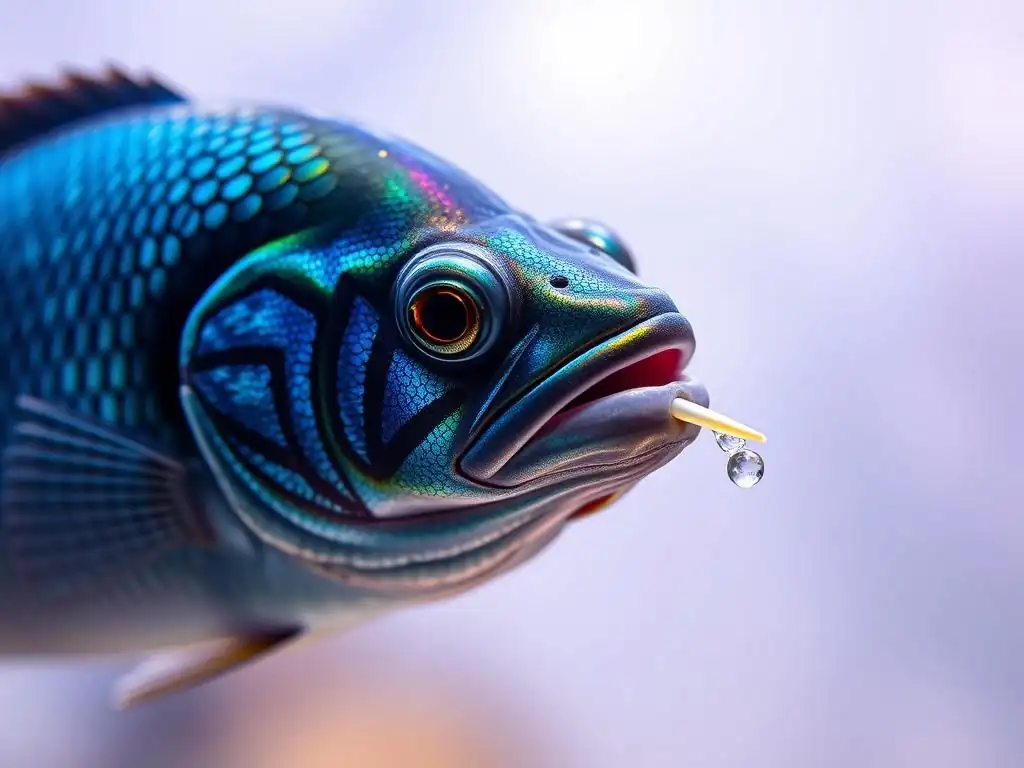
Minimizing stress on the female Mbuna during stripping is crucial for her recovery and future breeding potential. One primary method is to work quickly and efficiently. The less time the female spends out of her familiar environment or being handled, the better. Aim to complete the entire process within one minute, if possible, from netting to release back into the tank.
Additionally, performing the stripping in a dimly lit room can help reduce the fish's anxiety, as sudden bright lights can be startling. Keep noise levels to a minimum and handle the fish with extreme gentleness, ensuring she remains moist throughout the brief procedure. Some aquarists opt to place the female in a dark, quiet recovery tank for a few hours post-stripping to allow her to de-stress before returning her to the main display, a valuable Mbuna fry raising tip for overall fish health.
Post-Stripping Care for the Mother Mbuna
After stripping, the mother Mbuna requires specific post-care to ensure her swift recovery. She will likely be stressed and potentially exhausted from the ordeal and the extended period of not eating. It's crucial to return her immediately to a safe environment. If a separate recovery tank is available, placing her there for 12-24 hours can be beneficial, allowing her to recuperate without immediate harassment from tank mates.
Once back in the main tank, monitor her closely for signs of stress, aggression from other fish, or fin nipping. Offer her high-quality, nutritious food immediately to help her regain condition. She will likely be very hungry. Ensure she is eating well and watch for any signs of injury or infection around her mouth or gills. Providing ample hiding spots will also help her feel secure as she readjusts to the community, contributing to the broader success of Mbuna fry raising efforts.
Artificial Incubation Techniques for Mbuna Fry
Setting Up a Fry Incubator: Water Parameters and Equipment
Artificial incubation is a highly effective Mbuna fry raising tip, significantly increasing the survival rate of the delicate eggs and newly hatched fry. The setup typically involves a specialized fry tumbler or a simple net breeder with an air stone. For a fry tumbler, which gently tumbles the eggs to simulate maternal mouth movements, ensure it is submerged in a separate container, such as a 5-10 gallon tank, filled with water from the main aquarium.
The water parameters in the incubator must precisely match those of the main tank: pH between 7.8 and 8.6, and a consistent temperature of 78-82°F (25.5-27.8°C). Good water circulation and oxygenation are paramount, usually achieved with an air pump connected to an air stone within the incubator or directly powering the tumbler. A small, cycled sponge filter in the surrounding water can help maintain water quality without creating strong currents that could harm the fragile eggs or fry.
Maintaining Optimal Water Quality in the Incubator
Maintaining pristine water quality is absolutely critical for the success of artificial incubation and is a core Mbuna fry raising tip. Due to the small volume of water typically used in incubators, waste products can accumulate rapidly, threatening the delicate eggs and fry. Daily partial water changes, ranging from 10% to 20% of the incubator's volume, are highly recommended using aged or dechlorinated water that matches the existing parameters.
Regularly inspect the eggs and fry for any signs of fungus or unfertilized eggs, which appear opaque or white. These must be promptly removed using a pipette or small turkey baster to prevent the spread of fungus to healthy eggs. Any decaying matter will quickly degrade water quality, leading to bacterial issues. Consistent monitoring and proactive removal of waste are essential for a healthy environment conducive to the development of robust Mbuna fry.
Tumbling Mbuna Eggs: Simulating Maternal Care
Tumbling Mbuna eggs is a vital aspect of artificial incubation, directly simulating the gentle churning action of the female's mouth that keeps the eggs clean, oxygenated, and free from fungal growth. A purpose-built egg tumbler uses air pressure to create a constant, gentle current that rolls the eggs. The ideal tumbling rate is one where the eggs are constantly moving but not violently bouncing off the sides, ensuring they receive adequate oxygen without being damaged.
This continuous movement prevents detritus from settling on the egg surfaces, which can harbor bacteria or fungus. It also ensures uniform exposure to oxygenated water, crucial for embryonic development. Without proper tumbling, a significant percentage of eggs may fail to hatch or succumb to fungal infections, underscoring its importance as a fundamental Mbuna fry raising tip for maximizing hatch rates.
Preventing Fungus and Disease in the Incubator
Preventing fungus and disease is a critical component of successful Mbuna fry raising, especially in artificial incubation setups where conditions can quickly deteriorate. The primary defense against fungal infections, often caused by Saprolegnia, is excellent water quality and vigorous egg tumbling. Any unfertilized or damaged eggs, which appear opaque white, should be removed immediately with a pipette as they are prime sites for fungal growth that can spread to healthy eggs.
Some aquarists opt for prophylactic measures, such as adding a very dilute solution of methylene blue to the incubator water, which acts as an antifungal agent. However, this should be used cautiously as it can stain equipment and potentially stress developing fry. Another natural alternative is the addition of a small piece of Indian almond leaf, which releases tannins with mild antifungal and antibacterial properties. Regular water changes remain the most effective long-term strategy for overall disease prevention.
First Foods for Mbuna Fry: Nutritional Needs and Options
The Importance of a Balanced Diet for Mbuna Fry Growth
A balanced diet is absolutely crucial for the rapid growth and healthy development of Mbuna fry. During their initial weeks, fry experience exponential growth, requiring a diet exceptionally rich in protein and essential fatty acids. This high nutritional intake fuels not only their physical development, including bone and muscle formation, but also contributes significantly to the strengthening of their immune systems.
Proper nutrition from the outset helps prevent common developmental issues such as stunted growth or skeletal deformities. It also lays the groundwork for vibrant coloration and robust health in adulthood. Neglecting the specific dietary needs of Mbuna fry can lead to weak, susceptible fish, making feeding practices a cornerstone of effective Mbuna fry raising tips. Frequent, small feedings of appropriate foods are far more beneficial than infrequent, large meals.
Live Foods for Mbuna Fry: Brine Shrimp, Micro Worms, and Daphnia
Live foods are often considered the gold standard for feeding Mbuna fry due to their high nutritional value, digestibility, and the natural feeding stimulation they provide. Newly hatched brine shrimp nauplii are perhaps the most popular choice; they are small enough for even the tiniest fry, packed with protein, and their jerky swimming motion triggers a strong feeding response. Hatching brine shrimp at home ensures a fresh, clean supply.
Another excellent option for very small Mbuna fry are micro worms. These tiny nematodes are easy to culture at home and provide a consistent food source. As fry grow slightly larger, daphnia can be introduced. Daphnia are small crustaceans rich in protein and beneficial fats, and they offer a more varied diet. Utilizing a rotation of these live foods provides a comprehensive nutritional profile vital for maximizing Mbuna fry raising success and promoting vigorous growth.
Prepared Foods for Mbuna Fry: Powdered Foods and Crumbles
While live foods are highly beneficial, high-quality prepared foods also play a significant role in Mbuna fry raising, offering convenience and a consistent nutritional base. Specialized powdered fry foods, designed for rapid growth, are an excellent starting point. Brands such as Hikari First Bites or New Life Spectrum Grow are formulated with high protein content and essential vitamins and minerals crucial for developing fry.
As the Mbuna fry grow, typically reaching around 0.5 inches in length, they can transition to finely crushed flake food or small, high-quality cichlid crumbles. It's essential to ensure the particle size is appropriate for their small mouths to prevent choking and ensure proper digestion. Always select foods specifically designed for herbivorous or omnivorous cichlids to match the natural diet of Mbuna, contributing to healthy development and vibrant coloration.
Creating a Feeding Schedule for Optimal Growth
Establishing an optimal feeding schedule is a key Mbuna fry raising tip for ensuring rapid and healthy growth. Due to their high metabolism and rapid development, Mbuna fry require frequent, small meals throughout the day. A common recommendation is to feed fry 3-5 times daily, or even more for very young fry, providing only what they can consume within two to three minutes.
This frequent feeding strategy ensures a constant supply of nutrients to support their exponential growth without overfeeding, which can quickly foul the water. It's crucial to observe the fry during feeding to gauge their appetite and adjust quantities accordingly. Any uneaten food should be promptly removed from the tank to prevent water quality degradation, which can lead to disease and hinder overall Mbuna fry raising success.
Growing Out Mbuna Fry: Tank Setup and Maintenance
Setting Up a Grow-Out Tank: Size, Filtration, and Substrate
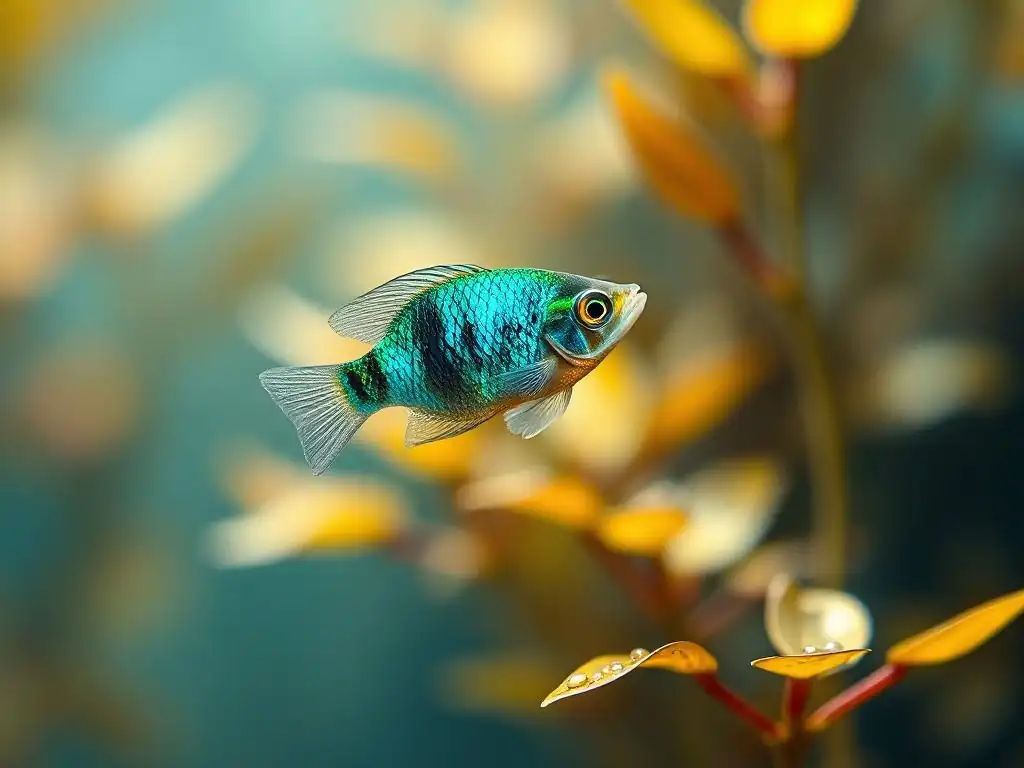
Once Mbuna fry are free-swimming and consistently eating, they need a dedicated grow-out tank to thrive. The size of this tank should be appropriate for the number of fry; a 10-gallon tank can house 20-30 fry initially, but a 20-gallon or larger is preferable for better stability and long-term growth. Filtration is critical, and sponge filters are ideal as they provide excellent biological filtration without creating strong currents that could stress small fry.
For substrate, a bare bottom is often recommended as it simplifies cleaning and prevents uneaten food from accumulating, which can quickly degrade water quality. If substrate is desired, a very fine sand can be used, but it requires more diligent vacuuming. Providing ample hiding spots using small PVC pipes, ceramic caves, or smooth rocks is vital for reducing stress and aggression among growing juveniles, a crucial Mbuna fry raising tip.
Water Quality Management in the Grow-Out Tank
Maintaining impeccable water quality is paramount in a Mbuna fry grow-out tank, as these fast-growing fish produce a significant amount of waste, especially with frequent feedings. Regular, small water changes are essential – typically 20-30% every 2-3 days, or even daily for heavily stocked tanks. This dilutes nitrates, replenishes essential minerals, and removes waste products that can stunt growth or lead to disease.
Consistent monitoring of water parameters is also critical. Ammonia and nitrite levels should always be zero, while nitrates should be kept below 20 ppm. The pH should remain stable between 7.8 and 8.6, and the temperature between 78-82°F (25.5-27.8°C). Any deviation from these optimal parameters can stress the fry, making them susceptible to illness. Implementing a strict water quality regimen is a non-negotiable Mbuna fry raising tip for high survival rates.
Preventing Aggression in the Grow-Out Tank: Providing Hiding Places
Mbuna cichlids are naturally aggressive, and this trait begins to manifest even in juvenile stages. To prevent excessive aggression and stress in a grow-out tank, providing an abundance of hiding places is crucial. Rockwork, ceramic caves, and even appropriately sized PVC pipes (e.g., 1-inch diameter for smaller juveniles) arranged to create numerous territories and escape routes are highly effective.
The goal is to break up lines of sight and offer each fish an opportunity to claim a small, private space. This diffused aggression allows fry to grow without constant harassment, which can lead to nipped fins, injury, or even death. For larger batches of fry, some aquarists also employ a slight overstocking strategy as a temporary measure to spread aggression, though this necessitates even more rigorous water quality management, making it an advanced Mbuna fry raising tip.
Gradually Introducing Fry to Larger Tanks
The transition of Mbuna fry from a dedicated grow-out tank to a larger, potentially community, aquarium requires careful planning to minimize stress and ensure their continued well-being. This step is typically undertaken when the fry have reached a size of approximately 1 to 1.5 inches, making them less susceptible to predation by adult fish. The acclimation process should be slow and gradual, ideally using a drip acclimation method over several hours to match water parameters precisely.
Before introduction, ensure the larger tank has ample hiding spots to accommodate the new arrivals and diffuse potential aggression from existing inhabitants. Observe the behavior of both the new juveniles and the established fish closely for the first few days. Any signs of severe aggression, such as constant chasing or fin nipping, may necessitate temporary removal of the new fish or rearrangement of the tank's decor to create new territories. This careful transition is a vital Mbuna fry raising tip for long-term success.
Mbuna Fry Health Management: Common Issues and Prevention
Identifying Common Mbuna Fry Diseases
Mbuna fry, like all fish, are susceptible to various diseases, though most can be prevented with optimal care. One common issue is fungal infections, which often appear as white, cotton-like growths on the fins or body, particularly on unhatched eggs or newly hatched fry. These are frequently a sign of poor water quality or injury. Bacterial infections may manifest as red sores, fin rot, or cloudy eyes.
Internal parasites, though less common in very young fry, can occur if live foods are sourced from contaminated environments, leading to emaciation despite eating. Another concern, though rare in fry, is Mbuna bloat, characterized by a swollen abdomen and loss of appetite, often linked to an inappropriate diet or poor water conditions. Early identification of these symptoms is crucial for prompt intervention and successful Mbuna fry raising.
Preventing and Treating Parasites in Fry
Preventing parasites in Mbuna fry primarily revolves around maintaining a clean environment and ensuring the purity of their food sources. When using live foods like brine shrimp or micro worms, ensure they are cultured in sterile conditions or sourced from reputable suppliers that guarantee pathogen-free products. Avoid feeding wild-caught live foods, as these can introduce a host of parasites and diseases.
Should parasites be suspected, particularly if fry exhibit signs like extreme emaciation despite eating, stringy white feces, or abnormal swimming, treatment can be challenging due to the delicate nature of fry. Broad-spectrum anti-parasitic medications, such as those containing praziquantel for worms, may be considered, but dosages for fry often need to be significantly reduced and administered with extreme caution. Always prioritize impeccable water quality and a balanced diet as the first line of defense in Mbuna fry raising.
Maintaining Optimal Water Parameters to Prevent Illness
Maintaining optimal and stable water parameters is the single most effective Mbuna fry raising tip for preventing illness. Consistent water temperature (78-82°F), high pH (7.8-8.6), and appropriate hardness are crucial. Fluctuations in these parameters cause stress to the delicate fry, weakening their immune systems and making them highly susceptible to bacterial, fungal, and parasitic infections.
Regular testing of ammonia, nitrite, and nitrate levels is non-negotiable. Ammonia and nitrite should always be zero, and nitrates should be kept below 20 ppm through frequent water changes. Clean, oxygen-rich water free from pollutants reduces the pathogen load and creates an environment where fry can thrive without undue physiological stress. A stable and pristine habitat is the cornerstone of robust Mbuna fry health.
Quarantine Procedures for New Fry
Implementing quarantine procedures for new Mbuna fry, especially those acquired from an external source rather than bred in-house, is a vital health management practice. A separate quarantine tank, ideally 5-10 gallons, should be set up with a sponge filter and heated to match the main grow-out tank's parameters. New fry should be housed in this tank for a minimum of 2 to 4 weeks before being introduced to your established fry population.
During this quarantine period, closely observe the fry for any signs of disease, such as unusual swimming patterns, clamped fins, spots, lesions, or changes in appetite. This isolation period allows any latent diseases to manifest without risking the health of your existing fry. Performing small, daily water changes and maintaining excellent water quality in the quarantine tank further supports the health of the new arrivals, significantly reducing the risk of introducing pathogens and ensuring the success of your Mbuna fry raising efforts.
Mbuna Fry Raising Tips: Ensuring High Survival Rates
Maintaining Consistent Water Temperatures
Maintaining consistent water temperatures is a critical Mbuna fry raising tip that directly impacts their metabolism, growth rate, and immune system strength. Mbuna fry thrive in a stable range of 78-82°F (25.5-27.8°C). Fluctuations, even by a few degrees, can cause significant stress, suppressing their immune response and making them highly vulnerable to diseases.
Use a reliable, appropriately sized heater for the grow-out tank, ensuring it can maintain the set temperature without wild swings. It's also beneficial to use a thermometer to regularly monitor the water temperature, verifying the heater's accuracy. Consistent warmth ensures that the fry's digestive systems function optimally, allowing them to efficiently process food and convert it into healthy growth, thereby maximizing their survival rates.
Regular Water Changes: A Key to Healthy Fry
Regular water changes are arguably the most important Mbuna fry raising tip for ensuring high survival rates. Fry tanks are often densely populated and receive frequent feedings, leading to a rapid accumulation of waste products like ammonia, nitrite, and nitrate. Even low levels of these toxins can stunt growth, stress fry, and lead to disease.
Small, frequent water changes are far more beneficial than large, infrequent ones. For a typical grow-out tank, performing 20-30% water changes every 2-3 days is often recommended. For heavily stocked tanks or those with very young fry, daily 10-15% changes might be necessary. Always use dechlorinated water that matches the temperature and pH of the tank water to avoid shocking the delicate fry, ensuring their environment remains pristine and conducive to growth.
Avoiding Overfeeding: Preventing Water Quality Issues
Avoiding overfeeding is a crucial Mbuna fry raising tip directly linked to maintaining optimal water quality and preventing health issues. While it's tempting to feed fry frequently to promote rapid growth, providing more food than they can consume within a few minutes leads to significant problems. Uneaten food quickly decomposes, releasing ammonia and nitrite into the water, which are highly toxic to fish, especially sensitive fry.
Excessive food also contributes to rapid nitrate buildup and can encourage bacterial blooms, leading to cloudy water and compromised oxygen levels. To prevent these issues, feed small amounts multiple times a day, observing the fry to ensure all food is consumed. Promptly siphon out any uneaten food after each feeding. This diligent approach ensures a clean, healthy environment, which is paramount for the high survival of Mbuna fry.
Monitoring Fry Growth and Development
Regularly monitoring the growth and development of Mbuna fry is an essential Mbuna fry raising tip that allows aquarists to assess the effectiveness of their care regimen and make timely adjustments. Observe the fry daily for consistent growth rates, noting any individuals that appear significantly smaller or weaker than their siblings, often referred to as "runts." These smaller fry may need separate housing or a different feeding strategy to thrive.
Beyond size, pay attention to their activity levels, coloration, and fin development. Healthy fry should be active, constantly foraging, and display clear, developing patterns. Any signs of lethargy, clamped fins, or unusual markings could indicate stress or illness, prompting immediate investigation into water parameters or potential disease. Consistent observation ensures early detection of problems, allowing for prompt intervention and significantly improving overall survival rates.
Transitioning Mbuna Juveniles to Adult Foods and Tanks
Gradually Introducing Larger Foods
As Mbuna fry grow into juveniles, typically reaching 1 to 2 inches in length, their dietary needs and capabilities change, necessitating a gradual transition to larger food items. Begin by slowly introducing finely crushed adult flake foods or small, high-quality cichlid pellets alongside their existing fry diet. Over a period of several days to a week, gradually increase the proportion of the larger foods while decreasing the amount of fry-specific foods.
Ensure the new foods are still appropriate for Mbuna, which are primarily herbivorous or omnivorous with a strong herbivorous inclination. High-protein spirulina flakes, small sinking pellets designed for cichlids, or even finely chopped blanched vegetables (like zucchini or spinach) can be excellent additions. This phased introduction prevents digestive upset and ensures the juveniles continue to receive adequate nutrition for their ongoing growth, a key aspect of Mbuna fry raising beyond the initial stages.
Acclimating Juveniles to Larger Tankmates
Acclimating Mbuna juveniles to a larger tank with established adult tankmates requires careful planning to minimize stress and potential aggression. Before introduction, ensure the adult tank has ample hiding spots and territories to accommodate the new additions without intense competition. It's often beneficial to rearrange the existing rockwork in the main tank right before introducing the juveniles; this disrupts established territories and encourages all fish to find new ones simultaneously, diffusing aggression.
Introduce several juveniles at once rather than just one or two, as this "target diffusion" strategy can help spread out any aggression from existing fish. Use a slow acclimation method, such as drip acclimation, to equalize water parameters between the grow-out tank and the adult tank. Closely monitor the tank for the first few hours and days, watching for signs of bullying or stress, and be prepared to intervene if necessary, as part of comprehensive Mbuna fry raising tips for successful integration.
Observing for Signs of Aggression or Stress
After transitioning Mbuna juveniles to a larger tank or introducing them to new tankmates, diligent observation for signs of aggression or stress is crucial for their long-term well-being. Look for physical indicators such as torn fins, missing scales, or body scrapes, which suggest physical altercations. Behavioral cues include constant hiding, darting movements, rapid breathing, or refusal to eat.
Specific to Mbuna, watch for excessive chasing, nipping, or one fish consistently dominating specific areas of the tank. If severe aggression is observed, immediate action may be necessary. This could involve adding more hiding spots, rearranging decor to break up lines of sight, or in extreme cases, removing the aggressor or the stressed juvenile to a separate tank. Prompt intervention prevents chronic stress, which can lead to weakened immune systems and susceptibility to disease, a vital consideration in Mbuna fry raising.
Troubleshooting Common Mbuna Fry Raising Challenges
Addressing High Fry Mortality Rates
High fry mortality rates are a common and disheartening challenge in Mbuna fry raising, often pointing to underlying issues that need immediate attention. The first step is to rigorously test water parameters: ammonia, nitrite, nitrate, pH, and temperature. Spikes in ammonia or nitrite, or extreme pH fluctuations, are lethal to delicate fry. Ensure water changes are frequent and consistent.
Secondly, evaluate the diet. Are the fry receiving appropriately sized, high-quality, and nutritious food? Insufficient or poor-quality food can lead to starvation or developmental issues. Thirdly, inspect for signs of disease, such as fungal growths, bacterial infections, or parasites. Overcrowding in the grow-out tank can also contribute to stress and disease transmission. Addressing these fundamental aspects—water quality, nutrition, and disease—is paramount to reducing fry loss.
Dealing with Slow Growth in Fry
Slow growth in Mbuna fry, where individuals or an entire batch do not grow at the expected rate, is a common challenge that often signals suboptimal conditions. The primary culprits are typically insufficient nutrition or poor water quality. Ensure the fry are being fed high-protein, appropriately sized foods (like newly hatched brine shrimp or high-quality powdered fry foods) multiple times a day. Underfeeding or feeding low-quality food will directly stunt growth.
Secondly, consistently test water parameters. Elevated nitrates, even if not immediately lethal, can inhibit growth. Frequent small water changes are essential to keep nitrates below 20 ppm and maintain pristine conditions. Overcrowding in the grow-out tank also limits growth, as competition for food and space increases stress and waste production. Addressing these factors systematically is a vital Mbuna fry raising tip for promoting robust development.
Managing Aggression in the Grow-Out Tank
Managing aggression in a Mbuna fry grow-out tank becomes increasingly important as the juveniles mature, typically around 1 to 1.5 inches in length. Even at this size, their inherent territorial nature begins to emerge. The most effective strategy is to provide an abundance of hiding spots and visual barriers within the tank. Utilize rockwork, PVC pipes, or ceramic caves to create numerous small territories and break up lines of sight, preventing any single fish from dominating the entire space.
Some aquarists employ a slight overstocking technique in the grow-out tank to diffuse aggression, as it spreads out the nipping and chasing among many individuals rather than focusing on a few. However, this strategy necessitates even more diligent water changes and filtration to manage the increased bioload. Regularly observe the fry and be prepared to remove any overly aggressive individuals or those showing signs of severe stress or injury, ensuring the overall success of your Mbuna fry raising efforts.
Preventing and Treating Common Fry Diseases
Preventing common fry diseases is significantly more effective than treating them, especially given the delicate nature of Mbuna fry. The cornerstone of prevention lies in maintaining pristine water quality: consistently stable temperatures (78-82°F), high pH (7.8-8.6), and zero ammonia/nitrite with low nitrates. Frequent, small water changes are non-negotiable. Feeding a high-quality, balanced diet also boosts their immune systems, making them more resilient.
If disease does occur, early detection is key. Isolate sick fry immediately in a separate hospital tank to prevent spread. For fungal infections, which often appear as white, cottony growths, a dilute solution of methylene blue can be effective. Bacterial infections, such as fin rot or body sores, might require broad-spectrum antibiotics, but these should be used with extreme caution and at reduced dosages for fry, as many medications can be harmful. Always prioritize water changes and optimal conditions as primary treatments, consulting specific product instructions for safe application in Mbuna fry raising.
Frequently Asked Questions
How soon after stripping a female Mbuna should I start feeding the fry?
You should wait until the fry have absorbed their yolk sac and are free-swimming, usually around 5-7 days after stripping. Then, you can start feeding them high-quality fry food.
What is the best food to feed newly hatched Mbuna fry?
The best food for newly hatched Mbuna fry is newly hatched brine shrimp (NHBS). Followed by finely crushed flake food or a commercial fry food specifically designed for small fish.
How often should I perform water changes in a Mbuna fry tank?
Water changes are crucial! Aim for daily water changes of around 10-20% to maintain water quality and prevent ammonia buildup, which is critical for fry survival.
What size tank is recommended for raising a batch of Mbuna fry?
A 10-gallon tank can be sufficient for a small batch of fry initially. However, you'll need to upgrade to a larger tank (20-gallon or more) as they grow to prevent overcrowding and maintain good water quality.
What are some common problems encountered when raising Mbuna fry and how can I address them?
Common problems include poor water quality, overcrowding, and swim bladder issues. Address these by maintaining consistent water changes, providing adequate space, and ensuring a balanced diet.
Final Reflection: Nurturing New Life, Sustaining the Ecosystem
The journey from stripping a Mbuna female to witnessing the vibrant dance of free-swimming juveniles is a testament to the dedication and care that aquarists pour into their hobby. This commitment to responsible breeding, detailed in the preceding tips, is more crucial than ever in a world facing biodiversity challenges. By mastering these techniques, we not only enrich our own aquariums but also contribute to a deeper understanding and appreciation for the delicate balance of aquatic ecosystems.
This process, from the initial careful extraction of eggs to the diligent feeding of tiny fry, has profoundly impacted my own perspective on the fragility and resilience of life. Witnessing these miniature fish thrive under controlled conditions underscores the importance of conservation efforts in the wild. In the end, we will conserve only what we love; we will love only what we understand; and we will understand only what we are taught.
- Baba Dioum. This quote resonates deeply, highlighting the role of aquarists in fostering a love and understanding that can translate into real-world conservation action.
Now, armed with these "Mbuna fry raising tips," I encourage you to reflect on your own role in the aquatic world. Consider how your actions, both big and small, can contribute to the health and vitality of these incredible creatures. Let the success of raising Mbuna fry inspire you to become an even more conscientious and informed aquarist, championing responsible practices and advocating for the preservation of their natural habitats.
Nurture Your Mbuna: Watch Them Thrive!
Thanks for diving into the world of Mbuna fry! We hope you've discovered practical tips to successfully raise these vibrant fish. Now, let's put that knowledge into action and watch your Mbuna colony flourish!
Here's how you can continue their journey:
- Immediately focus on perfecting your feeding schedule: Adjust the frequency and type of food to optimize growth and coloration. This is the most important factor in raising healthy juveniles.
- Share your experiences! Post photos of your Mbuna fry's progress on social media using #MbunaFryJourney and inspire others.
- Research local aquarium societies or online forums. Connecting with experienced breeders can provide invaluable advice and support.
What surprising color variations have you noticed in your Mbuna fry, and how are you adapting their care to enhance those unique traits?