
Similis Corydoras (C. similis): The Violet Cory's Subtle Beauty Revealed

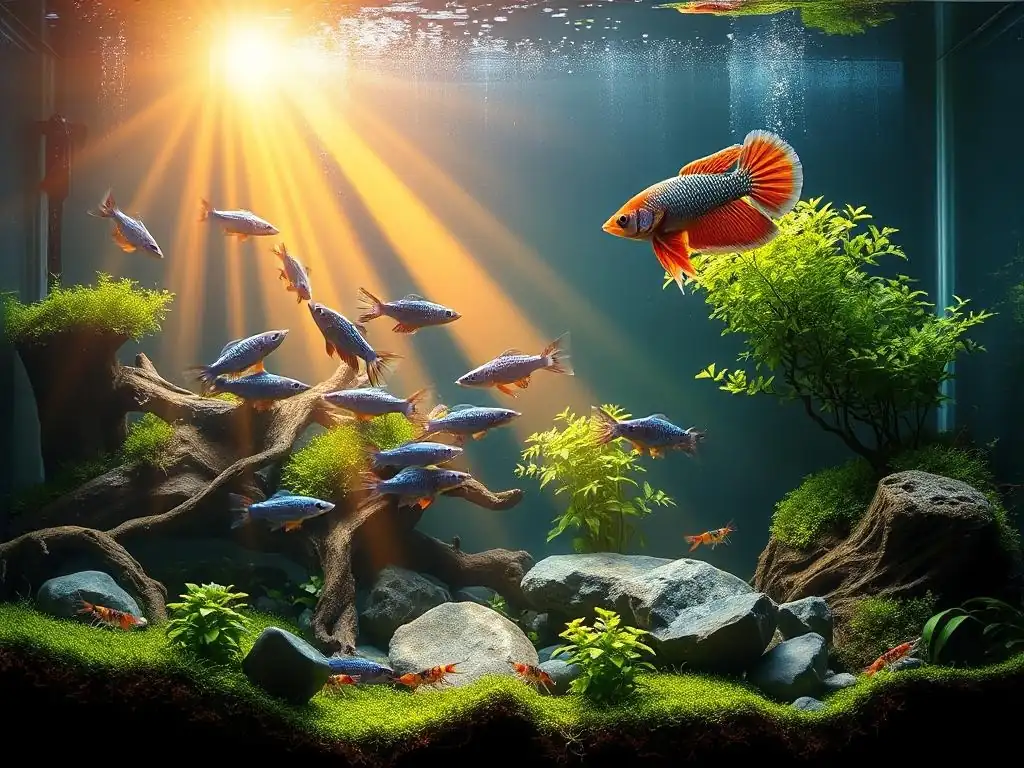
Welcome to Aquarium Mastery, fellow aquarist!
Ever been captivated by the subtle beauty of a fish that adds a touch of royalty to your freshwater haven? Prepare to be enchanted! We're diving deep into the world of the Similis Corydoras, also known as the Violet Cory, to uncover their secrets. Curious about providing the perfect environment for these shimmering bottom-dwellers? Read on for essential Violet Corydoras care tips and unlock the secrets to their vibrant health and happiness. Let's explore!
- Understanding the Violet Corydoras: An Introduction to Corydoras similis
- Violet Corydoras Care Tips: Creating the Ideal Environment
- Feeding Your Violet Cory: Diet and Nutrition
- Tank Mates for Violet Corydoras: Compatibility and Community
- Breeding Violet Corydoras: A Guide to Successful Spawning
- Common Health Issues in Violet Corydoras: Prevention and Treatment
- Maintaining a Thriving Violet Corydoras Aquarium: Essential Tips
- Exploring Similar Corydoras Species: Expanding Your Collection
- Frequently Asked Questions
- Final Reflection: Unveiling the Violet's Enduring Charm
- Unleash the Violet Glow in Your Aquarium!
Understanding the Violet Corydoras: An Introduction to Corydoras similis
Origin and Habitat of the Similis Corydoras
The Corydoras similis, commonly known as the Violet Corydoras, originates from the lush river systems of South America, primarily found within the vast Amazon basin. Their natural habitat encompasses tributaries in regions such as Peru and Brazil, particularly within the upper Rio Purus and its associated waterways. These environments are typically characterized by slow-moving, clear to blackwater conditions, often with dense vegetation, submerged roots, and an abundance of leaf litter over soft, sandy or silty substrates.
In their native waters, Violet Corydoras thrive in conditions that are remarkably stable, with temperatures generally ranging from 22°C to 26°C (72°F to 79°F). The water chemistry tends to be soft to moderately soft, with a general hardness (GH) often between 2-10 dGH, and a slightly acidic to neutral pH, typically falling within 6.0 to 7.0. These specific environmental factors contribute to their health and vibrant coloration, making it crucial for aquarists to replicate such conditions for optimal Violet Corydoras care.
Distinguishing Features: Identifying the Violet Cory
The Violet Corydoras is a small, charming catfish, typically reaching an adult size of about 5-6 cm (2-2.4 inches). It possesses the classic Corydoras body shape: a stout, armored body with a flattened underside and a high-arched back. Its most striking feature, which gives it its common name, is the subtle yet distinct violet or purplish iridescent sheen that often overlays its bronze or olive-brown body, particularly visible under certain lighting conditions. This iridescence can be more pronounced on the flanks and dorsal region.
Unlike some other Corydoras species that feature prominent blotches or stripes, C. similis typically displays a more uniform body color with potential for small, scattered dark spots, particularly on the upper body and fins. Its fins are generally translucent, sometimes with a faint yellowish tint. The presence of two pairs of sensitive barbels around its mouth is characteristic of all Corydoras, used for foraging in the substrate. Distinguishing them from similar species like Corydoras metae often involves observing the specific pattern of their dorsal and caudal fin markings, as well as the unique violet hue.
Why Choose Corydoras similis for Your Aquarium?
Choosing Corydoras similis for a freshwater aquarium offers numerous benefits, making them a popular choice among aquarists. Their peaceful and non-aggressive temperament makes them ideal inhabitants for community tanks, as they pose no threat to other fish and are themselves rarely bothered by appropriately sized tank mates. As active bottom dwellers, they constantly sift through the substrate in search of food, contributing to the cleanliness of the tank by consuming uneaten food particles and detritus.
Beyond their practical benefits, the Violet Corydoras is admired for its subtle aesthetic appeal and engaging schooling behavior. When kept in groups of six or more, they exhibit fascinating social interactions, darting around the lower levels of the tank in unison, which adds dynamic movement and visual interest. Their relatively small size means they can be comfortably housed in moderately sized aquariums, and their hardiness, once acclimated to a stable environment, makes them a rewarding species for both novice and experienced hobbyists seeking comprehensive Violet Corydoras care tips.
Violet Corydoras Care Tips: Creating the Ideal Environment
Aquarium Setup for Violet Corydoras: Tank Size and Substrate
For a thriving group of Violet Corydoras, a minimum tank size of 20 gallons (approximately 75 liters) is recommended for a school of 6-8 individuals. A longer tank footprint, such as a 20-gallon long (30 inches long, 12 inches wide, 12 inches high), is preferable over a taller one, as it provides more surface area for oxygen exchange and ample floor space for these active bottom dwellers to forage and explore. Providing sufficient space is a crucial aspect of effective Violet Corydoras care.
The choice of substrate is paramount for the well-being of Corydoras similis due to their delicate barbels, which can be easily damaged by sharp or rough materials. Fine sand, such as play sand or specialized aquarium sand, is the ideal substrate as it allows them to sift through it safely while searching for food.
Alternatively, very smooth, fine gravel with no sharp edges can be used, but sand is always superior for preventing injury and promoting natural foraging behaviors. Incorporate driftwood, smooth rocks, and plenty of live plants like Java Fern, Anubias, or Amazon Swords to provide hiding spots and secure areas, mimicking their natural habitat.
Water Parameters: Maintaining Optimal Conditions for C. similis
Maintaining stable and appropriate water parameters is fundamental to successful Violet Corydoras care. These fish thrive in temperatures ranging from 22°C to 26°C (72°F to 79°F), which should be kept as consistent as possible to prevent stress. The pH level should ideally be slightly acidic to neutral, between 6.0 and 7.5, reflecting their natural Amazonian origins. Water hardness should be soft to moderately soft, with a General Hardness (GH) of 2-15 dGH.
Sudden fluctuations in water temperature, pH, or hardness can cause significant stress to Corydoras similis, making them susceptible to disease. Regular testing of water parameters (at least weekly) using reliable kits is essential to monitor ammonia, nitrite, nitrate, pH, and temperature. Consistent partial water changes (e.g., 25% weekly) help to maintain these parameters within the optimal ranges, remove accumulated nitrates, and replenish essential trace minerals, all contributing to the long-term health and vibrancy of your Violet Corydoras.
Filtration and Aeration for a Healthy Corydoras Tank
Effective filtration is a cornerstone of maintaining a healthy environment for Violet Corydoras. A good filter should provide both mechanical and biological filtration, ensuring the removal of particulate matter and the conversion of harmful ammonia and nitrite into less toxic nitrate.
Sponge filters are an excellent choice for Corydoras tanks as they provide gentle flow, are highly efficient for biological filtration, and pose no risk of sucking up small fish or fry. Hang-on-back (HOB) or canister filters can also be used, but ensure the intake is protected with a sponge pre-filter to prevent injury to the fish or their barbels.
While Corydoras species possess the unique ability to breathe atmospheric air by darting to the surface, good surface agitation and aeration are still highly beneficial for overall water quality and oxygen levels in the aquarium. Adequate oxygen saturation is crucial for the health of all aquatic inhabitants, especially in warmer temperatures or in tanks with a higher bioload. An air stone connected to an air pump or ensuring the filter outlet creates gentle ripples on the water surface will provide sufficient aeration, promoting a robust and healthy environment for your Violet Cories.
Feeding Your Violet Cory: Diet and Nutrition
What to Feed Corydoras similis: Optimal Food Choices
Corydoras similis are omnivorous bottom feeders, and a varied diet is crucial for their long-term health and vibrant coloration. The staple of their diet should consist of high-quality sinking pellets or wafers specifically formulated for bottom-dwelling fish. These foods are designed to sink quickly, ensuring that the Corydoras receive adequate nutrition without having to compete with faster-swimming mid-water or surface dwellers. Look for products that list a good protein content, ideally around 30-40%, to support their growth and energy levels.
Supplementing their staple diet with live or frozen foods is highly recommended to provide essential nutrients and stimulate natural foraging behaviors. Excellent choices include frozen bloodworms, brine shrimp, daphnia, and tubifex worms. Occasionally, blanched vegetables like zucchini, cucumber, or shelled peas can be offered as a healthy treat. Providing this variety ensures they receive a complete spectrum of vitamins, minerals, and proteins, which is vital for comprehensive Violet Corydoras care and helps prevent nutritional deficiencies.
Feeding Frequency and Portion Control for Violet Cories
When it comes to feeding Corydoras similis, consistency and careful portion control are key. It is generally recommended to feed them once or twice daily, preferably after the main lights have been dimmed or turned off, as they are most active during dusk and dawn. This timing also helps ensure that the food reaches the bottom where they forage, minimizing competition from other tank inhabitants.
For portion control, offer only what your group of Violet Cories can consume within 5 to 10 minutes. Overfeeding is a common mistake that leads to deteriorated water quality, an increase in harmful ammonia and nitrate levels, and potential health issues for the fish, such as digestive problems or obesity. It's always better to slightly underfeed than to overfeed, as they will also scavenge for any leftover food particles in the substrate. Regularly observe their feeding behavior to adjust quantities as needed, ensuring all fish get enough without excess waste.
Preventing Overfeeding in Your Corydoras Aquarium
Preventing overfeeding is a critical aspect of maintaining a healthy aquarium environment, particularly for bottom dwellers like Violet Corydoras. Excess food quickly decomposes, leading to a rapid buildup of ammonia, nitrites, and nitrates, which are toxic to fish. High nutrient levels also fuel undesirable algae blooms and can lead to oxygen depletion, creating a stressful and unhealthy habitat. Chronic overfeeding can also cause internal health issues for the fish themselves, including fatty liver disease and reduced lifespan.
To effectively prevent overfeeding, establish a strict feeding schedule and stick to it. Avoid the temptation to add more food just because the fish seem hungry, as they are opportunistic eaters. If you use an automatic feeder, ensure it is calibrated precisely to dispense the correct amount. Regularly monitor the tank for uneaten food particles after feeding; if you consistently find leftovers, reduce the portion size. Performing consistent partial water changes and vacuuming the substrate regularly will also help remove any accumulated organic waste, contributing to superior Violet Corydoras care.
Tank Mates for Violet Corydoras: Compatibility and Community
Ideal Tank Mates for Peaceful Coexistence
Choosing compatible tank mates is crucial for the well-being of the peaceful Violet Corydoras. Ideal companions are small, non-aggressive fish that prefer the middle or upper water columns, thus avoiding direct competition for space and food at the bottom. Excellent choices include various small tetra species such as Neon Tetras ( Paracheirodon innesi), Cardinal Tetras ( Paracheirodon axelrodi), Ember Tetras ( Hyphessobrycon amandae), and Rummy-Nose Tetras ( Hemigrammus bleheri). These fish are generally hardy, share similar water parameter preferences, and thrive in community setups.
Other suitable tank mates include various rasboras like Harlequin Rasboras ( Trigonostigma heteromorpha), Chili Rasboras ( Boraras brigittae), and peaceful dwarf gouramis like the Dwarf Gourami ( Trichogaster lalius). Small, peaceful barbs such as Cherry Barbs ( Puntius titteya) can also be excellent additions. It is vital to remember that Corydoras similis are schooling fish and should always be kept in groups of at least six, preferably ten or more, to promote their natural behaviors, reduce stress, and enhance their confidence within the community aquarium.
Fish to Avoid: Incompatible Tank Mates for C. similis
While Violet Corydoras are remarkably peaceful, certain fish species are unsuitable as tank mates due to their aggressive nature, predatory instincts, or significantly different environmental requirements. Avoid any large or overly aggressive cichlids, such as Oscar Cichlids ( Astronotus ocellatus), Jack Dempseys ( Rocio octofasciata), or Convict Cichlids ( Amatitlania nigrofasciata), as they will likely view the smaller Corydoras as prey or bully them relentlessly. Even some semi-aggressive species, like certain types of larger barbs (e.g., adult Tiger Barbs, Puntius tetrazona, unless in a very large, species-specific tank), might nip at their fins or outcompete them for food.
Additionally, species that require significantly different water parameters or create turbulent water conditions should be avoided. Fast-moving or highly boisterous fish can also stress out the more sedate Corydoras, affecting their feeding and overall health. Finally, any fish known to consume small invertebrates or bottom-dwelling fish, even if not explicitly predatory, could pose a threat to the delicate barbels or overall well-being of your Corydoras similis. Careful research on potential tank mates is a crucial part of comprehensive Violet Corydoras care.
Creating a Harmonious Community Aquarium
Creating a harmonious community aquarium for Violet Corydoras involves thoughtful planning and consideration of various factors beyond just species compatibility. First and foremost, ensure the tank is adequately sized for the adult size and number of all chosen inhabitants. Overstocking is a common pitfall that leads to stress, aggression, and poor water quality. Provide ample hiding spots and visual barriers using driftwood, rocks, and dense plant arrangements to allow fish to establish territories and retreat when stressed.
Secondly, pay close attention to the specific water parameter requirements of all species. While many tropical fish share similar ranges, subtle differences in pH, temperature, or hardness can cause long-term stress for some inhabitants. Lastly, observe the interactions between tank mates regularly. Any signs of bullying, fin nipping, or excessive hiding should prompt immediate investigation and, if necessary, the removal of the incompatible fish. A well-planned and monitored environment ensures that your Violet Corydoras can thrive alongside their companions, showcasing their natural behaviors.
Breeding Violet Corydoras: A Guide to Successful Spawning
Setting Up a Breeding Tank for Corydoras similis
To successfully breed Corydoras similis, setting up a dedicated breeding tank significantly increases your chances of success. A 10-gallon (approximately 38 liters) or 20-gallon long tank is ideal for a breeding group consisting of one female and two to three males. The tank should have a bare bottom or a very thin layer of fine sand, which makes it easier to collect eggs and maintain cleanliness. Include spawning mops, Java Moss, or broad-leafed plants like Anubias, as Corydoras often prefer to lay their adhesive eggs on vertical surfaces or fine-leaved vegetation.
Filtration should be gentle, with a simple sponge filter being the preferred choice, as it provides biological filtration without creating strong currents that could harm delicate fry or eggs. Maintain the water parameters within the optimal range for adults, but prepare for slight adjustments to trigger spawning. The breeding tank should be kept clean, with regular small water changes to prevent the buildup of nitrates, creating a pristine environment conducive to successful breeding and Violet Corydoras care.
Triggering Spawning in Violet Cories: Water Changes and Diet
Triggering spawning in Violet Corydoras often involves simulating the onset of the rainy season in their natural habitat. This is primarily achieved through a series of large, cool water changes. Begin by performing daily or every-other-day water changes of 50-75% with water that is 2-3°C (3-5°F) cooler than the tank's current temperature. The new water should also be soft and slightly acidic, mimicking rain runoff. This combination of cooler temperatures and fresh, soft water often signals to the fish that it's time to spawn.
Alongside the water changes, significantly increase the feeding of high-protein live or frozen foods. Offer plenty of bloodworms, brine shrimp, daphnia, and blackworms. This conditioning diet helps the female become "gravid" (full of eggs) and provides the males with the necessary energy for spawning. Watch for the characteristic "T-position" behavior, where a male grasps the female's barbels, and she releases eggs into a pouch formed by her pelvic fins, which she then attaches to a chosen surface. This specific method is a key indicator of successful Violet Corydoras care during breeding.
Caring for Corydoras Eggs and Fry: Raising the Next Generation
Once Corydoras similis have spawned, it is crucial to remove the adult fish from the breeding tank to prevent them from consuming the eggs. The eggs are typically adhesive and deposited on tank glass, plants, or spawning mops. At a temperature of around 25°C (77°F), the eggs usually hatch within 3 to 5 days. To prevent fungal growth, which is common with infertile eggs, you can add a few drops of methylene blue to the water or carefully remove any white, infertile eggs.
After hatching, the fry will initially feed on their yolk sacs for the first 1-2 days. Once the yolk sac is absorbed and they become free-swimming, they require very small, highly nutritious food. Start with infusoria, liquid fry food, or finely crushed spirulina powder. As they grow, gradually introduce microworms and then newly hatched baby brine shrimp, which are excellent for their rapid growth. Maintaining pristine water quality with small, frequent water changes (e.g., 10% daily) is paramount during this delicate stage to ensure the survival and healthy development of the Violet Corydoras fry.
Common Health Issues in Violet Corydoras: Prevention and Treatment
Recognizing Symptoms of Illness in C. similis
Early recognition of illness symptoms is vital for effective Violet Corydoras care and treatment. Healthy Corydoras similis are active, constantly sifting through the substrate, and exhibit their characteristic schooling behavior. Any significant deviation from this normal behavior should raise a red flag. Watch for signs such as lethargy, prolonged hiding, erratic or listless swimming, or isolation from the group.
Physical symptoms can include clamped fins, discoloration (either darkening or fading), white spots resembling salt grains (Ich), cotton-like growths (fungal infections), red sores, frayed fins, or abdominal swelling. Gasping at the surface, especially if prolonged, can indicate poor water quality or low oxygen levels. Any of these symptoms warrant immediate investigation of water parameters and close observation of the affected fish. Prompt action can often prevent a minor issue from escalating into a serious health crisis for your Violet Corydoras.
Common Diseases Affecting Corydoras and Their Treatment
Like all fish, Corydoras similis can be susceptible to various diseases, particularly if stressed by poor water quality or improper care. Ich (Ichthyophthirius multifiliis), or White Spot Disease, is one of the most common ailments, characterized by tiny white spots on the body and fins. It can be treated by slowly raising the water temperature to 28-30°C (82-86°F) (if compatible with other tank mates) and using an appropriate Ich medication. Fin Rot, often bacterial, presents as frayed or disintegrating fins and is typically caused by poor water conditions; it requires improved hygiene and broad-spectrum antibiotics.
Fungal infections appear as white, cotton-like growths on the body or fins and are usually secondary infections to an injury or weakened immune system. These can be treated with antifungal medications. "Red Spot Disease" or bacterial infections, manifesting as red sores or lesions, often stem from poor water quality or physical injury and require antibiotic treatment. Always quarantine new fish for at least 2-4 weeks to prevent introducing pathogens to your main tank, a proactive measure crucial for Violet Corydoras care.
Preventative Measures for a Healthy Violet Corydoras Population
Prevention is always more effective than treatment when it comes to fish health. The cornerstone of preventing common health issues in Corydoras similis is maintaining pristine and stable water quality. This involves performing regular partial water changes (e.g., 25% weekly) to dilute nitrates and replenish minerals, along with consistent monitoring of ammonia, nitrite, and nitrate levels. Avoid overfeeding, as uneaten food quickly fouls the water, leading to bacterial blooms and stress.
Beyond water quality, providing an optimal environment is crucial. This includes using a soft, non-abrasive substrate to protect their delicate barbels, offering ample hiding spots through plants and décor, and ensuring compatible tank mates to minimize stress. A varied and nutritious diet strengthens their immune system. Finally, always quarantine any new fish, plants, or decorations for a minimum of two weeks before introducing them to your main aquarium. This simple step can prevent the introduction of diseases and significantly contribute to the long-term health and vitality of your Violet Corydoras population.
Maintaining a Thriving Violet Corydoras Aquarium: Essential Tips
Regular Water Changes and Tank Maintenance
Consistent and regular water changes are the single most important aspect of maintaining a thriving Violet Corydoras aquarium. Aim for a partial water change of 20-30% of the tank volume once a week. This practice effectively removes accumulated nitrates, phosphates, and other dissolved organic compounds that can build up over time, while also replenishing essential trace elements. Using a gravel vacuum during water changes is highly recommended to siphon out detritus and uneaten food from the substrate, particularly in areas where Corydoras congregate.
Beyond water changes, routine tank maintenance includes cleaning the filter media as needed (always in old tank water to preserve beneficial bacteria) and wiping down the inside of the tank glass to prevent excessive algae buildup. Check all equipment, such as heaters, filters, and air pumps, to ensure they are functioning correctly. A clean, well-maintained environment reduces stress on your fish, enhances their immune system, and promotes vibrant coloration, all contributing to superior Violet Corydoras care.
Monitoring Water Parameters and Adjusting as Needed
Diligent monitoring of water parameters is a non-negotiable part of responsible fishkeeping and essential for optimal Violet Corydoras care. At least once a week, or bi-weekly, test the water for ammonia, nitrite, nitrate, pH, and temperature. Keeping a log of these readings can help you identify trends and catch potential issues before they become critical. Ammonia and nitrite should always be at zero, while nitrates should be kept below 20 ppm for long-term health.
If any parameters are outside the optimal range, it's crucial to identify the underlying cause and make necessary adjustments. For example, high nitrates might indicate insufficient water changes or overfeeding, while a fluctuating pH could point to a lack of buffering capacity in the water. Make small, gradual adjustments rather than drastic changes, as sudden shifts in water chemistry can be highly stressful and even fatal for fish. Consistent monitoring allows for proactive intervention, ensuring a stable and healthy environment for your Violet Corydoras.
Observing Your Corydoras for Signs of Stress or Illness
Daily observation of your Violet Corydoras is an invaluable habit for any aquarist. Take a few moments each day to watch their behavior, especially during feeding times. Healthy Corydoras similis are typically active, constantly exploring the substrate, and will school together. Pay attention to any changes in their typical swimming patterns, appetite, coloration, or interaction with tank mates. Are they hiding more than usual? Are their fins clamped? Is their breathing labored?
Any deviation from normal behavior can be an early indicator of stress, poor water quality, or the onset of illness. Early detection allows for prompt intervention, whether it's a water change, a diet adjustment, or the start of medication. Proactive observation is a cornerstone of effective Violet Corydoras care, enabling you to address minor issues before they escalate into serious health problems for your cherished bottom dwellers.
Exploring Similar Corydoras Species: Expanding Your Collection
Similar Corydoras Species: Corydoras aeneus, Corydoras paleatus, Corydoras sterbai
For aquarists enchanted by the charm of the Violet Corydoras, several other Corydoras species offer similar peaceful temperaments and bottom-dwelling habits, making them excellent choices for expansion or alternative considerations. The Corydoras aeneus, widely known as the Bronze Corydoras, is one of the most common and hardy species, growing slightly larger than C. similis but sharing similar care requirements. Its robust nature makes it a great beginner-friendly option.
Another popular choice is the Corydoras paleatus, or Peppered Corydoras, recognized by its distinctive mottled pattern of dark spots on a lighter body. These are also very hardy and adaptable, although they can tolerate slightly cooler water temperatures than some other Corydoras. For those seeking a more vibrant display, the Corydoras sterbai, or Sterba's Corydoras, is highly sought after for its striking orange pectoral fins and speckled body. C. sterbai prefers slightly warmer water, making it an ideal companion for fish like Discus. All these species exhibit the characteristic schooling behavior and peaceful nature of the genus.
Comparing Corydoras similis to Other Popular Corydoras
While many Corydoras species share general care requirements for soft substrate, clean water, and a varied diet, subtle differences exist that might influence an aquarist's choice. Corydoras similis stands out with its unique, subtle violet iridescence, which can be more pronounced under specific lighting, offering a distinct aesthetic compared to the more common bronze or spotted patterns of C. aeneus or C. paleatus. C. similis generally remains slightly smaller than the Bronze or Peppered Corydoras, typically reaching about 5-6 cm, whereas C. aeneus can often exceed 7 cm.
Furthermore, C. similis generally thrives in slightly softer and more acidic water conditions (pH 6.0-7.5) compared to the broader tolerance of C. aeneus or C. paleatus, which can adapt to a wider range of pH and hardness. C. sterbai, on the other hand, prefers warmer temperatures (up to 28°C or 82°F), making it suitable for tanks with Discus, while C. similis prefers the mid-range of tropical temperatures. Understanding these nuances is crucial for providing optimal Violet Corydoras care and making informed decisions about species compatibility.
Choosing the Right Corydoras for Your Aquarium
Selecting the right Corydoras species for your aquarium involves considering several key factors to ensure their well-being and a harmonious tank environment. Firstly, assess your tank size and current inhabitants. While Corydoras similis is suitable for a 20-gallon tank in a school, larger species might require more space. Consider the specific water parameters you can consistently maintain. If your water is naturally soft and slightly acidic, C. similis or C. sterbai might be excellent choices. If your water is harder or more alkaline, the more adaptable C. aeneus or C. paleatus could be better suited.
Secondly, think about the aesthetic you desire. Do you prefer the subtle violet sheen of C. similis, the classic bronze of C. aeneus, or the striking patterns of C. sterbai? All Corydoras are peaceful schooling fish, so consider keeping them in groups of at least six. Researching the specific adult size, preferred temperature range, and any unique behaviors of each species will help you make an informed decision and ensure you can provide the best possible care for your chosen Corydoras species, be it the Violet Corydoras or another charming variety.
Frequently Asked Questions
How difficult is it to care for Violet Corydoras (Similis Corydoras)?
Violet Corydoras are generally considered easy to care for, making them a good choice for beginner to intermediate aquarists. They are relatively hardy and adaptable as long as their basic needs are met. Consistent water quality and a suitable environment are key.
What are the ideal water parameters for Violet Corydoras?
These Corydoras prefer slightly acidic to neutral water with a pH between 6.0 and 7.5. The ideal temperature range is between 72°F and 78°F (22°C - 26°C). Maintaining stable water parameters is crucial for their health and well-being.
What should I feed my Violet Corydoras?
Violet Corydoras are primarily bottom feeders, so offer them sinking pellets, wafers, and frozen foods like bloodworms and daphnia. Ensure they receive a varied diet to promote optimal health and coloration. Supplementing with live foods occasionally is also beneficial.
How many Violet Corydoras should I keep together?
Violet Corydoras are social fish and thrive in groups. It's recommended to keep them in schools of at least 6 individuals, but larger groups are even better. This helps them feel more secure and display their natural behaviors.
What tank mates are suitable for Violet Corydoras?
These Corydoras are peaceful and get along well with other peaceful community fish that share similar water parameter requirements. Avoid keeping them with aggressive or boisterous fish that may outcompete them for food or stress them out.
Final Reflection: Unveiling the Violet's Enduring Charm
The journey into understanding Corydoras similis, the Violet Corydoras, reveals more than just aquarium care tips; it highlights the profound beauty and delicate balance within even the smallest ecosystems. The increasing popularity of these captivating fish underscores a growing appreciation for the intricate wonders of the natural world and the responsibility we bear in preserving them. As we strive to create thriving environments for these little gems, we are, in essence, learning to nurture a deeper connection with nature itself.
This exploration of the Violet Cory's needs has not only provided practical guidance but has also sparked a deeper appreciation for the subtle elegance often overlooked in the aquarium hobby. The dedication required to understand and meet the specific needs of these fish reflects a broader commitment to responsible pet ownership and environmental stewardship. In the end, we will conserve only what we love; we will love only what we understand; and we will understand only what we are taught.
- Baba Dioum. This quote perfectly encapsulates the importance of sharing knowledge and fostering a sense of wonder, ensuring the Violet Corydoras, and countless other species, continue to thrive.
Now, as you embark on your own journey with Corydoras similis, remember that each carefully considered detail, from water parameters to substrate selection, contributes to the well-being of these enchanting creatures. Let the knowledge you've gained inspire you to create not just an aquarium, but a miniature ecosystem where the Violet Corydoras can flourish. Embrace the challenge, observe with patience, and allow the subtle beauty of these fish to deepen your appreciation for the delicate balance of life.
Unleash the Violet Glow in Your Aquarium!
Thank you for diving into the world of Corydoras similis! We hope you've discovered the subtle beauty these little violet corydoras can bring to your aquarium. Now, let's translate that inspiration into action!
- Dive into Action: Introduce a school of six or more C. similis to your peaceful community tank and observe their captivating social behaviors.
- Document Your Discoveries: Share photos and videos of your C. similis thriving in their environment on social media. Use the hashtag #VioletCoryGlow to connect with fellow enthusiasts!
- Expand Your Knowledge: Research compatible tank mates to further enhance the well-being and vibrant display of your Corydoras similis.
What small change will you make this week to bring out the best in your Corydoras similis and their aquatic home?