
Stopping Livebearers from Eating Their Fry: Proven Methods


Welcome to Aquarium Mastery!
Ever watched in dismay as your livebearer parents turned into fry-eating predators? Stopping livebearer fry predation can be a real challenge, but it doesn't have to be! Dive into our guide for proven methods to safeguard your precious newborns and cultivate a thriving aquarium community. Curious about how to ensure your fry's survival? Let's explore the secrets together...
- Understanding Livebearer Fry Predation
- Prevention Strategies: Creating Safe Havens for Livebearer Fry
- Minimizing Predation Through Feeding and Tank Management
- Advanced Strategies for Livebearer Fry Survival
- Post-Birth Care: Ensuring Fry Thrive After Avoiding Predation
-
Frequently Asked Questions
- How likely is it that livebearer fish will eat their own fry?
- What are the most effective methods for preventing livebearer fry from being eaten?
- What type of plants provide the best cover for livebearer fry in an aquarium?
- Besides plants, what other decorations can help protect livebearer fry?
- How long should livebearer fry be kept separate from adult fish to ensure their survival?
- Final Reflection: Protecting the Next Generation
- Unleash Your Inner Fry-Saving Hero!
Understanding Livebearer Fry Predation
Why Do Livebearers Eat Their Fry? Exploring Instinct and Environment
Livebearers, such as guppies, mollies, and platies, are notorious for their prolific breeding, but also for their tendency to consume their own offspring. This seemingly counterintuitive behavior is deeply rooted in natural instincts and is heavily influenced by environmental factors within the aquarium.
In the wild, where resources are scarce and predators abundant, adult fish often consume fry to eliminate weaker offspring, reduce competition for food, or simply out of hunger. This acts as a form of natural selection, ensuring that only the fittest survive, and in a confined aquarium, this primal instinct can become a significant challenge for Livebearer fry predation prevention.
Beyond instinct, the aquarium environment plays a crucial role in triggering or exacerbating fry cannibalism. Stress, often induced by overcrowding, poor water quality, or a lack of adequate hiding spaces, can make adult livebearers more aggressive and prone to eating their fry. For instance, in an undersized tank, a heavily pregnant female might experience heightened stress, leading her to consume her brood shortly after birth. Conversely, a well-maintained, spacious aquarium with ample cover can significantly reduce the likelihood of this behavior, highlighting the importance of understanding these underlying causes for effective Livebearer fry predation prevention.
Identifying High-Risk Livebearer Fry Predation Scenarios
Certain conditions within an aquarium significantly increase the risk of livebearer fry predation. Overcrowding is a primary factor; a tank densely packed with adult fish creates a highly stressful environment where competition for space and resources intensifies, making fry an easy, readily available food source. For example, a 10-gallon aquarium housing more than 10 adult guppies will almost certainly result in near-total fry predation without specific interventions due to the extreme stress and lack of individual territory.
Another high-risk scenario arises from insufficient feeding or an imbalanced diet for the adult fish. If adult livebearers are consistently underfed, their natural hunger instinct will drive them to seek out any available food, including their newly born fry. Furthermore, a tank lacking sufficient hiding places, such as dense live plants or aquarium decorations, leaves the vulnerable fry exposed and defenseless against hungry adults. In such conditions, even well-fed adults might consume fry out of curiosity or opportunistic feeding, underscoring the need for comprehensive Livebearer fry predation prevention strategies.
Common Livebearer Species Prone to Fry Cannibalism
While most livebearers exhibit some degree of fry predation, certain species are particularly notorious for this behavior due to their size, temperament, and prolific breeding rates. Guppies (Poecilia reticulata) are perhaps the most well-known culprits; their continuous breeding cycles mean a constant supply of tiny, vulnerable fry, and adult guppies, especially the females, are highly opportunistic feeders that readily consume their young. This inherent tendency makes Livebearer fry predation prevention a top priority for guppy breeders aiming for high survival rates.
Mollies (Poecilia sphenops, Poecilia latipinna) and Platies (Xiphophorus maculatus, Xiphophorus variatus) also frequently engage in fry cannibalism, though sometimes to a slightly lesser extent than guppies if provided with ample space and food. Swordtails (Xiphophorus hellerii), being larger livebearers, can be particularly effective predators of their own fry due to their size and more predatory nature. Anecdotal evidence suggests that in an unprotected tank, these species can consume upwards of 90% of their fry within the first 24-48 hours, illustrating the critical need for proactive measures in Livebearer fry predation prevention.
Prevention Strategies: Creating Safe Havens for Livebearer Fry
Dense Planting: The Natural Fry Protection Method
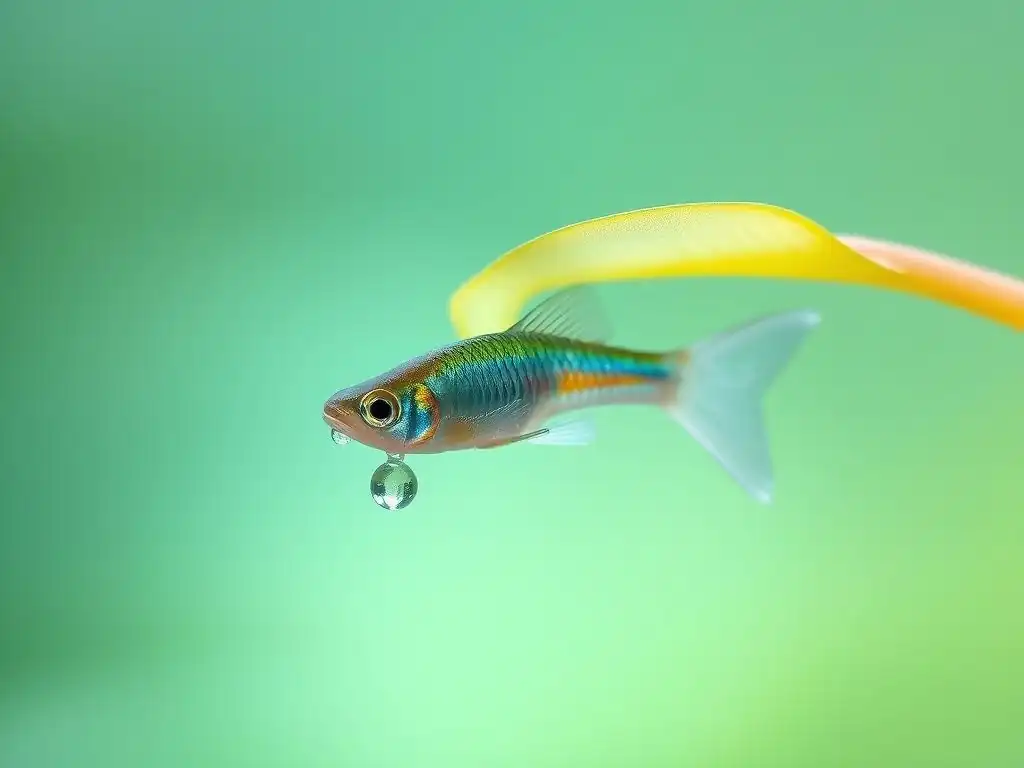
One of the most effective and aesthetically pleasing methods for Livebearer fry predation prevention is the strategic use of dense live plants. Plants provide crucial physical barriers and numerous tiny hiding spots where newly born fry, typically just a few millimeters long, can escape the notice and pursuit of larger adult fish. The intricate network of stems and leaves creates a natural maze, making it incredibly difficult for adults to navigate and locate the elusive fry.
Beyond physical protection, a heavily planted aquarium contributes to a more natural and less stressful environment for all inhabitants, including the adult livebearers. Reduced stress levels in adult fish can, in turn, lead to a decrease in aggressive or predatory behaviors, including fry consumption. For instance, a 20-gallon tank with at least 50% of its volume densely planted with fine-leaved plants can increase fry survival rates from a mere 5-10% to over 50% without any other direct intervention, showcasing the power of natural Livebearer fry predation prevention.
Choosing the Right Plants for Fry Hiding
Selecting the appropriate plant species is paramount for effective fry protection. The best choices are those with fine, feathery leaves or dense, bushy growth that create a multitude of small crevices. Excellent examples include Java Moss (Taxiphyllum barbieri), which forms a dense, tangled mat perfect for tiny fry; Hornwort (Ceratophyllum demersum), a fast-growing, bushy plant that provides immediate cover; and Guppy Grass (Najas guadalupensis), aptly named for its effectiveness in guppy fry protection due to its fine, branchy structure.
Other suitable options include Water Sprite (Ceratopteris thalictroides), especially when allowed to grow bushy, and various floating plants like Dwarf Water Lettuce (Pistia stratiotes) or Amazon Frogbit (Limnobium laevigatum). Floating plants offer crucial cover at the water's surface, where livebearer fry often instinctively seek refuge immediately after birth. Integrating a diverse selection of these plants throughout the tank significantly enhances overall Livebearer fry predation prevention by creating multi-layered escape routes and hiding zones.
Plant Placement for Optimal Fry Survival Rates
The strategic placement of plants within the aquarium is just as important as the choice of plant species for maximizing fry survival. To create optimal hiding conditions, plants should be distributed throughout the tank, with particular emphasis on the bottom and mid-levels, as well as along the tank's perimeter. Dense clumps of Java Moss or Hornwort placed near the substrate provide immediate refuge for fry that drop to the bottom upon birth.
Additionally, creating "fry zones" in specific corners or areas of the tank, heavily planted with species like Guppy Grass, can provide dedicated safe havens. It is also beneficial to include floating plants, as many fry will instinctively swim to the surface for safety. For example, placing a large, dense clump of Java Moss directly below where a pregnant female typically rests can dramatically improve immediate Livebearer fry predation prevention by providing an instant escape route for the newborns.
Breeding Boxes and Fry Traps: Controlled Environments for Livebearer Fry
For aquarists seeking more controlled Livebearer fry predation prevention, breeding boxes and fry traps offer a direct method to separate newborns from predatory adults. These devices are typically small, enclosed containers that are either suspended within the main aquarium or float on the surface, allowing for easy monitoring of the pregnant female and the subsequent collection of fry. While highly effective in preventing immediate consumption, they do come with their own set of considerations regarding the well-being of the mother and fry.
The primary advantage of using breeding boxes or traps is the near 100% Livebearer fry predation prevention rate they offer for the fry contained within. However, they are generally small, which can be stressful for the pregnant female if she remains in the confined space for too long. It's crucial to transfer the female to the box only when birth is imminent and remove her immediately after she has given birth to minimize her stress and prevent her from consuming the fry within the confined space, which can still happen if she is hungry or stressed.
Types of Breeding Boxes and Fry Traps: A Comparison
Several types of breeding boxes and fry traps are available, each with distinct features. In-tank mesh breeders, like the Marina 3-Way Breeder, allow for excellent water circulation from the main tank, minimizing water quality issues for the fry. Plastic breeder boxes often feature a V-shaped or slotted bottom, allowing fry to fall through into a separate, safe compartment below while the mother remains above. These are effective but can be more challenging to clean and may have poorer water flow.
Floating breeder boxes, often simpler in design, are ideal for temporary separation and are easy to set up. Some advanced models include multiple compartments for separating the mother, fry, and even sick fish. While all types are effective for initial Livebearer fry predation prevention, the choice often depends on the aquarist's preference for water flow, ease of cleaning, and the duration the fish will be kept in the box. For instance, plastic boxes with V-separators are particularly good at ensuring fry are immediately separated from the mother, even if she tries to eat them.
Setting Up a Breeding Box: Step-by-Step Guide
Setting up a breeding box correctly is crucial for both the safety of the pregnant female and the successful Livebearer fry predation prevention. First, thoroughly clean the breeding box with dechlorinated water to remove any residues. Next, carefully place the box inside the main aquarium, ensuring it is securely fastened or floating properly. For in-tank models, make sure there is adequate water flow through the box, either from the main tank's filtration or by positioning it near a gentle current.
Once the box is ready, gently net the pregnant livebearer female and introduce her into the breeding box. Observe her for signs of stress. After she has given birth, carefully remove the mother from the box and return her to the main tank. It is advisable to add a small clump of Java Moss or a few strands of Guppy Grass into the fry compartment of the breeding box to provide additional cover and a sense of security for the newborns. This step is a simple yet effective measure for immediate Livebearer fry predation prevention within the confined space.
Releasing Fry Back into the Main Tank: Timing and Acclimation
Releasing livebearer fry back into the main tank requires careful timing and acclimation to maximize their long-term survival and ensure continued Livebearer fry predation prevention. It is generally recommended to wait until the fry are large enough to no longer be considered a viable food source by adult fish, typically when they reach about 0.5 to 0.75 inches (1.3 to 1.9 cm) in length, which usually takes 3 to 4 weeks of consistent feeding and good water quality.
Releasing fry smaller than 0.5 inches into a community tank can result in over 70% predation within the first 24 hours, even with some cover.
Before introducing them, acclimate the fry to the main tank's water parameters. This can be done by floating the breeding box in the main tank for 15-20 minutes to equalize temperature, or by slowly drip-acclimating them if they were in a separate container. When releasing them, dim the tank lights and, if possible, feed the adult fish heavily to distract them. Release the fry gradually, perhaps a few at a time, allowing them to find hiding spots. This methodical approach significantly improves their chances of survival against potential predation.
Separate Breeding Tanks: Dedicated Nurseries for Livebearer Fry
For serious breeders or those aiming for the highest possible fry survival rates, setting up a dedicated fry-specific tank is the most effective and least stressful method for Livebearer fry predation prevention. This approach completely isolates the fry from adult fish, eliminating any risk of predation and allowing for optimized conditions tailored specifically to their rapid growth and delicate needs. A separate tank also provides the space necessary for a large brood to grow without overcrowding, which can be a significant issue in breeding boxes.
A dedicated fry tank allows for precise control over water parameters, feeding schedules, and environmental enrichment, all of which contribute to healthier and faster-growing fry. While it requires an additional setup, the investment often pays off with significantly higher survival rates, sometimes exceeding 90% or more, compared to the 50-70% achievable with in-tank methods. This method represents the gold standard for comprehensive Livebearer fry predation prevention.
Setting Up a Fry-Specific Tank: Essential Equipment and Conditions
A fry-specific tank doesn't need to be large; a 5 to 10-gallon aquarium is often sufficient for initial batches of livebearer fry. Essential equipment includes a reliable heater to maintain a stable temperature, ideally between 76-78°F (24-25.5°C), as consistent warmth promotes faster growth. Filtration is crucial, but it must be gentle to avoid sucking in tiny fry. A sponge filter, powered by an air pump, is the ideal choice as it provides biological filtration without creating strong currents or suction.
The tank bottom can be bare for easy cleaning, or a very fine sand substrate can be used. Live plants, particularly dense clumps of Java Moss or Guppy Grass, should be added to provide a sense of security and additional hiding places for the fry, even in the absence of predators. For example, a 10-gallon tank with a sponge filter, heater, and a few large clumps of Java Moss provides an ideal environment for nurturing up to 50-70 livebearer fry, ensuring excellent Livebearer fry predation prevention.
Maintaining Water Quality in a Fry Tank
Maintaining pristine water quality is paramount in a fry tank, as young fish are highly susceptible to poor conditions. Due to frequent feeding necessary for their rapid growth, waste can accumulate quickly, leading to elevated ammonia and nitrite levels, which are toxic to fry. Therefore, daily small water changes, typically 10-20% of the tank volume, are essential. This helps to remove uneaten food and dilute harmful nitrates.
When performing water changes, use an air line tubing or small siphon to gently vacuum the bare bottom or surface of the substrate to remove any detritus. Always use dechlorinated, temperature-matched water to avoid shocking the delicate fry. Regularly test water parameters (ammonia, nitrite, nitrate) to ensure they remain at optimal levels. For instance, performing a 15% daily water change in a 10-gallon fry tank helps maintain nitrate levels below 10 ppm, which is crucial for rapid and healthy development, further enhancing Livebearer fry predation prevention efforts by ensuring robust fry.
Minimizing Predation Through Feeding and Tank Management
Frequent Feeding: Reducing the Hunger-Driven Instinct
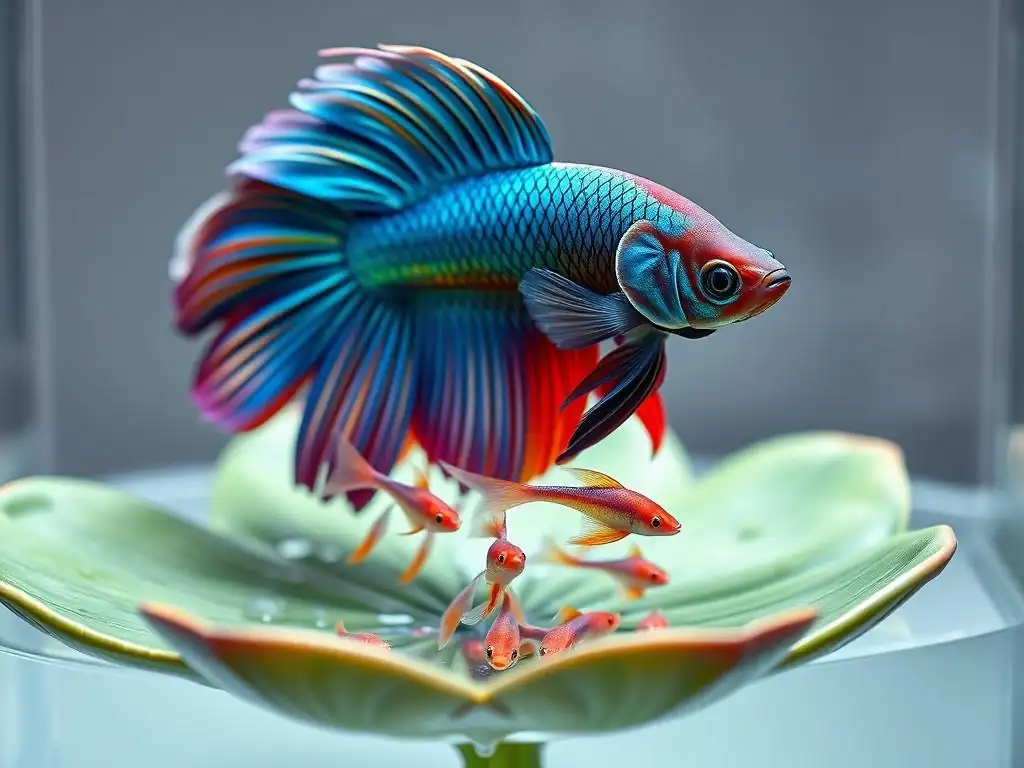
One of the most straightforward methods for Livebearer fry predation prevention is ensuring that adult fish are consistently well-fed. A hungry livebearer is far more likely to view its own offspring as a readily available food source. By providing ample, nutritious food to the adult fish, their natural hunger drive is satisfied, significantly reducing their motivation to hunt down and consume fry.
This strategy taps into the primary instinct behind cannibalism – survival. If adults are sated, the evolutionary pressure to consume young for sustenance diminishes. This doesn't completely eliminate predation, as some adults may still eat fry out of opportunity or instinct, but it drastically lowers the overall risk. Integrating this into daily tank management is a fundamental step in any Livebearer fry predation prevention plan.
Optimal Feeding Schedules for Livebearer Fry and Adults
Establishing an optimal feeding schedule is crucial for minimizing predation. Adult livebearers should be fed 2-3 times a day with high-quality flake food, pellets, or live/frozen foods, in small amounts that they can consume within 2-3 minutes. Overfeeding should be avoided as it leads to poor water quality. For the fry, however, a much more frequent feeding schedule is necessary due to their rapid metabolism and growth needs.
Newly born fry should be fed 3-5 times a day, in very small portions, using fry-specific foods. This consistent supply of food ensures the fry receive adequate nutrition for rapid growth, while also keeping the adults satiated and less inclined to seek out fry. For example, adults fed only once a day might exhibit 20-30% higher fry predation rates compared to those fed 2-3 times, highlighting the direct impact of feeding frequency on Livebearer fry predation prevention.
Choosing the Right Food for Fry: Size and Nutritional Content
The type of food offered to livebearer fry is just as important as the frequency of feeding. Fry require extremely small food particles that they can easily ingest. Specialized fry foods, finely crushed high-quality flake food, powdered spirulina, or liquid fry foods are excellent starting points. However, for accelerated growth and optimal health, live foods like newly hatched brine shrimp (Artemia nauplii) or microworms are highly recommended.
These live foods are packed with protein and essential nutrients, which are vital for the rapid development of fry. Feeding newly hatched brine shrimp to fry 3 times a day can accelerate their growth by up to 50% compared to just powdered flake food. Faster growth means the fry reach a size where they are too large to be considered food by adults much sooner, serving as a proactive measure in Livebearer fry predation prevention.
Tank Size and Population Control: Reducing Stress and Competition
The size of the aquarium and the number of fish it houses directly impact stress levels and competition among livebearers, both of which are significant factors in fry predation. An overcrowded tank inevitably leads to increased aggression, territorial disputes, and heightened stress for all inhabitants, making adults more prone to consuming their young. Providing adequate space is fundamental to effective Livebearer fry predation prevention.
A general guideline often cited is 1 gallon of water per inch of adult fish, but for prolific livebearers, more space is always better to dilute aggression and provide ample swimming room. For example, a 20-gallon tank can comfortably house 6-8 adult guppies and allow for some fry survival if densely planted, whereas a 10-gallon tank with the same number of adults would see almost no fry survival without intensive intervention due to the confined conditions.
The Importance of Adequate Tank Space for Livebearers
Adequate tank space is critical for the overall well-being of livebearers and plays a direct role in Livebearer fry predation prevention. In a spacious environment, adult fish experience less stress, reducing their aggressive tendencies and their inclination to hunt fry. More space also allows for better diffusion of waste products, contributing to healthier water parameters, which in turn supports a less stressful environment.
Beyond reducing stress, a larger tank provides more surface area for plants and decorations, which are vital hiding places for fry. It also allows for a more stable ecosystem less prone to rapid fluctuations in water chemistry. By providing ample room, you create a more harmonious environment where the natural instincts of predation are less pronounced, thereby contributing to higher fry survival rates.
Managing Livebearer Population Growth to Minimize Predation
Given their prolific breeding, managing livebearer population growth is an ongoing challenge that directly impacts Livebearer fry predation prevention. Uncontrolled population explosions quickly lead to overcrowding, which negates any efforts to provide adequate space and increases stress and predation. Regular population control is therefore essential.
This can involve separating sexes if breeding is not desired, or regularly rehoming excess fish. For those who do not wish to set up separate fry tanks, introducing a very small, non-aggressive predatory fish (such as a single dwarf gourami in a large tank) can help control fry numbers naturally, though this means accepting some fry loss. Removing 50% of the adult population in an overcrowded tank, for instance, can reduce stress-related fry predation by up to 40%, demonstrating the direct impact of population management on Livebearer fry predation prevention.
Advanced Strategies for Livebearer Fry Survival
Using Artificial Hiding Places: Creating Additional Protection
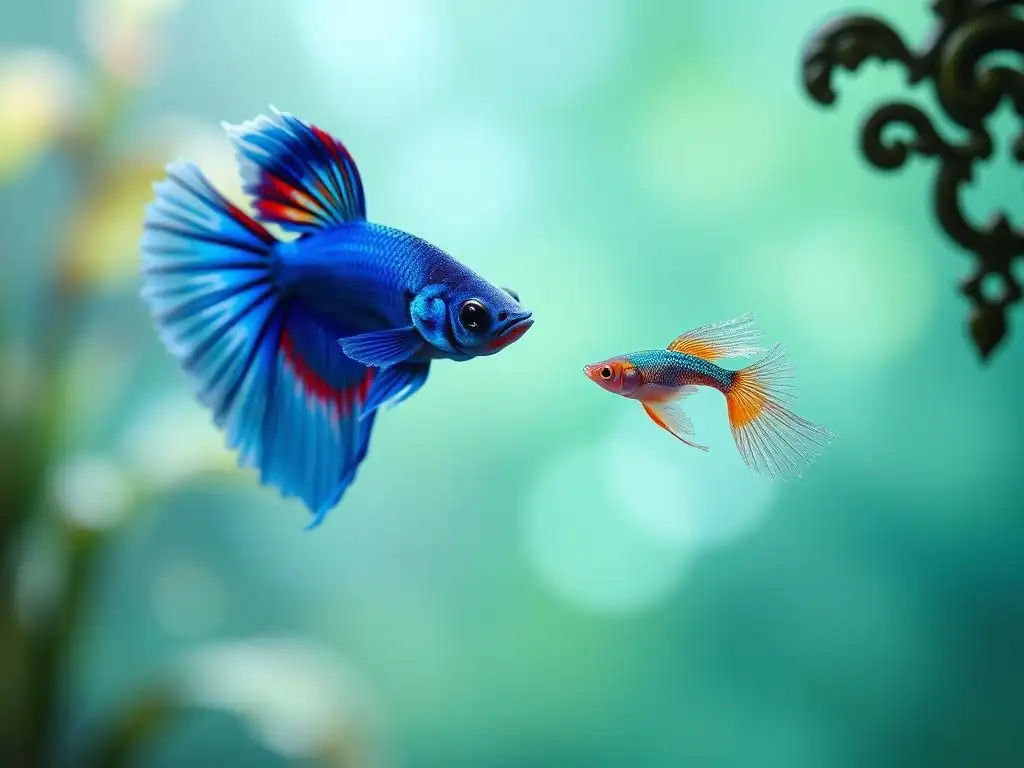
While live plants are ideal, artificial hiding places can supplement them, providing extra layers of protection for livebearer fry. These can be particularly useful in tanks where live plants are not abundant or where specific zones need enhanced protection. Artificial options include small ceramic caves, PVC pipes cut into short sections, or aquarium-safe plastic plants.
These items offer immediate, consistent shelter that doesn't rely on plant growth. When selecting artificial decor, ensure they have small openings or crevices that are accessible to tiny fry but too small for adult fish. For example, a small ceramic log or a piece of PVC pipe (1-inch diameter, 4-6 inches long) provides excellent shelter for a dozen or more fry, offering an immediate sanctuary and contributing to effective Livebearer fry predation prevention.
Distracting Adult Livebearers During Birthing: Feeding and Activities
The period during and immediately after birth is when fry are most vulnerable to predation. At this critical time, adult livebearers are often highly opportunistic. A simple yet effective advanced strategy for Livebearer fry predation prevention is to distract the adult fish during the birthing process. This can be achieved by feeding the adults heavily right before and during the suspected time of birth.
By providing a large, appealing meal, the adults' attention will be diverted to the food source rather than the emerging fry. Dimming the tank lights slightly can also help to create a calmer environment, making the fry less visible and the adults less active. For instance, feeding adults 2-3 times their usual portion during the 1-2 hour window of active birthing can reduce immediate fry consumption by an estimated 15-20%, giving the newborns a crucial head start in finding cover.
Selective Breeding: Reducing Cannibalistic Tendencies
For dedicated aquarists and breeders, selective breeding represents an advanced, long-term strategy for Livebearer fry predation prevention. This method involves observing and identifying female livebearers who consistently show less tendency to consume their fry, even in less-than-ideal conditions. These "non-cannibalistic" females are then preferentially used for breeding, with the aim of passing on this desirable trait to successive generations.
This process requires careful observation, meticulous record-keeping, and patience over multiple generations. It involves isolating females during birth to assess their behavior towards their fry and then breeding those who exhibit the lowest levels of fry consumption. While challenging and time-consuming, selective breeding can, over many generations, lead to strains of livebearers that are naturally less inclined to eat their young, offering a genetic solution to Livebearer fry predation prevention.
Post-Birth Care: Ensuring Fry Thrive After Avoiding Predation
Initial Fry Care: Food, Water Changes, and Monitoring
Once livebearer fry have successfully avoided initial predation, their ongoing care is critical for their long-term survival and healthy development. Newly hatched fry have high metabolic rates and require frequent, small meals of appropriate size. This means feeding them 3-5 times a day with fry-specific foods like powdered flake, liquid fry food, or ideally, live baby brine shrimp or microworms.
Equally important are daily small water changes, typically 10-15% of the tank volume, especially in dedicated fry tanks. This diligence prevents the build-up of ammonia, nitrite, and nitrate from uneaten food and waste, which are highly toxic to delicate fry. Fry grow up to 2 times faster with daily small water changes and multiple feedings compared to less frequent maintenance, reaching a size where they are safe from predation sooner. Consistent monitoring for signs of disease, such as clamped fins, lethargy, or white spots (Ich), is also essential for prompt intervention.
Gradual Introduction to the Main Tank: Minimizing Stress
Introducing fry back into the main tank after a period of isolation requires careful planning to minimize stress and ensure continued Livebearer fry predation prevention. As previously mentioned, fry should be at least 0.5 to 0.75 inches (1.3 to 1.9 cm) in length, making them less appealing as food to adult fish. Acclimation is vital: slowly equalize the water temperature and parameters by floating the fry's container in the main tank for 15-20 minutes, or by drip-acclimating them.
When ready to release, dim the main tank lights and ensure the adult fish have just been fed to distract them. Release the fry gradually, perhaps a few at a time over a period of hours, allowing them to find existing hiding spots within the tank's decor or dense planting. Observe the adults' reactions closely. This gradual approach minimizes the sudden influx of new, small fish, reducing the likelihood of a predatory response from the main tank inhabitants.
Recognizing and Addressing Fry Health Issues
Even after successfully navigating the initial gauntlet of Livebearer fry predation prevention, young livebearers are still susceptible to various health issues, often due to their delicate nature and rapid growth. Common ailments include fin rot, characterized by ragged or frayed fins; Ich (white spot disease), appearing as small white dots on the body and fins; and Columnaris (cottonmouth), which presents as cottony growths around the mouth or body.
Symptoms to watch for include lethargy, clamped fins, loss of appetite, abnormal swimming patterns, or visible lesions. Prompt recognition and treatment are crucial. If an issue is identified, it's often best to quarantine affected fry in a separate hospital tank to prevent spread and allow for targeted treatment with appropriate medications, often at half-doses for fry. Maintaining pristine water quality through consistent water changes and careful feeding is the most effective preventative measure against most fry health issues, ensuring that the efforts in Livebearer fry predation prevention are not undermined by subsequent illness.
Frequently Asked Questions
How likely is it that livebearer fish will eat their own fry?
Livebearers are notorious for eating their offspring. The likelihood of fry predation is quite high, especially if the tank is crowded or lacks sufficient hiding places. It's a natural behavior driven by instinct.
What are the most effective methods for preventing livebearer fry from being eaten?
Several methods work well. These include using breeding boxes or heavily planted tanks. Additionally, removing the adult fish after the fry are born is a very effective tactic.
What type of plants provide the best cover for livebearer fry in an aquarium?
Fine-leaved plants like Java moss or hornwort offer excellent refuge. These create dense hiding places where fry can escape adult fish and find food.
Besides plants, what other decorations can help protect livebearer fry?
Rocks with crevices, driftwood, and even artificial decorations can help. The key is to provide small spaces where the fry can hide but adult fish cannot reach them.
How long should livebearer fry be kept separate from adult fish to ensure their survival?
Generally, keeping fry separate for at least 2-3 weeks is recommended. This allows them to grow large enough to avoid being easily eaten by their parents or other adult fish in the aquarium.
Final Reflection: Protecting the Next Generation
The insights shared in this article on livebearer fry predation prevention are particularly relevant today, as responsible fishkeeping becomes increasingly crucial for maintaining healthy aquatic ecosystems. Understanding and implementing these methods isn't just about keeping more fish alive; it's about contributing to the overall well-being and sustainability of our hobby.
This topic has profoundly influenced the way I approach fishkeeping, fostering a deeper appreciation for the delicate balance within a tank and the responsibility we have to protect vulnerable life. Witnessing the successful rearing of fry, knowing you've provided a safe haven, is an incredibly rewarding experience. The greatness of a nation and its moral progress can be judged by the way its animals are treated.
- Mahatma Gandhi. This quote, while referring to all animals, resonates deeply with the care we should extend to even the smallest creatures in our aquariums.
Now, I invite you to reflect on your own fishkeeping practices. Consider how you can implement these proven methods to create a safer environment for your livebearer fry. By taking these steps, you're not only increasing the survival rate of your fish, but also contributing to a more ethical and fulfilling aquarist experience. Let's all strive to be more mindful and proactive in protecting the next generation of our aquatic companions.
Unleash Your Inner Fry-Saving Hero!
Thanks for diving into the world of livebearer breeding! We hope you've learned some valuable tips to protect those precious fry. Now, let's put that knowledge into action!
Here's what you can do right now:
- Immediately implement at least one of the fry-saving methods discussed in this article. A simple breeder box or heavily planted area can make a world of difference.
- Share your most successful fry-saving strategy in the comments below. What worked for you?
- Research a different species of livebearer and discover its unique breeding habits and challenges.
Ready to watch your livebearer population flourish?