
The Surprising Intelligence of the Kissing Gourami

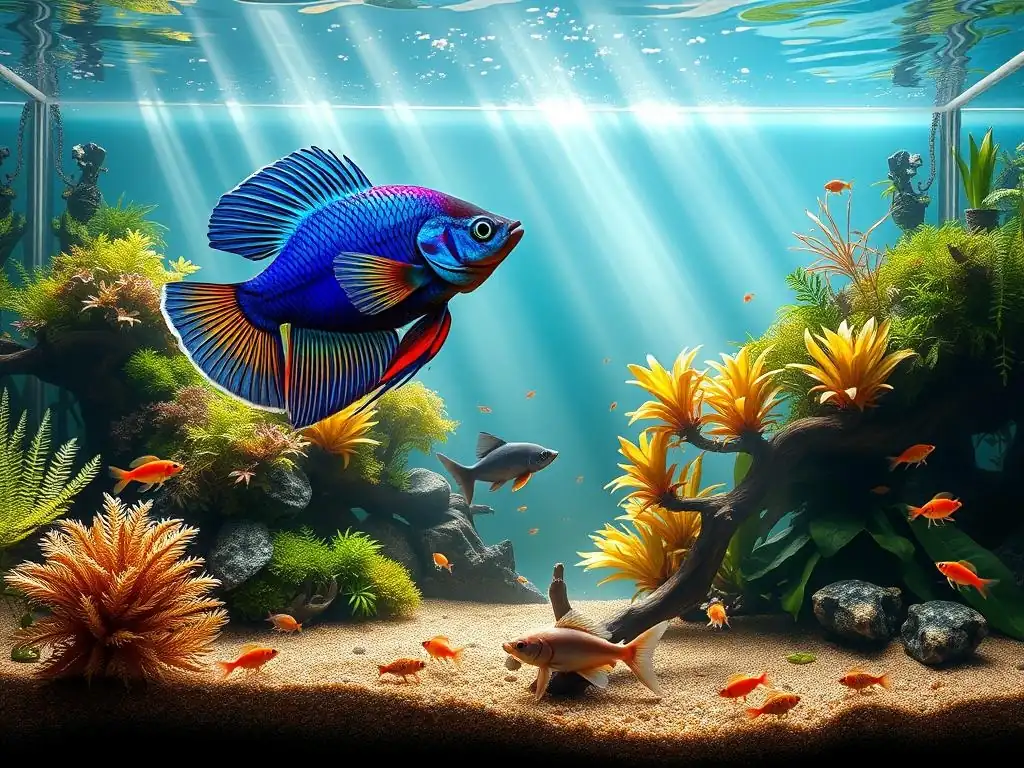
Welcome to Aquarium Mastery!
Ever wondered if that Kissing Gourami staring back at you is thinking something? Prepare to be amazed! Dive into our exploration of the fascinating intelligence and unique behavior patterns of this captivating freshwater fish. We'll uncover secrets you never knew, leaving you eager to learn more about creating the perfect environment for your aquatic friends. Ready to discover just how smart these gentle giants really are?
- The Surprising Intelligence of the Kissing Gourami: Behavior Patterns & Care
- Understanding Kissing Gourami Behavior: Beyond the 'Kiss'
- Kissing Gourami Intelligence: Cognitive Abilities and Learning
- Optimizing Tank Conditions to Encourage Natural Kissing Gourami Behaviors
- Feeding and Diet: Impact on Kissing Gourami Activity and Well-being
- Common Behavioral Issues and Troubleshooting in Kissing Gouramis
- Breeding Kissing Gouramis: Mating Rituals and Parental Care
- Long-Term Care and Observation: Monitoring Kissing Gourami Behavior for a Healthy Life
- Conclusion: Appreciating the Complex Behavior of the Kissing Gourami
-
Frequently Asked Questions
- What are some indicators of Kissing Gourami intelligence?
- How does the behavior of a Kissing Gourami reflect its intelligence?
- What are the typical behavior patterns of a Kissing Gourami in an aquarium environment?
- How does Kissing Gourami intelligence compare to other freshwater fish?
- What factors contribute to the development of Kissing Gourami intelligence and behavior?
- Final Reflection: Unveiling the Depths of Aquatic Cognition
- Dive Deeper: Unlock the Secrets of Your Kissing Gourami!
The Surprising Intelligence of the Kissing Gourami: Behavior Patterns & Care
Understanding Kissing Gourami Behavior: Beyond the 'Kiss'
Debunking Myths: The True Meaning Behind the 'Kissing' Behavior
The iconic "kissing" behavior of the Kissing Gourami (Helostoma temminckii) is often misinterpreted as a sign of affection or even mating. While visually endearing, this unique interaction is primarily a display of dominance and territoriality, especially prevalent between males. When two Kissing Gouramis press their mouths together, they are engaging in a form of ritualized combat or a strength test, asserting their position within the social hierarchy of the tank. This behavior is a crucial aspect of their social structure, defining pecking order and resource access.
Observations in controlled aquarium environments suggest that these "kissing" bouts can last from a few seconds to over a minute, with the fish pushing against each other with considerable force. This behavior is not typically aggressive in the sense of causing physical harm, but rather a display of their inherent Kissing Gourami intelligence behavior patterns. It's a method of conflict resolution that minimizes actual fighting, showcasing a complex behavioral repertoire for establishing social order without significant injury, which is a remarkable adaptation for a species that can grow up to 12 inches in length.
Kissing Gouramis exhibit interesting social dynamics, often forming loose shoals when young and becoming more solitary or forming pairs as they mature. Despite their potential for territorial displays, they are generally considered peaceful community fish, especially when given adequate space. Their interactions extend beyond the "kissing" and include subtle body language, fin displays, and changes in coloration that communicate their mood and intentions to tank mates.
Within a group, a dominant individual may emerge, and its presence can influence the behavior of others, including feeding patterns and preferred resting spots. Observing these subtle cues is key to understanding Kissing Gourami intelligence behavior patterns. For instance, a gourami might exhibit increased activity or a more vibrant coloration when feeling secure and dominant, whereas a submissive individual might appear paler or spend more time hiding. This level of social interaction requires a degree of cognitive processing, as they interpret and respond to the actions of others within their aquatic environment.
Kissing Gourami Intelligence: Cognitive Abilities and Learning
Evidence of Learning and Problem-Solving in Kissing Gouramis
Kissing Gouramis demonstrate a remarkable capacity for learning and problem-solving, often surprising aquarists with their cognitive abilities. They are known to quickly learn to associate their human caregivers with food, often swimming to the front of the tank or even "begging" at feeding times. This type of associative learning indicates a basic level of memory and recognition, showcasing their Kissing Gourami intelligence behavior patterns.
Beyond simple association, some aquarists report instances of Kissing Gouramis navigating complex tank structures to reach food or preferred resting spots, indicating spatial awareness. Anecdotal evidence suggests they can differentiate between different food types and even learn specific feeding routines, adapting their behavior based on the time of day or the presence of certain stimuli. This adaptability points towards a degree of problem-solving capability, as they adjust their actions to optimize outcomes within their environment.
Comparing Kissing Gourami Intelligence to Other Freshwater Fish Species
While scientific research specifically on Kissing Gourami intelligence is less extensive than for some other species, their behavioral complexity suggests they rank favorably among many common freshwater fish. Compared to highly social and intelligent species like certain cichlids or even some larger characins, Kissing Gouramis exhibit similar capacities for recognition, associative learning, and social signaling. Their ability to form hierarchies through ritualized displays, rather than constant aggression, is a testament to their sophisticated behavioral repertoire.
Their intelligence is often compared to other anabantoids (labyrinth fish) like Bettas or Paradise Fish, which are known for their distinct personalities and interactive behaviors. Kissing Gouramis share the ability to recognize their owners and respond to external stimuli with a level of awareness that goes beyond simple instinct. This capacity for nuanced Kissing Gourami intelligence behavior patterns makes them engaging subjects for observation and care, highlighting the often-underestimated cognitive abilities of fish.
Environmental Enrichment and its Impact on Kissing Gourami Cognitive Function
Providing a stimulating and enriched environment is crucial for fostering and observing the full spectrum of Kissing Gourami intelligence behavior patterns. A bare tank offers little opportunity for exploration or problem-solving, potentially leading to boredom or lethargy. Conversely, a well-decorated aquarium with a variety of hiding spots, plants, and open swimming areas encourages natural behaviors like foraging, territorial defense, and social interaction.
Incorporating elements such as floating plants, driftwood, and smooth rocks provides diverse textures and visual stimuli. Regularly rearranging decor or introducing new, safe objects can also stimulate their curiosity and encourage exploration, thereby enhancing their cognitive function. It has been observed that Kissing Gouramis in enriched environments display more active and varied behaviors, including more complex social interactions and foraging strategies, compared to those in less stimulating setups.
Optimizing Tank Conditions to Encourage Natural Kissing Gourami Behaviors
Tank Size and Setup for a Healthy and Stimulating Kissing Gourami Environment
Providing an appropriately sized tank is paramount for the well-being and natural behavioral expression of Kissing Gouramis. As they can reach up to 12 inches in length, a minimum tank size of 55 gallons is recommended for a single adult, with 75 gallons or more preferred for a pair or small group to allow ample swimming space and reduce potential territorial conflicts. Overcrowding can suppress natural Kissing Gourami intelligence behavior patterns and lead to stress.
The tank setup should mimic their natural habitat, which includes densely planted areas with open swimming spaces. Live plants like Java Fern, Anubias, and Amazon Swords provide cover, security, and visual barriers that help define territories and reduce aggression. Smooth rocks and driftwood can also be incorporated to offer additional hiding spots and visual interest, contributing to a stimulating environment that encourages exploration and natural foraging behaviors.
Water Parameters and Their Influence on Kissing Gourami Behavior
Maintaining stable and appropriate water parameters is critical for the health and behavioral expression of Kissing Gouramis. They thrive in tropical freshwater conditions with temperatures between 75-82°F (24-28°C), a pH range of 6.0-8.0, and moderately soft to hard water (5-19 dGH). Fluctuations outside these ranges can induce stress, which directly impacts their Kissing Gourami intelligence behavior patterns, leading to lethargy, loss of appetite, or increased aggression.
Regular water changes (25-30% weekly) are essential to keep nitrate levels low and maintain overall water quality. High levels of ammonia or nitrite, even for short periods, can cause severe stress and suppress their natural curiosity and social interactions. Consistent water quality ensures their metabolic processes function optimally, allowing them to exhibit their full range of natural behaviors, from active swimming to intricate social displays.
Suitable Tank Mates for Kissing Gouramis: Promoting Positive Interactions
Choosing appropriate tank mates is vital for fostering positive Kissing Gourami intelligence behavior patterns and preventing stress. Despite their potential for territoriality, Kissing Gouramis are generally peaceful and can coexist with a variety of similarly sized, non-aggressive fish. Ideal tank mates include larger tetras, peaceful barbs, rainbowfish, larger rasboras, and certain bottom dwellers like Corydoras catfish or plecos.
Avoid highly aggressive or fin-nipping species that could harass the gouramis, as well as very small, delicate fish that could be intimidated. Overly boisterous tank mates can also suppress the gouramis' natural behaviors. A well-chosen community tank allows Kissing Gouramis to display their social dynamics, including their unique "kissing" displays, without undue stress, contributing to a harmonious and engaging aquatic environment.
Feeding and Diet: Impact on Kissing Gourami Activity and Well-being
Understanding Nutritional Needs for Optimal Kissing Gourami Health and Behavior
Kissing Gouramis are omnivores with a varied diet in the wild, primarily consuming algae, detritus, small invertebrates, and plant matter. To ensure optimal health and encourage robust Kissing Gourami intelligence behavior patterns in captivity, their diet should reflect this diversity. A high-quality flake or pellet food designed for omnivorous fish should form the staple of their diet, providing essential vitamins and minerals.
Supplementing their diet with blanched vegetables like spinach, zucchini, and shelled peas is crucial for providing necessary plant matter and aiding digestion. Occasional treats of live or frozen foods such as bloodworms, brine shrimp, or daphnia provide protein and stimulate their natural foraging instincts. A balanced diet not only supports their physical health but also contributes to their overall vitality and willingness to engage in natural behaviors.
Food Preferences and Foraging Behaviors in Kissing Gouramis
Kissing Gouramis exhibit interesting food preferences and foraging behaviors that highlight their adaptability. They are known for their unique mouth structure, which is adapted for scraping algae from surfaces, a behavior they will readily display in the aquarium on glass, rocks, and plant leaves. This natural grazing habit is an important part of their daily activity and contributes to their overall well-being.
When feeding, they often surface to take flake food but will also sift through substrate for fallen morsels. Observing these varied foraging methods provides insight into their natural Kissing Gourami intelligence behavior patterns. Offering food at different levels of the water column and scattering it to encourage searching can stimulate their cognitive engagement, preventing boredom and promoting active, healthy fish.
Common Behavioral Issues and Troubleshooting in Kissing Gouramis
Identifying Signs of Stress or Illness Through Kissing Gourami Behavioral Changes
Monitoring Kissing Gourami intelligence behavior patterns is an effective way to identify early signs of stress or illness. Healthy gouramis are typically active, curious, and exhibit vibrant coloration. Any significant deviation from these norms should be investigated. Common behavioral indicators of stress include prolonged hiding, lethargy, clamped fins, rapid breathing, or a loss of appetite.
Changes in social dynamics, such as increased aggression towards tank mates that were previously tolerated, or a dominant fish suddenly becoming reclusive, can also signal underlying issues. Observing these subtle shifts in their Kissing Gourami intelligence behavior patterns allows aquarists to intervene promptly, whether by checking water parameters, adjusting tank mates, or considering potential health treatments, thereby improving their chances of recovery.
Addressing Aggression and Territoriality in Kissing Gouramis
While generally peaceful, Kissing Gouramis can exhibit aggression, particularly as they mature or if housed in insufficient space. The signature "kissing" behavior, while a display, can escalate if one fish refuses to back down, leading to more direct chasing or nipping. Overcrowding is a primary trigger for heightened aggression, as it limits personal space and intensifies territorial disputes over resources like food and hiding spots.
To mitigate aggression, ensure the tank is adequately sized (75 gallons or more for adults) and provides ample hiding spots and visual barriers with plants and decor. Maintaining stable water parameters also reduces stress, which can be a root cause of aggression. If aggression persists, consider separating the most aggressive individual or re-evaluating tank mate compatibility to ensure a harmonious environment that supports positive Kissing Gourami intelligence behavior patterns.
Bloat and its associated behavioral changes
Bloat is a serious condition that can affect Kissing Gouramis, often associated with poor diet, internal bacterial infections, or poor water quality. Behavioral changes are typically among the first visible symptoms. An affected gourami may appear lethargic, lose its appetite, and spend more time hiding or resting at the bottom of the tank. Its abdomen will visibly swell, and scales may begin to protrude, giving a "pinecone" appearance in advanced stages.
Observing these changes in Kissing Gourami intelligence behavior patterns is crucial for early detection. A fish suffering from bloat may also exhibit labored breathing or an inability to swim properly, often floating aimlessly or struggling to maintain buoyancy. Prompt action, including isolating the fish, improving water quality, and administering appropriate medication (often an antibiotic or antiparasitic, depending on the suspected cause), is essential for potential recovery.
Breeding Kissing Gouramis: Mating Rituals and Parental Care
Understanding the Spawning Process and Associated Kissing Gourami Behaviors
Breeding Kissing Gouramis in a home aquarium can be a fascinating experience, revealing intricate Kissing Gourami intelligence behavior patterns related to reproduction. Unlike many labyrinth fish that build elaborate bubble nests, Kissing Gouramis are egg scatterers. During courtship, the male will often display vibrant colors and engage in gentle nudging or fin displays to entice the female. The pair will then engage in a characteristic embrace, where the male wraps around the female, pressing eggs and sperm simultaneously.
This spawning embrace typically occurs near the water surface or amidst fine-leaved plants. The female can release hundreds, sometimes thousands, of small, buoyant eggs during multiple embraces over several hours. Observing this complex dance provides significant insight into their reproductive strategies and the instinctual behaviors that drive the continuation of their species.
Details on Kissing Gourami breeding tank setup and conditions that trigger spawning
To encourage spawning in Kissing Gouramis, a dedicated breeding tank of at least 40 gallons is recommended, providing ample space for the pair and for the eggs to float freely. The water should be soft (4-8 dGH) and slightly acidic to neutral (pH 6.5-7.0), with a temperature maintained at the higher end of their preferred range, around 80-82°F (27-28°C). This warmer, softer water often acts as a trigger for spawning.
The tank should be sparsely decorated with fine-leaved plants like Java Moss or spawning mops, as the buoyant eggs will float to the surface. After spawning, the adult gouramis should be removed, as they have no parental care instincts and may consume the eggs. The fry will hatch within 24-48 hours and require infusoria or liquid fry food initially, followed by newly hatched brine shrimp. Successfully breeding these fish highlights the specific environmental cues that influence their reproductive Kissing Gourami intelligence behavior patterns.
Long-Term Care and Observation: Monitoring Kissing Gourami Behavior for a Healthy Life
Creating a Routine for Observing and Assessing Kissing Gourami Health
Establishing a consistent routine for observing your Kissing Gouramis is fundamental to their long-term health and well-being. Daily observation during feeding times allows you to assess their appetite, activity levels, and interaction with tank mates. Look for any changes in their typical Kissing Gourami intelligence behavior patterns, such as a sudden lack of interest in food, unusual hiding, or aggressive outbursts.
Beyond feeding, take a few minutes each day to simply watch them. Are their fins clamped or tattered? Is their coloration vibrant or faded? Are there any visible spots, lesions, or swelling? Regular, attentive observation enables early detection of potential issues, allowing for prompt intervention before problems escalate. This proactive approach is key to maintaining a healthy and thriving Kissing Gourami population.
Hole-in-the-Head Disease and its behavioral symptoms
Hole-in-the-Head Disease, often linked to the flagellate Hexamita or a combination of poor water quality, nutritional deficiencies, and stress, can significantly impact Kissing Gourami intelligence behavior patterns. Early symptoms often include lethargy, loss of appetite, and a general malaise. The fish may become reclusive, spending more time hiding or exhibiting unusual swimming patterns.
As the disease progresses, small pits or lesions may appear on the head and lateral line, which can expand over time. Affected gouramis may also display white, stringy feces. Observing these behavioral and physical changes is critical for diagnosis. Addressing the underlying causes, such as improving water quality through diligent maintenance and providing a balanced diet rich in vitamins, alongside appropriate medication, is essential for treating this condition and restoring the fish's natural vitality.
Conclusion: Appreciating the Complex Behavior of the Kissing Gourami
The Importance of Understanding Fish Intelligence and Welfare
The Kissing Gourami, often admired simply for its unique mouth shape and "kissing" display, reveals a surprising depth of intelligence and complex behavioral patterns upon closer observation. From their ritualized dominance displays and learned recognition of caregivers to their adaptability in varied tank environments, these fish demonstrate a cognitive capacity often underestimated in the aquatic world. Understanding their Kissing Gourami intelligence behavior patterns is not just about keeping them alive; it's about providing a stimulating environment that allows them to thrive and express their natural instincts.
Recognizing the intelligence and intricate social structures of species like the Kissing Gourami underscores the broader importance of fish welfare in aquariculture. It encourages hobbyists to move beyond simply housing fish to actively enriching their lives, providing conditions that cater to their physical and mental needs. By appreciating their complex behaviors, we gain a deeper respect for these fascinating creatures and enhance our enjoyment of the aquarium hobby, fostering a more humane and engaging experience for both fish and owner.
Frequently Asked Questions
What are some indicators of Kissing Gourami intelligence?
Kissing Gouramis demonstrate intelligence through complex social interactions, problem-solving abilities when foraging for food, and their capacity to recognize tank mates.
How does the behavior of a Kissing Gourami reflect its intelligence?
Their unique "kissing" behavior is not just aggression; it's a way to establish dominance and investigate their surroundings. They also exhibit complex foraging strategies.
What are the typical behavior patterns of a Kissing Gourami in an aquarium environment?
They typically engage in social interactions, explore their tank, and establish a hierarchy with other gouramis. They also display unique feeding habits.
How does Kissing Gourami intelligence compare to other freshwater fish?
While difficult to quantify precisely, observations suggest they are more intelligent than many common aquarium fish, showcasing more complex behaviors and problem-solving.
What factors contribute to the development of Kissing Gourami intelligence and behavior?
Environmental enrichment, social interaction, and available food sources can all play a role in shaping their cognitive abilities and influencing their behavioral patterns.
Final Reflection: Unveiling the Depths of Aquatic Cognition
The exploration of Kissing Gourami intelligence behavior patterns reveals that even seemingly simple creatures possess a complexity we often overlook. This understanding is particularly relevant today as we increasingly recognize the interconnectedness of all life and the importance of appreciating the diverse cognitive abilities present throughout the animal kingdom. The more we learn about these fascinating fish, the more we are challenged to reconsider our anthropocentric views of intelligence.
The subtle nuances of Kissing Gourami behavior, from their intricate social interactions to their problem-solving capabilities, have profoundly influenced my perspective on the aquatic world. Witnessing these behaviors firsthand has instilled a deep respect for the intelligence that thrives beneath the surface, often hidden from our immediate view. The question is not, 'Can they reason?' nor, 'Can they talk?' but rather, 'Can they suffer?'
- Jeremy Bentham. This quote, though originally applied to animal welfare, resonates deeply when considering the cognitive capacity of creatures like the Kissing Gourami, urging us to treat them with the respect and consideration they deserve.
As we conclude this exploration, I invite you to reflect on the implications of these findings. Consider how our understanding of animal intelligence, even in a seemingly humble fish like the Kissing Gourami, can reshape our relationship with the natural world. Let us strive to cultivate a greater appreciation for the diverse forms of intelligence that exist around us, and let this knowledge inspire us to act as responsible stewards of our planet, ensuring a future where all creatures, great and small, can thrive.
Dive Deeper: Unlock the Secrets of Your Kissing Gourami!
Thank you for exploring the fascinating world of the Kissing Gourami with us! We hope you've gained a newfound appreciation for these surprisingly intelligent fish. Now, let's put that knowledge into action!
Here are a few things you can do right now:
- Observe your Kissing Gourami more closely over the next week. Pay attention to their interactions, feeding habits, and any unique behaviors you might have missed before.
- Share this article with fellow aquarium enthusiasts to spread awareness about the intelligence of Kissing Gouramis.
- Consider researching and implementing a simple enrichment activity in your tank, like adding a new plant or rearranging the decor, to further stimulate their minds.
What’s the most surprising behavior you've witnessed from your Kissing Gourami, and what do you think it means?