
Stress Signs in Your Pleco, Ancistrus, or Otocinclus: What to Watch For

Welcome to Aquarium Mastery!
Is your Pleco acting a little off lately? Dive into our guide, " Stress Signs in Your Pleco, Ancistrus, or Otocinclus: What to Watch For," and unlock the secrets to recognizing and treating pleco stress symptoms. Don't let your finned friend suffer in silence – discover the crucial signs and proven treatments to restore their health and happiness! Curious to learn more? Let's get started!
- Understanding Stress in Your Aquarium's Algae Eaters
- Identifying Pleco Stress Symptoms: A Visual Guide
- Recognizing Stress in Otocinclus: Specific Signs
- Diagnosing the Cause of Stress in Your Pleco, Ancistrus, or Oto
- Pleco Stress Symptoms Treatment: Effective Solutions
- Preventing Stress in Your Pleco, Ancistrus, and Otocinclus
- Long-Term Care for Stressed Plecos, Ancistrus, and Otocinclus
-
Frequently Asked Questions
- What are some common stress signs to look for in my Pleco, Ancistrus, or Otocinclus?
- How does water quality impact stress levels in Plecos, Ancistrus, and Otocinclus?
- What environmental factors other than water quality can cause stress in these fish?
- What are some effective treatments for a stressed Pleco, Ancistrus, or Otocinclus?
- How can I prevent stress in my Pleco, Ancistrus, or Otocinclus in the first place?
- Final Reflection: Recognizing and Responding to Aquatic Distress
- Unveil a Happier Tank: Take Action Now!
Understanding Stress in Your Aquarium's Algae Eaters
Why is Stress Harmful to Plecos, Ancistrus, and Otocinclus?
Stress in aquarium fish, including your beloved Plecos, Ancistrus, and Otocinclus, is not merely a temporary discomfort; it initiates a cascade of physiological responses that can severely compromise their health and longevity. When these fish experience stress, their bodies release hormones like cortisol, which suppress the immune system. A weakened immune system leaves them highly vulnerable to common aquarium diseases, turning minor issues into life-threatening conditions. Furthermore, chronic stress can lead to stunted growth, poor coloration, and even organ damage, significantly reducing their natural lifespan.
Beyond the immediate health implications, prolonged stress can also impact their natural behaviors and reproductive capabilities. For instance, a stressed Pleco might refuse to graze on algae, leading to nutritional deficiencies, while an Ancistrus might fail to breed or exhibit proper parental care. Recognizing the profound negative impact of stress is the crucial first step in implementing effective pleco stress symptoms treatment and ensuring the well-being of these essential tank inhabitants.
Factors That Contribute to Stress in Freshwater Catfish
A multitude of factors can contribute to stress in freshwater catfish such as Plecos, Ancistrus, and Otocinclus, ranging from environmental conditions to social dynamics within the tank. Poor water quality is perhaps the most common culprit; even slightly elevated levels of ammonia (e.g., 0.25 ppm) or nitrite (e.g., 0.5 ppm) can be highly stressful, while sustained levels above 0.5 ppm ammonia are often lethal. Sudden and drastic fluctuations in water parameters, such as a temperature swing of more than 3-4°F within a few hours or a rapid pH shift of more than 0.5 units, can induce severe shock.
Other significant stressors include overcrowding, which leads to increased competition for resources and higher waste production, and aggressive tank mates that constantly harass or bully these typically peaceful bottom dwellers. A lack of adequate hiding spots, improper diet, and the inherent stress of being transported to a new environment also play critical roles. For example, a newly introduced Otocinclus might be particularly susceptible to stress due to the transition from a stable environment to a new, unfamiliar tank.
Identifying Pleco Stress Symptoms: A Visual Guide
Changes in Pleco Behavior as Stress Indicators
Erratic Swimming and Hiding: Warning Signs
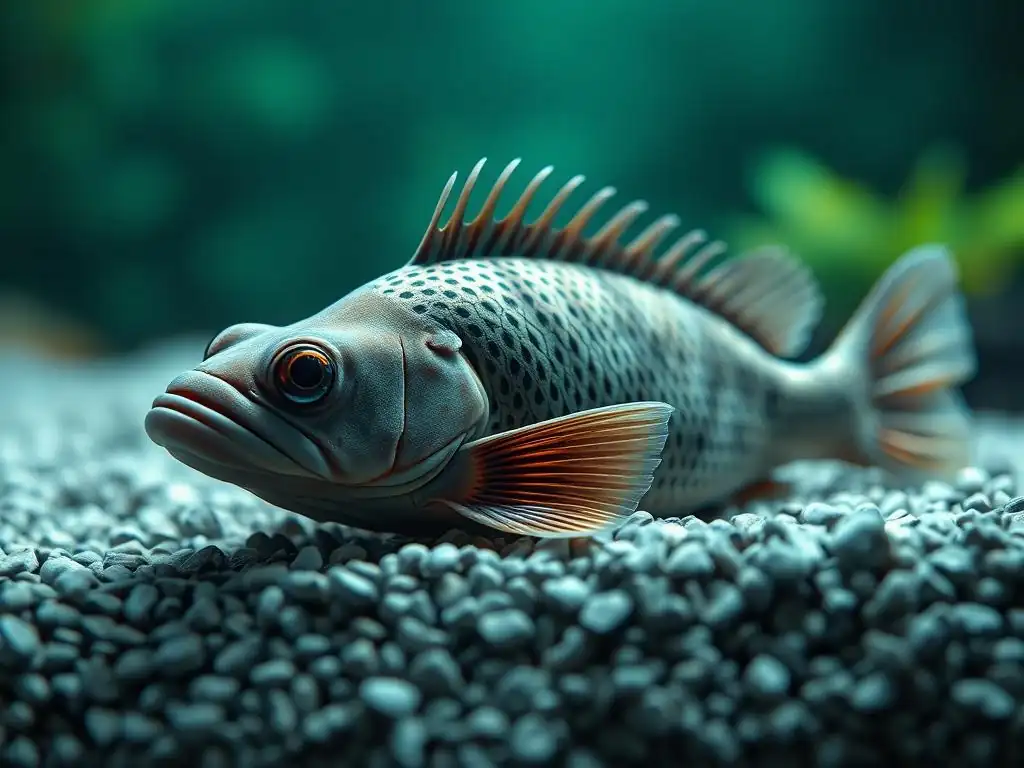
One of the earliest and most noticeable signs of stress in Plecos, Ancistrus, and Otocinclus is a change in their swimming patterns and hiding behavior. Normally, healthy Plecos are relatively calm and methodical grazers, moving deliberately across surfaces. However, a stressed individual might exhibit erratic darting movements, rapid scraping against decor, or constantly attempt to jump out of the water.
Conversely, prolonged hiding is another significant warning sign. While these fish are naturally nocturnal or shy, spending days hidden in unusual spots and refusing to emerge even for food indicates distress. For example, a Bristlenose Pleco that typically grazes openly on driftwood but suddenly spends days hidden behind the heater, only emerging briefly at night, is likely experiencing stress.
This behavioral shift from typical activity to extreme reclusion or agitation is a clear indicator that something is amiss in their environment. It’s important to distinguish between normal resting behavior and stress-induced hiding; a stressed fish will often appear tense and may refuse to move even when approached. Monitoring these subtle changes can provide crucial early detection, allowing for timely intervention and pleco stress symptoms treatment.
Loss of Appetite and Reduced Algae Grazing
A significant indicator of stress in Plecos, Ancistrus, and Otocinclus is a noticeable loss of appetite and a reduction in their natural algae grazing behavior. These fish are primarily herbivorous or omnivorous bottom feeders, constantly foraging for algae, biofilm, and detritus. When stressed, their digestive systems can shut down, leading them to ignore offered foods like algae wafers, blanched vegetables, or even live plants they would normally graze upon. Over time, this lack of nutrition results in visible weight loss, a sunken belly, and overall weakening of their immune system.
For small, constant grazers like Otocinclus, a cessation of grazing is particularly alarming, as they require a continuous intake of food. If you observe an Otocinclus that usually grazes constantly on the aquarium glass or plant leaves suddenly ignoring a fresh piece of blanched zucchini, it's a strong sign of distress. This reduced feeding directly impacts their energy levels and ability to fight off potential diseases, making it a critical symptom to address promptly as part of any pleco stress symptoms treatment strategy.
Clamped Fins and Lethargy in Otocinclus
Clamped fins and overall lethargy are particularly common and concerning stress indicators, especially in the more delicate Otocinclus catfish. Clamped fins refer to the fish holding its fins tightly against its body, rather than spreading them out naturally. This posture often signifies discomfort, fear, or illness. Coupled with clamped fins, lethargy manifests as listlessness, where the fish rests motionless on the bottom, on plants, or against decor for extended periods with minimal movement. Unlike a resting fish that might quickly dart away when approached, a lethargic fish will respond slowly, if at all.
Otocinclus, being small and highly sensitive, often display these signs prominently when stressed, and their appearance usually precedes more severe health issues. A healthy Otocinclus is typically constantly active, zipping around and grazing. Therefore, an Otocinclus sitting motionless for hours with its dorsal and caudal fins tightly pressed against its body is a clear sign of distress that requires immediate attention and investigation into the underlying cause for effective pleco stress symptoms treatment.
Physical Symptoms of Stress in Plecos and Ancistrus
Changes in Coloration: Paleness or Darkening
Changes in coloration are a common physical symptom of stress in Plecos and Ancistrus, reflecting their physiological response to adverse conditions. Fish possess specialized cells called chromatophores that allow them to change their skin pigmentation. When stressed, these cells can either contract, leading to a noticeable paleness or washed-out appearance, often indicative of fear, shock, or poor water quality. Conversely, some species may darken significantly, developing blotchy patterns or an overall deeper hue, which can signify extreme stress, illness, or aggression.
For instance, a normally mottled Common Pleco might turn uniformly pale or develop dark, splotchy patches across its body when highly stressed. These color changes are not merely cosmetic; they are direct reflections of the fish's internal state and immune response. Observing these shifts early can provide valuable clues for diagnosing the problem and initiating appropriate pleco stress symptoms treatment.
Visible Injuries or Abrasions on Pleco's Body
Visible injuries or abrasions on a Pleco's body are often direct physical manifestations of stress, particularly when the fish attempts to escape perceived threats or struggles in an unsuitable environment. These injuries can range from red marks and missing scales to torn fins or ulcers. They might occur if a stressed Pleco repeatedly scrapes against rough tank decorations, attempts to jump out of the water, or is physically bullied by aggressive tank mates. For example, a Pleco that has been constantly chased by an aggressive cichlid might exhibit frayed fins or red streaks on its body from repeated impacts.
These open wounds are highly susceptible to secondary infections, such as bacterial fin rot or fungal growths, which appear as fuzzy white patches on the affected areas. The presence of such injuries necessitates immediate attention, not only to treat the wound itself but also to identify and eliminate the underlying stressor to prevent further harm and ensure effective pleco stress symptoms treatment.
Rapid Gill Movement and Breathing Difficulties
Rapid gill movement and apparent breathing difficulties are critical physical symptoms of severe stress in Plecos, Ancistrus, and Otocinclus, often indicating a life-threatening situation. Normally, a healthy fish exhibits slow, rhythmic gill movements. However, if water quality is poor (e.g., high ammonia or nitrite), oxygen levels are low, or if the fish is suffering from gill parasites or internal disease, it will attempt to compensate by moving its gills much faster. In extreme cases, the fish may gasp at the surface of the water, indicating it is desperately trying to get more oxygen from the air.
For a large Common Pleco, which typically has slow, deliberate gill movements, rapid and shallow gasping is a clear sign of distress. This symptom demands immediate investigation into water parameters, particularly oxygen, ammonia, and nitrite levels, as it often points to an immediate environmental threat that requires urgent pleco stress symptoms treatment.
Recognizing Stress in Otocinclus: Specific Signs
Otocinclus Catfish Stress: Unique Indicators
Loss of Color Intensity in Otocinclus
Otocinclus catfish are particularly sensitive to stress, and one of their most unique and telling indicators is a significant loss of color intensity. While other fish might become pale or dark, Otocinclus, which typically exhibit vibrant stripes or distinct spots, will often become dull, translucent, or almost invisible when under duress. Their normally clear, defined patterns can fade into a ghostly appearance. This color fading is often one of the first signs observed, even before behavioral changes become pronounced.
This symptom is frequently seen in newly introduced Otocinclus due to the stress of transport and acclimatization to a new tank. For example, a group of Otocinclus that were bright and active in the store might become pale and lethargic shortly after being introduced to a new aquarium. This rapid color loss serves as an early warning that immediate attention to water parameters and tank conditions is required for effective pleco stress symptoms treatment specifically tailored for these delicate fish.
Increased Susceptibility to Disease in Stressed Otos
One of the most severe consequences of stress in Otocinclus catfish is their significantly increased susceptibility to disease. Like other fish, stress hormones suppress their immune system, making them highly vulnerable to pathogens that might otherwise be harmless. Otocinclus are notoriously delicate, and even minor stressors can trigger outbreaks of common aquarium diseases such as Ich (white spot disease), fungal infections, or bacterial infections. An Otocinclus that develops multiple white spots of Ich within days of a tank parameter fluctuation or after a sudden temperature drop is a classic example of this vulnerability.
This heightened disease risk means that preventing stress is paramount for Otocinclus health. Any observed disease outbreak in an Otocinclus should prompt a thorough review of potential stressors in the tank, as treating the disease without addressing the underlying stressor often leads to recurring issues. This proactive approach is fundamental to effective pleco stress symptoms treatment and long-term health for these sensitive catfish.
Hiding Behavior Specific to Otocinclus
While many fish hide when stressed, the hiding behavior of Otocinclus catfish often has specific characteristics that distinguish it as a sign of distress. Otocinclus are naturally shy and prefer environments with plenty of plant cover and driftwood, but they should still be regularly visible grazing on surfaces. When severely stressed, they might exhibit extreme reclusion, remaining hidden for days in unusual or inaccessible spots, refusing to emerge even for food. They might also huddle together in tight groups in a corner or under a piece of decor, appearing withdrawn and unresponsive.
This behavior can be a response to fear from aggressive tank mates, a new and unfamiliar environment, or poor water quality. For instance, a group of Otocinclus normally seen grazing on plant leaves might suddenly disappear into dense plant cover for days if a new, boisterous fish is introduced. Understanding this specific manifestation of hiding behavior is key to recognizing stress in these small catfish and implementing timely pleco stress symptoms treatment.
Diagnosing the Cause of Stress in Your Pleco, Ancistrus, or Oto
Water Quality Issues and Their Impact on Catfish
Ammonia and Nitrite Spikes: Immediate Dangers
Ammonia (NH3) and nitrite (NO2-) are highly toxic compounds that are byproducts of the nitrogen cycle in an aquarium. Even at low concentrations, they pose immediate and severe dangers to Plecos, Ancistrus, and Otocinclus, causing significant stress and often leading to fatalities. Ammonia burns fish gills, impairing their ability to absorb oxygen, while nitrite prevents blood from carrying oxygen. Symptoms typically include rapid gill movement, gasping at the surface, lethargy, and sometimes red or inflamed gills.
For instance, ammonia levels as low as 0.25 ppm can cause noticeable stress symptoms, and concentrations of 0.5 ppm or higher are extremely dangerous. Similarly, nitrite levels exceeding 0.5 ppm are concerning, with 1.0 ppm being highly toxic. A new tank undergoing its nitrogen cycle or an established tank experiencing a filter crash can quickly see these parameters spike, leading to acute stress. Prompt testing and remediation are crucial for any effective pleco stress symptoms treatment when these toxins are present.
pH Imbalance and Its Effect on Plecos
pH, a measure of acidity or alkalinity, plays a critical role in the health of Plecos, Ancistrus, and Otocinclus. While most Plecos prefer slightly acidic to neutral water (pH 6.5-7.5), Otocinclus tend to thrive in slightly more acidic conditions (pH 6.0-7.0). An imbalance in pH, particularly rapid or extreme fluctuations, can cause severe metabolic stress and pH shock. Fish are adapted to specific pH ranges, and deviations disrupt their internal osmoregulation, affecting their ability to excrete waste and maintain bodily functions.
It's important to note that stable, slightly off parameters are often less stressful than rapid fluctuations. For example, a Pleco might adapt to a consistent pH of 8.0 over time, but a sudden drop from 7.5 to 6.0 due to an acidic substrate or CO2 injection malfunction can be fatal. Monitoring pH regularly and ensuring its stability is a key component of preventing stress and providing effective pleco stress symptoms treatment.
Inadequate Oxygen Levels and Fish Stress
Inadequate oxygen levels in the aquarium water are a significant stressor for Plecos, Ancistrus, and Otocinclus, as all fish require dissolved oxygen for respiration. Low oxygen can be caused by several factors, including high water temperatures (warmer water holds less oxygen), overcrowding, decaying organic matter (which consumes oxygen during decomposition), or insufficient surface agitation from filtration or air stones. When oxygen levels drop, fish struggle to breathe.
Symptoms of low oxygen include rapid gill movement, gasping at the surface, lethargy, and a general lack of energy. Oxygen levels below 4-5 mg/L are stressful for most fish. A classic example is a tank with a heater malfunction that increases water temperature to 88°F (31°C); this significant temperature rise will cause dissolved oxygen levels to plummet, leading to fish gasping and severe stress. Addressing low oxygen is an immediate priority in pleco stress symptoms treatment.
Tank Environment Factors Contributing to Stress
Overcrowding and Territorial Disputes
Overcrowding is a pervasive stressor in aquariums, directly impacting the well-being of Plecos, Ancistrus, and Otocinclus. When a tank is overstocked, there is insufficient space for fish to establish territories, leading to increased competition for food, hiding spots, and overall personal space. This density also exacerbates water quality issues by increasing bioload. For bottom dwellers like catfish, overcrowding often results in territorial disputes, especially among male Ancistrus or multiple large Plecos, who can become aggressive towards each other.
Symptoms of overcrowding-induced stress include fin nipping, constant chasing, excessive hiding by submissive fish, and stress stripes or faded coloration. For instance, two male Bristlenose Plecos housed in a 20-gallon tank might frequently engage in aggressive displays, leading to one constantly hiding and showing faded colors due to chronic stress. Addressing overcrowding is a fundamental aspect of pleco stress symptoms treatment.
Incompatible Tank Mates and Bullying
The selection of compatible tank mates is crucial for preventing stress in Plecos, Ancistrus, and Otocinclus, which are generally peaceful bottom dwellers. Incompatible tank mates, such as overly aggressive species (e.g., some large cichlids), fin-nippers (e.g., certain barbs), or very large and boisterous fish, can constantly harass or bully these catfish. This continuous harassment prevents them from feeding properly, forces them into hiding, and can lead to physical injuries.
A common scenario involves a Pleco constantly being nipped at by Tiger Barbs, resulting in frayed fins and increased stress, which then makes the Pleco more susceptible to disease. Even if physical injuries are not immediately apparent, the constant fear and inability to behave naturally due to bullying can lead to chronic stress, weakened immunity, and a shortened lifespan. Careful research into species compatibility before introducing new fish is a vital preventive measure in pleco stress symptoms treatment.
Lack of Hiding Places and Security
Plecos, Ancistrus, and Otocinclus are naturally shy or nocturnal creatures that require adequate hiding places to feel secure and reduce stress. Without sufficient cover, these fish are constantly exposed, leading to a state of perpetual fear and anxiety. This lack of security can manifest as darting movements, refusal to feed in the open, and a general inability to exhibit natural behaviors. Ideal hiding spots include caves (made from ceramic, PVC, or natural rock), driftwood, and dense plant cover.
An Otocinclus tank, for example, without any driftwood or dense plant cover, can lead to the fish being constantly on edge and darting whenever someone approaches the tank. Providing multiple, easily accessible hiding spots allows these catfish to retreat when they feel threatened or simply need to rest undisturbed. This simple environmental adjustment is a highly effective, non-invasive pleco stress symptoms treatment method that significantly improves their well-being.
Disease and Parasites as Stressors
Common Diseases Affecting Plecos, Ancistrus, and Otocinclus
Disease outbreaks are a major source of stress for Plecos, Ancistrus, and Otocinclus, often exacerbated by pre-existing stressors like poor water quality or inadequate tank conditions. Common diseases include Ich (White Spot Disease), which appears as small white spots resembling salt grains on the body and fins, often triggered by temperature fluctuations or new fish introduction. Fungal infections, characterized by cotton-like growths, frequently develop on existing injuries or in poor water conditions. Bacterial infections can manifest as fin rot (frayed or decaying fins), body sores, or internal issues like dropsy (swollen abdomen with scales protruding).
For instance, a Pleco developing fuzzy white patches around its mouth after being introduced to a new tank with fluctuating temperatures is a classic sign of a fungal infection, often secondary to the stress of acclimatization. Early identification of these diseases and prompt, accurate diagnosis are crucial steps in preventing further stress and ensuring effective pleco stress symptoms treatment.
Parasitic Infections and Their Stressful Effects
Parasitic infections, both internal and external, can be significant stressors for Plecos, Ancistrus, and Otocinclus, gradually weakening them and making them more susceptible to other health issues. External parasites like flukes (causing scratching and rapid gill movements) or velvet (a fine, dusty gold or brown coating) irritate the fish's skin and gills, leading to constant discomfort and compromised respiration. Internal parasites, such as intestinal worms, often result in weight loss despite the fish eating, lethargy, and stringy white feces.
The presence of parasites itself is stressful, as they feed on the fish's tissues and nutrients. Furthermore, a fish already stressed by environmental factors is more likely to succumb to parasitic infestations, as its immune system is compromised. For example, an Otocinclus showing persistent scratching against decor and rapid gill movements, eventually diagnosed with gill flukes, highlights how parasites contribute to chronic stress. Addressing these infections directly is a vital part of comprehensive pleco stress symptoms treatment.
Pleco Stress Symptoms Treatment: Effective Solutions
Improving Water Quality to Reduce Stress
Regular Water Changes and Filtration
One of the most immediate and impactful pleco stress symptoms treatment methods is to improve water quality through regular water changes and robust filtration. Water changes dilute accumulated toxins like nitrates, phosphates, and other pollutants, while also replenishing essential minerals. For a stable tank, a weekly 25-30% water change is often recommended, but in situations of acute stress or high ammonia/nitrite, a 50% water change can rapidly reduce toxins and alleviate immediate danger.
Effective filtration—mechanical (removing particles), chemical (removing dissolved pollutants like odors and discoloration), and biological (converting toxic ammonia/nitrite to less harmful nitrate)—is equally crucial. A well-maintained filter provides a stable environment and reduces the overall bioload. For example, performing a 50% water change immediately upon detecting high ammonia (e.g., 0.5 ppm) can rapidly reduce toxins and provide significant relief to stressed fish.
Using Water Conditioners to Remove Harmful Substances
Using a high-quality water conditioner is an essential part of pleco stress symptoms treatment and routine aquarium maintenance, particularly during water changes. Tap water often contains chlorine, chloramines, and heavy metals that are highly toxic to fish. Water conditioners neutralize these harmful substances, making the water safe for aquatic life. Many modern conditioners also offer additional benefits, such as temporarily detoxifying ammonia and nitrite, and providing a protective slime coat to fish, which helps reduce stress and protect against disease.
For instance, adding a reputable water conditioner like Seachem Prime during every water change protects fish from tap water chemicals and provides a temporary detoxifying effect on ammonia and nitrite, which can be critical during a stress event or nitrogen cycle imbalance. This simple step significantly reduces environmental stressors and supports the fish's recovery.
Monitoring Water Parameters with Test Kits
Consistent monitoring of water parameters with reliable test kits is a proactive and reactive pleco stress symptoms treatment strategy. Liquid test kits for ammonia, nitrite, nitrate, and pH are essential tools for any aquarist. During the initial cycling of a new tank or when fish are showing signs of stress, daily testing is recommended. For established, healthy tanks, weekly testing helps ensure stability and allows for early detection of potential issues before they become severe stressors.
Regular testing enables you to identify specific water quality problems (e.g., climbing nitrate levels above 40 ppm) that could be causing stress, allowing you to take corrective action like larger water changes or adjusting feeding habits. This continuous vigilance empowers you to maintain optimal conditions and respond promptly to any deviations, preventing chronic stress and supporting the long-term health of your Plecos, Ancistrus, and Otocinclus.
Optimizing the Tank Environment for Healthy Catfish
Providing Adequate Hiding Places and Decorations
Optimizing the tank environment by providing adequate hiding places and appropriate decorations is a fundamental aspect of pleco stress symptoms treatment. Plecos, Ancistrus, and Otocinclus are bottom dwellers that thrive in environments where they can feel secure and retreat from perceived threats or bright lights. Incorporating elements like ceramic caves, PVC pipes, large pieces of driftwood, and dense live plants creates essential shelter. Driftwood, in particular, also provides a natural food source (biofilm and cellulose) for many pleco species.
Ensure there are enough hiding spots for all bottom dwellers, especially if you have multiple territorial species like male Ancistrus. For example, adding several pleco caves and a large piece of Mopani driftwood to a tank housing multiple Ancistrus can significantly reduce territorial disputes and provide necessary security, thereby alleviating stress and promoting natural behavior.
Adjusting Tank Temperature and Lighting
Adjusting tank temperature and lighting to suit the specific needs of your Plecos, Ancistrus, and Otocinclus is crucial for minimizing stress. Most of these catfish species thrive in stable temperatures, typically between 75-82°F (24-28°C) for larger plecos and 72-78°F (22-26°C) for Otocinclus. Sudden fluctuations in temperature can be highly stressful and compromise their immune systems. A reliable aquarium heater with an accurate thermostat is essential for maintaining consistency.
Regarding lighting, a regular day/night cycle of 8-10 hours of light followed by 14-16 hours of darkness is important for their circadian rhythms. Since many Plecos and Ancistrus are nocturnal or crepuscular, providing dim lighting or areas of shade during the day can further reduce stress. For example, using an aquarium heater with a reliable thermostat to maintain a consistent 78°F prevents temperature swings that can stress fish.
Selecting Compatible Tank Mates for Peaceful Coexistence
Selecting compatible tank mates is a critical preventive and pleco stress symptoms treatment measure. Incompatible tank mates are a common source of chronic stress for these peaceful bottom dwellers. Avoid introducing overly aggressive fish, fin-nippers, or species that are significantly larger and predatory. Instead, opt for peaceful community fish that occupy different levels of the aquarium, such as schooling tetras, rasboras, or other small, docile species like Corydoras catfish.
Always research the temperament and adult size of any potential tank mate before introducing them. For instance, removing aggressive Cichlids that were constantly harassing a Pleco and replacing them with peaceful schooling fish like Neon Tetras can dramatically reduce stress levels for the catfish, allowing them to feed and behave naturally. A harmonious tank environment is fundamental for the long-term health of your Plecos, Ancistrus, and Otocinclus.
Treating Diseases and Parasites in Stressed Fish
Identifying and Treating Common Fish Diseases
Accurate identification and prompt treatment of common fish diseases are essential components of pleco stress symptoms treatment, as diseases themselves are significant stressors. When fish exhibit symptoms like white spots (Ich), cotton-like growths (fungus), frayed fins (fin rot), or body sores, it's crucial to correctly diagnose the ailment. Observing symptoms closely, often with the aid of reliable fish health guides, helps determine the appropriate medication.
Once identified, follow the manufacturer's instructions for the chosen medication precisely. For example, if you identify Ich by the presence of small white spots on the fish's body and fins, you might treat with a malachite green or formalin-based medication. This often involves raising the tank temperature slightly (if suitable for the fish) and following a specific dosage regimen over several days. Never guess dosages, as overdosing can be fatal.
Using Medications Safely and Effectively
Using medications safely and effectively is paramount in pleco stress symptoms treatment for diseased fish. Misuse of medications can cause further stress or even death. Always read and follow the product instructions meticulously, paying close attention to recommended dosages based on your tank volume. Accurate measurement is vital; avoid estimation. Before adding medication, it is generally recommended to perform a partial water change to reduce existing pollutants and ensure the medication's efficacy.
Crucially, remove activated carbon from your filter during treatment, as it will absorb the medication, rendering it ineffective. Many treatments require a specific duration, after which a water change and reintroduction of activated carbon are necessary to remove residual medication. For instance, when treating fin rot, ensure the activated carbon is removed from the filter before adding the antibacterial medication, and perform a water change after the treatment cycle is complete to restore water quality.
Preventing Stress in Your Pleco, Ancistrus, and Otocinclus
Maintaining a Stable Aquarium Environment
Maintaining a stable aquarium environment is the cornerstone of preventing stress in your Pleco, Ancistrus, and Otocinclus. Consistency in water parameters—temperature, pH, and water quality (ammonia, nitrite, nitrate levels)—is far more important than achieving specific "ideal" numbers that might fluctuate. Regular maintenance, including routine partial water changes (e.g., 25% weekly) and cleaning of filter media and substrate, prevents the buildup of toxins and maintains balance.
Avoid sudden changes to the environment, such as drastic temperature shifts, rapid pH adjustments, or introducing too many new fish at once. For example, sticking to a consistent weekly water change schedule and performing monthly filter media rinses will help maintain stable water parameters, significantly reducing chronic stress. A stable environment allows fish to acclimate and thrive without constant physiological adjustments.
Regular Observation and Early Detection of Problems
Regular observation of your Pleco, Ancistrus, and Otocinclus is a powerful preventive tool and key to early pleco stress symptoms treatment. Daily checks of your fish's behavior, feeding habits, and physical appearance can help you detect subtle signs of stress or illness before they escalate into severe problems. Look for changes in coloration, unusual hiding, erratic swimming, loss of appetite, or any visible injuries.
Being proactive means catching issues when they are minor and easier to address. For instance, noticing a slight paleness or unusual lethargy in an Ancistrus during your morning check should prompt an immediate water test, rather than waiting for more pronounced symptoms. Early detection allows for prompt intervention, which is often less disruptive and more effective than treating advanced stages of stress or disease.
Quarantine New Fish to Prevent Disease Introduction
Quarantining new fish is a crucial preventive measure that dramatically reduces the risk of introducing diseases and parasites into your main aquarium, thereby preventing significant stress for your existing Plecos, Ancistrus, and Otocinclus. A separate, smaller "quarantine tank" (e.g., a 10-gallon tank for a few small fish) should be set up with basic filtration, heating, and aeration.
New fish, including Plecos, Ancistrus, and Otocinclus, should be kept in this quarantine tank for a minimum of 2-4 weeks. This period allows you to observe them for any signs of disease or stress without risking your established tank's inhabitants. If any issues arise, they can be treated in the quarantine tank, preventing the spread of pathogens. For example, placing all new Otocinclus in a 10-gallon quarantine tank for three weeks ensures they are healthy before being added to the main display tank.
Long-Term Care for Stressed Plecos, Ancistrus, and Otocinclus
Continued Monitoring and Adjustment of Tank Conditions
Long-term care for Plecos, Ancistrus, and Otocinclus that have experienced stress involves continued vigilance and a willingness to adjust tank conditions as needed. Even after initial pleco stress symptoms treatment, the underlying causes of stress can recur if not fully resolved. Regular monitoring of water parameters (ammonia, nitrite, nitrate, pH, temperature) and keen observation of fish behavior should become routine.
As fish grow, their bioload increases, potentially requiring more frequent water changes or filter maintenance. For example, after treating a pleco for stress due to high nitrates, continue to monitor nitrate levels weekly and adjust feeding amounts or water change frequency if nitrate levels begin to climb again. Adapting to the evolving needs of your fish and tank ensures a consistently healthy and stress-free environment.
Providing a Balanced Diet and Supplementation
Providing a balanced and appropriate diet is fundamental for the long-term health and resilience of Plecos, Ancistrus, and Otocinclus, directly impacting their ability to resist and recover from stress. Most of these catfish are primarily herbivorous or omnivorous bottom feeders. Ensure a diet rich in vegetable matter, such as high-quality algae wafers, blanched vegetables (like zucchini, cucumber, or spinach), and for many pleco species, access to driftwood for cellulose.
While primarily plant-based, some species may benefit from occasional protein supplementation, such as small amounts of bloodworms or spirulina flakes. A varied diet boosts their immune system, provides essential nutrients, and improves their overall vitality, making them more resilient to potential stressors. For example, offering a rotation of high-quality algae wafers, blanched spinach, and occasional spirulina flakes ensures a comprehensive diet for your plecos, promoting optimal health.
Creating a Stress-Free Environment for Optimal Health
Creating a truly stress-free environment for optimal health involves a holistic approach that goes beyond just water quality. It means mimicking their natural habitat as closely as possible with appropriate substrate, ample decorations (caves, driftwood, plants), and suitable water flow and lighting. Ensuring a stable and peaceful community of compatible tank mates is paramount, preventing bullying and constant harassment.
Furthermore, minimizing external disturbances is crucial. Place the aquarium in a low-traffic area of the house, away from direct sunlight, and avoid loud noises or sudden movements near the tank. Establishing consistent daily routines for feeding, lighting, and observation also contributes to a sense of security for the fish. By providing a stable, secure, and enriched environment, you empower your Plecos, Ancistrus, and Otocinclus to thrive, greatly reducing their susceptibility to stress and disease, and ensuring their long-term well-being.
Frequently Asked Questions
What are some common stress signs to look for in my Pleco, Ancistrus, or Otocinclus?
Common signs include loss of appetite, erratic swimming, and changes in coloration. These can indicate underlying problems with your aquarium environment.
How does water quality impact stress levels in Plecos, Ancistrus, and Otocinclus?
Poor water quality, specifically high levels of ammonia and nitrites, is a major stressor. Regular water testing and changes are crucial for their well-being.
What environmental factors other than water quality can cause stress in these fish?
Inadequate tank size, insufficient hiding places, and aggressive tank mates can all contribute to stress. Ensure a suitable environment for your specific species.
What are some effective treatments for a stressed Pleco, Ancistrus, or Otocinclus?
Addressing the root cause is paramount. This often involves improving water quality, providing a more suitable habitat, and isolating them if necessary.
How can I prevent stress in my Pleco, Ancistrus, or Otocinclus in the first place?
By maintaining optimal water parameters, providing a species-appropriate environment, and observing your fish regularly for any changes in behavior or appearance.
Final Reflection: Recognizing and Responding to Aquatic Distress
The insights shared throughout this article regarding Pleco stress symptoms treatment are more crucial now than ever. As the aquarium hobby continues to grow, so too does the responsibility we bear for the well-being of our aquatic companions. Understanding the subtle signs of stress in Plecos, Ancistrus, and Otocinclus isn't just about maintaining a healthy aquarium; it's about fostering a deeper connection with the delicate ecosystems we recreate within our homes.
This understanding has profoundly influenced, and continues to influence, the way we approach fishkeeping. It's no longer enough to simply provide food and water; we must become attuned to the nuanced needs of our fish, recognizing that their health is a reflection of our own dedication and care. The greatness of a nation and its moral progress can be judged by the way its animals are treated.
- Mahatma Gandhi. This quote, while often applied to larger animals, resonates deeply with the responsibility we have to even the smallest creatures in our care.
Now, I invite you to reflect on your own role in the lives of your aquatic pets. Take the knowledge you've gained here and apply it diligently. Observe your Plecos, Ancistrus, and Otocinclus with a renewed sense of awareness, and be proactive in addressing any signs of stress. By doing so, you're not just treating symptoms; you're cultivating a thriving and harmonious environment where both you and your fish can flourish. Let's commit to responsible fishkeeping, ensuring a brighter and healthier future for these fascinating creatures.
Unveil a Happier Tank: Take Action Now!
Thanks for diving into the world of plecos, ancistrus, and otocinclus! We hope you've gained valuable insights into recognizing stress signs in your beloved algae eaters. Now, let's put that knowledge into action and ensure a thriving aquarium environment.
- Immediately re-evaluate your water parameters: Test for ammonia, nitrite, and nitrate. Resolve any imbalances for optimal fish health.
- Share this article with fellow aquarists to spread awareness and improve fishkeeping practices.
- Consider adding live plants or other natural elements to enrich your aquarium and reduce stress for your fish.
What specific action will you take today to create a more stress-free environment for your pleco, ancistrus, or otocinclus?