
Stressed Out Tetras? Recognizing the Signs and Implementing Solutions Fast

Welcome to Aquarium Mastery!
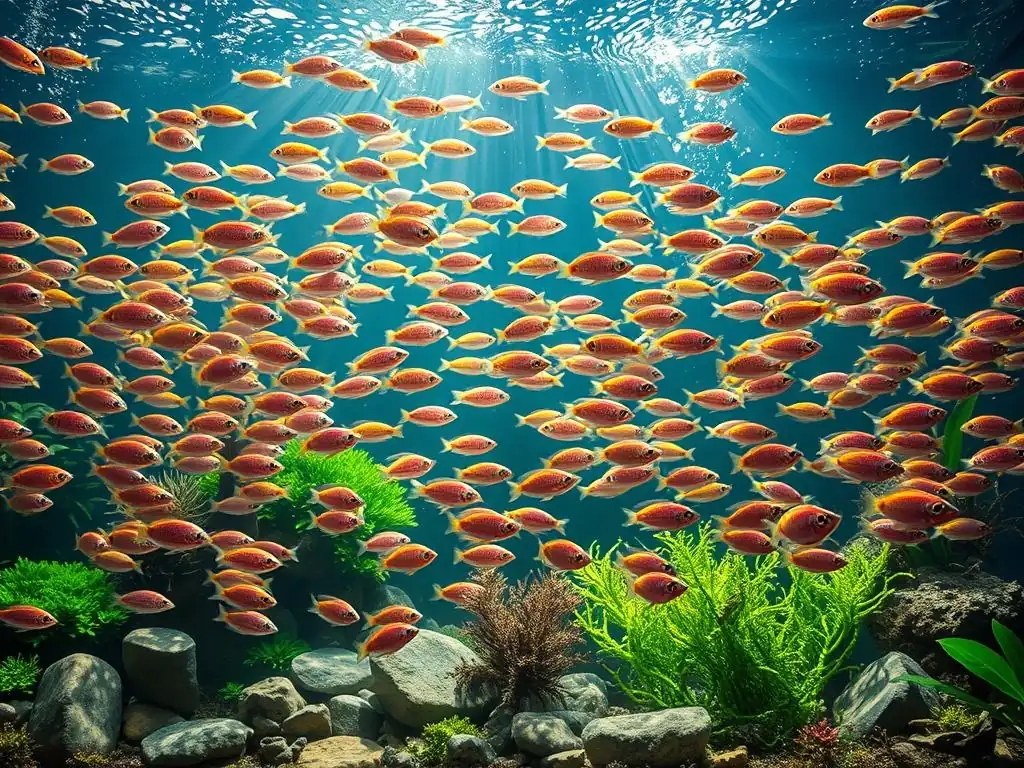
Ever wondered if your vibrant tetras are secretly struggling? Stressed out tetra symptoms can be subtle, but spotting them early is crucial for their well-being. Dive in to discover how to decode their behavior and create a stress-free environment for your finned friends. Let's unlock the secrets to a thriving tetra tank!
- Understanding Stress in Tetras: An Introduction for Aquarium Keepers
- Identifying Stressed Out Tetra Symptoms: A Comprehensive Guide
- Common Causes of Tetra Stress in Aquariums
- Implementing Solutions to Relieve Tetra Stress: A Step-by-Step Approach
- Preventing Future Stress in Tetras: Long-Term Care Strategies
- Conclusion: Happy Tetras, Happy Aquarist
-
Frequently Asked Questions
- What are the common stressed out tetra symptoms I should be looking for?
- How can poor water quality contribute to stress in tetras?
- What role does tank size play in the health and well-being of tetras?
- Are there specific signs of disease that might mimic stress in tetras?
- What immediate steps can I take if I notice my tetras are showing signs of stress?
- Final Reflection: The Silent Suffering of Small Lives
- Revitalize Your Tetra's World!
Understanding Stress in Tetras: An Introduction for Aquarium Keepers
Why Tetras Get Stressed in Aquariums
Tetras, known for their vibrant colors and schooling behavior, are generally hardy fish, but they are highly susceptible to stress in an aquarium environment. Their sensitivity stems from their natural habitat, often stable, soft, and acidic waters found in South American river basins, which are difficult to perfectly replicate.
Common stressors include rapid changes in water parameters, the presence of harmful toxins like ammonia or nitrite, and inadequate tank conditions such as overcrowding or a lack of suitable hiding spots. Even subtle disturbances, like a sudden change in lighting or the introduction of aggressive tank mates, can trigger significant stress responses in these delicate fish.
Furthermore, being schooling fish, tetras derive a sense of security from being part of a group. When kept in insufficient numbers (e.g., fewer than six individuals), they can become isolated, anxious, and more prone to displaying stressed out tetra symptoms. This inherent need for social interaction means that a solitary tetra, or a small group in a large tank, might experience chronic stress due to a perceived lack of safety in numbers. Understanding these fundamental sensitivities is the first step in creating a thriving environment where your tetras can flourish rather than just survive.
The Impact of Stress on Tetra Health and Lifespan
Chronic stress has profound negative effects on the health and longevity of tetras. When a fish experiences stress, its immune system is significantly compromised, making it highly vulnerable to various diseases and parasitic infections that it would otherwise easily fend off. For instance, stressed tetras are far more likely to contract common ailments like Ich (white spot disease), Columnaris (cottonmouth), or fin rot, which can rapidly spread through an entire tank. This weakened state can lead to a cycle where initial stress causes illness, and the illness itself further stresses the fish, exacerbating the problem.
Beyond immediate disease susceptibility, prolonged stress can lead to organ damage, stunted growth, and a significantly reduced lifespan. A healthy Neon Tetra, for example, can live for 5-10 years in optimal conditions, but a constantly stressed individual might only survive for 1-2 years. The physiological toll of stress diverts energy from essential bodily functions like digestion, growth, and reproduction towards survival mechanisms, ultimately depleting the fish's reserves. Recognizing and alleviating stressed out tetra symptoms quickly is therefore not just about comfort, but about ensuring a long, healthy life for your aquatic companions.
Identifying Stressed Out Tetra Symptoms: A Comprehensive Guide
Physical Signs of Stress in Tetras
Erratic Swimming Patterns: Darting and Hiding
One of the most noticeable stressed out tetra symptoms is a change in their typical swimming behavior. Healthy tetras, especially schooling species like Neon or Cardinal Tetras, typically swim in a coordinated, fluid manner, often exploring the mid-water column. However, a stressed tetra might exhibit erratic darting movements, suddenly shooting across the tank as if startled, or repeatedly rubbing its body against tank decorations or the substrate.
This "flashing" behavior can indicate irritation from poor water quality or external parasites. Conversely, some stressed tetras may become excessively reclusive, spending most of their time hiding behind plants, rocks, or filters, rarely venturing out to join the school or feed.
For example, a school of Rummy Nose Tetras, which are known for their tight schooling behavior, will quickly disband and exhibit erratic, individual swimming if they are under duress. This shift from harmonious group movement to chaotic, isolated darting is a clear visual cue that something is amiss in their environment. Observing these specific deviations from normal swimming patterns is crucial for early detection of stress, allowing aquarists to investigate potential causes before the situation escalates.
Changes in Coloration: Fading or Darkening
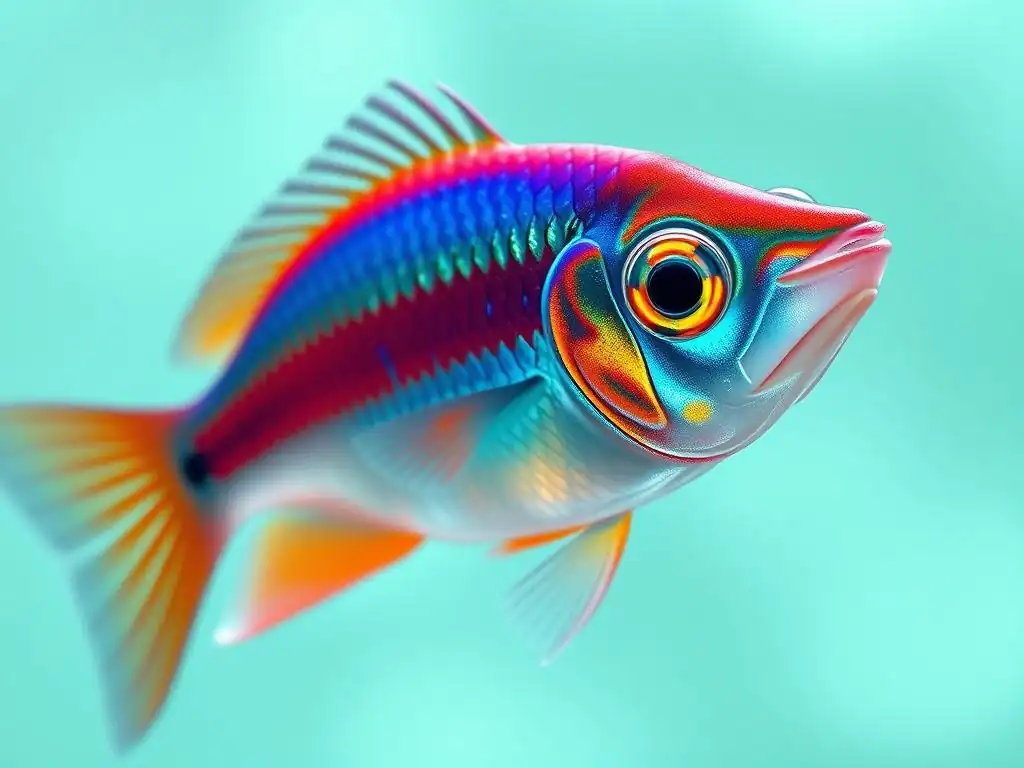
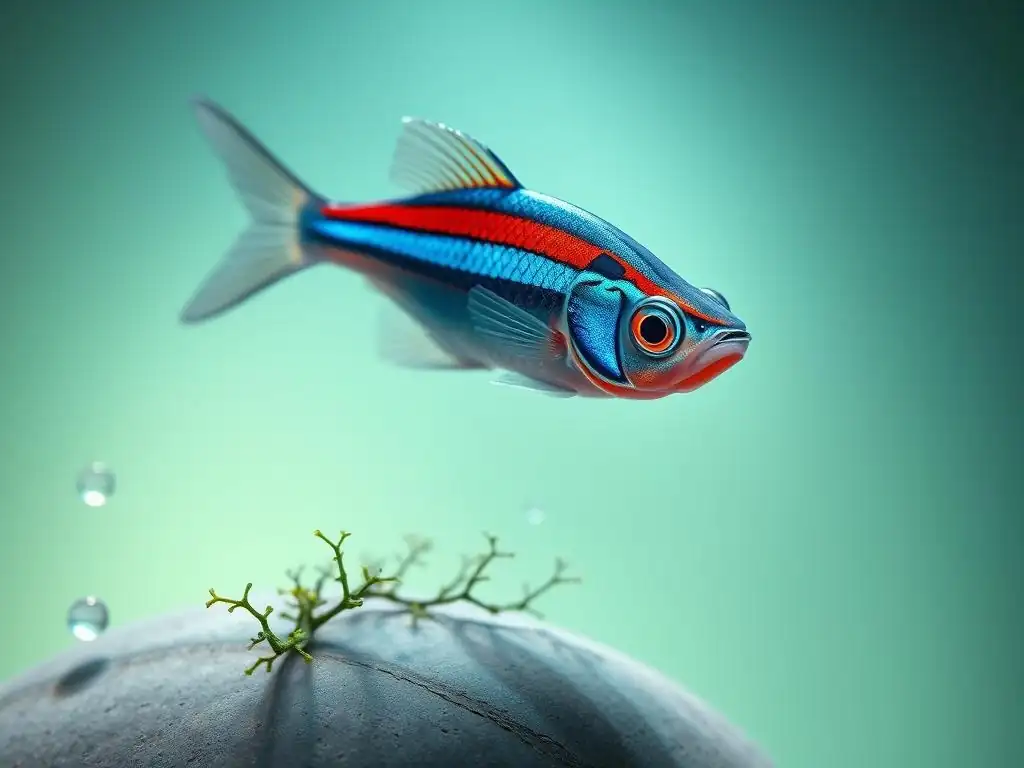
Changes in coloration are a common and often immediate physical sign of stress in tetras. Many species, particularly those with vibrant hues like Neon Tetras or Ember Tetras, will noticeably lose their brilliant color, appearing pale or washed out. This fading is a physiological response, as the fish's chromatophores (pigment-containing cells) contract under stress, reducing the intensity of their natural coloration. A healthy Neon Tetra's iridescent blue stripe and red lower body are vivid, whereas a stressed one might have a dull, almost translucent blue stripe and a faded red.
Conversely, some tetra species, such as Black Skirt Tetras or Black Phantom Tetras, may exhibit a darkening of their body color when stressed. This intensification of pigmentation can be a sign of illness, fear, or discomfort. For instance, a Black Skirt Tetra that typically has a distinct black band might appear almost entirely charcoal gray or black. Monitoring these subtle shifts in coloration, whether fading or darkening, provides valuable insight into the fish's well-being and serves as a key indicator of stressed out tetra symptoms.
Fin Clamping: A Clear Indicator of Discomfort
Fin clamping is one of the most unambiguous physical stressed out tetra symptoms, signifying significant discomfort or illness. When a tetra clamps its fins, it holds them tightly against its body, rather than extending them naturally. The dorsal fin, caudal (tail) fin, and pectoral fins will all appear to be "glued" or folded down. This is in stark contrast to a healthy tetra, which keeps its fins spread, allowing for graceful movement and stability in the water.
This behavior is a generalized stress response, often seen when fish are experiencing poor water quality, temperature fluctuations, or the onset of disease. For example, if a group of Glowlight Tetras suddenly appear with their characteristic orange stripe but all their fins are pressed close to their bodies, it's a strong signal that they are experiencing stress. Fin clamping limits mobility and is a clear sign that the fish is feeling unwell and attempting to conserve energy or minimize exposure to an irritant.
Loss of Appetite and Weight Loss in Tetras
A significant indicator of stress or illness in tetras is a noticeable loss of appetite. Healthy tetras are typically eager eaters, readily approaching the surface or mid-water to consume food when offered. A stressed tetra, however, may show little to no interest in food, even highly palatable options. It might ignore flakes or pellets floating by, or even take food into its mouth only to spit it out immediately. This persistent refusal to eat, or a dramatic decrease in consumption, is a critical sign that something is wrong.
Over time, this lack of feeding will lead to visible weight loss, making the fish appear emaciated or "pinched" around the belly. For instance, a healthy Lemon Tetra has a plump, rounded body, but a stressed one might appear visibly thin with a concave abdomen. Observing these stressed out tetra symptoms – the initial disinterest in food followed by a noticeable reduction in body mass – requires immediate attention, as prolonged starvation can quickly lead to severe health deterioration and even death.
Behavioral Signs of Stress in Tetras
Social Isolation: Tetras Separating from the School
Tetras are obligate schooling fish, meaning they naturally live in large groups for safety and social interaction. One of the most telling behavioral stressed out tetra symptoms is when an individual, or several individuals, separate from the main school. Instead of swimming cohesively with their peers, these stressed fish might hover alone in a corner, near the heater, or at the surface. This isolation is a significant deviation from their natural behavior and indicates a profound sense of insecurity or illness.
For example, a healthy school of Neon Tetras will move as a synchronized unit, but if one or two individuals consistently drift away or hide, it signals underlying stress. This social isolation can be a precursor to more severe health issues, as the fish loses the protective benefits of the school and becomes more vulnerable. Recognizing this departure from typical schooling behavior is a key behavioral cue for identifying stress in your tetras.
Increased Aggression: Uncharacteristic Fighting
While many tetras are known for their peaceful temperament, stress can manifest as uncharacteristic aggression, even within their own species. When fish are stressed, they may become irritable and territorial, leading to fin nipping, chasing, or outright fighting with tank mates that they would normally tolerate. This is particularly true in overcrowded tanks or environments with insufficient hiding spots, where competition for resources or perceived territory becomes heightened.
For instance, a group of normally docile Black Phantom Tetras might start nipping at each other's fins or chasing weaker individuals if their tank conditions are poor or if they feel threatened. This aggressive behavior is a clear sign that the fish are not comfortable in their environment and are acting out due to the pressure of their surroundings. Observing these displays of aggression, especially if they are new or escalated, is a strong indicator of stressed out tetra symptoms.
Lethargy and Inactivity: Reduced Swimming
Lethargy and a significant reduction in normal activity levels are critical behavioral signs of stress in tetras. A healthy tetra is typically active, swimming energetically throughout the tank, exploring, and interacting with its school. However, a stressed tetra might become listless, hovering motionless near the bottom, at the surface, or in a secluded spot for extended periods. It may show little interest in its surroundings and respond sluggishly to external stimuli, such as your presence or the introduction of food.
This inactivity is a clear indication that the fish is expending minimal energy, likely due to weakness from illness or an overwhelming sense of discomfort. For example, if a group of normally active Cardinal Tetras are seen simply "hanging" in the water column without much movement, or if they struggle to maintain their position against the filter flow, these are strong stressed out tetra symptoms. Such prolonged lethargy often precedes more severe health deterioration and warrants immediate investigation into the cause of stress.
Common Causes of Tetra Stress in Aquariums
Poor Water Quality: A Major Stress Factor
Ammonia and Nitrite Spikes: The Silent Killers
Ammonia (NH3/NH4+) and nitrite (NO2-) are highly toxic compounds that are the primary "silent killers" in an aquarium, causing immense stress and often death to fish. These substances are byproducts of fish waste, uneaten food, and decaying plant matter, and are processed by beneficial bacteria in a properly cycled aquarium.
However, in new tanks, overcrowded tanks, or those with inadequate filtration, these bacteria may not be present in sufficient numbers, leading to dangerous spikes. Ammonia levels as low as 0.25 ppm (parts per million) can cause severe gill damage and internal organ failure in sensitive fish like tetras, while nitrite, even at 0.5 ppm, can inhibit oxygen uptake in the blood, leading to suffocation.
The impact of these toxins on tetras is immediate and severe, causing acute stressed out tetra symptoms such as rapid gill movement, gasping at the surface, erratic swimming, and a loss of color. Prolonged exposure, even to low levels, leads to chronic stress, weakened immune systems, and increased susceptibility to diseases. Regular testing with a reliable liquid test kit to ensure ammonia and nitrite levels remain at 0 ppm is paramount for tetra health.
Unstable pH Levels: Maintaining Optimal Conditions
pH, a measure of acidity or alkalinity, is a critical water parameter for tetras, and unstable pH levels are a significant source of stress. Most popular tetra species, such as Neon Tetras, Cardinal Tetras, and Rummy Nose Tetras, originate from soft, acidic waters, thriving in a pH range of approximately 6.0 to 7.5. While they can adapt to slight variations, rapid fluctuations or consistent deviations outside their preferred range cause osmotic stress, where the fish's body struggles to regulate its internal water balance. A sudden pH drop from 7.0 to 6.0, for instance, can be lethal.
Maintaining a stable pH is more important than hitting an exact number within the acceptable range. Frequent, large water changes with unconditioned tap water, or the use of pH-altering substrates without proper buffering, can lead to dangerous swings. Such instability manifests as stressed out tetra symptoms like erratic swimming, gasping, and general lethargy. Consistent monitoring and gradual adjustments, if necessary, are essential to prevent pH-related stress.
Inadequate Oxygen Levels: Ensuring Proper Aeration
Insufficient dissolved oxygen (DO) in the water is a common and often overlooked cause of stress in tetras. Fish, like all living organisms, require oxygen for respiration. Low oxygen levels can result from several factors, including overcrowding, high water temperatures (which reduce oxygen solubility), excessive organic waste, or insufficient surface agitation. Tanks with dense plant growth that don't receive enough light can also deplete oxygen at night. The ideal dissolved oxygen level for most freshwater fish is typically above 5 mg/L (milligrams per liter).
When oxygen levels drop, tetras will exhibit stressed out tetra symptoms such as rapid gill movement, gasping at the water surface, or hovering near the filter output where water is agitated. Prolonged periods of low oxygen lead to severe respiratory distress, organ damage, and eventually death. Ensuring proper aeration through adequate filtration, air stones, or powerheads that create surface agitation is crucial for maintaining healthy oxygen levels and preventing this form of stress.
Inappropriate Tank Conditions for Tetras
Overcrowding: The Impact of Limited Space
Overcrowding is a pervasive issue in the aquarium hobby and a primary cause of stressed out tetra symptoms. While the "one inch of fish per gallon" rule is often cited, it's a very general guideline and often inadequate, especially for schooling fish like tetras.
A small school of six Neon Tetras, for example, requires a minimum of a 10-gallon tank, but a 20-gallon long is far better for their schooling behavior and overall well-being. Keeping too many fish in a limited space leads to rapid deterioration of water quality due to increased waste production, making ammonia and nitrite spikes more likely.
Beyond water quality issues, overcrowding creates a stressful environment by limiting swimming space and increasing competition for food and territory. This can lead to increased aggression, fin nipping, and general anxiety among the fish. Stressed out tetra symptoms like darting, hiding, and social isolation are frequently observed in overcrowded tanks, as the fish lack the personal space and security they need to thrive. Providing ample room is fundamental to preventing this form of stress.
Lack of Hiding Places: Providing Security and Shelter
Tetras, particularly the smaller and more timid species, are prey animals in their natural habitats. This instinctual need for security translates directly to their behavior in an aquarium: a lack of sufficient hiding places is a significant source of stress. Without plants (live or artificial), driftwood, caves, or other decorations to retreat into, tetras feel exposed and vulnerable to perceived threats, whether from larger tank mates, bright lighting, or even the aquarist's presence.
This constant feeling of exposure prevents tetras from exhibiting their natural behaviors and can lead to chronic stressed out tetra symptoms such as excessive hiding, darting, or reluctance to school. For instance, a group of Cardinal Tetras in a bare tank will likely appear dull in color and spend most of their time huddled in a corner, whereas the same group in a heavily planted tank will display vibrant colors and confident schooling. Providing a diverse landscape with ample cover allows tetras to feel secure, reducing their overall stress levels and promoting natural behavior.
Incorrect Water Temperature: Meeting Species-Specific Needs
Maintaining the correct and stable water temperature is critical for tetra health, as deviations from their preferred range can cause significant stress. Most popular tetra species are tropical fish, thriving in temperatures generally between 72-78°F (22-26°C).
While a slight deviation of a degree or two might be tolerated, temperatures consistently too low can suppress their immune system, slow metabolism, and make them sluggish, leading to stressed out tetra symptoms like lethargy and increased susceptibility to disease. Conversely, temperatures that are too high can accelerate their metabolism, reduce dissolved oxygen levels, and make them restless, leading to rapid breathing and erratic swimming.
Sudden temperature fluctuations are even more detrimental than a consistently incorrect but stable temperature. A rapid drop or rise of more than 2-3°F within a short period can shock the fish's system, leading to severe stress and often immediate health problems. Using a reliable aquarium heater set to the appropriate temperature for your specific tetra species, along with a thermometer to monitor stability, is essential for preventing temperature-induced stress.
Incompatible Tank Mates: Minimizing Aggression and Competition
Bullying from Larger Fish: Creating a Peaceful Community
The presence of larger, more aggressive, or territorial fish is a common cause of stressed out tetra symptoms. Tetras are generally small and peaceful, making them vulnerable to bullying, fin nipping, and constant harassment from unsuitable tank mates. For example, keeping small Neon Tetras with certain species of Cichlids (like many African Cichlids or even some larger South American Cichlids) can result in the tetras being relentlessly chased, injured, or even eaten. Even seemingly peaceful fish can intimidate smaller species if there's a significant size disparity.
Constant intimidation leads to chronic stress, causing tetras to hide perpetually, refuse to eat, and display faded colors. They will often dart erratically when the bully approaches, and their natural schooling behavior may break down completely. Carefully researching the compatibility of all fish before introducing them to the aquarium is paramount to ensure a peaceful community where tetras can thrive without fear of predation or constant harassment.
Fin Nipping: Preventing Injury and Stress
Fin nipping is a direct form of aggression that causes significant stress and physical injury to tetras. Some fish species, particularly certain barbs (like Tiger Barbs if not kept in large schools), certain types of Danios, or even stressed out Tetras themselves, are known for their propensity to nip at the long, flowing fins of other fish. Tetras with their relatively delicate fins, such as Black Skirt Tetras or long-finned varieties, are particularly susceptible.
When a tetra's fins are repeatedly nipped, it not only causes physical damage (leading to fin rot or infection) but also creates immense psychological stress. The constant harassment prevents the tetra from swimming naturally, feeding confidently, or schooling effectively. Stressed out tetra symptoms like clamped fins, hiding, and reluctance to feed are often observed in victims of fin nipping. Ensuring tank mates are compatible and providing ample space can help mitigate this aggressive behavior, protecting your tetras from injury and chronic stress.
Disease and Parasites: Addressing Underlying Health Issues
While stress can lead to disease, the presence of an underlying disease or parasitic infection can also be a significant cause of stressed out tetra symptoms. A fish that is battling an internal bacterial infection, a fungal growth, or an external parasite like Ich (Ichthyophthirius multifiliis) will naturally be under immense physiological stress. The body's immune system works overtime to fight the ailment, diverting energy from normal functions and leading to a weakened state.
Common diseases like Ich cause visible white spots and intense itching, leading to flashing behavior and clamped fins, which are clear stressed out tetra symptoms. Internal parasites might cause emaciation despite feeding, while bacterial infections can lead to lethargy, bloating, or frayed fins. When you observe signs of stress, it's crucial to rule out or identify any active diseases or parasites, as treating the underlying illness is the direct path to alleviating the fish's stress and restoring its health.
Implementing Solutions to Relieve Tetra Stress: A Step-by-Step Approach
Testing and Adjusting Water Parameters: Achieving Optimal Chemistry
Regular Water Changes: Diluting Harmful Substances
Regular water changes are arguably the single most effective method for maintaining pristine water quality and directly relieving stressed out tetra symptoms caused by poor parameters. A routine of changing 25-30% of the tank water weekly is a widely recommended practice for most community aquariums. This process effectively dilutes accumulated nitrates (the end product of the nitrogen cycle), removes excess organic waste, and replenishes essential minerals that fish utilize. For instance, if your nitrate levels are consistently above 20 ppm, a 25% weekly water change can help keep them below 10 ppm, significantly reducing stress.
When performing water changes, it is crucial to use a good quality water conditioner to neutralize chlorine and chloramine present in tap water, as these chemicals are highly toxic to fish. Ensure the new water is roughly the same temperature as the tank water to prevent temperature shock. Consistent water changes prevent the buildup of toxins that cause stressed out tetra symptoms and provide a stable, healthy environment for your fish.
Investing in a Reliable Water Testing Kit: Monitoring Water Quality
To accurately identify and address water quality issues contributing to stressed out tetra symptoms, investing in a reliable liquid-based water testing kit is essential. Test strips, while convenient, often provide less accurate readings. A comprehensive liquid test kit, such as the API Freshwater Master Test Kit, typically includes tests for pH, high range pH, ammonia, nitrite, and nitrate. These are the most critical parameters to monitor for tetra health.
Regular testing (e.g., weekly or bi-weekly, and immediately if stressed out tetra symptoms appear) allows you to quantify the levels of harmful compounds and identify imbalances before they become critical. For instance, if you test and find ammonia at 0.5 ppm, you know immediately that a large water change and investigation into your filtration or stocking levels are required. Consistent monitoring empowers you to be proactive in maintaining optimal water chemistry, preventing stress, and ensuring the well-being of your tetras.
Using Water Conditioners: Neutralizing Chlorine and Chloramine
Tap water typically contains chlorine or chloramine, disinfectants used to make water safe for human consumption. However, these chemicals are highly toxic to fish, damaging their gills and causing severe stress and even death. Using a high-quality water conditioner (also known as dechlorinator) every time you add new tap water to your aquarium is non-negotiable for relieving and preventing stressed out tetra symptoms.
Most reputable water conditioners work almost instantly to neutralize chlorine and chloramine, making the water safe for your tetras. Some advanced conditioners also detoxify ammonia and nitrite for a short period, which can be a lifesaver during an emergency spike. Always follow the manufacturer's dosage instructions carefully. For example, a common dosage might be 5 ml per 10 gallons of water. This simple step is fundamental to protecting your tetras from immediate chemical poisoning and chronic stress.
Optimizing Tank Conditions for Tetra Well-being
Reducing Overcrowding: Upgrading to a Larger Tank
If overcrowding is identified as the cause of stressed out tetra symptoms, the most effective long-term solution is to reduce the fish population or upgrade to a larger tank. While temporary measures like increased water changes can help, they don't address the root cause of limited space and increased waste. For a school of six Neon Tetras, a 10-gallon tank is the absolute minimum, but a 20-gallon long tank offers significantly more swimming room and stability, reducing stress. For larger tetra species like Congo Tetras, a 30-gallon or larger tank is necessary for a small school.
Rehoming some fish to a friend's tank, a local fish store, or selling them can also be an option if a tank upgrade isn't feasible. By providing ample space, you minimize competition for resources, reduce waste accumulation, and allow tetras to exhibit their natural schooling behaviors without feeling confined. This direct action significantly alleviates stress and promotes overall health, reducing the likelihood of recurring stressed out tetra symptoms.
Adding Live Plants and Decorations: Creating a Natural Habitat
A bare or sparsely decorated tank can be a significant source of stress for tetras, as it offers no security or hiding places. Adding live plants, driftwood, rocks, and artificial decorations can transform the environment into a natural, secure habitat, effectively reducing stressed out tetra symptoms. Live plants like Java Fern, Anubias, or Amazon Swords not only provide excellent cover but also help absorb nitrates and oxygenate the water.
Providing a variety of hiding spots allows tetras to retreat when they feel threatened, need a break from schooling, or simply want to rest. For example, a school of Black Neon Tetras will exhibit more vibrant colors and less erratic behavior in a tank with dense plant cover and a few pieces of driftwood. This sense of security is vital for their well-being, enabling them to explore and behave naturally rather than constantly feeling exposed and anxious.
Maintaining Proper Water Temperature: Using a Thermometer and Heater
Consistent and correct water temperature is paramount for preventing and alleviating stressed out tetra symptoms. Most tetras are tropical fish and thrive within a specific temperature range, typically 72-78°F (22-26°C). Fluctuations outside this range or sudden changes can cause severe physiological stress. To ensure stability, use a reliable submersible aquarium heater of appropriate wattage for your tank size (e.g., a 100-watt heater for a 20-gallon tank).
Always pair your heater with an accurate aquarium thermometer to monitor the water temperature regularly. Do not rely solely on the heater's dial setting. If the temperature is outside the ideal range, adjust the heater gradually over several hours or days to avoid shocking the fish. Maintaining a stable, species-appropriate temperature prevents metabolic stress, supports immune function, and ensures your tetras remain comfortable and healthy.
Addressing Aggression and Bullying: Ensuring a Peaceful Environment
Rehoming Aggressive Fish: Removing Problematic Individuals
If bullying and aggression are causing stressed out tetra symptoms, the most definitive solution is to rehome the aggressive fish. While providing more hiding places can sometimes diffuse minor aggression, a persistently belligerent tank mate will continue to harass and stress your tetras, leading to chronic health issues. This may involve returning the fish to the store, finding it a new home with another aquarist, or setting up a separate tank for the bully.
For example, if a single Tiger Barb is relentlessly nipping at your Black Skirt Tetras, removing that individual will immediately reduce the stress on the entire tetra school. Prioritizing the well-being of the entire community over keeping a single problematic fish is essential. This direct action ensures a peaceful environment where your tetras can thrive without constant fear or injury.
Providing Ample Space and Hiding Places: Minimizing Territorial Disputes
In addition to rehoming aggressive fish, providing ample space and a well-structured environment with plenty of hiding places can significantly minimize territorial disputes and general aggression, thereby reducing stressed out tetra symptoms. When fish have enough room to establish their own territories or escape from others, conflicts are less likely to escalate. For instance, a 20-gallon long tank provides a larger footprint than a 20-gallon high, offering more horizontal swimming and territorial space crucial for tetras.
Strategically placed driftwood, rock caves, and dense plant thickets break up sightlines and create natural barriers, allowing harassed tetras to escape and find refuge. This reduces the opportunities for bullying and allows fish to feel secure, even in a community setting. By minimizing these environmental triggers for aggression, you create a more harmonious tank where your tetras can school and behave naturally without the constant threat of conflict.
Treating Disease and Parasites: Restoring Tetra Health
Identifying and Diagnosing the Illness: Consulting with a Veterinarian or Experienced Aquarist
When stressed out tetra symptoms point to an underlying disease or parasitic infection, accurate identification and diagnosis are the crucial first steps before administering any treatment. Misdiagnosis can lead to ineffective or even harmful medication. Observe all symptoms carefully: specific spots, growths, unusual swimming, changes in scales, or fin deterioration. Document these observations.
If unsure, consult with an experienced aquarist at a reputable local fish store or, ideally, an aquatic veterinarian. They can help identify common ailments like Ich, Columnaris, or bacterial infections based on your descriptions and potentially a fish sample. For instance, tiny white spots resembling salt grains indicate Ich, whereas cotton-like growths suggest a fungal or bacterial infection. Proper diagnosis ensures you select the correct medication and treatment protocol for your tetras.
Using Appropriate Medications: Following Dosage Instructions Carefully
Once the illness or parasite causing stressed out tetra symptoms has been correctly diagnosed, select an appropriate medication and follow the dosage instructions meticulously. Overdosing can be as harmful as underdosing, potentially causing further stress or even death to your fish. Medications are typically available for common issues like bacterial infections (e.g., Maracyn, Furan-2), fungal infections (e.g., Pimafix, Melafix), or parasites like Ich (e.g., Malachite Green, Formalin-based treatments).
Always remove activated carbon from your filter before treating, as it will absorb the medication. Some medications require specific water changes before or after treatment cycles. For example, treating Ich often involves raising the tank temperature slightly (to 82-84°F) in conjunction with medication to speed up the parasite's life cycle. Adhering strictly to product guidelines ensures effective treatment and minimizes additional stress on your already ailing tetras.
Quarantining Sick Fish: Preventing the Spread of Disease
Quarantining sick fish in a separate hospital tank is a highly recommended practice to prevent the spread of disease to healthy tank mates and to provide a controlled environment for treatment. A simple 5-10 gallon tank with a heater, sponge filter, and an air stone is sufficient for a hospital setup. This allows you to medicate the affected fish without exposing the main display tank's beneficial bacteria or healthy inhabitants to unnecessary chemicals.
For example, if you notice one or two Neon Tetras showing stressed out tetra symptoms and developing white spots (Ich), moving them to a quarantine tank for treatment will protect the rest of your school. It also makes it easier to observe the sick fish closely and adjust treatment as needed. Quarantining new fish for 2-4 weeks before introducing them to your main tank is also a crucial preventative measure to avoid introducing diseases in the first place.
Preventing Future Stress in Tetras: Long-Term Care Strategies
Regular Maintenance: Keeping Your Aquarium Healthy
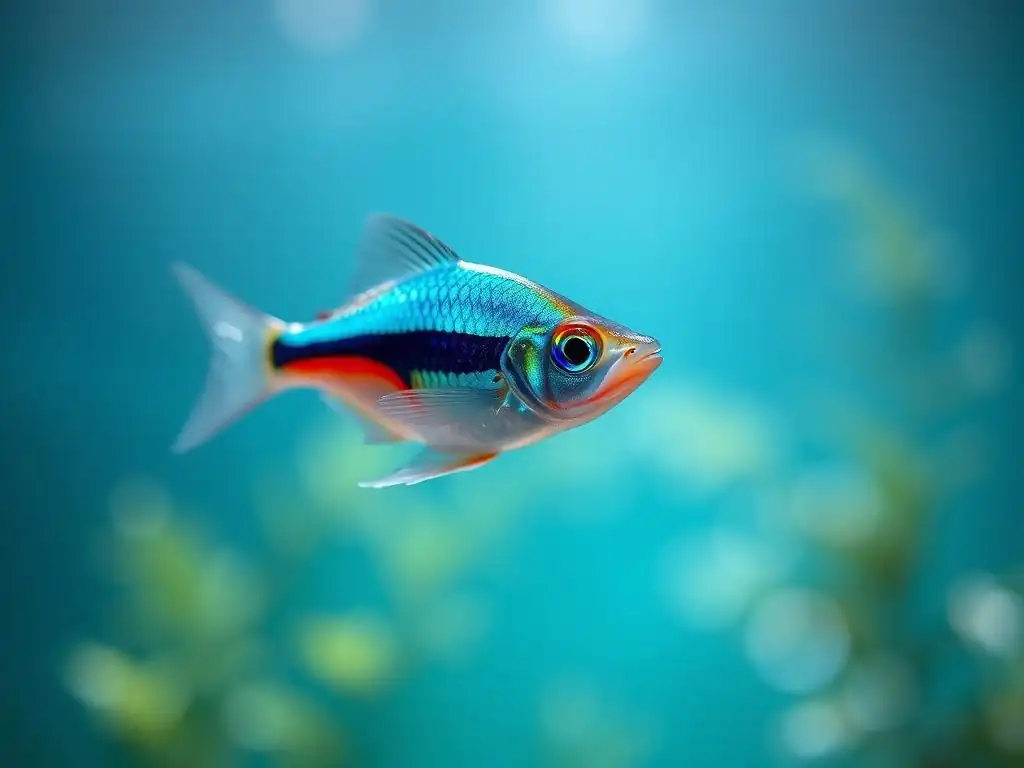
Consistent and diligent aquarium maintenance is the cornerstone of preventing future stressed out tetra symptoms and ensuring the long-term health of your fish. This includes adhering to a strict schedule of regular water changes, typically 25-30% weekly, to keep nitrate levels low and replenish vital minerals. Beyond water changes, routine tasks like cleaning filter media (rinsing in old tank water to preserve beneficial bacteria), vacuuming the substrate to remove trapped detritus and uneaten food, and wiping down tank glass to prevent algae buildup are essential.
For example, neglecting to vacuum the substrate can lead to anaerobic pockets and a buildup of hydrogen sulfide, which is highly toxic. Similarly, a clogged filter reduces water flow and filtration efficiency, leading to declining water quality. Establishing and following a consistent maintenance routine ensures a stable, clean, and healthy environment, significantly reducing the likelihood of environmental stressors that cause stressed out tetra symptoms.
Careful Observation: Monitoring Tetra Behavior and Appearance
Proactive prevention of stress in tetras largely relies on careful and consistent observation of their behavior and appearance. Make it a daily habit to spend a few minutes simply watching your tetras. Look for any subtle changes that might indicate early stressed out tetra symptoms: a slight fading of color, a single fish separating from the school, a minor increase in fin clamping, or a slight decrease in appetite. These subtle cues are often the first indicators that something is amiss, long before severe symptoms develop.
For instance, if your normally active school of Ember Tetras suddenly appears a bit duller or one individual is hovering near the heater, it's a prompt to check water parameters immediately. Early detection allows for swift intervention, often preventing minor issues from escalating into major health crises. Your consistent attention to these details is invaluable in maintaining a stress-free environment for your tetras.
Researching Tetra Needs: Understanding Species-Specific Requirements
While many tetras share similar care requirements, understanding the specific needs of the particular tetra species you keep is paramount for long-term stress prevention. For instance, Neon Tetras prefer softer, more acidic water (pH 6.0-7.0, GH 2-10 dGH), whereas Congo Tetras can tolerate slightly harder, more neutral water (pH 6.0-7.5, GH 5-19 dGH). Similarly, some species like Black Phantom Tetras appreciate dimmer lighting and more dense planting, while others like Diamond Tetras might prefer slightly more open swimming areas.
Researching their native habitat, ideal water parameters, dietary preferences, and schooling requirements allows you to tailor your aquarium setup and maintenance to their precise needs. This proactive approach minimizes the chances of environmental stressors that lead to stressed out tetra symptoms. Resources like AquariumMastery.com provide detailed species profiles that are invaluable for this purpose, ensuring you provide an optimal home for your specific tetras.
Gradual Changes: Avoiding Sudden Disruptions to the Aquarium Environment
Sudden changes to the aquarium environment are a common and often overlooked cause of stressed out tetra symptoms. Fish are highly sensitive to rapid shifts in water parameters, temperature, or even lighting. When introducing new fish, always acclimate them slowly over 30-60 minutes using a drip acclimation method to gradually equalize water parameters. Similarly, when performing water changes, ensure the new water is within a degree or two of the tank's temperature and that it's properly conditioned.
Avoid drastic changes in tank décor or lighting schedules. If you need to rearrange the tank extensively, do so gradually over several days. For example, if you're adjusting pH, do it in small increments over 24-48 hours rather than a single large adjustment. By implementing changes gradually, you allow your tetras time to adjust and adapt, significantly reducing the physiological shock and psychological stress that can lead to stressed out tetra symptoms.
Conclusion: Happy Tetras, Happy Aquarist
Recognizing stressed out tetra symptoms and understanding their underlying causes is an essential skill for any dedicated aquarist. From subtle changes in coloration and erratic swimming to the more overt signs of fin clamping and social isolation, these indicators serve as critical alerts that your tetras are under duress. Addressing these symptoms promptly, whether through meticulous water parameter adjustments, optimizing tank conditions, managing tank mate compatibility, or treating specific diseases, is paramount for their well-being.
By proactively implementing long-term care strategies—such as diligent regular maintenance, careful observation, researching species-specific needs, and making only gradual changes to the environment—you can prevent stress before it takes hold. A healthy, thriving school of tetras, exhibiting their vibrant colors and natural schooling behaviors, is the ultimate reward for your efforts. Prioritizing a stress-free environment not only ensures the longevity and happiness of your tetras but also enriches your own experience as an aquarist.
Frequently Asked Questions
What are the common stressed out tetra symptoms I should be looking for?
Common signs include loss of color, erratic swimming, and hiding excessively. These can indicate underlying problems in your aquarium.
How can poor water quality contribute to stress in tetras?
High levels of ammonia, nitrite, or nitrate are extremely toxic. These build up from fish waste and uneaten food and can cause severe stress.
What role does tank size play in the health and well-being of tetras?
Tetras need adequate space to swim and school; overcrowding leads to stress. A tank that is too small can negatively impact water quality as well.
Are there specific signs of disease that might mimic stress in tetras?
Yes, symptoms like clamped fins or white spots can indicate disease. These require prompt identification and treatment to avoid serious problems.
What immediate steps can I take if I notice my tetras are showing signs of stress?
Perform a partial water change immediately to improve water quality. Also, check water parameters to identify and correct any imbalances.
Final Reflection: The Silent Suffering of Small Lives
The information presented throughout this article highlights a crucial, often overlooked aspect of responsible pet ownership: recognizing and addressing the subtle signs of stress in our aquatic companions. While the focus has been on Stressed out tetra symptoms, the underlying message resonates far beyond the confines of a fish tank, urging us to become more attuned to the needs of all living creatures under our care.
This awareness extends beyond simply maintaining a clean tank and providing adequate food. It speaks to a deeper understanding of the interconnectedness of environment and well-being. My own journey into fishkeeping has taught me the profound responsibility we assume when we bring an animal into our lives, a responsibility that demands constant learning and adaptation. The greatness of a nation and its moral progress can be judged by the way its animals are treated.
- Mahatma Gandhi. This quote, though often applied to larger animals, holds just as much weight when considering the tiny tetras swimming in our homes.
Ultimately, the health and happiness of our tetras, and indeed all our pets, reflects our own capacity for empathy and compassion. Let us take the knowledge gained here, the understanding of Stressed out tetra symptoms, and use it as a catalyst for more mindful and attentive care. Consider the subtle cues in your own life, the signs of stress in your own environment, and strive to create a space of peace and well-being, not just for your pets, but for yourself as well.
Revitalize Your Tetra's World!
Thank you for diving into the world of tetra care! We hope you've gained valuable insights into recognizing and addressing stress in your little finned friends. Now, let's translate that knowledge into action to ensure a thriving aquarium!
Here are a few things you can do right now:
- Implement a stress-reduction plan immediately. Even small changes can make a huge difference to your Tetras. Don't delay, start improving their environment today.
- Share this article with fellow aquarium enthusiasts to spread awareness about Tetra well-being. You could save someone's fish!
- Observe your Tetras closely over the next week – what subtle changes can you identify after implementing these solutions?
What's the first small step you'll take to create a more peaceful environment for your Tetras?