
Common Platy Fish Diseases: Symptoms, Prevention & Cures

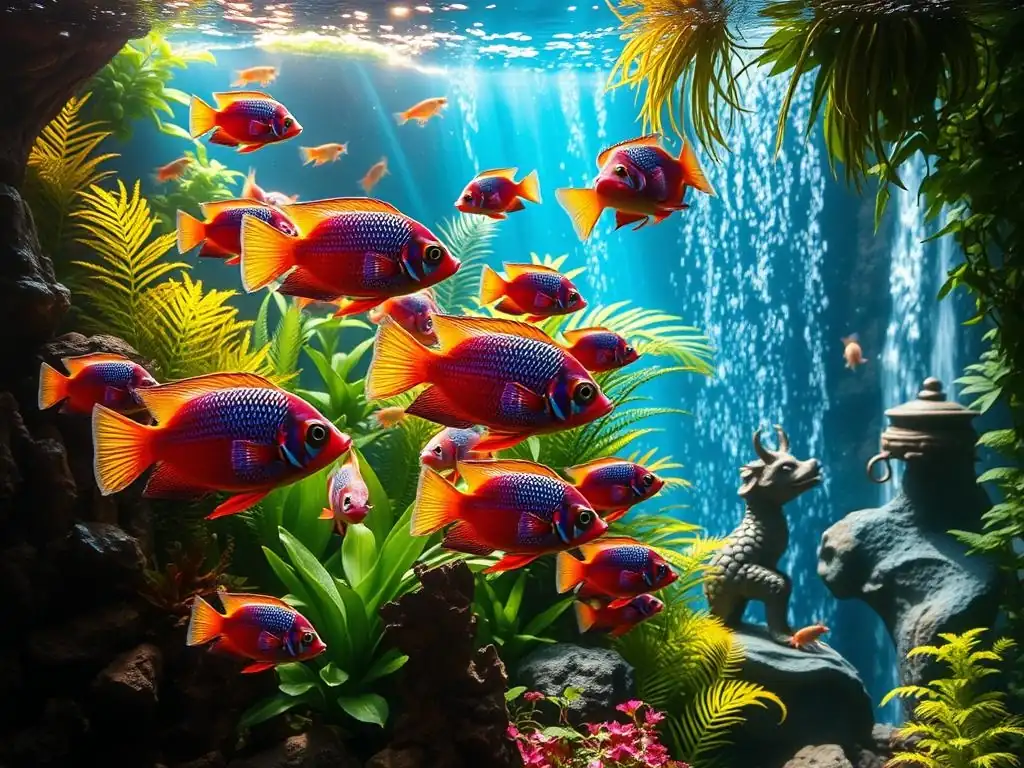
Welcome to Aquarium Mastery, fellow aquarist!
Intrigued by those tiny spots or a sudden change in your Platy's behavior? You've come to the right place. This guide dives deep into Platy fish disease treatment, offering practical advice on identifying symptoms, implementing effective prevention strategies, and, most importantly, finding the cures your finned friends desperately need. Ready to restore health and happiness to your Platy tank? Let's get started!
- Introduction to Platy Fish Health and Disease Prevention
-
Identifying Common Platy Fish Diseases: A Visual Guide
- White Spot Disease (Ich) in Platies: Symptoms and Identification
- Fin Rot in Platies: Recognizing the Signs of Bacterial Infection
- Fungal Infections in Platies: Identifying and Differentiating
- Velvet Disease (Oodinium) in Platies: Early Detection is Key
- Dropsy in Platies: Recognizing the Symptoms of Internal Failure
- Swim Bladder Disease in Platies: Identifying Buoyancy Problems
- Diagnosing Platy Fish Illnesses: A Step-by-Step Approach
-
Platy Fish Disease Treatment Options: A Comprehensive Guide
- Treating White Spot Disease (Ich) in Platies: Effective Medications and Methods
- Treating Fin Rot in Platies: Antibiotics and Water Quality Management
- Treating Fungal Infections in Platies: Antifungal Medications and Supportive Care
- Treating Velvet Disease (Oodinium) in Platies: Copper-Based Treatments and Environmental Control
- Addressing Dropsy in Platies: Treatment Options and Prognosis
- Treating Swim Bladder Disease in Platies: Addressing Underlying Causes and Supportive Care
-
Preventing Platy Fish Diseases: Proactive Aquarium Management
- Maintaining Optimal Water Quality for Platy Fish Health
- Proper Platy Fish Nutrition: Feeding a Balanced Diet
- Quarantine Procedures for New Platy Fish: Preventing Disease Introduction
- Regular Aquarium Maintenance: Reducing the Risk of Disease Outbreaks
- Avoiding Overcrowding: Minimizing Stress and Disease Spread in Platy Tanks
- Natural Remedies and Alternative Platy Fish Disease Treatment
- Advanced Platy Fish Disease Treatment: When to Seek Professional Help
- Platy Fish Disease and Breeding: Protecting Your Fry
- Conclusion: Ensuring Long-Term Platy Fish Health.
-
Frequently Asked Questions
- What are some of the most common diseases that affect Platy fish?
- How can I identify if my Platy fish has Ich (white spot disease)?
- What's the best way to prevent diseases in my Platy fish aquarium?
- What are the typical signs of Fin Rot in Platy fish, and how do I treat it?
- Are there natural remedies I can use for Platy fish diseases, or are medications always necessary?
- Final Reflection: Nurturing Aquatic Harmony
- Dive Deeper into Platy Care!
Introduction to Platy Fish Health and Disease Prevention
Understanding Platy Fish Biology and Common Health Issues
Platy fish (Xiphophorus maculatus and Xiphophorus variatus) are popular freshwater livebearers known for their vibrant colors and peaceful temperament, making them a staple in many community aquariums. Originating from Central America, these hardy fish typically thrive in a pH range of 7.0 to 8.0 and temperatures between 72-78°F (22-26°C). Despite their general hardiness, Platies are susceptible to various common aquarium ailments, often stemming from poor water quality, inadequate nutrition, or stress. Understanding their basic biology and environmental needs is the first step in effective Platy fish disease treatment and prevention.
Common health issues in Platies often mirror those found in other livebearers, including parasitic infections like Ich, bacterial infections such as fin rot, and fungal growths. Their relatively short lifespan, typically 2-3 years, can sometimes be cut short by untreated illnesses. Recognizing that Platies are livebearers, their high reproductive rate also means that diseases can spread rapidly within a population, emphasizing the need for prompt intervention. A proactive approach to aquarium maintenance and health monitoring is crucial to ensure the well-being of these charming fish.
Importance of Early Disease Detection in Platies
Early detection is paramount when it comes to managing Platy fish diseases, as it significantly increases the chances of successful Platy fish disease treatment and prevents widespread outbreaks in the aquarium. Many fish diseases progress rapidly, and what might appear as a minor behavioral change one day could escalate into a severe, life-threatening condition the next. For instance, a subtle loss of appetite or slight lethargy might be the first indicator of an underlying issue that, if addressed promptly, could prevent more severe symptoms from developing.
Observing your Platies daily for any deviations from their normal behavior or appearance allows for timely intervention. This includes noting changes in swimming patterns, fin position, body coloration, or the presence of any spots, growths, or lesions. Swift action, whether it involves isolating the affected fish, performing a water change, or initiating a specific Platy fish disease treatment, can often halt the progression of the illness before it impacts the entire community. Delaying action can lead to more complex and difficult-to-treat conditions, potentially resulting in fatalities across the tank.
Identifying Common Platy Fish Diseases: A Visual Guide
White Spot Disease (Ich) in Platies: Symptoms and Identification
White Spot Disease, commonly known as Ich (Ichthyophthirius multifiliis), is one of the most prevalent and recognizable parasitic infections in freshwater aquariums, frequently affecting Platies. The hallmark symptom is the appearance of small, white spots on the fish's body and fins, resembling grains of salt or sugar. These spots are actually cysts of the Ich parasite embedded in the fish's skin and gills. Infected Platies may also exhibit behavioral changes such as rubbing against tank decorations or gravel (flashing) to alleviate irritation, clamped fins, and rapid gill movements due to respiratory distress.
As the infection progresses, the number of white spots can increase significantly, covering large areas of the Platy's body. Lethargy, loss of appetite, and isolation from the school are also common indicators. In severe cases, the fish may become heavily encrusted with parasites, leading to secondary bacterial or fungal infections as the skin barrier is compromised. Prompt identification of these characteristic white spots is crucial for effective Platy fish disease treatment, as Ich has a complex life cycle that can quickly infest an entire aquarium if not addressed.
Fin Rot in Platies: Recognizing the Signs of Bacterial Infection
Fin rot is a common bacterial infection that affects the fins of Platy fish, often caused by poor water quality, overcrowding, or injury. The primary symptom is the deterioration of the fins, which may appear ragged, frayed, or torn. The edges of the fins might become discolored, often appearing milky, white, or red, and in advanced stages, the fin rays may completely rot away, leaving only stumps. This condition is primarily caused by opportunistic bacteria such as Aeromonas or Pseudomonas species, which thrive in suboptimal aquarium conditions.
Early signs of fin rot in Platies include a slight cloudiness or discoloration at the edges of the fins, followed by a gradual erosion. The caudal (tail) fin and pectoral fins are often the first to show symptoms. Affected Platies may also exhibit lethargy, reduced appetite, and a general listlessness. If left untreated, fin rot can progress to the body, causing open sores and potentially leading to systemic infections that are much harder to treat, making timely Platy fish disease treatment essential for recovery.
Fungal Infections in Platies: Identifying and Differentiating
Fungal infections, primarily caused by Saprolegnia and Achlya species, are opportunistic pathogens that typically affect Platy fish already weakened by stress, injury, or other underlying diseases. These infections manifest as cotton-like growths on the fish's skin, fins, or mouth. Initially, the fungal growth may appear as a small, fuzzy patch, often white or grayish, but it can rapidly expand to cover significant portions of the fish's body, resembling a patch of mold. Unlike Ich, which presents as distinct, individual spots, fungal infections are more diffuse and appear as a textured, often filamentous, growth.
Platies suffering from fungal infections may exhibit lethargy, loss of appetite, and isolation from their tank mates. The affected areas might also show signs of underlying tissue damage or redness. It's important to differentiate fungal infections from bacterial growths or external parasites; fungal infections have a distinct, often fluffy or cottony appearance. Proper identification is key to selecting the correct Platy fish disease treatment, as antifungal medications are specific to these types of pathogens and will not be effective against bacterial or parasitic issues.
Velvet Disease (Oodinium) in Platies: Early Detection is Key
Velvet Disease, caused by the dinoflagellate parasite Oodinium pillularis (also known as Rust Disease or Gold Dust Disease), is a highly contagious and often fatal condition if not treated promptly. Unlike Ich, which presents as distinct white spots, Velvet appears as a fine, dusty coating on the Platy's skin, often described as a yellowish, brownish, or golden "dust" that is best observed under a flashlight. This parasitic film is composed of thousands of tiny parasites that irritate the fish's skin and gills.
Early symptoms of Velvet in Platies include rapid gill movement, difficulty breathing, and rubbing or "flashing" against tank objects. Affected fish may also show clamped fins, lethargy, and a loss of appetite. The golden or rusty appearance is due to the pigment within the parasites themselves. Due to the small size of the parasites, Velvet can be challenging to detect in its early stages, making careful observation crucial. Its rapid progression and high mortality rate underscore the importance of immediate Platy fish disease treatment once identified.
Dropsy in Platies: Recognizing the Symptoms of Internal Failure
Dropsy is not a disease in itself but rather a symptom of an underlying internal bacterial infection, often caused by Aeromonas bacteria, or organ failure, particularly of the kidneys. The most striking and characteristic symptom of dropsy in Platies is severe abdominal swelling, which leads to the scales protruding outwards, giving the fish a "pinecone" appearance. This occurs due to fluid accumulation within the body cavity, a result of the fish's inability to properly regulate its internal fluid balance.
In addition to the visible swelling and protruding scales, Platies with dropsy may exhibit other symptoms such as lethargy, loss of appetite, pale gills, sunken eyes, and difficulty swimming. They might also develop sores or lesions on their body. Dropsy often indicates a serious internal problem, and by the time the "pinecone" symptom is evident, the disease is usually quite advanced. While there are Platy fish disease treatment options, the prognosis for fish with dropsy is often poor, highlighting the importance of maintaining optimal water conditions to prevent such severe internal issues.
Swim Bladder Disease in Platies: Identifying Buoyancy Problems
Swim bladder disease in Platies refers to a condition where the fish's swim bladder, an internal organ responsible for buoyancy control, becomes dysfunctional. This is not a specific disease but rather a symptom caused by various factors, including digestive issues (e.g., overfeeding, constipation), bacterial infections, physical injury, or even genetic predisposition. The most common symptom is an inability to maintain proper buoyancy, leading to abnormal swimming patterns.
Affected Platies may float uncontrollably to the surface, sink to the bottom, or struggle to swim upright, often swimming on their side or upside down. They may also appear bloated or have a distended belly, especially if the cause is digestive. Other signs can include loss of appetite and lethargy. Identifying the specific cause of swim bladder issues can be challenging, but observation of the swimming behavior is the primary diagnostic clue. Effective Platy fish disease treatment for swim bladder problems often involves addressing the underlying cause, such as dietary adjustments or targeted antibiotic therapy if infection is suspected.
Diagnosing Platy Fish Illnesses: A Step-by-Step Approach
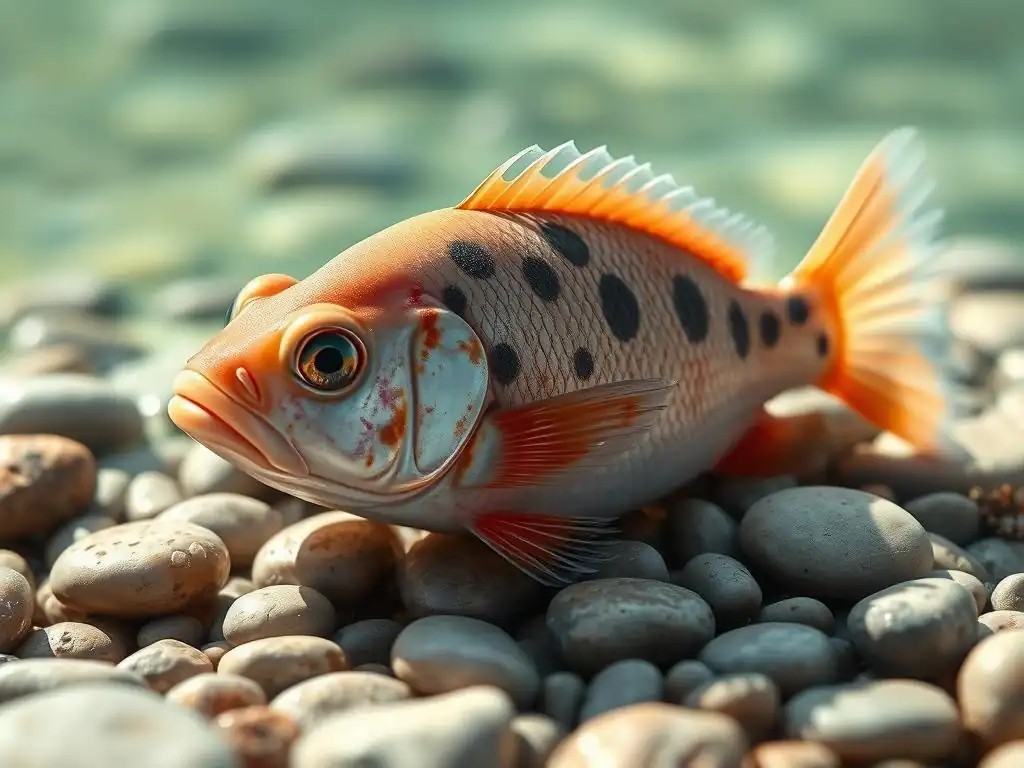
Observing Platy Fish Behavior: Key Indicators of Disease
Observing the behavior of your Platy fish is often the first and most critical step in diagnosing potential illnesses. Healthy Platies are typically active, curious, and exhibit consistent swimming patterns, whether schooling or exploring the tank. Any significant deviation from this normal behavior can be a strong indicator of an underlying health problem. For instance, a sudden onset of lethargy, where a formerly active Platy becomes listless, rests at the bottom, or hides excessively, often signals illness.
Other key behavioral indicators include changes in swimming patterns, such as erratic movements, spiraling, swimming upside down, or difficulty maintaining buoyancy. Platies that "flash" or rub their bodies against tank objects are often attempting to relieve irritation caused by external parasites like Ich or Velvet. A loss of appetite, refusal to eat, or spitting out food are also red flags. Additionally, abnormal schooling behavior, where an individual fish isolates itself from the group, can suggest discomfort or illness. Consistent daily observation is the foundation of effective Platy fish disease treatment and prevention.
Examining Platy Fish Physical Appearance for Signs of Illness
Beyond behavior, a thorough examination of your Platy fish's physical appearance is essential for diagnosing diseases. Healthy Platies should have vibrant, consistent coloration, clear eyes, and intact, unfrayed fins. Any visible changes to their body or fins can point to specific ailments. Look for the presence of white spots (Ich), a fine dusty coating (Velvet), or cotton-like growths (fungal infections) on the skin and fins.
Examine the fins for signs of deterioration, such as fraying, tearing, or discoloration, which are characteristic of fin rot. Observe the body for swelling, particularly a "pinecone" appearance indicating dropsy, or general bloating. Check the eyes for cloudiness or sunkenness, and the gills for paleness or excessive movement. Any open sores, lesions, or unusual growths should also be noted. A systematic visual inspection of each Platy, ideally with good lighting, complements behavioral observations and helps narrow down the potential Platy fish disease treatment options.
Water Quality Testing: Identifying Potential Disease Causes
Poor water quality is a leading cause of stress and disease in Platy fish, often weakening their immune systems and making them susceptible to various pathogens. Therefore, comprehensive water quality testing is a crucial step in diagnosing the root cause of an illness. Key parameters to test include ammonia, nitrite, nitrate, pH, and temperature. Elevated levels of ammonia and nitrite are highly toxic and can cause immediate stress and damage to fish gills, leading to secondary infections.
While nitrate is less toxic than ammonia or nitrite, consistently high levels indicate insufficient water changes and can contribute to chronic stress and susceptibility to diseases. Deviations from the ideal pH range (7.0-8.0 for Platies) can also cause stress and compromise immune function. Fluctuations in temperature can also weaken fish. Identifying problematic water parameters allows for immediate corrective action, such as partial water changes or adjusting filtration, which is often the first and most critical step in any Platy fish disease treatment protocol.
Platy Fish Disease Treatment Options: A Comprehensive Guide
Treating White Spot Disease (Ich) in Platies: Effective Medications and Methods
Treating White Spot Disease (Ich) in Platies requires a multi-pronged approach to effectively eliminate the parasite at various stages of its life cycle. One common and highly effective Platy fish disease treatment involves increasing the aquarium temperature to 82-86°F (28-30°C) gradually over 24-48 hours, provided the tank mates can tolerate it. This accelerates the Ich life cycle, causing the parasites to drop off the fish and become vulnerable free-swimming tomites, which can then be killed by medication.
Simultaneously, using an Ich-specific medication containing malachite green or formalin is highly recommended. Follow the manufacturer's instructions precisely for dosage and duration. Daily gravel vacuuming to remove cysts from the substrate and performing 25-50% water changes every 2-3 days during treatment also help reduce the parasite load. Continue treatment for at least 7-10 days, even if symptoms disappear, to ensure all stages of the parasite are eradicated. Adding aquarium salt (1 tablespoon per 5 gallons) can also provide supportive care and help with gill function, but should be used cautiously with certain plants or invertebrates.
Treating Fin Rot in Platies: Antibiotics and Water Quality Management
Effective Platy fish disease treatment for fin rot primarily focuses on improving water quality and, in more severe cases, administering antibiotics. The first and most crucial step is to perform several large water changes (e.g., 50% daily for a few days) to drastically reduce bacterial load and remove harmful nitrates and other pollutants. Ensure the water parameters (ammonia, nitrite, nitrate, pH, temperature) are optimal for Platies.
If the fin rot is mild, often simply improving water quality and adding aquarium salt (1 teaspoon per gallon, gradually over 24 hours) can be sufficient to allow the fins to regenerate. For more advanced cases where the fins are significantly deteriorated or the infection is spreading to the body, a broad-spectrum antibiotic specifically formulated for aquarium use, such as those containing erythromycin, tetracycline, or furan-2, may be necessary. Administer the medication according to the product instructions, typically for 5-7 days. Continue monitoring water quality closely throughout the treatment period.
Treating Fungal Infections in Platies: Antifungal Medications and Supportive Care
Platy fish disease treatment for fungal infections primarily involves the use of antifungal medications combined with supportive care to help the fish recover. Before starting any medication, ensure excellent water quality by performing a significant water change (e.g., 25-50%) and maintaining stable water parameters. Fungal infections often take hold when fish are already stressed or injured, so addressing underlying environmental issues is key.
Specific antifungal medications, often containing ingredients like malachite green, phenoxyethanol, or nifurpirinol, are effective against common fungal species like Saprolegnia. Administer the medication strictly following the manufacturer's dosage and duration guidelines, which typically involve daily or every-other-day treatments for 3-7 days. In addition to medication, adding aquarium salt (1 tablespoon per 5 gallons) can provide supportive benefits by reducing osmotic stress and inhibiting fungal growth. Ensure good aeration in the tank, as some medications can reduce oxygen levels.
Treating Velvet Disease (Oodinium) in Platies: Copper-Based Treatments and Environmental Control
Platy fish disease treatment for Velvet Disease (Oodinium) requires a rapid and comprehensive approach due to its highly contagious nature and rapid progression. Copper-based medications, such as copper sulfate or chelated copper, are highly effective against Oodinium parasites. It is crucial to use a copper test kit to monitor copper levels, as overdosing can be toxic to fish and invertebrates. Follow the medication instructions carefully, typically treating for 7-10 days.
In conjunction with medication, environmental adjustments are vital. Increasing the water temperature to 78-82°F (26-28°C) can accelerate the parasite's life cycle, making it more vulnerable to treatment. Turning off the aquarium lights for 3-5 days is also beneficial, as Oodinium is photosynthetic and relies on light for part of its life cycle. Removing activated carbon from the filter during treatment is essential, as it will absorb the medication. Regular partial water changes and thorough gravel vacuuming can help remove free-swimming parasites.
Addressing Dropsy in Platies: Treatment Options and Prognosis
Platy fish disease treatment for dropsy is often challenging due to its nature as a symptom of severe underlying internal issues, and the prognosis is generally poor, especially once the "pinecone" appearance is prominent. If caught very early, before severe scale protrusion, there's a slim chance of recovery. The primary approach involves isolating the affected Platy in a hospital tank to prevent potential spread and to allow for targeted treatment.
Administering a broad-spectrum antibiotic, either through medicated food or as a bath treatment, is the most common medical intervention, as dropsy is often linked to internal bacterial infections. Antibiotics containing ingredients like Kanamycin or Metronidazole are often recommended. Additionally, adding Epsom salt (magnesium sulfate, 1-2 teaspoons per 5 gallons) to the hospital tank can help reduce the fluid retention and alleviate some of the pressure on the fish's organs. Providing high-quality, easily digestible food and maintaining pristine water conditions are also crucial supportive measures.
Treating Swim Bladder Disease in Platies: Addressing Underlying Causes and Supportive Care
Platy fish disease treatment for swim bladder issues focuses on identifying and addressing the underlying cause, as it's a symptom, not a disease itself. If the cause is digestive, such as overfeeding or constipation, begin by fasting the Platy for 2-3 days. Following the fast, offer small portions of easily digestible foods like blanched, deshelled peas, which act as a natural laxative. Avoid feeding flake or pellet foods for a few days.
If a bacterial infection is suspected, perhaps accompanied by bloating or other signs of illness, a broad-spectrum antibiotic (e.g., Kanamycin or Metronidazole) may be administered in a hospital tank. For Platies struggling with buoyancy, lowering the water level in a hospital tank can reduce pressure and make it easier for the fish to reach the surface for air. Maintaining optimal water quality and stable temperatures is always beneficial. In some cases, if the issue is due to genetic deformity or severe injury, the condition may be permanent.
Preventing Platy Fish Diseases: Proactive Aquarium Management
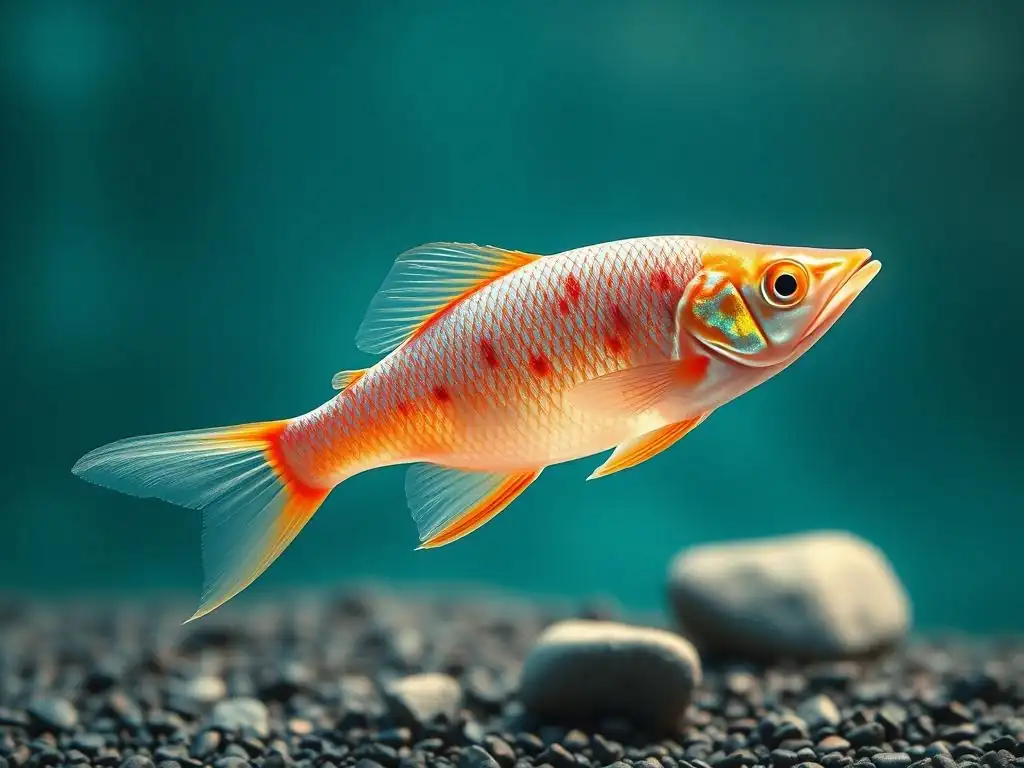
Maintaining Optimal Water Quality for Platy Fish Health
Maintaining optimal water quality is the single most important factor in preventing Platy fish diseases and ensuring their long-term health. Platies thrive in stable conditions with a pH range of 7.0 to 8.0 and temperatures between 72-78°F (22-26°C). Consistent monitoring of ammonia, nitrite, and nitrate levels is crucial. Ammonia and nitrite should always be at zero, as even small amounts are highly toxic and stress fish, making them vulnerable to illness.
Nitrate levels should be kept below 20 ppm through regular partial water changes, typically 25-30% weekly. Using a reliable water conditioner that neutralizes chlorine, chloramines, and heavy metals during water changes is essential. Adequate filtration (mechanical, chemical, and biological) helps maintain water clarity and beneficial bacteria. A well-cycled tank with a robust biological filter is the foundation for a healthy Platy environment, significantly reducing the need for reactive Platy fish disease treatment.
Proper Platy Fish Nutrition: Feeding a Balanced Diet
Proper nutrition plays a vital role in strengthening the immune system of Platy fish, making them more resilient to diseases. A balanced diet should consist of high-quality flake or pellet food formulated for omnivorous tropical fish, providing essential proteins, fats, vitamins, and minerals. Supplementing their diet with live, frozen, or freeze-dried foods such as bloodworms, brine shrimp, and daphnia offers variety and additional nutrients, mimicking their natural diet.
Vegetable matter is also important for Platies; blanched spirulina flakes, or small pieces of blanched zucchini or peas, can be offered occasionally. Overfeeding should be avoided, as it can lead to digestive issues, swim bladder problems, and contribute to poor water quality due to uneaten food decaying. Feed small amounts 2-3 times a day, only what they can consume within 2-3 minutes, to ensure they receive adequate nutrition without polluting the tank.
Quarantine Procedures for New Platy Fish: Preventing Disease Introduction
Implementing strict quarantine procedures for all new Platy fish before introducing them to your main display tank is a critical preventive measure against disease outbreaks. A separate quarantine tank, ideally 10-20 gallons, should be set up with its own filter and heater. New fish should be kept in this tank for a minimum of 2-4 weeks. During this period, observe them closely for any signs of illness, such as unusual swimming, spots, lesions, or changes in appetite.
During the quarantine period, it's advisable to perform prophylactic treatments for common ailments like Ich, even if no symptoms are present, as some diseases can be latent. This proactive step helps prevent the introduction of pathogens that could devastate your established fish population. If any signs of disease appear, the Platy fish disease treatment can be administered in the quarantine tank without exposing the main aquarium inhabitants, saving significant stress and potential losses.
Regular Aquarium Maintenance: Reducing the Risk of Disease Outbreaks
Regular and consistent aquarium maintenance is fundamental to preventing Platy fish diseases by ensuring a clean, stable, and low-stress environment. This includes performing weekly or bi-weekly partial water changes (25-30%) to dilute nitrates and replenish essential minerals. During these water changes, it's important to vacuum the gravel thoroughly to remove uneaten food, fish waste, and detritus, which can otherwise decompose and negatively impact water quality.
Cleaning filter media regularly (rinsing in old tank water, not tap water, to preserve beneficial bacteria) and checking filter flow ensures optimal filtration. Wiping down the inside of the tank glass to remove algae also contributes to a healthier environment and allows for better observation of your fish. Consistent maintenance routines minimize the buildup of toxins and pathogens, reducing the likelihood of stress-induced illnesses and the need for reactive Platy fish disease treatment.
Avoiding Overcrowding: Minimizing Stress and Disease Spread in Platy Tanks
Overcrowding is a significant stressor for Platy fish and a major contributor to disease outbreaks in aquariums. When a tank is overcrowded, fish experience increased competition for space, food, and hiding spots, leading to chronic stress which suppresses their immune systems. Furthermore, an excessive bioload from too many fish quickly degrades water quality, leading to higher levels of ammonia, nitrite, and nitrate, even with regular maintenance.
A general guideline for Platies is to allow at least 1 gallon of water per inch of adult fish, though more space is always better. For example, a 20-gallon tank can comfortably house 6-8 adult Platies. Overcrowding also facilitates the rapid spread of diseases, as pathogens can easily jump from one fish to another in close quarters. By providing ample space, you reduce stress, maintain better water quality, and create a healthier environment where Platies are less susceptible to illness and the spread of any potential Platy fish disease treatment is more manageable.
Natural Remedies and Alternative Platy Fish Disease Treatment
Using Aquarium Salt for Platy Fish Health: Benefits and Precautions
Aquarium salt (sodium chloride, non-iodized) can be a valuable natural remedy and supportive measure in Platy fish disease treatment, offering several benefits. It helps reduce osmotic stress, making it easier for fish to breathe and recover from illness, especially during Ich infections or fin rot. Salt can also inhibit the growth of certain external parasites and bacteria. For general stress reduction or minor issues, a common dosage is 1 teaspoon per 5 gallons of water. For Ich treatment, it can be increased to 1 tablespoon per 5 gallons, gradually added over 24 hours.
However, precautions are necessary. Aquarium salt is not suitable for all fish species, especially scaleless fish or those from blackwater environments, though Platies generally tolerate it well. It can also be detrimental to live plants, particularly at higher concentrations.
Always dissolve the salt completely before adding it to the tank to prevent direct contact with fish. Remember that salt does not evaporate; it only leaves the tank through water changes, so add only for the amount of new water being added. It should be used as a supportive measure or for specific conditions, not as a universal cure, and should not replace medication for severe infections.
Herbal Remedies for Platy Fish: Efficacy and Usage
While not as rigorously studied or consistently effective as conventional medications, some herbal remedies are explored for their potential benefits in Platy fish disease treatment, primarily for supportive care or very mild conditions. Indian Almond Leaves (IAL), also known as Catappa leaves, are a popular choice. When steeped in aquarium water, they release tannins and humic acids, which lower pH slightly, soften water, and possess mild antibacterial and antifungal properties. These compounds are believed to reduce stress, promote healing, and may help prevent secondary infections. Typically, one medium leaf per 10-20 gallons is used, replaced every 2-3 weeks.
Other natural substances sometimes mentioned include garlic, which is believed to boost appetite and immune response, often administered by soaking food in garlic extract. Aloe vera is occasionally used for its purported healing properties in commercial fish stress coats. While these remedies can offer supportive care and create a more natural environment, their efficacy in curing established, severe Platy fish diseases is limited. They should not be relied upon as primary treatments for serious infections and are best used as preventive measures or in conjunction with conventional Platy fish disease treatment under expert guidance.
Advanced Platy Fish Disease Treatment: When to Seek Professional Help
Recognizing When Home Treatment is Insufficient
While many common Platy fish diseases can be successfully treated with over-the-counter medications and proper aquarium management, there are clear indicators that home treatment is insufficient and professional help is needed. If, after 3-5 days of diligent treatment, the fish's condition is not improving, or is actively worsening, it's a strong sign that the current approach is not effective. This could mean the diagnosis is incorrect, the medication is ineffective against the specific pathogen, or the disease is too advanced.
Other signs include the rapid spread of the disease to multiple fish despite treatment, the appearance of new, more severe symptoms, or if the fish is exhibiting extreme distress, such as gasping at the surface, severe bloating, or complete loss of mobility. Conditions like advanced dropsy, persistent internal parasites, or mysterious mass mortalities often fall into this category. Recognizing these limits is crucial for the fish's welfare, as prolonged ineffective Platy fish disease treatment can cause further stress and reduce chances of recovery.
Consulting with a Veterinarian or Aquatic Specialist
When home treatment proves insufficient or if you suspect a complex or unusual Platy fish disease, consulting with a veterinarian specializing in aquatic animals or an aquatic specialist is the next logical step. These professionals possess advanced diagnostic tools and a deeper understanding of fish pathology, enabling them to accurately identify the specific pathogen or underlying cause of the illness. They can perform diagnostic tests such as gill or skin scrapes, biopsies, or even necropsies to pinpoint the problem.
An aquatic veterinarian can prescribe stronger, more targeted medications that are not available over the counter, or recommend specific treatment protocols tailored to the exact disease and species. They can also offer expert advice on tank management, nutrition, and long-term preventive strategies. While finding an aquatic vet can be challenging, particularly in rural areas, their expertise can be invaluable in saving valuable fish and preventing future outbreaks, especially for complex cases of Platy fish disease treatment.
Platy Fish Disease and Breeding: Protecting Your Fry
Disease Transmission from Adult Platies to Fry
Disease transmission from adult Platies to their fry is a significant concern for breeders, as newborn fry are particularly vulnerable to pathogens due to their underdeveloped immune systems. Many common Platy fish diseases, such as Ich, Velvet, and various bacterial infections, can be directly transmitted from infected adult fish to their offspring. Parasites like Ich can attach to the fry directly, or the free-swimming stage (tomites) can infect them shortly after hatching.
Bacterial infections can also be passed from adults, either through direct contact or via contaminated water. If adult Platies are carrying a low-grade infection that doesn't overtly affect them, it can still be highly detrimental to the delicate fry. Furthermore, poor water quality in a breeding tank, often exacerbated by the rapid bioload increase from numerous fry, can quickly lead to stress and disease outbreaks among the vulnerable young, making proactive Platy fish disease treatment for adults crucial.
Preventing Disease in Platy Fry: Specific Care Considerations
Preventing disease in Platy fry requires specific care considerations beyond what is typically provided for adult fish, primarily focusing on maintaining pristine water conditions and providing optimal nutrition. If breeding Platies in a dedicated breeding tank, ensure the parent fish are healthy and disease-free before spawning. Some breeders opt to remove the adult female immediately after she gives birth to prevent her from preying on the fry and to isolate the fry from potential adult-borne pathogens.
For the fry tank, perform small, frequent water changes (e.g., 10-15% daily or every other day) to keep ammonia, nitrite, and nitrate levels at zero, as fry are extremely sensitive to water quality fluctuations. Use an air-driven sponge filter, which provides gentle filtration without strong currents that could harm the fry. Feed high-quality, finely crushed fry food or specialized live foods like infusoria or newly hatched brine shrimp multiple times a day in very small amounts to avoid polluting the water. Overfeeding and poor water quality are the leading causes of fry mortality due to disease.
Conclusion: Ensuring Long-Term Platy Fish Health.
Frequently Asked Questions
What are some of the most common diseases that affect Platy fish?
Common Platy fish diseases include Ich (white spot disease), Fin Rot, and Fungal Infections. These are often caused by poor water quality or stress.
How can I identify if my Platy fish has Ich (white spot disease)?
Look for small, white spots that resemble salt sprinkled on the fish's body and fins. Affected fish may also rub against objects in the tank.
What's the best way to prevent diseases in my Platy fish aquarium?
Maintaining excellent water quality through regular water changes is key. Also, quarantine new fish before introducing them to the main tank to prevent disease spread.
What are the typical signs of Fin Rot in Platy fish, and how do I treat it?
Fin Rot presents as frayed or ragged fins, sometimes with redness at the base. Treatment involves improving water quality and using antibacterial medications.
Are there natural remedies I can use for Platy fish diseases, or are medications always necessary?
While improving water parameters and adding aquarium salt can help in some cases, severe infections often require medication specifically formulated for fish.
Final Reflection: Nurturing Aquatic Harmony
The exploration of Platy fish diseases, their symptoms, prevention, and cures, is not merely an academic exercise; it's a vital undertaking that directly impacts the well-being of countless aquatic creatures and the passionate hobbyists who care for them. Understanding Platy fish disease treatment is crucial for maintaining healthy aquarium ecosystems and preventing unnecessary suffering. The knowledge shared within this article serves as a practical guide, empowering aquarists to become proactive stewards of their underwater worlds.
This journey into the intricacies of Platy health has underscored the delicate balance within our aquariums and the profound responsibility we bear as caretakers. Witnessing the resilience of these small fish, and the devastating impact of disease, has reinforced the importance of diligent observation and preventative care. The best cure is prevention.
This timeless adage rings especially true in the realm of aquarium keeping, where proactive measures can often avert crises and ensure the longevity of our finned companions.
As you close this article, I invite you to reflect on your own role in the aquatic ecosystem. Consider how the knowledge you've gained can be applied to create a healthier, more vibrant environment for your Platy fish. Embrace the opportunity to become a more informed and compassionate aquarist, ensuring that these beautiful creatures thrive under your care. Let's all strive to create a world where Platy fish disease treatment is less about reactive intervention and more about proactive prevention, fostering a harmonious balance between humans and the aquatic life we cherish.
Dive Deeper into Platy Care!
Thank you for exploring the world of Platy fish health with us! We hope you’ve gained valuable insights into keeping your Platies thriving. Now, let's put that knowledge into action:
- Immediately assess your Platy tank for any of the described symptoms and isolate any fish showing signs of illness to prevent further spread.
- Share this guide with fellow aquarium enthusiasts to spread awareness about Platy fish diseases and proactive care.
- Consider starting a Platy care journal to track water parameters, feeding schedules, and any observed behaviors – a proactive step for a healthier aquarium!
What specific preventative measure will you implement in your aquarium this week to ensure your Platies stay happy and healthy?