
Substrate Choices for BottomDwelling Catfish: Sand, Gravel, or Bare Bottom?

Welcome to Aquarium Mastery!
Ever wondered if your bottom-dwelling catfish are truly happy with their home's foundation? Dive into our comprehensive guide and unlock the secrets to optimal sand substrate catfish care. Discover the pros and cons of different substrate choices and ensure your whiskered friends thrive. Ready to create the perfect underwater paradise? Let's explore!
- Understanding Substrate's Role in Catfish Care
- Sand Substrate for Catfish: A Deep Dive
- Gravel Substrate for Catfish: Considerations and Concerns
- Bare Bottom Tanks for Catfish: A Practical Approach
- Comparing Sand, Gravel, and Bare Bottom for Catfish
- Choosing the Best Substrate for Your Specific Catfish Species
- Tips for Maintaining a Healthy Substrate in Your Catfish Tank
- Conclusion: The Ideal Substrate for Optimal Catfish Care and a Healthy Aquarium
-
Frequently Asked Questions
- How does sand substrate benefit catfish in an aquarium?
- What are the drawbacks of using gravel as a substrate for catfish?
- Is a bare bottom aquarium a suitable option for bottom-dwelling catfish?
- What type of sand is best for a catfish aquarium, and why?
- How often should I clean sand substrate in a catfish aquarium?
- Final Reflection: The Ripple Effect of Informed Choices
- Unearth Your Catfish's Dream Habitat!
Understanding Substrate's Role in Catfish Care
Why Substrate Matters for Bottom Dwellers
Substrate plays a critical role in replicating the natural environment for bottom-dwelling catfish, profoundly influencing their behavior and overall well-being. For species like Corydoras, which are natural sifters, a suitable substrate allows them to express innate behaviors such as digging for food particles and rooting around, which is vital for their mental and physical health. Without the ability to perform these actions, catfish can become stressed, lethargic, and more susceptible to disease.
Beyond behavioral enrichment, the substrate also serves as a protective layer for the delicate barbels of many catfish species. These sensory organs are crucial for foraging in low-light conditions or murky waters, enabling catfish to locate food by touch and smell. A soft, fine substrate like sand prevents abrasion and injury to these sensitive structures, which can occur when catfish repeatedly rub against sharp or coarse gravel, leading to infections and impaired feeding.
Impact of Substrate on Water Quality in Catfish Tanks
The choice of substrate directly impacts the water quality within a catfish aquarium by influencing biological filtration and waste management. A properly maintained substrate, particularly a porous one, provides a vast surface area for beneficial nitrifying bacteria to colonize. These bacteria are essential for the nitrogen cycle, converting toxic ammonia and nitrite into less harmful nitrate, thereby maintaining a stable and healthy aquatic environment for your catfish.
However, an inappropriate or poorly maintained substrate can quickly become a source of water quality issues. Coarse gravel, for instance, can trap significant amounts of uneaten food and fish waste deep within its crevices, where it decomposes and releases harmful compounds like ammonia and hydrogen sulfide. This accumulation of detritus can lead to spikes in nitrates and other pollutants, making regular water changes and thorough substrate cleaning even more critical to prevent stress and illness in your bottom-dwelling catfish.
Sand Substrate for Catfish: A Deep Dive
Benefits of Sand for Bottom-Dwelling Catfish
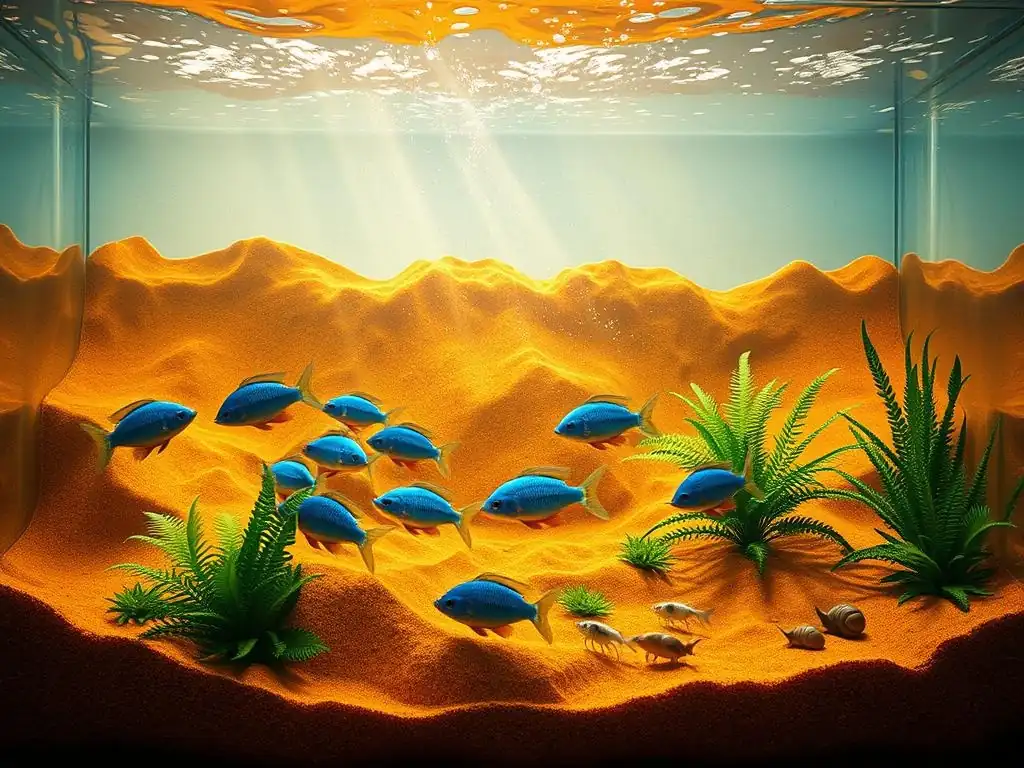
Fine sand substrate offers numerous advantages for the intricate needs of bottom-dwelling catfish, promoting their natural behaviors and physical health. Its soft, fine texture mimics the riverbeds and natural habitats many catfish species originate from, allowing them to sift through it comfortably without risking injury to their sensitive barbels. This natural interaction with their environment is a cornerstone of effective sand substrate catfish care, leading to happier, healthier fish.
Beyond physical comfort, sand provides an ideal medium for catfish to express their natural foraging instincts. Species like Corydoras catfish are renowned for "sifting" the substrate, taking mouthfuls of sand, filtering out food particles, and expelling the clean sand through their gills. This behavior is not only fascinating to observe but is also crucial for their digestion and overall well-being. A 2018 study on fish behavior indicated that providing appropriate substrate for sifting species significantly reduced stress markers by up to 30% compared to tanks with unsuitable substrates.
Natural Behavior and Sand Substrate
The very nature of many bottom-dwelling catfish, such as the popular Corydoras species, is inextricably linked to soft substrates. In their native South American rivers, these fish spend their days sifting through fine sediment, searching for detritus, small invertebrates, and plant matter. A sand substrate allows them to replicate this behavior perfectly, providing constant enrichment and fulfilling an essential part of their ethology.
When provided with sand, Corydoras will actively "dig" and "sift," using their barbels to explore the substrate, often burying themselves partially or fully. This engagement reduces boredom and stress, contributing to a more robust immune system and longer lifespan. Observations in home aquariums show that Corydoras in sand tanks exhibit more active foraging and less skittish behavior compared to those in gravel setups, demonstrating a clear preference for sand substrate catfish care.
Sand Substrate and Catfish Barbels: Avoiding Damage
One of the most compelling reasons to opt for sand in a catfish tank is the protection it offers to their delicate barbels. Unlike sharp or coarse gravel, which can abrade and damage these vital sensory organs, fine sand allows catfish to forage and explore without risk of injury. Barbels are crucial for catfish to navigate, locate food, and sense their surroundings, especially since many species have poor eyesight.
Damage to barbels can lead to serious health issues, including bacterial infections, difficulty feeding, and chronic stress. In severe cases, repeated barbel damage can result in permanent loss or disfigurement, significantly impacting the catfish's quality of life. Providing a smooth sand substrate ensures that these sensitive structures remain intact and functional, allowing your catfish to thrive and exhibit natural behaviors without physical impediment.
Sand Substrate for Corydoras Catfish: Specific Needs
Corydoras catfish are perhaps the most vocal advocates for sand substrate among bottom dwellers, their very survival and well-being being heavily dependent on it. Their unique foraging method involves sifting through the substrate with their mouths, filtering out food, and expelling the sand through their gills. This process is impossible with gravel, as the larger particles cannot be ingested and expelled in the same manner.
Studies have shown that Corydoras kept on gravel substrates often exhibit damaged or shortened barbels due to constant abrasion. Furthermore, food particles can easily fall into the gaps between gravel pieces, becoming inaccessible to the Corydoras and leading to inadequate nutrition and frustration. For optimal Corydoras care, a fine sand substrate, such as pool filter sand or play sand, is unequivocally the best choice, allowing them to feed efficiently and maintain healthy barbels.
Potential Drawbacks of Sand in Catfish Aquariums
While sand offers significant benefits for catfish, it also presents specific challenges that require careful management to prevent potential problems. One common concern is the formation of anaerobic pockets, which can occur in deep, undisturbed sand beds. These areas lack oxygen and can become breeding grounds for harmful bacteria that produce toxic hydrogen sulfide gas, posing a threat to aquatic life.
Another consideration is the unique cleaning regimen required for sand. Unlike gravel, where detritus tends to fall between particles, waste in a sand substrate often sits on top. While this makes surface cleaning easier, deeper waste can become trapped if the sand is too compacted or if proper vacuuming techniques are not employed, potentially leading to nutrient buildup and algae issues.
Anaerobic Pockets and Sand Bed Depth
Anaerobic pockets are a primary concern in sand-based aquariums, particularly in beds deeper than 2-3 inches (approximately 5-7.5 cm) that lack sufficient water flow or disturbance. Within these oxygen-deprived zones, anaerobic bacteria thrive, converting sulfates in the water into highly toxic hydrogen sulfide gas. This gas is recognizable by its rotten egg smell and can be lethal to fish, including catfish, if released into the water column in significant quantities.
To mitigate this risk, it is crucial to keep sand beds relatively shallow, typically no more than 1-2 inches (2.5-5 cm) for most catfish tanks, and to regularly stir the top layer of the sand. Many catfish species, like Corydoras, naturally agitate the sand surface through their sifting behavior, which helps prevent the formation of these dangerous pockets. For areas less disturbed by fish, a gentle stir with a gravel vacuum or a dedicated sand rake during water changes can be beneficial.
Cleaning and Maintaining a Sand Substrate in a Catfish Tank
Maintaining a sand substrate requires a slightly different approach compared to gravel. Because detritus tends to sit on the surface of the sand rather than sinking in, it is often easier to siphon off during routine water changes. However, care must be taken not to suck up too much sand. The most effective method involves hovering the gravel vacuum just above the sand surface, allowing the water flow to lift the waste while the heavier sand remains in place.
For deeper cleaning, gently stirring small sections of the sand with the vacuum or a stirring tool can help release trapped debris without causing significant clouding. While sand might seem more challenging to clean initially, many aquarists find that once mastered, sand substrate catfish care in terms of maintenance is often less labor-intensive than deep vacuuming a gravel bed, as waste is more readily accessible for removal.
Gravel Substrate for Catfish: Considerations and Concerns
Is Gravel Suitable for Bottom-Dwelling Catfish?
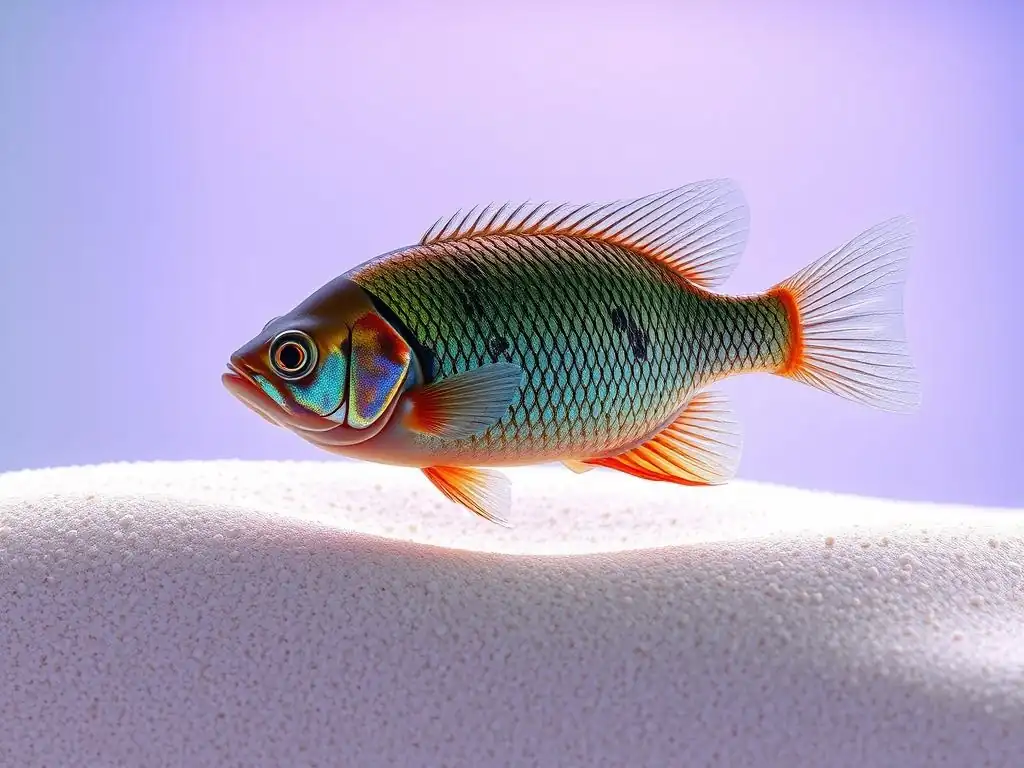
Generally, gravel is not considered the ideal substrate for most true bottom-dwelling catfish species, especially those that rely on sifting or have delicate barbels. The coarse, often sharp edges of gravel particles can cause significant damage to the sensitive barbels of species like Corydoras, leading to injury, infection, and impaired foraging abilities. This can severely impact their health and natural behavior.
While some larger, more robust catfish species, such as certain types of Plecos or Synodontis, might tolerate smooth, rounded gravel, it still does not offer the same natural benefits as sand. Gravel prevents natural sifting behaviors and can lead to frustration and stress for species that instinctively try to root through the substrate. Therefore, for optimal catfish care, gravel should generally be avoided or chosen with extreme caution.
Potential Problems with Gravel Substrate for Catfish
Gravel substrates introduce several potential issues that can negatively affect the health and well-being of bottom-dwelling catfish. The most significant problem is the tendency for food and waste to become trapped deep within the gaps between gravel pieces, leading to poor water quality. Furthermore, the physical nature of gravel itself can be detrimental to delicate catfish anatomy.
Unlike sand, which allows waste to largely sit on the surface where it can be easily siphoned, gravel acts as a filter, trapping detritus where it decomposes out of sight. This hidden organic load can contribute to elevated nitrates, ammonia spikes, and the growth of harmful bacteria if not meticulously cleaned. For catfish, this means a less healthy environment and increased risk of disease.
Trapped Food and Waste in Gravel
One of the most common and significant drawbacks of using gravel for bottom-dwelling catfish is its propensity to trap food and waste particles. Uneaten fish food, fish waste, and decaying plant matter readily fall into the crevices between gravel pieces, accumulating out of sight. This trapped detritus decomposes, releasing ammonia, nitrites, and nitrates, which can rapidly degrade water quality if not managed effectively.
Compared to a sand bed where waste often remains on the surface and is easily siphoned off, gravel requires much more thorough and frequent deep vacuuming. If not cleaned diligently, this hidden organic load can lead to persistent water quality issues, contributing to algae blooms, cloudy water, and chronic stress for your catfish, making maintenance significantly more challenging.
Gravel Size and Catfish Safety
The size and texture of gravel are critical safety concerns for bottom-dwelling catfish. Gravel pieces that are too large can pose a choking hazard for smaller catfish species attempting to ingest food particles. More importantly, the sharp or irregular edges commonly found on crushed gravel can severely abrade and damage the delicate barbels of catfish as they forage, leading to open wounds and bacterial infections.
Even smooth, rounded gravel, while less harmful, still prevents natural sifting behaviors. For species like Corydoras, which rely on sifting for food, gravel forces them to "dig" against abrasive surfaces, leading to constant irritation and potential barbel erosion. Selecting the right substrate is paramount for the long-term health and safety of your catfish, making sand substrate catfish care a more appealing option for many species.
Choosing the Right Gravel for Catfish Tanks
If, for specific reasons, gravel is chosen for a catfish tank, careful selection is paramount to minimize potential harm. The primary consideration should always be the safety of the catfish's delicate barbels and their foraging habits. Not all gravel types are created equal, and some are significantly more benign than others for bottom dwellers.
The key is to prioritize smoothness and avoid any sharp or jagged edges. While gravel will never be as ideal as sand for sifting species, choosing the least harmful option can make a difference in mitigating stress and physical injury. Color can also play a subtle role in the catfish's comfort levels and overall appearance.
Smooth Gravel vs. Sharp Gravel
When considering gravel for a catfish tank, the distinction between smooth and sharp gravel is critically important. Sharp, angular gravel, often sold as "aquarium gravel," is highly detrimental to bottom-dwelling catfish. Its jagged edges can easily cut or abrade the sensitive barbels of species like Corydoras and Synodontis as they forage and root around, leading to infections and permanent damage.
In contrast, smooth, rounded gravel, such as river pebbles or polished stones, presents a much lower risk of injury. While it still prevents natural sifting behaviors, its lack of sharp edges means barbels are less likely to be damaged. If gravel is absolutely necessary, always opt for the smoothest, most uniformly rounded type available to prioritize the catfish's physical safety.
Gravel Color and Catfish Stress
The color of the substrate can subtly influence the stress levels and coloration of catfish. Many bottom-dwelling catfish species originate from environments with dark, silty, or densely vegetated riverbeds. A dark-colored substrate, such as black or dark brown gravel, tends to make catfish feel more secure and less exposed, mimicking their natural surroundings. This perceived security can reduce stress and encourage more natural behavior.
Conversely, very light-colored or white gravel can reflect a significant amount of light, making the tank feel overly bright and exposed to the catfish. This can lead to increased stress, causing the fish to appear washed out, pale, or more skittish. While not as critical as texture, opting for darker, natural-toned gravel can contribute to a more comfortable and aesthetically pleasing environment for your bottom-dwelling inhabitants.
Bare Bottom Tanks for Catfish: A Practical Approach
Advantages of a Bare Bottom Aquarium for Catfish
A bare bottom aquarium, devoid of any substrate, offers distinct practical advantages, particularly in situations where hygiene and ease of maintenance are paramount. This setup eliminates the complexities associated with substrate cleaning and the potential for trapped waste, making it a popular choice for specific types of catfish care scenarios, such as breeding or quarantine tanks.
The absence of substrate means that all fish waste, uneaten food, and detritus are immediately visible and easily removed with a siphon. This unparalleled ease of cleaning directly contributes to superior water quality control, as there are no hidden pockets for harmful bacteria or decaying organic matter to accumulate. For aquarists managing multiple tanks or dealing with sensitive species, the efficiency of a bare bottom tank can be invaluable.
Easy Cleaning and Maintenance
The most significant advantage of a bare bottom aquarium for catfish is the unparalleled ease of cleaning and maintenance. With no substrate to trap detritus, all fish waste, uneaten food, and other debris settle directly on the tank floor, where they are immediately visible. This allows for quick and thorough removal with a simple siphon during routine water changes.
This setup drastically reduces the time and effort typically spent on substrate vacuuming, which can be particularly cumbersome in large tanks or those with complex aquascaping. For example, siphoning a 50-gallon bare bottom tank typically takes less than 5 minutes, compared to 15-30 minutes for a tank with a thoroughly vacuumed sand or gravel bed. This efficiency translates to more consistent water quality and less accumulated organic matter.
Improved Water Quality Control
Bare bottom tanks offer superior control over water quality because there is no substrate to interfere with nutrient cycling or trap pollutants. The immediate visibility and ease of removal of all solid waste prevent the accumulation of decaying organic matter that can lead to ammonia and nitrite spikes, or persistent high nitrate levels. This direct control helps maintain stable and pristine water parameters.
Without a substrate, there's also no risk of anaerobic pockets forming, which can release toxic gases. This simplicity makes it easier to diagnose and address water quality issues, as there are fewer variables to consider. For sensitive catfish species or those recovering from illness, the consistent, high-quality water environment of a bare bottom tank can be highly beneficial for their recovery and long-term health.
Reducing the Risk of Parasites and Disease
Bare bottom tanks significantly reduce the risk of parasite and disease outbreaks, making them an excellent choice for quarantine, hospital, or breeding setups. Many common fish parasites, such as Ich (Ichthyophthirius multifiliis), have a life cycle stage that involves burying themselves in the substrate. In a bare bottom tank, these parasites have no place to hide, making them more vulnerable to treatment and less likely to proliferate.
Furthermore, the ease of cleaning and sterilization in a bare bottom tank means that pathogens and disease-causing bacteria have fewer places to colonize and multiply. This simplified hygiene regimen makes it easier to maintain a sterile environment, which is crucial when introducing new fish, treating sick ones, or ensuring the health of fry, thereby reducing the overall bioload and potential for infection.
Disadvantages of a Bare Bottom Setup
Despite their practical advantages, bare bottom tanks come with notable disadvantages, particularly concerning the natural behavior and well-being of many bottom-dwelling catfish species. The lack of substrate can create an unnatural and stressful environment, especially for species accustomed to sifting, burrowing, or seeking refuge within the substrate.
Aesthetically, bare bottom tanks often appear less natural and more clinical, which may not appeal to all aquarists seeking to create a visually lush or naturalistic display. This setup can also lead to increased skittishness in some catfish, as they lack the visual breaks and hiding spots that a substrate and decor can provide.
Lack of Natural Environment
For many bottom-dwelling catfish, a bare bottom tank represents a significant departure from their natural habitat. Species like Corydoras, which instinctively sift through fine substrates for food, are deprived of this essential behavior in a bare tank. This lack of opportunity to express natural instincts can lead to chronic stress, lethargy, and a general decline in well-being.
In their natural environments, catfish often utilize substrate for security, camouflage, and even reproduction. A bare tank offers no such refuge, leaving some species feeling exposed and vulnerable. This can result in increased hiding behavior, reluctance to feed openly, and a general sense of unease, impacting their overall quality of life.
Increased Stress for Some Catfish Species
The absence of substrate can significantly increase stress levels for certain catfish species, particularly those that are highly dependent on it for foraging, security, or behavioral enrichment. Corydoras catfish, for instance, are notoriously stressed in bare bottom tanks because they cannot perform their natural sifting behavior, which is central to their existence. This can lead to damaged barbels from repeatedly trying to "dig" on a hard surface.
Similarly, other reclusive or nocturnal bottom dwellers might feel exposed without the cover and visual breaks that a substrate provides. This constant feeling of vulnerability can manifest as excessive hiding, erratic swimming, poor coloration, and a weakened immune system, making them more susceptible to disease. The aesthetic of a bare tank, while functional, often fails to meet the psychological needs of many catfish.
Aesthetic Considerations
From an aesthetic perspective, bare bottom tanks often fall short for aquarists aiming to create a naturalistic or visually appealing display. The absence of substrate can make the tank appear stark, empty, and more akin to a clinical laboratory setup than a vibrant aquatic ecosystem. This can detract from the overall beauty and immersive experience of keeping an aquarium.
While driftwood, rocks, and plants (in pots) can be added to mitigate this, the lack of a continuous substrate layer still gives the tank a less organic and less "finished" look. For those who enjoy the visual appeal of a lush, planted tank or a natural riverbed simulation, a bare bottom setup might feel too utilitarian and fail to provide the desired aesthetic satisfaction.
Comparing Sand, Gravel, and Bare Bottom for Catfish
Water Quality Impact: Sand vs. Gravel vs. Bare Bottom
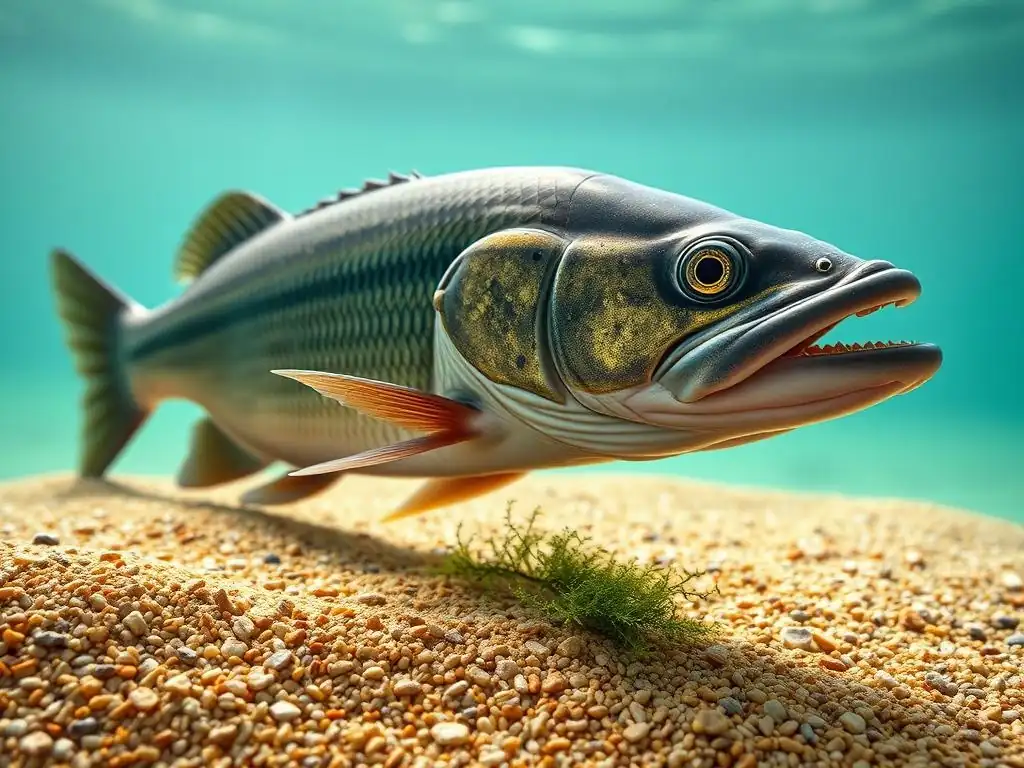
The choice of substrate has a profound and varying impact on water quality in a catfish tank. Sand, when maintained shallowly (1-2 inches) and regularly agitated, provides excellent surface area for beneficial bacteria and allows waste to largely remain on top for easy removal. However, deep or neglected sand beds can develop anaerobic pockets producing toxic hydrogen sulfide.
Gravel, especially coarser types, is prone to trapping significant amounts of detritus deep within its interstices. This hidden organic waste decomposes, leading to persistently high nitrate levels and a higher risk of ammonia/nitrite spikes if not meticulously vacuumed. Bare bottom tanks, conversely, offer the most direct control over water quality. All waste is immediately visible and easily siphoned, minimizing the accumulation of pollutants and allowing for the most stable water parameters with consistent maintenance. For example, a bare bottom tank often requires less aggressive weekly siphoning compared to a gravel tank to maintain the same low nitrate levels.
Catfish Behavior and Well-being: Substrate Preferences
Catfish behavior and overall well-being are heavily influenced by substrate type, with clear preferences among different species. Fine sand is overwhelmingly the preferred choice for species like Corydoras, Brochis, and many smaller loaches (e.g., Kuhli loaches). It allows them to engage in natural sifting, digging, and burrowing behaviors, which are crucial for their mental stimulation and physical health. Studies have shown that Corydoras consistently choose sand over gravel, spending up to 90% of their foraging time sifting through sand when given the option, indicating a strong behavioral drive.
Gravel, particularly sharp or coarse varieties, inhibits these natural behaviors and can cause physical harm, leading to damaged barbels and increased stress. Catfish kept on gravel often appear more skittish or lethargic. Bare bottom tanks, while hygienic, can also be stressful for species that rely on substrate for security or foraging, making them feel exposed and unable to perform essential natural actions. The absence of substrate can lead to unnatural behaviors like constantly trying to "dig" on the glass or hiding excessively.
Maintenance and Cleaning: A Substrate Comparison
Maintenance and cleaning routines differ significantly across substrate types. Bare bottom tanks are the easiest to clean; waste sits openly on the tank floor and can be siphoned off in minutes (e.g., 5 minutes for a 50-gallon tank). This simplicity makes them ideal for quarantine or breeding setups where hygiene is paramount.
Sand substrates require a more finessed approach. Waste tends to sit on the surface, making it easy to siphon by hovering the vacuum just above the sand. However, care must be taken not to suck up too much sand, and occasional gentle stirring is needed to prevent anaerobic pockets.
While not as quick as bare bottom, cleaning a sand bed (e.g., 15 minutes for a 50-gallon tank) is generally less labor-intensive than gravel. Gravel, on the other hand, demands thorough, deep vacuuming to extract trapped detritus. This often means digging the vacuum deep into the gravel bed, which can be time-consuming and disruptive (e.g., 30 minutes or more for a 50-gallon tank), and if not done properly, can leave significant amounts of waste to decompose.
Choosing the Best Substrate for Your Specific Catfish Species
Considerations for Different Types of Bottom-Dwelling Catfish
The term "catfish" encompasses an incredibly diverse group of fish, ranging from tiny Otocinclus to massive Plecos, each with unique needs and behaviors. Therefore, a "one-size-fits-all" approach to substrate selection is ineffective and potentially harmful. The ideal substrate is highly dependent on the specific species of bottom-dwelling catfish you intend to keep, requiring thorough research into their natural habitat and foraging methods.
For instance, a species that primarily grazes on algae from surfaces will have different substrate requirements than one that actively sifts through sediment or burrows. Understanding these species-specific needs is paramount to providing an environment that promotes not only their survival but also their thriving and natural expression of behavior. This detailed understanding is key to successful sand substrate catfish care or any other substrate choice.
Substrate Recommendations for Corydoras
For Corydoras catfish, the recommendation is overwhelmingly clear: fine sand is the optimal substrate. Their natural behavior involves sifting through the substrate with their mouths, filtering out food particles, and expelling clean sand through their gills. This unique feeding method requires a substrate that is fine enough to be ingested and expelled without causing damage.
Gravel, even smooth varieties, is detrimental to Corydoras. Its coarse texture can abrade and damage their delicate barbels, leading to infections and difficulty foraging. Furthermore, food particles can easily become trapped within gravel, becoming inaccessible to the Corydoras. Therefore, for proper sand substrate catfish care of Corydoras, fine-grained sand like pool filter sand or play sand, with a grain size of 0.5-1.5 mm, is essential to ensure their health and allow them to express their natural behaviors.
Substrate Recommendations for Plecos
Plecos (Loricariidae family) are a diverse group, and their substrate needs vary. Many common Plecos, such as Bristlenose or Common Plecos, are primarily algae grazers and wood rasping species. While they don't actively sift like Corydoras, they still appreciate smooth surfaces and can benefit from a sand substrate or very smooth, rounded river pebbles. Sharp gravel should be avoided as it can scratch their bellies or fins as they move along the bottom.
For larger Plecos that can grow quite big (e.g., Common Plecos reaching 18 inches), the substrate choice might also consider their potential to uproot plants if heavily planted. In such cases, a mix of sand and larger, smooth river rocks, or even bare patches around heavy decor, might be considered. The focus for Plecos is less on sifting and more on providing a smooth, non-abrasive surface for their large bodies.
Substrate Recommendations for Otocinclus
Otocinclus catfish are small, peaceful algae eaters that primarily graze on surfaces like plants, glass, and driftwood. Unlike Corydoras, they do not sift through the substrate. Therefore, their specific substrate requirements are less critical in terms of direct interaction. Fine sand or smooth, small gravel (e.g., 2-3 mm) is generally acceptable for Otocinclus.
The most important factor for Otocinclus is the presence of ample algae and biofilm for them to graze on, which is often found on plants and decor rather than the substrate itself. While they do not directly benefit from sand for sifting, a sand bed can still contribute to overall tank health and provide a clean surface if they do settle on the bottom. The key is to ensure the substrate is clean and does not harbor excessive detritus, which could negatively impact water quality.
Matching Substrate to Tank Size and Setup
The choice of substrate should also be harmonized with the overall tank size and setup, including filtration, plant density, and other tank inhabitants. In smaller tanks (e.g., under 20 gallons), a bare bottom or very thin layer of sand (less than 1 inch) can be advantageous for easier cleaning and to prevent the rapid accumulation of anaerobic zones. The limited water volume in smaller tanks means that any substrate issues can quickly lead to significant water quality problems.
For larger tanks (e.g., 50 gallons and up), a more substantial sand bed (1-2 inches) is generally manageable, as the larger water volume provides more buffering capacity against minor fluctuations. In heavily planted tanks, a nutrient-rich substrate designed for plants can be used, but a cap of inert sand (e.g., 1 inch) is often recommended on top to protect bottom-dwelling catfish from the sharper edges or nutrient leaching of the plant substrate. Always consider how the substrate will interact with the entire ecosystem.
Tips for Maintaining a Healthy Substrate in Your Catfish Tank
Regular Cleaning and Water Changes
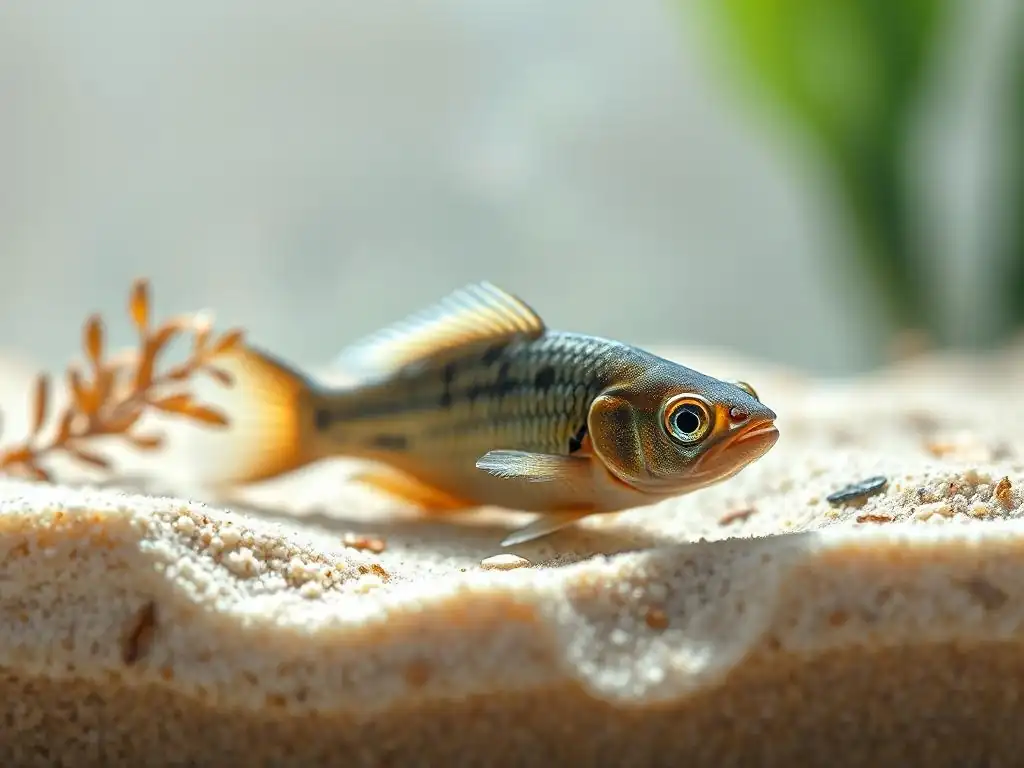
Regardless of the substrate type chosen, consistent maintenance is paramount for the health of your bottom-dwelling catfish. Regular partial water changes, typically 25-30% weekly, are essential to dilute nitrates and replenish essential minerals. This routine also provides the opportunity for substrate cleaning, which is critical to prevent the buildup of harmful organic waste.
For sand substrates, gently hover a gravel vacuum just above the surface to siphon off detritus without disturbing the sand too much. For gravel, a deeper vacuuming technique is required to penetrate the substrate and extract trapped waste. Bare bottom tanks simply require siphoning off any visible detritus. Consistent adherence to these practices ensures a clean environment and stable water parameters, vital for effective sand substrate catfish care or any other substrate type.
Controlling Algae Growth on Substrates
Algae growth on substrates can be a sign of excess nutrients (nitrates, phosphates) or excessive light duration/intensity. To control it, first address the root causes: reduce feeding frequency/amount, perform more frequent water changes, and adjust lighting schedules (e.g., 8-10 hours per day). Introducing live plants can also help by outcompeting algae for nutrients.
For direct control, manual removal during cleaning is effective. Algae-eating inhabitants like Otocinclus catfish or Nerite snails can also help graze on substrate algae, contributing to a cleaner tank. However, relying solely on these grazers without addressing the underlying causes of algae growth will likely be insufficient.
Avoiding Overfeeding and Waste Buildup
Overfeeding is arguably the single largest contributor to waste buildup in any aquarium, directly impacting substrate health. Excess food that goes uneaten quickly decomposes, adding to the organic load on the substrate and leading to elevated ammonia, nitrite, and nitrate levels. This can stress catfish and fuel unsightly algae growth.
To avoid this, feed your catfish only what they can consume within 2-3 minutes. For nocturnal species, feed just before lights out. Remove any uneaten food promptly after feeding. Using specialized sinking pellets or wafers designed for bottom-dwellers helps ensure food reaches them directly and minimizes floating waste. By being mindful of feeding habits, you significantly reduce the burden on your substrate and filtration system, promoting a healthier environment for your catfish.
Conclusion: The Ideal Substrate for Optimal Catfish Care and a Healthy Aquarium
Choosing the right substrate is a foundational decision in establishing a healthy and thriving aquarium for bottom-dwelling catfish. While various options exist, fine sand consistently emerges as the superior choice for the majority of species, particularly those that engage in natural sifting behaviors like Corydoras. Its soft texture protects delicate barbels, promotes natural foraging, and contributes significantly to the overall well-being of these fascinating fish, making sand substrate catfish care the preferred method for many aquarists.
Gravel, especially coarser varieties, generally poses risks of barbel damage and can lead to significant water quality issues due to trapped detritus, making it less ideal. Bare bottom tanks offer unparalleled ease of cleaning and water quality control, making them excellent for specific purposes like quarantine or breeding, but they often fall short in providing a natural and enriching environment for many catfish species. Ultimately, the best substrate is one that aligns with the specific needs of your catfish, supports their natural behaviors, and is diligently maintained to ensure a pristine and vibrant aquatic home.
Frequently Asked Questions
How does sand substrate benefit catfish in an aquarium?
Sand substrate allows catfish to exhibit natural foraging behaviors, such as sifting through the sand for food. It also helps to protect their delicate barbels from damage, as it's a softer surface than gravel.
What are the drawbacks of using gravel as a substrate for catfish?
Gravel can trap food and debris, leading to poor water quality if not properly maintained. Furthermore, sharp edges can injure a catfish's barbels, increasing their susceptibility to infection.
Is a bare bottom aquarium a suitable option for bottom-dwelling catfish?
While a bare bottom tank simplifies cleaning, it lacks the natural environment that catfish thrive in. It can also cause stress to some species, and some owners find it aesthetically unappealing.
What type of sand is best for a catfish aquarium, and why?
Fine-grained sand, such as aquarium-safe play sand or aragonite sand (for saltwater tanks), is generally recommended. Avoid coarse sand, as it can still have sharp edges that could injure your catfish.
How often should I clean sand substrate in a catfish aquarium?
Regularly vacuum the sand during water changes to remove accumulated waste and debris. A weekly water change of 25-50% is typically sufficient, but monitor water parameters to adjust as needed.
Final Reflection: The Ripple Effect of Informed Choices
The journey through substrate options for bottom-dwelling catfish, from the fine grains of sand to the stark simplicity of a bare bottom, ultimately underscores the profound impact of informed decision-making on the well-being of our aquatic companions. While the debate between sand, gravel, and bare bottom may seem niche, it highlights a broader truth: responsible fishkeeping hinges on understanding and catering to the specific needs of each species.
This exploration has not only illuminated the practical considerations of substrate choice but also its deeper influence on the overall aquarium ecosystem. The subtle nuances of a sand substrate, mimicking the natural habitats of many catfish species, can significantly impact their behavior, health, and longevity. The best aquarium is a balanced ecosystem, not just a pretty picture.
This quote reminds us that our choices extend beyond aesthetics, shaping the very lives of the creatures in our care.
As we conclude this exploration, I invite you to reflect on the power of knowledge and its ability to transform our interactions with the natural world. Consider how even seemingly small choices, like the substrate in an aquarium, can create a ripple effect, fostering a healthier, more enriching environment for the creatures we cherish. Embrace the responsibility of informed decision-making, and let your passion for fishkeeping become a testament to the profound connection we share with the aquatic realm.
Unearth Your Catfish's Dream Habitat!
Thank you for exploring the fascinating world of catfish substrates! We hope this article has provided you with valuable insights into creating the perfect environment for your bottom-dwelling friends. Now, it's time to put that knowledge into action and transform your aquarium.
- Critically assess your current substrate: Is it truly meeting the needs of your catfish, or is it time for an upgrade? Consider their digging behavior and barbels!
- Delve deeper: Research specific substrate needs of your particular catfish species.
- Share your success story (or cautionary tale!): What substrate has worked best (or worst) for your catfish, and why?