
Suckermouth Superstars: Your Complete Introduction to Pleco, Ancistrus & Otocinclus

Welcome to Aquarium Mastery, fellow aquarist!
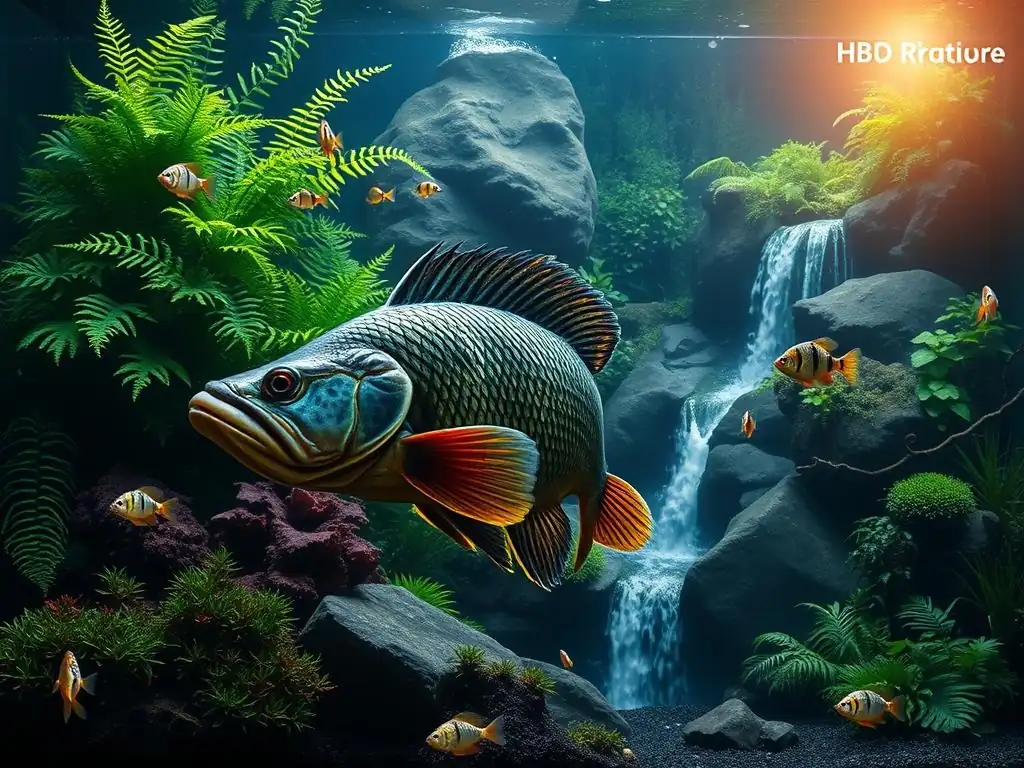
Ever been mesmerized by the silent, algae-eating champions of the aquarium? Get ready to dive deep into the world of Plecos, Ancistrus, and Otocinclus! This comprehensive guide unlocks the secrets to successful Pleco care, from choosing the right species to mastering their specific needs. Prepare to transform your freshwater tank into a thriving ecosystem where these suckermouth superstars truly shine. Intrigued? Let's explore!
- Understanding Suckermouth Catfish: A Pleco Care Maintenance Guide
- Pleco Care: Essential Guidelines for a Healthy Fish
- Ancistrus Care: The Bristlenose Pleco Guide
- Otocinclus Care: The Dwarf Algae Eater's Guide
- Comparing Plecos, Ancistrus, and Otocinclus: Choosing the Right Algae Eater
- Advanced Pleco Keeping: Beyond the Basics
- Troubleshooting Common Issues in Pleco, Ancistrus & Otocinclus
- Conclusion: Mastering Pleco, Ancistrus & Otocinclus Care for a Thriving Aquarium
-
Frequently Asked Questions
- How often should I clean my Pleco's tank according to the Pleco Care Maintenance Guide?
- What types of food should I feed my Pleco, as suggested in the Pleco Care Maintenance Guide?
- What are some common signs of illness in Plecos, as detailed in the Pleco Care Maintenance Guide?
- What size tank is recommended for a Pleco, according to the Pleco Care Maintenance Guide?
- How do I maintain proper water parameters for my Pleco, as outlined in the Pleco Care Maintenance Guide?
- Final Reflection: Appreciating the Silent Guardians
- Dive Deeper: Unleash Your Inner Aquarium Ace!
Understanding Suckermouth Catfish: A Pleco Care Maintenance Guide
What are Suckermouth Catfish? An Overview
Suckermouth catfish, primarily belonging to the Loricariidae family, are a diverse group of freshwater fish renowned for their unique ventral mouths adapted for clinging and grazing. This family encompasses over 700 described species, ranging from the widely recognized Common Pleco ( Hypostomus plecostomus) to the smaller, more specialized Otocinclus. Found predominantly in the fast-flowing rivers and tributaries of South America, particularly the Amazon basin, these fish exhibit a fascinating array of body shapes, coloration, and specialized dietary needs, often characterized by armored plates covering their bodies.
While commonly referred to as "algae eaters," their dietary requirements extend far beyond simple tank algae, a crucial point in effective Pleco care maintenance guide practices. Many species are omnivorous, consuming biofilm, detritus, and even small invertebrates in their natural habitats. Their unique suckermouth allows them to cling to rocks and driftwood in strong currents, a behavior often observed in home aquariums where they can be seen attached to glass or decor. Understanding their natural behaviors and needs is the first step in providing optimal suckermouth catfish care.
Why Choose Suckermouth Algae Eaters for Your Aquarium?
The primary appeal of suckermouth algae eaters, such as Plecos, Ancistrus, and Otocinclus, lies in their ability to control algae in an aquarium. Otocinclus, for instance, are highly effective at consuming soft green algae and diatoms, keeping the glass and plant leaves remarkably clean in smaller tanks (e.g., a group of six Otocinclus can significantly reduce soft algae in a 10-20 gallon planted aquarium). Bristlenose Plecos ( Ancistrus spp.) offer broader algae control, tackling tougher green algae and some types of hair algae, making them invaluable for tanks ranging from 20 to 75 gallons.
Beyond their practical benefits, these fish offer unique aesthetic and behavioral contributions to an aquarium. Their often striking patterns, from the intricate spots of a Gold Nugget Pleco ( Baryancistrus xanthellus) to the subtle camouflage of a Common Pleco, add visual interest. Observing their grazing habits, their nocturnal activity, or the territorial displays of a male Bristlenose Pleco can be highly engaging. When considering a Pleco care maintenance guide, it's important to remember that these are not just functional cleaners but complex, fascinating creatures deserving of proper attention and a suitable environment.
Pleco Care: Essential Guidelines for a Healthy Fish
Tank Setup for Plecos: Size, Substrate, and Decor
The correct tank setup is paramount for the long-term health and well-being of Plecos, directly influencing their growth, behavior, and lifespan. The most critical factor is tank size, which is highly dependent on the specific species. A Common Pleco ( Hypostomus plecostomus) can grow up to 18-24 inches (45-60 cm) and requires a minimum of 75-100 gallons, with larger tanks (125+ gallons) being preferable for adult specimens.
In contrast, a Bristlenose Pleco ( Ancistrus spp. ), typically reaching 4-6 inches (10-15 cm), can thrive in a 20-30 gallon aquarium. Otocinclus, at a diminutive 1.5-2 inches (3.8-5 cm), are suitable for 10-gallon tanks or larger, provided they are kept in groups.
Substrate choice for Plecos should prioritize their delicate barbels; fine sand or smooth, small gravel is ideal to prevent injury as they forage. Decor is equally vital: driftwood is essential for many Pleco species, particularly those from the Panaque genus like the Clown Pleco ( Panaque maccus), as it provides cellulose necessary for digestion.
Caves, made from ceramic, PVC pipes, or stacked rocks, offer crucial hiding spots and a sense of security, reducing stress. Strong filtration, often an external canister filter or a powerful hang-on-back filter, is necessary to handle the significant bioload of larger Plecos and maintain pristine water quality, a cornerstone of effective Pleco care.
Water Parameters: Maintaining Optimal Conditions for Plecos
Maintaining stable and appropriate water parameters is fundamental to a successful Pleco care maintenance guide. While specific requirements vary by species, most common Plecos, including Bristlenose and Common Plecos, thrive in temperatures between 74-82°F (23-28°C). A neutral to slightly acidic pH range of 6.5-7.5 is generally suitable, though some specialized species, such as the Zebra Pleco ( Hypancistrus zebra or L046), prefer a slightly more acidic environment, closer to pH 6.0-7.0. General hardness (GH) typically falls within 5-15 dGH. Consistency is often more important than hitting exact numbers; sudden fluctuations can cause severe stress.
Regular water changes are indispensable for keeping nitrates low (ideally below 20 ppm) and preventing the buildup of harmful toxins. A weekly water change of 25-30% is a good general guideline for most Pleco setups. High nitrate levels, ammonia, or nitrite spikes can quickly lead to health issues like fin rot or bacterial infections. Monitoring water parameters with a reliable test kit and performing routine maintenance are critical steps in ensuring the long-term health and vitality of your suckermouth catfish, directly impacting the success of your Pleco maintenance efforts.
Pleco Diet and Feeding: What to Feed Your Algae Eater
Despite their reputation as "algae eaters," a captive Pleco's diet should be much more varied than just tank algae. While many Pleco species are primarily herbivorous or detritivorous in nature, relying on plant matter, biofilm, and decaying organic material, some are omnivorous and even carnivorous. Relying solely on the algae naturally present in an aquarium will almost always lead to malnourishment, as the nutritional content and quantity of tank algae are insufficient for their needs. A high-quality sinking algae wafer or pellet should form the staple of their diet.
These specialized foods are formulated to provide the essential vitamins, minerals, and plant matter (often spirulina or kelp) that Plecos require. For larger species or those with a higher protein requirement, occasional offerings of sinking carnivore pellets or even small, thawed bloodworms can be beneficial. Feeding frequency typically ranges from daily for smaller, more active species to every other day for larger, more sedentary ones.
Always ensure that food reaches the bottom of the tank and is available to your Pleco, especially if you have faster-feeding tank mates. This comprehensive approach to feeding is a cornerstone of effective Pleco care.
Supplementing Algae with Blanched Vegetables and Algae Wafers
Supplementing your Pleco's diet with fresh, blanched vegetables is crucial for their health and is a vital component of any comprehensive Pleco care maintenance guide. Vegetables like zucchini, cucumber, romaine lettuce, spinach, and shelled peas are excellent choices. To prepare them, blanch the vegetables by boiling them for 1-2 minutes until slightly softened, then cool them rapidly in ice water.
This process breaks down cell walls, making them easier for the Pleco to consume and digest. You can secure the vegetables to the bottom of the tank using a veggie clip or a fork, ensuring they don't float away. Remove any uneaten portions after 12-24 hours to prevent water fouling.
In addition to fresh vegetables, high-quality spirulina flakes and specialized sinking algae wafers are indispensable. These products are designed to provide a concentrated source of the nutrients found in algae and other plant matter that might be scarce in a home aquarium. Look for wafers that list spirulina, kelp, or other plant-based ingredients as primary components. Offering these supplements 3-4 times a week, alongside their staple diet, ensures a balanced nutritional intake. Remember that while Plecos are excellent at consuming algae, a varied diet is key to preventing nutritional deficiencies and promoting vibrant health.
Common Pleco Diseases and Prevention: A Health Guide
Preventing diseases in Plecos, as with any aquarium fish, is far more effective than treating them. The cornerstone of disease prevention in Pleco care is maintaining consistently high water quality, providing a balanced diet, and ensuring a low-stress environment. However, even with the best care, Plecos can occasionally fall ill. Common ailments include Ich ( Ichthyophthirius multifiliis), a parasitic infection often triggered by stress or sudden temperature changes, characterized by white spots resembling salt grains on the body and fins.
Fin Rot, a bacterial infection causing frayed or deteriorating fins, is typically a result of poor water conditions or injury. Bloat, often dietary in origin, can cause a swollen abdomen and lethargy.
Should your Pleco exhibit signs of illness, prompt action is crucial. For Ich, a common first step involves slowly raising the tank temperature (if compatible with tank mates) and using aquarium salt or a commercially available Ich medication. Fin Rot often responds to improved water quality and broad-spectrum antibacterial treatments.
Bloat may require fasting the fish for a day or two, followed by feeding high-fiber foods like blanched peas. Always quarantine new fish for at least 2-4 weeks to prevent the introduction of pathogens into your main display tank. Regular observation of your Pleco's behavior, appetite, and physical appearance is vital for early detection and successful intervention, reinforcing the importance of a vigilant Pleco care maintenance guide.
Ancistrus Care: The Bristlenose Pleco Guide
Identifying Bristlenose Plecos: Characteristics and Varieties
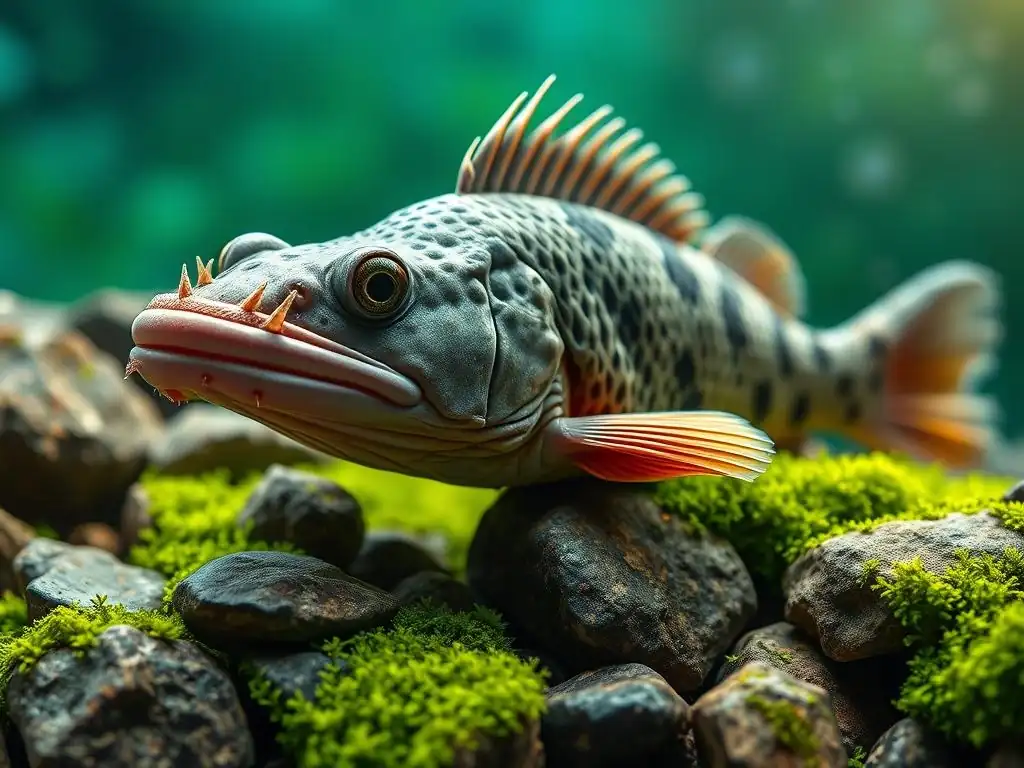
Bristlenose Plecos, scientifically known as Ancistrus species, are among the most popular and manageable suckermouth catfish for home aquariums, largely due to their moderate size and effective algae-eating capabilities. They typically grow to 4-6 inches (10-15 cm) in length, making them significantly smaller than the Common Pleco. Their most distinguishing feature, from which they derive their name, are the fleshy appendages or "bristles" (odontodes) that develop on the snout, particularly prominent and branched on mature males. Females may have smaller, less pronounced bristles, or none at all.
Beyond their unique morphology, Bristlenose Plecos come in a variety of captivating color morphs. The most common is the brown or albino form, but selective breeding has produced striking varieties such as the Super Red Bristlenose, with its vibrant orange-red coloration, and the Calico Bristlenose, displaying a mottled pattern of black, white, and orange. Their flattened body shape allows them to efficiently cling to surfaces, and their relatively peaceful temperament makes them an excellent addition to many community tanks, a key consideration in their dedicated Ancistrus care protocol.
Bristlenose Pleco Tank Mates: Compatibility Chart
Bristlenose Plecos are generally peaceful and make excellent tank mates for a wide variety of freshwater fish, fitting seamlessly into most community aquarium setups. Their docile nature and preference for dwelling on the bottom or clinging to decor mean they rarely bother other fish. Ideal tank mates include small to medium-sized schooling fish such as Neon Tetras, Cardinal Tetras, Harlequin Rasboras, and various species of Corydoras catfish. Livebearers like Guppies and Mollies, as well as peaceful dwarf cichlids such as German Blue Rams or Apistogrammas, are also typically compatible.
However, it's important to avoid highly aggressive or predatory fish that might view the Bristlenose as a food source or constantly harass them. Large, aggressive cichlids (e.g., certain African Cichlids or large South American Cichlids) are generally unsuitable. While Bristlenoses are mostly solitary or tolerant of their own kind, mature males can exhibit territorial behavior towards other males, especially in smaller tanks (under 30 gallons) or if adequate hiding spots are not provided. A general compatibility guideline for Bristlenose Pleco care would be:
- Highly Compatible: Tetras, Rasboras, Corydoras, peaceful Gouramis, peaceful Barbs (e.g., Cherry Barbs), Livebearers.
- Cautiously Compatible: Dwarf Cichlids (ensure plenty of space and hiding spots for both).
- Incompatible: Large, aggressive Cichlids, predatory fish, fin-nipping species (e.g., Tiger Barbs in some cases).
Breeding Bristlenose Plecos: A Step-by-Step Guide
Breeding Bristlenose Plecos in a home aquarium is a relatively straightforward and rewarding experience, making them a popular choice for aspiring breeders. The key requirements are a mature male and female, excellent water quality, and suitable breeding sites. Males are easily identified by their more pronounced bristles, particularly when mature. To encourage spawning, provide dedicated breeding caves, which can be ceramic Pleco caves, PVC pipes, or even hollow driftwood. Slightly cooler, softer water (e.g., 72-76°F or 22-24°C, pH 6.5-7.0) and increased water changes can often trigger spawning.
Once a pair is ready, the male will clean and guard a chosen cave. The female will then enter the cave and lay a clutch of 50-200 orange, sticky eggs. After fertilization, the female departs, and the male takes sole responsibility for guarding and fanning the eggs, ensuring proper oxygenation and removing any infertile eggs. The eggs typically hatch in 4-7 days, depending on temperature.
The fry, initially feeding on their yolk sacs, will emerge from the cave after another 3-7 days. At this stage, they are ready to feed on blanched vegetables (zucchini, cucumber), algae wafers, and specialized fry foods. Maintaining pristine water quality with frequent small water changes is crucial for fry survival, a detailed aspect of Ancistrus care.
Ancistrus Diet: Ensuring a Balanced Nutrition for Bristlenoses
While Bristlenose Plecos are renowned for their algae-eating prowess, relying solely on tank algae will not provide them with a complete and balanced diet. A comprehensive Bristlenose Pleco care regimen includes a varied diet that supports their growth, health, and vibrant coloration. The cornerstone of their diet should be high-quality sinking algae wafers or pellets, which are formulated to provide essential plant-based nutrients. These should be offered daily or every other day, ensuring they receive enough food, especially in tanks with competitive feeders.
Supplementation with fresh vegetables is crucial. Blanched zucchini, cucumber, spinach, and romaine lettuce are excellent choices, providing vital fiber and vitamins. These can be offered several times a week. Additionally, Bristlenoses benefit significantly from the presence of driftwood in their tank, as they rasp on it to aid digestion of cellulose. While primarily herbivorous, small amounts of protein can be beneficial, particularly for breeding adults and growing fry. Occasional offerings of bloodworms, brine shrimp, or high-quality omnivore pellets can supplement their diet, ensuring they receive all necessary macronutrients for optimal health and longevity.
Otocinclus Care: The Dwarf Algae Eater's Guide
Otocinclus Affinis: Understanding Their Needs
Otocinclus catfish, often referred to as "Otos" or "dwarf algae eaters," are small, peaceful suckermouth catfish, typically reaching only 1.5-2 inches (3.8-5 cm) in length. While Otocinclus affinis is the most commonly cited species, many Otos in the hobby are actually other closely related species like Otocinclus vittatus or Otocinclus macrospilus. Regardless of the exact species, their care requirements are largely similar. They are highly sought after for their efficiency in consuming soft green algae and diatoms, making them ideal for smaller, planted aquariums where larger Plecos would be unsuitable.
Unlike many other Plecos, Otocinclus are schooling fish and thrive when kept in groups of at least six individuals. This social structure provides them with a sense of security and encourages their natural behaviors. They are highly sensitive to water parameters and sudden changes, making them more delicate than Bristlenose or Common Plecos. Most Otocinclus in the hobby are wild-caught, which means they can be prone to stress and disease upon import. A gentle acclimation process, such as drip acclimation over several hours, is highly recommended to minimize shock and ensure successful Otocinclus care.
Setting Up a Suitable Otocinclus Tank: Planted Tank Preferences
Creating the right environment is crucial for the success of Otocinclus care. These dwarf algae eaters thrive in heavily planted aquariums that provide ample surface area for grazing and numerous hiding spots. Broad-leafed plants such as Anubias, Amazon Swords, and Cryptocorynes are excellent choices as they accumulate biofilm and soft algae, which Otos love to graze upon. A fine sand or smooth gravel substrate is preferred to protect their delicate mouths as they forage. Good water flow and oxygenation are also important, mimicking their natural fast-flowing river habitats.
Perhaps the most critical factor for Otocinclus tank setup is tank maturity. Otos primarily feed on the microscopic biofilm and soft algae that naturally develop in an established aquarium. Introducing them to a newly set up tank (less than 2-3 months old) often leads to starvation, as there isn't enough natural food available for them. It is highly recommended to wait until an aquarium is well-cycled and has developed a stable ecosystem with a healthy amount of biofilm before adding Otocinclus. This ensures a continuous food source and a stable environment, which are vital for their delicate nature.
Otocinclus Diet: Feeding and Supplementation Strategies
While Otocinclus are excellent algae eaters, relying solely on the natural algae in your tank is often insufficient, especially in well-maintained aquariums where algae growth might be minimal. A critical part of Otocinclus care is providing supplemental feeding. They readily accept blanched vegetables such as zucchini, cucumber, and spinach. These can be offered several times a week, secured to the bottom of the tank with a veggie clip. Ensure vegetables are removed after 12-24 hours to prevent water fouling.
In addition to fresh vegetables, high-quality sinking algae wafers or spirulina tabs specifically designed for bottom feeders are essential. These provide concentrated nutrients that might be lacking in their natural diet. Offer small pieces after the tank lights are out, as Otos are often more active and less shy feeders in the dark, reducing competition from other tank mates.
It's important to note that Otocinclus primarily target soft green algae and diatoms; they are generally ineffective against tougher types like green spot algae or black beard algae. Consistent and varied feeding is key to ensuring these small, active fish receive adequate nutrition.
Otocinclus Tank Mates: Peaceful Community Fish
Due to their small size and shy, peaceful nature, Otocinclus require very careful consideration when selecting tank mates. They thrive in peaceful community aquariums with other non-aggressive, small fish that will not outcompete them for food or stress them. Ideal tank mates include various species of small tetras, such as Ember Tetras, Chili Rasboras, and Neon Tetras. Other excellent choices are micro rasboras, Celestial Pearl Danios, and Corydoras catfish. These fish share similar water parameter preferences and won't intimidate the delicate Otocinclus.
It is absolutely crucial to avoid any large, aggressive, or predatory fish that might view Otocinclus as a food source. This includes most larger cichlids, aggressive barbs, or even larger gouramis. Even seemingly benign fish that are significantly larger than Otos can stress them out or outcompete them for food. When establishing an Otocinclus tank, prioritize fish that are known for their calm temperament and small size to ensure the Otos feel secure and can access their food without undue competition or fear. This careful selection of companions is a vital aspect of successful Otocinclus care.
Comparing Plecos, Ancistrus, and Otocinclus: Choosing the Right Algae Eater
Size Comparison: Which Suckermouth Catfish Fits Your Tank?
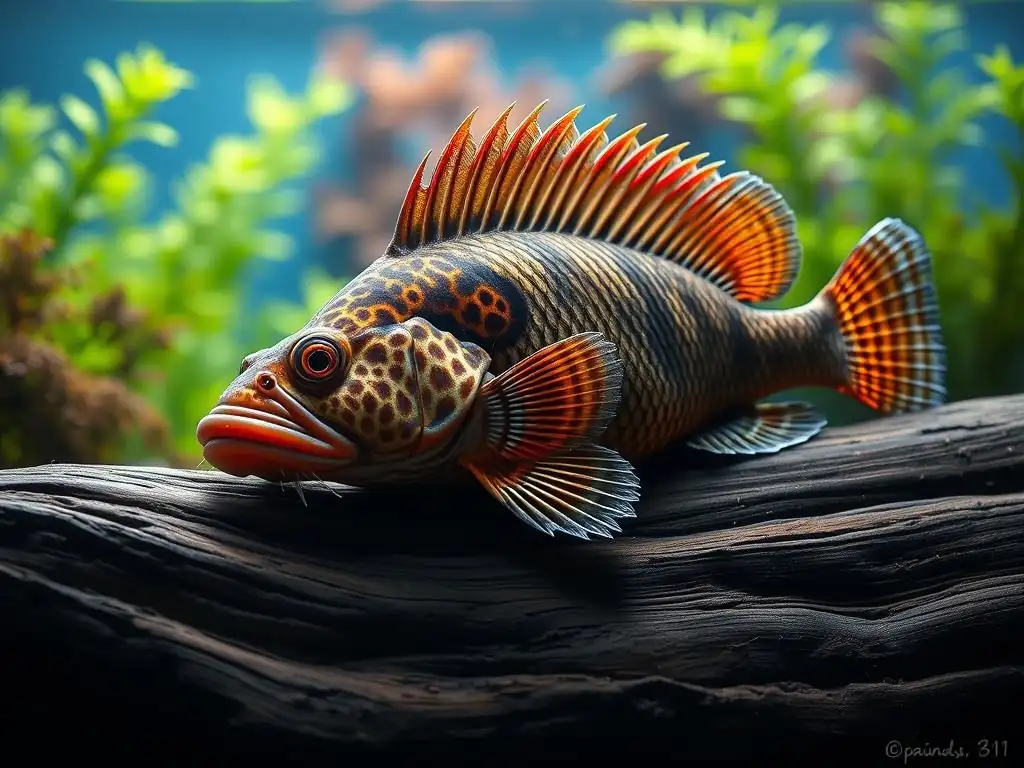
Choosing the right suckermouth catfish for your aquarium primarily hinges on its adult size and the capacity of your tank. This is perhaps the most critical factor in a Pleco care maintenance guide. Otocinclus are the smallest, typically reaching 1.5-2 inches (3.8-5 cm). Their diminutive size makes them perfect for nano tanks or standard 10-20 gallon aquariums, especially when kept in their recommended groups of six or more.
Bristlenose Plecos ( Ancistrus spp.) are a medium-sized option, growing to 4-6 inches (10-15 cm). They are well-suited for 20-30 gallon tanks and larger, offering significant algae control without overwhelming the space.
In stark contrast, many species commonly sold as "Common Plecos" ( Hypostomus plecostomus, Pterygoplichthys pardalis, etc.) can attain lengths of 18-24 inches (45-60 cm) or more. These giants are simply too large for most home aquariums, which are typically under 75 gallons.
A single adult Common Pleco requires a minimum of 75-100 gallons, with 125+ gallons being more appropriate for their long-term health and mobility. The myth that fish "grow to the size of their tank" is false and leads to stunted, unhealthy fish. Therefore, accurately assessing the adult size of your chosen species and matching it to an appropriately sized aquarium is paramount for responsible suckermouth catfish care.
Algae Eating Efficiency: A Comparison of Algae Control
While all three groups are known for their algae-eating capabilities, their efficiency and the types of algae they consume vary significantly, impacting their suitability for specific algae control needs. Otocinclus are highly effective at consuming soft green algae and diatoms (brown algae) from plant leaves and glass surfaces. They are excellent for keeping a planted tank pristine but do not typically tackle tougher algae types like green spot algae or black beard algae. Their small size means they are best for light to moderate algae issues in smaller tanks.
Bristlenose Plecos ( Ancistrus spp.) offer a more robust algae control solution. They are voracious eaters of a wider variety of algae, including soft green algae, diatoms, and some tougher forms like green spot algae, and they will also rasp on driftwood. Their larger size allows them to cover more ground and consume more algae than Otos, making them highly effective for tanks ranging from 20 to 75 gallons.
Large Plecos, such as the Common Pleco, are excellent algae eaters when young. However, as they mature, they tend to prefer prepared foods, and their algae consumption often decreases. Furthermore, their sheer size and waste production can outweigh their algae-eating benefits in most home aquariums. For effective algae eater care, consider the specific algae problem and tank size.
Temperament and Compatibility: Understanding Their Behavior
Understanding the temperament and compatibility of Plecos, Ancistrus, and Otocinclus is crucial for maintaining a peaceful and healthy community aquarium. Otocinclus are inherently shy, peaceful, and schooling fish. They thrive in groups and require equally peaceful, small tank mates to feel secure and prevent them from being outcompeted for food. They are easily stressed by aggressive or boisterous fish.
Bristlenose Plecos are generally peaceful and make excellent community fish. They are primarily solitary or tolerant of other Bristlenoses, though males can become territorial with each other, especially during breeding or in smaller tanks. They typically ignore other tank inhabitants, focusing on grazing.
In contrast, larger Pleco species, like the Common Pleco, can exhibit significant behavioral changes as they mature. While often peaceful when young, adult Common Plecos can become highly destructive, uprooting plants, rearranging decor, and even consuming smaller fish or nipping the fins of slow-moving tank mates. This behavioral shift underscores the importance of species-specific research for a comprehensive Pleco care maintenance guide.
Advanced Pleco Keeping: Beyond the Basics
Dealing with Aggressive Plecos: Solutions and Strategies
While many Pleco species are peaceful, aggression can occasionally manifest, particularly in larger varieties like the Common Pleco or certain Pterygoplichthys species. Aggression often stems from territoriality, insufficient hiding spots, or competition for food. Signs of aggression can include chasing, fin nipping, or direct attacks on other tank inhabitants, particularly slow-moving or bottom-dwelling fish. This behavior is a clear indication that the current Pleco care strategy needs adjustment.
The primary solutions involve addressing the root causes. Firstly, ensure the tank size is adequate for the Pleco's adult size; an undersized tank is a major stressor. Secondly, provide ample hiding spots and visual breaks within the aquarium.
Caves, driftwood, and dense planting can help define territories and reduce encounters. Thirdly, ensure the Pleco is receiving enough food, offered after lights out if necessary, to prevent competition with other fish. If aggression persists and poses a threat to other tank mates, rehoming the Pleco to a larger, more suitable environment or a dedicated species tank may be the only long-term solution.
Long-Term Pleco Care: Ensuring a Healthy Lifespan
Many Pleco species are long-lived fish, making long-term Pleco care maintenance guide practices essential. Common Plecos ( Hypostomus plecostomus) can live for 10-15 years or even longer in ideal conditions, while Bristlenose Plecos typically have a lifespan of 5-8 years. Otocinclus, though more delicate, can live for 3-5 years if their specific needs are met consistently. Achieving these lifespans hinges on unwavering commitment to optimal husbandry.
Key factors for longevity include maintaining consistently stable water parameters, which means regular water testing and routine water changes (e.g., 25-30% weekly). Providing a varied and appropriate diet, tailored to the specific species' omnivorous or herbivorous needs, prevents nutritional deficiencies. Sufficient tank size is paramount to prevent stunting and stress, allowing the fish to grow to its natural potential.
Proactive disease prevention through excellent hygiene, quarantine for new fish, and minimizing stressors are also crucial. Regular observation for subtle changes in behavior or appearance allows for early intervention, significantly contributing to a long and healthy life for your suckermouth superstar.
Choosing the Right Pleco Species for Your Aquarium: Recommendations Based on Tank Size
Selecting the appropriate Pleco species based on your aquarium's size is the most critical decision for successful Pleco care. Misguided choices often lead to stunted, stressed fish and compromised aquarium ecosystems. For smaller tanks, specifically those under 20 gallons, Otocinclus catfish are the ideal choice due to their diminutive size (1.5-2 inches). They are best kept in groups of six or more and thrive in heavily planted setups.
For tanks ranging from 20 to 50 gallons, Bristlenose Plecos ( Ancistrus spp. ), reaching 4-6 inches, are an excellent fit. Their efficient algae eating and manageable size make them perfect for medium-sized community aquariums.
For larger aquariums, typically 75 gallons and above, a greater variety of Pleco species becomes available. Examples include the Gold Nugget Pleco ( Baryancistrus xanthellus, reaching 8-10 inches), which is stunning but requires excellent water quality and a diverse diet, or the Clown Pleco ( Panaque maccus, 4-5 inches), which is smaller but necessitates plenty of driftwood for digestion. It is crucial to research the adult size and specific needs of any Pleco species before purchase, as many commonly available "Plecos" will quickly outgrow tanks smaller than 100 gallons.
Troubleshooting Common Issues in Pleco, Ancistrus & Otocinclus
Algae Overgrowth: Identifying the Cause and Solutions
Even with dedicated algae eaters like Plecos, Ancistrus, and Otocinclus, algae overgrowth can still occur, indicating an underlying imbalance in the aquarium ecosystem. The most common causes are excessive lighting (too long duration or too intense), overfeeding, and high levels of nitrates and phosphates in the water. While suckermouth catfish are excellent at grazing, they are not a substitute for proper husbandry; they help manage algae, but they don't eliminate the root cause of its proliferation.
To address algae overgrowth, start by reducing the light duration to 8-10 hours per day. Evaluate your feeding habits and reduce the amount of food given, ensuring all food is consumed within a few minutes. Perform more frequent and larger water changes (e.g., 50% weekly) to significantly lower nutrient levels.
Introducing more live plants can also help, as they compete with algae for nutrients. Manual removal of algae from glass and decor is also necessary to get the situation under control. A holistic approach to Pleco care maintenance guide involves addressing the environmental factors contributing to algae growth, not just relying on the fish to clean it.
Pleco Not Eating: Potential Reasons and Remedies
A Pleco that is not eating is a significant concern and often an early indicator of stress or illness, requiring immediate attention as part of your Pleco care routine. Several factors can contribute to a loss of appetite. Stress, often caused by poor water quality (high ammonia, nitrite, or nitrate), inadequate tank size, or aggressive tank mates, can lead to a Pleco refusing food.
Illnesses, such as internal parasites, bacterial infections, or bloat, will also cause a cessation of feeding. Lastly, competition from faster-feeding tank mates might mean the Pleco isn't getting enough food, especially if food is offered only during daytime.
To remedy a Pleco not eating, begin by testing all water parameters (ammonia, nitrite, nitrate, pH, temperature) and performing a partial water change if any parameters are off. Ensure the tank provides sufficient hiding spots and that there are no overtly aggressive tank mates. Try offering a variety of appropriate foods, including blanched vegetables and sinking algae wafers, after the lights have been turned off for the night, allowing the Pleco to feed without competition. If other symptoms like lethargy, clamped fins, or unusual spots appear, consider appropriate disease treatment based on the observed symptoms.
Cloudy Water: Maintaining Water Quality for Suckermouth Catfish
Cloudy water in an aquarium is a common issue that directly impacts the health of suckermouth catfish and is a clear sign that water quality needs attention within your Pleco care maintenance guide. The cloudiness can often be attributed to a bacterial bloom, which frequently occurs in newly set up tanks ("new tank syndrome") or in established tanks due to overfeeding or insufficient filtration. Suspended particles from stirring the substrate or inadequate mechanical filtration can also cause cloudiness. Regardless of the cause, cloudy water indicates deteriorating conditions that can stress fish and lead to health problems.
To resolve cloudy water, the first step is to perform a significant water change, typically 30-50%, to dilute pollutants. Reduce feeding immediately; overfeeding is a primary cause of bacterial blooms. Ensure your filtration system is clean and adequately sized for your tank's bioload. Clean filter media if it's clogged, but avoid over-cleaning biological media as it houses beneficial bacteria.
Test your water parameters (ammonia, nitrite, nitrate) to confirm the cause. In new tanks, allow the nitrogen cycle to establish naturally. Consistent water changes, proper feeding, and effective filtration are the pillars of maintaining clear, healthy water for your suckermouth catfish.
Conclusion: Mastering Pleco, Ancistrus & Otocinclus Care for a Thriving Aquarium
Mastering the Pleco care maintenance guide for these fascinating suckermouth superstars — Plecos, Ancistrus, and Otocinclus — is a journey that rewards aquarists with vibrant, healthy fish and cleaner tanks. From selecting the right species for your tank size to providing a tailored diet and maintaining impeccable water quality, each aspect of their care is crucial for their long-term well-being.
Otocinclus bring delicate algae control to smaller, planted setups, while Bristlenose Plecos offer robust cleaning and charming personalities for medium-sized aquariums. For those with truly massive tanks, certain larger Pleco species can become magnificent, long-lived inhabitants, provided their immense needs are met.
Beyond their practical benefits as algae eaters, these diverse catfish offer unique behaviors and aesthetic appeal that enrich any freshwater aquarium. By adhering to species-specific requirements for tank setup, water parameters, and diet, and by proactively troubleshooting common issues, you can ensure your suckermouth catfish not only survive but truly thrive. This dedication to comprehensive suckermouth catfish care transforms them from mere tank cleaners into cherished and captivating members of your aquatic community, contributing to a balanced and beautiful underwater world.
Frequently Asked Questions
How often should I clean my Pleco's tank according to the Pleco Care Maintenance Guide?
The Pleco Care Maintenance Guide on AquariumMastery.com recommends regular water changes of about 25-50% every 2-4 weeks, depending on the bioload and tank size. Ensure you gravel vacuum during water changes to remove debris.
What types of food should I feed my Pleco, as suggested in the Pleco Care Maintenance Guide?
The guide emphasizes a varied diet including algae wafers, vegetables (like zucchini and cucumber), and occasional protein-rich foods (like bloodworms) to supplement their algae consumption.
What are some common signs of illness in Plecos, as detailed in the Pleco Care Maintenance Guide?
The Pleco Care Maintenance Guide highlights signs such as lethargy, loss of appetite, bloating, and white spots as potential indicators of illness that require immediate attention.
What size tank is recommended for a Pleco, according to the Pleco Care Maintenance Guide?
Tank size depends on the Pleco species. The guide stresses researching your specific Pleco's adult size and providing a tank that accommodates its growth, often requiring larger tanks for common species.
How do I maintain proper water parameters for my Pleco, as outlined in the Pleco Care Maintenance Guide?
The Pleco Care Maintenance Guide advises maintaining stable water parameters, including a pH between 6.5-7.5, consistent temperature, and zero ammonia and nitrite levels, through regular testing and water changes.
Okay, here's a final reflection designed to close your "Suckermouth Superstars" article, optimized for emotional connection and a lasting impression, while also subtly reinforcing the SEO target:
Final Reflection: Appreciating the Silent Guardians
The world of aquariums is often dominated by brightly colored, actively swimming fish, but as we've explored, the unsung heroes of tank maintenance are the plecos, ancistrus, and otocinclus. Their tireless work in algae control and detritus removal is not just about aesthetics; it's about creating a thriving, balanced ecosystem for all your aquatic inhabitants, a responsibility that deserves our respect and understanding.
These often-overlooked creatures have profoundly influenced the way we approach aquarium keeping. Understanding their specific needs, as detailed in this guide, is crucial for their well-being and the overall health of our tanks. The greatness of a nation and its moral progress can be judged by the way its animals are treated.
- Mahatma Gandhi. This quote, though not specifically about fish, resonates deeply with the responsibility we have as aquarists to provide the best possible care for every creature under our charge, including these silent superstars.
As you embark on, or continue, your journey in aquarium keeping, remember the lessons learned about pleco care maintenance, and the specific needs of ancistrus and otocinclus. Let this guide serve as a foundation for responsible and compassionate fishkeeping. Take the time to observe, learn, and adapt your practices to ensure these fascinating creatures not only survive but thrive, enriching your aquarium and reminding us of the delicate balance of nature.
Dive Deeper: Unleash Your Inner Aquarium Ace!
Thank you for exploring the fascinating world of plecos, ancistrus, and otocinclus with us! Now that you're equipped with the knowledge to care for these amazing algae eaters, it's time to put your skills to the test and create the ultimate thriving aquarium.
Here's how you can continue your journey:
- Take the plunge! Introduce a carefully selected pleco, ancistrus, or otocinclus (or a combination!) into your well-established aquarium and watch them transform your tank. Remember to prioritize their specific needs and tankmate compatibility.
- Explore unconventional feeding strategies! Try offering your algae eaters a slice of blanched zucchini tied to a rock – you might be surprised at their enthusiasm!
- Share your success (and challenges!)! Join our Aquarium Mastery community forums and discuss your experiences with these captivating creatures. Your insights can help other aquarists navigate the intricacies of pleco, ancistrus, and otocinclus care.
What unexpected behavior have you observed in your algae eaters, and how has it changed your approach to tank maintenance?