
Mastering Danio Care: Your Essential Guide to Thriving Schools

Welcome to Aquarium Mastery!
Ever wondered how to unlock the secrets to a truly thriving Danio school? Get ready to dive deep! Our meticulously crafted Danio care guide unveils everything you need to know, from optimal tank conditions to ensuring vibrant colors and playful behavior. Ready to create a Danio paradise? Let's begin!
- Understanding Danio Fish: An Introduction to Their Charm
- Essential Danio Care Guide Tips for Beginners
- Danio Diet and Feeding: Ensuring Optimal Nutrition
- Danio Tank Mates: Choosing Compatible Companions
- Danio Behavior and Schooling: Understanding Their Social Dynamics
- Danio Breeding: A Step-by-Step Guide
- Common Danio Diseases and Health Problems
- Troubleshooting Common Danio Care Issues
- Advanced Danio Care Techniques
- Conclusion: Ensuring a Long and Happy Life for Your Danios
- Frequently Asked Questions
- Final Reflection: Cultivating Vibrant Aquatic Harmony
- Ignite Your Danio Dreams: Start Your Thriving School Today!
Understanding Danio Fish: An Introduction to Their Charm
The Allure of Danios: Why They're Popular Aquarium Fish
Danios are a beloved choice for both novice and experienced aquarists, primarily due to their remarkable hardiness and active, engaging behavior. Species like the popular Zebra Danio ( Danio rerio) are renowned for their ability to adapt to a range of water conditions, making them incredibly forgiving for those new to the hobby. Their constant, energetic swimming adds dynamic movement to any aquarium, and their strong schooling instinct creates a visually captivating display as they move in unison.
Beyond their resilience, Danios possess a charming combination of small size and vibrant coloration, fitting comfortably into many home aquariums. While most common Danios typically reach lengths of 1.5 to 2.5 inches, their slender bodies allow for a higher density in a tank compared to bulkier fish, provided adequate swimming space. With proper Danio care, these fish can live for an impressive 2 to 5 years, offering long-term enjoyment and becoming a staple in a well-maintained freshwater setup.
Different Danio Species: Identifying Popular Varieties
The Zebra Danio ( Danio rerio) stands as the quintessential Danio, instantly recognizable by its distinctive horizontal stripes of iridescent blue and gold. This species is not only a staple in the aquarium trade but also a significant model organism in scientific research, particularly in developmental biology and genetics, due to its rapid breeding cycle and transparent embryos. Its widespread availability and ease of care make it a foundational choice for anyone seeking Danio care guide tips.
While the Zebra Danio is king, the Danio family encompasses a fascinating array of species, each with unique characteristics. The Leopard Danio, for instance, is a spotted morph of D. rerio, offering a different pattern while retaining the same robust nature. For those seeking something smaller and more delicate, the Celestial Pearl Danio ( Danio margaritatus), often called "Galaxy Rasbora," dazzles with its pearl-like spots and orange fins, though it prefers slightly different conditions. On the larger end, the Giant Danio ( Devario aequipinnatus) can reach up to 4-5 inches, requiring more spacious tanks and presenting a more imposing presence in the aquarium. Understanding these variations is key to precise Danio care.
Danio Natural Habitat: Understanding Their Native Environment
Danios originate predominantly from various regions across South Asia, including countries such as India, Bangladesh, Nepal, and Myanmar. Their natural habitats are incredibly diverse, ranging from slow-moving streams and clear rivers to murky ponds, canals, and even temporary rice paddies during monsoon seasons. This adaptability to different water conditions in the wild contributes significantly to their resilience in home aquariums, making them a hardy subject for any Danio care guide.
In these native environments, Danios typically encounter water that is relatively warm, with temperatures generally fluctuating between 20°C and 27°C (68°F and 80°F). The pH levels tend to be slightly acidic to neutral, falling within a range of 6.0 to 7.5, and the water hardness can vary from soft to moderately hard, often between 5 and 19 dGH. Replicating these conditions as closely as possible in a home aquarium is a fundamental Danio care guide tip, ensuring the fish thrive by mimicking their evolutionary environment.
Essential Danio Care Guide Tips for Beginners
Setting Up the Ideal Danio Tank Environment
Choosing the Right Tank Size for Your Danio School
For a healthy and thriving school of Danios, tank size is a critical consideration. While a small group of 6-8 Zebra Danios can technically survive in a 10-gallon aquarium, a minimum of 20 gallons is highly recommended to provide ample swimming space for these active fish and to maintain more stable water parameters. Larger tanks, such as 30 or 40 gallons, are even better, especially if you plan to keep a larger school of 10-15 individuals or include other compatible tank mates.
When considering tank size, remember that Danios are incredibly energetic swimmers that utilize the entire water column. For larger species like Giant Danios, a tank of at least 30-50 gallons is essential to accommodate their greater length and vigorous activity. A good rule of thumb for Danio care is to allocate at least 2 gallons of water per individual Danio, ensuring they have enough room to dart and school without feeling cramped, which can lead to stress and aggression.
Optimal Water Parameters for Danio Health and Wellbeing
Maintaining stable and appropriate water parameters is paramount for the long-term health of your Danios. The ideal temperature range for most common Danio species is between 20°C and 27°C (68°F and 80°F). While they are tolerant, sudden fluctuations should be avoided. The pH level should be kept in a slightly acidic to neutral range, typically between 6.0 and 7.5, and water hardness should be soft to moderately hard, around 5-19 dGH. Consistency in these parameters is more important than hitting an exact number.
Crucially, ammonia and nitrite levels must always be at zero, as even small concentrations can be highly toxic to fish. Nitrate levels should be kept low, ideally below 20 parts per million (ppm), through regular water changes and efficient filtration. Establishing a fully cycled aquarium before introducing Danios is a non-negotiable Danio care guide tip, as it ensures the beneficial bacteria necessary for processing fish waste are present. Regular testing of these parameters is essential for proactive Danio care.
Substrate and Decoration: Creating a Natural Danio Habitat
The choice of substrate can significantly impact the well-being of your Danios. A fine gravel or sand substrate is generally recommended, as it is gentle on their delicate barbels, which they use for foraging. A darker substrate can also help to bring out the vibrant colors of your Danios, making them appear more striking and natural. Avoid coarse or sharp gravel that could injure them during their active swimming or foraging behaviors.
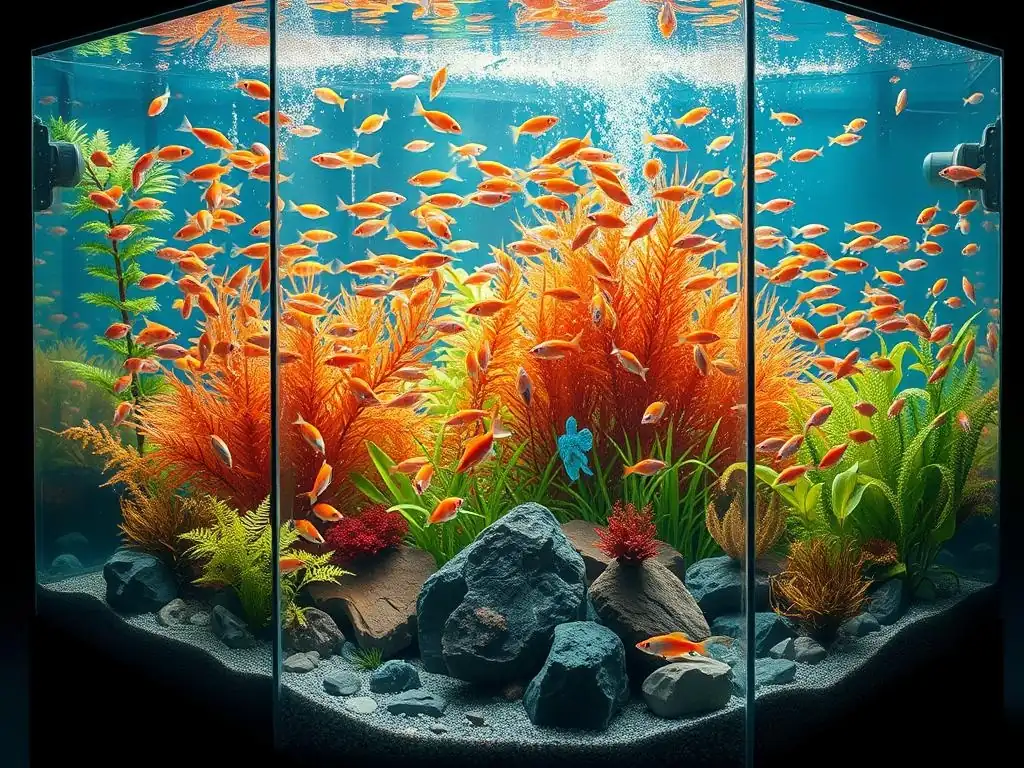
Decorations should aim to provide a balance between open swimming areas and ample hiding spots. Live plants, such as Java Fern, Anubias, or various stem plants, are excellent choices as they offer cover, reduce nitrates, and contribute to a more natural environment. Rocks, driftwood, and artificial decorations can also be used to create visual breaks and territories, though ensure they have no sharp edges. Providing a diverse aquascape enhances their natural behavior and reduces stress, making it a key aspect of optimal Danio care.
Maintaining a Healthy Aquarium for Your Danios
Regular Water Changes: The Key to Pristine Water Quality
Regular water changes are arguably the most important aspect of maintaining a healthy Danio aquarium and are foundational to any effective Danio care guide. Over time, fish waste, uneaten food, and decaying plant matter break down, leading to an accumulation of nitrates and other dissolved organic compounds that can become toxic. Performing a weekly water change of 25-30% of the tank volume effectively removes these pollutants and replenishes essential minerals that fish utilize.
When conducting water changes, it is crucial to use a gravel vacuum to siphon out debris from the substrate, which helps prevent the build-up of harmful substances. Always ensure that the new water is dechlorinated to remove chlorine and chloramines, which are lethal to fish, and that its temperature closely matches that of the aquarium water to prevent temperature shock. Consistent adherence to this routine will significantly reduce stress on your Danios and prevent common health issues.
Filtration and Aeration: Ensuring a Thriving Danio Ecosystem
Effective filtration is vital for maintaining crystal-clear water and a healthy environment for your Danios. A good filter system provides mechanical filtration to remove particulate matter, chemical filtration to absorb toxins and odors, and most importantly, biological filtration, where beneficial bacteria convert harmful ammonia and nitrite into less toxic nitrates. Hang-on-back (HOB) filters, sponge filters, or canister filters are all suitable, depending on tank size, and should be appropriately sized for the tank's volume.
Beyond filtration, adequate aeration is essential for Danios, given their active nature. Filters often provide some surface agitation, which facilitates gas exchange, but an additional air pump with an air stone can significantly increase dissolved oxygen levels in the water. High oxygen levels are crucial for the metabolic processes of active fish like Danios, promoting vitality and overall health. Ensuring both robust filtration and strong aeration are key Danio care guide tips for a thriving ecosystem.
Monitoring Water Chemistry: Testing for Ammonia, Nitrite, and Nitrate
Regularly monitoring your aquarium's water chemistry is a proactive measure that can prevent serious health problems for your Danios. Using a reliable liquid-based test kit (which provides more accurate readings than test strips) to check for ammonia, nitrite, and nitrate levels is highly recommended. Ammonia and nitrite should always read zero, indicating a fully cycled and healthy biological filter. Nitrate levels should be kept below 20 ppm; higher readings signal the need for more frequent or larger water changes.
Beyond these primary nitrogen cycle compounds, it's also beneficial to periodically check pH and water hardness to ensure they remain within the optimal ranges for Danios (pH 6.0-7.5, GH 5-19 dGH). Sudden fluctuations in these parameters can cause significant stress. Consistent monitoring allows you to identify and address potential issues before they escalate into health crises, making it an indispensable Danio care guide tip for long-term success.
Danio Diet and Feeding: Ensuring Optimal Nutrition
What Do Danios Eat? A Comprehensive Feeding Guide
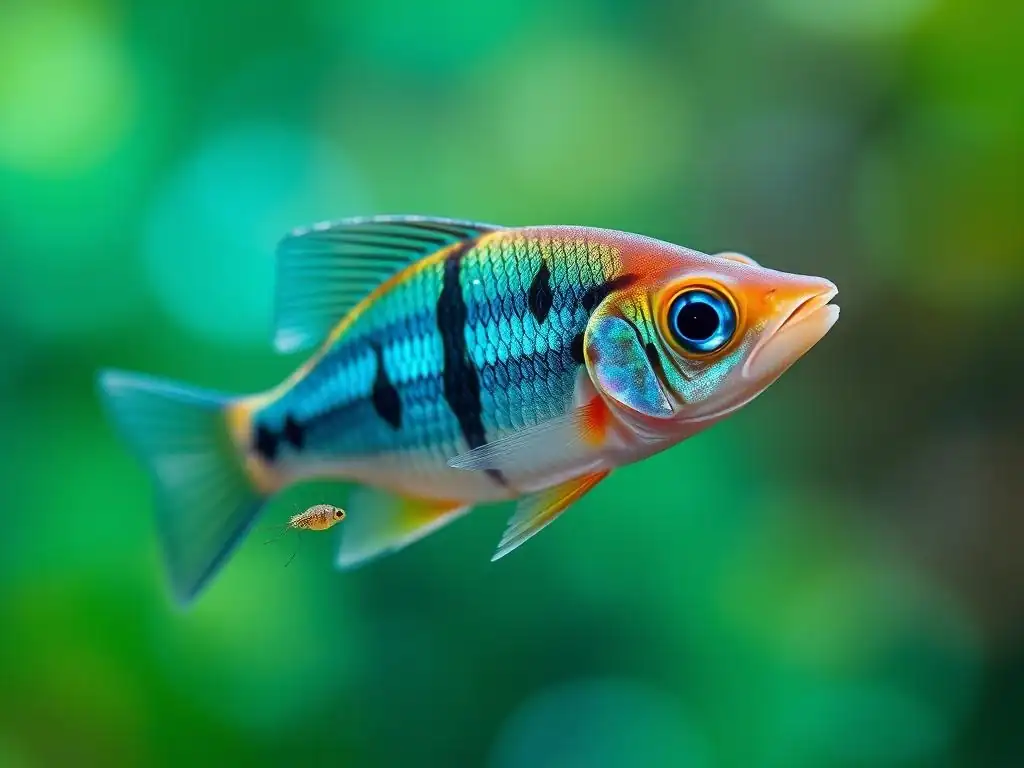
Danios are omnivores, meaning their natural diet in the wild consists of both plant matter and small invertebrates. In their native habitats, they typically feed on small insects, larvae, tiny crustaceans, and some algae or decaying plant material. This varied natural diet highlights the importance of providing a diverse nutritional intake in the aquarium to ensure their optimal health, vibrant coloration, and strong immune system.
To replicate their natural feeding habits and provide comprehensive nutrition, a balanced diet is crucial. Simply feeding a single type of food will not provide all the necessary vitamins and minerals. A varied diet helps prevent nutritional deficiencies and keeps the fish engaged. This commitment to diverse feeding is a foundational Danio care guide tip for promoting the longevity and vitality of your school.
Recommended Danio Food Types: Flakes, Pellets, and Live Foods
A high-quality flake food should serve as the staple of your Danios' diet, providing a broad spectrum of nutrients. Look for flakes specifically formulated for tropical omnivores, which often contain spirulina for plant matter and fish meal for protein. For larger Danio species, or as an alternative, small sinking pellets can also be offered, ensuring that all fish, including shyer individuals, get their share.
To supplement their primary diet and provide essential enrichment, incorporate live or frozen foods 2-3 times per week. Excellent choices include brine shrimp, daphnia, and bloodworms, which are rich in protein and stimulate their natural hunting instincts. For very small species like Celestial Pearl Danios, micro-worms or infusoria cultures may be necessary, especially for fry. Offering a rotation of these different food types ensures a complete and balanced diet, a key element of advanced Danio care.
Feeding Frequency and Portion Control for Healthy Danios
Danios have relatively fast metabolisms and are active fish, making consistent feeding important. It is generally recommended to feed your Danios 1-2 times per day. The most critical aspect of feeding is portion control: only offer an amount of food that your entire school can consume within 2-3 minutes. Any uneaten food left in the tank will quickly decompose, leading to a dangerous spike in ammonia and nitrite levels, compromising water quality.
Overfeeding is a common mistake that can lead to a host of problems beyond just water quality issues. It can cause digestive problems in the fish, leading to bloating and other internal ailments, and contributes to excessive algae growth in the tank. Slightly underfeeding is always preferable to overfeeding, as it encourages Danios to forage naturally and keeps the tank cleaner. Adhering to strict portion control is a crucial Danio care guide tip for maintaining a healthy and stable aquarium environment.
Danio Tank Mates: Choosing Compatible Companions
Best Tank Mates for Danios: Peaceful and Active Species
When selecting tank mates for your Danios, compatibility in temperament and activity level is paramount. Danios are peaceful, active schooling fish, and they thrive alongside other species that share similar characteristics without being overly aggressive or timid. Excellent choices include other small, peaceful schooling fish such as Rasboras (e.g., Harlequin Rasboras), various Tetra species (e.g., Neon Tetras, Ember Tetras), and other small Cyprinids. These fish will typically occupy the mid-to-upper levels of the tank, complementing the Danios without direct competition for space.
For the lower levels of the aquarium, peaceful bottom dwellers make ideal companions. Corydoras catfish, known for their peaceful demeanor and distinctive scavenging behavior, are perfect examples. Otocinclus catfish are also excellent choices, as they are small, peaceful algae eaters. These bottom dwellers will not interfere with the active swimming of Danios and often contribute to keeping the substrate clean. Ensuring compatible tank mates is a key aspect of comprehensive Danio care guide tips.
Fish to Avoid: Incompatible Tank Mates for Danios
While Danios are generally adaptable, certain fish species should be avoided as tank mates due to potential aggression, vastly different environmental needs, or the risk of predation. Aggressive or fin-nipping fish, such as some larger Barb species (e.g., Tiger Barbs, unless in a very large school of their own) or certain Cichlids, can stress or injure Danios, leading to clamped fins, disease, or even death. Their fast-moving nature can also annoy slower, more placid fish.
Furthermore, very large predatory fish should never be housed with Danios, as they will view Danios as food. Conversely, extremely large or slow-moving fish, even if peaceful, might become stressed by the constant, rapid activity of a Danio school. Examples of fish to avoid include Angelfish (which can be nippy and predatory towards small fish), most Gourami species (can be territorial), and Goldfish (require vastly different water temperatures and produce too much waste). Careful selection of tank mates is a vital Danio care guide tip for a harmonious community.
Considering Invertebrates: Shrimp and Snails with Danios
The compatibility of Danios with invertebrates like snails and shrimp is a common query in Danio care guides. Snails, such as Nerite snails, Mystery snails, or Ramshorn snails, are generally excellent tank mates for Danios. They are peaceful, occupy a different niche in the aquarium by cleaning algae and consuming detritus, and are typically too large for Danios to bother. They contribute positively to the tank's ecosystem without posing a threat to the fish.
Shrimp compatibility is a bit more nuanced. Larger, robust shrimp species like Amano Shrimp usually coexist peacefully with Danios, as their size makes them less likely to be viewed as prey. However, smaller dwarf shrimp species, especially juvenile Cherry Shrimp or similar, might be seen as a snack by hungry Danios, particularly the larger Danio species.
In a heavily planted tank with plenty of hiding spots, a well-established colony of dwarf shrimp might survive, but some predation should be expected. It's often best to introduce shrimp to a tank that is already well-established and densely planted if you wish to minimize losses.
The Importance of Schooling: Why Danios Need Company
Danios are obligate schooling fish, meaning they naturally live in large groups in the wild and absolutely require the company of their own kind to thrive in an aquarium. Keeping them in insufficient numbers, typically fewer than 6-8 individuals, can lead to significant stress, shyness, and even aggression towards other tank mates. A small group will often hide, appear dull in color, and exhibit erratic, nervous swimming patterns rather than their natural vibrant activity.
When kept in a robust school of 8-10 or more, Danios display their most natural and fascinating behaviors. They will swim cohesively, darting together in mesmerizing formations, which not only provides a stunning visual spectacle but also serves as a natural defense mechanism, making them feel secure. This social interaction reduces individual stress levels, promotes a sense of well-being, and encourages their natural playful antics. Providing an adequate school size is perhaps the most fundamental Danio care guide tip for their psychological health.
Observing Danio Behavior: Signs of a Healthy and Happy School
Observing the behavior of your Danio school regularly is a critical component of proactive Danio care and can provide early indicators of their health and happiness. A healthy and happy school of Danios will typically be active and energetic, swimming throughout the entire tank, often in a cohesive group. Their colors will be vibrant and distinct, and they will readily come to the surface during feeding times with a strong appetite. They should appear alert and responsive to their surroundings.
Conversely, changes in behavior can signal stress, illness, or inappropriate tank conditions. Signs to watch for include lethargy, hiding excessively, clamped fins (fins held close to the body), faded coloration, erratic or jerky swimming, or isolating themselves from the rest of the school. Loss of appetite, rapid breathing, or rubbing against tank decorations are also red flags. Early detection through careful observation allows for prompt intervention, which is crucial for successful Danio care and recovery.
Addressing Aggression: Managing Territorial Issues Among Danios
While Danios are generally known for their peaceful temperament, mild aggression or chasing can sometimes be observed within a school, particularly among males establishing dominance. This behavior typically manifests as quick chases or fin-nipping, but it is usually harmless and part of their natural social hierarchy, especially if the school is large enough and the tank provides sufficient space. It's more of a "pecking order" than genuine aggression.
However, if aggression becomes excessive, leading to consistent stress or injury, it often points to underlying issues. The most common cause is an insufficient school size, where too few Danios are present to diffuse aggression effectively. Increasing the school to 10 or more individuals often resolves this. Another factor can be an overcrowded tank or a lack of visual breaks and hiding spots. Providing plenty of plants, driftwood, and decorations can break up lines of sight, allowing weaker individuals to retreat and reducing territorial disputes. These Danio care guide tips help maintain peace in your school.
Danio Breeding: A Step-by-Step Guide
Setting Up a Breeding Tank for Danios
Breeding Danios, especially Zebra Danios, is relatively straightforward and can be a rewarding experience. To maximize success, it's advisable to set up a dedicated breeding tank. A 5-10 gallon aquarium is sufficient for a single breeding pair or a small group. The tank should have a bare bottom or be equipped with a spawning mop (made of synthetic yarn) or a layer of marbles (about an inch deep). These elements provide a safe place for eggs to fall, protecting them from being eaten by the parent fish.
The breeding tank water parameters should be slightly softer and more acidic than the main tank, aiming for a pH of 6.5-7.0 and a GH of 5-10 dGH, though Danios can breed in a wider range. The temperature should be slightly elevated to around 25-26°C (77-79°F) to encourage spawning. A gentle sponge filter is ideal for filtration, as it provides biological filtration without creating strong currents that could harm delicate eggs or fry. This specialized setup is key to successful Danio care for breeding purposes.
Identifying Male and Female Danios for Breeding
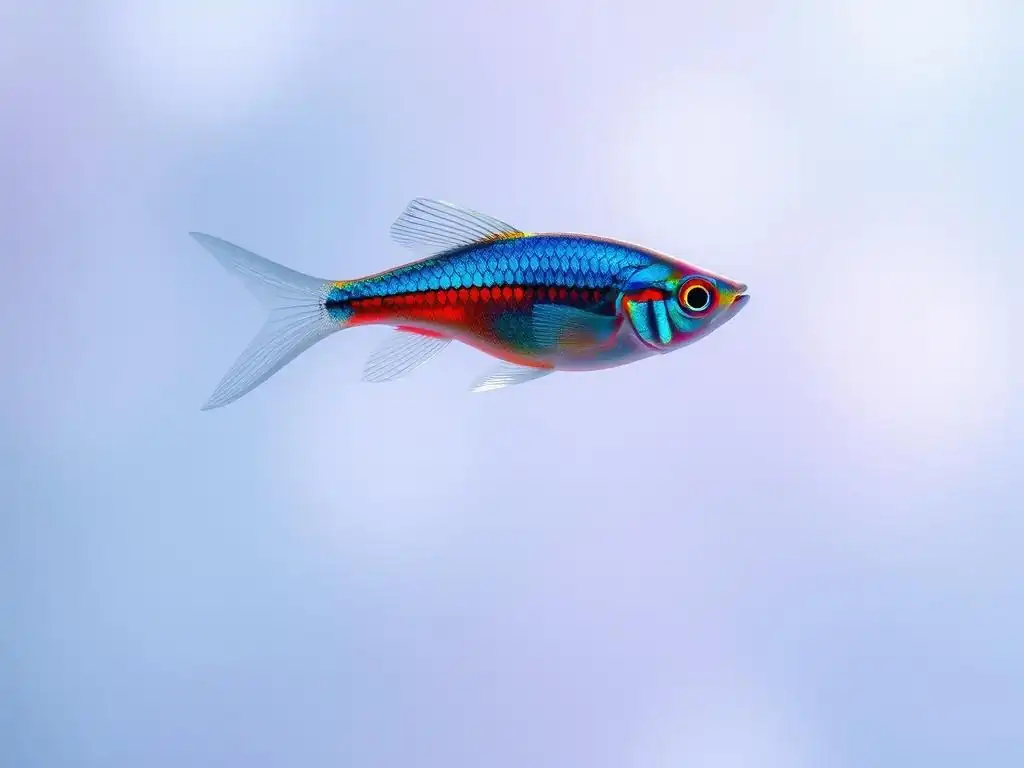
Distinguishing between male and female Danios is generally straightforward, especially when they are mature and conditioned for breeding. Female Danios tend to be noticeably plumper and rounder in the belly, particularly when they are gravid (full of eggs). Their body shape is typically fuller and less streamlined. Males, on the other hand, are usually more slender and torpedo-shaped.
In some species, male Danios might also exhibit more vibrant coloration, especially during breeding attempts, or develop subtle breeding tubercles (small bumps) around their gills or fins, though this is less pronounced than in some other fish species. To condition potential breeding pairs, feed them a high-protein diet of live or frozen foods, such as brine shrimp, daphnia, or bloodworms, for several days prior to introducing them to the breeding tank. This nutritional boost encourages egg production in females and enhances spawning readiness in males, a crucial Danio care guide tip for successful propagation.
Spawning and Fry Care: Raising Baby Danios Successfully
Danio spawning typically occurs in the early morning, shortly after the lights come on. The male will chase the female, nudging her, and she will scatter adhesive eggs among the spawning mop or marbles, which the male will then fertilize. Once spawning is observed, it's crucial to remove the adult Danios from the breeding tank immediately. Danios are notorious egg eaters, and if left in the tank, they will consume most, if not all, of their offspring.
The eggs are quite small and translucent and will typically hatch within 2-3 days, depending on the temperature. The newly hatched fry are tiny and will remain attached to surfaces, absorbing their yolk sacs, for another 2-3 days. Once they become free-swimming, usually around 5 days post-hatch, they require extremely small food sources.
Infusoria or liquid fry food are essential for the first few days, followed by newly hatched brine shrimp or micro-worms as they grow. Maintaining pristine water quality with daily small water changes is paramount for fry survival, making it a demanding but rewarding aspect of advanced Danio care.
Common Danio Diseases and Health Problems
Identifying Common Danio Illnesses: Symptoms and Diagnosis
Despite their hardiness, Danios can occasionally fall victim to common freshwater fish diseases, often due to poor water quality, stress, or the introduction of new, infected fish. Some prevalent illnesses include Ich (Ichthyophthirius multifiliis), which manifests as small white spots resembling grains of salt on the body and fins. Fin Rot, a bacterial infection, causes fins to appear frayed, ragged, or disintegrate. Velvet disease (Oodinium) appears as a fine, dusty, yellowish-gold coating on the fish's body.
Observing your Danios daily is the best defense against widespread disease. Look for changes in behavior, such as lethargy, hiding, rubbing against tank objects, or erratic swimming. Physical symptoms like clamped fins, faded colors, bloating, or visible growths should also raise concern. Early and accurate diagnosis is critical for effective treatment, making diligent observation a fundamental Danio care guide tip.
Treating Danio Diseases: Medications and Quarantine Procedures
When a Danio shows signs of illness, prompt action is necessary. The first step is often to transfer the affected fish to a separate quarantine tank. This prevents the spread of disease to healthy tank mates and allows for targeted treatment without harming beneficial bacteria in the main tank or sensitive invertebrates. For common ailments, over-the-counter medications are available at pet stores. For Ich, specific Ich treatments are effective, often combined with a gradual increase in water temperature (to 28-30°C or 82-86°F, if compatible with other fish).
Bacterial infections like Fin Rot often respond to broad-spectrum antibacterial medications or aquarium salt (1 teaspoon per 5 gallons). Always follow medication instructions precisely, as overdosing can be harmful. For internal parasites or severe bacterial infections, specialized medications may be required, sometimes needing veterinary consultation. Remember that good water quality is often the first line of defense and treatment; perform a significant water change before initiating any medication. These are critical Danio care guide tips for disease management.
Preventing Danio Health Problems: Maintaining Optimal Tank Conditions
Prevention is always better than cure when it comes to fish health. The vast majority of Danio health problems can be avoided by consistently maintaining optimal tank conditions. This includes performing regular weekly water changes of 25-30% to keep nitrates low and water pristine, ensuring robust filtration and adequate aeration to maintain high dissolved oxygen levels, and avoiding overfeeding, which can quickly foul the water.
Beyond water quality, proper Danio care also involves strategic planning. Always quarantine new fish for at least 2-4 weeks in a separate tank before introducing them to your main aquarium. This prevents the introduction of pathogens that might not be immediately apparent. Providing a balanced, varied diet strengthens their immune system, and avoiding sudden fluctuations in water temperature or pH minimizes stress, which can weaken their natural defenses. A proactive approach to husbandry is the most effective Danio care guide tip for a thriving, disease-free school.
Troubleshooting Common Danio Care Issues
Addressing Fin Rot in Danios: Causes and Treatments
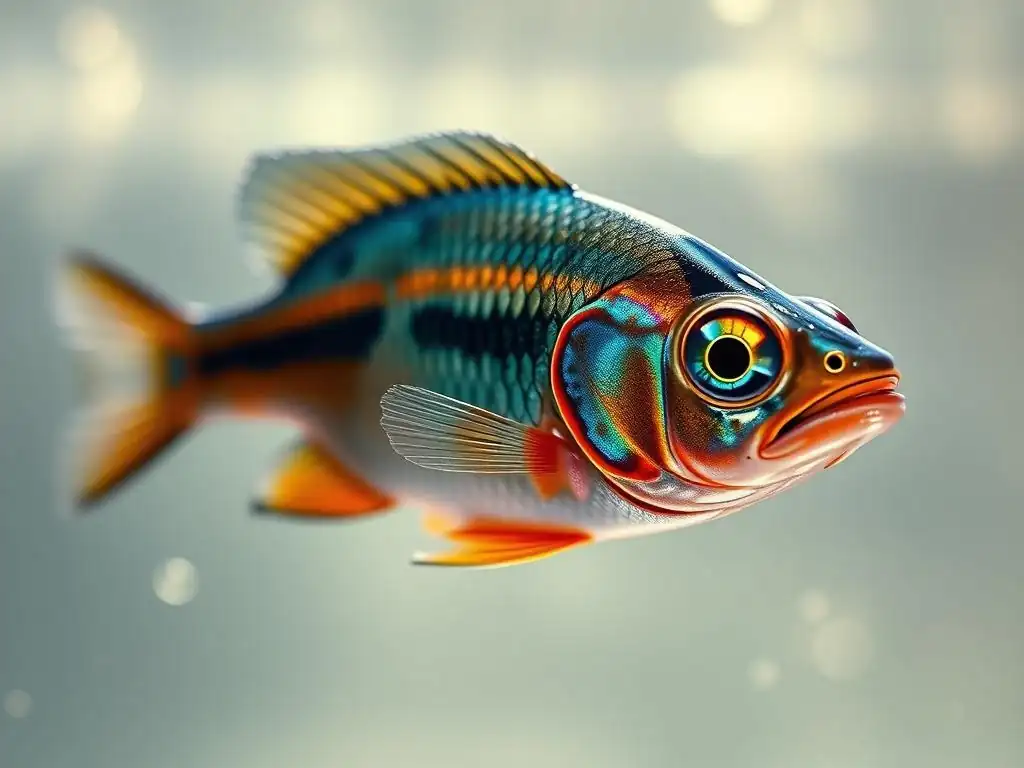
Fin Rot is a common bacterial infection that manifests as frayed, ragged, or discolored fins, sometimes appearing milky or bloody. It is primarily caused by poor water quality (high ammonia, nitrite, or nitrate), overcrowding, stress, or physical injury that allows opportunistic bacteria to take hold. If left untreated, it can lead to complete fin loss and even spread to the body, becoming fatal.
Treatment for Fin Rot begins with immediate and significant improvement in water quality. Perform a 50% water change, followed by daily 25% water changes for several days. Ensure excellent filtration and aeration. Adding aquarium salt (1 teaspoon per 5 gallons, dissolved before adding to the tank) can help reduce stress and inhibit bacterial growth. For more severe cases, a broad-spectrum antibacterial medication designed for aquariums may be necessary. Addressing the root cause, typically water quality, is paramount for successful Danio care.
Dealing with Ich (White Spot Disease) in Danios
Ich, or White Spot Disease, is one of the most common and recognizable parasitic infections in freshwater aquariums. It appears as small, salt-like white spots scattered across the fish's body and fins. Danios are susceptible, especially if stressed by fluctuating temperatures or poor water conditions. The parasite burrows into the fish's skin, making it difficult to treat effectively without understanding its life cycle.
Treatment for Ich involves raising the tank temperature gradually to 28-30°C (82-86°F) over 24 hours, if compatible with all tank inhabitants. This accelerates the parasite's life cycle, forcing it into its free-swimming stage where it is vulnerable to medication. Simultaneously, add aquarium salt (1 tablespoon per 5 gallons, dissolved thoroughly) and use an Ich-specific medication as directed. Ensure increased aeration at higher temperatures, as warmer water holds less oxygen. Continue treatment for at least 7-10 days, even if spots disappear, to ensure all parasites are eradicated. This is a critical Danio care guide tip for effectively combating Ich.
Solving Algae Problems in a Danio Tank
Algae growth is a common issue in many aquariums, including Danio tanks, and while some algae is natural, excessive amounts can be unsightly and indicate an imbalance. The primary causes of algae blooms are often too much light (either too intense or left on for too long, typically more than 8-10 hours a day), overfeeding (leading to excess nutrients from uneaten food), and high nitrate and phosphate levels in the water.
Solving algae problems requires a multi-pronged approach. Reduce the duration of your tank lights to 8 hours or less per day. Ensure you are not overfeeding your Danios; only feed what they can consume in 2-3 minutes. Increase the frequency or volume of your water changes to reduce nitrates and phosphates. Manual removal of algae with a scraper or brush is also effective. Introducing algae-eating snails (like Nerite snails) or Otocinclus catfish can help, provided your tank size and compatibility allow. Addressing the root cause of the nutrient imbalance is key for long-term algae control in Danio care.
Advanced Danio Care Techniques
Planted Tanks for Danios: Creating a Natural Ecosystem
Integrating live plants into your Danio aquarium elevates their environment from a simple tank to a thriving, natural ecosystem. Live plants offer numerous benefits: they absorb nitrates and other pollutants, helping to maintain superior water quality; they oxygenate the water through photosynthesis; and they provide essential hiding spots and visual barriers that reduce stress and encourage natural behaviors in schooling Danios. Danios particularly enjoy darting through dense plant thickets.
Suitable plants for a Danio tank include hardy, low-light species like Java Fern ( Microsorum pteropus), Anubias species ( Anubias barteri), and various Cryptocoryne species ( Cryptocoryne wendtii). These plants are relatively easy to care for and can thrive in a range of water conditions. For the background, tall stem plants like Rotala or Ludwigia can create a lush, forest-like feel, while foreground plants can add intricate detail. A well-designed planted tank is an advanced Danio care guide tip that significantly enhances the well-being and aesthetic appeal of your aquarium.
CO2 Injection and Fertilization for Planted Danio Tanks
For aquarists seeking to cultivate lush, vibrant planted tanks that truly mimic a Danio's natural habitat, advanced techniques like CO2 injection and comprehensive fertilization become essential. CO2 (carbon dioxide) is a vital nutrient for plant growth, and injecting it into the aquarium water dramatically boosts photosynthesis, leading to faster, denser, and healthier plant development. However, CO2 systems require careful monitoring to ensure stable levels and prevent harm to fish.
Alongside CO2, plants require a range of macro and micronutrients. Liquid fertilizers, root tabs, or a nutrient-rich substrate can provide these essential elements. Macronutrients like nitrogen, phosphorus, and potassium (NPK) are needed in larger quantities, while micronutrients such as iron, manganese, and boron are crucial in smaller amounts. When implementing these advanced Danio care techniques, it's vital to ensure that nutrient levels are balanced and do not lead to algae outbreaks or negatively impact water parameters for the Danios.
Aquascaping Ideas for Enhancing Your Danio Aquarium
Aquascaping, the art of arranging aquatic plants, rocks, and driftwood, can transform a Danio aquarium into a stunning underwater landscape. For Danios, consider designs that incorporate both open swimming spaces and areas of dense vegetation or intricate hardscape. A "riverine" style, mimicking their natural fast-flowing stream habitats, can be achieved with smooth, rounded stones, strong water flow, and resilient plants like Anubias attached to driftwood. This type of setup emphasizes their active swimming.
Alternatively, a "forest" or "jungle" theme with tall stem plants, mosses, and branching driftwood creates a labyrinth of hiding spots and exploration areas, while still allowing for schooling. Consider using a dark substrate to highlight the Danios' colors and create contrast. Thoughtful aquascaping not only enhances the visual appeal of your tank but also enriches the environment for your Danios, providing stimulation and security, thereby contributing significantly to advanced Danio care.
Conclusion: Ensuring a Long and Happy Life for Your Danios
Frequently Asked Questions
What are the most important aspects of Danio care?
The most important aspects of Danio care are maintaining excellent water quality, providing a suitable tank size for their active swimming, and ensuring they are kept in a school of at least six individuals.
What type of aquarium setup is best for Danios?
Danios thrive in a well-established aquarium with plenty of swimming space. A tank with moderate water flow, live plants, and a dark substrate will help them feel secure and display their best colors.
What should I feed my Danios?
Danios are omnivores and will accept a variety of foods. A high-quality flake food should form the basis of their diet, supplemented with live or frozen foods like daphnia, bloodworms, and brine shrimp.
What are some common health problems that affect Danios and how can I prevent them?
Common health problems include Ich (white spot disease) and fin rot, often caused by poor water quality. Preventing these involves regular water changes, proper filtration, and avoiding overcrowding.
How can I encourage Danios to breed in my aquarium?
To encourage breeding, maintain pristine water conditions, provide fine-leaved plants or spawning mops, and condition the fish with live foods. Separate the parents after spawning to prevent them from eating the eggs.
Final Reflection: Cultivating Vibrant Aquatic Harmony
The journey through understanding Danio care underscores a broader appreciation for the delicate ecosystems we bring into our homes. From water parameters to social dynamics, each element contributes to the overall health and happiness of these captivating fish. This guide, while focused on practical tips, ultimately highlights the responsibility we undertake when choosing to care for any living creature.
The impact of informed and compassionate care extends beyond the individual aquarium. Observing the vibrant energy of a thriving Danio school serves as a constant reminder of the interconnectedness of life and the positive influence we can have on the world around us. The greatness of a nation and its moral progress can be judged by the way its animals are treated.
- Mahatma Gandhi. This quote resonates deeply, highlighting the ethical dimension of pet ownership and the importance of providing optimal conditions for our aquatic companions.
Now, take a moment to reflect on your own approach to Danio care, or indeed, any aspect of your life where you nurture and support growth. Are you providing the necessary conditions for flourishing? Are you mindful of the delicate balance required for true harmony? Let the lessons learned in mastering Danio care inspire you to cultivate vibrant ecosystems, both within your aquarium and within your own life.
Ignite Your Danio Dreams: Start Your Thriving School Today!
Thank you for diving into the world of Danio care! We hope this guide has equipped you with the knowledge to create a vibrant and healthy environment for these energetic fish. Now it's time to put that knowledge into action.
Here’s how you can take your Danio keeping to the next level:
- Commit to creating the ideal environment for your Danios. Carefully assess your tank size, filtration, and temperature to ensure it meets their needs, providing a strong foundation for a happy and healthy school.
- Share your Danio success stories on social media! Inspire others to embrace these fascinating fish by showcasing your thriving aquarium, using #AquariumMasteryDanio.
- Explore advanced topics like breeding or creating custom aquascapes to further enrich your Danio keeping journey.
What innovative approach will you implement to further enhance your Danios' environment this week?