
Tetra Lifespan Revealed: How to Maximize Longevity for Your Favorite Shoalers

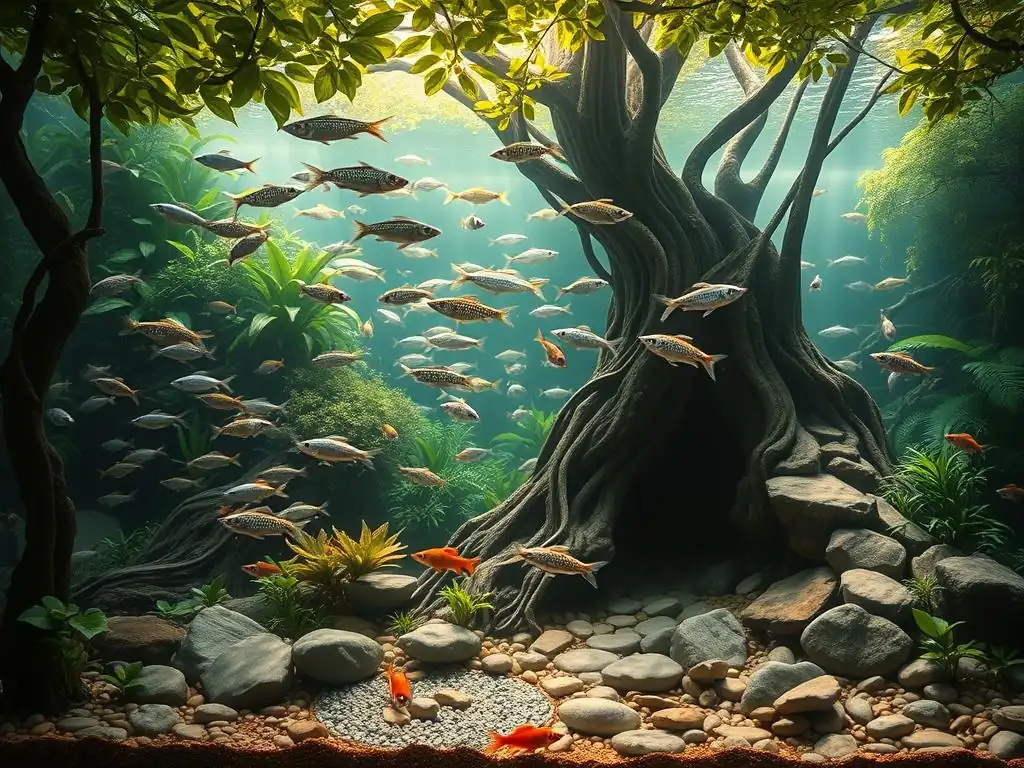
Welcome to Aquarium Mastery!
Ever wondered how to truly unlock the secrets to a long and vibrant life for your dazzling Tetra shoal? Our guide, " Tetra Lifespan Revealed: How to Maximize Longevity for Your Favorite Shoalers," dives deep into the essential factors that contribute to their well-being. Prepare to discover proven techniques for extending your Tetra's lifespan and creating a thriving freshwater haven. Ready to learn more?
- Understanding Tetra Lifespans: A Key to Successful Fishkeeping
- Optimizing Your Tetra's Environment for Extended Life
- Nutrition and Diet: Fueling a Long Life for Your Tetras
- Tetra Tank Mates: Creating a Harmonious Community for Longevity
- Disease Prevention and Treatment: Protecting Your Tetras from Illness
- Specific Tetra Species and Their Lifespan Expectations
- Advanced Techniques for Extending Tetra Lifespan
- Conclusion: The Secret to Helping Your Tetras Live Longer
-
Frequently Asked Questions
- How long do tetras typically live in a home aquarium?
- What are the most crucial factors that affect a tetra's lifespan?
- What specific water parameters are most important for tetra longevity?
- How can I ensure my tetras receive a balanced diet to extend their lifespan?
- What are some signs that my tetras are stressed and how can I reduce stress to improve their lifespan?
- Final Reflection: Embracing the Tetra's Time
- Unlock Your Tetra's Full Potential!
Understanding Tetra Lifespans: A Key to Successful Fishkeeping
Average Tetra Lifespan: What to Expect
Tetras, beloved for their vibrant colors and schooling behavior, possess varying lifespans depending on the specific species and, crucially, the quality of care they receive. While many aquarists might expect a few months from these small fish, a well-maintained environment can significantly extend their lives. For instance, the popular Neon Tetra ( Paracheirodon innesi) typically lives for about 3 to 5 years in a healthy aquarium, though some dedicated hobbyists report individuals reaching 6 years or more.
Similarly, the striking Cardinal Tetra ( Paracheirodon axelrodi) often enjoys a lifespan of 4 to 6 years when provided with optimal conditions. Understanding these averages is the first step in learning how to extend tetra lifespan effectively.
Other common species also exhibit distinct longevity patterns. The Black Skirt Tetra ( Gymnocorymbus ternetzi), known for its robust nature, generally lives for 3 to 5 years, while the diminutive Ember Tetra ( Hyphessobrycon amandae) typically has a slightly shorter lifespan, often ranging from 2 to 4 years.
These figures serve as a baseline; the true potential for maximizing tetra longevity lies in addressing the myriad of environmental and nutritional factors that directly impact their health. By focusing on species-specific needs and general best practices in fishkeeping, aquarists can strive to surpass these average expectations and enjoy their shoals for many years.
Factors Influencing Tetra Fish Longevity in Aquariums
Several critical factors collectively dictate how to extend tetra lifespan within the confines of an aquarium. Foremost among these is water quality, which encompasses parameters like pH, hardness, temperature, and the absence of harmful compounds such as ammonia, nitrite, and high nitrates. Poor water conditions are a leading cause of stress and disease, significantly shortening a tetra's life. For example, a consistent pH outside a tetra's preferred range (e.g., below 6.0 or above 7.5 for many common species) can lead to chronic stress and weaken their immune system, making them susceptible to illness.
Beyond water chemistry, diet plays a pivotal role; a balanced, high-quality diet provides essential nutrients for growth, vitality, and disease resistance. Tank size and appropriate filtration are equally vital, ensuring ample swimming space and efficient waste removal, preventing the buildup of toxins. Furthermore, the selection of compatible tank mates is crucial to minimize stress and prevent bullying, which can severely impact a tetra's well-being. Lastly, proactive disease prevention through quarantine and prompt treatment of ailments are indispensable practices for any aquarist aiming to prolong the life of their cherished tetra school.
Optimizing Your Tetra's Environment for Extended Life
Maintaining Optimal Water Parameters for Tetra Health
The foundation of how to extend tetra lifespan lies unequivocally in maintaining pristine and stable water parameters. Tetras, originating predominantly from the soft, acidic waters of South American river systems, are highly sensitive to fluctuations and unsuitable chemical compositions. Consistent monitoring and adjustment of pH, hardness, and temperature are not merely good practices but essential requirements for their long-term health and vitality. Neglecting these fundamental aspects can lead to chronic stress, weakened immune systems, and ultimately, a significantly shortened life for your cherished fish.
Regular water testing using reliable kits is paramount. Aquarists should aim to test their water at least weekly, or more frequently if issues arise, to catch any deviations before they become critical. Parameters such as ammonia and nitrite should always read zero, while nitrates should be kept below 20 ppm through consistent water changes. By providing a stable chemical environment that closely mimics their natural habitat, you create a sanctuary where tetras can thrive, reducing the physiological burden that contributes to premature aging and susceptibility to illness. This proactive approach is a cornerstone for maximizing tetra longevity.
The Importance of pH for Tetra Lifespan
The pH level of your aquarium water is a measure of its acidity or alkalinity, and it profoundly impacts a tetra's physiological functions. Most popular tetra species, such as the Neon Tetra and Cardinal Tetra, thrive in slightly acidic to neutral water, typically within a pH range of 6.0 to 7.5. Deviation outside this optimal range, especially prolonged exposure to highly alkaline water (pH above 8.0), can cause severe stress, damage to gills, and inhibit proper nutrient absorption. This chronic stress significantly reduces their natural resistance to disease and directly shortens their lifespan.
To ensure how to extend tetra lifespan through proper pH management, it's vital to first test your tap water's pH and then adjust it if necessary using aquarium-safe products or natural methods like driftwood and peat, which can gently lower pH. Sudden, drastic pH swings are more dangerous than a stable, slightly suboptimal pH. Therefore, consistency is key; aim for a stable pH that falls within the recommended range for your specific tetra species, maintaining it through regular water changes and careful monitoring, avoiding any rapid alterations.
Water Hardness and Its Impact on Tetra Longevity
Water hardness, specifically general hardness (GH) and carbonate hardness (KH), also plays a crucial role in tetra health. GH measures the concentration of dissolved mineral ions like calcium and magnesium, while KH measures the water's buffering capacity, preventing rapid pH swings. Many tetra species, particularly those from the Amazon basin, prefer soft to moderately soft water, with a GH typically ranging from 2 to 10 dGH (degrees of general hardness). Keeping these fish in excessively hard water (above 15 dGH) can lead to osmotic stress, making it difficult for them to regulate their internal salt balance.
This persistent osmotic stress weakens their immune system, making them more vulnerable to common fish diseases and ultimately compromising their ability to live a long and healthy life. To support how to extend tetra lifespan in terms of water hardness, aquarists can use reverse osmosis (RO) water mixed with tap water to achieve the desired softness, or employ water softening pillows designed for aquariums. Monitoring both GH and KH is essential, as a stable KH helps prevent the dangerous pH crashes that can occur in very soft water, ensuring a buffered yet appropriately soft environment for your tetras.
Temperature Considerations for Different Tetra Species
Temperature is another critical environmental factor directly influencing the metabolic rate and overall well-being of tetras. Each tetra species has an optimal temperature range within which it thrives. For example, Neon Tetras prefer temperatures between 72-78°F (22-26°C), while Cardinal Tetras, originating from warmer waters, often do best in the slightly higher range of 78-82°F (26-28°C). Keeping tetras outside their ideal temperature zone, whether too cold or too warm, induces chronic stress and can lead to a host of health issues.
Temperatures that are too low can suppress their immune system and slow their metabolism, making them sluggish and susceptible to common ailments like Ich. Conversely, excessively high temperatures can accelerate their metabolism, leading to premature aging and reduced oxygen levels in the water, causing respiratory distress. Utilizing a reliable aquarium heater with a thermostat and a thermometer to monitor the water temperature is indispensable for ensuring a stable and species-appropriate environment, directly contributing to how to extend tetra lifespan by minimizing thermal stress.
Choosing the Right Tank Size for Happy and Healthy Tetras
The size of the aquarium is a fundamental determinant of tetra well-being and, consequently, their longevity. While tetras are small fish, they are active shoalers that require ample space to swim freely and exhibit natural behaviors. Housing them in an undersized tank leads to cramped conditions, increased stress, and a rapid deterioration of water quality due to concentrated waste. For a small school of 6-8 Neon Tetras, a minimum of a 10-gallon (approximately 38 liters) tank is often recommended, though a 20-gallon (approximately 76 liters) long tank is vastly superior, providing more horizontal swimming space.
Larger species like the Congo Tetra or Diamond Tetra require significantly more room, with a minimum of 30-40 gallons ( 113-151 liters) for a healthy school. Providing adequate space not only reduces stress but also allows for better oxygenation and easier maintenance of stable water parameters, all of which are crucial for how to extend tetra lifespan. An appropriately sized aquarium facilitates proper waste dilution and provides enough territory for each fish within the school, minimizing aggression and promoting a calm, thriving environment that directly contributes to their overall health and extended life.
Providing Adequate Filtration for a Clean Tetra Habitat
Effective filtration is the silent guardian of water quality and a cornerstone for how to extend tetra lifespan. A robust filtration system performs three essential functions: mechanical, chemical, and biological filtration. Mechanical filtration removes particulate matter, keeping the water clear. Chemical filtration removes dissolved pollutants and odors using media like activated carbon. Most critically, biological filtration provides a surface area for beneficial bacteria to colonize, which convert toxic ammonia and nitrite (from fish waste and uneaten food) into less harmful nitrate.
Without sufficient biological filtration, ammonia and nitrite levels will quickly become lethal for tetras, leading to immediate stress and organ damage. A filter rated for the tank size, or even slightly oversized, is highly recommended. Canister filters, hang-on-back (HOB) filters, and sponge filters (especially for smaller tanks or breeding setups) are common choices. Regular maintenance of the filter, such as rinsing mechanical media and replacing chemical media periodically, ensures its continuous efficiency, thereby maintaining the pristine water conditions necessary for maximizing tetra longevity.
The Role of Lighting in Tetra Well-being and Longevity
While often overlooked, appropriate lighting plays a significant role in the overall well-being and longevity of tetras. Tetras originate from environments often shaded by dense jungle canopies, meaning they are not accustomed to intense, direct light. Excessive or prolonged bright lighting can cause stress, leading to faded colors, reclusive behavior, and increased susceptibility to disease. A natural day/night cycle is crucial; 8-10 hours of moderate lighting per day is generally sufficient, followed by a period of darkness.
Using a timer can help maintain a consistent schedule, which mimics their natural environment and supports their circadian rhythms. Furthermore, proper lighting is essential for the health of live plants, which contribute to water quality by absorbing nitrates and providing natural hiding spots and enrichment for tetras. By providing a balanced and consistent lighting regimen, aquarists can significantly reduce environmental stress, contributing directly to how to extend tetra lifespan and allowing these beautiful fish to exhibit their most vibrant colors and natural behaviors.
Nutrition and Diet: Fueling a Long Life for Your Tetras
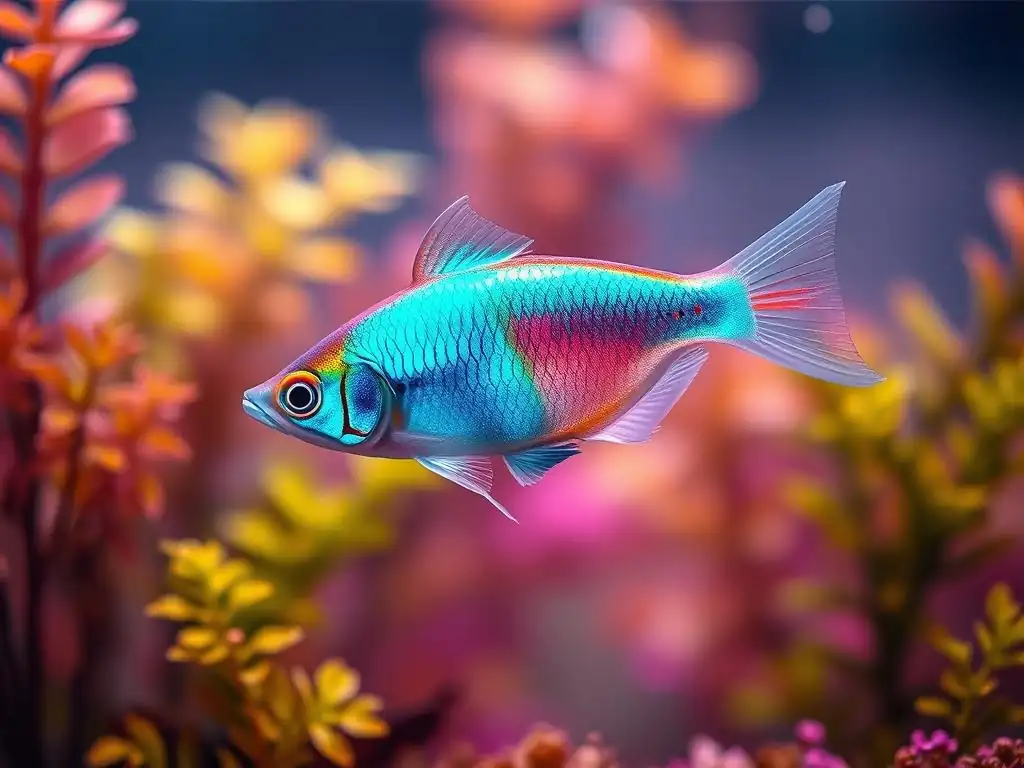
Selecting High-Quality Tetra Food for Optimal Health
A balanced and nutritious diet is paramount for how to extend tetra lifespan and ensuring their vibrant health. Just like any living creature, tetras require a diverse array of vitamins, minerals, proteins, and fats to fuel their metabolic processes, support their immune system, and maintain their brilliant coloration. Relying solely on a single type of generic flake food, especially one with low-quality fillers, will inevitably lead to nutritional deficiencies and a compromised ability to fight off illness, significantly shortening their potential longevity.
When selecting food for your tetras, prioritize high-quality flake or micro-pellet foods specifically formulated for small tropical fish. Look for ingredients lists that start with fish meal, krill, or other aquatic proteins, and include spirulina or other plant-based components for essential vitamins. Reputable brands often incorporate color enhancers and immune boosters. Varying the diet with different types of high-quality foods, such as specialized tetra flakes, small sinking pellets, and occasional freeze-dried treats, ensures a comprehensive nutritional intake that supports robust health and helps your tetras live longer.
Proper Feeding Techniques to Avoid Overfeeding
While providing nutritious food is crucial, the method and quantity of feeding are equally important for how to extend tetra lifespan. Overfeeding is one of the most common mistakes made by new and experienced aquarists alike, leading to a cascade of negative consequences. Uneaten food quickly decomposes, releasing ammonia and nitrite into the water, which are highly toxic to fish. Even if these are processed by the filter, the increased organic load can lead to higher nitrate levels and necessitate more frequent water changes, adding stress to the fish and the aquarist.
Furthermore, overfeeding can lead to digestive issues in tetras, including swim bladder problems and bloating, directly impacting their health and longevity. The general rule of thumb is to feed your tetras small amounts that they can consume entirely within 2-3 minutes, once or twice a day. Observe their feeding behavior closely; if food is left floating after a few minutes, you are feeding too much. This precise feeding strategy not only maintains superior water quality but also ensures your tetras receive adequate nutrition without the detrimental effects of excess, contributing significantly to their long-term well-being.
Supplementing Your Tetra's Diet for Enhanced Vitality
To truly maximize tetra longevity and ensure they receive a complete nutritional profile, supplementing their staple diet with a variety of live, frozen, or freeze-dried foods is highly beneficial. While high-quality flakes provide a good base, supplemental foods offer different textures, nutrient compositions, and stimulate natural hunting behaviors. Options like frozen bloodworms, brine shrimp, daphnia, and mysis shrimp are excellent choices that are readily accepted by most tetra species.
These supplements provide essential proteins, fats, and micronutrients that might be less abundant in processed foods. For example, feeding frozen brine shrimp a few times a week can significantly boost their vitality and immune response. Ensure that frozen foods are thawed properly before feeding to prevent digestive upset. By offering this diverse array of foods a few times a week in addition to their daily flakes or pellets, you provide a rich and varied diet that strengthens their immune system, enhances their natural colors, and directly contributes to how to extend tetra lifespan by optimizing their nutritional intake.
Tetra Tank Mates: Creating a Harmonious Community for Longevity
Choosing Compatible Tank Mates to Minimize Stress
The selection of appropriate tank mates is a critical, yet often underestimated, factor in how to extend tetra lifespan. Tetras are generally peaceful, schooling fish that thrive in a calm and non-threatening environment. Introducing incompatible species can lead to chronic stress, fin nipping, or even direct predation, all of which severely impact a tetra's health and reduce its potential longevity. Stress weakens the immune system, making tetras highly susceptible to diseases like Ich or Fin Rot.
Ideal tank mates for tetras are other peaceful, similarly sized community fish that prefer similar water parameters. Good examples include other small, peaceful schooling fish like Rasboras (e.g., Harlequin Rasboras), Corydoras catfish, Otocinclus catfish, and Dwarf Gouramis. These species typically occupy different layers of the water column, minimizing competition for space and food, and do not pose a threat to the tetras. A harmonious community reduces overall stress levels, allowing tetras to feel secure and exhibit their natural schooling behaviors, which is vital for their long-term well-being.
Avoiding Aggressive Fish That Can Shorten Tetra Lifespan
To maximize tetra longevity, it is absolutely essential to avoid housing them with aggressive or overly boisterous fish. Even seemingly minor aggression, such as constant chasing or fin nipping, can cause immense stress, leading to a tetra becoming withdrawn, losing color, and eventually succumbing to stress-induced illnesses or starvation. Larger, predatory fish will view small tetras as food, and even semi-aggressive species like some cichlids (e.g., Convict Cichlids) or larger barbs (e.g., Tiger Barbs, if not kept in very large schools themselves) can harass them relentlessly.
Additionally, fish that grow significantly larger than tetras, even if not overtly aggressive, can intimidate them and compete for resources, leading to a state of chronic anxiety. Examples of fish to avoid include most cichlids (except very small, peaceful dwarf varieties), large gouramis, and some loaches. Researching the temperament and adult size of any potential tank mate before introduction is crucial. By carefully curating a peaceful community, you eliminate a major source of stress, directly contributing to how to extend tetra lifespan by providing a safe and serene environment.
Disease Prevention and Treatment: Protecting Your Tetras from Illness
Recognizing Common Tetra Diseases and Symptoms
Prompt recognition of common tetra diseases is paramount for how to extend tetra lifespan when illness strikes. Tetras, like all fish, can fall victim to various pathogens, especially when stressed or housed in suboptimal conditions. Common ailments include Ich (White Spot Disease), characterized by small white spots resembling salt grains on the body and fins; Fin Rot, which manifests as frayed or deteriorating fins, often with red or black edges; and Velvet Disease, appearing as a dusty, yellowish coating on the fish, often accompanied by rapid breathing.
Other issues can include Columnaris (Cotton Mouth Disease), which presents as white, cottony growths around the mouth or body; and Dropsy, indicated by a severely bloated body and scales that protrude, giving a "pinecone" appearance. Behavioral changes, such as lethargy, loss of appetite, flashing (rubbing against tank decor), clamped fins, and difficulty swimming, are often the first indicators of illness. Regular observation of your tetras' appearance and behavior allows for early detection, which is crucial for successful treatment and preventing the spread of disease, thereby safeguarding their longevity.
Implementing Quarantine Procedures for New Fish
One of the most effective preventative measures for how to extend tetra lifespan and protect your entire aquarium from disease is the strict implementation of a quarantine procedure for all new fish. Introducing new fish directly into your main display tank without a quarantine period is a significant risk, as they can carry dormant or active pathogens that may be harmless to them but devastating to your established fish, which may not have immunity. A separate, smaller "hospital" tank (e.g., 5-10 gallons) with a heater, filter, and thermometer is ideal for this purpose.
New tetras should be quarantined for a minimum of 2-4 weeks. During this period, observe them closely for any signs of disease, such as those mentioned above. You can also proactively treat them with a general antiparasitic or antibacterial medication if you suspect issues, following product instructions carefully. This isolation period allows any potential diseases to manifest and be treated before they can infect your main population. This simple, yet critical, step drastically reduces the risk of introducing pathogens, protecting your existing tetras and significantly contributing to their long-term health and survival.
Effective Treatments for Common Tetra Ailments to Prolong Life
Even with the best preventative care, tetras can occasionally fall ill, and knowing how to extend tetra lifespan through effective treatment is vital. For common parasitic infections like Ich, increasing the water temperature slightly (e.g., to 82°F/28°C for a few days, if safe for your species) and using an Ich-specific medication containing malachite green or formalin is often effective. For bacterial infections like Fin Rot or Columnaris, broad-spectrum antibacterial medications are typically required. Always remove activated carbon from your filter during medication, as it will absorb the treatment.
For fungal infections, antifungal treatments are available. It is crucial to accurately diagnose the ailment, as treating with the wrong medication can be ineffective or even harmful. Always follow the medication's instructions precisely regarding dosage and duration. During treatment, maintaining pristine water quality through small, frequent water changes is essential to support the fish's immune system. Early detection combined with appropriate and timely treatment significantly increases the chances of recovery, allowing your tetras to overcome illness and continue to live full, healthy lives.
Specific Tetra Species and Their Lifespan Expectations
Neon Tetra Lifespan: Care Tips for a Long and Healthy Life
The Neon Tetra ( Paracheirodon innesi) is perhaps the most iconic tetra, renowned for its iridescent blue and red stripe. While commonly expected to live 3 to 5 years, dedicated care can see them surpass this, reaching up to 6 or even 7 years. To maximize their longevity, focus on their specific environmental preferences. Neons thrive in soft, acidic water with a pH range of 6.0-7.0 and a GH of 1-6 dGH. They prefer stable temperatures between 72-78°F (22-26°C). Fluctuations in these parameters are a major source of stress for Neons, often leading to susceptibility to Neon Tetra Disease, a notoriously difficult-to-treat condition.
To truly understand how to extend tetra lifespan for Neons, ensure they are kept in a well-established tank of at least 10 gallons for a school of 6-8, though 20 gallons is better for stability and swimming space. Provide plenty of live plants and driftwood, which not only offer hiding spots but also help maintain the preferred soft, acidic conditions. A varied diet of high-quality micro-pellets and occasional frozen daphnia or brine shrimp will boost their immune system. Keeping them in a large school ( 10+ individuals) also significantly reduces stress, allowing them to feel secure and exhibit natural behaviors, which directly contributes to their extended health.
Cardinal Tetra Lifespan: Maximizing Longevity Through Proper Care
Often confused with Neons, the Cardinal Tetra ( Paracheirodon axelrodi) boasts a full red stripe extending from head to tail, and generally enjoys a slightly longer lifespan of 4 to 6 years, with some individuals living up to 8 years in exceptional conditions. Cardinals prefer warmer water than Neons, ideally between 78-82°F (26-28°C), and are even more sensitive to water quality, requiring very soft ( 1-4 dGH) and acidic (pH 5.0-7.0) conditions. Their higher temperature preference means meticulous attention to stable heating is crucial for their well-being.
To truly master how to extend tetra lifespan for Cardinals, consistent pristine water quality is non-negotiable. They are less tolerant of nitrates than Neons, so frequent, small water changes (e.g., 20% twice a week) are often more beneficial than larger, less frequent ones. A heavily planted tank with dim lighting and ample hiding spots will make them feel secure, reducing stress. Their diet should be varied, including very small, high-protein foods like micro-pellets, grindal worms, or baby brine shrimp. Keeping them in large schools of 10 or more is also vital for their psychological well-being, fostering security and reducing stress-related illnesses.
Black Skirt Tetra Lifespan: Ensuring a Fulfilling Life in Your Aquarium
The Black Skirt Tetra ( Gymnocorymbus ternetzi) is a robust and popular species, identifiable by its distinctive high body and black fins. They typically live for 3 to 5 years, but with proper care, can often reach 6 years or more. Unlike their Amazonian cousins, Black Skirts are more adaptable to a wider range of water parameters, preferring a pH of 6.0-7.5 and a GH of 5-19 dGH, with temperatures between 70-78°F (21-26°C). This adaptability makes them a good choice for newer aquarists seeking to understand how to extend tetra lifespan.
Despite their hardiness, consistent water quality remains key. While more tolerant, they still benefit from regular water changes to keep nitrates low. Black Skirts are semi-aggressive fin nippers if not kept in sufficiently large schools (minimum of 6, preferably 8-10+ individuals). Providing a large tank ( 20 gallons minimum, preferably larger for a school) with open swimming areas and some hiding spots will reduce aggression among themselves and towards tank mates. A varied diet of high-quality flakes, small pellets, and occasional frozen foods will ensure their nutritional needs are met, contributing to their robust health and extended life.
Ember Tetra Lifespan: Specific Needs and Care for Longevity
The Ember Tetra ( Hyphessobrycon amandae) is a tiny, fiery orange gem, highly valued for its vibrant color in smaller aquariums. Due to their delicate nature and small size, their average lifespan is typically 2 to 4 years, though exceptional care can push this towards 5 years. Maximizing their longevity requires attention to detail, particularly regarding their preferred environment. Embers thrive in soft, acidic water with a pH of 5.5-7.0 and a GH of 2-8 dGH, at temperatures between 72-80°F (22-27°C).
Because of their diminutive size, Ember Tetras are prone to being intimidated by larger, more boisterous tank mates. To ensure how to extend tetra lifespan for these delicate fish, they should be kept in species-only tanks or with very small, peaceful companions like Otocinclus catfish or other micro-fish. A heavily planted tank with floating plants to diffuse light and provide cover is ideal, making them feel secure. They require very small, high-quality foods like crushed flakes, micro-pellets, or newly hatched brine shrimp. Keeping them in schools of at least 10-12 individuals is crucial for their confidence and overall well-being, helping them to live out their full potential lifespan.
Advanced Techniques for Extending Tetra Lifespan
Implementing Regular Water Changes for Optimal Health
While seemingly a basic practice, mastering regular water changes is perhaps the most impactful advanced technique for how to extend tetra lifespan. Beyond simply removing nitrates, consistent partial water changes replenish essential trace minerals, remove accumulated organic waste that filters might miss, and dilute any unforeseen toxins or pollutants that may enter the tank. For many tetra setups, a weekly water change of 25-30% is a standard recommendation, but for heavily stocked tanks or those with sensitive species like Cardinal Tetras, more frequent, smaller changes (e.g., 10-15% twice a week) can be even more beneficial.
The key is consistency and careful execution. Always use a reliable water conditioner to neutralize chlorine and chloramines from tap water, and ensure the temperature of the new water matches the tank water as closely as possible to prevent temperature shock. Performing water changes diligently and without causing undue stress to the fish significantly reduces their exposure to harmful compounds, maintains the stability of the aquatic environment, and directly contributes to their long-term health, vitality, and impressive longevity.
Monitoring Water Chemistry and Addressing Imbalances Promptly
Beyond routine water changes, an advanced approach to how to extend tetra lifespan involves meticulous and proactive monitoring of water chemistry, coupled with prompt action to address any imbalances. This means regularly testing for pH, GH, KH, ammonia, nitrite, and nitrate, even when the tank appears healthy. Understanding the specific optimal ranges for your tetra species (e.g., pH 6.0-7.0, GH 1-8 dGH for many Amazonian tetras) and recognizing deviations quickly allows for immediate corrective measures before issues escalate into health crises.
For instance, a sudden spike in ammonia or nitrite, even if quickly resolved, can cause irreversible gill damage or internal stress. Promptly addressing these by performing emergency water changes, increasing aeration, or adding beneficial bacteria supplements can prevent severe health consequences. Similarly, a gradual drift in pH or hardness can be corrected slowly over several days using appropriate buffers or water softeners, rather than waiting for a critical point. This vigilant monitoring and swift, informed intervention are crucial for maintaining a stable and healthy environment that supports extended tetra longevity.
Providing Enrichment Activities to Reduce Stress and Boredom
While often associated with larger, more intelligent fish, providing environmental enrichment is an advanced, yet often overlooked, technique for how to extend tetra lifespan by reducing stress and boredom. Tetras, especially in large schools, are active and curious fish. A barren tank with little stimulation can lead to lethargy, aggression, or a general lack of vitality. Enrichment can come in many forms, mimicking elements of their natural habitat.
This includes providing a varied aquascape with live plants (e.g., Anubias, Java Fern, Amazon Swords), driftwood, and smooth rocks that offer hiding spots, visual barriers, and natural exploration opportunities. Regular additions of live or frozen foods, which require more active hunting, also serve as enrichment. Varying the tank's decor during maintenance, adding new plant species, or even introducing a new, compatible piece of driftwood can provide novel stimuli. A mentally and physically stimulated tetra is a less stressed and healthier tetra, directly contributing to a longer, more fulfilling life in your aquarium.
Conclusion: The Secret to Helping Your Tetras Live Longer
Recap of Key Factors Influencing Tetra Longevity
The journey to understanding how to extend tetra lifespan is a multifaceted endeavor that synthesizes meticulous care with a deep understanding of their natural needs. As we have explored, the longevity of your beloved tetras hinges on several interconnected pillars. Foremost is the unwavering commitment to maintaining pristine and stable water parameters, including optimal pH, appropriate hardness, and consistent temperature, precisely tailored to the specific tetra species. Equally vital is providing an appropriately sized aquarium with robust filtration, ensuring ample swimming space and the efficient removal of harmful toxins.
Beyond the aquatic environment itself, a high-quality, varied diet, coupled with precise feeding techniques to prevent overfeeding, ensures they receive all necessary nutrients for robust health. The careful selection of peaceful and compatible tank mates is crucial to minimize stress and prevent aggression, fostering a harmonious community. Finally, proactive disease prevention through quarantine and prompt, accurate treatment of any ailments are indispensable for safeguarding their health. By addressing each of these factors diligently, aquarists can create an environment where tetras not only survive but truly thrive.
Enjoying a Thriving Tetra School for Years to Come
Ultimately, the secret to helping your tetras live longer lies in a holistic approach to their care, viewing them not just as decorations but as sensitive, living creatures with specific requirements. The effort invested in maintaining optimal conditions, providing a nutritious diet, ensuring peaceful coexistence, and vigilantly preventing illness will be richly rewarded. A thriving school of tetras, exhibiting their natural behaviors and vibrant colors, is a testament to dedicated aquarism and a source of immense joy.
By consistently applying the principles discussed, from understanding their average lifespans and environmental needs to implementing advanced care techniques, you empower your tetras to reach and often exceed their natural longevity. This commitment not only ensures a longer life for your fish but also deepens your appreciation for the intricate world of aquatic life, allowing you to enjoy a beautiful, healthy, and dynamic tetra school for many years to come.
Frequently Asked Questions
How long do tetras typically live in a home aquarium?
Tetras typically live between 5 to 10 years in a well-maintained aquarium. However, this lifespan can be significantly affected by factors such as water quality and diet.
What are the most crucial factors that affect a tetra's lifespan?
The most crucial factors are water quality, diet, and stress levels. Maintaining optimal conditions will greatly improve the chances of a longer, healthier life.
What specific water parameters are most important for tetra longevity?
Maintaining stable water parameters is key. This includes keeping the water at the appropriate temperature, pH, and ensuring low levels of ammonia and nitrites.
How can I ensure my tetras receive a balanced diet to extend their lifespan?
Offer a varied diet including high-quality flake food supplemented with live or frozen foods. This will ensure they receive all the necessary nutrients for a long and healthy life.
What are some signs that my tetras are stressed and how can I reduce stress to improve their lifespan?
Signs of stress include faded colors, erratic swimming, and hiding. To reduce stress, ensure adequate tank size, provide plenty of hiding places, and minimize disturbances.
Final Reflection: Embracing the Tetra's Time
The journey to understand and maximize the lifespan of our beloved tetras is not merely about keeping fish alive longer; it's about deepening our connection with the natural world and accepting the responsibility that comes with caring for another living being. As we've explored the nuances of water quality, diet, and social dynamics, it becomes clear that extending a tetra's life is a testament to our dedication and understanding.
This exploration has profoundly influenced how we perceive the delicate balance within our aquariums, mirroring the fragility and interconnectedness of larger ecosystems. The commitment to providing optimal conditions for our tetras reflects a broader commitment to environmental stewardship and mindful living. The greatness of a nation and its moral progress can be judged by the way its animals are treated.
- Mahatma Gandhi. This quote resonates deeply, reminding us that even the smallest acts of care contribute to a more compassionate and sustainable world.
Now, armed with this knowledge, I invite you to reflect on your own practices. How can you further refine your approach to tetra care, not just to extend their lifespan, but to enrich their existence? Let us all strive to create thriving aquatic environments, where our tetras can flourish, reminding us daily of the beauty and responsibility that comes with nurturing life in all its forms.
Unlock Your Tetra's Full Potential!
Thank you for diving into the world of Tetra care and longevity! We hope you've gained valuable insights into ensuring your shoaling friends live long and healthy lives. Now, let's put that knowledge into action!
Here are some next steps you can take:
- Implement at least one of the lifespan-extending strategies discussed, starting with the most impactful change you can make today.
- Share your experiences! Document your Tetra's journey with photos or videos and share them with the Aquarium Mastery community, noting any positive changes you observe.
- Explore unconventional enrichment: Consider adding natural elements like leaf litter or driftwood to mimic their natural habitat further and observe how it impacts their behavior and well-being.
What is the single most exciting change you're planning to make to your Tetra's environment this week, and what results are you hoping to see?