
Triggering Spawning in Plecos & Ancistrus: Water Changes & Environmental Cues

Welcome to Aquarium Mastery!
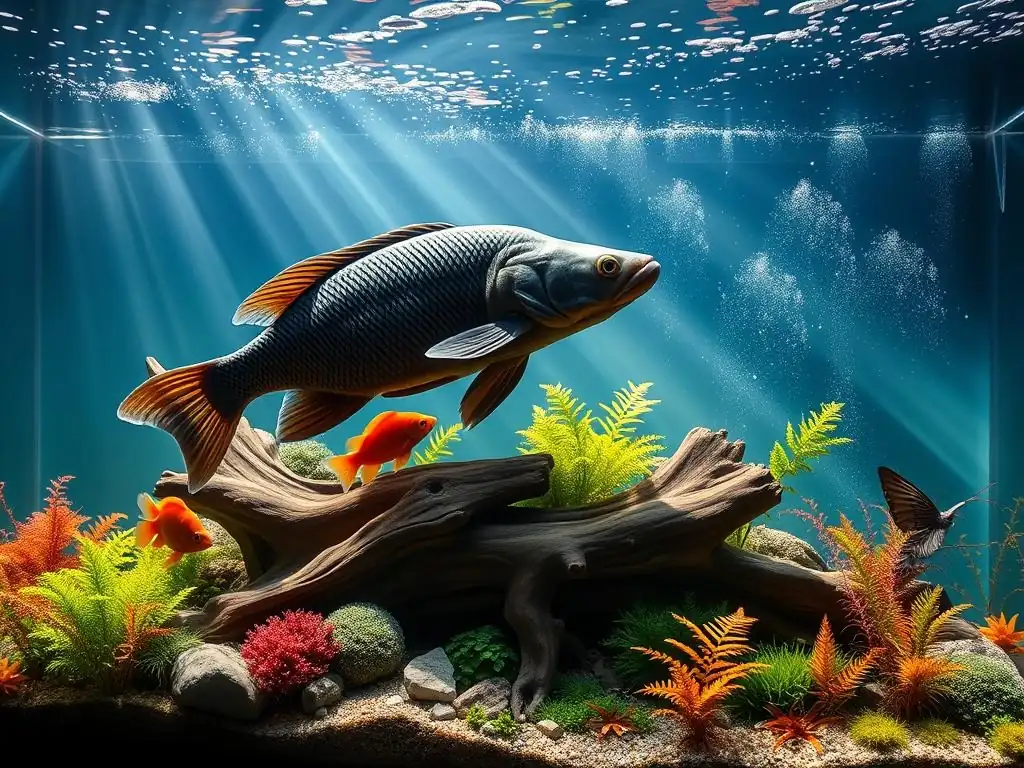
Ever wondered if you could actually trigger spawning in your Plecos and Ancistrus with just a few simple tweaks to their environment? Dive into our detailed guide on Pleco spawning water changes and uncover the secrets to creating the perfect conditions for successful breeding. Discover how strategic water changes, combined with carefully considered environmental cues, can unlock the potential of your freshwater aquarium. Ready to witness the miracle of life in your tank? Let's get started!
- Triggering Spawning in Bristlenose Plecos (Ancistrus sp. ): Water Changes & Environmental Cues
- Understanding Bristlenose Pleco Breeding Triggers
- Simulating the Rainy Season: Water Changes for Pleco Spawning
- Key Water Parameters for Triggering Spawning
- Specific Water Change Techniques to Induce Spawning
- Other Environmental Cues to Encourage Breeding
- Nutrition's Role in Breeding Success
- Troubleshooting Common Spawning Issues
- Case Studies: Successful Bristlenose Pleco Breeding
- Maintaining a Healthy Breeding Tank
-
Frequently Asked Questions
- How do water changes help trigger spawning in Plecos and Ancistrus?
- What type of water change is most effective for stimulating Pleco spawning?
- How often should I perform water changes to encourage Pleco spawning?
- Besides water changes, what other environmental cues are important for Pleco spawning?
- Can incorrect water changes negatively impact Pleco spawning or health?
- Final Reflection: The Rhythm of Life and Water
- Ignite the Spark: Witness the Miracle of Pleco Breeding!
Triggering Spawning in Bristlenose Plecos (Ancistrus sp. ): Water Changes & Environmental Cues
Understanding Bristlenose Pleco Breeding Triggers
The Importance of Stable Environmental Conditions for Breeding
Maintaining stable environmental conditions is paramount for the overall health and well-being of Bristlenose Plecos ( Ancistrus sp.), and it forms the fundamental bedrock for successful breeding. Fluctuations in key water parameters, such as temperature, pH, or ammonia levels, can induce significant stress in fish, leading to a weakened immune system, reduced appetite, and, most importantly, an inhibited reproductive drive. A consistent and predictable environment signals to the fish that conditions are safe and conducive for raising offspring. For instance, a sudden temperature drop of more than 5°F (approximately 2.8°C) or a pH swing exceeding 0.5 units within a 24-hour period can be detrimental, often leading to stress-related diseases and a complete cessation of breeding activity.
Optimal stability involves not just avoiding drastic changes but also maintaining parameters within their preferred ranges. For Bristlenose Plecos, this typically means a temperature range of 74-80°F (23-27°C), a pH between 6.5 and 7.5, and low nitrate levels, ideally below 20 ppm. When these conditions are consistently met, the fish are less prone to stress, allowing their natural breeding instincts to surface. Breeders often notice that plecos in well-established, stable tanks, even without specific "triggering" actions, will eventually spawn due to their inherent comfort and security in their surroundings.
Why Water Changes are Crucial for Spawning
Water changes are not merely about removing waste; they are a powerful environmental cue that can directly influence the reproductive cycle of Bristlenose Plecos. In their natural Amazonian habitats, changes in water chemistry and flow, often brought about by heavy rainfall, signal the onset of the breeding season. Replicating this phenomenon in an aquarium through strategic pleco spawning water changes can effectively prompt these fish to breed. The introduction of fresh, clean water reduces the concentration of nitrates and other metabolic byproducts that can accumulate in an aquarium, creating a cleaner, more oxygen-rich environment.
Beyond detoxification, water changes replenish essential minerals and trace elements that are vital for fish health and reproductive processes. A significant water change, especially with slightly cooler water, mimics the influx of rainwater, which often has a lower temperature and softer mineral content than river water.
This change in parameters, combined with the removal of inhibitors (like high nitrates), can act as a direct hormonal trigger for both male and female plecos, signaling that it is an opportune time to lay and fertilize eggs. Many successful breeders report that regular, substantial pleco spawning water changes are among the most reliable methods to initiate breeding activity.
Simulating the Rainy Season: Water Changes for Pleco Spawning
Mimicking Natural Habitats: The Rainy Season Connection
The natural breeding cycle of many Loricariidae, including Bristlenose Plecos, is intimately tied to the seasonal changes in their native South American river systems. During the dry season, water levels are low, and parameters tend to be more stable but with potentially higher concentrations of dissolved organic compounds and nitrates. The onset of the rainy season brings a dramatic influx of cooler, softer, and more oxygenated water, causing rivers to swell and flood.
This environmental shift, characterized by increased water flow, reduced water temperature, and a dilution of accumulated waste products, acts as a powerful trigger for fish to begin their spawning rituals. It signals an abundance of food and ideal conditions for the survival and growth of fry.
In the aquarium, pleco spawning water changes are the most effective tool to simulate this critical environmental shift. By performing larger, more frequent water changes, aquarists can replicate the sudden influx of fresh water that these fish experience in the wild. This mimicry is not just about parameter shifts but also about the perceived "freshness" of the water. The reduction in nitrates from, for example, 30 ppm down to 5-10 ppm after a significant water change, coupled with a slight temperature drop, sends a clear message to the plecos that conditions are now optimal for reproduction.
How Water Changes Signal Breeding Readiness
The mechanism by which pleco spawning water changes signal breeding readiness is multifaceted, involving both chemical and physical cues. Chemically, the reduction in dissolved organic compounds and nitrates through water changes removes potential breeding inhibitors. High levels of nitrates (e.g., above 20-30 ppm) can suppress spawning in many fish species, including plecos, as they indicate suboptimal water quality. By diluting these compounds, the fish's physiological state shifts towards readiness for reproduction. Furthermore, the replenishment of essential trace minerals and electrolytes present in fresh water supports overall metabolic health, including gonadal development.
Physically, the slight drop in water temperature that often accompanies a large water change (e.g., a 2-4°F or 1-2°C drop) serves as a direct trigger. This cooler water simulates the influx of rain. Additionally, the increased water flow and oxygenation that can result from a fresh water addition further mimic the turbulent, oxygen-rich conditions of a rainy season river. These combined stimuli, the removal of inhibitors, the replenishment of vital elements, and the physical environmental shifts, work synergistically to induce hormonal changes in both male and female Bristlenose Plecos, prompting them to begin courtship and spawning behaviors.
Key Water Parameters for Triggering Spawning
Temperature's Role in Bristlenose Pleco Reproduction
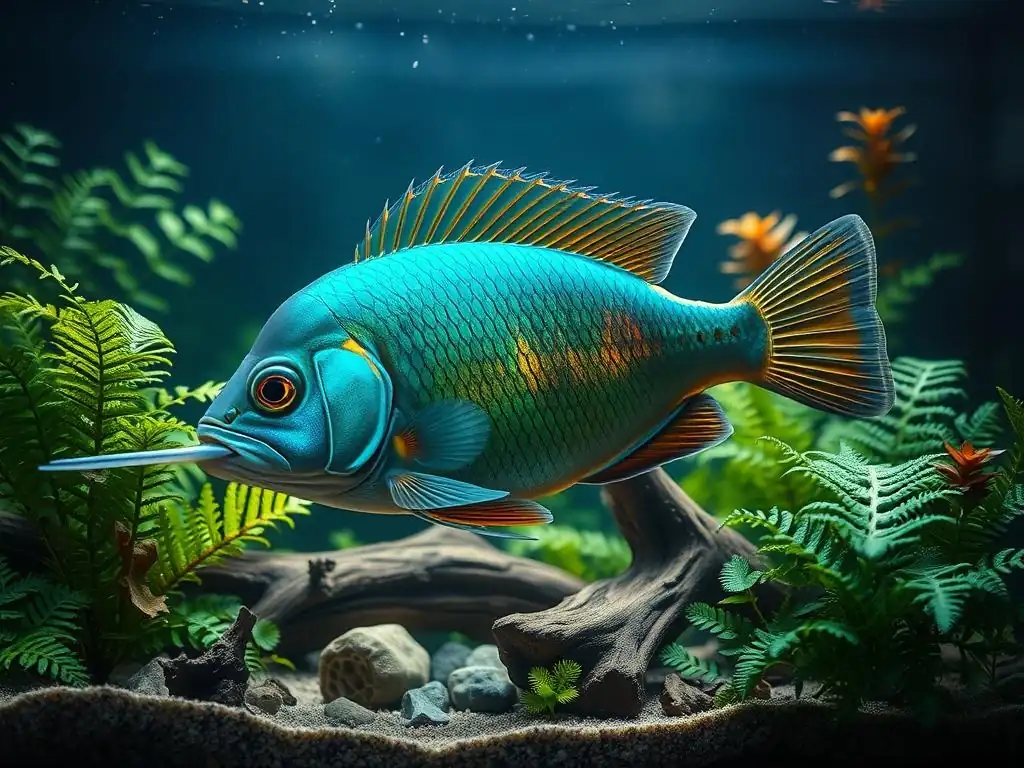
Temperature plays a critical role in the reproductive success of Bristlenose Plecos. While they can thrive in a range of 72-82°F (22-28°C), a specific temperature manipulation is often used to induce spawning. Many breeders find that maintaining a stable temperature around 76-78°F (24-26°C) for several weeks, followed by a slight drop, can be an effective trigger. For example, performing a 25-30% pleco spawning water change with water that is 2-4°F (1-2°C) cooler than the tank water can mimic the natural cooling effect of rain. This subtle but noticeable temperature shift signals the arrival of the breeding season.
Consistently high temperatures, above 80°F (27°C), can sometimes suppress breeding activity or lead to smaller spawns, as they may indicate a dry, less favorable period in their natural habitat. Conversely, temperatures that are too low (below 72°F or 22°C) can slow down their metabolism, inhibit gonadal development, and reduce overall activity, making breeding less likely. The key is not just a specific temperature, but the change from stable conditions to a slightly cooler environment that cues the fish.
pH Levels and Their Impact on Breeding
pH levels are another crucial water parameter influencing Bristlenose Pleco spawning. While these hardy fish can tolerate a relatively wide pH range (6.0-8.0), they generally prefer slightly acidic to neutral water for breeding purposes, typically between pH 6.5 and 7.5. In their natural environment, heavy rainfall often leads to a slight decrease in pH as rainwater is naturally softer and more acidic than river water due to dissolved atmospheric gases. Replicating this through careful pleco spawning water changes can be beneficial.
A gradual reduction in pH, perhaps from 7.5 down to 6.8 over a few days using slightly acidic source water or a small amount of peat filtration, can act as a trigger. However, it is vital to avoid drastic pH swings, which can be highly stressful and even fatal. A sudden drop of more than 0.5 pH units in 24 hours is considered dangerous. Monitoring pH closely with a reliable test kit is essential when attempting to manipulate this parameter for breeding. Stable, slightly acidic conditions within the preferred range contribute to egg viability and fry development.
Water Hardness: GH and KH Considerations for Spawning
Water hardness, specifically General Hardness (GH) and Carbonate Hardness (KH), also plays a role in the breeding success of Bristlenose Plecos. While they are adaptable, Ancistrus sp. generally originate from areas with soft to moderately hard water. For breeding, a GH range of 2-10 dGH (degrees of general hardness) and a KH range of 2-6 dKH (degrees of carbonate hardness) are often recommended. Softer water is generally preferred as it is thought to improve egg fertility and hatch rates, possibly by facilitating easier water absorption by the eggs.
Large pleco spawning water changes using de-chlorinated tap water that is naturally softer than the tank water, or by mixing tap water with reverse osmosis (RO) water, can help achieve the desired softer conditions. KH, or alkalinity, is particularly important as it acts as a buffer against pH fluctuations.
While a slight drop in KH can accompany a pH drop as a trigger, maintaining a minimum KH of 2 dKH is crucial to prevent dangerous pH crashes, which could jeopardize the entire breeding effort. Regular testing of both GH and KH is necessary to ensure these parameters are within the optimal range for successful reproduction.
Specific Water Change Techniques to Induce Spawning
Gradual vs. Large Water Changes: Which is Better for Bristlenose Plecos?
When attempting to induce spawning in Bristlenose Plecos, the debate often arises between gradual, small water changes and larger, more significant ones. For routine maintenance, gradual changes (e.g., 15-20% weekly) are preferred to maintain stability. However, to trigger spawning, larger pleco spawning water changes are generally more effective.
A substantial water change, typically 30% to 50% of the tank volume, more closely mimics the sudden influx of fresh rainwater experienced in their natural habitats. This larger volume change creates a more pronounced shift in water parameters, such as a noticeable drop in nitrates and a slight temperature reduction, which are key environmental cues for breeding.
Performing large water changes every few days for a period of one to two weeks can often stimulate breeding activity. For example, a 50% water change every 3-4 days, using water that is 2-4°F (1-2°C) cooler than the tank, can be highly effective. While large changes can be stressful if done incorrectly or too frequently in an already unstable tank, in a well-maintained system, they are the most potent signal for reproduction. It's crucial to ensure the new water is properly conditioned and matches the existing water's parameters as closely as possible, except for the intended triggers like temperature.
Frequency of Water Changes for Breeding Success
The frequency of pleco spawning water changes is just as important as their volume when aiming for breeding success. A common strategy to induce spawning is to increase the frequency of water changes significantly. Instead of the typical weekly or bi-weekly changes, breeders often perform water changes every 2-3 days for a concentrated period. For instance, a schedule might involve a 30-40% water change every Monday, Wednesday, and Friday for two consecutive weeks. This consistent replenishment of fresh water, particularly if it's slightly cooler and softer, provides a sustained simulation of the rainy season.
This heightened frequency ensures that nitrate levels remain consistently low, often below 10 ppm, and that trace elements are continuously replenished. It also maintains the subtle environmental "shock" that encourages breeding. Once spawning occurs, the frequency can be slightly reduced, but consistent water quality remains paramount, especially with the presence of developing eggs and fry. A common practice is to reduce to 20-25% water changes every 2-3 days once fry are free-swimming, ensuring the delicate water parameters critical for their survival are maintained without causing undue stress.
Dechlorination and Water Preparation for Sensitive Species
Proper dechlorination and water preparation are absolutely non-negotiable when performing pleco spawning water changes, especially for sensitive species and breeding setups. Tap water often contains chlorine or chloramines, which are highly toxic to fish, damaging their gills and mucous membranes, and can be lethal to delicate eggs and fry. Using a high-quality water conditioner that neutralizes both chlorine and chloramines, and ideally detoxifies ammonia and nitrites, is essential. Always add the conditioner to the new water before adding it to the tank, or at least immediately as the new water enters.
Beyond dechlorination, attention to the temperature and pH of the new water is critical. Aim to match the new water's temperature to the tank's current temperature (or slightly cooler if intentionally triggering) within 1-2°F (0.5-1°C) to prevent temperature shock.
For pH, ensure the new water's pH is within 0.2-0.3 units of the tank's pH, unless a gradual pH drop is specifically being induced as a trigger. For very sensitive setups or if source water quality is inconsistent, using a mix of tap water and reverse osmosis (RO) water, re-mineralized to the target GH/KH, can provide greater control and consistency, significantly increasing the chances of successful spawning and fry survival.
Other Environmental Cues to Encourage Breeding
Lighting Conditions: Simulating Natural Day/Night Cycles
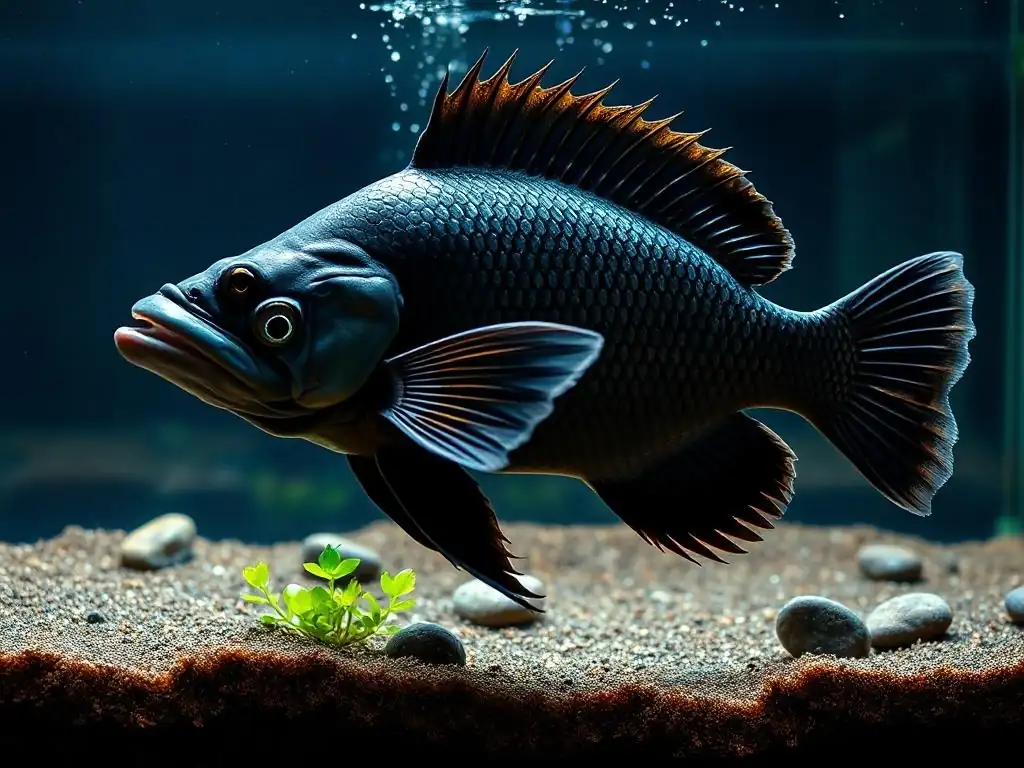
Beyond water parameters, lighting conditions play a significant role in signaling the appropriate time for Bristlenose Plecos to breed. In their natural habitat, the onset of the rainy season often coincides with increased cloud cover, leading to slightly dimmer and more diffused lighting. Replicating this effect in the aquarium can be a subtle yet effective environmental cue.
Aquarists can achieve this by slightly dimming the tank lights or reducing the photoperiod from the typical 10-12 hours to 8-10 hours per day. Some breeders even suggest introducing a period of complete darkness for 24-48 hours, followed by the return of normal, slightly subdued lighting, to simulate an intense storm event.
The consistency of the day/night cycle is also crucial. A predictable light cycle helps regulate the fish's circadian rhythm and hormonal cycles, which are intrinsically linked to reproduction. Avoiding sudden and erratic changes in lighting is important. A well-established routine, perhaps with a slight reduction in intensity, can help signal to the plecos that conditions are stable enough for breeding, complementing the effects of strategic pleco spawning water changes.
Providing Hiding Places and Breeding Caves
The provision of appropriate hiding places and dedicated breeding caves is absolutely essential for Bristlenose Plecos to spawn successfully. These fish are cave spawners, meaning the male will guard the eggs in a confined space. Without suitable caves, breeding is highly unlikely to occur. Ideal breeding caves are typically dark, enclosed, and just large enough for the male to fit inside comfortably to guard the eggs, but small enough to prevent larger tank mates from entering. Common materials include terracotta pots (broken or whole), PVC pipes, slate caves, or commercially available ceramic pleco caves.
The dimensions of the cave are important: an opening diameter of about 1.5-2 inches (3.8-5 cm) and a length of 6-8 inches (15-20 cm) is often suitable for adult Bristlenose Plecos. Placing multiple caves throughout the tank, perhaps 2-3 per male, can reduce territorial disputes and offer choices. The presence of these secure, private spaces makes the plecos feel safe enough to lay eggs, providing the necessary environment for the male to fan and protect the clutch until they hatch. Without these specific structures, even perfect pleco spawning water changes and parameters may not result in successful breeding.
Water Flow and Oxygenation for Breeding Plecos
Increased water flow and oxygenation are often overlooked yet vital environmental cues for inducing and supporting Bristlenose Pleco breeding. In their natural environment, the rainy season brings not only cooler, softer water but also increased current and higher dissolved oxygen levels. Replicating this in the aquarium can further stimulate spawning. A stronger powerhead or filter outflow that creates a noticeable current in the tank can mimic the increased flow of a swollen river. This enhanced water movement also contributes to better oxygen diffusion throughout the water column.
High dissolved oxygen levels are crucial for the health of both the breeding adults and, critically, for the developing eggs. Pleco eggs require a well-oxygenated environment to develop properly, and the male spends a significant amount of time fanning the eggs to ensure adequate oxygen supply and to prevent fungal growth. Ensuring robust aeration through air stones or efficient filtration, in conjunction with targeted pleco spawning water changes, provides an optimal environment for egg development and can significantly improve hatch rates.
Nutrition's Role in Breeding Success
High-Quality Diet for Breeding Adults
A high-quality, varied diet is fundamental for conditioning Bristlenose Plecos for breeding. Fish that are well-fed and nutritionally balanced are more likely to be healthy, vibrant, and reproductively active. For breeding adults, a diet rich in both vegetable matter and supplemental protein is essential. While plecos are primarily herbivorous, a small amount of animal protein helps in gonadal development. High-quality sinking algae wafers or spirulina flakes should form the staple of their diet, providing essential plant-based nutrients.
Supplement this base diet with occasional offerings of protein-rich foods. This could include frozen bloodworms, brine shrimp, or high-quality sinking pellets formulated for omnivorous bottom feeders. Feeding 2-3 times a day in smaller portions, ensuring all fish get enough food without overfeeding and polluting the water, is a good practice. A well-fed breeding pair will exhibit better coloration, more robust health, and a greater propensity to spawn, making the pleco spawning water changes and environmental triggers more effective.
Vegetables and Algae Wafers to Stimulate Spawning
Vegetables and algae wafers are not just maintenance food; they are crucial components for stimulating spawning in Bristlenose Plecos. Their natural diet consists primarily of algae and biofilm, so providing a consistent supply of plant-based foods is paramount. Blanched vegetables such as zucchini, cucumber slices, green beans, or shelled peas are excellent sources of vitamins and fiber. These can be offered daily, ensuring they are removed after 12-24 hours to prevent water fouling. Spirulina-rich algae wafers should be a daily staple, providing concentrated nutrition that mirrors their natural grazing.
A diet heavily reliant on these vegetable sources ensures that the plecos receive the necessary nutrients for egg production and overall vitality. For example, a female pleco preparing to spawn will often appear noticeably plump from the developing eggs, a condition supported by a nutrient-dense vegetable diet. This consistent, high-quality vegetarian intake, combined with optimized pleco spawning water changes, ensures the fish are in peak physical condition to undertake the demanding process of reproduction.
Supplemental Feeding for Fry Development
Once Bristlenose Plecos have spawned and the fry have hatched and become free-swimming, their nutritional needs shift, and supplemental feeding becomes critical for their survival and rapid growth. Newly hatched pleco fry are tiny and require readily available, microscopic food sources. While they will initially graze on the biofilm and algae within the tank, this is often insufficient for a large clutch of fry. High-quality powdered fry foods, such as Hikari First Bites or finely crushed spirulina flakes, are excellent choices. These can be sprinkled directly into the tank near the fry's hiding spots several times a day.
Additionally, blanched vegetables, particularly zucchini and cucumber, are vital for fry. These can be left in the tank for 24 hours, allowing the fry to rasp at them continuously. The soft, decaying vegetable matter also encourages the growth of infusoria and beneficial bacteria, providing additional microscopic food. Ensuring a constant supply of food prevents starvation, which is a common cause of fry mortality. Combined with diligent pleco spawning water changes to maintain pristine water quality, proper nutrition is the cornerstone of raising a healthy batch of pleco fry.
Troubleshooting Common Spawning Issues
Unfertilized Eggs: Potential Causes and Solutions
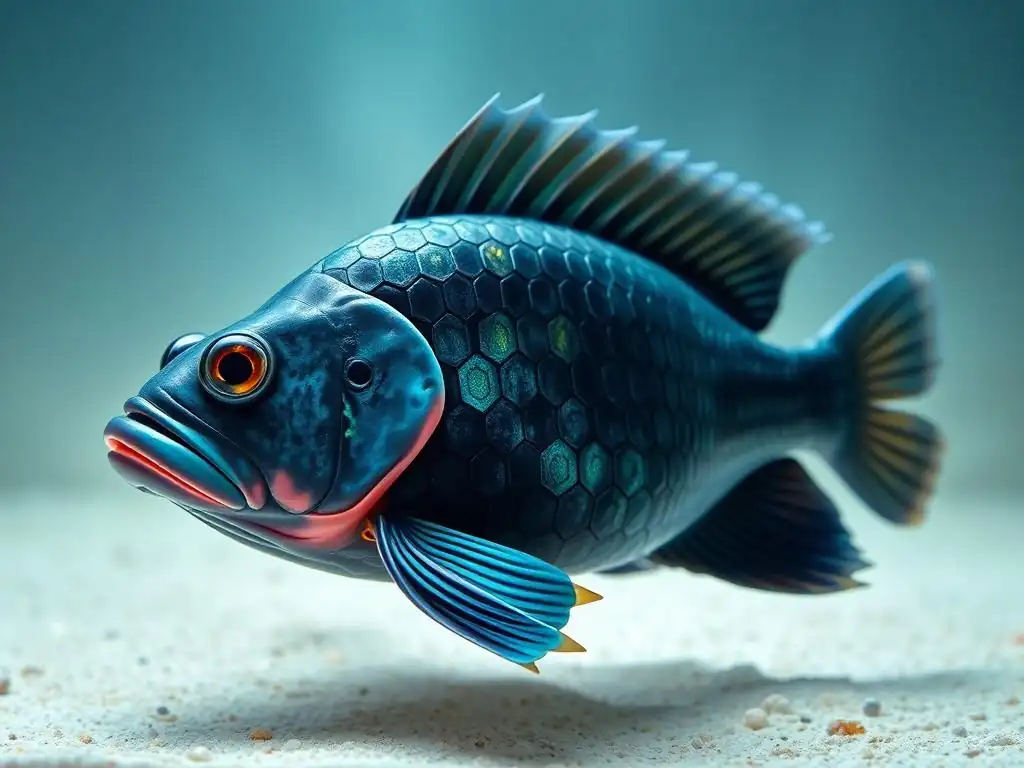
Discovering a clutch of unfertilized Bristlenose Pleco eggs can be disheartening, but it's a common issue with several potential causes. One primary reason is an inexperienced or incompatible male. Young males may not yet be mature enough or simply lack the instinct to properly fertilize the eggs.
In such cases, giving the male more time or introducing a different male might be necessary. Another significant factor is water quality; even with pleco spawning water changes, if parameters like pH, GH, or temperature are not consistently optimal during the crucial pre-spawning and spawning phase, egg viability can be compromised. For instance, excessively hard water (GH above 15 dGH) can sometimes hinder fertilization.
Solutions include ensuring the breeding pair is mature (typically 8-12 months old for Bristlenose), optimizing water parameters precisely within the recommended breeding ranges (e.g., pH 6.5-7.5, GH 2-10 dGH), and providing a high-quality, protein-rich diet to both male and female. Observing the male's behavior is key; if he's not actively fanning the eggs, they are more likely to fungus and spoil. Sometimes, simply trying again after a few weeks with continued conditioning and pleco spawning water changes can yield different results.
Fry Mortality: Prevention and Care
Fry mortality is a challenging aspect of pleco breeding, often attributed to a combination of factors. The most common cause is poor water quality. Newly hatched fry are extremely sensitive to nitrates, ammonia, and nitrites. Even low levels of nitrates (e.g., above 15 ppm) can be detrimental. To prevent this, consistent, small, and frequent pleco spawning water changes (e.g., 10-15% daily or every other day) are paramount once the fry are free-swimming, using dechlorinated water matched in temperature and pH. Overfeeding, which leads to uneaten food decaying and polluting the water, is another frequent culprit.
Another major factor is starvation due to insufficient or inappropriate food. As detailed earlier, providing constant access to powdered fry food and blanched vegetables is crucial. Predation by other tank inhabitants (even snails or larger shrimp) can also decimate fry populations, necessitating a dedicated breeding or grow-out tank. Finally, sudden changes in water parameters (temperature swings, pH crashes) or disease outbreaks can wipe out an entire clutch. Maintaining a stable, clean, well-fed environment with minimal disturbance and proper filtration (sponge filters are excellent for fry tanks) are the best preventative measures.
Lack of Spawning: Identifying and Addressing Potential Problems
When Bristlenose Plecos fail to spawn despite apparent readiness, it can be frustrating, but pinpointing the underlying issue is usually possible. One common problem is simply a lack of maturity; plecos typically reach breeding age between 8-12 months. Another factor is an imbalanced sex ratio or incompatible pair; sometimes a specific male and female just don't bond. Introducing more males or females to the breeding group can help. Environmental stressors, even subtle ones, can inhibit spawning. This includes insufficient hiding places, overly bright lighting, or persistent bullying from other tank mates.
Beyond the specific pleco spawning water changes and parameter adjustments, consider the diet; a diet lacking in essential nutrients, particularly protein, can prevent egg development. Overcrowding in the tank can also lead to stress and reduced breeding activity. If all other factors seem optimized, sometimes a slight change in routine, such as a larger water change (e.g., 75% once) followed by consistent smaller changes, or a brief reduction in temperature, can provide the necessary jolt. Patience is also key; some pairs may take weeks or months to begin spawning even under ideal conditions.
Case Studies: Successful Bristlenose Pleco Breeding
Breeding Albino Bristlenose Plecos (Ancistrus sp.)
A successful case study involves breeding Albino Bristlenose Plecos in a 29-gallon (110-liter) breeding tank. The tank was set up with a mature sponge filter, several terracotta caves, and a sand substrate. The breeding pair, a 4-inch male and a 3.5-inch female, were approximately 10 months old.
Initial water parameters were stable at 76°F (24.4°C), pH 7.0, GH 8 dGH, and nitrates consistently below 15 ppm through weekly 25% water changes. To induce spawning, a regimen of increased pleco spawning water changes was implemented: 40% water changes were performed every other day for 10 days, using water that was 2°F (1.1°C) cooler (around 74°F or 23.3°C) and slightly softer (GH 6 dGH).
During this period, the diet was heavily supplemented with blanched zucchini, spirulina wafers, and frozen bloodworms every other day. On the 7th day of this intensified regimen, the female was observed to be noticeably plumper, and the male had claimed a specific terracotta cave. Two days later, a clutch of approximately 80 bright orange eggs was visible deep within the cave, being diligently fanned by the male.
The water change frequency was then reduced to 25% every two days. After 5 days, the eggs hatched, and the free-swimming fry emerged 3 days later, thriving on powdered fry food and blanched zucchini. This case highlights the effectiveness of combined environmental cues, particularly targeted pleco spawning water changes, in triggering breeding.
Overcoming Breeding Challenges with Longfin Bristlenose Plecos (Ancistrus sp.)
Longfin Bristlenose Plecos, while visually stunning, can sometimes present unique breeding challenges, often due to their longer fins making movement in tight spaces more difficult or increasing susceptibility to fin damage. One breeder experienced difficulty with a pair of Longfin Bristlenose in a 40-gallon (150-liter) breeder tank. Despite optimal water parameters (78°F/25.5°C, pH 6.8, GH 6 dGH) and regular 30% pleco spawning water changes weekly, the pair had not spawned for over two months. The issue was identified as the male's reluctance to use the standard terracotta caves, possibly due to his extended fins.
The solution involved replacing the standard caves with wider PVC pipes (2.5-inch diameter) and a larger, more open slate cave. Additionally, the water change strategy was modified: instead of just larger volumes, the focus shifted to a consistent, very slight temperature drop with each water change, mimicking a prolonged rainy season. Daily 20% pleco spawning water changes were performed for two weeks, using water exactly 1°F (0.5°C) cooler than the tank.
This gentle, persistent cooling, combined with the more accommodating caves, proved effective. Within 10 days of the new regimen, a successful spawn of over 100 eggs was observed. This case demonstrates that tailoring environmental cues, including pleco spawning water changes and cave selection, to the specific needs of a variant can overcome breeding hurdles.
Maintaining a Healthy Breeding Tank
Regular Maintenance for Optimal Breeding Conditions
Regular and meticulous maintenance is the cornerstone of a healthy breeding tank for Bristlenose Plecos, supporting not only the adults but also the delicate eggs and fry. This goes beyond just pleco spawning water changes. It encompasses consistent gravel vacuuming (especially in areas where food collects) to remove detritus and uneaten food, which can quickly degrade water quality and contribute to high nitrate levels. Weekly cleaning of filter media, ensuring it doesn't become clogged but also avoiding over-cleaning that could crash the beneficial bacteria, is also vital.
Checking and cleaning heaters, air stones, and powerheads ensures they function efficiently, maintaining stable temperatures and adequate oxygenation. Regular visual inspection of the fish for any signs of disease, stress, or injury allows for early intervention. A well-maintained tank environment minimizes stress on the breeding pair, allowing them to focus their energy on reproduction rather than fighting off illness or coping with suboptimal conditions. This consistent care creates a predictable and safe environment, signaling to the plecos that it is a favorable time for breeding.
Preventing Disease Outbreaks in a Breeding Setup
Preventing disease outbreaks is paramount in a breeding setup, as sick fish will not spawn, and diseases can quickly decimate vulnerable fry. The primary defense against disease is maintaining pristine water quality through consistent and appropriate pleco spawning water changes and tank maintenance. Stable parameters (temperature, pH, hardness) reduce stress, which is a major contributor to weakened immune systems. Overfeeding must be avoided, as excess food decomposes and fuels bacterial growth, leading to poor water quality.
Quarantining any new fish, plants, or decorations before introducing them to the breeding tank is a critical preventative measure. A minimum 4-week quarantine period allows for observation and treatment of any potential pathogens. Feeding a high-quality, varied diet boosts the fish's immune system, making them more resilient to illness. Should a disease outbreak occur, prompt identification and treatment with appropriate medications are necessary, though some medications can be harmful to fry or beneficial bacteria, requiring careful consideration and potentially temporary removal of fry.
Monitoring Water Quality During Spawning and Fry Rearing
Diligent monitoring of water quality is perhaps the most critical aspect of successful Bristlenose Pleco breeding, particularly during the delicate phases of spawning and fry rearing. Regular testing of key parameters – ammonia, nitrite, nitrate, pH, and temperature – is essential. Ammonia and nitrite should always be at 0 ppm; any detectable levels indicate a problem with the biological filter or overfeeding and can be lethal to eggs and fry. Nitrates should be kept as low as possible, ideally below 10 ppm, through consistent pleco spawning water changes.
During the egg development phase (approximately 4-7 days depending on temperature), water quality directly impacts egg viability and prevents fungal growth. Once the fry are free-swimming, their small size and rapid metabolism mean they are highly susceptible to fluctuations. Daily testing of ammonia, nitrite, and nitrate is not uncommon during the first few weeks of fry life.
Maintaining stable pH (within 0.2 units) and temperature (within 1°F or 0.5°C) is also crucial. Consistent monitoring allows for immediate corrective action, such as an emergency water change or adjustment to feeding, thereby significantly increasing the survival rate of the precious pleco fry.
Frequently Asked Questions
How do water changes help trigger spawning in Plecos and Ancistrus?
Water changes simulate a seasonal shift, mimicking the onset of the rainy season in their natural habitat. This change in water parameters often encourages spawning behavior. A slight drop in temperature can also be key.
What type of water change is most effective for stimulating Pleco spawning?
A larger water change, around 50%, with slightly cooler water is often the most effective. This sudden environmental shift can trigger spawning in receptive Plecos. Monitor the fish closely for any adverse reactions.
How often should I perform water changes to encourage Pleco spawning?
Start with weekly water changes, observing your Plecos for signs of spawning readiness. If no spawning occurs after a few weeks, consider increasing the frequency to every other day for a short period.
Besides water changes, what other environmental cues are important for Pleco spawning?
Providing suitable spawning caves is crucial, as Plecos prefer to lay their eggs in secluded, dark areas. Stable water parameters, good water quality, and a varied diet are also important for overall health and breeding success.
Can incorrect water changes negatively impact Pleco spawning or health?
Yes, drastic or sudden changes in water parameters, especially pH or temperature, can stress Plecos and inhibit spawning. Always ensure the new water is properly treated and close to the tank's existing water parameters.
Final Reflection: The Rhythm of Life and Water
The insights shared in this article regarding triggering spawning in Plecos and Ancistrus through water changes and environmental cues are not merely theoretical; they represent a practical understanding of the delicate dance between life and its environment. The ability to influence these creatures' reproductive cycles, even in a controlled setting, highlights the profound impact we have on the natural world and the responsibility that comes with it.
This exploration into the nuances of Pleco spawning has undeniably deepened my appreciation for the intricate web of life within our aquariums. It reminds us that even seemingly simple actions, like a water change, can have profound biological consequences. In nature, nothing exists alone.
- Rachel Carson. This quote perfectly encapsulates the interconnectedness we've explored, urging us to consider the broader implications of our actions, both within our tanks and beyond.
As you consider the information presented here, I invite you to reflect on your own relationship with the natural world. How can you, armed with this knowledge, cultivate a deeper understanding and respect for the creatures in your care? Let this be a starting point, not an end, in your journey to becoming a more informed and conscientious aquarist, fostering an environment where life can thrive and flourish.
Ignite the Spark: Witness the Miracle of Pleco Breeding!
Thank you for diving deep into the fascinating world of Pleco and Ancistrus spawning! We hope you've uncovered valuable insights into triggering these captivating creatures to breed. Now, let's turn that knowledge into action!
Here are a few things you can do to deepen your understanding and potentially witness the miracle of spawning in your own aquarium:
- Implement a Gradual Water Change Regime: Mimic the rainy season in their natural habitat by consistently performing regular, temperature-controlled water changes to encourage spawning.
- Explore unconventional methods: Try introducing a piece of driftwood from a different source. Sometimes, a new element can trigger interest.
- Share Your Story: Have you successfully bred Plecos or Ancistrus? Share your experience and tips in the comments below and inspire fellow aquarists!
What unique environmental cue will you experiment with to encourage spawning in your Pleco tank?