
The Science of Shoaling: Why Barbs School and How It Benefits Them

Welcome to Aquarium Mastery!
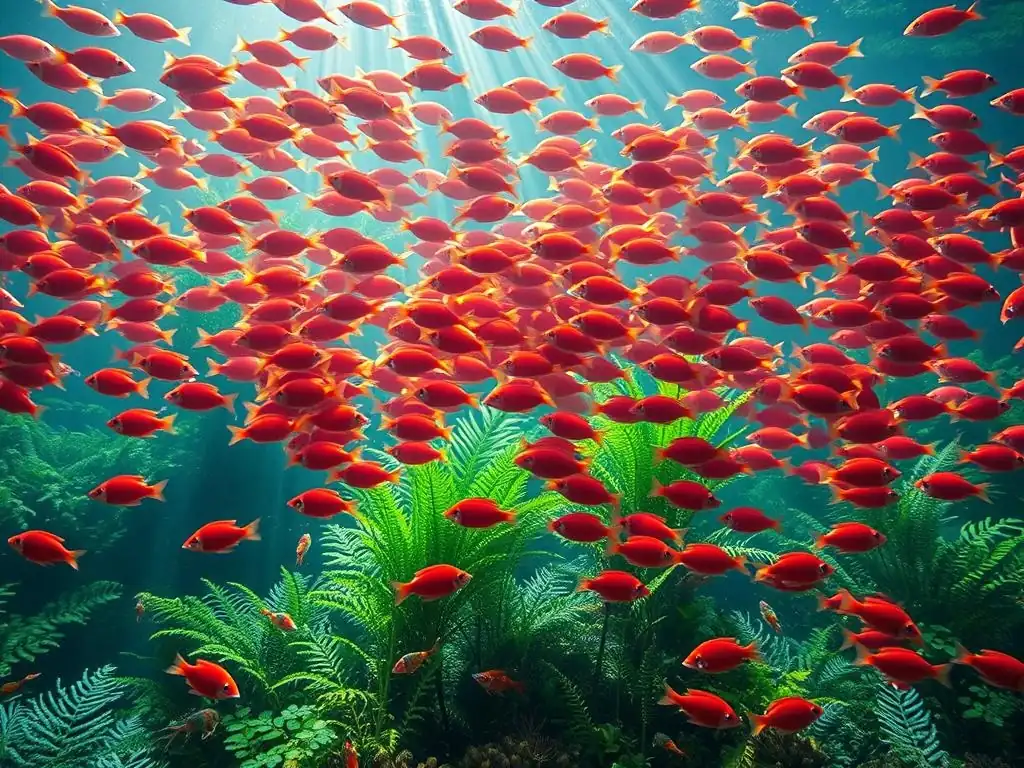
Ever wondered why barbs seem to dance in perfect unison within your aquarium? Dive into the fascinating world of barbs schooling behavior benefits and uncover the science behind this captivating display. Discover how shoaling protects, provides, and ultimately enhances the lives of these vibrant freshwater fish. Ready to unlock the secrets? Let's explore!
- Understanding Barbs Schooling Behavior
- The Evolutionary Advantages of Barbs Schooling Behavior Benefits
- The Science Behind Barbs Schooling: Mechanisms and Triggers
- How Barb Schooling Behavior Benefits Aquarium Health and Wellbeing
- Creating the Ideal Aquarium Environment to Encourage Natural Barb Schooling
- Observing and Managing Barb Schooling Behavior in Your Aquarium
- Troubleshooting Common Issues Related to Barb Schooling
- The Future of Research on Barbs Schooling Behavior
- Frequently Asked Questions
- Final Reflection: The Symphony of Survival
- Unveil the Secrets of a Thriving Barb School!
Understanding Barbs Schooling Behavior
What is Shoaling in Barbs? Defining Collective Movement
Shoaling in barbs refers to the behavior where individuals gather together in a loose aggregation, maintaining close proximity without necessarily exhibiting highly synchronized or polarized movement. This collective behavior is a fundamental aspect of their social structure and is observed across many species within the Cyprinidae family, to which barbs belong. Unlike a tightly coordinated school, a shoal can be more fluid in its formation, with individual barbs joining or leaving the group as they forage or explore.
This natural tendency to form groups provides barbs with a basic level of security and social interaction. For instance, a group of six Cherry Barbs (Puntius titteya) in a 20-gallon tank will typically maintain a loose formation, swimming together but not always in perfect unison. This collective movement allows for shared vigilance and a sense of safety, which is crucial for these active fish in both their natural habitats and captive environments.
Barbs: Distinguishing Shoaling from Schooling
While often used interchangeably in common aquarium parlance, there is a distinct difference between shoaling and schooling. Shoaling, as described, is a simple aggregation, a social gathering. Schooling, on the other hand, is a more highly organized and synchronized form of collective movement where fish orient themselves in the same direction and move at the same speed, often in a tightly packed formation. This synchronized movement is typically a response to perceived threats, such as a predator, or during specific activities like migration or concentrated feeding.
Barbs primarily exhibit shoaling behavior in a relaxed state within an aquarium. However, when startled by a sudden movement outside the tank or in the presence of a larger, potentially aggressive tank mate, a shoal of barbs can rapidly transition into a tighter, more synchronized school. This ability to switch between shoaling and schooling highlights their adaptive behavioral plasticity, allowing them to gain enhanced barbs schooling behavior benefits when necessary for survival.
Key Barb Species Known for Schooling Behavior: Tiger Barbs, Cherry Barbs, and Denison Barbs
Several barb species are renowned for their pronounced shoaling and schooling tendencies, making them popular choices for community aquariums. The Tiger Barb ( Puntigrus tetrazona) is perhaps the most iconic, known for forming active, often boisterous shoals of six to ten or more individuals. Their constant activity and vibrant striped patterns are best observed when kept in sufficiently large groups, which helps diffuse their characteristic nippy behavior among themselves rather than towards other tank mates.
Cherry Barbs ( Puntius titteya) are another excellent example, though their shoals tend to be a bit looser and more peaceful than those of Tiger Barbs. Males display stunning red coloration, especially when competing for mates within the group, and a minimum of six individuals is recommended to encourage their natural shoaling.
Denison Barbs ( Sahyadria denisonii), also known as Roseline Sharks, are fast-swimming and require larger tanks (75 gallons or more for a group of six to eight) to accommodate their active shoaling behavior, showcasing their striking red and black stripes as they move gracefully together. Observing these species in appropriate group sizes clearly demonstrates the inherent barbs schooling behavior benefits for their wellbeing.
The Evolutionary Advantages of Barbs Schooling Behavior Benefits
Enhanced Predator Avoidance: Safety in Numbers for Barbs
One of the most significant evolutionary barbs schooling behavior benefits is enhanced predator avoidance. When barbs form a shoal or school, they collectively reduce the individual risk of being preyed upon through several mechanisms. The "dilution effect" means that in a large group, the probability of any single fish being the chosen target for a predator decreases proportionally with the increase in group size. For instance, in a school of 100 barbs, each individual has a 1% chance of being caught, compared to a 100% chance if it were alone.
Furthermore, a large, dynamic school can create a "confusion effect" for predators, making it difficult for them to single out and pursue an individual target. The rapid, synchronized movements and flashing scales of a tight school can overwhelm a predator's sensory processing, leading to hesitation or missed strikes.
The "many eyes" hypothesis also plays a role, where a larger group collectively has more eyes to spot a potential threat earlier, allowing for a quicker, coordinated escape response. This collective vigilance and defense mechanism is critical for survival in the wild, where barbs are often prey for larger fish or birds.
Improved Foraging Efficiency: Barbs Finding Food Together
Beyond predator defense, barbs schooling behavior benefits also extend to improved foraging efficiency. In a group, barbs can cover a wider area more effectively, increasing the chances of locating food sources. When one individual discovers a patch of food, the others in the shoal can quickly converge, leveraging the collective intelligence of the group. This social information transfer can be particularly advantageous in environments where food is patchily distributed or scarce.
While some competition for food might exist within a shoal, the overall benefit of finding resources more quickly often outweighs individual competitive disadvantages. For example, a large shoal of Denison Barbs might be more successful in locating and exploiting small invertebrate populations or algal blooms in a river system than a lone individual. This collective approach to foraging reduces the time and energy spent searching for food, allowing more resources to be allocated to growth and reproduction.
Hydrodynamic Advantages: Energy Conservation through Collective Swimming
The synchronized movement of schooling barbs can also provide significant hydrodynamic advantages, leading to energy conservation. Fish positioned optimally within a school can experience reduced drag by drafting behind their neighbors, similar to cyclists in a peloton. Studies have indicated that fish in certain positions within a school can experience a reduction in drag by up to 20%, leading to substantial energy savings during prolonged swimming.
This energy conservation is a vital barbs schooling behavior benefit for species that undertake long migrations or constantly swim in strong currents. By swimming efficiently as a group, barbs can conserve energy that can then be redirected towards growth, reproduction, or escaping predators. This collective efficiency allows the entire school to travel further or maintain higher speeds with less individual effort, contributing to the overall fitness and survival of the group.
The formation of shoals also provides crucial social benefits for barbs, including the establishment of hierarchies and facilitating mate selection. Within a group, a "pecking order" often develops, particularly noticeable in species like Tiger Barbs, where dominant individuals may assert themselves. This hierarchy, while sometimes involving minor nips or chases, helps to stabilize social interactions and reduce overall aggression by creating clear roles and boundaries within the group.
Furthermore, being part of a larger shoal significantly increases the opportunities for mate selection. In species like the Cherry Barb, males display more vibrant coloration and elaborate courtship rituals when surrounded by potential mates within their social group. A larger pool of potential partners within the shoal allows for healthier genetic mixing and increases the likelihood of successful reproduction. The reduced stress levels associated with being in a secure group also contribute to better overall health, making individuals more likely to engage in successful breeding behaviors.
The Science Behind Barbs Schooling: Mechanisms and Triggers
Visual Cues: How Barbs Coordinate Movement
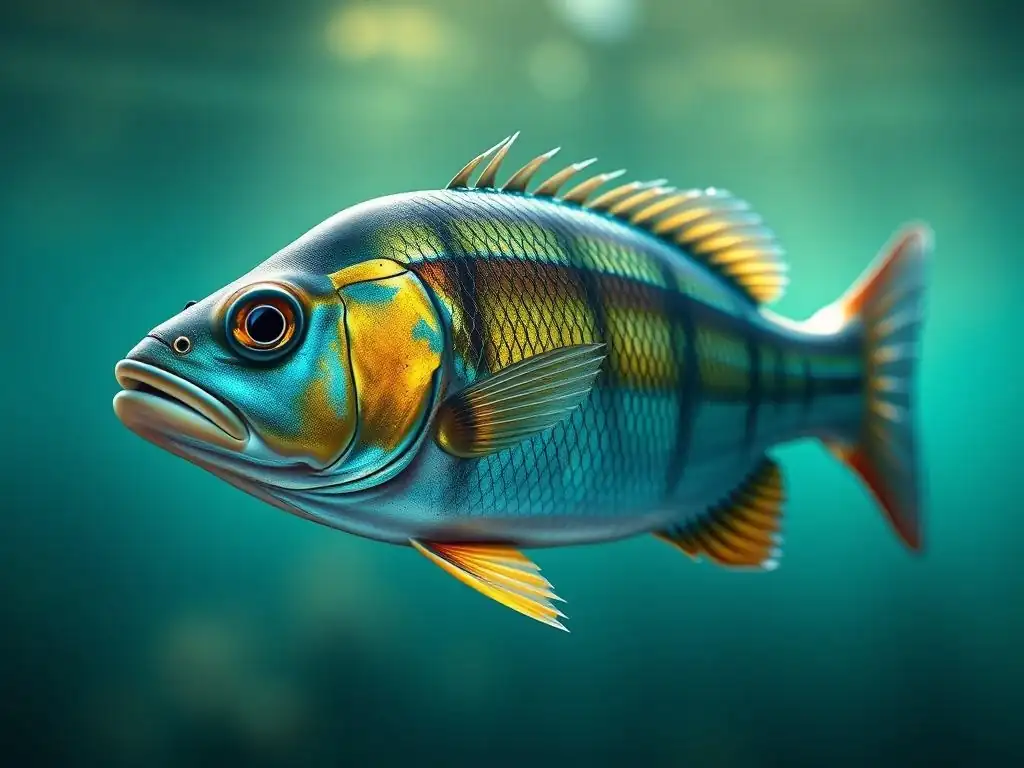
Visual cues play a paramount role in the coordination of movement within a barb school. Barbs rely heavily on their eyesight to maintain their position relative to their neighbors, orienting themselves by observing the body angles, fin movements, and overall direction of the fish around them. The rapid processing of visual information allows for the almost instantaneous adjustments needed to maintain tight formations, especially during evasive maneuvers or sudden changes in direction.
The reflective properties of their scales, particularly under varying light conditions, can also serve as visual signals, helping individuals to track and align with the group. This constant visual feedback loop ensures that the school acts as a cohesive unit, allowing for complex, synchronized movements that would be impossible for individual fish to achieve. The effectiveness of these visual cues underscores why barbs kept in groups often appear more active and well-coordinated.
Lateral Line System: Sensing Vibrations in the Water
Beyond visual input, the lateral line system is another critical sensory mechanism for barbs schooling behavior. This specialized sensory organ, running along the sides of the fish, detects subtle changes in water pressure and vibrations. It allows barbs to "feel" the presence and movement of nearby objects, including their conspecifics, even in low-light conditions or murky water where visual cues might be limited.
The lateral line system enables barbs to maintain precise distances from their neighbors, avoiding collisions while moving at high speeds. It also plays a vital role in detecting the hydrodynamic wake created by other fish, allowing them to draft efficiently and conserve energy. Moreover, the lateral line system is crucial for sensing the approach of predators or sudden disturbances in the water, triggering rapid and coordinated escape responses from the entire school.
Chemical Signals: Pheromones and Schooling Behavior in Barbs
Chemical signals, specifically pheromones, also contribute to the complex dynamics of barb schooling behavior. Fish can release various chemical compounds into the water that convey information to other members of their species. Alarm pheromones, for instance, are released by injured or stressed fish and can trigger an immediate tightening of the school or a dispersal response, alerting the group to a potential danger.
Other types of pheromones, often referred to as social pheromones, may play a role in maintaining group cohesion and recognition among individuals within a shoal. These chemical cues, though often imperceptible to humans, provide a continuous flow of information that helps barbs to stay together, identify their own kind, and respond collectively to environmental changes. This multi-sensory communication network underpins the robust barbs schooling behavior benefits.
The Role of Genetics and Instinct in Barb School Formation
The tendency for barbs to form schools is not solely a learned behavior but is deeply rooted in their genetics and innate instincts. From a very young age, barb fry exhibit rudimentary shoaling behaviors, demonstrating a pre-programmed predisposition to aggregate with their conspecifics. This instinctual drive has been shaped by millions of years of evolution, as schooling provided significant survival advantages in their natural habitats.
Genetic factors dictate the neural pathways and sensory systems that enable schooling, ensuring that this crucial survival strategy is passed down through generations. While environmental factors and individual experiences can influence the specific expression of schooling behavior (e.g., how tight a school is, or how readily it forms), the fundamental impulse to join a group is hardwired. This inherent predisposition ensures that barbs will naturally seek out and thrive in the company of their own kind, making the barbs schooling behavior benefits readily apparent in an aquarium setting.
How Barb Schooling Behavior Benefits Aquarium Health and Wellbeing
Reducing Stress: The Calming Effect of Schooling for Barbs in Captivity
One of the most significant barbs schooling behavior benefits in an aquarium environment is the profound reduction in stress levels for the fish. Barbs are naturally social creatures, and being kept in isolation or in insufficient numbers can lead to chronic stress, manifested as lethargy, dull coloration, and increased susceptibility to disease. When kept in appropriate groups, the presence of conspecifics provides a sense of security and familiarity, mimicking their natural social structure.
This feeling of safety allows barbs to behave more naturally, reducing anxiety and preventing the development of stress-related illnesses. For example, a single Tiger Barb might hide constantly or become overly aggressive towards other tank mates due to stress. However, when kept in a shoal of eight or more, their aggression is typically diffused among the group, and they become more confident and active, demonstrating the calming effect of collective security.
Promoting Natural Behaviors: Creating a Thriving Aquarium Environment
Encouraging natural barbs schooling behavior benefits the overall health and vitality of the fish by promoting their innate behavioral repertoire. In a well-sized school, barbs will engage in active swimming, foraging, and complex social interactions that would not occur if they were kept alone or in small, inadequate groups. This includes subtle dominance displays, courtship rituals, and synchronized movements that are a joy to observe.
A thriving school of barbs indicates a healthy and stimulating aquarium environment. When fish are able to express their natural behaviors, they are less prone to boredom, lethargy, and abnormal behaviors like glass surfing or excessive hiding. This adherence to their natural instincts contributes significantly to their overall wellbeing and longevity in captivity, creating a dynamic and engaging display for the aquarist.
Enhancing Coloration and Activity Levels: A Sign of Healthy, Schooling Barbs
Healthy, well-adjusted barbs, particularly those exhibiting strong schooling behavior, often display more vibrant coloration and higher activity levels. Dull or faded colors can be a clear indicator of stress, illness, or inadequate living conditions. When barbs feel secure within a cohesive group, their natural colors intensify, especially during feeding times or when males are displaying for females. For instance, a male Cherry Barb's red hues will be significantly more pronounced in a thriving shoal.
Similarly, a robust school of barbs will be constantly active, swimming energetically throughout the tank, exploring, and interacting. This consistent movement is a strong sign of good health and contentment. Conversely, inactive or listless barbs, or those that hide frequently, may be experiencing stress or illness. Therefore, observing bright colors and vigorous activity in your schooling barbs serves as an excellent visual cue for their optimal health and the success of your aquarium setup.
Creating the Ideal Aquarium Environment to Encourage Natural Barb Schooling
Tank Size and Dimensions: Providing Ample Space for Schooling
To encourage natural barbs schooling behavior benefits, providing an appropriately sized tank with ample swimming space is paramount. The minimum tank size varies by species: for smaller barbs like Cherry Barbs, a 10-20 gallon tank can house a small shoal of 6-8 individuals, but a 29-gallon or larger is preferable. For active species like Tiger Barbs, a 20-30 gallon tank is a minimum for a group of 6-8, with 55 gallons or more being ideal for larger schools (10-12+). Denison Barbs, being larger and faster, require at least 75 gallons for a group of 6-8.
Crucially, the tank should be longer rather than taller to provide sufficient horizontal swimming lanes. Barbs are active swimmers that appreciate open areas to dart and weave in formation. A tank that is too small or overly cluttered will inhibit their natural schooling instincts, leading to stress, aggression, and a diminished display of their captivating collective movements.
Water Parameters: Maintaining Optimal Conditions for Barb Health
Maintaining stable and optimal water parameters is fundamental for the health of barbs and for promoting their natural schooling behavior. Most common barb species thrive in temperatures between 74-79°F (23-26°C), with a slightly acidic to neutral pH range of 6.0-7.5. Water hardness should generally be soft to medium-hard, typically between 5-12 dGH. Consistent water changes, around 25% weekly or bi-weekly, are essential to keep nitrate levels low and maintain overall water quality.
Regular testing of ammonia, nitrite, and nitrate levels is crucial to prevent the buildup of harmful compounds. Poor water quality can quickly lead to stress, disease, and a breakdown in schooling behavior, as individual barbs become lethargic or isolated. Providing pristine and stable water conditions ensures that barbs feel secure and healthy enough to engage in their characteristic collective movements, maximizing the barbs schooling behavior benefits for their wellbeing.
Substrate and Decorations: Creating a Natural Habitat
The choice of substrate and decorations can significantly influence the comfort and behavior of schooling barbs. A fine gravel or sand substrate is generally suitable, mimicking their natural riverbed environments. Live plants are highly recommended, not only for their aesthetic appeal and water purification benefits but also for providing essential hiding spots and breaking up lines of sight, which can reduce aggression within the school.
Good plant choices include Java Fern, Anubias species, Cryptocorynes, and various stem plants like Rotala or Ludwigia. Driftwood and smooth rocks can also be incorporated to create a more naturalistic setting. While providing cover, it is vital to ensure that ample open swimming areas remain for the barbs to school freely. A balanced layout with both dense planting and open spaces will encourage natural exploration and robust barbs schooling behavior benefits.
Choosing Compatible Tank Mates: Avoiding Aggression and Stress
Careful consideration of tank mates is crucial to prevent stress and aggression that could disrupt natural barb schooling. While barbs themselves are generally active and can be nippy (especially Tiger Barbs), they should not be housed with slow-moving fish or those with long, flowing fins, such as Angelfish, Bettas, or Guppies, as these are prime targets for fin-nipping.
Compatible tank mates for most barb species include other active, similarly sized, and fast-swimming fish. Good choices often include various Danios, larger Rasboras, some peaceful loaches (like Kuhli Loaches), and bottom-dwelling catfish such as Corydoras species. Always ensure the tank is not overcrowded, as this can exacerbate aggression and stress even among compatible species, ultimately hindering the natural expression of barbs schooling behavior benefits.
Observing and Managing Barb Schooling Behavior in Your Aquarium
Recognizing Signs of Stress or Illness within the School
Observing the schooling behavior of your barbs can be an early indicator of stress or illness within the group. Healthy, content barbs will typically maintain a cohesive shoal, swimming actively and displaying vibrant coloration. Signs of stress or illness include individuals isolating themselves from the group, hiding frequently, exhibiting clamped fins, or showing erratic swimming patterns. Dull or faded colors, loss of appetite, or the appearance of white spots (Ich), fungal growths, or fin rot are also clear red flags.
Prompt identification of these symptoms is critical. If one barb shows signs of distress, it's important to monitor the entire school, as illnesses can spread rapidly. Quarantining affected individuals for treatment can prevent wider outbreaks and ensure the health and continued barbs schooling behavior benefits of the remaining group.
Addressing Aggression or Dominance Issues
Even within a healthy school, occasional aggression or dominance issues can arise, particularly with species like Tiger Barbs. This often manifests as fin nipping, chasing, or general harassment. A common cause for such behavior is an insufficient school size; when kept in groups smaller than six to eight individuals, aggression tends to be concentrated on a few weaker fish or other tank mates.
To mitigate aggression, the primary solution is to increase the school size. Adding two to four more barbs can often diffuse aggression across a larger group, reducing the focus on any single individual. Providing more hiding spots and visual barriers with plants or decorations can also help. In some cases, re-evaluating tank mates for compatibility might be necessary if the barbs are consistently harassing other species despite an adequate school size.
Maintaining School Size: Optimal Numbers for Barb Wellbeing
Maintaining the optimal school size is fundamental to ensuring the long-term wellbeing of barbs and maximizing the barbs schooling behavior benefits. For most common barb species, a minimum group of 6 to 8 individuals is recommended to encourage natural shoaling behavior and minimize stress. However, a larger school of 10 to 12 or more often leads to more pronounced and stable schooling, with reduced inter-species aggression.
Keeping barbs in groups smaller than the recommended minimum can lead to several problems: increased stress, a breakdown in natural schooling behavior, and a heightened tendency for individuals to become aggressive towards each other or other tank inhabitants. A well-maintained, appropriately sized school is a cornerstone of successful barb keeping, ensuring that these active fish thrive in their captive environment.
Monitoring Water Quality and Tank Conditions
Consistent monitoring of water quality and overall tank conditions is crucial for the sustained health and schooling behavior of your barbs. Regular testing for ammonia, nitrite, and nitrate is indispensable, as even slight fluctuations can stress fish and compromise their immune systems. Maintaining stable temperature and pH levels within their preferred range prevents environmental shock.
Beyond chemical parameters, ensuring proper filtration, aeration, and regular cleaning of the substrate and filter media contribute to a healthy environment. A clean, well-oxygenated tank with stable parameters directly supports robust barbs schooling behavior benefits, allowing the fish to remain active, vibrant, and cohesive within their shoal. Any deviation from ideal conditions can quickly manifest as a decline in schooling behavior and overall fish health.
Isolated or Hiding Barbs: Identifying Potential Problems
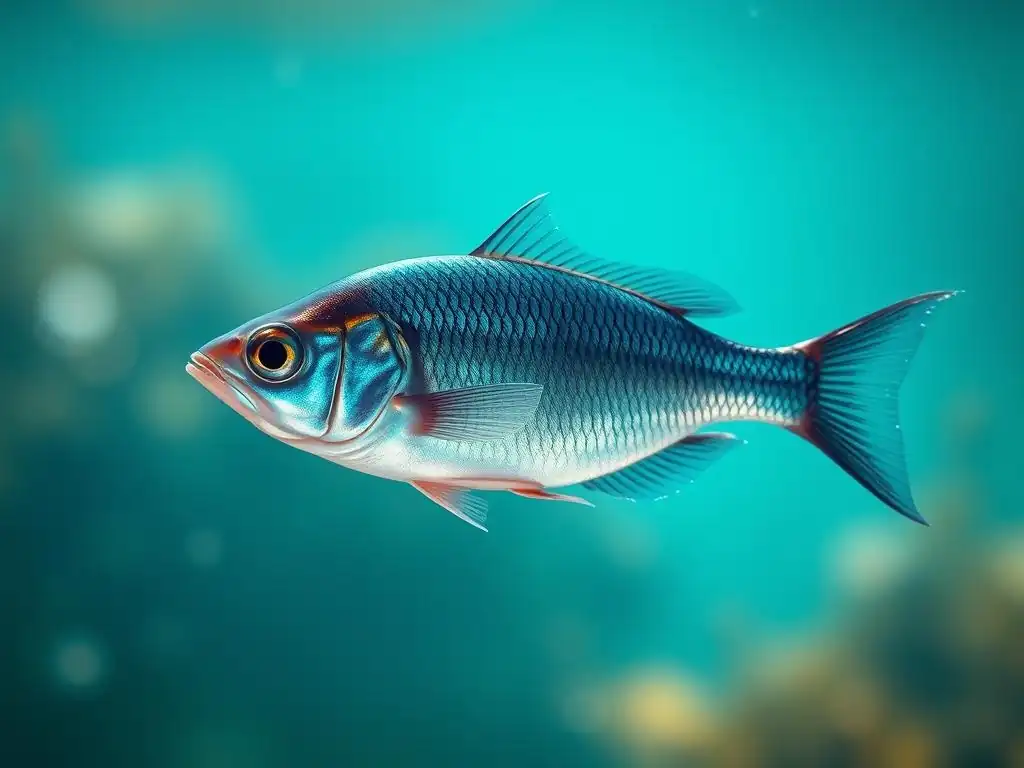
When individual barbs become isolated from the school or begin to hide excessively, it's a clear sign that something is amiss. This behavior often indicates stress, which can stem from several sources. The school size might be too small, making the individual feel exposed and vulnerable. Unsuitable or overly aggressive tank mates could be causing harassment, forcing the barb into isolation. Poor water quality, characterized by elevated ammonia or nitrite, can also lead to lethargy and a desire to hide.
Furthermore, an isolated barb might be ill or injured, seeking solitude to recover or avoid further stress from the group. Carefully observe the fish for any physical signs of disease, such as clamped fins, white spots, or labored breathing. Addressing the underlying cause, whether it's increasing the school size, improving water parameters, or treating an illness, is essential to restore the barbs schooling behavior benefits for the individual and the group.
Fin Nipping and Aggression within the School: Causes and Solutions
Fin nipping and aggression are common issues within barb schools, particularly with species like Tiger Barbs, but can also occur with Cherry or Denison Barbs if conditions are not ideal. The primary cause is often an insufficient school size; when kept in groups of fewer than six to eight individuals, their natural nippy tendencies are concentrated on the few available targets, leading to excessive fin damage or stress for specific individuals. Overcrowding the tank or a lack of adequate hiding spots can also exacerbate aggression by increasing perceived competition for resources or territory.
To resolve this, the most effective solution is to increase the school size to at least 8-10, or even 12+ for Tiger Barbs. This diffuses the aggression across a larger group, reducing the impact on any single fish. Adding more plants, driftwood, or rockwork can create visual barriers and break up lines of sight, further minimizing aggressive encounters. Re-evaluating tank mates to ensure compatibility is also important, as highly aggressive or very passive tank mates can trigger or become targets of barb aggression.
School Dispersal: Investigating Environmental Factors
If a well-established barb school suddenly disperses or remains uncharacteristically scattered, it signals a significant environmental disturbance or threat. Common culprits include sudden changes in lighting (e.g., bright room lights turning on suddenly), abrupt fluctuations in water parameters (temperature, pH), or the presence of a perceived predator or highly aggressive tank mate. A large hand entering the tank for maintenance can also cause temporary dispersal.
Another potential cause for school dispersal is the onset of widespread illness within the group. If multiple fish appear unwell or listless, the cohesive nature of the school may break down. Investigating and rectifying these environmental factors is crucial. Ensuring stable conditions, minimizing sudden disturbances, and addressing any underlying health issues will help restore the natural, cohesive barbs schooling behavior benefits.
The Future of Research on Barbs Schooling Behavior
Future research on barbs schooling behavior is poised to delve deeper into the complexities of their social interactions. While we understand the basic benefits of shoaling, the intricate dynamics within a school, such as individual roles, leadership emergence, and decision-making processes, are still largely unexplored. Studies could focus on how information is transmitted and processed within the group beyond simple visual and lateral line cues, perhaps involving more subtle chemical signals or even electrical impulses.
Understanding how individual barbs contribute to the collective intelligence of the school and how these social structures adapt to changing environmental conditions will provide invaluable insights. This research could also explore the long-term social learning within schools, such as how younger barbs learn optimal foraging routes or escape strategies from older, more experienced individuals.
Investigating the Genetic Basis of Schooling
Another promising avenue for future research involves a more detailed investigation into the genetic basis of schooling behavior in barbs. While it's known that the tendency to school is innate, identifying the specific genes or gene complexes responsible for this complex behavior could revolutionize our understanding. This could involve genomic studies to pinpoint genes related to sensory perception, neural development, and social recognition.
Understanding the genetic underpinnings would not only shed light on the evolutionary drivers of schooling but also potentially reveal how environmental factors might influence gene expression, leading to variations in schooling intensity or cohesion. Such research could provide a deeper appreciation for the biological mechanisms that contribute to the pronounced barbs schooling behavior benefits.
Applying Research to Improve Aquarium Management Practices
Finally, future research on barbs schooling behavior has significant implications for improving aquarium management practices. By gaining a more profound understanding of their social needs and environmental preferences, aquarists can create even more optimal conditions for these popular fish. For instance, detailed studies on hydrodynamic efficiency within schools could inform tank design, suggesting optimal dimensions or current patterns that maximize energy conservation for the fish.
Research into the psychological and physiological barbs schooling behavior benefits could lead to refined recommendations for school sizes, species compatibility, and enrichment strategies that reduce stress and promote natural behaviors in captivity. Ultimately, applying this scientific knowledge will enable hobbyists to provide more enriching and healthier environments, ensuring that barbs thrive and display their captivating schooling behaviors to their fullest potential.
Frequently Asked Questions
Why do Barbs exhibit schooling behavior?
Barbs school primarily for predator avoidance. By forming a large group, they confuse predators and make it harder for them to single out an individual. This also enhances their collective awareness of threats.
What are the primary benefits of schooling for Barbs in an aquarium?
Schooling provides Barbs with increased security and reduced stress. It also promotes more natural and active behavior within the aquarium environment, leading to healthier fish.
How many Barbs should I keep together to observe proper schooling behavior?
A minimum of six Barbs is generally recommended to encourage proper schooling. Smaller groups may result in stressed and less active fish.
Does the size of the aquarium affect Barbs' schooling behavior?
Yes, a tank that's too small can inhibit schooling. Barbs need enough space to swim freely and engage in natural schooling patterns. Overcrowding leads to stress.
Are all Barb species equally inclined to school?
While most Barbs exhibit schooling behavior, the intensity can vary. Some species, like Tiger Barbs, are known for their more pronounced schooling tendencies compared to others.
Final Reflection: The Symphony of Survival
The intricate dance of barbs schooling, as explored in this article, isn't just a fascinating biological phenomenon; it's a testament to the power of collective intelligence and survival strategies. Understanding the barbs schooling behavior benefits illuminates a fundamental principle of nature: strength in numbers. This principle resonates far beyond the aquarium, offering valuable insights into cooperation and resilience in various aspects of life.
The impact of understanding this behavior extends beyond scientific curiosity. It fosters a deeper appreciation for the interconnectedness of life and the elegant solutions evolution has crafted. We see echoes of this dynamic in human societies, where collaboration and shared knowledge often lead to greater success. In union there is strength.
This simple proverb, reflecting the essence of barbs schooling, reminds us that collective action can overcome individual limitations.
Now, consider the lessons learned from the barbs. How can you apply the principles of cooperation, shared awareness, and mutual support in your own life? Embrace the power of collaboration, seek out diverse perspectives, and remember that even the smallest individual can contribute to a larger, more resilient whole. Let the barbs schooling behavior benefits inspire you to build stronger connections and navigate the challenges ahead with greater confidence and collective strength.
Unveil the Secrets of a Thriving Barb School!
Thank you for diving deep into the fascinating world of barb shoaling! We hope you’ve gained a new appreciation for the intricate social dynamics of these vibrant fish. Now, let's translate that knowledge into action and enhance the well-being of your own finned friends!
Here's how you can further explore and celebrate the science of shoaling:
- Prioritize a proper school size! Expand your barb school to a minimum of six individuals to unlock their full potential and reduce stress, especially if you have just a couple of them.
- Observe your barbs closely for subtle social cues. Share your observations and insights in the comments section below! We want to learn with you!
- Consider researching the specific shoaling behaviors of other fish species. You may be surprised by the similarities and differences you find.
What surprising shoaling behavior have you observed in your aquarium, and how has it influenced your understanding of fish social dynamics?