
Troubleshooting Common Shell Dweller Tank Issues: Expert Solutions

Welcome to Aquarium Mastery!
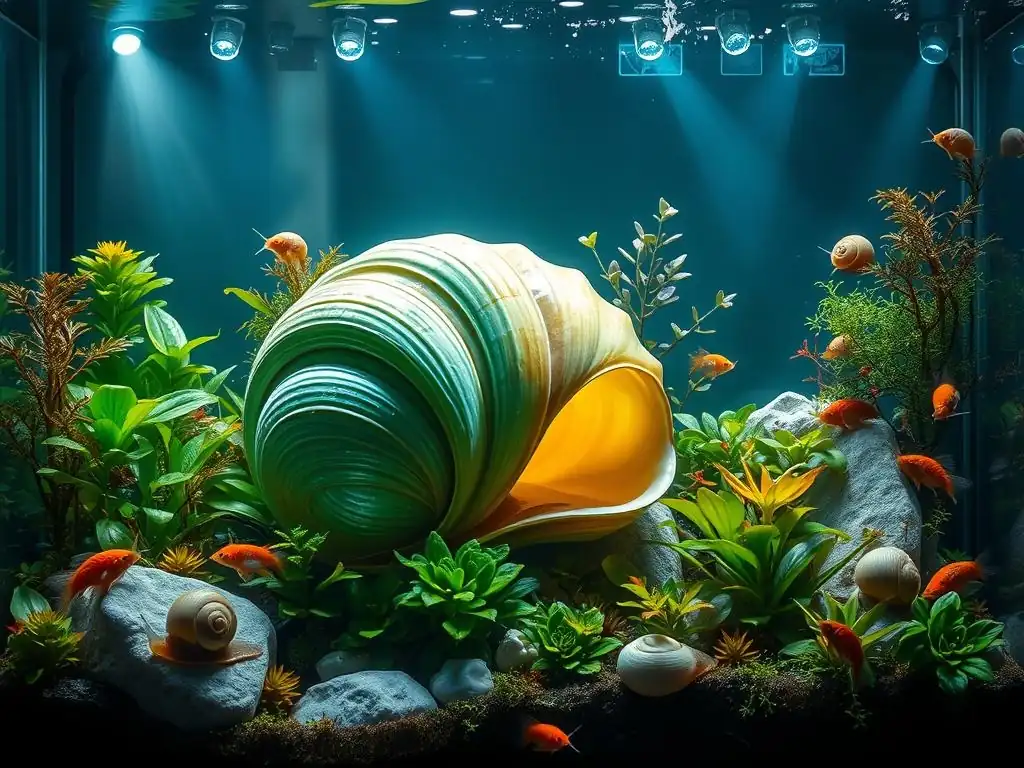
Ever wondered why your shell dwellers aren't thriving? Dive in! We understand the unique challenges of keeping these captivating creatures. This article tackles common shell dweller tank problems head-on, offering expert solutions to help you create the perfect habitat. Curious to know if that mysterious behaviour is a sign of trouble? Read on to unlock the secrets to a flourishing shell dweller aquarium!
- Understanding Shell Dweller Tank Problems: An Introduction
- Addressing Poor Water Quality in Shell Dweller Tanks
- Combatting Algae Growth in Shell Dweller Aquariums
- Managing Shell Dweller Aggression and Territorial Disputes
- Dealing with Shell Dweller Diseases and Health Issues
- Food and Nutrition Problems in Shell Dweller Aquariums
- Solving Shell Dweller Breeding Problems
- Preventing Shell Dweller Shell Problems and Damage
- Troubleshooting Shell Dweller Tank Substrate Issues
- Conclusion: Maintaining a Thriving Shell Dweller Aquarium
-
Frequently Asked Questions
- What are the most common shell dweller tank problems new aquarists face?
- Why is substrate choice so critical for a shell dweller tank?
- How can I prevent aggression in my shell dweller tank?
- What are the signs of poor water quality in a shell dweller tank, and how can I address them?
- What type of shells are best suited for shell dwellers and how many should I provide?
- Final Reflection: Cultivating Harmony in Miniature Worlds
- Unleash Your Inner Aquarist: Transform Your Shell Dweller Tank!
Understanding Shell Dweller Tank Problems: An Introduction
The Allure of Shell Dwellers and the Challenges of a Thriving Habitat
Shell dwellers, a fascinating group of cichlids native to Lake Tanganyika in East Africa, captivate aquarists with their unique behaviors and small stature. Species like Neolamprologus multifasciatus (Multies), Lamprologus ocellatus, and Lamprologus brevis are particularly popular due to their intricate social structures, diligent parenting, and fascinating habit of utilizing discarded snail shells for shelter and breeding. Their relatively small size, often ranging from 1 to 3 inches, makes them suitable for smaller aquarium setups compared to their larger cichlid cousins, contributing to their widespread appeal among enthusiasts.
Despite their hardiness and charming personalities, maintaining a thriving shell dweller habitat comes with specific challenges that, if overlooked, can quickly escalate into significant shell dweller tank problems. These cichlids require very stable water parameters mimicking their natural rift lake environment, precise dietary needs, and a carefully designed aquascape that caters to their territorial and breeding instincts. Understanding these unique requirements is the first step toward preventing common issues and ensuring the long-term health and vibrance of your shell dweller community.
Common Pitfalls in Shell Dweller Aquarium Setup and Maintenance
One of the most frequent pitfalls in setting up a shell dweller aquarium is inadequate cycling. Rushing the nitrogen cycle can lead to dangerous ammonia and nitrite spikes, which are highly toxic to fish and a primary cause of early shell dweller health problems.
Another common mistake is providing insufficient or inappropriate shells; shell dwellers rely heavily on these for security and breeding, and a lack of proper housing can cause immense stress and aggression among tank inhabitants, leading to significant shell dweller tank problems. It's recommended to provide at least two to three shells per fish, varying in size to accommodate growth and individual preferences.
Beyond the initial setup, ongoing maintenance often presents its own set of challenges. Infrequent or insufficient water changes allow nitrates to accumulate, gradually degrading water quality and stressing the fish. Overfeeding is another prevalent issue, leading not only to poor water quality but also to potential digestive issues and bloat in shell dwellers. Neglecting consistent monitoring of water parameters such as pH, general hardness (GH), and carbonate hardness (KH) can result in unstable conditions, which are particularly detrimental to Tanganyikan cichlids. Addressing these common pitfalls proactively is crucial for preventing a wide array of shell dweller tank problems.
Addressing Poor Water Quality in Shell Dweller Tanks
Ammonia and Nitrite Spikes: Causes and Immediate Solutions for Shell Dwellers
Ammonia and nitrite spikes are among the most critical shell dweller tank problems, often stemming from an uncycled tank, overstocking, overfeeding, or a malfunctioning filter. Ammonia, highly toxic to fish, can cause gill damage, lethargy, and ultimately death, even at concentrations as low as 0.25 parts per million (ppm). Nitrite, while slightly less toxic, impairs the fish's ability to absorb oxygen, leading to similar symptoms. These compounds are byproducts of fish waste and decaying organic matter, and their presence indicates a breakdown in the biological filtration process essential for a healthy aquarium.
Immediate action is vital when detecting ammonia or nitrite. The most effective solution is to perform a large water change, typically 50% to 75%, to dilute the toxins. Simultaneously, adding an ammonia-binding detoxifier can temporarily neutralize the harmful compounds, providing a crucial buffer until biological filtration recovers. Increasing aeration through an air stone or adjusting filter outflow can also help, as oxygen aids in the nitrification process. It is imperative to cease feeding or significantly reduce portions until parameters return to zero, and to test water daily to monitor recovery.
Nitrate Buildup: Long-Term Water Quality Management for a Healthy Shell Dweller Ecosystem
Nitrate is the final product of the nitrogen cycle, less toxic than ammonia or nitrite, but its accumulation over time can lead to chronic stress, weakened immune systems, and increased susceptibility to shell dweller health problems. For Tanganyikan cichlids, nitrate levels should ideally be kept below 20 ppm, with many experts recommending even lower, around 5-10 ppm, for optimal health and breeding. High nitrates can also contribute to excessive algae growth and a general decline in the vibrancy of your shell dweller ecosystem.
Long-term management of nitrate buildup primarily relies on consistent, regular water changes. For a typical shell dweller setup, a weekly water change of 25% to 30% is often sufficient to keep nitrates in check, depending on stocking levels and feeding habits. Ensuring adequate biological filtration, avoiding overstocking, and preventing overfeeding are also crucial steps. While live plants can help absorb nitrates, they are less common in shell dweller tanks due to the fish's digging habits; however, hardy plants like Anubias or Java Fern, anchored to decor, can offer some benefit.
Maintaining Optimal pH and Hardness for Shell Dweller Health
Maintaining the correct and stable pH and hardness is paramount for the health of shell dwellers, as these parameters closely mimic their natural Lake Tanganyika habitat. The ideal pH range for most shell dweller species is between 7.8 and 9.0, with many aquarists aiming for a stable 8.0 to 8.5.
General Hardness (GH) should be high, typically 10-20 dGH (180-360 ppm), and Carbonate Hardness (KH) should also be robust, around 10-15 dKH (180-270 ppm), to provide essential buffering capacity and prevent drastic pH swings. Fluctuations in these parameters are common shell dweller tank problems that can cause severe stress and even osmotic shock.
To achieve and maintain these specific water conditions, various strategies can be employed. Using a substrate like crushed coral, aragonite sand, or specialized cichlid buffering sands can naturally help elevate and stabilize pH and hardness. Adding buffering salts specifically formulated for African cichlids can also be effective. It's crucial to avoid using distilled or reverse osmosis (RO) water without remineralizing it, as these waters lack the necessary minerals and buffering capacity. Regular testing with reliable kits is essential to monitor these parameters and make gradual adjustments as needed, preventing sudden shifts that could lead to shell dweller health problems.
Combatting Algae Growth in Shell Dweller Aquariums
Identifying Different Types of Algae Affecting Shell Dweller Tanks
Algae growth is a common aesthetic and environmental concern in aquariums, including shell dweller tanks, often signaling underlying imbalances. Green spot algae appears as small, hard, circular green dots on glass and decor, typically indicating high light intensity or low phosphate levels. Green hair algae, characterized by long, fine green strands, usually points to an excess of nutrients, often from overfeeding or infrequent water changes, combined with prolonged lighting. Both can become pervasive shell dweller tank problems if left unchecked.
Brown diatom algae, which forms a dusty, brownish film on all surfaces, is frequently observed in newer tanks (under 6 months old) due to an abundance of silicates in the water and potentially lower light levels. Black brush algae (BBA) or red algae, appearing as tough, dark tufts, is one of the most stubborn types, often thriving in tanks with fluctuating CO2 levels (if plants are present) or high organic waste. Each type of algae provides clues about the specific conditions contributing to its growth, aiding in targeted solutions for shell dweller tank problems.
Natural Methods for Algae Control in Shell Dweller Aquariums
Employing natural methods for algae control is always the preferred first step to avoid introducing chemicals into a sensitive shell dweller ecosystem. Reducing the duration of tank lighting is highly effective; limit the photoperiod to 6-8 hours per day, using a timer for consistency. Overfeeding is a major contributor to excess nutrients, so feed only what your shell dwellers can consume within 1-2 minutes, 1-2 times daily, to minimize uneaten food. Consistent weekly water changes (25-30%) are crucial for removing dissolved nitrates and phosphates that fuel algae growth.
Manual removal is also a vital tool. Use an algae scraper on glass surfaces and gently scrub decor and shells during water changes. While shell dwellers themselves don't eat algae, certain snails can be effective. Nerite snails, for example, are excellent algae eaters and are generally safe with shell dwellers, though their shells might occasionally be moved. Introducing other algae-eating fish like Otocinclus catfish should be considered carefully for compatibility, as shell dwellers can be territorial. These natural approaches help mitigate shell dweller tank problems related to algae without chemical intervention.
Chemical Algae Treatments: When and How to Use Them Safely in Shell Dweller Tanks
Chemical algae treatments should be considered a last resort for shell dweller tanks, only after natural methods have proven insufficient. While effective, many algaecides can be harsh on beneficial bacteria in the filter, sensitive fish, or invertebrates, potentially creating new shell dweller tank problems. If you choose to use a chemical treatment, it is absolutely crucial to read and follow the manufacturer's instructions precisely, paying close attention to dosage and any warnings regarding specific fish species or water parameters.
Before administering any chemical algaecide, perform a significant water change to reduce existing nutrient levels. Increase aeration in the tank during treatment, as some algaecides can reduce oxygen levels. Products like API AlgaeFix or Seachem Flourish Excel (which has algaecide properties) are examples that can be used, but always start with a reduced dose to observe your fish's reaction.
Monitor your shell dwellers closely for any signs of stress, such as rapid breathing, clamped fins, or unusual behavior. If adverse reactions occur, immediately perform a large water change. Chemical treatments should be used sparingly and with extreme caution to prevent further stress or harm to your shell dweller community.
Managing Shell Dweller Aggression and Territorial Disputes
Recognizing Signs of Aggression in Shell Dweller Communities
Aggression and territorial disputes are common shell dweller tank problems, especially if the tank is not set up correctly or is overstocked. Recognizing the signs early can prevent serious injury or stress to your fish. Common indicators of aggression include constant chasing, nipping at fins, and vigorous body trembling or "shivering" directed at other fish. Subordinate fish may exhibit faded colors, clamped fins, or spend excessive time hiding, often refusing to leave their shells or a specific corner of the tank.
In more severe cases, aggression can lead to physical damage, such as torn fins, missing scales, or even fatal injuries. For shell dwellers, specific aggressive behaviors include relentlessly guarding multiple shells, actively blocking other fish from entering desired shells, and intense digging around their chosen territory to deter intruders. Observing these shell dweller behavior problems indicates that the social dynamic within the tank is out of balance and requires intervention to restore harmony.
Tank Layout and Shell Placement Strategies to Minimize Conflicts
Strategic tank layout and shell placement are crucial for minimizing aggression and territorial disputes among shell dwellers. Since shells are central to their lives, providing an abundance of them is key – aim for at least two to three times the number of shells as there are fish. Distribute these shells across the entire tank footprint, rather than clustering them, to create multiple, distinct territories. Using various types of shells (e.g., escargot, whelk, turbo shells) can also provide choice and reduce competition.
Creating visual barriers with rocks, driftwood, or even small, hardy plants like Anubias can help break up sightlines, preventing dominant fish from constantly seeing and harassing subordinates. For species like Neolamprologus multifasciatus that form colonies, a larger tank footprint (e.g., a 20-gallon long or a 40-gallon breeder) is essential to allow for expansion and reduce overcrowding. For more solitary or paired shell dwellers like Lamprologus ocellatus, ensuring clear, individual territories with distinct shell clusters is vital to prevent shell dweller aggression problems.
Overpopulation and Its Impact on Shell Dweller Behavior: Solutions for a Balanced Tank
Overpopulation is a significant contributor to shell dweller aggression problems, leading to heightened stress, stunted growth, and diminished overall health. Even small shell dwellers require adequate space to establish territories and avoid constant confrontations. For instance, while a small group of Neolamprologus multifasciatus might start in a 10-gallon tank, a healthy, breeding colony quickly outgrows it, requiring at least a 20-gallon long or larger to thrive without excessive aggression. Too many fish in a limited space intensifies competition for food, shells, and prime breeding sites.
Solutions for overpopulation include rehoming excess fish or upgrading to a larger aquarium. If breeding is prolific, regularly removing fry once they are large enough can help manage population density. Maintaining an appropriate male-to-female ratio can also help mitigate aggression; for colony-forming species, a higher female-to-male ratio (e.g., 3-4 females per male) can spread out male aggression. Proactive population management is essential for a balanced and peaceful shell dweller community, preventing the escalation of shell dweller behavior problems.
Dealing with Shell Dweller Diseases and Health Issues
Common Shell Dweller Diseases: Identification and Treatment
Shell dwellers, while generally hardy, can fall victim to various diseases, often triggered by poor water quality, stress, or new introductions. Ichthyophthirius multifiliis (Ich) is one of the most common, appearing as small white spots resembling salt grains on the fish's body and fins, accompanied by scratching against tank objects. Fin Rot, a bacterial infection, manifests as frayed, ragged, or disintegrating fins, sometimes with a reddish or whitish edge. Both are frequent shell dweller health problems.
Bloat, a severe internal condition, causes the fish's abdomen to swell, often with loss of appetite and lethargy; it can be diet-related or indicative of internal parasites or bacterial infections. Columnaris (Flexibacter columnaris) is a highly aggressive bacterial disease, presenting as cottony growths around the mouth, fins, or body, sometimes resembling fungus, but progressing much faster. Prompt identification and treatment of these shell dweller health problems are crucial for recovery, often requiring specific medications available at aquarium stores.
Quarantine Procedures for Sick Shell Dwellers
Implementing proper quarantine procedures is essential for treating sick shell dwellers without compromising the main display tank. A dedicated quarantine tank, typically 5-10 gallons, should be set up with a heater, a simple sponge filter (to avoid complex filter media that can absorb medication), and an air stone for aeration. Use water from the main display tank to minimize stress during the transfer of the sick fish, and ensure the temperature and pH match the main tank.
Treating fish in a quarantine tank offers several advantages: it prevents the medication from harming beneficial bacteria in the main filter or sensitive invertebrates, allows for precise dosing, and enables closer observation of the sick fish's response to treatment. Complete the full course of medication even if symptoms improve, as stopping early can lead to a relapse or antibiotic resistance. A quarantine tank also serves as a crucial isolation unit for all new fish before introducing them to the main tank, preventing the spread of potential shell dweller disease problems.
Preventive Measures to Maintain Shell Dweller Health and Immunity
Prevention is the cornerstone of maintaining robust shell dweller health and immunity, significantly reducing the occurrence of shell dweller disease problems. The most critical preventive measure is consistently maintaining pristine water quality: stable parameters (pH, GH, KH), zero ammonia and nitrite, and low nitrates (below 20 ppm). Regular weekly water changes (25-30%) are fundamental to achieve this. A balanced and varied diet, including high-quality pellets, flakes, and occasional live or frozen foods, provides essential nutrients to support the fish's immune system.
Minimizing stress is equally important. This includes providing an appropriately sized tank with ample shells and hiding spots, ensuring compatible tank mates, and avoiding sudden environmental changes. All new fish, plants, or decor should undergo a rigorous quarantine period of at least 2-4 weeks before being introduced to the main tank to prevent the introduction of pathogens. Avoiding cross-contamination of equipment between tanks also plays a vital role in preventing the spread of diseases, ensuring a resilient and healthy shell dweller community.
Food and Nutrition Problems in Shell Dweller Aquariums
Ensuring Proper Nutrition for Shell Dwellers: A Balanced Diet
Ensuring proper nutrition is fundamental to preventing shell dweller health problems and supporting their vibrant coloration and breeding activity. Shell dwellers are primarily micro-predators and insectivores in their natural habitat, meaning their diet should be rich in protein. A high-quality cichlid-specific flake or small pellet food, with a protein content of at least 40-50%, should form the staple of their diet. Brands like New Life Spectrum Thera-A or Hikari Cichlid Excel are often recommended for their balanced nutritional profiles.
Supplementing the staple diet with a variety of frozen and occasional live foods is crucial for providing a complete nutritional spectrum and stimulating natural foraging behaviors. Examples include frozen brine shrimp, mysis shrimp, daphnia, and bloodworms. This varied diet not only enhances their color and vitality but also provides essential vitamins and minerals that might be lacking in a single-source diet, directly contributing to their overall well-being and reducing the likelihood of nutritional shell dweller health problems.
Overfeeding and Underfeeding: Recognizing the Signs and Adjusting Feeding Schedules
Both overfeeding and underfeeding can lead to significant shell dweller tank problems. Overfeeding is a common mistake that quickly degrades water quality, leading to cloudy water, elevated nitrates, and an increased risk of ammonia spikes due to decaying uneaten food. It can also cause digestive issues in the fish, such as bloat, which can be fatal. Signs of overfeeding include uneaten food accumulating on the substrate, fish with noticeably distended bellies, and a general decline in water clarity.
Conversely, underfeeding can lead to lethargy, faded colors, pinched stomachs, and increased aggression among tank mates due to competition for scarce resources. Fish may appear unusually thin or exhibit stunted growth. To avoid these issues, feed your shell dwellers small amounts 1-2 times daily, only what they can consume entirely within 1-2 minutes. Observe their behavior and body condition regularly and adjust the feeding schedule and portion sizes accordingly. Consistency in feeding, without overindulgence, is key to preventing shell dweller feeding problems.
Live and Frozen Food Options for Shell Dwellers: Benefits and Considerations
Live and frozen food options offer significant benefits for shell dwellers, mimicking their natural diet and providing essential nutrients that can enhance color, promote breeding, and encourage natural hunting behaviors. Frozen foods like brine shrimp, mysis shrimp, daphnia, and bloodworms are excellent choices, offering a boost of protein and variety. Mysis shrimp, in particular, are highly nutritious and often eagerly accepted. Always thaw frozen foods completely before feeding to prevent digestive upset.
When considering live food, such as small blackworms or daphnia, ensure they are sourced from reputable suppliers to minimize the risk of introducing parasites or diseases into your tank. While beneficial for conditioning breeding pairs and providing enrichment, live foods can sometimes carry risks. Offering a diverse rotation of high-quality flakes/pellets, frozen, and occasional live foods ensures a comprehensive diet, minimizing the likelihood of nutritional deficiencies that could lead to shell dweller health problems.
Solving Shell Dweller Breeding Problems
Creating Optimal Breeding Conditions for Shell Dwellers
Creating optimal breeding conditions for shell dwellers involves replicating the stable, high-quality environment of Lake Tanganyika. Water parameters are paramount: maintain a consistent pH between 8.0 and 8.5, and high general hardness (GH 10-20 dGH) and carbonate hardness (KH 10-15 dKH). A slightly elevated temperature, typically around 78-80°F (25.5-26.5°C), can also stimulate breeding. Providing an abundance of appropriate shells is non-negotiable, as these are their preferred spawning sites. Ensure shells are clean and varied in size to accommodate the female and eventual fry.
Beyond water parameters, a high-quality, protein-rich diet is essential for conditioning breeding pairs. Regular feeding of frozen foods like brine shrimp, mysis shrimp, and bloodworms can significantly boost their readiness to spawn. For colony-forming species like Neolamprologus multifasciatus, a well-established group in a sufficiently large tank (e.g., 20-gallon long or larger) often breeds continuously. For pair-bonding species such as Lamprologus ocellatus, ensuring a compatible male and female pair with their own distinct territories is crucial for successful reproduction.
Identifying and Addressing Issues Preventing Shell Dweller Spawning
If your shell dwellers are not spawning, despite appearing healthy, several factors might be contributing to these shell dweller breeding problems. The most common issues include incorrect or unstable water parameters (e.g., pH too low, hardness insufficient, or frequent fluctuations), which can stress the fish and inhibit spawning. A diet lacking in proper conditioning foods, particularly protein-rich live or frozen options, can also prevent fish from entering breeding condition. Insufficient or unsuitable shells, or a tank layout that doesn't provide adequate privacy and territory, are also frequent culprits.
Overcrowding or the presence of overly aggressive tank mates can also be a significant deterrent to breeding, as the stress of constant skirmishes will prevent fish from feeling secure enough to reproduce. Sometimes, simply adjusting the male-to-female ratio, introducing new breeding stock to diversify genetics, or providing more varied shell options can trigger spawning. Patience is also key; some species may take time to settle into a new environment before they begin to breed.
Protecting Shell Dweller Fry from Predation and Environmental Hazards
Once shell dwellers spawn, protecting their tiny fry from predation and environmental hazards becomes the next challenge. While many shell dweller species are excellent parents, guarding their fry within and around the shells, other tank inhabitants—and sometimes even the adult shell dwellers themselves, depending on the species and tank size—may predate on free-swimming fry. Fry are extremely small and vulnerable, requiring specific conditions to survive and grow.
To maximize fry survival, ensure the tank has plenty of fine sand substrate for them to forage in and around the shells, providing natural hiding spots. If you wish to protect a large number of fry, consider setting up a separate grow-out tank. This tank should have gentle filtration, such as a sponge filter, to prevent fry from being sucked in.
Feed fry specialized fry food, crushed flakes, or newly hatched brine shrimp multiple times a day. Maintaining pristine water quality with frequent small water changes in the grow-out tank is paramount, as fry are highly sensitive to pollutants, which can be a common shell dweller tank problem during this delicate stage.
Preventing Shell Dweller Shell Problems and Damage

Ensuring Adequate Shell Availability and Size
The availability and suitability of shells are fundamental to the well-being of shell dwellers, as these are their primary homes, breeding sites, and safe havens. A common shell dweller tank problem arises when there are not enough shells, or the shells provided are not the correct size or type. It is crucial to provide at least two to three shells per fish to prevent territorial disputes and stress. These shells should vary in size to accommodate the growth of the fish and to provide options for different individuals, as preferences can vary.
Escargot shells are a popular and readily available choice due to their appropriate size and opening, but other types like whelk, turbo, or even cleaned decorative shells can also be used, provided they are natural and untreated. If shells are too small, fish may outgrow them and become stressed, while too few shells will lead to intense competition and aggression, directly contributing to shell dweller aggression problems and overall tank instability. Providing a generous and diverse selection of shells is a cornerstone of successful shell dweller keeping.
Shell Cleaning and Maintenance for a Healthy Environment
While shell dwellers themselves keep their shells relatively clean through their constant digging and occupation, periodic inspection and gentle maintenance of the shells are beneficial for the overall health of the aquarium environment. Over time, algae or detritus can accumulate on the exterior of unused or less frequently occupied shells. This buildup can be unsightly and, if excessive, contribute to the organic load in the tank.
During routine tank maintenance and water changes, gently inspect the shells. If necessary, remove a few shells from the tank and lightly scrub them with a soft brush (like a toothbrush) using only tank water. Never use soap, detergents, or any chemicals, as residues can be highly toxic to fish. Ensuring shells are clean and free of organic matter before their initial introduction to the tank is also important. Regular water changes help maintain a clean environment, reducing the likelihood of significant buildup on shells and preventing shell dweller tank problems related to poor hygiene.
Addressing Shell Damage from Aggression or Poor Water Quality
Shell damage, while not directly affecting the fish's shell (as they don't grow their own), refers to the physical degradation or displacement of the shells they inhabit. Aggression is a primary cause of shell damage or displacement in a shell dweller tank. Dominant fish may constantly move, bury, or actively fight over prime shells, leading to an unstable environment and increased stress for other inhabitants. This is a direct manifestation of shell dweller aggression problems. Ensuring ample shells and proper tank layout, as previously discussed, is the best preventive measure.
Poor water quality, particularly consistently low pH and insufficient mineral content (low GH and KH), can also lead to the gradual erosion of calcium-based shells over time. While this is a slower process, prolonged exposure to acidic conditions can weaken shells, making them less durable and potentially less appealing to the fish. Maintaining the optimal high pH and hardness levels specific to Lake Tanganyika cichlids is crucial not only for the fish's health but also for the longevity and integrity of their vital shell homes. This proactive approach helps mitigate potential shell dweller tank problems related to environmental factors.
Troubleshooting Shell Dweller Tank Substrate Issues
Choosing the Right Substrate for Shell Dweller Tanks
Choosing the correct substrate is crucial for shell dweller tanks, as these fish spend a significant amount of time digging, sifting, and rearranging their environment. Fine sand is the ideal substrate choice. Materials like aragonite sand, pool filter sand, or very fine play sand are highly recommended. Fine sand prevents injury to their delicate mouths and gills during their constant digging activities, which coarse gravel could cause.
Beyond physical safety, the right substrate can also contribute to water chemistry. Aragonite sand, for example, naturally helps buffer the water, contributing to the high pH and hardness levels (GH and KH) that shell dwellers require. This can be a significant advantage in maintaining the stable parameters essential for preventing shell dweller water chemistry problems. A depth of at least 2-3 inches of sand allows for ample digging and burrowing, which are natural behaviors for these fascinating cichlids.
Maintaining a Clean and Healthy Substrate
Despite shell dwellers' natural tendency to sift and rearrange their substrate, maintaining a clean and healthy sand bed is important to prevent the accumulation of organic waste. Uneaten food and fish waste can settle into the sand, decomposing and contributing to nitrate buildup or even ammonia spikes if not managed. While a deep gravel vacuuming is not recommended for shell dweller tanks (as it disturbs their carefully crafted burrows), regular, gentle substrate maintenance is still necessary.
During routine water changes, lightly skim the surface of the sand with a gravel vacuum to remove visible detritus, focusing on areas not actively dug by the fish. Avoid disturbing the deeper layers too much, as this can disrupt beneficial anaerobic bacteria that might be present in a healthy sand bed. Consistent removal of uneaten food immediately after feeding also significantly reduces the organic load on the substrate, preventing common shell dweller tank problems related to poor substrate hygiene.
Preventing Substrate Compaction and Anaerobic Conditions
Fine sand, especially when deep, can sometimes compact over time, leading to the formation of anaerobic (oxygen-deprived) pockets. These pockets can release toxic hydrogen sulfide gas, identifiable by a rotten egg smell, which is extremely harmful to fish. However, for shell dweller tanks, this is generally less of a concern than in other setups. Shell dwellers are prolific diggers and constantly churn the substrate, naturally aerating it and preventing compaction.
If you do notice any dark, black areas in the sand or detect a foul odor, it indicates anaerobic conditions. In such cases, gently stir the affected areas of the substrate with a stick or your fingers during a water change, being careful not to release large amounts of trapped gas at once. Ensuring good water circulation across the substrate surface also helps prevent dead spots where organic matter could settle and compact. While shell dwellers' natural behavior largely mitigates this, being aware of the signs can help address potential shell dweller tank problems before they become severe.
Conclusion: Maintaining a Thriving Shell Dweller Aquarium
Key Takeaways for Preventing and Solving Shell Dweller Tank Problems
Maintaining a thriving shell dweller aquarium hinges on a proactive approach to their specific environmental and behavioral needs. The cornerstone of success lies in consistently providing pristine water quality, characterized by stable high pH (8.0-8.5), high hardness (GH 10-20 dGH, KH 10-15 dKH), and negligible ammonia/nitrite with low nitrates (below 20 ppm). Regular, diligent water changes are non-negotiable for this. Equally vital is the appropriate tank setup: a fine sand substrate for digging, and an abundance of suitable shells (2-3 per fish) strategically placed to create distinct territories and minimize aggression.
Effective management of potential aggression through proper stocking, sufficient space, and visual barriers is crucial for a peaceful community. A balanced, protein-rich diet, avoiding both overfeeding and underfeeding, supports overall health and breeding readiness. Finally, vigilance in observing fish behavior and water parameters, coupled with prompt intervention for any signs of shell dweller health problems or other issues, can prevent minor setbacks from escalating into significant challenges, ensuring your fascinating shell dwellers flourish.
Resources for Further Learning About Shell Dweller Care
For aquarists seeking to deepen their understanding and master the nuances of shell dweller care, a wealth of resources is available. Reputable online forums and communities dedicated to African cichlids, such as those found on sites like Cichlid-Forum.com, provide invaluable peer-to-peer advice, troubleshooting tips, and shared experiences from seasoned hobbyists. These platforms often feature detailed species profiles and discussions on specific shell dweller tank problems.
Delving into academic papers and specialized books on Lake Tanganyika cichlids can offer a more scientific perspective on their natural habitat, behaviors, and physiology. Resources like "Tanganyikan Cichlids in Their Natural Habitat" by Ad Konings are considered definitive guides. Continuous learning and engaging with the wider aquarist community will not only enhance your ability to prevent and solve shell dweller tank problems but also enrich your overall experience with these captivating fish.
Frequently Asked Questions
What are the most common shell dweller tank problems new aquarists face?
New aquarists often struggle with water parameter instability and incorrect substrate leading to poor shell dweller health. Overcrowding and inadequate shell availability are also frequent issues.
Why is substrate choice so critical for a shell dweller tank?
Shell dwellers need a substrate they can easily dig and manipulate. This is essential for creating burrows and establishing territories, which directly affects their breeding success and overall well-being.
How can I prevent aggression in my shell dweller tank?
Provide sufficient shells and adequate space to minimize territorial disputes. Carefully consider the species and number of shell dwellers to avoid overcrowding and aggression.
What are the signs of poor water quality in a shell dweller tank, and how can I address them?
Signs include cloudy water, unusual fish behavior, and high ammonia/nitrite levels. Regular water changes, proper filtration, and avoiding overfeeding are crucial for maintaining optimal water quality.
What type of shells are best suited for shell dwellers and how many should I provide?
Turbo shells are generally preferred, though size and opening should be appropriate for the species. Always provide more shells than fish to allow for choice and territorial establishment.
Final Reflection: Cultivating Harmony in Miniature Worlds
The challenges of maintaining a thriving shell dweller tank, as we've explored, are more than just technical hurdles; they represent a microcosm of the delicate balance required to foster any ecosystem. Understanding and addressing these "Shell dweller tank problems" is crucial not only for the well-being of these fascinating fish but also for our own appreciation of the interconnectedness of life. Ignoring these issues can lead to devastating consequences, highlighting the responsibility we bear as custodians of these miniature aquatic worlds.
The journey of troubleshooting shell dweller tank problems has profoundly influenced my understanding of aquascaping and fishkeeping. It's a constant reminder that success lies not just in initial setup, but in continuous observation, adaptation, and a deep respect for the needs of our aquatic companions. The best aquarium is not just a display case, but a living, breathing ecosystem that reflects the dedication and understanding of its keeper.
This quote encapsulates the essence of responsible fishkeeping, urging us to move beyond mere ownership and embrace the role of stewards.
Now, armed with the knowledge and solutions presented, I encourage you to reflect on your own approach to shell dweller keeping, or indeed, any aspect of your life where you nurture and maintain a delicate balance. Consider how you can apply the principles of observation, adaptation, and proactive problem-solving to create a more harmonious and thriving environment, not just for your fish, but for yourself and those around you. Let's strive to be mindful stewards, fostering growth and well-being in all that we do.
Unleash Your Inner Aquarist: Transform Your Shell Dweller Tank!
Thank you for diving into the world of shell dwellers with us! We hope you've gained valuable insights into resolving common issues and ensuring a thriving habitat for these fascinating fish. Now, let's put that knowledge into action.
Here's how you can take your shell dweller aquarium to the next level:
- Re-evaluate your current substrate: Is it truly conducive to burrowing? Consider switching to a sand mix that allows for easy digging and shell arrangement for your shell dwellers.
- Dive deeper into shell dweller behavior! Spend extra time observing your fish's interactions and noting areas for improvement in their environment. Document these observations, as this will help in future troubleshooting.
- Share your shell dweller success story! Post photos and videos of your thriving tank on social media using #AquariumMastery and inspire other aquarists to embrace these amazing fish.
What's one small tweak you can make this week to significantly improve your shell dwellers' happiness?