
Troubleshooting Pearl Gourami Issues: From Faded Colors to Lethargy

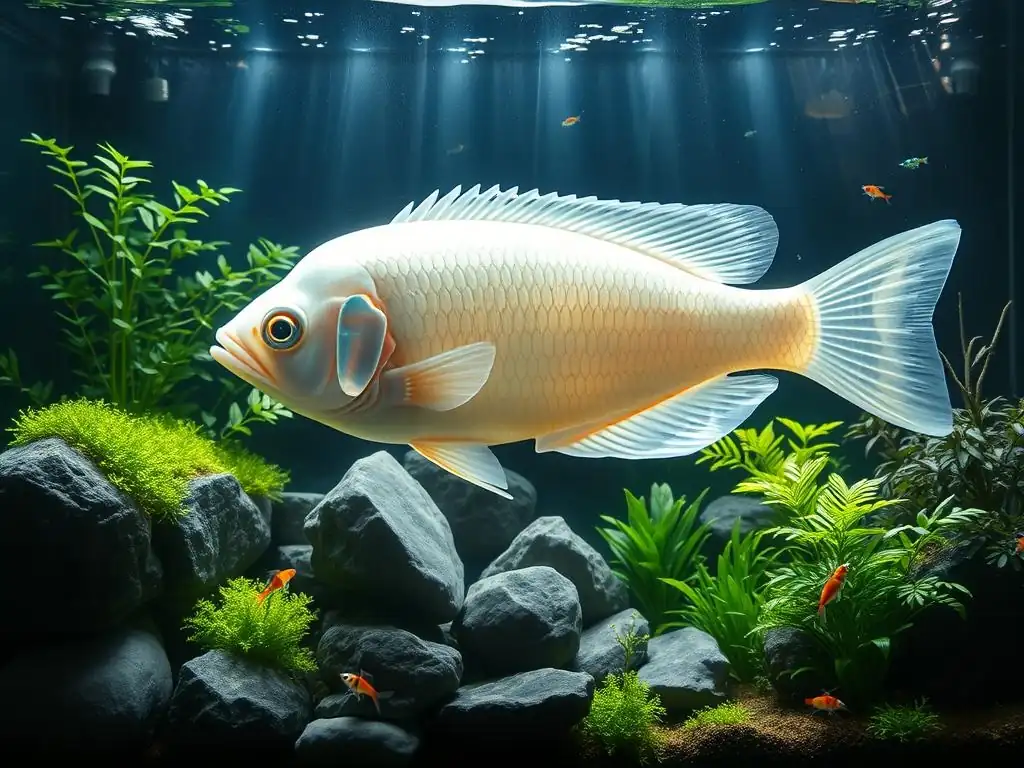
Welcome to Aquarium Mastery!
Is your Pearl Gourami looking a little… less pearly lately? You're not alone! Many aquarists struggle with keeping these beautiful fish vibrant and healthy. Dive into our comprehensive guide, " Troubleshooting Pearl Gourami Issues: From Faded Colors to Lethargy," where we'll unravel the mysteries behind Pearl Gourami color fading and other common problems. Ready to restore your gourami's radiant glow and ensure its well-being? Let's get started!
- Understanding Pearl Gourami Health: A Comprehensive Guide
- Pearl Gourami Color Fading: Causes and Solutions
- Lethargic Pearl Gourami: Identifying the Root Cause
- Other Common Pearl Gourami Problems and Solutions
- Preventing Health Problems in Pearl Gouramis: Proactive Care
- Pearl Gourami Behavior and Health: A Close Relationship
- Conclusion: Ensuring a Healthy and Vibrant Pearl Gourami
-
Frequently Asked Questions
- What are the most common reasons for a Pearl Gourami's color to fade?
- How does water quality affect a Pearl Gourami's coloration?
- What kind of diet is best for maintaining the bright colors of a Pearl Gourami?
- Can aggression from other fish cause a Pearl Gourami's color to fade?
- Besides color fading, what other symptoms might indicate a problem with my Pearl Gourami?
- Final Reflection: Restoring the Pearl's Radiance
- Revitalize Your Pearl Gourami's Spark!
Understanding Pearl Gourami Health: A Comprehensive Guide
Recognizing Signs of a Healthy Pearl Gourami
A healthy Pearl Gourami (Trichopodus leerii) is a truly captivating sight, characterized by its distinctive pearlescent spots across a silvery-blue body and vibrant reddish-orange fins, particularly the ventral fins. These fish typically exhibit active yet graceful swimming, exploring all levels of the aquarium, from the surface to the substrate. Their eyes should be clear and bright, and their fins should be fully extended, without any signs of fraying, clamping, or discoloration.
Beyond physical appearance, a thriving Pearl Gourami demonstrates consistent behavioral patterns. They will readily accept food during feeding times, showing a healthy appetite. While they are labyrinth fish and will periodically visit the surface for atmospheric air, excessive gasping or gulping indicates distress. A healthy Pearl Gourami will also interact appropriately with its environment and tank mates, displaying curiosity and generally peaceful demeanor, often living for 4 to 6 years with proper care.
Common Health Problems in Pearl Gouramis
Pearl Gouramis, like all aquarium fish, are susceptible to a range of health issues, often stemming from environmental stressors or improper care. The most common problems include those related to poor water quality, nutritional deficiencies, and various bacterial, fungal, or parasitic infections. These underlying issues frequently manifest through noticeable changes in the fish's appearance or behavior, serving as crucial indicators for aquarists.
Observing your Pearl Gourami for subtle cues can help in early detection and intervention. Initial signs of distress might include a sudden decrease in appetite, unusual swimming patterns, or clamped fins. However, one of the most prominent and concerning symptoms that often signals an underlying problem is Pearl Gourami color fading, where their characteristic vibrant hues become dull or muted.
Pearl Gourami Color Fading: Causes and Solutions
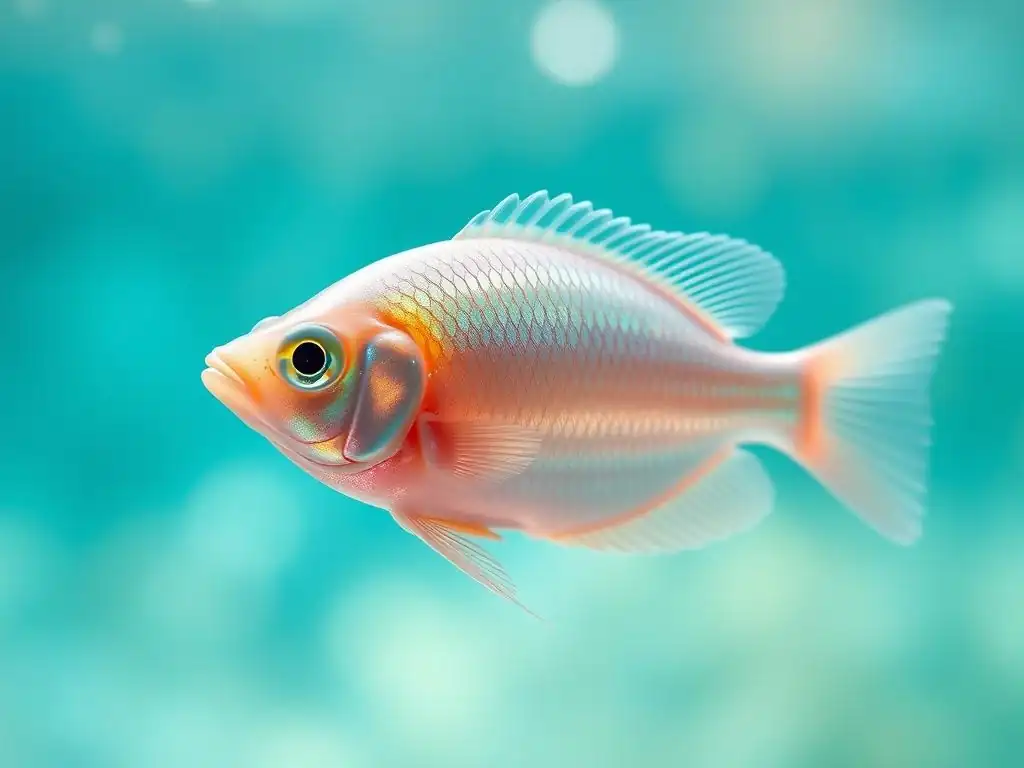
Why is My Pearl Gourami Losing Color? Identifying Potential Causes
Stress-Induced Color Loss in Pearl Gouramis
Stress is a leading contributor to Pearl Gourami color fading. When a Pearl Gourami experiences stress, its body diverts energy from non-essential functions, such as maintaining vibrant coloration, to coping mechanisms. Common stressors include overcrowding, which can lead to competition for resources or territory in tanks smaller than 20 gallons for a single pair, or the presence of aggressive tank mates like certain cichlids or even overly boisterous tiger barbs.
Sudden environmental changes, such as rapid temperature fluctuations exceeding 2-3°F in a single day, or inconsistent lighting cycles, can also induce significant stress. Additionally, constant loud noises or vibrations near the aquarium can cause chronic anxiety. A stressed Pearl Gourami may not only exhibit Pearl Gourami color fading but also hide frequently, refuse food, or display erratic, darting movements, indicating a compromised state of well-being.
Water Quality and Its Impact on Pearl Gourami Color
Suboptimal water quality is a critical factor directly impacting a Pearl Gourami's health and, consequently, its coloration. High levels of ammonia (0 ppm), nitrite (0 ppm), or elevated nitrates (ideally below 20 ppm) are toxic and cause severe physiological stress. These parameters should be consistently monitored using a reliable liquid test kit, as even slight deviations from optimal ranges can lead to chronic health issues.
Poor water quality impairs the fish's respiratory system, damages gill tissue, and compromises overall systemic function, diverting vital energy away from maintaining vibrant chromatophores. For instance, a persistent nitrate level above 40 ppm, even if not immediately fatal, can gradually cause Pearl Gourami color fading and a general dullness over several weeks or months. Maintaining stable pH (6.0-8.0) and temperature (75-82°F or 24-28°C) is equally crucial, as fluctuations can induce shock and immediate color loss.
Diet and the Link to Pearl Gourami Coloration
A balanced and nutritious diet is indispensable for maintaining the brilliant coloration of your Pearl Gourami. A deficiency in essential vitamins, particularly Vitamin A and Vitamin E, and carotenoids (such as astaxanthin and lutein), can directly lead to Pearl Gourami color fading. These vital pigments are responsible for the red, orange, and yellow hues found in their fins and body, and they must be supplied through their food.
Feeding only low-quality, generic flake foods that lack these crucial nutrients can result in a gradual but noticeable dulling of colors over time. To combat this, supplementing their diet with high-quality flakes or pellets enriched with spirulina, or offering frozen and live foods like bloodworms, brine shrimp, or daphnia, which are naturally rich in carotenoids, can significantly enhance and restore their vibrant Pearl Gourami color.
Disease and Color Fading in Pearl Gouramis
Many fish diseases manifest with Pearl Gourami color fading as a prominent symptom, indicating that the fish's immune system is under attack and its overall health is compromised. Common ailments such as Ich (white spot disease), Fin Rot, Velvet disease, or various internal bacterial infections can all cause a fish to appear pale or dull. The fish's energy is redirected to fighting the pathogen, leaving less for maintaining vibrant pigmentation.
For example, a Pearl Gourami afflicted with advanced Fin Rot, characterized by frayed and disintegrating fins, will often appear listless and significantly paler than healthy individuals. Similarly, systemic infections causing bloat or internal organ damage will lead to a general decline in vitality and marked Pearl Gourami color fading. Recognizing these concurrent symptoms is vital for accurate diagnosis and prompt treatment.
Restoring Vibrant Colors: How to Revive Faded Pearl Gourami Color
Improving Water Quality for Pearl Gouramis: A Step-by-Step Approach
To reverse Pearl Gourami color fading caused by poor water quality, a systematic approach to water management is essential. Begin by performing a 25-30% partial water change weekly using dechlorinated water to dilute harmful nitrates and replenish essential minerals. If ammonia or nitrite are present, more frequent, smaller water changes (e.g., 10-15% daily) may be necessary until parameters stabilize at 0 ppm.
Consistent monitoring of water parameters—ammonia, nitrite, nitrate, pH, and temperature—with a reliable liquid test kit (e.g., API Freshwater Master Test Kit) is crucial. Ensure your filtration system is adequately sized and functioning properly, providing both mechanical and biological filtration. Avoid overfeeding, as uneaten food quickly decays and contributes to ammonia spikes, which are a direct cause of Pearl Gourami color fading.
Optimizing Diet for Enhanced Pearl Gourami Color
Optimizing your Pearl Gourami's diet is a powerful way to restore and enhance their natural coloration. Start with a high-quality staple flake or pellet food that lists fish meal or shrimp meal as primary ingredients. Supplement this with frozen or live foods two to three times a week; options like bloodworms, brine shrimp, and daphnia are excellent sources of protein and natural pigments.
Consider incorporating color-enhancing foods specifically formulated for tropical fish, which are fortified with natural carotenoids such as astaxanthin. For instance, some premium flake foods contain spirulina, a blue-green algae rich in pigments, which can significantly intensify the red and orange hues in your Pearl Gourami's fins and body, effectively reversing Pearl Gourami color fading linked to nutritional deficiencies.
Reducing Stress in Your Pearl Gourami's Environment
Creating a low-stress environment is paramount for preventing and reversing Pearl Gourami color fading. Ensure your aquarium is adequately sized; a minimum of 20 gallons is recommended for a pair, with larger tanks (30+ gallons) providing more stability and space for community setups. Select peaceful and compatible tank mates, avoiding aggressive species or fin-nippers that could harass your gourami.
Provide ample hiding spots and visual barriers using live plants (like Java Fern, Anubias, or floating plants) and aquarium decor such as driftwood or caves. These offer security and reduce perceived threats. Maintain a consistent light cycle, typically 8-10 hours per day, and avoid sudden movements or loud noises around the tank, which can startle and stress the fish, directly impacting their Pearl Gourami color.
Treating Diseases That Cause Color Loss in Pearl Gouramis
When Pearl Gourami color fading is a symptom of disease, accurate diagnosis and prompt treatment are critical. Carefully observe your fish for other accompanying symptoms (e.g., white spots for Ich, frayed fins for Fin Rot, bloating for dropsy). If possible, isolate the affected fish in a hospital tank to prevent disease spread and administer medication safely, without affecting the main tank's beneficial bacteria or other inhabitants.
Follow the specific instructions for any chosen medication (e.g., copper-based treatments for Ich, broad-spectrum antibiotics for bacterial infections). During and after treatment, maintain pristine water quality and provide a nutritious diet to support the fish's immune system and recovery. Products like aquarium salt or stress coat can also aid in healing and regeneration of the slime coat, helping to restore the fish's vitality and vibrant Pearl Gourami color.
Lethargic Pearl Gourami: Identifying the Root Cause
Recognizing Lethargy: Signs of a Sick Pearl Gourami
Lethargy in a Pearl Gourami is a clear indicator that something is amiss with its health. Unlike normal resting, a lethargic fish will exhibit prolonged inactivity, spending excessive amounts of time at the bottom of the tank, wedged in decor, or passively floating near the surface without much movement. Their fins may appear clamped close to their body, and their breathing might be rapid or labored.
A healthy Pearl Gourami is typically curious and responsive to its environment. In contrast, a lethargic one will show a marked lack of interest in food, failing to respond to feeding cues. They might also react slowly or not at all to external stimuli, such as your hand approaching the tank. This persistent state of low energy often coincides with other symptoms, including Pearl Gourami color fading, indicating a systemic issue.
Potential Causes of Lethargy in Pearl Gouramis
Poor Water Conditions and Lethargy
Poor water conditions are a primary cause of lethargy in Pearl Gouramis. High levels of ammonia (above 0 ppm) and nitrite (above 0 ppm) are acutely toxic, causing severe stress to the fish's respiratory system. Ammonia burns the gills, making it difficult for the fish to absorb oxygen, leading to gasping at the surface and profound lethargy due to oxygen deprivation. Nitrite poisoning, on the other hand, impairs the blood's ability to carry oxygen.
Elevated nitrate levels (consistently above 40 ppm) can also cause chronic stress and lethargy over time. Furthermore, incorrect pH levels (outside the 6.0-8.0 range) or drastic temperature fluctuations (e.g., a sudden drop below 70°F) can shock the fish's system, leading to a noticeable decrease in activity and overall vitality.
Disease and Its Effect on Pearl Gourami Activity
Various diseases can cause a Pearl Gourami to become lethargic as their body struggles to fight off infection or cope with internal dysfunction. Internal bacterial infections, such as those causing dropsy (characterized by bloating and pineconing scales), can lead to organ failure and extreme listlessness. Parasitic infestations, both external (like Ich or Velvet) and internal (such as intestinal worms), drain the fish's energy and nutrient reserves.
For instance, a Pearl Gourami suffering from advanced internal parasites might become emaciated and highly lethargic, spending most of its time motionless. Swim bladder disease, which affects buoyancy control, can also result in a fish resting constantly at the bottom or top of the tank, unable to swim normally. In these cases, lethargy is a direct consequence of the body's battle against the pathogen or physical impairment.
Inadequate Diet and Energy Levels
An inadequate or unbalanced diet can significantly impact a Pearl Gourami's energy levels, leading to chronic lethargy. If the fish is not receiving sufficient protein, essential fats, and vitamins, its body simply lacks the fuel necessary for normal activity and metabolic processes. Feeding only low-quality flakes that lack vital nutrients can result in a Pearl Gourami that appears perpetually tired and sluggish.
Conversely, overfeeding can also contribute to lethargy by causing digestive issues and poor water quality. Excess food can lead to constipation, which can be uncomfortable and reduce activity. A Pearl Gourami that is not receiving a varied diet of high-quality flakes/pellets, supplemented with protein-rich frozen or live foods, may exhibit persistent low energy and reduced responsiveness.
Bullying and Stress-Related Lethargy
Chronic stress, often caused by bullying from aggressive tank mates, can lead to profound lethargy in Pearl Gouramis. While generally peaceful, they can become targets for more boisterous species, or even dominant males within their own kind if the tank is too small or lacks adequate hiding spots. Constant harassment can cause a Pearl Gourami to become withdrawn, spending most of its time hiding in a corner or near the filter, refusing to swim freely or eat.
A lack of sufficient cover or an overly bright, exposed environment can also contribute to stress-induced lethargy. When a Pearl Gourami feels constantly threatened or vulnerable, its natural instincts compel it to conserve energy and remain hidden, leading to a significant reduction in normal activity. This type of stress can also manifest as Pearl Gourami color fading, making the fish appear dull and lifeless.
Reviving a Lethargic Pearl Gourami: Treatment and Care
Improving Water Parameters to Boost Activity
The first and most critical step in reviving a lethargic Pearl Gourami is to assess and correct water parameters. If ammonia or nitrite are detected, perform an immediate 30-50% partial water change using dechlorinated water. Continue with smaller daily water changes (10-20%) until both ammonia and nitrite consistently read 0 ppm. Use a reliable liquid test kit to monitor progress.
Ensure the water temperature is stable within the optimal range of 75-82°F (24-28°C) using a properly sized and functioning heater. Adequate aeration is also vital, as low oxygen levels can contribute to lethargy. Adding an air stone can increase dissolved oxygen, especially if the fish appears to be gasping at the surface. Stable, pristine water conditions are foundational for recovery.
Treating Common Diseases Causing Lethargy
If lethargy is accompanied by other specific symptoms, identify and treat the underlying disease promptly. For external parasites like Ich, raise the tank temperature slowly (e.g., to 82-84°F, if compatible with all tank inhabitants and ample aeration is provided) and use appropriate Ich medication. For suspected bacterial infections, a broad-spectrum antibiotic designed for aquarium use may be necessary.
Always follow medication instructions meticulously, including dosage and duration. During treatment, provide a quiet and stable environment, and avoid further stressors. Some treatments may require the removal of activated carbon from the filter. Post-treatment, continue to monitor the fish and water quality closely to ensure full recovery and prevent relapse.
Providing a Balanced Diet for Increased Energy
A lethargic Pearl Gourami may have a reduced appetite, but providing a highly nutritious and palatable diet is crucial for restoring its energy levels. Offer small amounts of high-quality, protein-rich foods, such as frozen bloodworms or brine shrimp, which are often more enticing than dry flakes. Feed 2-3 times a day, only what the fish can consume within 2-3 minutes, to avoid fouling the water.
If the fish is completely refusing food, try offering very small pieces of blanched, deshelled peas (if constipation is suspected) or live daphnia, which can act as a gentle laxative and are highly digestible. A varied diet ensures the fish receives all necessary vitamins and minerals to regain strength and vitality.
Creating a Stress-Free Environment for Recovery
To facilitate recovery from lethargy, it's essential to create a calm and stress-free environment. If bullying is identified as a cause, consider separating the aggressive fish or moving the lethargic Pearl Gourami to a dedicated hospital tank for recovery. Ensure the main tank has ample hiding spots, such as dense live plants, driftwood, or caves, where the fish can retreat and feel secure.
Dim the aquarium lights temporarily if the fish appears overly sensitive to brightness. Position the tank in a quiet area of your home, away from high traffic or sudden noises. Stability in environmental conditions and a sense of security will significantly reduce stress, allowing the Pearl Gourami to recover its energy and return to its normal active state.
Other Common Pearl Gourami Problems and Solutions
Fin Rot in Pearl Gouramis: Identification and Treatment
Fin Rot is a common bacterial infection that affects the fins of Pearl Gouramis, often triggered by poor water quality, stress, or injury. Identification involves observing the fins, which will appear frayed, ragged, or disintegrating, sometimes with white or reddish edges where the tissue is dying. In severe cases, the infection can spread to the body, causing ulcers.
Treatment requires immediate action. The most crucial step is to drastically improve water quality: perform daily 25% partial water changes until parameters stabilize, especially reducing nitrates to below 20 ppm. Treat the tank with an antibacterial medication specifically formulated for Fin Rot (e.g., API Melafix, Mardel Maracyn) as directed. Adding aquarium salt (1 tablespoon per 5 gallons, dissolved) can also aid in healing by reducing stress and supporting slime coat regeneration.
Ich (White Spot Disease) in Pearl Gouramis: Diagnosis and Management
Ich, or White Spot Disease, is a highly contagious parasitic infection caused by Ichthyophthirius multifiliis. It is easily diagnosed by the appearance of small, white spots resembling grains of salt scattered across the fish's body and fins. Affected Pearl Gouramis will often "flash" or rub themselves against tank decorations and substrate in an attempt to dislodge the parasites, and may also exhibit clamped fins or lethargy.
Management involves a multi-pronged approach. Slowly raise the water temperature to 82-84°F (28-29°C) over 24 hours, if compatible with your other tank inhabitants, as higher temperatures accelerate the parasite's life cycle. Simultaneously, use an Ich-specific medication containing ingredients like malachite green or formalin (e.g., Seachem ParaGuard, API Super Ick Cure) as per instructions. It is vital to treat the entire tank, as the parasite's free-swimming stage will infect all fish.
Swim Bladder Disease in Pearl Gouramis: Causes and Remedies
Swim Bladder Disease in Pearl Gouramis affects their ability to maintain buoyancy, leading to difficulty swimming normally. Causes can include bacterial infections, constipation due to improper diet (e.g., too much dry food without sufficient fiber), overfeeding, or even physical injury. Symptoms vary but typically involve the fish floating upside down, struggling to swim downwards, or sinking uncontrollably to the bottom.
Remedies often begin with dietary adjustments. Fast the affected Pearl Gourami for 2-3 days to clear its digestive system. After fasting, offer blanched, deshelled green peas (small pieces) as a natural laxative; feed only a few pieces once or twice a day for a few days. If constipation is not the issue, or if symptoms persist, a bacterial infection may be the cause, requiring treatment with broad-spectrum antibiotics. Always ensure pristine water quality and stable temperatures to support recovery.
Preventing Health Problems in Pearl Gouramis: Proactive Care
Maintaining Optimal Water Quality for Pearl Gouramis
Proactive maintenance of optimal water quality is the single most important factor in preventing health problems in Pearl Gouramis. Establish and maintain a fully cycled aquarium with zero ammonia and nitrite. Perform weekly 25% partial water changes using dechlorinated water to keep nitrates below 20 ppm. Use a reliable liquid test kit to monitor these parameters regularly, along with pH (6.0-8.0) and temperature (75-82°F).
Good filtration, including mechanical, biological, and chemical media, is essential. Avoid overstocking your tank, as this places undue strain on the biological filter and leads to rapid accumulation of waste products. Consistent, stable water parameters are the cornerstone of a healthy aquarium environment, preventing the vast majority of stress-related ailments and Pearl Gourami color fading.
Providing a Nutritious and Varied Diet
A nutritious and varied diet is crucial for strong immune systems and vibrant coloration in Pearl Gouramis. Do not rely solely on a single type of dry food. Instead, offer a high-quality staple flake or pellet designed for tropical fish, ensuring it has a good protein content. Supplement this diet 2-3 times a week with frozen foods such as bloodworms, brine shrimp, or daphnia.
Consider incorporating spirulina-enhanced flakes or vegetable-based foods to provide essential plant matter and natural pigments. Feed small amounts 2-3 times a day, only what your Pearl Gouramis can consume within 2-3 minutes, to prevent overfeeding and subsequent water pollution. A well-rounded diet directly contributes to their vitality and resilience against disease.
Creating a Stress-Free Aquarium Environment
A stress-free environment significantly reduces the likelihood of Pearl Gourami health issues. Ensure your aquarium is adequately sized for your fish, providing enough swimming space and territory (minimum 20 gallons for a pair). Carefully select peaceful tank mates that won't harass or outcompete your gouramis for food or space.
Provide ample hiding spots and visual barriers using live aquarium plants (e.g., Java Fern, Anubias, Water Sprite) and decor like driftwood or caves. These offer security and reduce perceived threats, allowing the fish to feel safe. Maintain a consistent lighting schedule (8-10 hours on, 14-16 hours off) and avoid sudden changes or loud noises near the tank, which can cause anxiety and contribute to Pearl Gourami color fading.
Regular Observation and Early Intervention
Regular, attentive observation of your Pearl Gouramis is key to early intervention and successful treatment of any emerging health issues. Spend a few minutes each day watching your fish for any changes in behavior, appetite, swimming patterns, or physical appearance. Look for subtle cues like clamped fins, labored breathing, hiding more than usual, or changes in their characteristic Pearl Gourami color.
Early detection of symptoms, such as the onset of Pearl Gourami color fading or lethargy, allows for prompt corrective action. Addressing water quality issues immediately, isolating a sick fish, or beginning treatment at the first sign of disease can significantly improve the prognosis and prevent the problem from escalating or spreading to other tank inhabitants.
Pearl Gourami Behavior and Health: A Close Relationship
Understanding Normal Pearl Gourami Behavior
Understanding the normal behavior of Pearl Gouramis is fundamental to identifying when they are unwell. Typically, healthy Pearl Gouramis are peaceful and graceful swimmers, often exploring all levels of the aquarium. Males may engage in bubble nest building, a natural and fascinating behavior indicating their readiness to breed and overall well-being. They are generally curious and will show interest during feeding times, approaching the surface readily.
Their characteristic Pearl Gourami color should be vibrant and consistent. While they may occasionally rest or appear still for short periods, they quickly resume active swimming and interaction with their environment. They maintain a steady breathing rate and exhibit natural social interactions, whether with their own species or peaceful tank mates.
How Behavior Changes Indicate Health Issues
Any deviation from these normal behavioral patterns should be considered a red flag, indicating potential health issues. A Pearl Gourami that suddenly becomes excessively reclusive, hiding constantly behind decor or plants, is often under stress or feeling unwell. Conversely, a fish that is usually shy but suddenly becomes unusually aggressive might also be ill or highly stressed.
Other concerning behavioral changes include gasping at the surface more than usual (indicating low oxygen or gill problems), rapid breathing, refusing food for prolonged periods, erratic or uncoordinated swimming, rubbing or flashing against tank objects, or the most noticeable physical symptom, significant Pearl Gourami color fading. These behavioral and physical changes are often the earliest and most reliable indicators that your Pearl Gourami requires immediate attention and care.
Conclusion: Ensuring a Healthy and Vibrant Pearl Gourami
Maintaining a healthy and vibrant Pearl Gourami requires a dedicated approach centered on proactive care and vigilant observation. Consistent adherence to optimal water quality parameters, achieved through regular water changes and effective filtration, forms the bedrock of their well-being. Complementing this with a diverse and nutritious diet, rich in essential vitamins and color-enhancing pigments, is crucial for both their physical health and the stunning Pearl Gourami color that makes them so admired.
Furthermore, cultivating a stress-free aquarium environment, characterized by appropriate tank size, peaceful tank mates, and ample hiding spots, significantly minimizes their susceptibility to illness. By consistently monitoring their behavior and appearance, and intervening promptly at the first signs of issues like Pearl Gourami color fading or lethargy, aquarists can ensure these captivating fish not only survive but truly thrive, bringing sustained beauty and tranquility to any freshwater aquarium.
Frequently Asked Questions
What are the most common reasons for a Pearl Gourami's color to fade?
Color fading in Pearl Gouramis is often linked to stressful conditions such as poor water quality, inadequate diet, or bullying from tankmates. Addressing these issues is crucial for restoring their vibrant colors.
How does water quality affect a Pearl Gourami's coloration?
Poor water quality, specifically elevated levels of ammonia and nitrites, can severely stress Pearl Gouramis. This stress manifests as a loss of color and increased susceptibility to disease.
What kind of diet is best for maintaining the bright colors of a Pearl Gourami?
A varied diet rich in high-quality flake food, supplemented with live or frozen foods like bloodworms and daphnia, is essential. This ensures they receive the nutrients needed for vibrant coloration.
Can aggression from other fish cause a Pearl Gourami's color to fade?
Yes, stress from aggressive tankmates can lead to a significant loss of color in Pearl Gouramis. Providing adequate space and peaceful tankmates is key to their well-being and color.
Besides color fading, what other symptoms might indicate a problem with my Pearl Gourami?
Other symptoms may include lethargy, clamped fins, loss of appetite, and visible signs of disease. These signs, along with color fading, warrant immediate investigation and treatment.
Okay, here's a final reflection tailored for your article "Troubleshooting Pearl Gourami Issues: From Faded Colors to Lethargy," designed to resonate with readers and reinforce the importance of understanding and caring for these beautiful fish, while also subtly incorporating the keyword "Pearl Gourami color fading":
Final Reflection: Restoring the Pearl's Radiance
The journey through understanding the nuances of Pearl Gourami health, particularly the disheartening issue of Pearl Gourami color fading, reveals a deeper truth about responsible fishkeeping. It's not merely about aesthetics; a vibrant Pearl Gourami is a testament to a thriving environment and attentive care. Ignoring the subtle signs of distress can lead to more serious problems, impacting not only the fish's appearance but also its overall well-being.
This exploration into the causes and solutions for issues like lethargy and color loss underscores the profound connection between our actions and the lives of the creatures we choose to keep. The responsibility we undertake when bringing a Pearl Gourami into our homes extends beyond simply providing food and water; it requires a commitment to understanding their needs and creating an environment where they can truly flourish. The greatness of a nation and its moral progress can be judged by the way its animals are treated.
- Mahatma Gandhi. This quote, though broad, speaks directly to the ethos of responsible aquarium keeping.
Ultimately, the health and vibrancy of our Pearl Gouramis reflect our dedication as aquarists. Let this guide serve as a reminder to observe closely, research diligently, and act decisively when our finned companions show signs of distress. Take the knowledge you've gained here and apply it not only to your Pearl Gouramis but to all the inhabitants of your aquatic world. By doing so, you'll not only restore the radiance of your fish but also enrich your own experience as a caretaker and observer of the wonders of nature.
Revitalize Your Pearl Gourami's Spark!
Thank you for diving deep into the world of Pearl Gouramis! We hope this guide has provided you with valuable insights into maintaining their health and vibrancy. Now, let's put that knowledge into action and ensure your Pearl Gourami thrives.
Here are a few things you can do next:
- Prioritize one immediate change: Re-evaluate your tank's parameters, focusing on water quality and temperature. Even slight adjustments can make a huge difference.
- Share your newfound knowledge: Post a picture of your Pearl Gourami and one key care tip on your favorite aquarium forum, and help other fishkeepers.
- Go beyond the obvious: Research a specific plant known to benefit Pearl Gouramis and consider adding it to your tank for added well-being.
What's one small, immediate step you can take today to enhance your Pearl Gourami's environment?