
The Ultimate Shell Dweller Care Sheet: Keeping These Tiny Cichlids Happy

Welcome to Aquarium Mastery!
Ever been captivated by the vibrant personalities packed into tiny packages? Dive into the fascinating world of shell dwellers with our Tiny Cichlid Care Sheet and unlock the secrets to keeping these miniature marvels thriving in your freshwater aquarium. Ready to discover how to create the perfect shell-filled paradise? Let's get started!
- Introduction to Shell Dweller Cichlids: A Comprehensive Guide
- Setting Up the Ideal Shell Dweller Tank: Habitat Requirements
- Choosing the Right Shells for Your Cichlids: A Detailed Guide
- Feeding Your Shell Dwellers: Nutrition and Diet
- Shell Dweller Tank Mates: Compatibility and Considerations
- Shell Dweller Breeding: Encouraging Reproduction in Your Aquarium
- Common Shell Dweller Diseases and Health Issues: Prevention and Treatment
- Maintaining Your Shell Dweller Aquarium: A Regular Care Schedule
- Troubleshooting Common Shell Dweller Problems: Solutions and Tips
- Conclusion: Enjoying the Wonders of Shell Dweller Cichlids
- Frequently Asked Questions
- Final Reflection: The Enduring Allure of Miniature Worlds
- Dive Deeper: Unlock Your Shell Dweller Success!
Introduction to Shell Dweller Cichlids: A Comprehensive Guide
What are Shell Dweller Cichlids? Understanding their Unique Nature
Shell dweller cichlids are a fascinating group of small, freshwater fish native to the vast depths of Lake Tanganyika in East Africa. Unlike many other cichlids that inhabit rocky or open water environments, these unique species have evolved to live primarily within and around empty snail shells, using them for shelter, breeding, and protection.
Their diminutive size, typically ranging from 1 to 3 inches (approximately 2.5 to 7.5 cm) depending on the species, makes them a captivating subject for any aquarist looking for a specialized and engaging display. This specialized lifestyle dictates many aspects of their care, making a detailed tiny cichlid care sheet essential for their well-being.
These cichlids, primarily from genera such as Neolamprologus, Lamprologus, and Telmatochromis, exhibit complex social behaviors. For instance, species like Neolamprologus multifasciatus (often called "Multis") are known for forming large colonies where each fish or pair claims a specific shell. Other species, like Lamprologus ocellatus, are more solitary or form loose pairs, but still rely heavily on shells. Their natural habitat, characterized by sandy substrates littered with the shells of Neothauma tanganyicense snails, directly influences the specific tank setup required to replicate their environment and ensure their thriving.
Why Choose Shell Dwellers for Your Aquarium? Benefits and Considerations
Choosing shell dwellers for your aquarium offers a unique and highly rewarding experience due to their distinctive behaviors and manageable size. One of the primary benefits is their captivating social dynamics; observing them dig, claim shells, and interact with their colony members provides endless entertainment. Their small stature also means they can be kept in relatively smaller tanks compared to other cichlid species, making them accessible to aquarists with limited space. Furthermore, a well-executed tiny cichlid care sheet ensures that their specific environmental needs are met, leading to a vibrant and healthy display.
However, prospective shell dweller keepers must consider their specific requirements. While small, they are still cichlids and can exhibit territorial aggression, particularly towards conspecifics or similar-looking fish if not given adequate space and enough shells. Their need for a specific substrate (fine sand) and an abundance of empty shells is non-negotiable for their comfort and natural behavior. Maintaining stable water parameters, typical of Lake Tanganyika's hard and alkaline conditions (pH typically 7.8-9.0, GH 10-20 dGH), is also crucial for their long-term health and successful breeding.
Setting Up the Ideal Shell Dweller Tank: Habitat Requirements
Tank Size and Dimensions for Shell Dwellers: Providing Adequate Space
While shell dwellers are tiny cichlids, their need for territory means that tank size is more about surface area than volume. For a small colony of a species like Neolamprologus multifasciatus, a 10-gallon (approximately 38-liter) aquarium can suffice, providing enough footprint for a few individuals to establish territories.
However, a 20-gallon long (approximately 75-liter) or larger tank is highly recommended for most species, especially if you plan to keep a larger colony or multiple pairs, or if you intend to include suitable tank mates. For example, a 20-gallon long offers dimensions of roughly 30 inches x 12 inches (76 cm x 30 cm), providing ample floor space for shells and digging.
For more aggressive or larger shell dweller species, such as Lamprologus ocellatus or Neolamprologus brevis, a minimum of a 15-20 gallon tank is advisable for a single pair, with a 30-gallon (approximately 113-liter) or larger tank being ideal for a small group or community setup. The key is to provide enough horizontal space to allow each fish or pair to claim its own territory around a shell without constant conflict. Overcrowding can lead to stress, disease, and increased aggression, undermining the very purpose of following a comprehensive tiny cichlid care sheet focused on their well-being.
Substrate and Aquascaping: Replicating the Natural Habitat of Shell Dwellers
Choosing the Right Substrate: Sand vs. Gravel for Shell Dwellers
The choice of substrate is paramount for shell dwellers, as it directly impacts their natural behaviors of digging and burying shells. Fine sand, ideally silica sand or play sand, is the only suitable option. This replicates the sandy lakebed of Lake Tanganyika, allowing these tiny cichlids to effortlessly excavate and arrange shells to their liking. A layer of at least 2-3 inches (5-7.5 cm) of sand is recommended to facilitate their digging activities and provide a soft bed for the shells.
Using gravel or coarse substrates is highly discouraged. Gravel can injure their delicate mouths and gills as they sift through it, and its larger particle size prevents them from effectively digging and moving shells, which is a fundamental aspect of their behavior. Without the ability to manipulate their environment naturally, shell dwellers can become stressed, lethargic, and less likely to breed. This critical detail is often overlooked in generic aquarium guides but is a cornerstone of any effective tiny cichlid care sheet.
Creating Shell Beds: Essential for Shell Dweller Behavior
The cornerstone of shell dweller aquascaping is the creation of abundant shell beds. These shells serve as homes, breeding sites, and refuge from perceived threats. It is crucial to provide more shells than there are fish, ideally at least two to three shells per fish, to reduce territorial disputes and offer choices. For instance, in a tank with six N. multifasciatus, providing 12-18 shells ensures ample options for establishing territories. These shells should be scattered across the sandy substrate, allowing the fish to rearrange them as they see fit.
The shells themselves should be clean and free of any chemicals or sharp edges. While various types of empty snail shells can be used, escargot shells are a popular and readily available choice due to their appropriate size and shape. Other options include apple snail shells or even artificial ceramic shells designed for this purpose. The arrangement should mimic a natural scattering, allowing for both individual territories and pathways for exploration, enhancing the overall success of your tiny cichlid care sheet efforts.
Water Parameters: Maintaining Optimal Conditions for Tiny Cichlids
Temperature, pH, and Hardness: Key Water Quality Factors
Maintaining precise water parameters is critical for the health and longevity of shell dweller cichlids, as they are highly sensitive to fluctuations. Their natural habitat, Lake Tanganyika, is characterized by stable and specific conditions. The ideal water temperature for most shell dwellers ranges from 76-80°F (24-27°C). A stable temperature is paramount, so a reliable aquarium heater is essential. Fluctuations outside this range can cause stress and weaken their immune systems.
Regarding pH and hardness, Lake Tanganyika water is renowned for being hard and alkaline. Shell dwellers thrive in a pH range of 7.8 to 9.0, with a general hardness (GH) between 10-20 dGH and carbonate hardness (KH) between 10-18 dKH. Achieving and maintaining these parameters often requires specific buffering agents or the use of crushed coral in the substrate if tap water is naturally soft. Regular testing with a reliable test kit is non-negotiable to ensure these critical parameters remain within the optimal range, a key component of any comprehensive tiny cichlid care sheet.
Water Changes and Filtration: Keeping the Tank Clean and Healthy
Consistent water changes and robust filtration are vital for maintaining pristine water quality for shell dwellers. Despite their small size, these tiny cichlids produce waste, and the accumulation of nitrates and other pollutants can quickly become detrimental. A weekly water change of 20-30% is generally recommended to dilute nitrates and replenish essential minerals. This routine also helps to maintain stable pH and hardness levels, preventing the gradual acidification that can occur in closed systems.
For filtration, a reliable hang-on-back (HOB) filter or a canister filter with adequate mechanical, biological, and chemical media is suitable. The flow should not be overly strong, as shell dwellers prefer calmer waters. Sponges or pre-filters on intake tubes are beneficial to prevent small fry from being drawn into the filter. Maintaining clean filter media and performing regular maintenance, such as rinsing sponges in old tank water, ensures the filter functions efficiently, contributing significantly to the overall success of your tiny cichlid care sheet implementation.
Choosing the Right Shells for Your Cichlids: A Detailed Guide
Types of Shells Suitable for Shell Dwellers: Selecting the Best Options
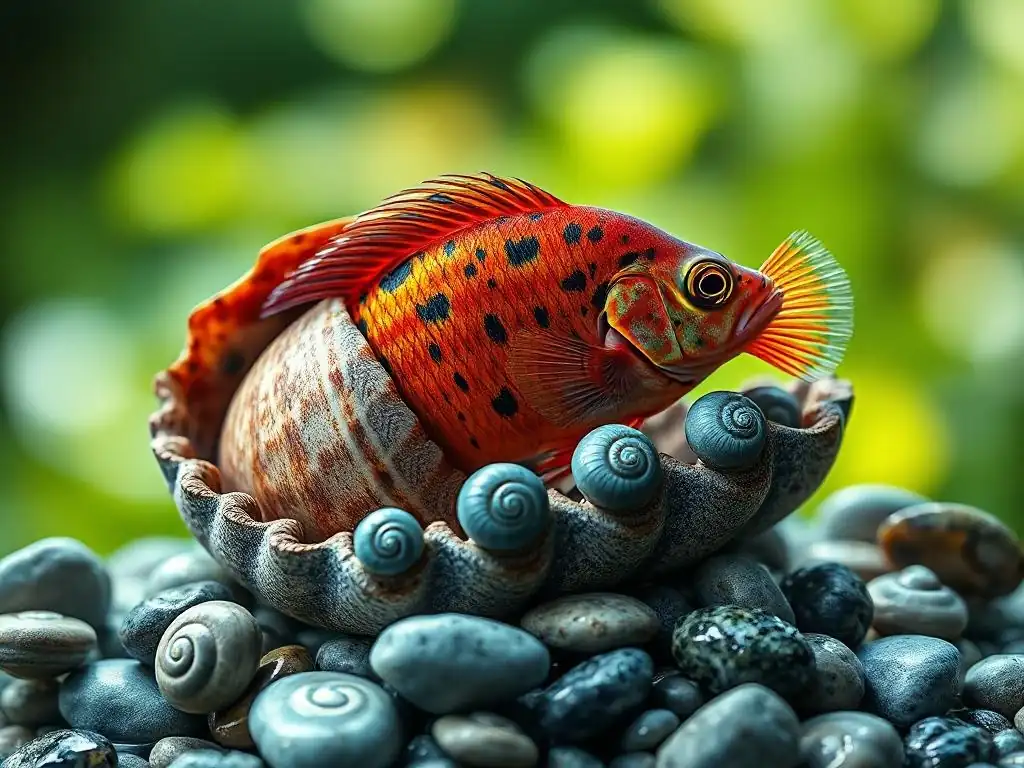
The selection of appropriate shells is fundamental for the well-being and natural behavior of shell dweller cichlids. The ideal shells are those that closely mimic the empty Neothauma tanganyicense snail shells found in their native Lake Tanganyika. These shells are typically small to medium-sized, with an opening large enough for the fish to enter and exit comfortably, yet small enough to provide a sense of security and protection. Escargot shells, readily available from gourmet food stores, are an excellent and popular choice, as their size and shape are remarkably similar to the natural shells.
Other suitable options include clean, empty apple snail shells, or even smaller conch shells if their openings are appropriate. It's crucial to ensure that any natural shells collected from outside sources are thoroughly cleaned and sterilized before being introduced into the aquarium to prevent the introduction of parasites, bacteria, or chemicals. Boiling them for 10-15 minutes is a common method.
For those seeking an alternative, specialized ceramic shells designed for shell dwellers are also available, offering a consistent size and shape while being aquarium-safe. The key is to provide a variety of shapes and sizes within the suitable range to cater to individual preferences among your tiny cichlids.
Shell Placement and Arrangement: Encouraging Natural Behavior
The strategic placement and arrangement of shells within the aquarium can significantly influence the behavior and social dynamics of your shell dwellers. Instead of simply piling them, scatter the shells across the sandy substrate, particularly in areas where you want to encourage colonization. For colonial species like Neolamprologus multifasciatus, arranging shells in loose clusters or "beds" can promote the formation of natural colonies, with each fish or pair claiming a specific shell. This clustering can also help diffuse aggression by providing multiple options and territories.
For more solitary or pair-bonding species such as Lamprologus ocellatus or Neolamprologus brevis, providing individual shells with some space between them can reduce territorial disputes. It is always advisable to provide more shells than there are fish, typically a ratio of 2-3 shells per fish, to allow for choice and to provide fallback options if a preferred shell is occupied or contested. Observing how your tiny cichlids interact with the shells will guide you in fine-tuning their arrangement, ensuring they feel secure and exhibit their fascinating natural behaviors, a crucial aspect of any detailed tiny cichlid care sheet.
Shell Hygiene and Maintenance: Preventing Algae Growth and Decay
Maintaining the hygiene of the shells is an important, albeit often overlooked, aspect of shell dweller care. Over time, shells can accumulate algae, detritus, or even become partially buried and forgotten by the fish. While a small amount of algae is natural and can even provide supplemental grazing, excessive growth can detract from the tank's aesthetics and potentially harbor unwanted bacteria. During regular tank maintenance, it's a good practice to gently remove shells that appear excessively dirty or covered in thick algae.
These shells can then be lightly scrubbed with an aquarium-safe brush or rinsed in old tank water to remove debris. Avoid using soap or chemical cleaners. If a shell becomes completely buried and unused, it's wise to uncover it and clean it, or replace it with a fresh one.
Regularly checking the shells also allows you to ensure they haven't been damaged or cracked, which could pose a risk to your tiny cichlids. By ensuring the shells remain clean and accessible, you contribute to a healthy and stimulating environment for your shell dwellers, reinforcing the principles of a thorough tiny cichlid care sheet.
Feeding Your Shell Dwellers: Nutrition and Diet
Recommended Food for Shell Dwellers: A Balanced Diet
Providing a balanced and varied diet is crucial for the health, coloration, and breeding success of shell dweller cichlids. In their natural habitat, these tiny cichlids are primarily micro-predators, feeding on small invertebrates, crustaceans, and insect larvae found in the sandy substrate and water column. Therefore, their captive diet should reflect this carnivorous inclination. High-quality cichlid flakes or small pellets formulated for carnivorous or omnivorous cichlids should form the staple of their diet. Look for foods with a high protein content and natural color enhancers.
Supplementing their dry food with frozen or live foods is highly beneficial. Excellent choices include brine shrimp, daphnia, cyclops, and finely chopped bloodworms. These provide essential nutrients, encourage natural hunting behaviors, and can significantly boost their vitality and breeding readiness. For instance, feeding frozen brine shrimp 2-3 times a week, alongside daily high-quality flakes, can dramatically improve their condition. Avoid foods high in vegetable matter, as their digestive systems are not well-suited for it, a detail often highlighted in a comprehensive tiny cichlid care sheet.
Feeding Schedule and Portion Control: Preventing Overfeeding
Establishing a consistent feeding schedule and practicing strict portion control are vital to prevent overfeeding, which can lead to poor water quality and health issues. Shell dwellers have small stomachs and relatively fast metabolisms, but they are also opportunistic eaters. It is generally recommended to feed them small amounts two to three times a day. The key is to provide only what they can consume within 2-3 minutes. Any uneaten food should be promptly removed from the tank to prevent its decay, which can spike ammonia and nitrite levels.
Overfeeding not only pollutes the water but can also lead to digestive problems and obesity in your tiny cichlids. An obese fish is less active, more prone to disease, and less likely to breed successfully. Observing their feeding behavior will help you fine-tune the portion sizes; if food remains after a few minutes, reduce the amount at the next feeding. A consistent feeding routine helps them anticipate meals, reducing stress and promoting healthier growth, as emphasized in any effective tiny cichlid care sheet.
Supplementing Their Diet: Ensuring Optimal Health and Color
While staple foods provide core nutrition, supplementing their diet with a variety of specialized items can significantly enhance the health, vibrancy, and breeding potential of your shell dwellers. Live foods, when sourced safely, are particularly beneficial as they stimulate natural hunting instincts and provide highly bioavailable nutrients. Live brine shrimp, Daphnia, and grindal worms can be offered occasionally. For example, a weekly feeding of live Daphnia can provide essential fats and proteins that contribute to robust health.
Frozen foods like bloodworms (finely chopped for smaller species), mysis shrimp, and cyclops are also excellent for supplementing their diet. These offer a broader nutritional profile than flakes alone and can help bring out their natural colors. For instance, many aquarists report improved coloration and breeding activity when supplementing with frozen mysis shrimp twice a week.
Occasionally, high-quality spirulina flakes or pellets can be offered for trace minerals, but these should not form a significant part of their diet due to their carnivorous nature. Always ensure any supplements align with the detailed dietary needs outlined in a thorough tiny cichlid care sheet.
Shell Dweller Tank Mates: Compatibility and Considerations
Suitable Tank Mates for Shell Dwellers: Peaceful Coexistence
Choosing compatible tank mates for shell dwellers requires careful consideration due to their territorial nature, especially around their shells. The best tank mates are often other small, peaceful species from Lake Tanganyika that occupy different levels of the water column or have similar water parameter requirements but do not compete for shells. Good candidates include small schooling fish like Cyprichromis leptosoma or Paracyprichromis nigripinnis, which are open-water swimmers and rarely interact with the substrate. For instance, a small group of six Cyprichromis leptosoma in a 30-gallon tank with shell dwellers can add dynamic movement without conflict.
Other suitable options might include certain species of Synodontis catfish, such as the Synodontis multipunctatus (cuckoo catfish), which primarily scavenge the substrate but are generally peaceful and large enough not to be intimidated. Smaller, peaceful Julidochromis species, like Julidochromis transcriptus, can also be considered in larger tanks, provided there are ample rockwork territories for them distinct from the shell beds. The key is to select fish that are not aggressive, do not require shells, and can tolerate the hard, alkaline water conditions preferred by these tiny cichlids, as outlined in a detailed tiny cichlid care sheet.
Unsuitable Tank Mates: Avoiding Aggression and Competition
Several types of fish are unsuitable as tank mates for shell dwellers and should be avoided. Any large, aggressive, or highly territorial cichlids from other African lakes or even larger Tanganyikan species that require extensive rockwork or open water territories should not be housed with shell dwellers. For example, Mbuna cichlids from Lake Malawi, known for their aggressive nature and different dietary needs, are completely incompatible. Even larger Tanganyikan rock dwellers like Tropheus species or larger Neolamprologus species can quickly dominate and stress shell dwellers.
Fish that are significantly larger than shell dwellers, even if not inherently aggressive, can intimidate and outcompete them for food. Additionally, any fish that actively digs or competes for caves/shelters will be problematic, as they directly infringe on the shell dwellers' essential territory. For instance, larger bottom-dwelling catfish or loaches that disturb the substrate extensively can cause stress. Maintaining a peaceful environment is crucial for these tiny cichlids, and selecting incompatible tank mates is a common reason for stress and failure to thrive, contrary to the advice in any good tiny cichlid care sheet.
Managing Aggression: Strategies for a Harmonious Community Tank
Despite careful selection, aggression can sometimes arise in a shell dweller tank, particularly among conspecifics or during breeding periods. The primary strategy for managing aggression is to ensure ample space and an abundance of shells. Providing at least 2-3 shells per fish, scattered throughout the tank, allows each individual or pair to establish its own territory without constant conflict over limited resources. For example, in a 20-gallon long tank housing N. multifasciatus, having 15-20 shells can significantly reduce skirmishes.
Overcrowding is a significant contributor to aggression; if fish appear overly stressed or are constantly chasing each other, the tank might be too small for the number of inhabitants. Introducing a larger group of a colonial species can sometimes help spread aggression among more individuals, rather than concentrating it on a few.
Providing visual breaks with small plants or driftwood (if compatible with water parameters) can also help break up lines of sight. If a specific individual consistently harasses others, temporary isolation or removal might be necessary to restore harmony, a key aspect of a practical tiny cichlid care sheet.
Shell Dweller Breeding: Encouraging Reproduction in Your Aquarium
Creating Breeding Conditions: Simulating the Natural Environment
Encouraging shell dweller cichlids to breed in a home aquarium is relatively straightforward if their specific environmental needs are met, as outlined in a comprehensive tiny cichlid care sheet. The most critical factor is providing an abundance of suitable shells, as these serve as the primary breeding chambers. For instance, Neolamprologus multifasciatus females will lay their eggs inside empty snail shells, while males guard the surrounding territory. Ensuring a fine sand substrate is also essential, as the fish will often bury or unbury shells to create their ideal breeding site.
Stable and optimal water parameters are equally vital. Maintaining the temperature between 78-80°F (25.5-27°C) and the pH in the alkaline range (7.8-8.5) mimics their natural breeding conditions. A varied and high-quality diet, including live or frozen foods like brine shrimp or bloodworms, will condition the fish for spawning. For example, increasing the frequency of protein-rich foods can trigger breeding behavior. Good water quality, achieved through regular water changes and efficient filtration, also plays a significant role in stimulating reproduction.
Identifying Breeding Behavior: Recognizing the Signs of Spawning
Observing the subtle cues of breeding behavior in shell dwellers is one of the most rewarding aspects of keeping these tiny cichlids. The first sign is often increased territoriality, with a male or pair vigorously defending a cluster of shells. The female will typically spend more time inside a chosen shell, meticulously cleaning its interior. You might observe the male performing a "shiver" or "dance" in front of the shell, attempting to entice the female to enter. For example, a male Lamprologus ocellatus will often flare his fins and shimmy to impress a female.
Once spawning occurs, the female will remain primarily inside the shell, guarding the eggs. Depending on the species, the male might guard the entrance or patrol a larger territory around the shell. In colonial species like N. multifasciatus, multiple females might be seen tending to shells within a male's territory. The eggs themselves are tiny and often difficult to see without disturbing the shell. The incubation period typically lasts about 7-10 days, after which the fry will emerge, signaling successful breeding, a testament to following a detailed tiny cichlid care sheet.
Raising Shell Dweller Fry: Caring for the Next Generation
Raising shell dweller fry is a relatively simple process, as the parents typically provide excellent care. Once the fry are free-swimming, they will emerge from the shell and begin to explore the immediate vicinity, often staying very close to their home shell for protection. At this stage, they are incredibly tiny and require microscopic food. Infusoria, liquid fry food, or newly hatched brine shrimp are ideal first foods. For instance, feeding newly hatched brine shrimp twice daily will provide the necessary nutrients for rapid growth.
As the fry grow, which can be surprisingly fast with proper feeding, they can be transitioned to finely crushed flakes or micro pellets. It's crucial to maintain impeccable water quality during this period, as fry are particularly sensitive to pollutants. Small, frequent water changes (e.g., 10% daily) are often more beneficial than large, infrequent ones.
In colonial species, the fry will often remain within the colony, benefiting from the protection of the adults. Providing additional small shells for the growing fry can also encourage them to establish their own territories as they mature, a key element of a successful tiny cichlid care sheet focused on breeding.
Common Shell Dweller Diseases and Health Issues: Prevention and Treatment
Identifying Common Diseases: Recognizing the Symptoms
Like all aquarium fish, shell dweller cichlids can be susceptible to various diseases, often stemming from poor water quality, stress, or inadequate nutrition. Recognizing the early symptoms is crucial for effective treatment. Common ailments include Ich (white spot disease), characterized by small white spots resembling salt grains on the body and fins, often accompanied by flashing (rubbing against objects). Bacterial infections might manifest as fin rot (frayed fins), cloudy eyes, or ulcers on the body. For example, a N. multifasciatus with clamped fins and labored breathing might be suffering from a bacterial gill infection.
Internal parasites can cause wasting (severe weight loss despite eating), white stringy feces, or bloating. Fungal infections usually appear as white, cotton-like growths on the skin or fins, often secondary to an injury. Stress-related issues, such as loss of color, lethargy, or hiding excessively, can also precede more severe illnesses. Closely observing your tiny cichlids daily for any changes in behavior, appearance, or appetite is the first line of defense, a practice strongly recommended in any comprehensive tiny cichlid care sheet.
Treating Shell Dweller Illnesses: Effective Medications and Methods
Upon identifying symptoms, prompt and appropriate treatment is essential. For Ich, over-the-counter Ich medications containing malachite green or formalin are typically effective. Always follow the manufacturer's dosage instructions carefully and remove carbon from the filter during treatment. For bacterial infections, broad-spectrum antibiotics like Furan-2 or Maracyn are often used. If fin rot is present, improving water quality immediately can sometimes be enough to halt its progression before medication is needed.
Internal parasites often require specialized anti-parasitic medications, sometimes mixed with food. For instance, Metronidazole or Praziquantel are common active ingredients. Fungal infections can be treated with antifungal agents like Methylene Blue or phenoxyethanol-based products. Before administering any medication, it's crucial to perform a significant water change (e.g., 50%) and ensure water parameters are optimal. Always diagnose carefully, as misdiagnosis can lead to ineffective or harmful treatments. Consulting a detailed tiny cichlid care sheet or an experienced aquarist can provide valuable guidance on specific medication choices and dosages.
Preventing Diseases: Maintaining a Healthy Tank Environment
Prevention is always better than cure when it comes to fish diseases, and this holds true for shell dweller cichlids. The cornerstone of disease prevention is maintaining a stable, pristine, and appropriate tank environment. This includes rigorous adherence to water change schedules (e.g., weekly 20-30% changes) to keep nitrates low and replenish essential minerals. Regular testing of temperature, pH, GH, and KH ensures parameters remain within the optimal range for these tiny cichlids.
A high-quality, varied diet, as discussed previously, boosts their immune systems and overall vitality. Avoiding overfeeding and promptly removing uneaten food prevents water pollution. Quarantining new fish for 2-4 weeks in a separate tank before introducing them to the main display is a critical preventative measure, preventing the introduction of pathogens. Minimizing stress by providing ample shells and compatible tank mates also plays a significant role. A well-executed tiny cichlid care sheet focuses heavily on these preventative measures, ensuring a robust and healthy shell dweller population.
Maintaining Your Shell Dweller Aquarium: A Regular Care Schedule
Weekly Maintenance Tasks: Water Changes, Cleaning, and Inspections
Regular weekly maintenance is paramount to the long-term health and stability of a shell dweller aquarium. The most crucial task is a partial water change, typically 20-30% of the tank's volume. This dilutes accumulated nitrates and replenishes vital trace elements. For instance, in a 20-gallon tank, a 5-6 gallon water change weekly is appropriate. During the water change, use a gravel vacuum to gently clean the top layer of the sand substrate, removing detritus and uneaten food without disturbing the shell dwellers' carefully arranged shells too much.
Concurrently, clean the aquarium glass to remove any algae buildup, using an algae magnet or scraper. Inspect all equipment, including the heater, filter, and air pump, to ensure they are functioning correctly. Check the filter's flow rate and ensure intake tubes are clear. Most importantly, take time to observe your tiny cichlids closely. Look for any signs of disease, unusual behavior, or changes in coloration. This routine weekly inspection allows for early detection of potential problems, making it a cornerstone of any effective tiny cichlid care sheet.
Monthly Maintenance Tasks: Filter Cleaning, Substrate Vacuuming
In addition to weekly tasks, monthly maintenance routines are essential for a thriving shell dweller habitat. The primary monthly task involves cleaning the aquarium filter. Mechanical filter media, such as sponges or filter floss, should be rinsed thoroughly in old tank water removed during a water change. This preserves beneficial bacteria while removing accumulated debris. Avoid rinsing filter media under tap water, as chlorine can kill the beneficial bacterial colonies critical for biological filtration.
A more thorough substrate vacuuming can also be performed monthly, especially in areas where detritus tends to accumulate, carefully navigating around the shell beds. If you use chemical filtration media like activated carbon, it should be replaced monthly, as its adsorptive capacity diminishes over time. These monthly tasks, while more intensive, ensure the long-term efficiency of your filtration system and prevent the buildup of hidden pollutants, directly contributing to the success of your tiny cichlid care sheet.
Long-Term Maintenance: Ensuring a Thriving Shell Dweller Habitat
Beyond weekly and monthly routines, certain long-term maintenance practices contribute to the sustained health and vibrancy of your shell dweller aquarium. Periodically, perhaps every 3-6 months, assess the condition of your shells.
If any are cracked, heavily stained, or have become buried beyond recovery by the fish, they should be cleaned or replaced. Over time, the sand substrate can become compacted or accumulate deeper layers of detritus; a more thorough, but gentle, deep cleaning of the substrate can be performed annually or as needed, ideally by siphoning small sections at a time over several weeks to avoid disturbing the biological filter too much.
It's also wise to keep spare equipment on hand, such as extra heaters or filter media, to quickly address any equipment failures. Regularly test your tap water parameters to ensure consistency, as municipal water sources can sometimes change. Maintaining detailed records of water parameters, feeding schedules, and any observed health issues can provide valuable insights over the long term. These comprehensive maintenance strategies, from daily observation to annual deep cleans, are fundamental to ensuring a thriving and stable environment for your tiny cichlids, embodying the principles of a complete tiny cichlid care sheet.
Troubleshooting Common Shell Dweller Problems: Solutions and Tips
Aggression Issues: Identifying the Cause and Finding Solutions
Aggression is one of the most common problems encountered when keeping shell dweller cichlids, primarily due to their territorial nature. Identifying the root cause is the first step towards a solution. Often, aggression stems from insufficient space or a lack of adequate shells.
If your tiny cichlids are constantly chasing each other or one individual is being relentlessly harassed, consider if the tank is too small for the number of inhabitants or if there aren't enough shells (aim for 2-3 shells per fish). For example, a 10-gallon tank might be too small for a breeding colony of N. multifasciatus if aggression is rampant.
Solutions include adding more shells, rearranging existing shells to create more distinct territories, or, if necessary, upgrading to a larger tank to provide more horizontal space. For colonial species, sometimes adding more individuals can help spread aggression thin, as long as the tank size can support the increased bioload. If a single fish is a persistent bully, temporary isolation in a breeder box or even rehoming might be the only solution to restore peace. Observing the specific interactions will guide your approach, a practical tip for any tiny cichlid care sheet.
Poor Water Quality: Diagnosing and Correcting Imbalances
Poor water quality is a silent killer in aquariums and a frequent cause of stress and disease in shell dwellers. Symptoms include lethargy, clamped fins, gasping at the surface, and cloudy water. The primary indicators of poor water quality are elevated ammonia, nitrite, and nitrate levels. Ammonia and nitrite should always be zero, while nitrates should ideally be kept below 20 ppm. A sudden spike in these parameters often points to insufficient water changes, overfeeding, or a compromised filter.
To correct imbalances, perform an immediate large water change (e.g., 50%) to quickly dilute pollutants. Test the water parameters again after the change. Review your feeding habits to ensure you are not overfeeding. Check your filter to ensure it's functioning properly and that media isn't clogged.
Increase the frequency or volume of your regular water changes. For instance, if you were doing 20% weekly, try 30% weekly or 10% twice a week. Adding an air stone can also help improve oxygenation, which is crucial when water quality is poor. Consistent monitoring, as detailed in a tiny cichlid care sheet, is key to prevention.
Shell Dweller Not Breeding: Identifying Potential Obstacles
When shell dwellers are not breeding, despite being mature, several factors could be at play. The most common reasons relate to environmental conditions, diet, or stress. First, ensure your water parameters are optimal for breeding: temperature around 78-80°F (25.5-27°C), and pH in the ideal alkaline range (7.8-8.5). Deviations from these stable conditions can inhibit spawning. For example, a pH that is too low or fluctuating temperatures can discourage breeding.
Next, assess their diet. Are your tiny cichlids receiving a high-quality, protein-rich diet, including live or frozen foods? A diet lacking in nutrition can prevent them from becoming reproductively conditioned.
Stress, often caused by unsuitable tank mates, insufficient shells, or excessive aggression within the tank, can also put a halt to breeding. Ensure there are plenty of suitable shells available (more than fish), and that any tank mates are not causing undue stress. Sometimes, simply introducing a new male or female, or performing a series of larger water changes, can stimulate breeding activity, a useful tip in any tiny cichlid care sheet aimed at reproduction.
Conclusion: Enjoying the Wonders of Shell Dweller Cichlids
Frequently Asked Questions
How much space do shell dwellers need?
Shell dwellers, being tiny cichlids, don't require large tanks. A 20-gallon long aquarium is generally sufficient for a small colony. However, more space allows for more shells and a more natural environment.
What water parameters are best for shell dwellers?
Shell dwellers thrive in hard, alkaline water with a pH between 7.5 and 9.0. Maintain a temperature between 74°F and 82°F and ensure good water quality through regular water changes.
What do shell dwellers eat?
These cichlids are primarily carnivorous and readily accept a variety of small foods. Offer them high-quality flakes, pellets, and frozen foods like brine shrimp and daphnia.
How many shells should I provide for my shell dwellers?
A good rule of thumb is to provide at least two shells per fish. This allows them to choose their preferred home and establish territories.
What are common health problems in shell dwellers and how can I prevent them?
Shell dwellers are generally hardy, but can be susceptible to Ich and other parasitic infections. Maintaining excellent water quality and quarantine new arrivals.
Final Reflection: The Enduring Allure of Miniature Worlds
The journey into the world of shell-dwelling cichlids, as we've explored, reveals a fascinating microcosm of behavior and adaptation. Their captivating lives, confined to the humble shell, offer a powerful reminder that complexity and beauty can thrive even in the smallest of spaces. This understanding is particularly relevant today, as we increasingly seek connection with nature in our often-confined urban environments.
The meticulous care required by these tiny cichlids mirrors our broader responsibility to understand and protect the delicate ecosystems around us. My own fascination with these creatures stems from the profound sense of wonder they inspire, a reminder that even the smallest beings play a vital role in the grand tapestry of life. In nature, nothing exists alone.
- Rachel Carson. This quote perfectly encapsulates the interconnectedness that shell dwellers so vividly demonstrate, urging us to consider the ripple effects of our actions on the environment.
Now, armed with this knowledge and appreciation, I invite you to reflect on the lessons learned from these miniature marvels. Consider how you can cultivate a greater sense of responsibility and stewardship, not just for the creatures in your care, but for the planet as a whole. Let the dedication and attention to detail required for a thriving shell dweller tank inspire you to nurture the beauty and balance in your own life and the world around you.
Dive Deeper: Unlock Your Shell Dweller Success!
Thanks for exploring the fascinating world of shell-dwelling cichlids! We hope you've gained valuable insights into caring for these unique fish. Now, it's time to take the next step and create a thriving shell dweller aquarium.
Here are a few actionable ideas to get you started:
- Set up a dedicated shell dweller aquarium. Don't wait – transform that empty tank into a paradise for these little guys this weekend!
- Experiment with different shell arrangements to see which your shell dwellers prefer. Try various sizes and positions.
- Share this care sheet with fellow aquarists and spark a conversation about the wonders of shell dwellers.
Ready to transform your aquarium and create a thriving shell dweller community?