
The Variatus Platy Tank: Creating Their Ideal Aquatic Haven

Welcome to Aquarium Mastery!
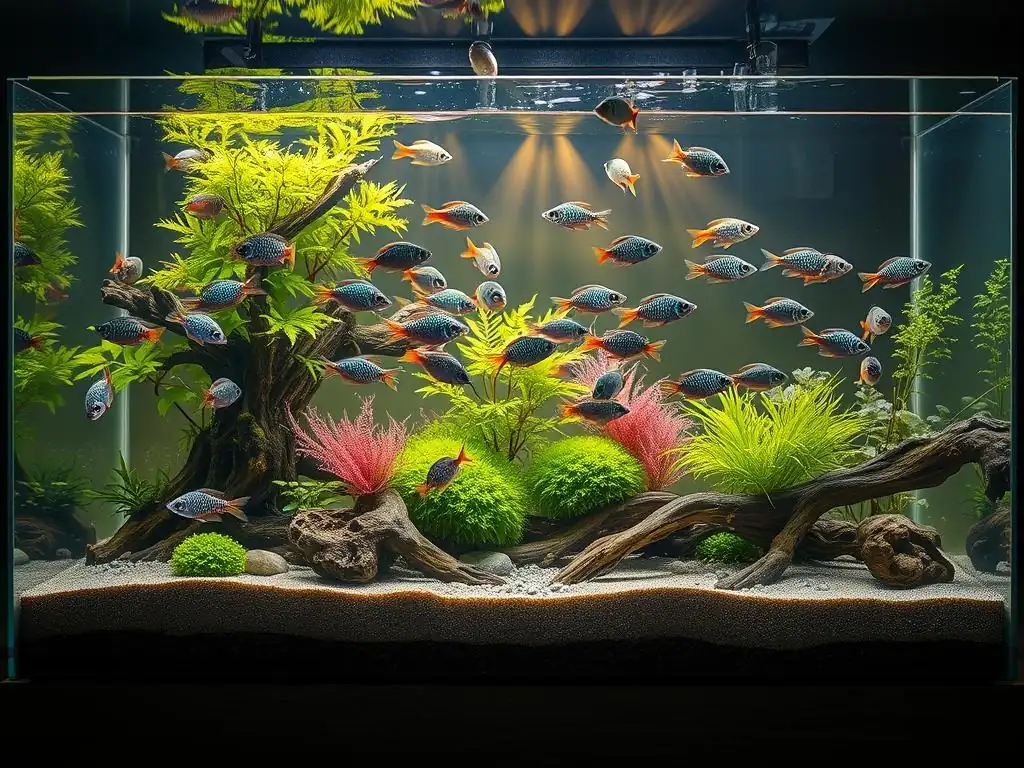
Ever wondered how to create the perfect aquatic haven for your vibrant Variatus Platies? You're in the right place! Dive into our guide, " The Variatus Platy Tank: Creating Their Ideal Aquatic Haven," and unlock the secrets to a thriving and colorful freshwater ecosystem. Get ready to transform your aquarium into a paradise your Platies will adore... and we're just getting started!
- Understanding the Variatus Platy: A Comprehensive Guide
- Planning Your Variatus Platy Tank Setup
- Setting Up the Perfect Variatus Platy Tank Environment
- Variatus Platy Care: Maintaining a Healthy Aquarium
- Variatus Platy Breeding: Encouraging Reproduction in Your Tank
- Common Variatus Platy Diseases and Treatments
- Troubleshooting Common Variatus Platy Tank Problems
- Choosing Tank Mates for Variatus Platies
- Maintaining a Thriving Variatus Platy Aquarium: Long-Term Care Tips
-
Frequently Asked Questions
- What size tank is recommended for a Variatus platy tank setup?
- What are the ideal water parameters for Variatus platies?
- What type of substrate and decorations should I include in a Variatus platy tank?
- What fish species make good tank mates for Variatus platies?
- How often should I perform water changes in a Variatus platy tank?
- Final Reflection: Cultivating Aquatic Harmony
- Cultivate Your Platy Paradise Today!
Understanding the Variatus Platy: A Comprehensive Guide
Variatus Platy Origins and Natural Habitat
The Variatus Platy, scientifically known as Xiphophorus variatus, originates from the warm, freshwater systems of Central America, specifically found in areas spanning from southern Mexico to Guatemala. In their native environment, these hardy and adaptable fish inhabit slow-moving rivers, canals, ditches, and even brackish coastal lagoons. Their natural habitats are typically rich in dense vegetation, providing ample cover from predators and offering a consistent food source of algae and small invertebrates.
These adaptable fish thrive in conditions with moderate water flow and a stable temperature range, often found in waters that are slightly alkaline with a relatively high mineral content. The lush plant life in their natural surroundings plays a crucial role, offering hiding spots for adults and protection for fry, which is a key consideration when designing an optimal Variatus platy tank setup. Their ability to tolerate a range of water conditions contributes to their popularity among aquarists, making them suitable for various freshwater aquarium setups.
Identifying Variatus Platy Varieties and Color Morphs
Variatus Platies are renowned for their incredible diversity in coloration and finnage, a result of extensive selective breeding in the aquarium hobby. While the wild type typically exhibits more subdued olive-green or brownish tones with scattered black spots, captive-bred varieties showcase a spectacular array of hues, including vibrant reds, oranges, yellows, and even multi-colored patterns like the popular "Sunset" or "Marigold" platies. Some common morphs include the "Hawaiian," featuring a mix of red, yellow, and black, and the "Tuxedo," characterized by a dark body with lighter fins.
Beyond color, variations in fin shape also exist, though less pronounced than in some other livebearers. Understanding these distinct varieties is essential for aquarists aiming to create a visually appealing Variatus platy tank setup. When selecting fish, it's beneficial to observe their patterns and colors under aquarium lighting to fully appreciate their potential vibrancy, ensuring a diverse and attractive display in your home aquarium.
Variatus Platy Temperament and Compatibility
Variatus Platies are celebrated for their exceptionally peaceful and non-aggressive temperament, making them ideal inhabitants for a community freshwater aquarium. They are generally active swimmers, occupying the middle and top levels of the tank, and exhibit a curious and inquisitive nature. While they are not strictly schooling fish, they do appreciate the company of their own kind and tend to be more confident and active when kept in groups of at least three to five individuals, with a recommended male-to-female ratio of 1 male to 2-3 females to reduce stress on the females.
Their placid disposition makes them highly compatible with a wide range of other peaceful, similarly sized fish that thrive in comparable water parameters. However, it's important to note that Variatus Platies can interbreed with Swordtails ( Xiphophorus hellerii), producing fertile offspring. This is a crucial consideration for those who wish to maintain pure bloodlines or avoid unintended hybridization within their Variatus platy tank setup.
Planning Your Variatus Platy Tank Setup
Tank Size Considerations for Variatus Platies
When planning a Variatus platy tank setup, selecting the appropriate tank size is paramount for the health and well-being of these active fish. While a small group of 3-5 Variatus Platies can comfortably inhabit a 10-gallon (approximately 38-liter) aquarium, a 20-gallon long (approximately 76-liter) tank is generally recommended as a minimum for a thriving community. A larger tank provides more swimming space, helps maintain stable water parameters, and allows for a greater number of fish, reducing potential stress from overstocking.
For those planning to keep a larger group, or aiming for a breeding Variatus platy tank setup, a 29-gallon (approximately 110-liter) or even 40-gallon (approximately 150-liter) breeder tank offers significant advantages. These larger volumes dilute waste products more effectively, provide more surface area for gas exchange, and offer ample room for plants and decorations, creating a more natural and stimulating environment. Remember that the "one inch of fish per gallon" rule is a very loose guideline; for active fish like platies, providing more space than the absolute minimum is always beneficial.
Essential Equipment for a Thriving Platy Tank
Establishing a successful Variatus platy tank setup requires more than just a glass box; several key pieces of equipment are essential to maintain a healthy and stable aquatic environment. These include a reliable filtration system to process waste, a heater to maintain optimal water temperature, and appropriate lighting to support plant growth and enhance fish coloration. Each component plays a vital role in replicating the natural conditions Variatus Platies thrive in.
Beyond these core components, a high-quality thermometer is crucial for accurate temperature monitoring, while a sturdy stand is necessary to safely support the weight of the filled aquarium. Additionally, a gravel vacuum, buckets, and water testing kits are indispensable for routine maintenance and monitoring water chemistry, ensuring the long-term success of your Variatus platy tank setup.
Filters for Variatus Platy Tanks: Choosing the Right One
A robust filtration system is the cornerstone of any healthy Variatus platy tank setup, crucial for removing physical debris, toxic ammonia, and nitrite from the water. For a 10-gallon tank, a good quality hang-on-back (HOB) filter rated for 10-20 gallons, providing a flow rate of at least 100 gallons per hour (GPH), is often sufficient. For larger tanks, such as a 20-gallon long, a HOB filter rated for 20-40 gallons (150-200+ GPH) or an internal filter with adequate biological media would be more appropriate.
Sponge filters, powered by an air pump, are also excellent choices, especially for breeding Variatus platy tank setups, as they provide gentle filtration, are inexpensive, and pose no threat to delicate fry. Regardless of the type chosen, ensure the filter provides mechanical, chemical (optional, e.g., activated carbon), and most importantly, biological filtration, which cultivates beneficial bacteria to process harmful nitrogenous waste products. Regular maintenance of the filter, such as rinsing media in old tank water, is vital to prevent clogs and maintain efficiency.
Heaters and Thermometers: Maintaining Optimal Water Temperature
Maintaining a stable and appropriate water temperature is critical for the health and metabolism of Variatus Platies. These tropical fish thrive in temperatures ranging from 72°F to 78°F (22°C to 26°C). An adjustable submersible heater is the most effective way to achieve this, with a general guideline of 5 watts per gallon for tanks up to 20 gallons, or 3 watts per gallon for larger tanks. For instance, a 10-gallon Variatus platy tank setup would typically require a 50-watt heater, while a 20-gallon tank might need a 75-100 watt heater.
Coupled with the heater, a reliable thermometer is indispensable for monitoring the water temperature accurately. Digital thermometers with external displays or traditional glass thermometers with suction cups are both suitable. Consistent temperature is more important than hitting an exact number within the ideal range, as sudden fluctuations can stress fish and weaken their immune systems, making them susceptible to diseases.
Lighting for Variatus Platies: Enhancing Color and Plant Growth
Lighting in a Variatus platy tank setup serves a dual purpose: it enhances the vibrant colors of your fish and supports the growth of live aquarium plants. For tanks with no live plants, a basic LED or fluorescent fixture providing 8-10 hours of light per day is sufficient, mimicking natural daylight cycles. This helps regulate the fish's natural rhythms and prevents excessive algae growth.
If you plan to incorporate live plants, which are highly beneficial for a Variatus platy tank environment, you'll need a light fixture designed for plant growth, typically measured in PAR (Photosynthetically Active Radiation) or lumens. LED lights are often preferred due to their energy efficiency, long lifespan, and ability to provide a full spectrum of light necessary for photosynthesis. Aim for 8-10 hours of light daily, potentially controlled by a timer, to promote healthy plant growth without encouraging excessive algae blooms.
Setting Up the Perfect Variatus Platy Tank Environment
Substrate Selection for Platy Tanks: Aesthetics and Functionality
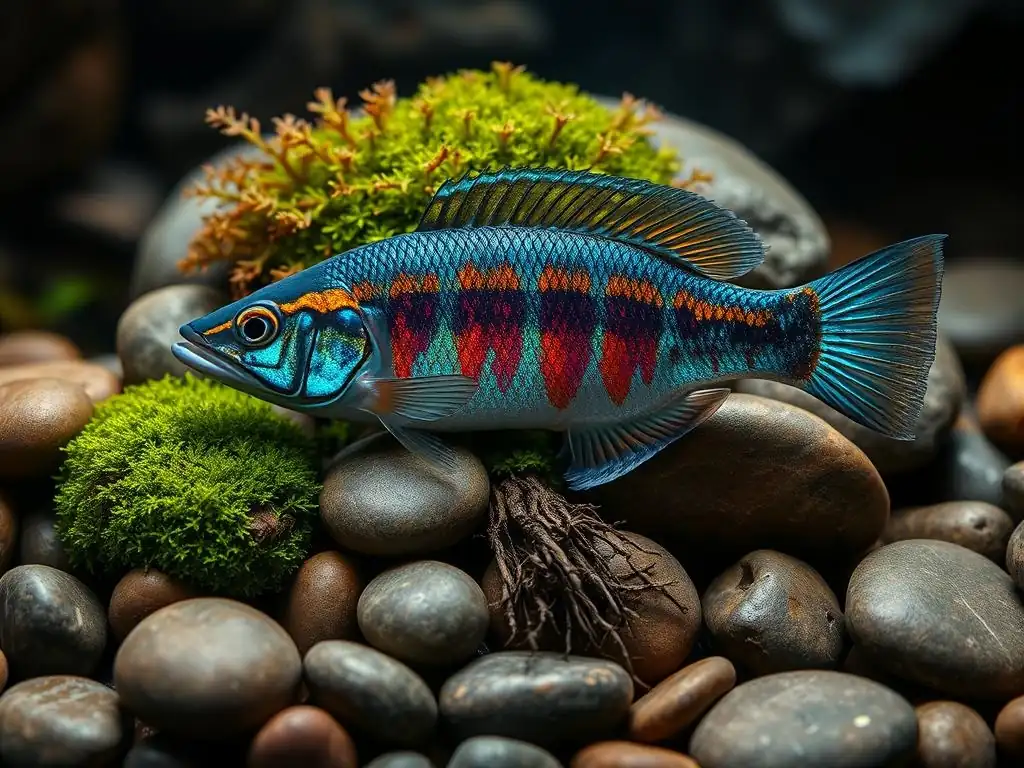
The choice of substrate for your Variatus platy tank setup significantly impacts both the aesthetic appeal and the functionality of the aquatic environment. A common and practical choice is fine to medium-sized gravel, typically 2-3mm in diameter. This size is easy to clean with a gravel vacuum, prevents food from sinking too deep and decaying, and provides a good surface area for beneficial bacteria to colonize, contributing to biological filtration. Darker colored gravels can also help to highlight the vibrant colors of your Variatus Platies, making them appear more striking.
Alternatively, fine sand can be used, which offers a very natural look and is ideal for bottom-dwelling tank mates like Corydoras. However, sand requires a slightly different cleaning technique to avoid disturbing the substrate too much and can compact over time. For heavily planted Variatus platy tank setups, specialized planted tank substrates are available, which are rich in nutrients and promote robust root growth. Regardless of your choice, ensure the substrate is thoroughly rinsed before adding it to the tank to remove any dust or debris.
Decorating Your Platy Tank: Creating a Natural and Stimulating Habitat
Decorating a Variatus platy tank is not just about aesthetics; it's about creating a natural and stimulating habitat that promotes fish health and well-being. Providing a mix of open swimming areas and densely planted or decorated zones offers a sense of security and enrichment. Variatus Platies, while active, appreciate places to retreat and explore, especially during breeding or if they feel stressed.
Consider incorporating elements that mimic their natural habitat: dense plant thickets, smooth rocks, and driftwood. These elements not only offer visual interest but also provide crucial hiding spots for adult fish and, more importantly, for newly born fry to escape predation. A well-decorated Variatus platy tank fosters natural behaviors and reduces stress, leading to more vibrant and healthier fish.
Choosing Safe and Suitable Plants for Variatus Platies
Live plants are an invaluable addition to any Variatus platy tank setup, offering numerous benefits. They contribute to water quality by absorbing nitrates, provide oxygen, and create a natural, stimulating environment. For Variatus Platies, which appreciate dense vegetation, hardy and easy-to-grow plants are ideal. Excellent choices include Anubias species (e.g., Anubias barteri, Anubias nana), Java Fern ( Microsorum pteropus), and Java Moss ( Taxiphyllum barbieri), which can be attached to driftwood or rocks and require minimal substrate.
Other suitable options include Amazon Swords ( Echinodorus amazonicus), Cryptocoryne species, and Hornwort ( Ceratophyllum demersum), which is a fast-growing, floating or rooted plant that provides excellent cover for fry. When selecting plants, ensure they are free from pests or diseases by quarantining them if possible. These plants will thrive in a well-lit Variatus platy tank and offer essential cover for pregnant females and their fry, significantly increasing survival rates.
Adding Rocks, Wood, and Other Decorations
Beyond plants, incorporating safe and appropriate rocks, driftwood, and other decorations further enhances the appeal and functionality of your Variatus platy tank. Smooth, inert rocks such as river stones or slate are excellent for creating caves and crevices, providing additional hiding spots. Ensure any rocks are thoroughly cleaned and are not sharp or porous, as some types can alter water chemistry (e.g., limestone can raise pH and hardness).
Aquarium-safe driftwood, such as Malaysian or Mopani wood, adds a natural aesthetic and can release beneficial tannins that slightly lower pH and provide anti-bacterial properties. Always pre-soak driftwood for several days or weeks to leach out excess tannins and ensure it sinks. Plastic or resin decorations, while less natural, can also be used, provided they are specifically designed for aquariums and have no sharp edges. When arranging these elements in your Variatus platy tank, aim for a balance between open swimming spaces and areas of dense cover.
Cycling Your Variatus Platy Tank: Establishing a Healthy Ecosystem
Cycling your Variatus platy tank is the single most critical step before introducing any fish, as it establishes the beneficial bacterial colonies necessary for the nitrogen cycle. This process converts highly toxic ammonia (produced by fish waste, decaying food) into less toxic nitrite, and then into relatively harmless nitrate. Without a fully cycled tank, ammonia and nitrite levels will quickly rise, leading to "new tank syndrome" and potentially fatal conditions for your platies.
The most recommended method is "fishless cycling," which involves adding a pure ammonia source to the tank and allowing the bacteria to naturally colonize the filter media and substrate over several weeks, typically 4-6 weeks. During this period, you will regularly test the water parameters, observing ammonia and nitrite levels rise and then fall to zero, while nitrates begin to accumulate. Once ammonia and nitrite consistently read zero, and nitrates are present, your Variatus platy tank setup is biologically mature and ready for its new inhabitants, ensuring a safe and stable environment from day one.
Variatus Platy Care: Maintaining a Healthy Aquarium
Water Chemistry for Variatus Platies: Achieving Optimal Parameters
Maintaining stable and optimal water chemistry is paramount for the long-term health and vibrancy of Variatus Platies in your tank. These fish are relatively adaptable but thrive best within specific ranges that mimic their natural habitat. Regular testing with a reliable liquid test kit is essential to monitor parameters such as pH, ammonia, nitrite, and nitrate, allowing for timely adjustments before issues arise.
Beyond the nitrogen cycle parameters, understanding and managing pH and water hardness are key to successful Variatus platy tank care. While they can tolerate a range, keeping these parameters stable within their preferred values significantly reduces stress and enhances their immune system, leading to a more robust and colorful population in your Variatus platy tank setup.
pH Levels for Variatus Platies: Understanding Ideal Ranges
The ideal pH range for Variatus Platies is slightly alkaline, typically between 7.0 and 8.0. While they can tolerate minor fluctuations, stable pH is more crucial than hitting an exact number. Sudden or drastic shifts in pH can cause severe stress, known as pH shock, which can be fatal. It's important to test your tap water's pH before starting your Variatus platy tank setup to understand your baseline.
If your tap water is significantly outside this range, methods to gradually adjust pH can be considered, such as using pH buffers or adding driftwood (which can slightly lower pH over time) or crushed coral (which can raise pH and hardness). However, it's generally recommended to choose fish that are compatible with your tap water's natural parameters to avoid constant chemical adjustments, which can be unstable and stressful for the fish in your Variatus platy tank.
Water Hardness and Its Impact on Platy Health
Water hardness, specifically General Hardness (GH) and Carbonate Hardness (KH), plays a significant role in the well-being of Variatus Platies. These fish prefer moderately hard to hard water, with an ideal GH range of 10-25 dGH (degrees of General Hardness) and a KH range of 10-15 dKH (degrees of Carbonate Hardness). GH refers to the concentration of dissolved mineral salts, primarily calcium and magnesium, which are vital for fish osmoregulation and overall health.
KH, also known as alkalinity, measures the buffering capacity of the water, its ability to resist changes in pH. A stable KH level is crucial in a Variatus platy tank setup to prevent dangerous pH crashes, which can occur as the nitrogen cycle produces acids. If your tap water is too soft, you can gradually increase GH and KH using products like crushed coral in the filter or specialized mineral additives, but always make changes slowly to avoid shocking the fish.
Regular Water Changes: The Key to a Clean and Healthy Tank
Regular water changes are the single most effective maintenance practice for ensuring a clean, healthy, and thriving Variatus platy tank. Even with a well-cycled filter, nitrates accumulate over time, and essential minerals are depleted. A weekly water change of 25% of the tank volume is a widely recommended guideline for most community tanks, though some heavily stocked tanks might benefit from 50% bi-weekly changes.
During a water change, use a gravel vacuum to siphon out water and remove detritus from the substrate. Always ensure the fresh water added back to the tank is dechlorinated (using a good quality water conditioner) and matches the tank's temperature as closely as possible to prevent temperature shock. Consistent water changes dilute pollutants, replenish trace elements, and contribute significantly to the long-term stability and health of your Variatus platy tank setup.
Feeding Your Variatus Platies: A Balanced Diet
Variatus Platies are omnivorous, with a natural inclination towards grazing on algae and small invertebrates in the wild. In a home aquarium, providing a varied and balanced diet is crucial for their vibrant coloration, robust health, and active behavior. A diet consisting of high-quality flake or pellet food as a staple, supplemented with a variety of other options, will ensure all their nutritional needs are met.
Overfeeding is a common mistake that can lead to significant water quality issues, including cloudy water and elevated nitrate levels, which negatively impact the Variatus platy tank environment. It's essential to feed small portions multiple times a day rather than one large meal, ensuring all food is consumed within a few minutes to prevent waste accumulation.
Best Food Options for Variatus Platies: Flakes, Pellets, and Live Foods
For a staple diet, high-quality flake foods or small pellets specifically formulated for community tropical fish are excellent choices for Variatus Platies. Look for brands that list fish meal, spirulina, or other plant-based ingredients as primary components, reflecting their omnivorous nature. Flakes should be finely crushed for smaller fish, while micro-pellets are suitable for adults.
To provide variety and essential nutrients, supplement the staple diet with frozen or live foods a few times a week. Brine shrimp, daphnia, and bloodworms are readily accepted and provide valuable protein. Additionally, Variatus Platies enjoy vegetable matter; blanched zucchini, spinach, or spirulina wafers can be offered occasionally. This diverse feeding regimen supports optimal growth, enhances color, and promotes a strong immune system in your Variatus platy tank inhabitants.
Feeding Frequency and Portion Control
The key to successful feeding in a Variatus platy tank setup lies in frequency and portion control. It is generally recommended to feed your Variatus Platies 2-3 times per day, offering small amounts each time. The ideal portion size is whatever they can completely consume within 2-3 minutes. Any food remaining after this time should be removed to prevent it from decaying and fouling the water.
Overfeeding not only wastes food but also leads to an excess of uneaten particles and fish waste, which contribute to ammonia and nitrite spikes, cloudiness, and excessive algae growth in your Variatus platy tank. Observing your fish during feeding will help you gauge the right amount; they should appear active and eager to eat, but not bloated afterward. A disciplined feeding schedule significantly contributes to maintaining excellent water quality and overall fish health.
Variatus Platy Breeding: Encouraging Reproduction in Your Tank
Creating Breeding Conditions for Variatus Platies
Variatus Platies are prolific livebearers, meaning they give birth to live, free-swimming fry rather than laying eggs. Encouraging reproduction in your Variatus platy tank setup is relatively straightforward, as they will often breed without specific intervention if water parameters are stable and food is abundant. A healthy male-to-female ratio, ideally 1 male to 2-3 females, helps distribute the male's attention and reduces stress on individual females.
To maximize fry survival, providing dense plant cover, such as Java Moss, Hornwort, or floating plants, is crucial. These plants offer hiding spots for the fry immediately after birth, protecting them from adult fish, including their own parents, who may predate on them. Maintaining optimal water parameters (pH 7.0-8.0, temperature 72-78°F, moderate hardness) and a consistent, varied diet will naturally stimulate breeding activity in your Variatus platy tank.
Identifying Pregnant Platies: Signs to Look For
Identifying a pregnant Variatus Platy is relatively easy due to distinct physical changes. The most noticeable sign is the development of a "gravid spot," a dark, often triangular patch that appears on the female's underside, just above the anal fin. As the pregnancy progresses, this spot becomes more pronounced and darker in color, indicating the developing fry within.
In addition to the gravid spot, a pregnant platy's abdomen will become noticeably larger and more "boxy" or squared-off in appearance, particularly in the days leading up to birth. Their behavior may also change; some pregnant females might become more reclusive, seeking out dense plant cover or quieter areas of the Variatus platy tank. The gestation period for Variatus Platies is typically between 28 to 30 days, after which they will give birth to anywhere from 20 to 80 (or more) live fry.
Caring for Platy Fry: Ensuring Their Survival and Growth
Caring for Variatus Platy fry requires specific attention to ensure their survival and healthy growth. While some fry may survive in a well-planted community Variatus platy tank, dedicated measures significantly increase their numbers. A separate breeding trap or a small "fry tank" (e.g., a 5-10 gallon tank) can be used to isolate the pregnant female just before birth, or to move the fry into after birth, protecting them from predation by adult fish.
Once born, platy fry are very small but free-swimming and can immediately consume finely crushed flake food, specialized fry food, or live foods like microworms or newly hatched brine shrimp. Feed them 3-5 times a day in very small amounts to support their rapid growth. Frequent, small water changes (10-15% daily or every other day) in the fry tank are essential to maintain pristine water quality, as they are highly sensitive to ammonia and nitrite spikes.
Common Variatus Platy Diseases and Treatments
Recognizing Signs of Illness in Your Platies
Early recognition of illness is crucial for successful treatment and preventing the spread of disease in your Variatus platy tank. Healthy platies are typically active, have bright coloration, and exhibit a good appetite. Any deviation from these norms should be a cause for concern. Common signs of illness include lethargy, spending unusual amounts of time at the surface or bottom, clamped fins (fins held close to the body), or a loss of appetite.
Other visible symptoms may include white spots (Ich), frayed or discolored fins (fin rot), cotton-like growths (fungal infections), swollen body or scales sticking out (dropsy), or rapid gill movement. Observing your fish daily during feeding times can help you quickly spot these subtle changes. Prompt action, often involving water testing and isolation of affected fish, can save your Variatus platy tank from a widespread outbreak.
Treating Common Platy Diseases
Once an illness is identified in your Variatus platy tank, prompt and appropriate treatment is necessary. Always diagnose as accurately as possible before administering medication, as incorrect treatments can do more harm than good. Isolate sick fish in a separate "hospital tank" to prevent the spread of disease and to allow for more precise dosing of medication without affecting the main tank's biological filter or plants.
Begin by performing a significant water change (30-50%) and retesting water parameters to rule out poor water quality as a primary stressor. Many common fish diseases are exacerbated by high nitrates or fluctuating pH. If medication is required, follow the manufacturer's instructions precisely, paying attention to dosage and duration.
Ich (White Spot Disease)
Ich, caused by the parasite Ichthyophthirius multifiliis, is one of the most common and recognizable fish diseases, appearing as small, white, salt-like spots scattered across the fish's body and fins. Affected fish may also show signs of irritation, such as flashing (rubbing against tank decorations) or rapid gill movement. Ich thrives in unstable water conditions and when fish are stressed, making a stable Variatus platy tank environment crucial for prevention.
Treatment for Ich typically involves a multi-pronged approach. Gradually increasing the water temperature to 82-86°F (28-30°C) over 24-48 hours can accelerate the parasite's life cycle, making it more vulnerable to treatment. Simultaneously, adding aquarium salt (1 tablespoon per 5 gallons, dissolved first) or using over-the-counter Ich medications containing malachite green or formalin is effective. Continue treatment for at least 7-10 days, even after spots disappear, to ensure all stages of the parasite are eradicated from the Variatus platy tank.
Fin Rot
Fin rot is a bacterial infection characterized by frayed, ragged, or discolored fins, which may appear red, brown, or white at the edges. In severe cases, the fins can entirely disintegrate, exposing the underlying tissue. This disease is often a secondary infection, triggered by poor water quality, bullying from tank mates, or physical injury. Consistent poor water quality, specifically high ammonia and nitrite levels, is a primary culprit in many Variatus platy tank fin rot cases.
Treatment for fin rot primarily focuses on improving water conditions. Perform daily 25-50% water changes to reduce bacterial load and provide clean, fresh water. If the infection is mild, improved water quality alone may be sufficient for recovery. For more advanced cases, broad-spectrum antibacterial medications designed for aquarium use, such as those containing erythromycin or furan-2, can be administered in a hospital tank. Ensure good aeration during treatment, as some medications can reduce oxygen levels in the Variatus platy tank.
Fungal Infections
Fungal infections in Variatus Platies typically appear as white, cotton-like growths on the fish's body, fins, or mouth. These infections often manifest as secondary issues, attacking fish that are already weakened by stress, poor water quality, or injury. Open wounds, abrasions, or existing bacterial infections can provide entry points for fungal spores, which are naturally present in most aquarium environments.
Treatment involves addressing the underlying cause (e.g., improving water quality, reducing stress) and administering an appropriate antifungal medication. Aquarium-specific antifungal treatments containing phenoxyethanol or malachite green are commonly used. Adding aquarium salt (1 tablespoon per 5 gallons) can also help inhibit fungal growth and aid in the fish's recovery. Maintain pristine water conditions and observe the affected fish closely in a hospital tank to ensure the infection clears and prevents recurrence in your Variatus platy tank.
Preventing Diseases in Your Variatus Platy Tank
Prevention is always more effective than treatment when it comes to fish diseases in a Variatus platy tank. The cornerstone of disease prevention is maintaining excellent water quality through regular water changes and proper filtration. Consistent monitoring of water parameters (ammonia, nitrite, nitrate, pH, temperature) helps identify potential issues before they become critical. A stable and clean environment significantly reduces stress on your fish, bolstering their natural immune systems.
Furthermore, providing a balanced and varied diet, avoiding overfeeding, and ensuring adequate space (avoiding overstocking) are crucial. When introducing new fish, always quarantine them in a separate tank for at least 2-4 weeks to observe for signs of illness and prevent the introduction of pathogens into your main Variatus platy tank setup. Thoroughly inspecting new plants and decorations before adding them also minimizes the risk of bringing in unwanted pests or diseases.
Troubleshooting Common Variatus Platy Tank Problems
Algae Blooms: Causes and Solutions
Algae blooms are a common nuisance in many Variatus platy tank setups, manifesting as green or brown coatings on glass, decorations, or plants, or even as green cloudy water. The primary causes are an imbalance of light and nutrients. Too much light (e.g., tank near a window, lights on for too long, or too intense lighting for the tank's needs) combined with excess nutrients (high nitrates from overfeeding or infrequent water changes) creates an ideal environment for algae proliferation.
Solutions involve addressing these root causes. Reduce the lighting period to 8-10 hours per day, and consider if your light is too powerful for your tank's plant density. Increase the frequency or volume of water changes to reduce nitrate levels. Ensure you are not overfeeding, as uneaten food breaks down into nutrients. Introducing live plants can help by outcompeting algae for nutrients, and certain algae-eating species like Otocinclus catfish or Nerite snails can also help manage minor outbreaks in your Variatus platy tank.
Cloudy Water: Identifying and Addressing the Issue
Cloudy water is a common issue that can plague a Variatus platy tank, and its cause often determines the best solution. A milky white or grey cloudiness usually indicates a bacterial bloom, which is common in newly set-up tanks during the cycling process as beneficial bacteria rapidly multiply. This type of cloudiness typically resolves on its own as the nitrogen cycle matures.
Other causes include decaying organic matter (overfeeding, dead fish, or decaying plant material), which leads to an increase in bacteria feeding on the organic waste, or disturbed substrate. If the water is green, it's likely a green water algae bloom. To address cloudy water, first, test your water parameters (ammonia, nitrite, nitrate). Perform a significant water change (25-50%), reduce feeding, ensure your filter is clean and functioning correctly, and remove any visible decaying matter from your Variatus platy tank.
Unexplained Fish Deaths: Investigating Potential Causes
Unexplained fish deaths in a Variatus platy tank can be distressing and indicate underlying issues that need immediate investigation. The most common cause is poor water quality. High levels of ammonia or nitrite, even if briefly present, can be fatal. Start by performing a full range of water tests (ammonia, nitrite, nitrate, pH, temperature, GH, KH). If any parameters are off, immediate large water changes (50% or more) are necessary.
Other potential causes include disease (even if no visible symptoms, internal parasites or bacterial infections can be present), aggression from tank mates, poisoning (e.g., from aerosols, cleaning products, or contaminated tap water), or simply old age. Observe the remaining fish for any signs of stress or illness, check for bullying, and review your maintenance routine. If the water quality is pristine and no disease is apparent, consider if the tank is overstocked or if there's an incompatibility issue among tank mates in your Variatus platy tank setup.
Choosing Tank Mates for Variatus Platies
Compatible Fish Species for a Community Platy Tank
Choosing appropriate tank mates is crucial for the harmony and health of your Variatus platy tank. Due to their peaceful and active nature, Variatus Platies are excellent candidates for a community aquarium. Ideal tank mates are similarly sized, peaceful, and thrive in similar water parameters (pH 7.0-8.0, temperature 72-78°F, moderate hardness).
Excellent choices include other peaceful livebearers like Guppies and Mollies (though note potential for hybridization with Mollies), various Tetra species (e.g., Neon Tetras, Cardinal Tetras, Rummy Nose Tetras), peaceful Rasboras (e.g., Harlequin Rasboras, Chili Rasboras), and bottom dwellers like Corydoras catfish (e.g., Panda Corys, Bronze Corys) or Otocinclus catfish. Small, peaceful loaches like Kuhli Loaches also make good additions, providing activity at different levels of the Variatus platy tank.
Fish to Avoid: Aggressive or Fin-Nipping Tank Mates
While Variatus Platies are generally very tolerant, certain fish species should be avoided as tank mates in your Variatus platy tank setup due to their aggressive tendencies or propensity for fin-nipping. Aggressive cichlids, such as most types of African Cichlids or larger South American Cichlids, are entirely unsuitable as they will harass, injure, or even consume the smaller platies.
Similarly, known fin-nippers like Tiger Barbs or Serpae Tetras can stress and injure platies, leading to fin rot and other stress-related diseases. Very large or predatory fish, even if seemingly peaceful, can view platies as a food source. Additionally, fish that require significantly different water parameters (e.g., very soft, acidic water) should be avoided, as attempting to cater to conflicting needs will compromise the health of all inhabitants in your Variatus platy tank.
Maintaining a Thriving Variatus Platy Aquarium: Long-Term Care Tips
Maintaining a thriving Variatus platy aquarium is an ongoing commitment that extends beyond the initial Variatus platy tank setup. Regular, consistent care is the cornerstone of a healthy and vibrant aquatic environment. This includes adhering to a strict weekly maintenance schedule of partial water changes (25-30%), ensuring fresh, dechlorinated water is added, and using a gravel vacuum to remove accumulated waste from the substrate.
Beyond routine water changes, consistently monitoring water parameters with a reliable test kit is essential to catch any imbalances early. Observe your fish daily for any changes in behavior or appearance, which can be early indicators of stress or illness. Avoid overfeeding and overcrowding, as these are common pitfalls that lead to poor water quality and disease. Providing a varied diet, ample hiding spots, and compatible tank mates will contribute significantly to the long-term well-being and natural behaviors of your Variatus Platies. By committing to these practices, your Variatus platy tank will flourish for years to come.
Frequently Asked Questions
What size tank is recommended for a Variatus platy tank setup?
A minimum of 10 gallons is recommended for a small school of Variatus platies. However, a 20-gallon tank or larger is preferable to provide ample swimming space and maintain better water quality.
What are the ideal water parameters for Variatus platies?
Variatus platies thrive in water temperatures between 72-78°F (22-26°C), with a pH level of 6.8-7.8. Maintaining consistent water parameters is crucial for their health.
What type of substrate and decorations should I include in a Variatus platy tank?
A smooth gravel or sand substrate is suitable. Include plenty of live plants like Java moss or Anubias for hiding places and to promote a healthy environment.
What fish species make good tank mates for Variatus platies?
Variatus platies are peaceful and can be kept with other community fish such as Tetras, Corydoras, and Guppies. Avoid aggressive or fin-nipping species.
How often should I perform water changes in a Variatus platy tank?
Perform weekly water changes of about 25-30% of the tank volume. This helps to remove accumulated nitrates and maintain water quality for your platies.
Final Reflection: Cultivating Aquatic Harmony
The journey of establishing a thriving Variatus platy tank extends far beyond simply filling a glass box with water. It's about creating a miniature ecosystem, a balanced haven where these vibrant fish can flourish. The principles of careful planning, diligent maintenance, and a deep understanding of their needs, as explored throughout this article, are not just applicable to aquariums, but serve as a microcosm for responsible stewardship in all aspects of life.
This dedication to creating the ideal environment resonates deeply because it reflects our own desire for harmony and balance. The act of nurturing a living space, whether for fish or ourselves, connects us to the natural world and fosters a sense of responsibility. The best time to plant a tree was 20 years ago. The second best time is now.
This ancient proverb perfectly encapsulates the proactive approach necessary for a successful Variatus platy tank setup, and indeed, for any endeavor requiring patience and foresight.
Now, as you consider the information shared within these pages, I invite you to reflect on the environments you cultivate in your own life. Are you providing the necessary conditions for growth and well-being, not just for yourself, but for those around you? Embrace the principles of careful planning, consistent effort, and a deep understanding of needs, and you too can create a thriving haven, a space where life flourishes in all its vibrant beauty.
Cultivate Your Platy Paradise Today!
Thank you for exploring the fascinating world of Variatus Platies with us! Now that you're armed with the knowledge to create a thriving environment, it's time to put that expertise into action.
Here's how you can transform your aquarium into a true platy paradise:
- Prioritize tank size: Make sure your aquarium is large enough (at least 10 gallons) to comfortably accommodate your Platy population, preventing overcrowding and stress.
- Explore live plants. Experiment with easy-to-grow species to provide shade, hiding spots, and a natural food source for your platies.
- Share your success! Post a photo of your platy tank setup on social media using #AquariumMastery, inspiring others to create beautiful aquatic havens.
What's the first thing you'll change in your tank to make it a perfect haven for your Platies?