
The Cost of Keeping Discus: A Realistic Breakdown for Aspiring Owners

Welcome to Aquarium Mastery!
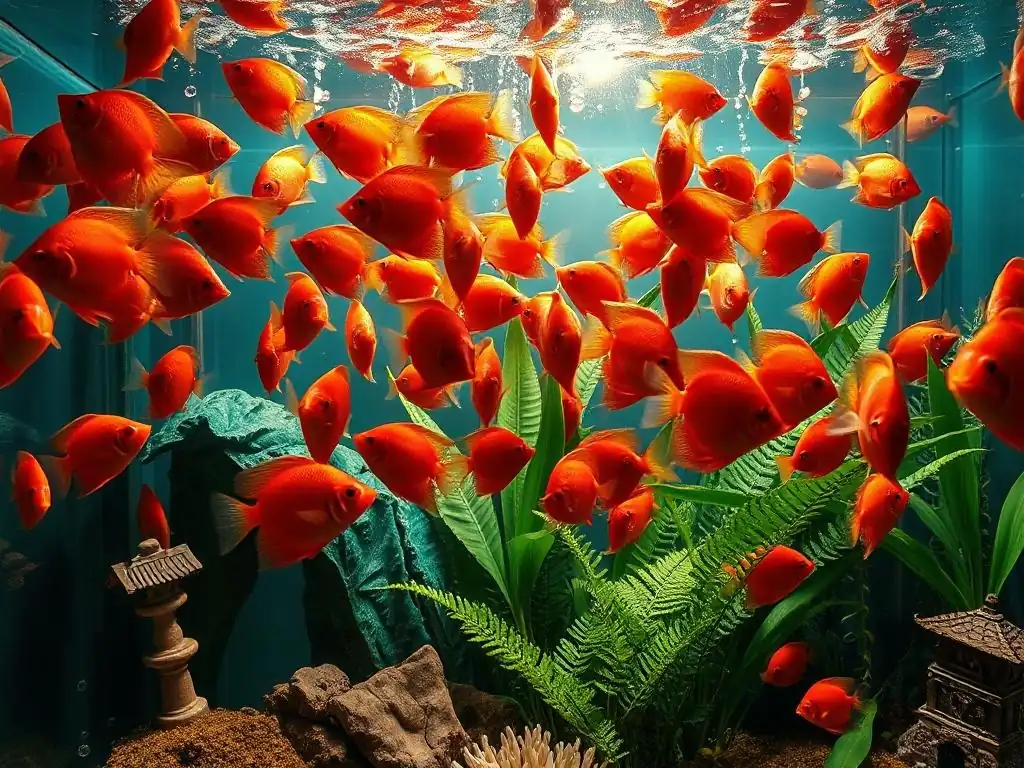
Ever dreamt of owning the "King of the Aquarium," the majestic Discus fish? Before you take the plunge, let's dive deep into the Discus fish cost breakdown. Are you prepared for the initial investment and ongoing expenses required to keep these stunning creatures thriving? Uncover the realistic costs and essential considerations in our comprehensive guide, and see if you're truly ready to become a Discus aficionado. Let's begin!
- Understanding the Investment: Is a Discus Aquarium Right for You?
- Initial Discus Fish Cost Breakdown: Acquiring Your First Discus
- Essential Aquarium Equipment Costs for Discus
- Ongoing Expenses: The Real Cost of Discus Fish Care
- Time Commitment: The Unseen Cost of Discus Ownership
- Long-Term Investment: Breeding Discus and Expanding Your Collection
- Total Estimated Cost: A Comprehensive Look at Discus Keeping Expenses
- Alternatives to Discus: Exploring Other Show Fish Options
- Is the Discus Fish Cost Breakdown Worth It? The Rewards of Discus Keeping
-
Frequently Asked Questions
- How much does a single Discus fish typically cost?
- What are the essential equipment costs for setting up a Discus tank?
- What are the ongoing monthly expenses associated with keeping Discus?
- What is the ideal tank size for keeping a group of Discus fish?
- Are there any hidden or unexpected costs associated with Discus keeping?
- Final Reflection: The Enduring Allure of Discus
- Dive Deeper: Start Your Discus Journey Today!
Understanding the Investment: Is a Discus Aquarium Right for You?
Discus fish, often hailed as the "King of the Aquarium," are undeniably one of the most stunning and captivating freshwater species an aquarist can keep. Their vibrant colors, graceful movements, and unique disc-shaped bodies make them a highly sought-after centerpiece for many enthusiasts. However, their regal status comes with a significant caveat: Discus are demanding fish, requiring precise water parameters, specific tank conditions, and consistent care.
Before embarking on the journey of Discus ownership, it's crucial to understand the substantial financial and time investment involved. This isn't a fish for the casual aquarist. A comprehensive Discus fish cost breakdown reveals that the initial setup and ongoing maintenance expenses can be considerably higher than for a typical community aquarium. This guide aims to provide a realistic overview of these costs, helping aspiring owners determine if they are truly prepared for the commitment required to keep these magnificent creatures thriving.
Initial Discus Fish Cost Breakdown: Acquiring Your First Discus
Discus Fish Price Ranges: Factors Influencing the Cost
The price of Discus fish varies significantly based on several factors, primarily their size, strain, color pattern, and pedigree. Juvenile Discus, typically 2-3 inches (5-7.5 cm), are generally the most affordable entry point, with prices ranging from approximately $40 to $80 per fish. As they mature and grow to 5-6 inches (12.5-15 cm), their cost can escalate dramatically, often reaching $100 to $300 or even more for highly sought-after specimens. Popular strains like Pigeon Blood, Blue Diamond, Red Melon, and Leopard Discus each command different price points, with rarer or show-quality individuals fetching higher sums.
Specific examples illustrate this range: a common 3-inch Blue Diamond Discus might be available for around $60, while a larger, show-quality 5-inch Leopard Discus from a reputable breeder could easily cost $250. Wild-caught Discus, prized for their natural beauty and genetic diversity, are often significantly more expensive due to collection difficulties and acclimation challenges, sometimes ranging from $150 to $500 or more per fish. The overall Discus fish cost breakdown for initial acquisition will depend heavily on the number, size, and quality of fish chosen.
Choosing Quality Discus: Why Investing More Initially Can Save You Money Later
While the temptation to opt for cheaper Discus fish might be strong, experience shows that investing in quality specimens from the outset can lead to significant long-term savings. Cheaper fish often originate from mass breeding operations with suboptimal conditions, leading to stressed, stunted, or diseased individuals. Such fish are more prone to developing health issues like internal parasites, bacterial infections, or hexamita, which can be difficult and costly to treat, potentially requiring $30-$50 or more in medication per ailment.
Furthermore, a sick Discus can rapidly spread disease to other fish in the tank, leading to a cascading problem that might result in the loss of your entire collection and further expenses in treatments or replacement fish. For instance, purchasing a $50 Discus from an unknown source might seem like a bargain, but if it introduces parasites that require a $40 medication and stress the other $100-$150 fish you already own, the initial "saving" quickly vanishes.
A healthy, well-acclimated Discus, though potentially costing $100-$150 upfront from a reputable breeder, is far less likely to succumb to common ailments, thereby minimizing future medical expenses and reducing the overall Discus fish cost breakdown over time.
Where to Buy Discus: Local Fish Stores vs. Online Breeders
Both local fish stores (LFS) and online breeders offer avenues for purchasing Discus, each with its own set of advantages and disadvantages impacting the Discus fish cost breakdown. Local fish stores allow you to physically inspect the fish before purchase, assessing their health, color, and behavior firsthand. This can be reassuring, and you often have immediate access to the fish. However, LFS typically have higher overheads, which can translate to prices that are 10-20% higher than online sources for comparable quality, and their selection of specific Discus strains might be limited.
Online breeders, conversely, often provide a much wider selection of Discus strains and sizes, sometimes at more competitive prices due to direct sales. Many reputable online breeders specialize in Discus and maintain high standards of care, offering robust, healthy fish. The main drawback is the inability to inspect the fish beforehand and the added cost of shipping, which can be substantial.
Overnight shipping for live fish can range from $50 to $100 or more, depending on your location and the breeder's shipping policies. Despite the shipping fee, the overall value from a dedicated online Discus breeder often makes it a preferred choice for serious hobbyists.
Essential Aquarium Equipment Costs for Discus
Tank Size and Setup Expenses: Creating the Ideal Discus Habitat
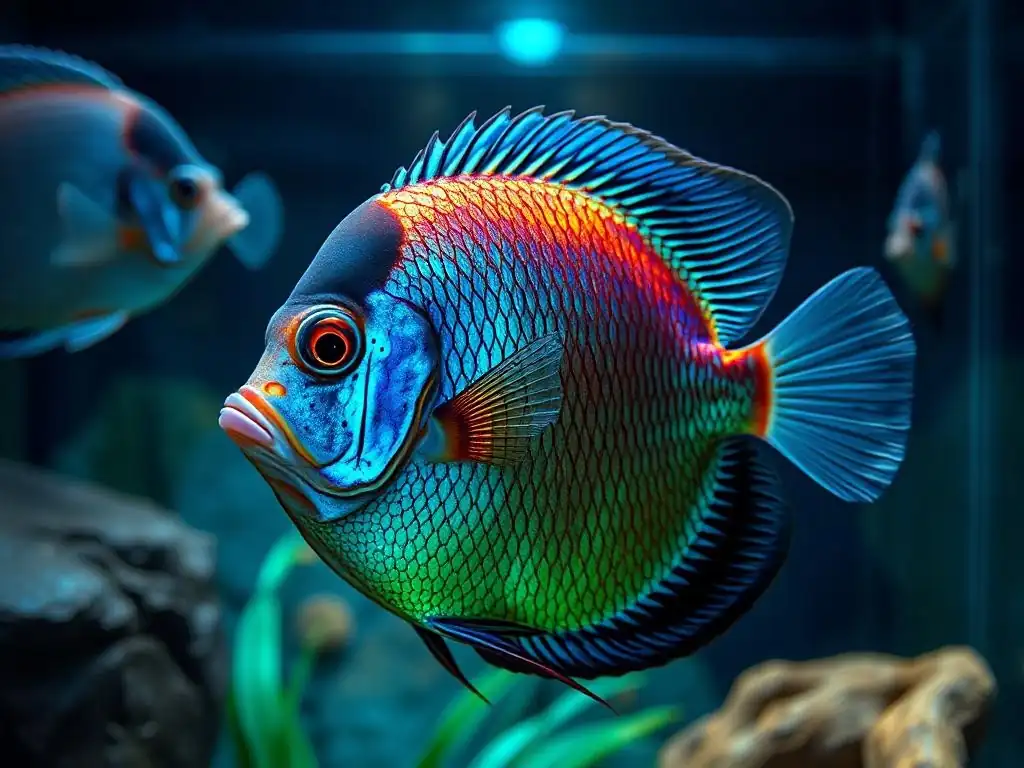
Discus fish thrive in spacious environments, making tank size a critical component of the Discus fish cost breakdown. For a healthy group of 5-6 juvenile Discus, a minimum tank size of 55-75 gallons (approximately 200-280 liters) is recommended. As they mature, a 75-gallon tank becomes the absolute minimum, with 100-125 gallons (378-473 liters) being ideal for a group of adult Discus to ensure ample swimming space and reduce aggression. A new 75-gallon glass aquarium can range from $200-$400, while a suitable stand to support its significant weight (over 800 lbs when full) typically adds another $100-$300.
The choice between a bare-bottom tank and a planted setup also influences initial expenses. Bare-bottom tanks are easier to keep pristine, which is beneficial for Discus due to their sensitivity to water quality, and incur no substrate cost. A heavily planted Discus tank, while aesthetically pleasing, requires specialized lighting, potentially a CO2 injection system, and nutrient-rich substrate, adding an extra $150-$500 or more to the initial setup. Considering a basic 75-gallon tank and stand, the foundational setup cost can range from $300 to $700.
Filtration System Costs: Maintaining Pristine Water Quality for Discus
Maintaining pristine water quality is paramount for Discus health, making a robust filtration system a significant part of the Discus fish cost breakdown. Discus produce a considerable amount of waste and are highly sensitive to nitrates, ammonia, and nitrites. Therefore, over-filtration is not just recommended, it's essential. Canister filters are widely regarded as the best choice for Discus tanks due to their large media capacity and efficient mechanical and biological filtration. For a 75-gallon Discus aquarium, a high-quality canister filter from brands like Fluval (e.g., FX series) or Eheim (e.g., Professional series) can cost between $200 and $400.
Many experienced Discus keepers opt for two canister filters or a combination of a large canister filter and supplemental sponge filters to ensure maximum filtration redundancy and efficiency. Sponge filters, while inexpensive at $20-$40 each, provide excellent biological filtration and are easy to clean. Beyond the initial filter unit, the cost of filter media replacements (such as activated carbon, Purigen, or specialized bio-media) should be factored in, potentially adding $20-$50 annually to maintain optimal filtration performance.
Heating and Lighting Requirements: Essential Equipment for Discus Health
Discus fish thrive in warmer water temperatures, typically ranging from 82-86°F (28-30°C), which is considerably higher than most other tropical fish. This specific temperature requirement necessitates reliable and powerful heating equipment. For a 75-gallon Discus tank, it is often recommended to use two heaters, each rated at 200-300 watts, to ensure consistent temperature stability and provide a backup in case one unit fails. Quality submersible heaters typically cost $40-$80 each, bringing the total heating expense to $80-$160 for the setup.
Lighting needs for a Discus tank are less stringent if it's a fish-only setup. A basic LED light fixture, costing $50-$100, will suffice to illuminate the tank and showcase your fish. However, if you plan to incorporate live plants, particularly demanding species, you will need a more powerful, full-spectrum LED light, which can range from $150-$400. Additionally, an automatic timer for the lights, costing $15-$30, is a wise investment to maintain a consistent day-night cycle for your fish.
Substrate, Decor, and Plants: Creating a Natural and Functional Discus Tank
The choice of substrate can significantly influence both the aesthetics and the maintenance of a Discus tank, impacting the overall Discus fish cost breakdown. For ease of cleaning and to prevent the accumulation of detritus, many Discus enthusiasts opt for a bare-bottom tank, which incurs no substrate cost. If substrate is desired, fine sand is generally preferred over gravel, as Discus are prone to ingesting larger particles, which can lead to impaction. A sufficient quantity of fine sand for a 75-gallon tank might cost $30-$60.
Decorations should be smooth and non-abrasive to prevent injury to the Discus' delicate skin. Popular choices include driftwood (such as Malaysian or Manzanita wood), which can also help lower pH and provide hiding spots. A single large piece of quality driftwood can range from $30-$100 or more. Live plants like Amazon Swords, Anubias, or Cryptocorynes are beneficial for water quality and aesthetics, adding an initial cost of $50-$150 or more, depending on density and species. Artificial plants, a lower-maintenance alternative, can cost $20-$50 but offer no biological benefits.
Ongoing Expenses: The Real Cost of Discus Fish Care
Discus Food Costs: Providing a Nutritious Diet
Discus fish require a highly varied and nutritious diet to maintain their vibrant colors, promote growth, and ensure overall health. This makes food a significant and recurring part of the Discus fish cost breakdown. While high-quality Discus flakes or pellets are a good staple, costing $15-$30 for a medium container, they should be supplemented with a variety of frozen foods. Essential frozen options include bloodworms, brine shrimp, and specialized beef heart mixes, which are rich in protein and nutrients.
For a tank housing 6 adult Discus, a monthly supply of frozen foods can easily range from $20-$40, depending on feeding frequency and portion sizes. Some hobbyists opt to prepare their own homemade beef heart mix, which can be more economical in bulk but requires time and effort for preparation. Over the course of a year, the total Discus food expenditure for a well-fed tank can realistically fall between $480 and $840. Consistent, quality nutrition is non-negotiable for Discus.
Water Conditioner and Chemical Treatments: Maintaining Optimal Water Parameters
Regular, large-volume water changes are fundamental to Discus care, directly impacting the ongoing Discus fish cost breakdown. To make tap water safe for your fish, a high-quality water conditioner is essential to neutralize chlorine, chloramines, and heavy metals. A 500ml bottle of a concentrated conditioner like Seachem Prime, costing $15-$25, can treat thousands of gallons and typically lasts several months for a 75-gallon tank undergoing weekly 50% water changes.
Beyond basic conditioning, some aquarists may need to use pH buffers or mineral supplements if their source water is not naturally suited for Discus (which prefer soft, acidic water with a pH of 6.0-7.0). While not daily expenses, these can add to the monthly average. A liquid master test kit, a crucial initial investment at $30-$50, will require reagent refills every 1-2 years, costing $15-$25. Factoring in these consumables, expect to budget approximately $5-$10 per month for water treatments and testing supplies.
Electricity Costs: Running Aquarium Equipment 24/7
The continuous operation of aquarium equipment, particularly heaters, contributes significantly to the ongoing Discus fish cost breakdown in terms of electricity consumption. Discus require consistently warm water (82-86°F or 28-30°C), meaning heaters will be actively drawing power for a substantial portion of the day, especially in cooler environments. For a 75-gallon tank, two 200W heaters, even running intermittently, consume considerable energy.
Filters and lighting also add to the electricity bill, though typically less than heaters. Actual electricity costs vary widely depending on local rates (e.g., $0.10-$0.25 per kilowatt-hour in the US) and ambient room temperature. A well-equipped 75-gallon Discus tank could add an estimated $20-$50 per month to your electricity bill. Over the course of a year, this equates to an additional $240-$600, making it a notable, often overlooked, component of Discus ownership expenses.
Disease Prevention and Treatment: Budgeting for Potential Discus Health Issues
Despite meticulous care and optimal water conditions, Discus fish can occasionally fall ill, making a contingency budget for disease prevention and treatment an important, albeit unpredictable, part of the Discus fish cost breakdown. Common ailments include internal parasites (like hexamita), bacterial infections, and external parasites. Having a small, dedicated hospital tank (a 10-20 gallon tank setup costing $30-$50) is highly recommended for isolating and treating sick fish without medicating the main display tank.
A basic arsenal of medications, such as Metronidazole for internal parasites ($25-$40 per treatment), broad-spectrum antibiotics like Erythromycin ($15-$30), and perhaps a general anti-fungal/anti-bacterial remedy, is prudent. For example, a single course of Heximita treatment might cost $25-$35 for the medication alone. Budgeting an annual amount of $50-$100 for emergency medications, water clarifiers, or other unforeseen health-related supplies is a realistic approach to mitigating unexpected Discus health expenses.
Time Commitment: The Unseen Cost of Discus Ownership
Water Changes and Tank Maintenance: Regular Tasks for Discus Health
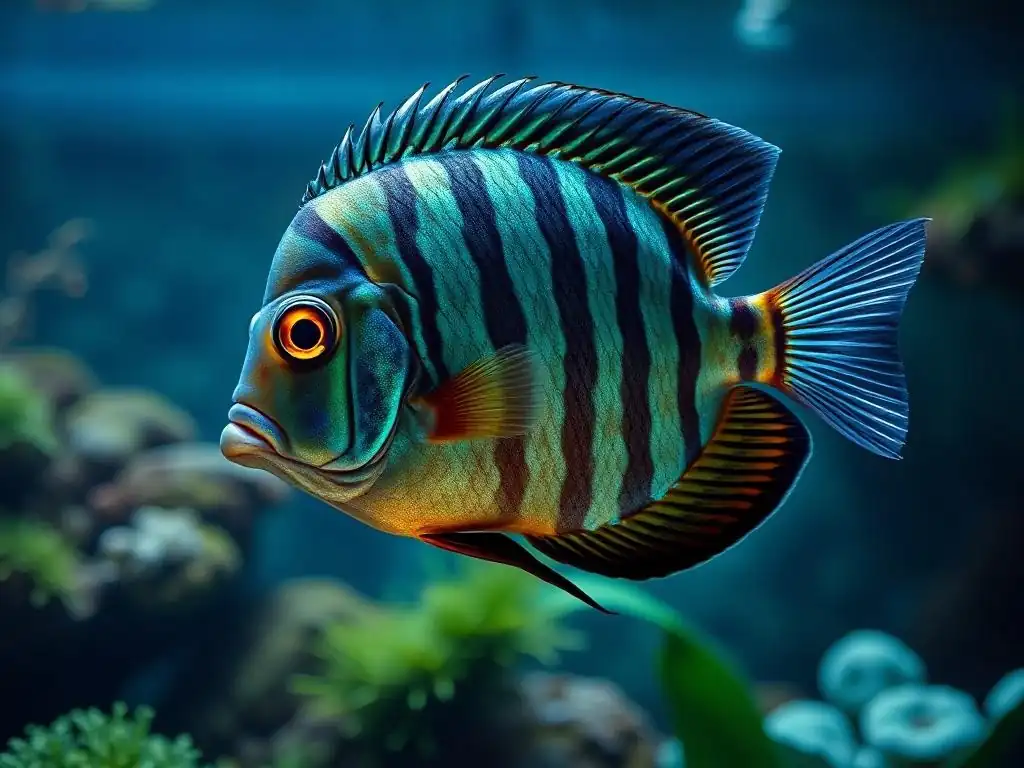
While not a direct financial cost, the significant time commitment required for Discus care is an "unseen" part of the Discus fish cost breakdown that aspiring owners must consider. Discus thrive in pristine water, necessitating frequent and large water changes. Many experienced keepers recommend weekly 50% water changes, and sometimes even more often for juvenile Discus or breeding pairs. For a 75-gallon tank, a 50% water change can take anywhere from 30 to 60 minutes, including siphoning, refilling, and temperature matching. This alone accumulates to 2-4 hours per month.
Beyond the major weekly water changes, daily maintenance tasks are also crucial. This includes daily feeding (2-3 times per day), wiping down the tank glass to prevent algae buildup, and quick visual checks of the fish. Filter maintenance, such as rinsing sponges and replacing media, needs to be done monthly or bi-monthly, adding another 30-60 minutes per session. The cumulative effect of these tasks means that Discus keeping demands consistent, dedicated attention.
Monitoring Water Parameters: Ensuring a Stable Environment
Regular and accurate monitoring of water parameters is absolutely crucial for Discus health and is another significant time investment. While the initial purchase of a liquid master test kit (measuring pH, ammonia, nitrite, and nitrate) is a one-time financial cost, the time spent performing these tests is ongoing. Weekly testing is advisable, especially for new setups or when any signs of stress or illness appear. Each test takes approximately 5-10 minutes.
Maintaining stable parameters is key to preventing stress and disease in Discus. If test results indicate undesirable levels (e.g., high nitrates from insufficient water changes), immediate corrective actions, such as more frequent or larger water changes, become necessary. This reactive maintenance adds further to the time commitment, emphasizing that proactive monitoring is essential to keep the environment stable and healthy for these sensitive fish.
Observing Discus Behavior: Early Detection of Potential Problems
A critical, yet often underestimated, aspect of Discus care is the time spent simply observing your fish. Discus are sensitive creatures, and subtle changes in their behavior are often the first indicators of potential health issues or environmental problems. Dedicating 10-15 minutes daily to watching their swimming patterns, feeding response, coloration, and social interactions can provide invaluable insights.
Early detection of issues such as clamped fins, rapid breathing, listlessness, or a refusal to eat can be the difference between a minor setback and a catastrophic loss. Prompt identification allows for quicker intervention, potentially saving the fish and preventing the spread of disease to the rest of the tank. This consistent, attentive observation minimizes the risk of major health crises, thereby potentially avoiding costly medication and the emotional toll of losing cherished fish, making it a valuable "unseen" part of the Discus fish cost breakdown.
Long-Term Investment: Breeding Discus and Expanding Your Collection
Breeding Setup Costs: Creating a Dedicated Breeding Tank
For those aspiring to breed Discus, the long-term Discus fish cost breakdown expands to include a dedicated breeding setup. Breeding Discus requires a separate, smaller tank to provide a private, controlled environment for the breeding pair and their fry. A 20-40 gallon (75-150 liter) tank is typically sufficient for this purpose, costing $50-$150. This tank should be largely bare-bottom for easy cleaning and equipped with its own essential hardware.
Necessary equipment for a breeding tank includes a reliable heater ($40-$80), one or two air-driven sponge filters ($20-$40 each) for gentle but effective filtration, and an air pump ($15-$30). A spawning cone or slate ($15-$30) provides a surface for the Discus to lay their eggs. The total initial investment for a basic breeding setup can add an estimated $100-$250 to your overall Discus expenses.
Fry Food and Care: The Expenses of Raising Discus Fry
Raising Discus fry is a labor-intensive and costly endeavor, significantly impacting the long-term Discus fish cost breakdown. Newly hatched Discus fry are extremely small and require specialized, frequent feeding, often every few hours around the clock. Their primary initial food source is newly hatched brine shrimp (Artemia nauplii), which must be cultured daily. A supply of brine shrimp eggs ($20-$40 per can) and a dedicated hatchery ($15-$30) are essential for this purpose.
As the fry grow, they transition to finely crushed flakes or pellets, and eventually to frozen foods. The sheer quantity of food required to grow out hundreds of Discus fry can be substantial, easily adding $50-$100 or more per month in food expenses for a large batch. This high feeding regimen, combined with the need for multiple daily water changes in the fry tank, contributes significantly to both the financial and time commitments of breeding.
Potential Profit vs. Expense: Is Breeding Discus Profitable?
While the idea of breeding Discus and selling the offspring might seem like a path to profit, for most hobbyists, it's rarely a significant money-making venture. The substantial time commitment, high food costs for growing out fry, electricity for heaters and filters, and potential losses due to culling or unforeseen issues often outweigh the sale price of juvenile Discus. A 2-inch juvenile might sell for $30-$50 to a local fish store or other hobbyists.
For example, raising 50 fry to a marketable 2-inch size could incur $200-$300 in food costs over 2-3 months, in addition to electricity and water expenses. If all 50 sold at $40 each, that's $2000 in revenue. However, when factoring in the initial breeding setup costs, the cost of the parent fish, high mortality rates, and the intensive labor involved, the net profit is often minimal or even negative. Breeding Discus is primarily a passion project driven by the joy of the process rather than financial gain.
Total Estimated Cost: A Comprehensive Look at Discus Keeping Expenses
Low-End vs. High-End Discus Aquarium Cost Scenarios
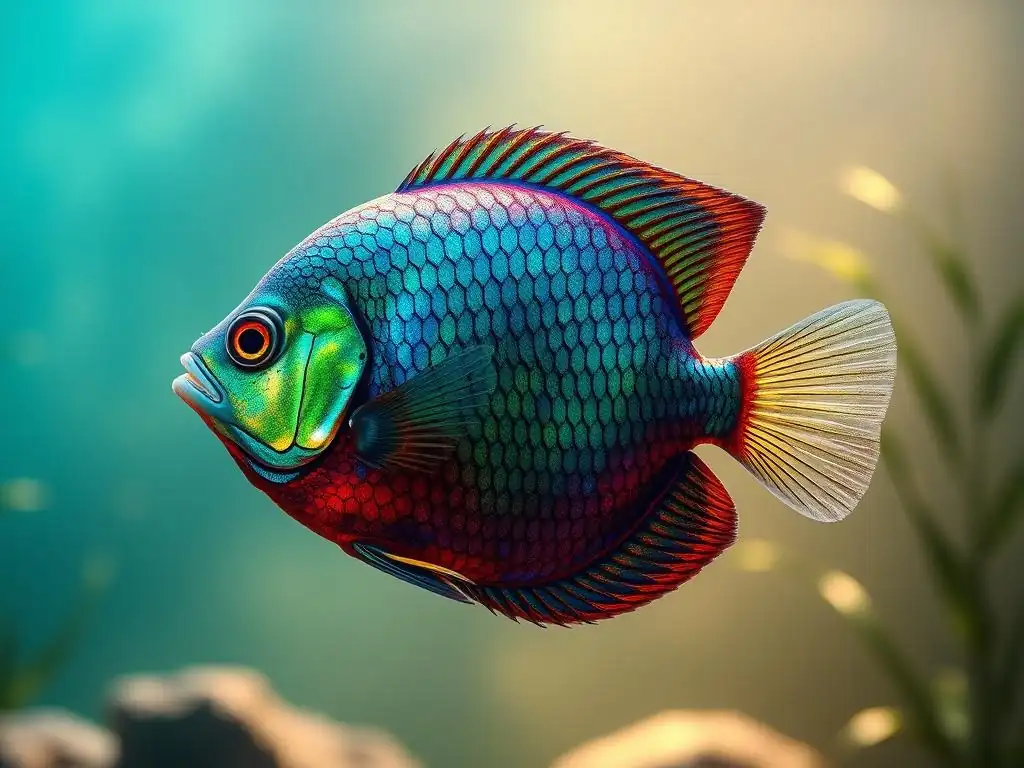
To provide a clear Discus fish cost breakdown, let's consider two scenarios for a 75-gallon Discus aquarium. For a low-end setup, focused on functionality and basic needs:
- Initial Investment:
- 6 juvenile Discus at $60 each: $360
- 75-gallon tank & stand: $300
- Canister filter: $200
- 2 heaters: $100
- Basic LED lighting: $50
- Water test kit: $30
- Total Initial: Approximately $1,040
- Monthly Ongoing Costs:
- Discus food: $40
- Electricity: $25
- Water conditioner/treatments: $5
- Total Monthly: Approximately $70 (or $840 annually)
For a high-end setup, emphasizing premium quality, aesthetics, and redundancy:
- Initial Investment:
- 8 show-quality adult Discus at $200 each: $1,600
- 125-gallon tank & premium stand: $700
- 2 high-end canister filters: $600
- 2 redundant heaters: $160
- High-output planted tank LED lighting: $300
- Quality substrate & decor (driftwood, plants): $200
- Water test kit: $50
- Total Initial: Approximately $3,610
- Monthly Ongoing Costs:
- Discus food: $70
- Electricity: $50
- Water conditioner/treatments & plant fertilizers: $30
- Total Monthly: Approximately $150 (or $1,800 annually)
Beyond the easily quantifiable elements of the Discus fish cost breakdown, aspiring owners must also account for "hidden costs" and plan for unexpected expenses. Equipment failure is a common occurrence in the hobby; a heater might fail, a filter pump could burn out, or a light fixture might stop working. Replacing a quality canister filter, for example, could unexpectedly cost $200-$400.
Furthermore, despite best efforts, health issues can arise. A sudden outbreak of internal parasites or a bacterial infection might necessitate purchasing specialized, sometimes expensive, medications that were not part of the regular budget. Budgeting an additional 10-20% of your annual ongoing costs, roughly $100-$300, as a contingency fund for emergency medication, replacement parts, or even a new fish if one is lost and needs to be replaced to maintain group size, is a wise and realistic approach to Discus keeping.
Alternatives to Discus: Exploring Other Show Fish Options
Angelfish as an Alternative: A More Affordable Show Fish
For aquarists drawn to the majestic appearance of Discus but perhaps deterred by the significant Discus fish cost breakdown and intensive care requirements, Angelfish (Pterophyllum scalare) present an excellent alternative. Angelfish share a similar graceful, disc-shaped body and come in a wide array of beautiful colors and fin types, making them a captivating show fish in their own right. A juvenile Angelfish typically costs $10-$30, significantly less than the $40-$80 for a juvenile Discus.
More importantly, Angelfish are considerably hardier and more adaptable to a wider range of water parameters and temperatures (typically 75-80°F or 24-27°C) than Discus. Their tank size requirements are also less stringent; a 30-gallon tank can comfortably house a pair, compared to the 55-75 gallons needed for a group of Discus. Their food costs are lower, and they are generally less prone to specific diseases, reducing the likelihood of costly treatments and making them a much more budget-friendly option for a stunning display.
Community Tank Options: Exploring Less Demanding Fish Species
If the comprehensive Discus fish cost breakdown and time commitment prove too daunting, a well-planned community tank offers a rewarding and far less demanding avenue for freshwater fishkeeping. There is a vast array of beautiful and interesting fish species that are much hardier and more forgiving than Discus. Species like Gouramis, various Tetras (e.g., Neon Tetras, Cardinal Tetras, Rummy-nose Tetras), Rasboras, and many livebearers (e.g., Guppies, Platies) are excellent choices for a vibrant and active display.
The initial fish costs for these species are significantly lower, often ranging from $2-$5 per fish. Equipment can be less specialized, and while regular maintenance is still important, it is generally less intensive and frequent than for a Discus tank. This allows hobbyists to enjoy the beauty and tranquility of an aquarium without the high financial and time investment associated with Discus, providing a more accessible entry point into the world of fishkeeping.
Is the Discus Fish Cost Breakdown Worth It? The Rewards of Discus Keeping
The Beauty and Majesty of Discus: A Rewarding Aquarium Experience
Despite the considerable Discus fish cost breakdown and the significant time commitment involved, many dedicated aquarists unequivocally state that the rewards of keeping Discus far outweigh the challenges. Their unparalleled beauty, vibrant coloration, and the majestic way they glide through the water make them an absolute centerpiece in any home. Discus often develop unique personalities, becoming quite interactive with their owners, recognizing them during feeding times and even following movements outside the tank.
Witnessing the intricate social dynamics within a group of Discus, observing their parental care if they breed, and simply marveling at their serene presence provides immense satisfaction. For those who are truly passionate about high-level aquarium husbandry, the visual splendor and the unique bond formed with these "Kings" create an aquarium experience that is truly unparalleled and deeply rewarding.
The Joy of Fishkeeping: Finding Fulfillment in Discus Care
Discus keeping is more than just owning a beautiful fish; it is a journey of continuous learning, dedication, and mastery. The challenges involved in maintaining their specific environmental needs—from precise water parameters and high temperatures to specialized diets and meticulous tank hygiene—foster a deeper understanding of aquatic ecosystems and water chemistry. This pursuit of perfection in care becomes a fulfilling hobby in itself.
The profound sense of accomplishment derived from successfully providing a pristine habitat, seeing the Discus thrive, grow, and exhibit their natural behaviors, is a core part of the joy. For many, the unique challenge presented by Discus, combined with the resulting breathtaking display, makes every penny of the Discus fish cost breakdown and every minute spent on their care a truly worthwhile investment in a unique and captivating passion.
Frequently Asked Questions
How much does a single Discus fish typically cost?
Discus fish prices vary greatly depending on size, color, and strain. Expect to pay anywhere from $30 to $200+ for a single fish. Higher quality and rarer varieties will command a premium price.
What are the essential equipment costs for setting up a Discus tank?
Setting up a Discus tank involves upfront costs for the aquarium, filter, heater, lighting, and substrate. These can range from $200 to $800+, depending on the tank size and equipment quality.
What are the ongoing monthly expenses associated with keeping Discus?
Ongoing costs include fish food, water conditioners, electricity for heating and filtration, and potential medication. Budget around $20 to $50 per month for these recurring expenses.
What is the ideal tank size for keeping a group of Discus fish?
Discus need plenty of space to thrive. A minimum of 55 gallons is recommended for a small group (4-6 fish), with larger tanks being preferable. Overcrowding can lead to stress and disease.
Unexpected costs can include equipment malfunctions, disease outbreaks requiring medication, and the need for specialized water testing kits. Having a contingency fund is always a good idea.
Final Reflection: The Enduring Allure of Discus
The journey into Discus keeping, as we've explored, comes with a tangible price tag, one that demands careful consideration and realistic budgeting. Understanding the true cost of Discus ownership is not just about dollars and cents; it's about ensuring the well-being of these magnificent creatures and setting yourself up for long-term success. Ignoring the financial commitment can lead to frustration, disappointment, and ultimately, a compromised environment for your Discus.
The allure of Discus, with their vibrant colors and graceful movements, has captivated aquarists for generations. This enduring fascination stems from their unique beauty and the challenge they present, a challenge that, when met with dedication and informed preparation, yields immense satisfaction. The best way to observe a fish is to become a fish.
- Jacques Cousteau. This quote reminds us that truly understanding Discus, and providing them with the best possible care, requires empathy and a willingness to immerse ourselves in their world, a world that includes understanding their financial needs.
Now, armed with a realistic understanding of the Discus fish cost breakdown, consider your own readiness. Are you prepared to invest not just financially, but also with your time, energy, and commitment? The rewards of Discus keeping are profound, but they are earned through diligent care and responsible ownership. Let this knowledge empower you to make informed decisions, ensuring a thriving environment for your Discus and a fulfilling experience for yourself.
Dive Deeper: Start Your Discus Journey Today!
Thanks for taking the time to learn more about the costs of keeping Discus! We hope this has given you a clearer picture of what it takes to provide these beautiful fish with the perfect home. Now, let's turn that knowledge into action.
- Commit to Research: Begin by creating a detailed budget based on your specific needs and resources. Factor in the initial setup, recurring costs, and emergency funds.
- Join the Community: Share your questions and insights with other Discus keepers on online forums and social media groups. Your experience can help others, and you can learn from theirs.
- Surprise Your Discus: Plan a 'treat day' once a month, offering them a special, nutritious food they rarely get, to mimic natural variations in their diet and stimulate their instincts.
Ready to take the plunge and start your Discus adventure? What's the first step you'll take to make your dream Discus tank a reality?