
Variatus vs. Common Platy: Key Differences for Aquarists

Welcome to Aquarium Mastery!
Ever wondered if you're really giving your platy the best possible life? Dive into our Common Platy Care Guide and uncover the subtle differences between Variatus and Common platies. Discover key insights that will transform your freshwater aquarium from simply surviving to truly thriving! Ready to unlock the secrets to happier, healthier platies? Let's explore!
- Understanding Platies: An Introduction to Xiphophorus Species
-
Common Platy ( Xiphophorus maculatus): A Detailed Profile
- Common Platy Care Guide: Essential Tips for Beginners
- Ideal Tank Conditions for Common Platies: Water Parameters and Size
- Common Platy Diet and Feeding Habits: What to Feed Your Platies
- Common Platy Temperament and Compatibility: Choosing the Right Tank Mates
- Common Platy Breeding: A Guide to Successful Reproduction
- Variatus Platy ( Xiphophorus variatus): Characteristics and Care
-
Variatus vs. Common Platy: Side-by-Side Comparison
- Appearance and Color Variations: Identifying the Differences
- Size and Growth Rate: Comparing X. maculatus and X. variatus
- Temperament and Social Behavior: Which Platy is Right for Your Tank?
- Water Parameter Preferences: A Comparative Analysis
- Breeding Differences: Variatus vs. Common Platy Reproduction
- Hybridization Considerations: Can Variatus and Common Platies Breed?
- Choosing the Right Platy for Your Aquarium: A Decision Guide
- Common Platy Health and Disease: Prevention and Treatment
- Variatus Platy Health and Disease: Specific Considerations
- Enhancing Your Platy Aquarium: Tips and Tricks
- Conclusion: Mastering Platy Care in Your Aquarium.
-
Frequently Asked Questions
- What are the main differences between Variatus and Common Platies that aquarists should be aware of?
- What are the essential water parameters for keeping Common Platies healthy in an aquarium?
- What type of food should I feed my Common Platies to ensure they receive proper nutrition?
- What are some common diseases that affect Common Platies, and how can I prevent them?
- How frequently should I perform water changes in my Common Platy aquarium?
- Final Reflection: Appreciating the Subtle Art of Platy Keeping
- Dive Deeper: Transform Your Aquarium Today!
Understanding Platies: An Introduction to Xiphophorus Species
The Popularity of Platies in Home Aquariums
Platies, belonging to the genus Xiphophorus, are among the most beloved and widely kept freshwater fish in the aquarium hobby. Their popularity stems from a combination of factors, including their vibrant coloration, relatively small size, peaceful temperament, and ease of care, making them an excellent choice for both novice and experienced aquarists. These livebearing fish are known for their prolific breeding habits, often surprising owners with batches of fry, which further adds to their appeal and provides an engaging experience for those interested in breeding.
Beyond their aesthetic appeal, platies are remarkably adaptable to a range of water conditions, contributing to their widespread availability in pet stores globally. They are frequently recommended as starter fish for new tanks due to their hardiness and ability to thrive in various community setups. It's estimated that platies are present in over 60% of small to medium-sized freshwater aquariums worldwide, a testament to their enduring popularity and accessibility.
Distinguishing Between Variatus and Common Platies: Why It Matters
While often grouped under the general term "platy," it is crucial for aquarists to understand that there are distinct species, primarily the Common Platy ( Xiphophorus maculatus) and the Variatus Platy ( Xiphophorus variatus). Although they share many similarities, recognizing their subtle differences is vital for providing optimal care, preventing unwanted hybridization, and appreciating the unique characteristics of each species. Misidentification can lead to improper tank setups or unexpected breeding outcomes.
Distinguishing these species matters not just for academic accuracy but for practical aquarium management. For instance, while both are generally peaceful, subtle differences in adult size, preferred diet, or even specific water parameter tolerances can impact the long-term health and well-being of the fish. Furthermore, aquarists aiming to maintain pure genetic lines or avoid the creation of hybrid offspring will find a clear understanding of these distinctions indispensable, ensuring the integrity of their breeding projects and the health of their aquatic community.
Common Platy ( Xiphophorus maculatus): A Detailed Profile
Common Platy Care Guide: Essential Tips for Beginners
The Common Platy ( Xiphophorus maculatus) is often hailed as an ideal beginner fish due to its robust nature and adaptability. A comprehensive common platy care guide emphasizes starting with a well-cycled aquarium, as stable water parameters are paramount for their health. These fish thrive in tanks with ample swimming space, typically preferring a minimum of 10 gallons for a small group of three to five individuals, allowing them to exhibit their natural schooling behavior without feeling cramped. Providing plenty of live or artificial plants, along with open swimming areas, contributes significantly to their well-being and reduces stress.
Beyond initial setup, consistent maintenance is a cornerstone of common platy care. Regular partial water changes—about 25% weekly—are crucial for keeping nitrate levels low and ensuring pristine water quality. Filtration should be adequate but gentle, as strong currents can stress these relatively small fish. When following a common platy care guide, it is also important to observe their behavior daily for any signs of illness, such as clamped fins, lethargy, or discolored patches, which can indicate underlying health issues requiring prompt attention.
Ideal Tank Conditions for Common Platies: Water Parameters and Size
Common Platies flourish in specific water conditions that mimic their natural Central American habitats. They prefer slightly alkaline water with a pH range of 7.0 to 8.0, making them suitable for many tap water supplies. The ideal water temperature for Xiphophorus maculatus ranges from 72°F to 78°F (22°C to 26°C), which can be maintained with a reliable aquarium heater. Water hardness is also a factor, with a preference for moderately hard to hard water, typically between 10 to 25 dGH.
Regarding tank size, a minimum of 10 gallons is recommended for a small group of common platies, as they are social creatures that do best when kept in groups of at least three, with a recommended male-to-female ratio of 1:2 or 1:3 to prevent excessive male aggression towards females. For larger groups or mixed community tanks, a 20-gallon tank or larger is advisable to provide sufficient space for all inhabitants. Adequate filtration, such as a sponge filter or a hang-on-back filter with adjustable flow, is essential to maintain water clarity and remove waste products.
Common Platy Diet and Feeding Habits: What to Feed Your Platies
Common Platies are omnivorous, meaning their diet should consist of both plant and animal matter. In their natural environment, they graze on algae, detritus, and small invertebrates. In the aquarium, a high-quality flake food designed for omnivorous tropical fish should form the staple of their diet. This provides essential vitamins and minerals necessary for their overall health and vibrant coloration.
To supplement their primary diet and ensure complete nutrition, offer a variety of foods a few times per week. This can include small live or frozen foods such as brine shrimp, daphnia, and bloodworms, which provide valuable protein and stimulate their natural foraging instincts. Vegetable matter is also crucial; blanched spirulina flakes, algae wafers, or even finely chopped cucumber or zucchini can be offered occasionally. Feed common platies two to three times a day, providing only what they can consume within two to three minutes to prevent overfeeding and maintain water quality.
Common Platy Temperament and Compatibility: Choosing the Right Tank Mates
The Common Platy is renowned for its peaceful and sociable temperament, making it an excellent candidate for a wide range of community aquariums. They are generally non-aggressive and enjoy the company of their own kind, often schooling loosely throughout the tank. Their docile nature means they rarely bother other fish, making them compatible with most similarly sized, peaceful freshwater species.
Ideal tank mates for common platies include other livebearers like guppies, mollies, and swordtails, as well as various peaceful tetras (e.g., Neon Tetras, Ember Tetras), rasboras (e.g., Harlequin Rasboras), corydoras catfish, and small, non-aggressive plecos. It is important to avoid housing them with large, predatory, or fin-nipping fish such as tiger barbs or cichlids, which could stress or harm the platies. When considering a common platy care guide for a community setup, always research the compatibility of all species to ensure a harmonious environment.
Common Platy Breeding: A Guide to Successful Reproduction
Common Platies are highly prolific livebearers, meaning they give birth to live, free-swimming fry rather than laying eggs. Breeding them in a home aquarium is relatively straightforward and often happens without any specific intervention, provided they are kept in a healthy environment with both sexes present. A female common platy can store sperm for several months after a single encounter, allowing her to produce multiple batches of fry over time.
The gestation period for common platies is typically between 28 to 30 days, though this can vary slightly with temperature. A gravid female will develop a noticeable "gravid spot" near her anal fin, which darkens as the fry develop.
To increase fry survival rates, especially in a community tank, provide dense planting or a breeding box where the fry can hide from adult fish, including their parents, who may prey on them. A single female can give birth to anywhere from 20 to 80 fry in one batch, which are born fully formed and capable of swimming and eating immediately.
Variatus Platy ( Xiphophorus variatus): Characteristics and Care
Variatus Platy Care: Specific Needs for a Healthy Life
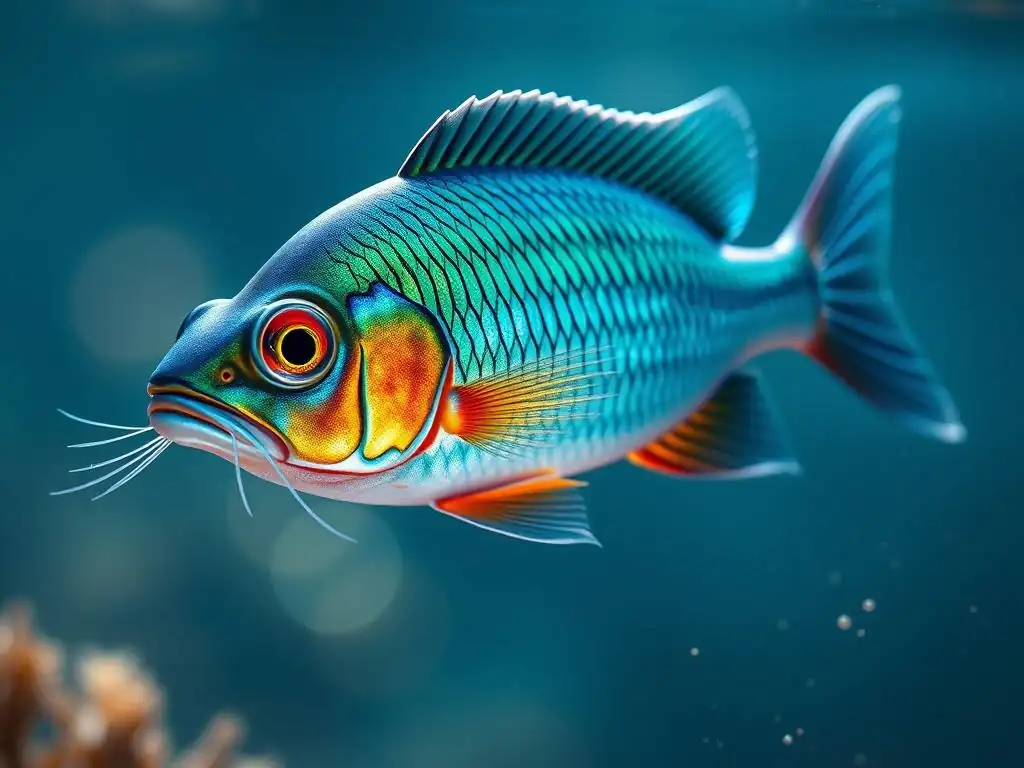
Variatus Platy care, while similar to that of their common platy cousins, often benefits from a slightly more spacious environment and particular attention to diet to showcase their vibrant colors and unique finnage. While generally hardy, Xiphophorus variatus can grow slightly larger than common platies, necessitating a minimum tank size of 15-20 gallons for a small group to ensure ample swimming room and reduce stress. They appreciate a well-planted tank with plenty of hiding spots among foliage and driftwood, which mimics their natural riverine habitats and encourages natural behaviors.
Optimal Variatus Platy care also involves maintaining stable water parameters, including a temperature range of 70°F to 78°F (21°C to 26°C), a pH of 7.0 to 8.0, and moderately hard to hard water (10-25 dGH). Regular water changes of 25% weekly are essential for preventing the buildup of nitrates and maintaining overall water quality. While adaptable, a consistent environment is key to their long-term health and vitality, allowing them to display their full spectrum of natural behaviors and colors.
Variatus Platy vs. Common Platy: Key Physical Differences
Distinguishing between the Variatus Platy ( Xiphophorus variatus) and the Common Platy ( Xiphophorus maculatus) involves observing several key physical characteristics. The Variatus Platy typically exhibits a more elongated body shape compared to the Common Platy's more robust, stubbier form. This sleeker profile is particularly noticeable in adult males. Another significant difference lies in their dorsal fins; male Variatus Platies often develop a more extended and pointed dorsal fin, which is less pronounced in common platies.
Coloration also provides a strong clue. While both species boast a wide array of cultivated color morphs, the wild-type Variatus Platy often displays iridescent or metallic hues, particularly in males, with shades of green, blue, and orange, especially on the fins. Common Platies, in their wild form, typically have more subdued, mottled patterns, although selective breeding has produced an extensive range of vibrant colors in both species. Observing the overall body shape and fin structure is often the most reliable way to differentiate them.
Setting Up a Variatus Platy Tank: Environment and Decorations
Setting up an ideal tank for Variatus Platies involves creating an environment that closely mimics their natural habitat in fast-moving rivers and streams. These fish appreciate a spacious aquarium, with a minimum of 15 to 20 gallons recommended for a small group, allowing them ample room to swim and explore. A well-planted tank is highly beneficial, providing both cover and areas for grazing on algae. Live plants such as Java Fern, Anubias, and various stem plants not only enhance the tank's aesthetics but also contribute to water quality by absorbing nitrates.
In addition to live plants, incorporating driftwood and smooth river rocks can create natural-looking hiding spots and territories, which helps reduce stress and encourages natural behaviors. While Variatus Platies are generally peaceful, providing visual barriers can be beneficial, especially if keeping multiple males. A good filtration system that provides moderate water flow, along with an appropriate heater to maintain stable temperatures between 70-78°F (21-26°C), completes the ideal Variatus Platy setup, ensuring a thriving and visually appealing habitat.
Variatus Platy Feeding: Ensuring a Balanced Diet
Variatus Platies are omnivores, much like their common platy relatives, but their natural diet often includes a higher proportion of algal matter. Therefore, ensuring a balanced diet for Variatus Platies involves providing a good quality staple flake food supplemented with plenty of vegetable-based options. High-quality spirulina flakes or algae wafers should be a regular part of their feeding regimen, supporting their digestive health and vibrant coloration.
Beyond plant-based foods, Variatus Platies benefit from occasional protein-rich supplements. Small live or frozen foods such as brine shrimp, daphnia, and bloodworms can be offered a few times a week to provide essential nutrients and variety. It's crucial to feed small amounts two to three times daily, only what they can consume within a few minutes, to prevent overfeeding and maintain excellent water quality, which is paramount for their overall health.
Variatus Platy Breeding: Unique Aspects of Reproduction
Variatus Platies are livebearers and breed readily in the home aquarium, similar to common platies. Females can store sperm for several months, leading to multiple batches of fry from a single mating. The gestation period is approximately 28 to 30 days, after which the female will give birth to fully formed, free-swimming fry. While the general breeding process mirrors that of Xiphophorus maculatus, there can be subtle differences in fry size or the number of offspring per batch, though these variations are often minor and dependent on individual fish health and tank conditions.
One unique aspect that aquarists should be aware of for Variatus Platy breeding is their potential to hybridize with other Xiphophorus species, including common platies and swordtails. If maintaining pure bloodlines is a goal, it is essential to house Variatus Platies in a species-only tank or with tank mates that cannot interbreed. Providing dense vegetation for fry to hide in is crucial for their survival, as adult platies, including the parents, may predate on their offspring.
Variatus vs. Common Platy: Side-by-Side Comparison
Appearance and Color Variations: Identifying the Differences
When comparing the appearance of Variatus Platies ( Xiphophorus variatus) and Common Platies ( Xiphophorus maculatus), distinct differences become apparent beyond just their vibrant colors. The Common Platy typically exhibits a more compact, somewhat stout body shape, with a rounded caudal fin and a dorsal fin that is generally not elongated. Their coloration, while diverse due to selective breeding (e.g., Mickey Mouse, Red Wag), often features distinct patterns or bold solid colors.
In contrast, the Variatus Platy possesses a more elongated, streamlined body, particularly noticeable in adult males. The dorsal fin of male Variatus Platies is often more extended and pointed, and their caudal fin can sometimes have a more defined, slightly pointed lower lobe in some strains. Wild-type Variatus Platies are known for their iridescent, metallic sheen, displaying greens, blues, and oranges, especially on their fins and flanks, which can be more subtle or absent in common platies. These structural and color pattern differences are key to accurate identification.
Size and Growth Rate: Comparing X. maculatus and X. variatus
While both are relatively small freshwater fish, there are slight differences in the typical adult size and growth rate between the Common Platy and the Variatus Platy. The Common Platy ( Xiphophorus maculatus) generally reaches an adult size of about 1.5 to 2.5 inches (3.8 to 6.3 cm) in length, with females usually being larger than males. Their growth rate is relatively quick, often reaching full size within 4 to 6 months under optimal conditions.
The Variatus Platy ( Xiphophorus variatus), on the other hand, tends to grow slightly larger, with adult males typically reaching 2.0 to 2.5 inches (5.0 to 6.3 cm) and females often growing up to 3.0 inches (7.6 cm). While their initial growth might be comparable, Variatus Platies can take a bit longer to reach their maximum size, sometimes up to 8 months. This subtle difference in mature size can influence tank size considerations, as Variatus Platies may benefit from slightly more swimming space.
Both Variatus Platies and Common Platies are celebrated for their peaceful and sociable temperaments, making them excellent choices for community aquariums. They generally exhibit similar social behaviors, preferring to be kept in groups of their own kind, typically three or more, to feel secure and display natural schooling behavior. Neither species is known for aggression towards other fish, making them compatible with a wide array of peaceful tropical species.
However, some aquarists note that Variatus Platies can be slightly more active swimmers, often exploring all levels of the tank with a bit more vigor than the Common Platy, which might prefer to hover in mid-water. The common platy care guide often highlights their extreme adaptability, making them perhaps marginally more forgiving for beginners regarding subtle social dynamics. For a bustling, active community tank, either species works well, but the Variatus might add a touch more dynamism, while the Common Platy offers slightly more relaxed presence.
Water Parameter Preferences: A Comparative Analysis
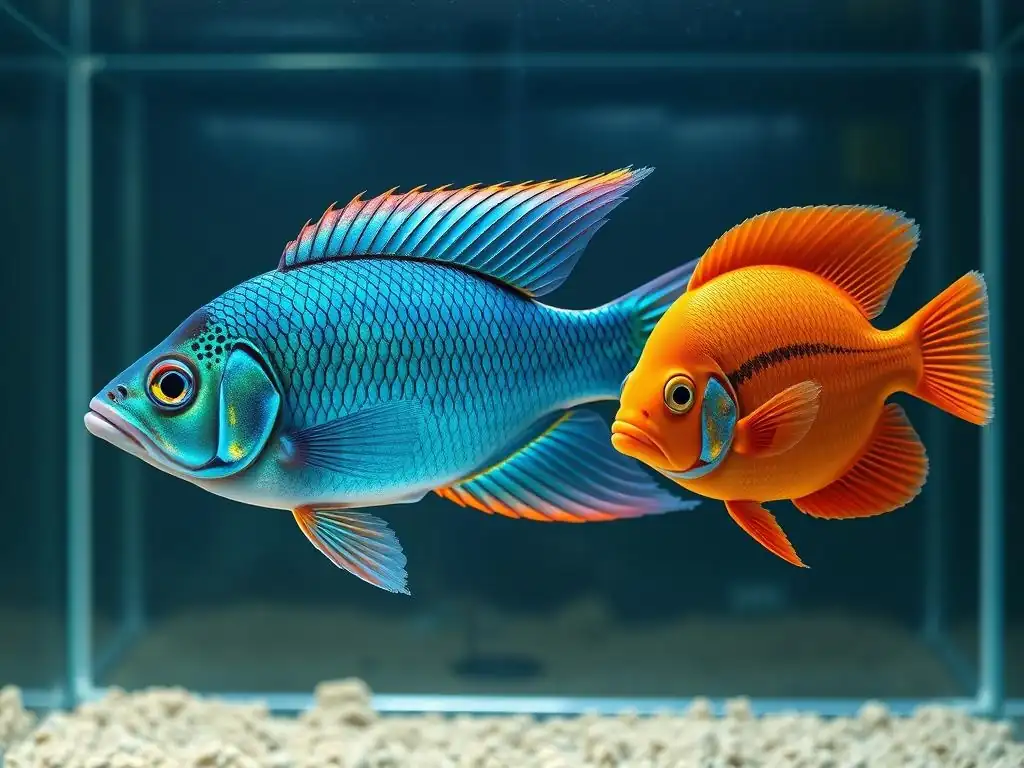
While both Common Platies and Variatus Platies originate from similar Central American regions and share broad water parameter tolerances, a comparative analysis reveals slight nuances in their ideal conditions. Both species thrive in moderately hard to hard water, with a general dGH range of 10-25, and a slightly alkaline pH between 7.0 and 8.0. This preference for harder, more alkaline water is a defining characteristic of Xiphophorus species.
Regarding temperature, Common Platies typically prefer a range of 72°F to 78°F (22°C to 26°C). Variatus Platies, originating from areas that can include slightly cooler, higher-altitude streams, might tolerate the lower end of this spectrum a bit more comfortably, sometimes thriving down to 70°F (21°C) without issue. However, maintaining stable parameters is more critical than hitting an exact point for both. Regular testing for ammonia, nitrite, and nitrate is paramount for both species, ensuring these waste products remain at undetectable or very low levels for nitrate.
Breeding Differences: Variatus vs. Common Platy Reproduction
The breeding processes for Variatus Platies and Common Platies share many fundamental similarities, as both are livebearers with similar gestation periods and prolific breeding capabilities. Both species typically have a gestation period of approximately 28 to 30 days, after which females give birth to fully formed, free-swimming fry. The number of fry per batch can vary widely for both, ranging from 20 to over 80, depending on the female's age, size, and nutritional status.
The primary "difference" in breeding, from an aquarist's perspective, lies in their specific genetic identities and the consequences of interbreeding. While both species breed readily, they are distinct species, and their offspring are hybrids. This means that if an aquarist wishes to maintain pure bloodlines of either the Variatus or the Common Platy, they must be housed in separate aquariums to prevent cross-breeding. For those simply enjoying the process of livebearer reproduction, this distinction might be less critical, but for dedicated breeders or those following a specific common platy care guide for lineage, it is a significant consideration.
Hybridization Considerations: Can Variatus and Common Platies Breed?
Understanding Hybrid Platies: Genetic Implications
Yes, Variatus Platies ( Xiphophorus variatus) and Common Platies ( Xiphophorus maculatus) can and frequently do interbreed, producing viable hybrid offspring. This is a common occurrence in community tanks where both species are present, as they belong to the same genus and share compatible genetic structures. The resulting hybrid platies often exhibit a mix of traits from both parent species, leading to unpredictable combinations of body shape, finnage, and coloration, which can sometimes be striking but also dilute the distinct characteristics of the pure species.
The genetic implications of hybridization are significant for aquarists interested in maintaining pure bloodlines or understanding the specific genetic heritage of their fish. While these hybrids are typically fertile, continued interbreeding over generations can lead to a loss of the unique genetic markers and specific care requirements that distinguish Xiphophorus variatus from Xiphophorus maculatus. This can complicate identification and potentially obscure research into their natural behaviors and propagation.
Preventing Unwanted Hybridization: Maintaining Pure Bloodlines
For aquarists dedicated to preserving the distinct characteristics and pure bloodlines of either Variatus Platies or Common Platies, preventing unwanted hybridization is crucial. The most effective method to achieve this is to house each species in a separate, dedicated aquarium. This ensures that no cross-breeding can occur, allowing the propagation of genetically pure offspring that retain the specific traits of their species.
If maintaining separate tanks is not feasible, another strategy is to keep only one of the Xiphophorus species in a community tank. This eliminates the possibility of interbreeding with the other platy type. Additionally, some aquarists choose to keep only single-sex groups of one or both species to prevent any breeding, though this may alter some social dynamics. Careful selection and identification of fish at the time of purchase are also essential steps in preventing the accidental introduction of a different species into a pure strain tank.
Choosing the Right Platy for Your Aquarium: A Decision Guide
Factors to Consider: Tank Size, Temperament, and Experience Level
When choosing between a Variatus Platy and a Common Platy, several factors should guide your decision to ensure the best fit for your aquarium and your experience level. Tank size is a primary consideration; while both are relatively small, Variatus Platies tend to grow slightly larger and appreciate more swimming space, suggesting a minimum of 15-20 gallons for a group. Common Platies are comfortable in 10-gallon tanks for a small group, making them ideal for smaller setups.
Temperament-wise, both species are peaceful and excellent for community tanks. However, Variatus Platies can be slightly more active swimmers. Your experience level also plays a role; a common platy care guide is often simpler to follow for beginners due to their extreme hardiness and broad adaptability. Variatus Platies, while still robust, might benefit from an aquarist who pays closer attention to specific dietary needs or slight variations in water flow. Consider your existing tank inhabitants and their compatibility to ensure a harmonious environment for your chosen platy species.
Common Platy Care for Beginners: A Simpler Option?
For individuals new to the aquarium hobby, the Common Platy ( Xiphophorus maculatus) often represents a simpler and highly recommended option. Their remarkable hardiness and adaptability to a wide range of water parameters make them very forgiving of minor fluctuations that new aquarists might encounter. A basic common platy care guide typically covers essential elements such as stable water temperature (72-78°F), a pH of 7.0-8.0, and standard tropical fish flakes for diet, all of which are easily managed.
Furthermore, Common Platies are readily available in almost any pet store, often at an affordable price, and come in a vast array of appealing colors and patterns. Their prolific breeding habits also provide an accessible entry point into the world of livebearer reproduction, offering a rewarding experience without complex requirements. This combination of resilience, availability, and ease of propagation firmly establishes the Common Platy as a top choice for beginners seeking a vibrant and low-maintenance addition to their first aquarium.
Variatus Platy Care Challenges: Are You Ready?
While Variatus Platies are also hardy and suitable for many aquarists, there are subtle aspects of Variatus Platy care that might present minor challenges or require a bit more attention compared to the common platy. As they can grow slightly larger and tend to be more active, they ideally require a larger tank, perhaps starting at 15-20 gallons for a small group, to thrive optimally. This means a larger initial investment and more space commitment.
Additionally, while their diet is similar, some aquarists find that Variatus Platies benefit more noticeably from a diet rich in vegetable matter to maintain their vibrant coloration and health, necessitating a more varied feeding regimen than just standard flakes. Their potential for hybridization with common platies also poses a challenge for aquarists aiming to maintain pure bloodlines, requiring careful species identification and potentially separate tanks. While not overly difficult, these nuances suggest that Variatus Platy care might be better suited for aquarists with some prior experience in freshwater fish keeping.
Common Platy Health and Disease: Prevention and Treatment
Recognizing Common Platy Diseases: Symptoms and Solutions
Common Platies, like all freshwater fish, are susceptible to various diseases, though their hardiness often makes them quite resilient. Recognizing common platy diseases early is crucial for effective treatment. Common ailments include Ich (white spot disease), characterized by small white spots resembling salt grains on the body and fins, often treated with elevated temperatures and specific medications. Fin rot, manifesting as frayed or decaying fins, is usually a bacterial infection stemming from poor water quality and requires antibiotics.
Another concern is Dropsy, where the fish appears bloated with scales protruding like a pinecone, often a symptom of kidney failure or internal bacterial infection, which is difficult to treat once advanced. Fungal infections appear as cotton-like growths on the body. Prevention is the best cure, emphasizing pristine water conditions, a balanced diet, and avoiding overcrowding. If symptoms appear, prompt quarantine of the affected fish and targeted treatment with appropriate aquarium medications are essential for successful recovery.
Maintaining Optimal Water Quality for Healthy Platies
Maintaining optimal water quality is the single most critical factor in preventing common platy diseases and ensuring their long-term health. Platies thrive in clean, stable environments, so regular water changes are paramount. A consistent schedule of 25% weekly water changes helps to remove accumulated nitrates and replenish essential minerals, preventing the buildup of toxins that can stress fish and compromise their immune systems.
Beyond water changes, effective filtration is indispensable. A reliable filter, whether a hang-on-back, sponge, or internal filter, will remove physical debris and support beneficial bacteria that convert harmful ammonia and nitrite into less toxic nitrates. Regular testing of water parameters—ammonia, nitrite, nitrate, pH, and temperature—using a liquid test kit allows aquarists to monitor conditions and identify potential issues before they become severe. A common platy care guide always stresses the importance of these practices for a thriving aquarium.
Variatus Platy Health and Disease: Specific Considerations
Addressing Health Issues in Variatus Platies
Addressing health issues in Variatus Platies involves a similar approach to other livebearers, focusing on prevention through excellent husbandry. While generally robust, Xiphophorus variatus can suffer from common freshwater ailments like Ich, fin rot, and fungal infections, often triggered by stress from poor water quality, sudden temperature fluctuations, or inadequate nutrition. Symptoms such as lethargy, clamped fins, loss of appetite, or visible lesions should prompt immediate investigation.
Treatment protocols for Variatus Platies are typically the same as for common platies or other tropical fish. This often involves isolating the affected fish in a quarantine tank, adjusting water parameters to optimal levels, and administering appropriate over-the-counter aquarium medications. For instance, Ich can be treated with heat and Ich-specific remedies, while bacterial infections like fin rot require antibiotics. Consistent monitoring and quick action are key to successful recovery and preventing the spread of disease to other tank inhabitants.
Quarantine and Treatment Strategies for Variatus Platies
Effective quarantine and treatment strategies are vital for maintaining the health of Variatus Platies and preventing the introduction or spread of diseases within the main aquarium. A dedicated quarantine tank, typically 5-10 gallons, should be set up with a heater, sponge filter, and basic decor. All new Variatus Platies, or any fish, should be quarantined for a minimum of 2-4 weeks before being introduced to the main display tank. This period allows observation for any signs of illness and provides an opportunity for prophylactic treatment if necessary.
During quarantine, maintain pristine water quality and a stable temperature. If a disease is detected, specific treatments can be administered in the quarantine tank without affecting the established biological filter or other inhabitants of the main tank. For example, a mild salt bath (1-2 tablespoons per 5 gallons) can be used for minor external parasites, while more severe bacterial or parasitic infections require targeted medications. After treatment, ensure the fish is fully recovered and eating well before transfer.
Enhancing Your Platy Aquarium: Tips and Tricks
Achieving Optimal Water Quality: Filtration, Water Changes, and Testing
Achieving and maintaining optimal water quality is the cornerstone of a thriving platy aquarium, regardless of whether you keep common or variatus platies. Effective filtration is paramount; a good filter not only removes physical debris but also houses beneficial bacteria essential for the nitrogen cycle, converting toxic ammonia and nitrite into safer nitrates. Consider filter types like hang-on-back filters for convenience or sponge filters for gentle flow and excellent biological filtration.
Regular partial water changes are equally critical. Performing a 25% water change weekly is a widely accepted standard that helps dilute nitrates, replenishes trace elements, and removes organic waste. Complementing these practices with consistent water testing—for ammonia, nitrite, nitrate, and pH—allows aquarists to monitor conditions proactively. Keeping these parameters stable and within the ideal ranges (e.g., ammonia and nitrite at 0 ppm, nitrate below 20 ppm) significantly reduces stress on platies and boosts their immune systems, preventing common platy diseases.
Compatible Tank Mates: Creating a Peaceful Community Aquarium
Creating a peaceful community aquarium for your platies involves careful selection of compatible tank mates. Both Common and Variatus Platies are known for their docile nature, making them excellent candidates for mixed-species tanks. The key is to choose fish that share similar water parameter preferences, are of a comparable size, and exhibit a non-aggressive temperament.
Excellent choices for compatible tank mates include other peaceful livebearers such as guppies, mollies, and swordtails, although be mindful of potential hybridization if maintaining pure platy species. Other suitable companions are small, peaceful schooling fish like Neon Tetras, Ember Tetras, Harlequin Rasboras, and various species of Corydoras catfish, which occupy different areas of the tank (mid-water to bottom). Avoid large, predatory fish or known fin-nippers, as they can stress or harm your platies, disrupting the harmony of your carefully planned community aquarium.
Conclusion: Mastering Platy Care in Your Aquarium.
Frequently Asked Questions
What are the main differences between Variatus and Common Platies that aquarists should be aware of?
The key difference lies in their coloration and patterns. Variatus Platies often display more diverse and vibrant colors, while Common Platies generally have simpler patterns. Also, their body shapes can vary slightly.
What are the essential water parameters for keeping Common Platies healthy in an aquarium?
Common Platies thrive in water temperatures between 72-78°F and a pH level of 7.0-8.0. It's crucial to maintain stable water chemistry and perform regular water changes.
What type of food should I feed my Common Platies to ensure they receive proper nutrition?
Common Platies are omnivores and accept a wide range of foods. A balanced diet should include high-quality flake food, supplemented with live or frozen foods like brine shrimp and daphnia.
What are some common diseases that affect Common Platies, and how can I prevent them?
Common Platy diseases include Ich, fin rot, and fungal infections. Prevention involves maintaining clean water conditions, quarantining new fish, and providing a balanced diet to boost their immune system.
How frequently should I perform water changes in my Common Platy aquarium?
A general recommendation is to perform weekly water changes of around 25-50% of the total tank volume. This helps to remove nitrates and maintain optimal water quality for your Platies.
Okay, here's a final reflection you can use for your "Variatus vs. Common Platy: Key Differences for Aquarists" article, aiming to rank for "Common platy care guide."
Final Reflection: Appreciating the Subtle Art of Platy Keeping
The journey through the world of Xiphophorus has revealed that even seemingly simple aquarium inhabitants, like the Common Platy, possess a depth of character and nuance often overlooked. Understanding the subtle differences between Variatus and Common Platies is not just about species identification; it's about fostering a deeper appreciation for the biodiversity within our tanks and becoming more responsible aquarists. This knowledge empowers us to provide the best possible care and contribute to the long-term health and sustainability of these captivating fish.
The ongoing popularity of Platies underscores their enduring appeal as beginner-friendly yet rewarding aquarium fish. My own experience with these vibrant creatures has taught me the importance of observation and continuous learning in the hobby. Their adaptability and willingness to breed often lead to unexpected discoveries and a greater understanding of aquatic ecosystems. The best way to observe a fish is to become the water.
- Jacques Cousteau. This quote reminds us that truly understanding our aquatic companions requires empathy and a willingness to immerse ourselves in their world.
Now, armed with a clearer understanding of the Variatus and Common Platy, I encourage you to reflect on your own aquascaping practices. Are you providing the optimal environment for your Platies to thrive? Are you mindful of the subtle differences that can impact their health and well-being? Let this knowledge inspire you to become a more informed and compassionate aquarist, ensuring that these delightful fish continue to brighten our tanks for generations to come.
Dive Deeper: Transform Your Aquarium Today!
Thanks for exploring the fascinating world of Variatus and Common Platies with us! We hope you’re feeling empowered to create the perfect aquatic environment for your finned friends. Ready to take the next step?
Here’s how to bring your platy paradise to life:
- Choose your Platy wisely: Visit your local aquarium store this week and speak with the experts about the different platy types available and which ones are best suited for your tank's size and water parameters.
- Share your Platy passion: Connect with fellow aquarists on social media or aquarium forums and discuss your platy preferences, breeding experiences, or any interesting behavioral traits you've observed.
- Document and Discover: Start a photo or video journal to track the growth, coloration, and unique behaviors of your platies over time – you might even discover something new about these amazing fish!
What unique characteristics are you most excited to see in your own platy collection?